
Did you know that over 70 million Americans suffer from sleep disorders? If you’re one of them, getting a sleep study might be the first step toward understanding your unique challenges and improving your quality of life. In this complete step-by-step guide, we’ll walk you through the process of arranging a sleep study, what to expect, and how to navigate the logistics-from preparation to results. With practical insights, helpful tips, and answers to common questions, you’ll feel empowered to take back control of your sleep health. Whether you’re struggling with insomnia, sleep apnea, or just curious about your sleep patterns, this guide aims to put you on the right path. Let’s dive in and demystify the world of sleep studies!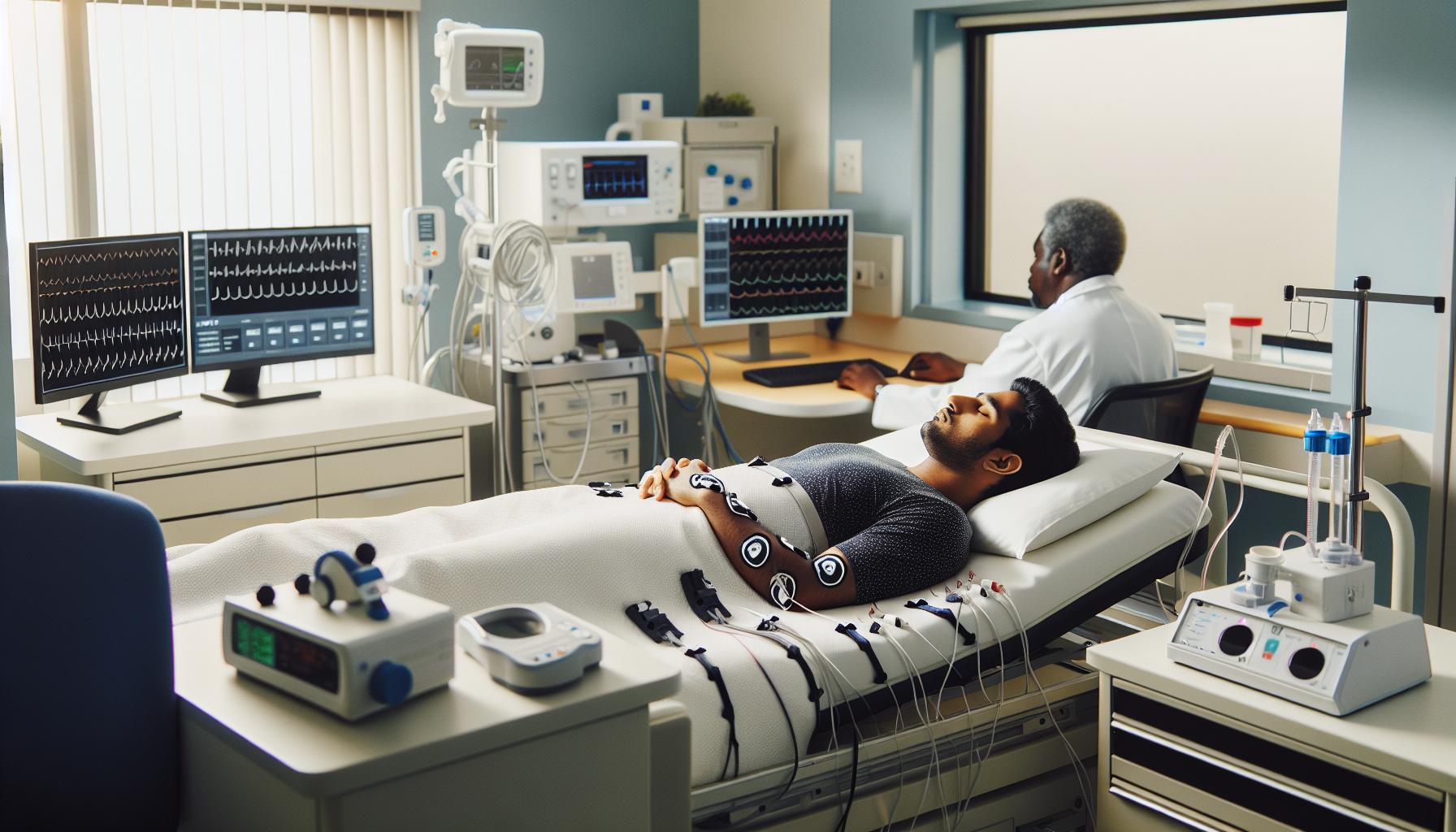
How Sleep Studies Work: Understanding the Basics
Sleep studies, or polysomnography, are essential diagnostic tools for identifying sleep disorders and understanding your sleep patterns. These studies track several physiological parameters while you sleep, including brain wave activity, oxygen levels, heart rate, and breathing patterns. By analyzing this data, healthcare providers can pinpoint issues like sleep apnea, insomnia, and restless leg syndrome, leading to more effective treatment plans.
During a sleep study, you’ll be monitored for an entire night in a controlled environment or, in some cases, from the comfort of your home. In a sleep lab, sensors are typically placed on your scalp, face, chest, and limbs to gather comprehensive data about your sleep. If you opt for an at-home sleep study, more portable devices can be used that measure similar metrics, albeit with some limitations. Regardless of the setting, the goal remains the same: to gather accurate information about your sleep without significant disturbances to your natural rhythms.
Preparation for a sleep study generally involves a few straightforward steps. You’ll likely be advised to avoid caffeine and alcohol before the study to ensure you can sleep more naturally. Additionally, you might be asked to limit your sleep the night before to increase the likelihood of falling asleep quickly during the test. Understanding these basic elements can ease any anxiety you might have about the procedure and help you approach the study with a clear mind.
The results from your sleep study will be evaluated by a trained polysomnographer and discussed with your healthcare provider, who will help interpret the findings. By the end of the process, you can expect a tailored approach to managing your sleep health, whether that means lifestyle changes, therapy, or equipment like CPAP for sleep apnea. This thorough understanding of how sleep studies work can empower you to make informed decisions about your sleep health and pave the way for a more restful night’s sleep.
Are You a Candidate for a Sleep Study? Signs and Symptoms
Many people overlook the signs of sleep disorders, thinking that poor sleep is just a normal part of life. However, if you’re consistently facing issues that impact your daily functioning, it may be time to consider whether you’re a candidate for a sleep study. Knowing the potential indicators can help you take proactive steps toward better sleep health.
Common signs and symptoms that might warrant a sleep study include:
- Excessive daytime sleepiness: If you often feel drowsy during the day, despite getting what you believe is enough sleep, it may indicate an underlying issue like sleep apnea or narcolepsy.
- Snoring loud enough to disturb others: Snoring, especially when loud and disruptive, can be a warning sign of sleep apnea, a serious condition that affects breathing during sleep.
- Restless sleep or insomnia: Difficulty falling asleep, staying asleep, or experiencing restless leg sensations can suggest a variety of sleep disorders, including insomnia or RLS (restless leg syndrome).
- Nighttime breathing difficulties: Gasps, pauses in breathing, or choking sensations during sleep often point to more urgent issues that require immediate assessment.
- Unusual sleep behaviors: Engaging in behaviors such as sleepwalking, talking in your sleep, or experiencing vivid dreams could also be indicative of disorders that can be explored through a sleep study.
If you recognize any of these signs in yourself, discussing your symptoms with a healthcare provider is crucial. They can help assess your situation based on your health history and might recommend a sleep study to gather more data. Remember, understanding your sleep patterns is a vital step toward addressing your sleep health effectively, leading to better quality of life. Don’t hesitate to reach out if you feel that your sleep doesn’t meet your needs; better sleep is within reach.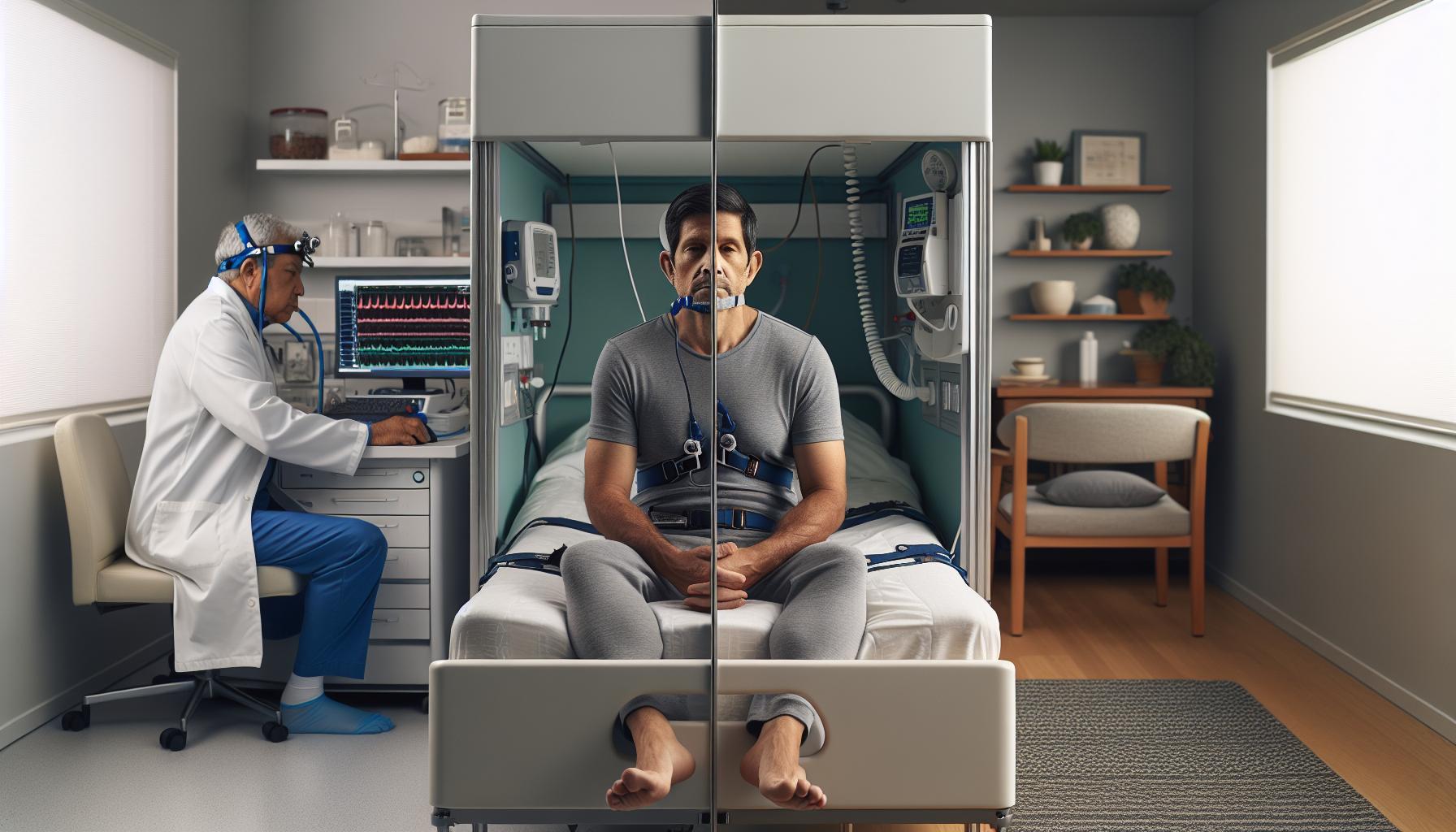
Types of Sleep Studies: In-Lab vs. At-Home Testing
A sleep study is a key tool in diagnosing sleep disorders, and understanding the different types of sleep studies available can help you make informed decisions about your sleep health. Broadly, there are two main types of sleep studies: in-lab polysomnography and home sleep apnea testing. Each has its unique advantages and considerations.
In-lab polysomnography is conducted in a specialized sleep center where trained technicians monitor your sleep overnight. This comprehensive test records a variety of data-brain waves, heart rate, breathing patterns, and even blood oxygen levels-using multiple sensors placed on your body. While it provides the most detailed information about your sleep architecture, it may also be intimidating for some. You can expect to arrive at the lab in the evening, where technicians will explain the setup and ensure your comfort throughout the night. Generally, this option is most beneficial for individuals suspected of having complex sleep disorders, such as sleep apnea or other parasomnias.
On the other hand, home sleep apnea testing offers a more convenient option for those with simpler sleep concerns. These tests involve a portable device you wear while sleeping at home. The device typically measures your breathing patterns, oxygen levels, and heart rate. While home testing is less comprehensive than in-lab studies, it can still effectively diagnose obstructive sleep apnea. This route is often preferred due to its convenience and comfort, allowing users to sleep in their familiar surroundings. However, it is best suited for those who display clear symptoms of sleep apnea without other complicating factors.
- In-Lab Polysomnography:
- Best for complex sleep disorders.
- Monitored by trained technicians.
- Comprehensive data collection.
- Home Sleep Apnea Testing:
- Convenient and comfortable.
- Less comprehensive but effective for diagnosing obstructive sleep apnea.
- Requires minimal setup and can be done overnight at home.
When deciding between the two, consider your symptoms and lifestyle. If you are unsure or feel anxious about testing, discussing your options with a healthcare provider can provide clarity and help you choose the most suitable path for your sleep study. Remember, both methods aim to equip you with the knowledge you need to improve your sleep health effectively.
Preparing for Your Sleep Study: What to Expect
Preparing for a sleep study can feel daunting, but understanding the process and knowing what to expect can significantly ease your anxiety. The day of your sleep study will typically involve a series of straightforward steps aimed at ensuring your comfort and the accuracy of the results.
First and foremost, it’s advisable to maintain your typical daily routine before the study. You should shower and wash your hair, avoiding any heavy hair products or skin creams, as these can interfere with the placement of sensors ([3]). On the day of the study, you’ll want to avoid caffeine in the afternoon and evening to help facilitate a more restful sleep. If you’re a parent preparing for your child’s study, make sure they have dinner beforehand and that they are feeling well, as any illness can necessitate rescheduling the appointment ([2]).
When you arrive at the sleep center, trained technicians will explain the setup process, which typically involves placing small electrodes on your scalp, face, chest, and legs to monitor your sleep patterns throughout the night. This equipment may feel unfamiliar at first. However, discussing any concerns with the staff can help alleviate feelings of discomfort. For children, it may be helpful for them or their parents to bring a favorite device for entertainment while the sensors are being attached, as electronic devices can be used before the actual study begins ([2]).
As the study progresses, you will be encouraged to sleep as normally as possible. It’s understandable if you feel nervous about sleeping in an unfamiliar environment, but technicians are present to monitor you throughout the night, ensuring your safety and comfort. The data collected will provide invaluable insights into your sleep patterns, helping to formulate a clearer picture of any existing or potential sleep disorders. Remember, preparation is key, and with these tips in mind, you’ll be well-equipped to approach your sleep study with confidence.
What to Bring for Your Sleep Study Appointment
Bringing the right items to your sleep study appointment can significantly enhance your comfort and ease any anxiety you may feel about the experience. It’s important to consider that you will be spending a night away from home in an unfamiliar environment, so your focus should be on creating a relaxing atmosphere to facilitate quality sleep.
Start by packing comfortable pajamas or sleepwear that you feel relaxed in. This is crucial, as wearing something familiar and cozy can help you feel more at ease in the new setting. In addition to pajamas, bring clothing for the next day, especially if you have plans right after the study. Packing a toothbrush, toothpaste, and any necessary toiletries will help you maintain your usual hygiene routine, ensuring you feel refreshed upon waking.
If you have any items that contribute to your sleep routine, such as a favorite blanket or stuffed animal, consider bringing them. Comfort items can provide a sense of security and make the sleep study feel less daunting. For children, bringing a comforting toy or sleep sack can help ease their nerves and make the experience more enjoyable ([2]).
Additionally, if you’re on any medications, it’s important to bring those along, as maintaining your regular routine is crucial for accurate results. Lastly, don’t forget to hydrate-bring a water bottle to stay well-hydrated, but be mindful of how much you drink to avoid frequent bathroom trips during the night. By preparing thoughtfully, you ensure a smoother and more pleasant bedtime experience during your sleep study.
Navigating Insurance Coverage for Sleep Studies
Navigating the intricacies of insurance coverage for sleep studies can be daunting, but understanding your options is key to making informed decisions. First and foremost, it’s essential to know that insurance coverage for sleep studies varies widely based on the provider, the type of sleep study required, and your individual plan details. Medicare, for example, covers various types of sleep tests-Type I, II, III, and IV-if deemed medically necessary. However, patients must first meet their Part B deductible and will typically pay 20% of the Medicare-approved amount thereafter for tests performed in approved facilities[[1]](https://www.medicare.gov/coverage/sleep-studies).
To simplify the insurance process, start with these practical steps:
- Consult Your Doctor: Before scheduling a sleep study, discuss your symptoms and concerns with your healthcare provider. They can recommend specific tests and provide clarity on what your insurance is likely to cover.
- Verify Your Plan: Reach out to your insurance provider to confirm coverage for sleep studies. Ask about co-pays, deductibles, and any prerequisites that might apply.
- Ask About In-Network Options: Utilizing in-network sleep clinics can significantly reduce your out-of-pocket expenses. Your insurance company can provide a list of preferred providers.
- Document Everything: Keep track of all communications with your healthcare provider and insurance company. Documenting the rationale for your sleep study can help if there are any disputes about coverage later.
If your insurance does not cover the sleep study or you face unexpected costs, inquire about payment plans or financial assistance programs offered by sleep centers. Additionally, some states allow for flexible spending account (FSA) or health savings account (HSA) usage, which can make managing the costs easier. It’s crucial to stay informed and proactive in addressing potential coverage issues-this way, you can focus more on managing your sleep health rather than navigating the complexities of medical bills.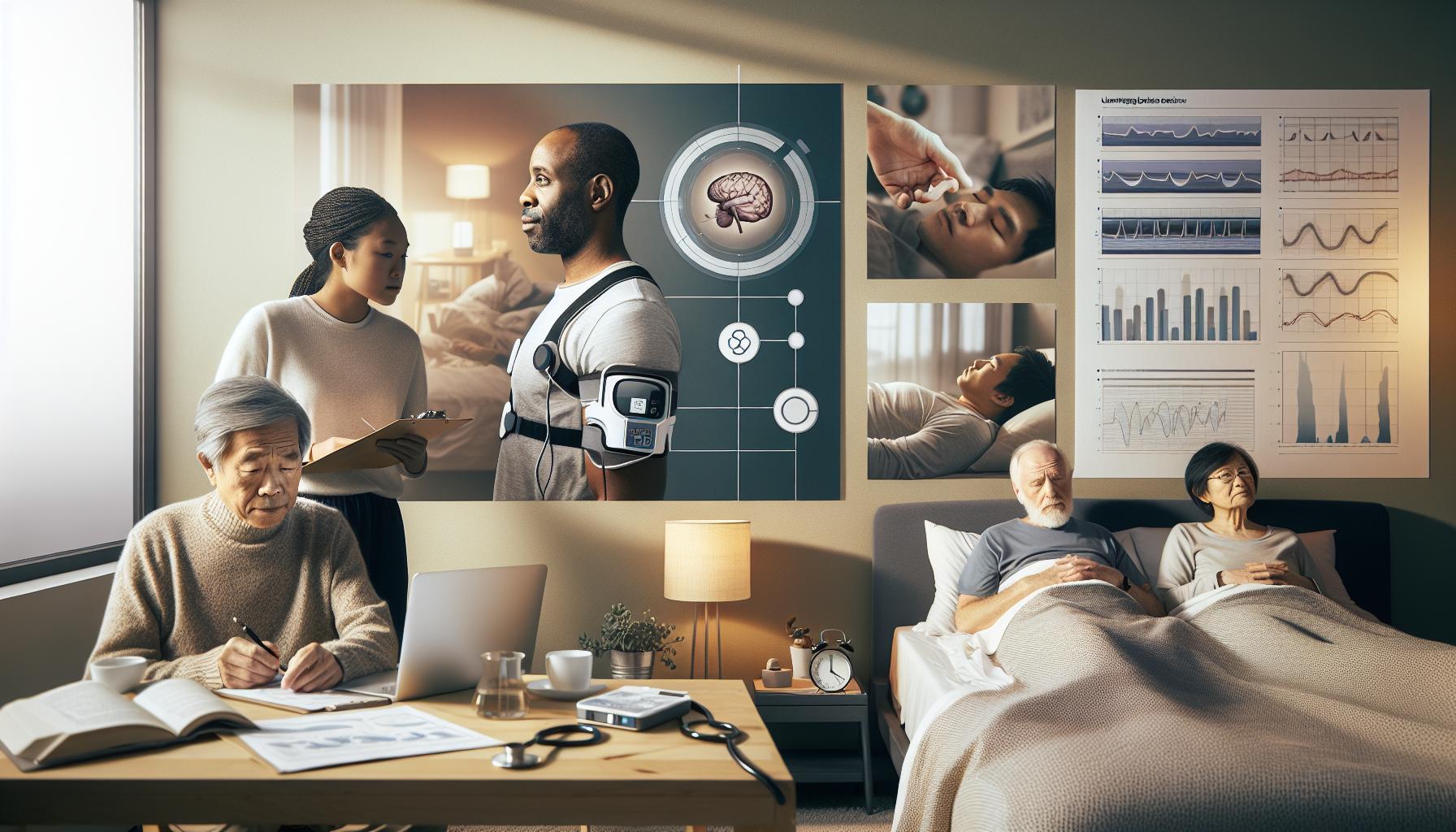
Understanding Sleep Disorders Detected in Studies
Sleep studies play a crucial role in diagnosing various sleep disorders that can significantly impact overall health and well-being. When patients undergo sleep studies, a wide range of conditions may be detected, allowing for timely interventions and tailored treatment plans.
One of the most prevalent disorders identified through sleep studies is obstructive sleep apnea (OSA). This condition occurs when the throat muscles intermittently relax and block the airway during sleep, leading to disrupted breathing patterns and frequent awakenings. Those with OSA often experience daytime fatigue, irritability, and difficulty concentrating, making diagnosis essential for quality of life improvements.
Another common disorder is central sleep apnea (CSA), which differs from OSA in that it arises not from a blockage but from a failure of the brain to signal the muscles for breathing. CSA may occur in individuals with certain health conditions, such as heart failure, and can lead to serious cardiovascular issues if left untreated.
Periodic limb movement disorder (PLMD) is also frequently detected. PLMD involves involuntary leg movements during sleep, which can disrupt sleep patterns and lead to insomnia or excessive daytime sleepiness. Diagnosing this disorder through sleep studies allows for targeted treatments that can enhance sleep quality.
Moreover, sleep studies can help identify narcolepsy, characterized by excessive daytime sleepiness and sudden sleep attacks, as well as other conditions such as insomnia or REM sleep behavior disorder (RBD), where individuals act out their dreams.
The results from a sleep study not only highlight these disorders but also provide insights into the severity of the condition. This information is critical for healthcare providers to develop effective treatment plans that may include lifestyle changes, CPAP therapy for sleep apnea, or medications for other sleep disorders. Given the central role sleep plays in overall health, understanding the disorders detected by sleep studies is an essential first step toward effective management and improved quality of life.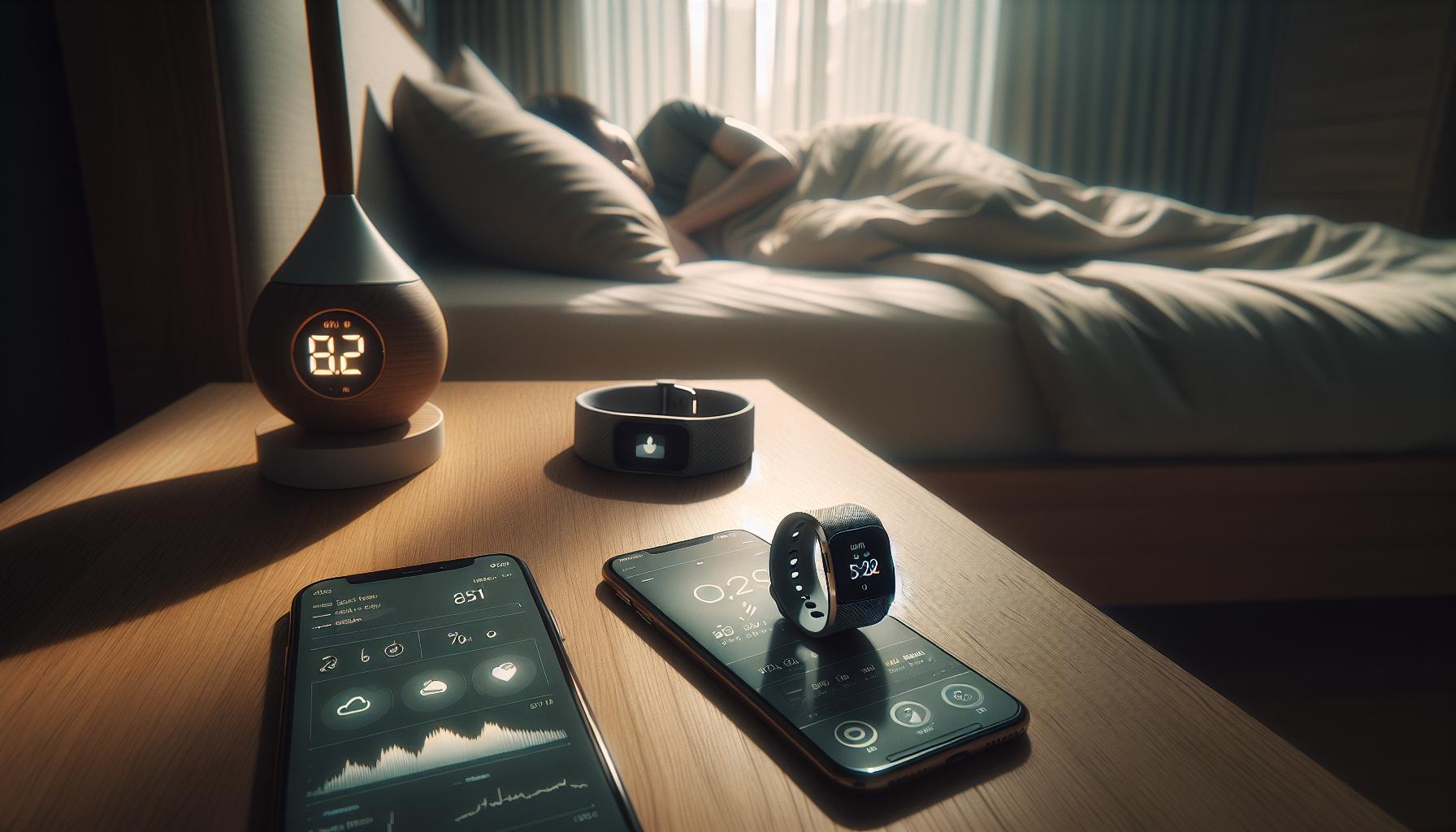
The Role of Sleep Technology: Wearables and Apps
In today’s technology-driven world, sleep technology such as wearables and mobile apps is becoming an essential part of our quest for better sleep. These devices can provide insights into your sleep patterns, helping you understand whether you might be a candidate for a sleep study. For instance, sleep trackers that monitor your movements, heart rate, and even breathing might indicate poor sleep quality, prompting you to seek professional evaluation.
Understanding Wearables and Their Role
Wearables like smartwatches or fitness bands offer more than just step counting; they track your sleep stages, duration, and efficiency, painting a comprehensive picture of your nightly rest. Many devices come equipped with sleep score algorithms that analyze factors like restlessness and time spent awake. However, while they can indicate trends, they should not be seen as replacements for sleep studies. Unlike polysomnography, which measures brain waves and can detect specific disorders like sleep apnea, wearables often lack the clinical accuracy needed for a definitive diagnosis.
Choosing the Right App
There are numerous sleep apps available that can assist in monitoring your sleep environment and patterns. Apps can help you set a consistent bedtime or offer white noise to aid sleep. Some are even designed to integrate with wearables, providing a more rounded view of your health. When selecting an app, consider the following:
- Data Accuracy: Look for apps backed by credible research.
- User Interface: It should be easy to navigate and interpret.
- Compatibility: Ensure it works well with your wearable device.
- Features: Consider settings like reminders, sleep logs, or analytics.
When to Seek Professional Help
Real-life scenarios can often shed light on when wearables might signal the need for a sleep study. For instance, if you consistently note feelings of exhaustion despite seemingly adequate sleep, or if your wearable indicates frequent awakenings, these are signs that you should consider a more comprehensive evaluation. Additionally, if your app indicates irregular sleep patterns or potential sleep disturbances, consulting a healthcare provider becomes crucial.
In conclusion, while wearables and apps are fantastic tools for monitoring sleep health, they are best used as complements to professional sleep studies rather than substitutes. They empower you to take the first step towards understanding your sleep, allowing you to gather valuable data to share with your healthcare provider for a more accurate diagnosis and tailored treatment plan.
Interpreting Your Sleep Study Results
Interpreting the results of your sleep study can be pivotal in understanding your nighttime habits and diagnosing potential sleep disorders. Once the study is complete, the data collected offers insights that can lead to effective treatment plans. These results typically detail how many times you experienced issues like sleep apnea and how these might affect your overall health.
To begin interpreting your results, focus on the Apnea-Hypopnea Index (AHI), which quantitatively measures the severity of sleep apnea. This index is calculated by the number of apnea (pauses in breathing) and hypopnea (shallow breathing) events per hour. The classification is straightforward: an AHI of 0-5 is considered normal, 6-15 indicates mild sleep apnea, 16-29 suggests moderate sleep apnea, and 30 or more is categorized as severe sleep apnea. Understanding where you fall within these ranges can illuminate the severity of your condition and guide treatment options.
Another critical component to review is your sleep latency, which defines the time it took you to fall asleep. If it’s significantly longer than the average (about 15 minutes), this could highlight underlying issues such as insomnia. Additionally, take note of your sleep stages, which indicate how much time you spent in REM and non-REM sleep. Disturbances in these stages can further inform your healthcare provider about potential sleep disorders.
When you receive your report, it may feel overwhelming due to the technical jargon. Be sure to discuss the findings with your doctor, who can explain how specific patterns observed during your study impact your health. They can help contextualize data points and recommend next steps that may include lifestyle changes, further testing, or therapies designed to enhance your sleep quality. Understanding your sleep study results is the first step toward reclaiming restful nights and improved overall well-being.
Next Steps After Your Sleep Study: Treatment Options
After the completion of your sleep study, it’s essential to know what comes next and how to translate your results into meaningful steps towards improved sleep health. Depending on the findings, your healthcare provider will outline a tailored treatment plan to address your specific sleep disorder. Here are some key treatment options you might encounter:
Common Treatment Options
- Continuous Positive Airway Pressure (CPAP): If your results indicate sleep apnea, a CPAP machine may be recommended. This device delivers a steady stream of air through a mask to keep your airways open while you sleep.
- Oral Appliances: Some patients may benefit from dental devices that adjust the position of the jaw and tongue to prevent airway blockage.
- Cognitive Behavioral Therapy for Insomnia (CBT-I): For those struggling with insomnia, CBT-I focuses on changing thoughts and behaviors around sleep, helping to establish healthier sleep patterns.
- Medications: Prescription or over-the-counter sleep aids may occasionally be suggested, particularly on a short-term basis, to help regulate your sleep cycles.
- Lifestyle Changes: Your provider might recommend alterations to your sleep environment or daily habits, such as reducing caffeine intake, exercising regularly, or maintaining a consistent sleep schedule.
Follow-Up Steps
Upon discussing your results with your healthcare provider, it’s crucial to establish a follow-up plan. This may include:
- Regular Check-ins: Schedule visits to monitor your progress and make adjustments to your treatment plan as necessary.
- Further Testing: In some cases, additional tests may be required if your initial study doesn’t provide a clear diagnosis.
- Monitoring Any Symptoms: Keep a sleep diary to track any changes in your sleep patterns and symptoms to discuss during follow-ups.
Receiving a sleep study diagnosis might feel overwhelming, but understanding the next steps in your treatment options can empower you to take control of your sleep health. Each treatment path is designed to address your specific issues, guiding you towards more restful nights and improved overall well-being. Remember, it’s a collaborative journey, and your healthcare team is there to support you every step of the way.
Common Misconceptions About Sleep Studies
Many people harbor misconceptions about sleep studies that can lead to unnecessary anxiety or misunderstanding about the process. One common myth is that sleep studies are only for those with severe sleep problems. In reality, they can benefit anyone experiencing symptoms of sleep disorders, such as excessive daytime sleepiness, difficulty concentrating, or loud snoring. Being proactive about sleep health is always a wise decision.
Another frequent belief is that you must be confined to a lab for a sleep study, which can sound intimidating. While in-lab studies offer comprehensive monitoring-often considered the gold standard-home sleep studies are increasingly becoming an option. These allow for comfortable testing in your own environment and are often suitable for diagnosing conditions like sleep apnea. Utilizing technology such as portable devices or wearables can facilitate this process, making it more accessible.
Many also think that a sleep study can provide instant results. In reality, while the data collected during the study is analyzed relatively quickly, it may take time for your healthcare provider to interpret the findings and discuss potential treatment options with you. Trusting the process is essential, as the information gathered is crucial for developing an effective treatment plan tailored to your specific needs.
Lastly, a prevalent notion is that sleep studies are excessively uncomfortable or invasive. In actuality, most patients report that they are quite manageable-especially considering the benefits. Light sensors and electrodes are attached to your body in a way that doesn’t obstruct your movements too much, allowing for a natural sleep experience. Awareness of these truths can empower you to approach your sleep study with confidence and clarity, ensuring that you take important steps toward better sleep health.
Tips for Managing Anxiety Before a Sleep Study
Feeling anxious before a sleep study is entirely normal, but understanding what to expect can help mitigate that anxiety. One effective strategy is to educate yourself about the process. Knowing that sleep studies are generally non-invasive and designed to be as comfortable as possible can ease some fears. For instance, during an in-lab study, you’ll be monitored with sensors that won’t limit your movement significantly as you sleep, enabling a more natural experience.
Another useful tip is to prepare ahead of time. Make a checklist of what you need to bring, such as comfortable pajamas, personal hygiene items, and any sleep aids you might typically use, like a favorite pillow. This preparation not only helps you feel more in control but can also serve as a distraction from anxious thoughts about the study itself.
Additionally, consider incorporating relaxation techniques into your routine leading up to the appointment. Practices such as deep breathing, meditation, or light yoga can significantly reduce anxiety levels. For some, listening to calming music or a sleep podcast right before bed can facilitate a more restful mindset about the upcoming procedure.
Finally, don’t hesitate to communicate with your healthcare provider about your concerns. They can offer personalized advice, help clarify any uncertainties about the study, and reassure you that it’s a common experience for many. Knowing you have support from medical professionals can make a world of difference in alleviating pre-study nerves.
Frequently asked questions
Q: How much does a sleep study cost?
A: The cost of a sleep study can vary significantly, typically ranging from $600 to $3,000 depending on whether it’s conducted in a lab or at home. Check with your insurance provider for coverage details, as policies often cover most of the expenses if deemed medically necessary. For more insurance insights, see our section on navigating insurance coverage.
Q: What should I wear for a sleep study?
A: For a sleep study, wear comfortable sleepwear that doesn’t restrict movement. Loose-fitting clothing, like pajamas, is ideal. Avoid heavy makeup or hair products, as these can interfere with the sensors. For tips on preparation, refer to our section on what to expect before your study.
Q: Can I take my medications before a sleep study?
A: Generally, it’s advised to maintain your regular medication schedule unless instructed otherwise by your doctor. Some sleep medications might affect study results, so discuss any concerns with your healthcare provider prior to your appointment. See our article for more on understanding sleep medicines.
Q: How long does a sleep study take to complete?
A: A typical overnight sleep study lasts about 6-8 hours, during which your sleep pattern is monitored. For home sleep tests, you may only need to wear equipment for one night while you sleep. For a detailed breakdown of sleep study processes, check out our section on how sleep studies work.
Q: What happens if I can’t sleep during the study?
A: If you struggle to sleep during the study, technicians will still gather valuable data from your time in bed. They will monitor your awake and sleep periods, and you can communicate issues using a microphone. Tips on managing anxiety before your study can be found in our anxiety management section.
Q: Are sleep studies safe?
A: Yes, sleep studies are considered safe for most individuals. The equipment is non-invasive, and monitoring is conducted under trained professionals. If you have concerns about health risks, discussing them with your doctor can provide further reassurance. Explore our misconceptions section for more clarity.
Q: What can you learn from a sleep study?
A: A sleep study can diagnose sleep disorders like sleep apnea, restless legs syndrome, and insomnia. The results help tailor treatment plans for better sleep health. To learn about interpreting results, refer to our section on interpreting your sleep study results.
Q: Will I wake up during a sleep study?
A: It’s common to wake at some points during a sleep study, especially if you’re not used to the environment or equipment. However, technicians ensure your comfort and can assist if needed, so relax and try to sleep. For practical strategies on handling sleep disturbances, visit our tips on managing anxiety.
Key Takeaways
As you embark on your journey toward better sleep, remember that understanding how to get a sleep study is crucial for addressing any underlying issues. You’ve learned what to expect, from costs to setup steps, empowering you to make informed decisions about your sleep health. If you still have questions or feelings of apprehension, rest assured that resources like our comprehensive guide on wearable sleep trackers and our informative piece on common sleep disorders can ease your mind and provide clarity.
Don’t wait-take control of your sleep health today! Explore more on how sleep studies work and practical tips for setting up your sleep environment. Interested in personalized advice? Sign up for our newsletter to get expert insights and stay updated with the latest in sleep technology and research. Your path to restful nights is just a click away! We invite you to share your thoughts below, and don’t hesitate to reach out if you have any lingering questions. Sleep well!