
Did you know that the beverages you consume in the hours leading up to a sleep study can greatly impact the results? For those preparing for a sleep study, understanding the rules around alcohol is crucial. Alcohol can disrupt your normal sleep patterns, potentially skewing the data gathered during this important assessment of your sleep health. As many individuals navigate anxiety about the sleep study process and its implications for their health, it’s essential to make informed choices. This article will explore whether you can drink alcohol before a sleep study and provide helpful preparation guidelines to ensure accurate test results. By following these recommendations, you’ll be on the right path to understanding your sleep quality and addressing any concerns you may have.
Can Alcohol Impact Your Sleep Study Results?
Consuming alcohol can significantly influence the outcomes of a sleep study, primarily due to its complex effects on sleep patterns and quality. Research indicates that alcohol may initially promote sleepiness but later leads to disrupted sleep, including frequent nighttime awakenings and early morning arousals. This pattern complicates the accurate assessment of sleep issues during the study as the documented sleep quality can be misleading. For instance, despite a person feeling drowsy after drinking, alcohol interferes with critical sleep cycles, ultimately impacting restorative sleep.
Moreover, a recent study highlights a mismatch in perception regarding sleep quality for those who consume both caffeine during the day and alcohol at night. While caffeine is known to objectively reduce sleep quantity, individuals reported no perceived decline in their sleep quality when combining these two substances. This disconnect can result in the persistence of alcohol and caffeine use despite their well-known adverse effects on sleep quality, clouding the true picture that sleep studies seek to convey about sleep disorders (source).
To optimize the reliability of your sleep study results, it’s advisable to refrain from drinking alcohol in the days leading up to the test, as alcohol’s lingering effects can overshadow underlying sleep disorders that these studies aim to diagnose. If you typically consume alcohol regularly, it’s wise to consult your healthcare provider or the facility conducting the sleep study to determine the best course of action leading up to your appointment. This insight not only helps deliver more accurate diagnostic results but also ensures that any potential underlying sleep issues are correctly identified and addressed.
Understanding Sleep Study Preparations
Preparing for a sleep study involves more than just scheduling an appointment; it’s about setting yourself up for accurate and insightful results. One of the most critical considerations is your alcohol consumption in the days leading up to the study. Alcohol can initially induce drowsiness, leading many to believe it aids sleep. However, research shows that it often leads to disrupted sleep patterns, including frequent awakenings and a decrease in restorative sleep stages like REM. These effects can severely compromise the accuracy of a sleep study, making it important to approach preparation with intention.
To ensure that your sleep study accurately reflects your normal sleeping patterns, it’s advised to avoid alcohol for several days prior to the study. This abstention allows your body to return to its natural sleep cycle, helping the sleep specialists gather genuine data about your sleep habits. If you typically consume alcohol frequently, discussion with a healthcare provider is recommended. They can guide you on the optimal way to adjust your habits before the study, ensuring you receive the most benefit from the assessment.
Another key preparation tip is to maintain good sleep hygiene. This includes consistent sleep schedules, creating a comfortable sleep environment, and avoiding stimulants like caffeine close to bedtime. Proper preparations not only enhance the reliability of your results but may also help reduce any anxiety associated with the study. Remember, a sleep study is an important step toward better sleep health, and understanding how substances like alcohol can influence your results makes a substantial difference in effectiveness.
What to Expect During a Sleep Study
During a sleep study, often referred to as polysomnography, you’ll find the environment designed to model a comfortable sleeping situation as closely as possible. Understanding what occurs during this process can alleviate anxiety and prepare you for a smoother experience. Expect to arrive at a sleep center in the evening, where a technician will greet you, guide you through the setup, and explain the various monitoring tools that will be used to analyze your sleep patterns.
Once you’re settled in, you’ll have sensors attached to different parts of your body, such as your scalp, face, and legs, to monitor brain waves, eye movements, heart rate, breathing, and other functions throughout the night. These attachments are non-invasive; the technician will use adhesive pads for ease of removal and comfort during sleep. Many people express initial concern about how they will sleep with all this equipment, but most find the process surprisingly manageable after they settle in.
Typically, the study lasts through the entire night, and you’ll be observed until the early morning when the technicians will awaken you. Throughout the night, you may be prompted to change positions or even perform simple tasks, which helps provide clear data on your sleep patterns. Throughout the process, you may also feel the presence of background noise from monitoring equipment, which is generally designed to be unobtrusive but still noticeable.
Realistically, expect to wake up several times due to the unfamiliar environment and monitoring devices, but the important thing to remember is that this is all part of gathering crucial information about your sleep health. Upon completion of your sleep study, the data collected will be analyzed by sleep specialists who will interpret the findings and discuss them with you in follow-up appointments. This follow-up is a key opportunity to address any concerns or questions you might have developed during the study.
In summary, preparing yourself mentally and understanding the flow of your sleep study can greatly reduce any apprehension. Embracing the process, knowing what to expect, and following pre-study guidelines – such as avoiding alcohol – can significantly enhance the study’s accuracy and outcome in helping you achieve better sleep health.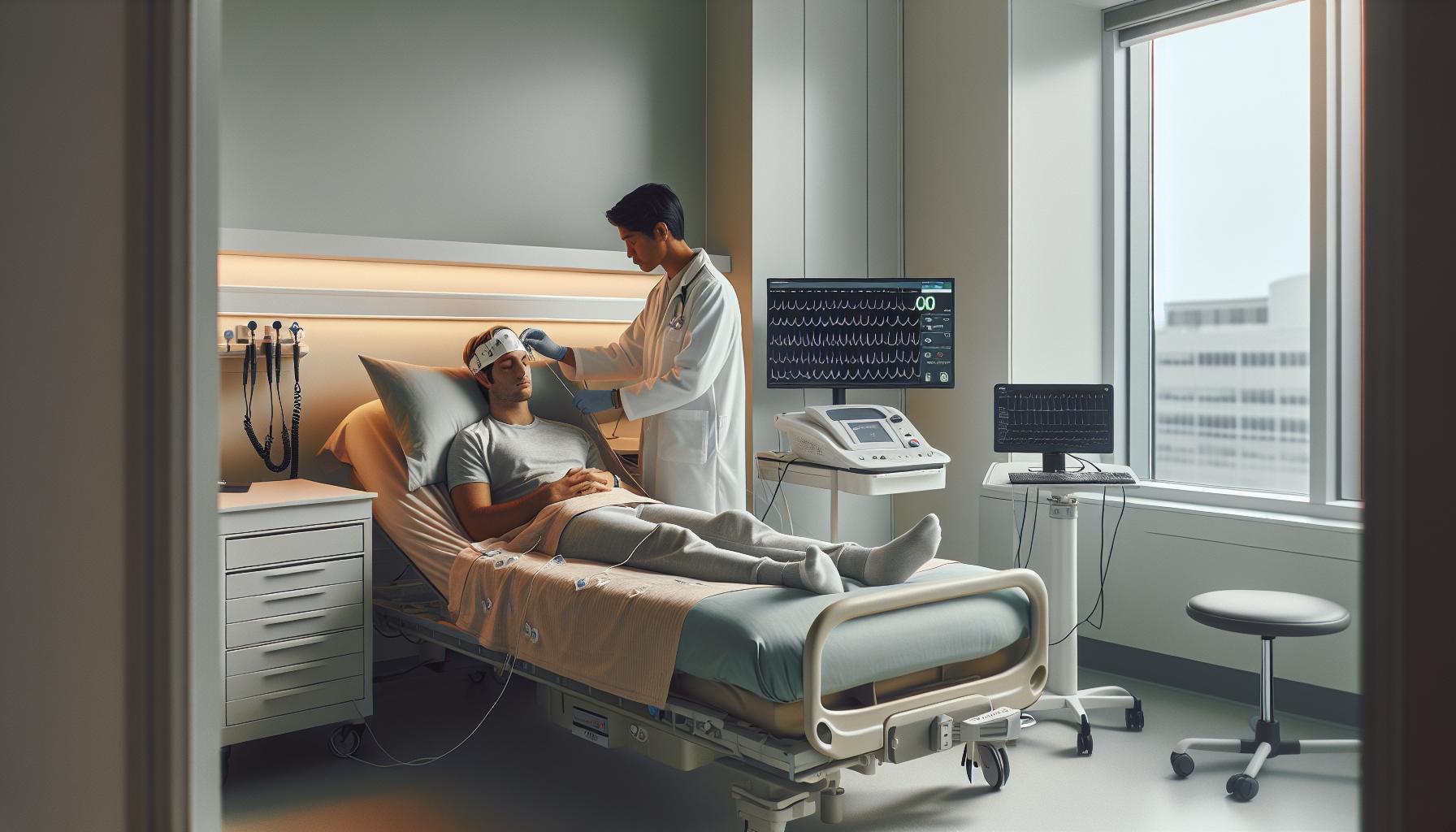
Alcohol and Sleep Quality: The Science
Drinking alcohol before a sleep study can significantly skew the results and impact your sleep quality. While many people believe that a drink or two can help them relax and drift off to sleep more easily, the opposite is often true. Research has shown that even low doses of alcohol can disrupt sleep patterns, particularly by reducing the proportion of REM sleep, which is crucial for restorative sleep. This is important to consider as a sleep study aims to gather accurate data about your sleep cycles, and alcohol can alter this vital information.
Alcohol is known to increase sleepiness initially, leading to quicker sleep onset; however, it negatively affects overall sleep quality. As the night progresses, alcohol consumption can result in frequent awakenings, leading to fragmented sleep. This pattern can obscure the precise sleep issues sleep specialists are looking to identify during the study. For instance, a study highlighted that participants who consumed alcohol reported more nighttime awakenings, which in turn distorted the sleep data that would be analyzed by healthcare providers post-study [[2]].
Furthermore, the timing of alcohol consumption is essential. Consuming alcohol too close to bedtime can leave residual effects on your sleep quality for the entire night. It may also prevent the sleep study from accurately capturing your natural sleep behavior. Those undergoing a sleep study are advised to avoid alcohol for at least 24 hours prior to the test to ensure the best conditions for monitoring and interpreting their sleep.
If you’re preparing for a sleep study, recognize that avoiding alcohol is a crucial step in obtaining valid and actionable insights about your sleep health. This can help your healthcare provider deliver the most effective recommendations and interventions based on your sleep data.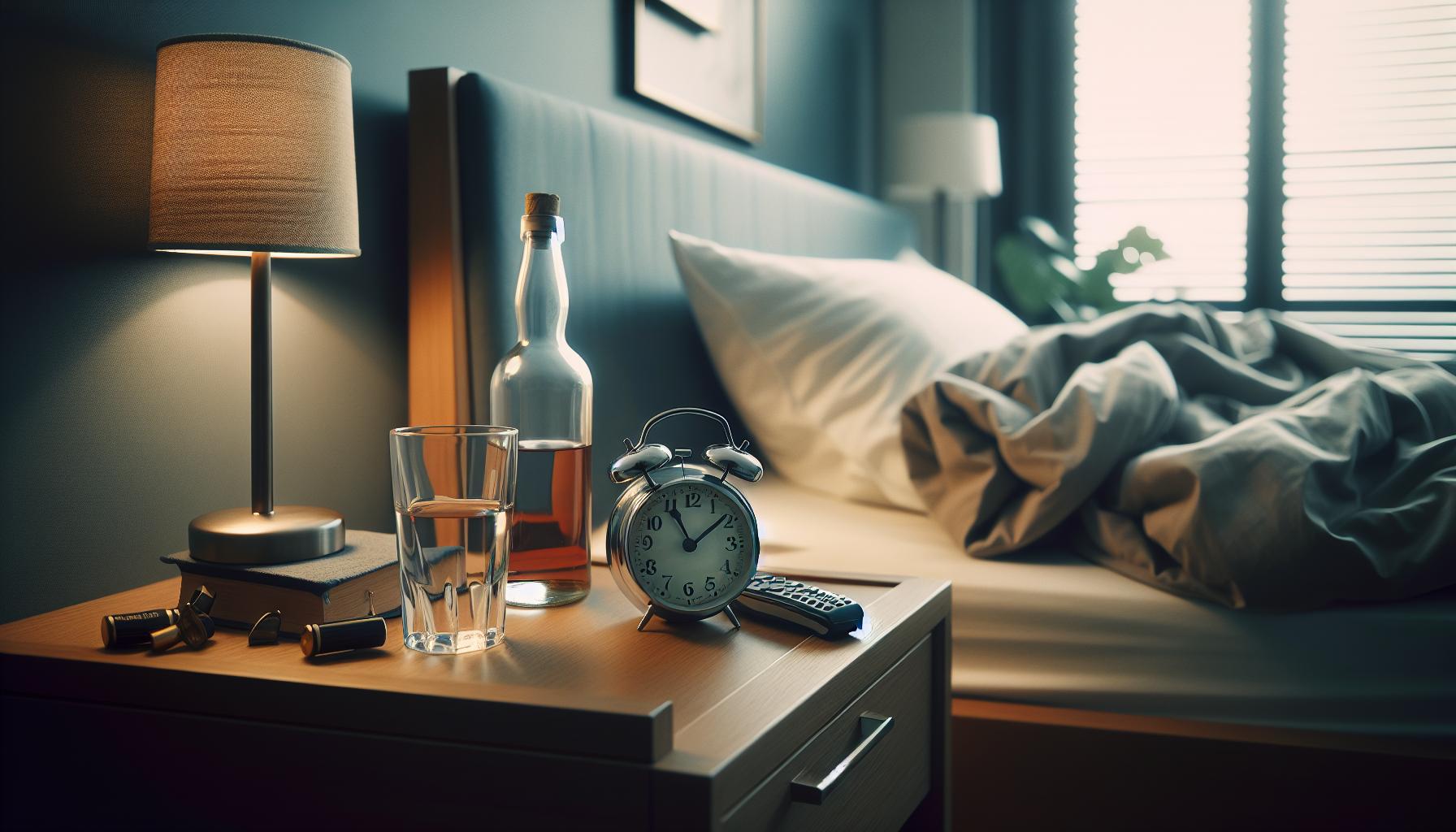
Timing: How Soon Before a Sleep Study?
To ensure the most accurate results from your sleep study, timing your alcohol consumption is crucial. Ideally, you should abstain from drinking alcohol for at least 24 hours before your test. This window allows your body to metabolize any alcohol fully, minimizing residual effects that could disrupt your sleep patterns. Alcohol can significantly alter sleep architecture, especially by reducing REM sleep, which is vital for restorative sleep. By avoiding alcohol leading up to your study, you increase the likelihood that the results will accurately reflect your natural sleep behavior.
Additionally, consider that alcohol can lead to fragmented sleep, causing multiple awakenings throughout the night. If you consume alcohol too close to your bedtime, it can disrupt the deeper phases of sleep you would typically experience. This disruption can hinder the sleep study’s ability to identify underlying sleep disorders. Therefore, extending the alcohol-free period before your sleep study is a simple yet effective strategy to ensure your healthcare provider can analyze your sleep patterns accurately.
In summary, paying attention to when you drink alcohol is an easy yet powerful way to enhance the quality and usefulness of your sleep study results. Doing so not only aids in obtaining clear and actionable insights into your sleep health but also contributes to a more productive conversation between you and your healthcare provider about your sleep issues.
Alternatives to Alcohol Before a Study
While it might be tempting to unwind with a drink before your sleep study, there are more beneficial alternatives that can help promote relaxation and prepare your mind for a restful night’s sleep. Understanding these options can significantly enhance the quality of your sleep study results and thereby provide your healthcare provider with a clearer insight into your sleep patterns.
One effective alternative is to engage in relaxation techniques, which can reduce stress and improve your quality of sleep without the drawbacks of alcohol. Consider practices such as deep breathing exercises, meditation, or gentle yoga. These methods not only calm the mind but can also help establish a conducive atmosphere for sleep. For instance, just 10 minutes of mindfulness meditation might help you feel more centered and ready for the night ahead.
Another excellent choice is to enjoy a caffeine-free herbal tea. Varieties such as chamomile or valerian root can be particularly soothing. These teas are known for their calming properties and can serve as a comforting ritual before bed. Ensuring that your beverage of choice is caffeine-free is crucial, as caffeine can disrupt sleep far more than alcohol does.
In addition to these options, consider maintaining a consistent sleep schedule leading up to your study. Going to bed and waking up at the same time each day can help regulate your body’s internal clock, making it easier to fall asleep and stay asleep during the night of your study.
Lastly, making your sleep environment as comfortable as possible can also have a positive impact. This includes keeping your bedroom dark, quiet, and cool, and also investing in comfortable bedding. Creating a serene sleep environment enables you to maximize your sleep quality, further ensuring that the contributions from your lifestyle choices enhance the validity of the study results.
In summary, choosing alternatives to alcohol not only aligns with the preparation guidelines for your sleep study but also enhances your overall well-being, paving the way for a successful assessment of your sleep health.
Nutritional Considerations Ahead of Your Study
Preparing for a sleep study involves many considerations, and nutrition plays a key role in ensuring accurate results. The foods you choose to consume can impact your sleep quality, which is essential for the evaluation of your sleep patterns. For example, a diet high in sugars and fats can lead to disrupted sleep, making it crucial to focus on balanced meals leading up to the study.
In the days leading up to your sleep study, consider incorporating foods rich in tryptophan, an amino acid that promotes sleepiness. Great sources include:
- Turkey – A classic choice known for its calming effects.
- Bananas – Rich in potassium and magnesium, which help relax muscles.
- Nuts – Almonds and walnuts contain melatonin, the hormone that regulates sleep.
- Oats – A warm bowl of oats can increase insulin levels slightly, allowing tryptophan to enter the brain more effectively.
Additionally, hydration is another crucial factor to consider. While it’s essential to stay hydrated, excessive fluid intake right before bed can lead to frequent bathroom trips during the night, which can interfere with the results of your study. Aim for balanced hydration throughout the day, and consider reducing fluid intake in the hours leading up to your sleep study.
Avoiding heavy meals close to bedtime is also advisable. A large, rich dinner can lead to discomfort and indigestion, both of which can negatively impact your sleep. Instead, opt for a light meal that includes a good mix of protein and carbohydrates, such as grilled chicken with steamed vegetables.
By focusing on these nutritional considerations, you can help create an optimal environment for accurate sleep study results, ensuring that the data collected reflects your true sleep patterns.
Medications: What You Need to Disclose
It’s essential to be open and honest about any medications you are taking before your sleep study. This transparency allows healthcare professionals to better interpret the results and understand how these substances may influence your sleep patterns. Certain medications can have sedative effects, while others might disrupt your sleep cycles. By disclosing this information, you help ensure that the results of your study accurately reflect your sleep health.
When preparing for your sleep study, make a comprehensive list of all medications, including prescription drugs, over-the-counter products, herbal supplements, and vitamins. Some common medications that may affect sleep include antidepressants, anti-anxiety medications, antihistamines, and beta-blockers. For example, medications like benzodiazepines and certain muscle relaxants can increase sleepiness but may also alter the structure of your sleep, affecting deep and REM sleep stages.
Additionally, it’s crucial to inform your healthcare provider about any recent changes in dosage or new medications you might have started. Factors such as timing of medication intake relative to your sleep study can also be important. If you typically take a medication close to bedtime, this could influence your sleep quality and the data collected during the study.
Remember, your healthcare team is there to assist you in navigating this process. If you’re unsure about which medications to disclose or how they might interact with your sleep study, don’t hesitate to ask questions. Providing complete and accurate information can significantly impact the insights gained from your sleep analysis, leading to better recommendations for improving your sleep health.
Sleep Hygiene Best Practices Pre-Study
Creating a peaceful sleep environment is crucial for optimal rest, especially as you prepare for a sleep study. The night before your study is not just about rest; it’s also an opportunity to establish effective sleep hygiene practices that can impact the quality of data collected during your test. Don’t underestimate the power of preparation-simple adjustments can make a significant difference in your overall sleep experience and study outcomes.
Establish a Relaxing Pre-Sleep Routine
A calming ritual before bed can signal to your body that it’s time to wind down. Consider incorporating activities like reading a book, taking a warm bath, or practicing gentle stretches. Avoid stimulating activities and blue light from screens at least an hour before sleep, as these can interfere with your body’s natural sleep-wake cycle.
Create an Optimal Sleep Environment
Your sleep space should be conducive to deep, uninterrupted rest. Aim for a cool room temperature (around 65°F or 18°C is often ideal), maintain a dark setting using blackout curtains, and reduce noise with earplugs or a white noise machine if needed. A comfortable mattress and pillow that support your preferred sleeping position are also key to ensuring you can fall into restful sleep more easily.
Mind Your Diet and Alcohol Intake
In the days leading up to your study, pay attention to what you consume. While it may be tempting to indulge, be wary of alcohol, as it can negatively impact your sleep structure, particularly REM sleep, which is critical for restorative processes. Instead of alcohol, opt for calming herbal teas, such as chamomile or valerian root, which may help promote relaxation without the adverse effects.
Stay Active but Don’t Overexert
Regular physical activity can promote better sleep, but timing matters. Aim for moderate exercise during the day and try to avoid vigorous workouts in the evening. Striking the right balance can help ensure that your body feels naturally fatigued and ready for sleep without being overly stimulated just before bed.
Incorporating these simple yet effective sleep hygiene practices can set a positive tone for your upcoming sleep study. Remember, the goal is to achieve the best environment and mindset for sleep, ultimately leading to more accurate and informative results from your study.
Debunking Myths About Pre-Study Preparations
Many people assume that a drink or two before bed can help them relax and sleep better, especially before a sleep study. However, this belief is steeped in myth rather than reality. Research shows that alcohol can lead to fragmented sleep, reducing the quality of rest and interfering with critical sleep stages, particularly REM sleep, which is essential for cognitive function and overall health. Consuming alcohol can result in poorer sleep architecture, making it difficult for the sleep study to yield accurate results about your sleep patterns.
Another common misconception is that because alcohol might help you fall asleep more quickly, it must be beneficial for pre-study preparation. In reality, while alcohol can make you feel sleepy initially, it often leads to increased awakenings during the night, causing disruptions that could skew the data collected during your sleep study. If you are undergoing a polysomnography test, the goal is to observe your natural sleep patterns, and alcohol use can significantly alter these, leading to misleading conclusions about your sleep health.
Instead of turning to alcohol for relaxation, consider other methods that can promote better sleep hygiene. Incorporating calming practices such as deep breathing, meditation, or a warm bath can prepare you for better sleep without the negative side effects of alcohol. Being aware of what you consume in the days leading up to your study, including your diet and any alcohol intake, is crucial for establishing a baseline that reflects your true sleep behavior.
Ultimately, dispelling these myths about alcohol and sleep is essential for anyone preparing for a sleep study. By prioritizing quality sleep and adopting healthy habits in the lead-up to your testing, you’ll contribute to more accurate results and a clearer understanding of your sleep needs.
Patient Experiences: Real Stories from Sleep Studies
Many individuals preparing for a sleep study have wondered about the role of alcohol and how it may affect their experience. Personal stories often highlight the repercussions of drinking prior to a sleep study, often revealing surprising insights. One participant, who felt moderately anxious about falling asleep in a new environment, decided to sip a glass of wine to calm her nerves. While she did indeed drift off more quickly, she later reported feeling restless and waking several times during the night-ultimately receiving conflicting feedback from the sleep study results. This highlights how alcohol can interfere with sleep cycles, leading to fragmented sleep that doesn’t accurately reflect one’s typical sleep behavior.
Another person shared an experience about preparing meticulously for his sleep study but decided to have a couple of beers the night before, thinking it would help him relax. Regrettably, he spent more time awake tossing and turning than he anticipated, disrupting the valuable data that could have provided insights into his sleep apnea condition. His results indicated more disturbances than he generally experienced, illustrating the impact of alcohol on sleep quality and the potential for misdiagnosis if similar habits are repeated in the future.
Instead of opting for alcohol, many found success in employing natural techniques to promote relaxation ahead of their study. Simple strategies such as reading a soothing book, practicing gentle yoga or even engaging in mindfulness exercises resulted in a more restful night. One participant recounted how a warm bath and herbal tea not only made her feel serene but also produced a deeper sleep, reflecting a more truthful depiction of her sleep patterns during the study.
Realizing that alcohol might sabotage their sleep goals, others have embraced a shift. They took to heart the advice received pre-study to avoid substances that could alter their natural sleep architecture. By listening closely to their bodies and prioritizing true self-care practices, they not only enhanced their sleep study results but also improved their overall sleep hygiene in the long run. These stories underline the importance of preparing wisely for a sleep study and steering clear of alcohol, which ultimately shields the integrity of the results and aids in understanding one’s sleep health better.
When to Seek Professional Advice About Alcohol Use
Understanding the nuances of alcohol consumption, especially in relation to sleep studies, is vital for making informed decisions about your health. If you’re considering drinking alcohol before a sleep study or find yourself questioning your relationship with alcohol, it’s important to recognize the signs that indicate professional advice might be beneficial. For many, the impact of alcohol extends beyond a mere evening choice; it can significantly affect sleep quality, anxiety levels, and overall well-being.
If you notice that alcohol consumption frequently leads to restless nights or emotional distress, it’s time to consult a healthcare professional. This is especially true if you experience symptoms like persistent insomnia or increased anxiety that may not easily resolve. Alcohol can mask underlying sleep disorders or emotional issues, making it tougher to gain an accurate picture of your sleep health during the study.
Consider reaching out to a professional if:
- You frequently use alcohol as a means to cope with stress or anxiety.
- Your drinking habits change, resulting in more frequent consumption or a higher quantity of alcohol.
- You experience withdrawal symptoms or feel unable to cut back, even when aware of the negative effects on your sleep.
- Your unusual alcohol use corresponds with sleep disturbances that concern you, whether they’re before a study or in general.
Additionally, discussing your alcohol use with a healthcare provider can facilitate better preparation for a sleep study. Being open about your habits allows sleep specialists to tailor their approach, optimizing the study to garner the most useful insights about your sleep patterns. They can also guide you in developing healthier habits that improve sleep quality, which is essential not just for the study, but for your overall health. Seeking help is a proactive step toward understanding how your choices can affect your sleep and well-being-empower yourself with the knowledge you need.
Q&A
Q: What should you avoid eating or drinking before a sleep study?
A: Before a sleep study, avoid caffeine, nicotine, and large meals. These can disrupt your sleep patterns and affect the accuracy of the study results. It’s crucial to consult with your clinician about specific dietary restrictions prior to the test.
Q: How long before a sleep study should you stop drinking alcohol?
A: It’s recommended to avoid alcohol for at least 24 hours before your sleep study. Alcohol can interfere with sleep quality and may distort the results of the test, making it essential for accurate evaluation.
Q: Can I take sleeping pills before a sleep study?
A: You should discuss any medications, including sleeping pills, with your healthcare provider before the study. Some medications can alter sleep architecture and may lead to misleading results during the evaluation.
Q: Are there specific sleep hygiene practices to follow before the study?
A: Yes, practicing good sleep hygiene is essential. This includes maintaining a consistent sleep schedule, creating a quiet and dark sleep environment, and avoiding stimulating activities before bedtime. These practices help ensure better results on the day of your study.
Q: Should I follow my regular sleep schedule on the night before the study?
A: Yes, it’s best to stick to your normal sleep schedule prior to the study unless instructed otherwise. This regularity helps ensure that your sleep patterns are accurately recorded during the study.
Q: How does alcohol consumption affect sleep study results?
A: Consuming alcohol can lead to fragmented sleep patterns, reduced REM sleep, and overall diminished sleep quality, thus potentially distorting the findings of your sleep study. Avoiding alcohol helps achieve more accurate results.
Q: What can I do instead of drinking alcohol to relax before my sleep study?
A: Instead of alcohol, consider activities that promote relaxation, such as reading, practicing meditation, or taking a warm bath. These alternatives can help calm your mind and prepare you for a restful night’s sleep.
Q: Can I have decaffeinated coffee before a sleep study?
A: While it’s best to avoid any form of caffeine, including decaffeinated products, if you must consume it, limit your intake significantly and discuss it with your healthcare provider to ensure it does not interfere with your sleep study.
Future Outlook
Now that you’re equipped with the essential preparation rules for your sleep study, remember that avoiding alcohol can play a crucial role in ensuring accurate results. If you have lingering doubts or want to explore other factors affecting sleep health, check out our informative articles on the impacts of lifestyle choices on sleep quality and tips for preparing for your sleep study effectively.
Don’t miss out on maximizing your sleep health journey! Consider subscribing to our newsletter for the latest insights and tools that can enhance your sleep experience. Your well-being is worth investing in, so take the next step and explore our resources to empower your sleep health knowledge. Join us in the conversation-share your thoughts below or connect with others on similar journeys. Your path to better sleep starts here!
Get our latest guides, news, and insights highlighted in your Google Search & AI Overviews.