
Did you know that undiagnosed sleep apnea can drastically affect not only your quality of sleep but also your overall health? If you’re considering a CPAP (Continuous Positive Airway Pressure) machine to improve your night’s rest, you may be wondering whether a sleep study is necessary and how insurance plays into the equation. Understanding the requirements for obtaining a CPAP can be overwhelming, especially with varying rules among insurance providers. This article will empower you with insights into when a sleep study is needed, what to expect during the process, and how to navigate insurance claims effectively. Get ready to take control of your sleep health and make informed decisions that can lead to restful nights and revitalized days.
Understanding Sleep Studies: Why Are They Needed?
Sleep studies play a crucial role in diagnosing sleep disorders, particularly conditions like sleep apnea, insomnia, and other disturbances that can significantly impact health and quality of life. By participating in a sleep study, often referred to as polysomnography, you provide vital data that helps healthcare professionals understand your sleep patterns, including the various stages of sleep and how your body responds during the night. This comprehensive assessment is not merely about counting hours; it aims to capture the nuances of your sleep, revealing issues that may not be apparent during a routine consultation.
Undergoing a sleep study involves monitoring several physiological functions throughout the night, such as brain waves, blood oxygen levels, heart rate, and breathing patterns. This information is essential for making an accurate diagnosis. For instance, if you are suspected of having sleep apnea, a sleep study will determine the frequency and severity of breathing interruptions during sleep, which is critical for deciding the appropriate treatment, such as the need for a CPAP (Continuous Positive Airway Pressure) device. Additionally, many insurance plans require a documented sleep study to cover the costs associated with CPAP therapy, reinforcing the need for this assessment.
While the thought of a sleep study can induce anxiety, understanding the process can help demystify it. Typically conducted in a sleep center or, in some cases, at home, these studies involve minimal discomfort. Technicians are trained to ensure that you are comfortable and that the environment is conducive to sleep. Preparing for your sleep study often includes maintaining a sleep diary and avoiding caffeine or alcohol that evening, which can interfere with results.
In summary, sleep studies are integral to diagnosing and effectively treating sleep disorders. They provide valuable insights into sleep quality and quantity, influencing treatment plans and enhancing overall health. Therefore, if you suspect you have a sleep disorder, discussing the possibility of a sleep study with your healthcare provider is a prudent step toward better sleep health.
How a CPAP Works: Benefits and Expectations
Continuous Positive Airway Pressure (CPAP) therapy is a game-changer for people diagnosed with sleep apnea. This device gently blows air into your throat, keeping your airway open while you sleep. If you’ve ever woken up feeling exhausted, despite a full night’s rest, or if you struggle with loud snoring, you might be among those who can greatly benefit from CPAP. Understanding how it works, along with its benefits and what you can expect, is essential for making an informed decision about your sleep health.
Understanding the CPAP Mechanism
A CPAP machine consists of the following components:
- Air Pump: The core unit that generates a steady stream of air.
- Air Hose: Connects the pump to the mask, delivering air directly to you.
- Mask: Worn over your nose or mouth, ensuring that the air reaches your airway.
When initiated, the CPAP machine provides a consistent airflow that holds open your throat to prevent it from collapsing during sleep. This helps eliminate the interruptions associated with sleep apnea, leading to a more restful sleep pattern. The machine is designed to adjust air pressure automatically, enhancing comfort and efficacy. Many users report improvements in sleep quality within the first few nights.
Benefits of Using a CPAP
The advantages of CPAP therapy extend beyond just preventing sleep apnea episodes. Here are some notable benefits:
- Improved Sleep Quality: Users often report feeling more rested and alert during the day.
- Enhanced Mood and Cognitive Function: A restful night can significantly decrease irritability and improve cognitive skills.
- Fewer Health Risks: By reducing apnea events, CPAP can lower the risks of heart disease, hypertension, and diabetes associated with untreated sleep apnea.
While CPAP is highly effective, it’s not without its challenges. Some users may initially feel discomfort or find it hard to adjust to wearing a mask. However, many find that with a little perseverance and by working with their healthcare provider to find the right fit, these challenges become manageable.
What to Expect When Starting CPAP Therapy
Transitioning to CPAP therapy might require some adjustments. Here are a few key points to consider:
- Initial Setup: Expect to spend some time getting used to the equipment, including finding the ideal mask size.
- Regular Maintenance: Routine cleaning of the mask and hose is essential for hygiene and operation quality.
- Follow-up Appointments: Regular check-ins with your healthcare provider can help fine-tune the settings for optimal comfort and effectiveness.
In summary, a CPAP device can significantly improve your sleep quality and overall health, but it requires a commitment to adapt and follow through with your therapy. Insurance rules often necessitate a sleep study to qualify for CPAP therapy, highlighting the importance of proper assessment before beginning treatment. By understanding how CPAP works, its benefits, and what you can expect, you are better equipped to take control of your sleep health journey.
Insurance Coverage for Sleep Studies and CPAP
Navigating the maze of therapy can often feel daunting, especially when health and finances are concerned. To qualify for CPAP therapy, many insurance plans require a documented diagnosis of sleep apnea from a formal sleep study, which underscores the importance of understanding what to expect regarding coverage and requirements. Typically, both private insurance and Medicare offer coverage for sleep studies and CPAP devices, but the extent of that coverage varies significantly based on the specifics of your insurance plan.
Understanding the requirements is essential. Most insurance companies will require a referral from your healthcare provider for a sleep study, which may need to be completed at a sleep clinic or sometimes home-based testing may be enough. For instance, many plans necessitate conducting a polysomnography (PSG) to confirm sleep apnea. Subsequently, if approved, your insurance will likely cover a portion of the CPAP machine and associated supplies, such as masks and hoses, but you may still encounter out-of-pocket costs depending on your deductible and co-pays.
There are also crucial steps you can take to ease this process. Always verify your insurance benefits ahead of your sleep study or CPAP purchase to understand your coverage limits. You can do this by contacting your insurance provider or checking your policy documentation. Moreover, some services may have a pre-authorization requirement, which can slow down your treatment timeline if not handled promptly. If you’re faced with unexpected expenses, don’t hesitate to discuss financial assistance options with your provider or the equipment supplier; they are often equipped to help you navigate any financial barriers.
In summary, approaching your therapy does require attention to detail and proactive communication. Being well-informed about your insurance plan, the necessary steps for diagnosis, and what is needed for equipment coverage can make a significant difference in your experience. Prioritizing these preparations will not only save you stress but also ensure that you are on the right path to achieving better sleep health.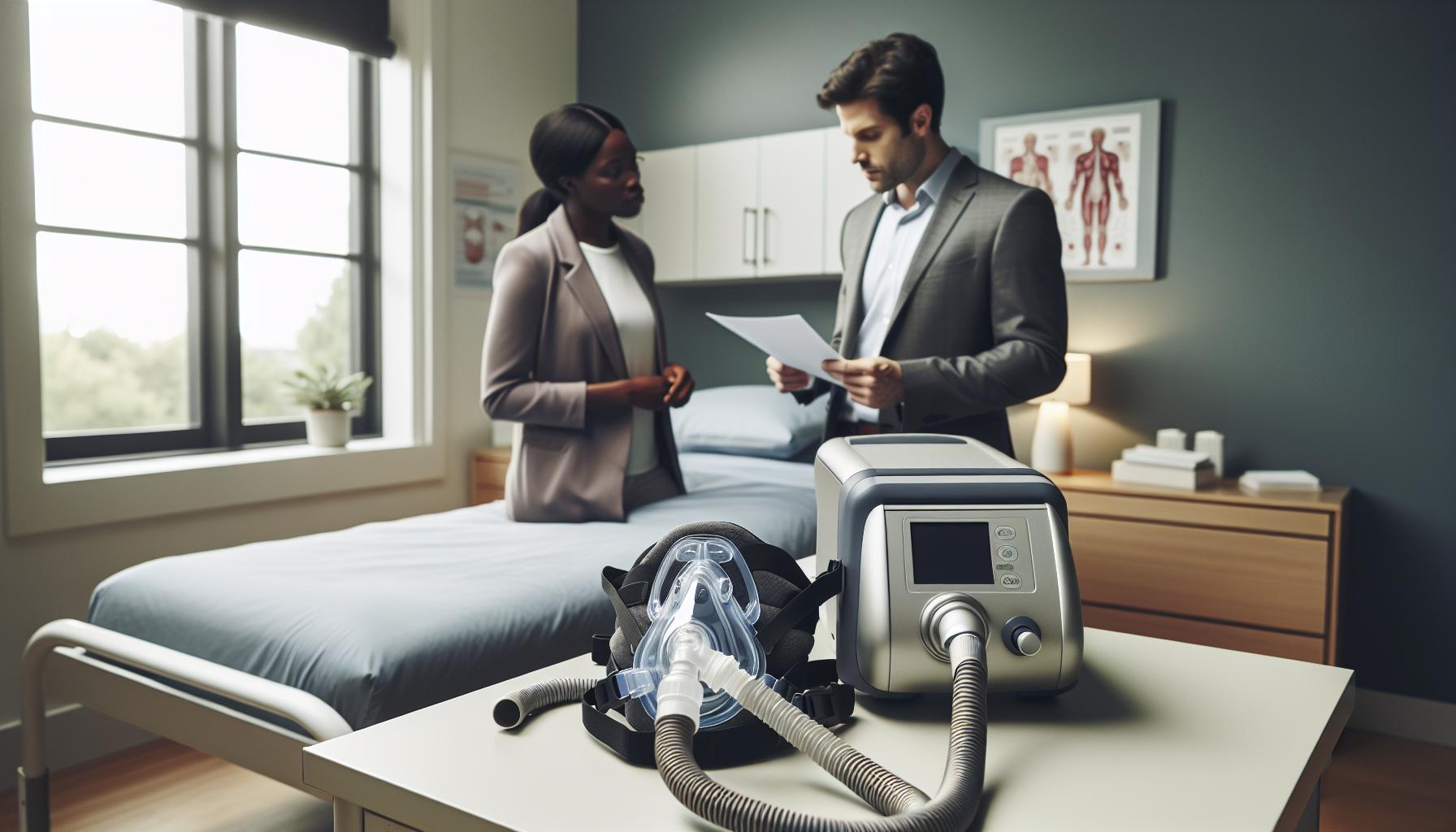
How to Prepare for Your Sleep Study
Preparing for a sleep study can feel overwhelming, but knowing what to expect can help ease anxiety. Most importantly, this test is essential for accurately diagnosing sleep apnea and determining the right treatment, including whether a CPAP is necessary. Understanding the logistics and practicalities of the sleep study process is key to having a successful experience.
To begin with, it’s crucial to review the specific instructions given by your healthcare provider or the sleep clinic. They may require you to avoid certain medications, caffeine, and alcohol for a period prior to your study, as these can interfere with your sleep patterns. Here’s a quick checklist to consider:
- Adjust Your Schedule: Try to maintain a normal sleep schedule before the study.
- Avoid Stimulants: Refrain from caffeine and nicotine for at least 12 hours before the test.
- Check Medications: Discuss with your doctor any medications you shouldn’t take prior to the study.
- Follow Clinic Guidelines: Adhere to specific instructions concerning what to wear, eat, and drink.
Depending on where your study is conducted, you might be asked to attend a sleep clinic or use home-based testing equipment. For an in-lab study, you’ll be connected to various monitoring devices that measure brain activity, breathing patterns, and heart rates. Make sure to dress comfortably, as you will be asked to sleep in a new environment.
It’s also wise to prepare for potential sleep disruptions. Many individuals find it hard to sleep in a clinical setting. Practice relaxation techniques like deep breathing or visualization to help you settle. Finally, if you’re nervous, it can be helpful to bring along familiar items from home-like a pillow or blanket-which may help you feel more comfortable.
By taking these steps, you can feel more prepared and confident heading into your sleep study, ultimately paving the way for effective treatment and improved sleep health.
Your Guide to Different Types of Sleep Studies
Understanding the different types of sleep studies is essential for anyone considering a CPAP and navigating insurance coverage. Sleep studies, or polysomnography, are diagnostic tests that monitor various body functions during sleep, primarily used to identify sleep disorders like obstructive sleep apnea (OSA). Each type of sleep study serves a specific purpose and can be performed at a sleep clinic or in the comfort of your home.
Home sleep apnea tests (HSATs) are becoming increasingly popular due to their convenience and lower costs. These tests typically involve simpler setups and fewer sensors, focusing mostly on breathing patterns and oxygen levels. They are well-suited for patients who have moderate to severe symptoms of OSA and require confirmation for a CPAP prescription. However, HSATs may not capture all sleep disorders or the full range of physiological data that an in-lab study would, which is why it’s crucial to discuss with a healthcare provider which option is best for you.
In-lab sleep studies offer a comprehensive analysis of sleep cycles, heart rate, and brain activity. During these tests, you spend the night in a sleep clinic where professionals monitor your sleep in real-time. This setup allows for a more accurate diagnosis of complex sleep disorders, including REM sleep behavior disorder and narcolepsy. Although more expensive, in-lab studies can provide detailed insights that are sometimes overlooked in home tests. Insurance often covers these studies, but the requirements can vary-be sure to verify with your provider what documentation is needed, especially if you believe you have severe sleep apnea.
Ultimately, choosing the right type of sleep study might also depend on your insurance coverage and what your doctor recommends. Keep in mind that insurers generally require documentation of ongoing symptoms, often necessitating a sleep study before they approve CPAP equipment. Knowing the differences between these tests can help you make an informed decision and advocate for your health effectively, ensuring you receive the right diagnosis and treatment. Preparing thoroughly for whichever type of study you undergo will enhance your comfort and the effectiveness of the diagnosis process.
In-Home Sleep Testing: Pros and Cons
Home sleep apnea tests (HSATs) are gaining traction as a viable option for diagnosing sleep disorders, particularly obstructive sleep apnea (OSA). One of the biggest advantages of this method is the convenience it offers-conducting the test in the comfort of your own home can significantly reduce anxiety often associated with traditional sleep labs. These tests often involve a straightforward setup with simpler equipment that focuses primarily on your breathing patterns and oxygen saturation levels. For many patients who exhibit moderate to severe OSA symptoms, HSATs can serve as a crucial first step towards receiving CPAP therapy without the need for an overnight lab stay.
However, in-home testing isn’t without its drawbacks. While HSATs can effectively diagnose OSA, they may not capture the full spectrum of sleep disorders or provide the detailed physiological data that in-lab studies do. This means if you have complex sleep issues or co-morbid conditions, a more comprehensive in-lab sleep study might be necessary to achieve an accurate diagnosis. Additionally, some patients may find the home setup confusing or uncomfortable, impacting the reliability of the data collected. Thus, discussing your specific symptoms and concerns with your healthcare provider is essential to determine whether an HSAT is appropriate for you.
Costs can also vary significantly between home tests and in-lab studies. HSATs tend to be more affordable, making them an attractive option for those with budget constraints. However, insurance coverage for HSATs can differ from one provider to another, so it’s vital to check with your insurance plan to understand what tests are covered and if you require prior documentation or referrals. In many cases, insurers may require evidence of ongoing symptoms before they approve CPAP equipment, which adds another layer to consider when deciding between in-home and in-lab testing.
In conclusion, while in-home sleep testing offers a convenient and cost-effective solution for diagnosing OSA, it’s always best to weigh the pros and cons. Having a clear understanding of what to expect, the potential challenges, and discussing options with your healthcare provider can empower you to make an informed decision that best suits your health needs.
Navigating Health Insurance: What to Know
Navigating health insurance can be a daunting task, especially when addressing a condition like sleep apnea that may require a sleep study and CPAP therapy. Understanding your insurance coverage and the various requirements can be the key to avoiding unexpected costs and ensuring you get the treatment you need in a timely manner.
First, it’s important to review your insurance policy carefully. Look for sections on diagnostic tests, sleep studies, and durable medical equipment (DME). Coverage can vary widely between providers, and some might require prior authorization for a sleep study or CPAP device. It’s not uncommon for insurers to ask for documentation of symptoms, so keeping track of your experiences can be beneficial. Documenting issues like daytime sleepiness, snoring, or other relevant symptoms will help you articulate your case to your insurance provider more effectively.
Another key consideration is understanding the difference between in-lab studies and home sleep tests (HSTs). Some insurance plans may cover one but not the other, or may have stricter rules about which types of studies are eligible for coverage. Generally, in-lab studies are considered more comprehensive and therefore may have a higher reimbursement rate. An in-lab study may be necessary for those with complex sleep disorders, while a home test might suffice for straightforward obstructive sleep apnea.
Talk to your healthcare provider about your insurance coverage. They can often help facilitate communication between you and your insurance company, especially when it comes to obtaining the necessary referrals or documentation. If you encounter roadblocks with your insurer, don’t hesitate to advocate for yourself. You may appeal a decision or request a case review, particularly if you believe a sleep study is medically necessary.
To summarize, successfully navigating health insurance for a sleep study and CPAP involves:
- Understanding your policy: Know what is covered and any requirements for treatment.
- Keeping records: Document your symptoms clearly to assist in your requests.
- Differentiating tests: Know whether your plan covers in-lab studies, home sleep tests, or both.
- Working with your provider: They can provide guidance and assist in dealing with insurance queries.
With diligent preparation and communication, you can enhance your chances of obtaining the necessary authorization and coverage for sleep studies and CPAP devices, helping you secure the treatment you need for better sleep health.
Cost Breakdown: Sleep Studies and CPAP Devices
The financial implications of undergoing a sleep study and acquiring a Continuous Positive Airway Pressure (CPAP) device can often feel overwhelming. Understanding the costs involved is crucial for effective planning. Generally, the costs associated with sleep studies can vary widely, ranging from $1,000 to $3,000 or more for in-lab studies, depending on various factors such as location and the complexity of the testing required. Home sleep tests are typically less expensive, averaging around $300 to $600, but they may not be suitable for all sleep disorders.
Sleep Study Costs
- In-Lab Sleep Studies: These comprehensive evaluations, which may include polysomnography, help diagnose complex sleep disorders. They usually include overnight monitoring of brain waves, oxygen levels, heart rate, and breathing.
- Home Sleep Tests (HSTs): More cost-effective, these tests often involve simplified monitoring devices. They are recommended primarily for diagnosing obstructive sleep apnea (OSA) but may not detect other conditions like central sleep apnea or complex sleep disorders.
CPAP Costs
After diagnosis, the next significant expense is the CPAP device itself, which can range from $500 to over $3,000, with ongoing costs for masks, filters, and maintenance supplies. Insurance plans typically cover CPAP devices, especially if they are deemed medically necessary after a sleep study, but the level of coverage can vary.
Insurance Coverage Considerations
Before undergoing a sleep study or purchasing a CPAP, verify your insurance coverage. Many plans require pre-authorization for sleep studies and CPAP equipment. Here are essential steps to take:
- Check your plan: Look into specifics about what diagnostic tests and DME (Durable Medical Equipment) are covered.
- Document your symptoms: Keeping a record of your symptoms like fatigue, excessive daytime sleepiness, and snoring may help support your claim for coverage.
- Know the difference: Be informed about whether your insurance covers in-lab sleep studies, home tests, or both, as this can affect your costs significantly.
By understanding these costs and navigating insurance policies effectively, you can make informed decisions that contribute to better sleep health without breaking the bank. Preparing in advance can lead to substantial cost savings and ensure you receive the necessary treatment promptly.
Common Misconceptions About Sleep Studies
Many people have misconceptions about sleep studies that can lead to unnecessary anxiety and confusion. One of the most common myths is that sleep studies are only necessary for severe sleeping problems. In reality, these tests can be instrumental in diagnosing a range of sleep disorders, even in individuals who believe their symptoms are mild. Sleep studies, or polysomnography, provide valuable data about your sleep patterns and can uncover issues that might not be apparent, such as sleep apnea or periodic limb movement disorder.
Another prevalent misconception is that sleep studies are invasive and uncomfortable. While they may involve monitoring devices attached to your body, modern sleep studies-whether in a lab or via home testing-are designed to be as non-intrusive as possible. In a sleep clinic, you can expect a private room, a comfortable bed, and a soothing environment to promote sleep. Home sleep tests are particularly user-friendly, requiring you to simply wear a device while you sleep in the comfort of your own home.
People often wonder if a sleep study is required for a CPAP prescription. While it is true that many insurance companies require documentation of obstructive sleep apnea (OSA) from a sleep study to approve CPAP therapy, it’s essential to understand that not all cases necessitate an overnight lab study. Some individuals may qualify for home sleep tests, which are simpler and quicker, depending on their symptoms and initial evaluations.
Lastly, many assume that once one receives a CPAP device, the adjustment period and ongoing use will be straightforward. However, it’s important to recognize that finding the right pressure settings and mask fit can take time and adjustments. This is where ongoing communication with your healthcare provider becomes vital. Remember, having accurate information about sleep studies can help empower your health decisions and reduce the stigma or fear associated with seeking help for sleep issues.
Alternative Options for Sleep Apnea Diagnosis
If you’re experiencing symptoms of sleep apnea but are hesitant about undergoing a traditional sleep study, there are a variety of alternative diagnostic options available that might suit your needs and preferences.
Home sleep tests (HST) have become increasingly popular as a less invasive option compared to in-lab studies. These devices are designed to be user-friendly, allowing you to monitor your sleep patterns in the comfort of your own home. An HST typically involves wearing a small device that tracks essential data such as your breathing patterns, heart rate, and blood oxygen levels during the night. The accuracy can vary, but for many patients with moderate to severe symptoms of obstructive sleep apnea, HSTs can provide sufficient data for a diagnosis. This is particularly beneficial if you’re concerned about the costs and logistics of a full polysomnography in a clinical setting.
Additionally, some healthcare providers are exploring the use of wearable technology to assess sleep quality and irregularities. Devices like smartwatches and fitness trackers can gather insights about your sleep stages, duration, and disturbances. While they don’t replace a clinical diagnosis, they can help track changes over time and initiate discussions with your healthcare provider about your sleep health. If you notice consistent patterns pointing to potential sleep apnea, it may prompt you to seek a professional evaluation more urgently.
For those considering these alternatives, it’s essential to consult with a healthcare professional who understands your symptoms and can recommend the most effective pathway forward. Insurance coverage for these home tests can differ significantly, so verify your plan details and potential out-of-pocket expenses before proceeding. Many insurers recognize home sleep tests as a valid diagnostic tool, which may alleviate concerns around affordability while expanding your options.
In summary, whether you opt for an in-home sleep test or utilize wearable technology, it’s crucial to take proactive steps in addressing your sleep health. Each alternative presents its own benefits and limitations, but they can serve as helpful tools in diagnosing sleep apnea when a traditional study isn’t feasible or attractive.
When to Seek Help: Signs You Need a Sleep Study
Experiencing sleep disturbances can significantly impact your daily life, but recognizing the warning signs of more serious conditions can lead to timely intervention and treatment. If you’re waking up feeling exhausted despite spending a full night in bed, or if you’ve been told by a partner that you snore loudly or stop breathing during sleep, these could be critical signals that it’s time to consider a sleep study. Increasing awareness about your sleep quality is essential for your overall health and well-being.
Several symptoms may indicate a need for a professional evaluation. If you frequently experience the following, it’s advisable to reach out to a healthcare provider:
- Chronic fatigue: Consistent daytime drowsiness, even after a full night of sleep, can be a sign of sleep apnea or other sleep disorders.
- Excessive snoring: Frequent, loud snoring, particularly when accompanied by gasping or choking sounds, may indicate obstructive sleep apnea.
- Restless sleep: Tossing and turning throughout the night, or feeling restless and unable to settle into sleep, can disrupt sleep cycles.
- Mood changes: Increased irritability, anxiety, or depression can be linked to poor sleep quality and may necessitate an assessment.
- Uncontrolled high blood pressure: If you have hypertension that isn’t well managed, sleep apnea could be a contributing factor.
In a world where rest and recovery are crucial, prioritizing sleep health can mean the difference between thriving and merely surviving. Many individuals hesitate to seek help due to anxiety about the sleep study process, but understanding what to expect can alleviate these concerns. Once you see your healthcare provider, they may conduct an initial assessment and recommend a polysomnography test (a comprehensive sleep study) or a home sleep test based on your symptoms. These evaluations can provide critical data on your breathing patterns, sleep cycles, and more, essential for an accurate diagnosis.
Taking proactive steps by discussing your symptoms with a trusted healthcare professional can help in navigating treatment options, including the potential need for a Continuous Positive Airway Pressure (CPAP) machine if sleep apnea is confirmed. Investing in your sleep is investing in your health; knowing when to seek help can pave the way to better nights-and better days ahead.
Real Experiences: CPAP Users Share Their Journey
Many individuals seeking relief from sleep apnea find themselves navigating the often confusing intersection of sleep studies, CPAP machines, and insurance requirements. It’s common for users to share their journeys, highlighting the mixed emotions that come with adapting to a CPAP device after a sleep study has confirmed the need for treatment. Each experience illuminates critical considerations for potential users, reflecting on how these machines can drastically change one’s quality of life for the better.
For instance, Jane, a mother of two, recalls her struggle with constant daytime fatigue and snoring that left her partner sleepless. After completing a polysomnography test, she learned she had moderate obstructive sleep apnea. Initially apprehensive about wearing a CPAP mask, Jane’s experience took a positive turn once she discovered the variety of masks available, including lightweight options that felt less intrusive. With time, she became accustomed to sleeping with the device. “Now I wake up rested and ready to tackle the day,” she reports.
Understanding the insurance aspect is essential, as CPAP coverage can vary significantly. Many users recount having to gather extensive documentation and medical records to facilitate the approval process. “It felt daunting at first, but my doctor’s office helped me every step of the way,” shared Tom, whose experience emphasizes the importance of clear communication with healthcare providers. Users often find that familiarizing themselves with their insurance policy’s specifics-such as pre-approval requirements and coverage deadlines-can ease anxiety regarding potential costs associated with CPAP therapy.
Navigating the adjustment period with a CPAP can also be enlightening, as many users share tips for making the transition smoother. Simple strategies include using a humidifier attachment to combat dryness and gradually increasing nightly usage to acclimate to the sensation of airflow. Feedback from varied experiences emphasizes patience as a crucial part of the journey. “It took a few weeks, but once I got used to it, I couldn’t imagine going back,” remarked Sam, who noted that tracking his sleep improvements with an app gave him encouragement along the way.
Ultimately, the journeys of CPAP users serve as powerful reminders of the life-changing benefits that come from comprehensive sleep studies and appropriate treatment plans. Each story not only highlights the relief that comes with better sleep but also serves as a resource for anyone feeling anxious or overwhelmed about the process, reassuring them that they are not alone in their quest for restful nights.
FAQ
Q: Do you need a doctor’s referral for a sleep study to get a CPAP?
A: Yes, usually a doctor’s referral is required to obtain a sleep study for a CPAP prescription. This ensures that your healthcare provider evaluates your symptoms and health history before ordering a sleep study, aligning with insurance coverage requirements.
Q: How long does it take to get results from a sleep study for CPAP?
A: Typically, it takes about one to two weeks to receive results from a sleep study. After the analysis, your doctor will discuss the findings and possible treatment options, including whether a CPAP is appropriate for you.
Q: Can you get a CPAP without a sleep study?
A: While it is medically advised to undergo a sleep study for accurate diagnosis, some may receive a CPAP based on clinical symptoms. However, this may not be covered by insurance, as a formal diagnosis is usually necessary for reimbursement.
Q: How does insurance determine coverage for a sleep study?
A: Insurance typically evaluates coverage based on the necessity highlighted by your doctor. Documentation of symptoms and any prior treatments can influence whether a sleep study is approved and if it meets their criteria for coverage.
Q: What can you do if your insurance denies coverage for a sleep study?
A: If your insurance denies coverage, review the denial letter for details, and consider appealing the decision. Providing additional medical documentation or seeking a peer review from your healthcare provider can strengthen your case.
Q: Are there out-of-pocket costs for sleep studies or CPAP devices?
A: Yes, out-of-pocket costs can vary significantly based on your insurance plan. Patients may experience deductibles, copays, or uncovered services. It’s essential to understand your policy’s details to prepare for any potential costs.
Q: What types of sleep studies are covered by insurance for CPAP prescriptions?
A: Insurance typically covers polysomnography (in-lab sleep studies) and home sleep apnea testing. The coverage can vary by plan, so check with your provider to confirm which types are included under your policy.
Q: Can a primary care physician conduct a sleep study for CPAP assessment?
A: Generally, a primary care physician can refer you to a sleep specialist who will oversee the sleep study process. They can discuss your symptoms and direct you to the appropriate testing facilities if necessary.
Closing Remarks
Understanding whether you need a sleep study to obtain a CPAP is crucial for your health and insurance coverage. If you’re experiencing symptoms of sleep apnea, don’t wait-take action now to explore your options. For additional insights, check out our guides on the importance of sleep health and how to navigate insurance claims for sleep testing.
Remember, knowledge is power. Assessing your sleep patterns can improve your overall well-being, so consider discussing your concerns with a healthcare professional today. Stay informed by browsing our other resources, like device setup tips and comparisons of sleep trackers to make the best choices for your sleep health journey. Your path to better sleep starts here; let’s embark on it together!
Get our latest guides, news, and insights highlighted in your Google Search & AI Overviews.