
Did you know that nearly one-third of adults report struggling with sleep? The quest for better rest has made wearable technology, like the Amazfit smartwatch, increasingly popular for tracking sleep patterns. But how accurate are these devices when it comes to truly understanding your sleep quality?
For many seeking solutions to insomnia or restless nights, wearable sleep trackers can offer a glimpse into valuable sleep data. With the right insights, you can potentially improve your sleep habits and overall well-being. However, not all sleep trackers are created equal, and their accuracy can vary widely.
In this article, we will explore real user results to reveal the reliability of Amazfit sleep tracking. By delving into actual experiences and comparing feedback, you’ll gain a clearer picture of whether this device can genuinely help you conquer sleep difficulties. Let’s unravel the truth behind Amazfit’s claims and equip you with knowledge that could transform your nightly rest!
Understanding Amazfit Sleep Tracking Accuracy
Amazfit sleep tracking technology harnesses advanced sensors and algorithms to provide insights into your sleep patterns, but how accurate are these readings? It’s a common question that arises among users eager to optimize their sleep health. Generally, Amazfit devices aim for accuracy that aligns closely with clinical standards, but there are nuances to consider that can influence results.
The data collected by Amazfit devices largely revolves around heart rate monitoring, movement, and even blood oxygen levels. These metrics help determine when you fall asleep, how long you sleep, and even the different sleep stages (light, deep, and REM). According to various user reviews and experiences, many have found Amazfit’s tracking results to be fairly reliable. For instance, sleep durations reported by the Amazfit Bip and GTS lines often correlate well with traditional sleep logs. Some users have pointed out discrepancies, especially if they have restless nights or varying routines, indicating that while Amazfit offers fantastic insights, external factors can impact its accuracy.
Key factors affecting accuracy include:
- Wearing Position: Wearing the device on the wrist too loosely or at odd angles can lead to poor readings.
- Battery Levels: Low battery levels can affect sensor performance and, in turn, sleep tracking accuracy.
- Sleep Environment: External disturbances, such as noise or discomfort, can alter your natural sleep patterns, complicating the tracking process.
Understanding these factors can empower users to take charge of their sleep tracking. For example, maintaining a consistent wearing position and monitoring battery levels can enhance the reliability of the data gathered. While wearable devices like Amazfit are excellent tools for gaining insights into sleep, they are not infallible. Recognizing their limitations, such as the incapacity to detect sleep disorders that require clinical evaluation, helps users set realistic expectations. Ultimately, while Amazfit offers an impressive range of tracking capabilities, being aware of the variables at play will enable you to achieve more accurate and beneficial insights into your sleep health.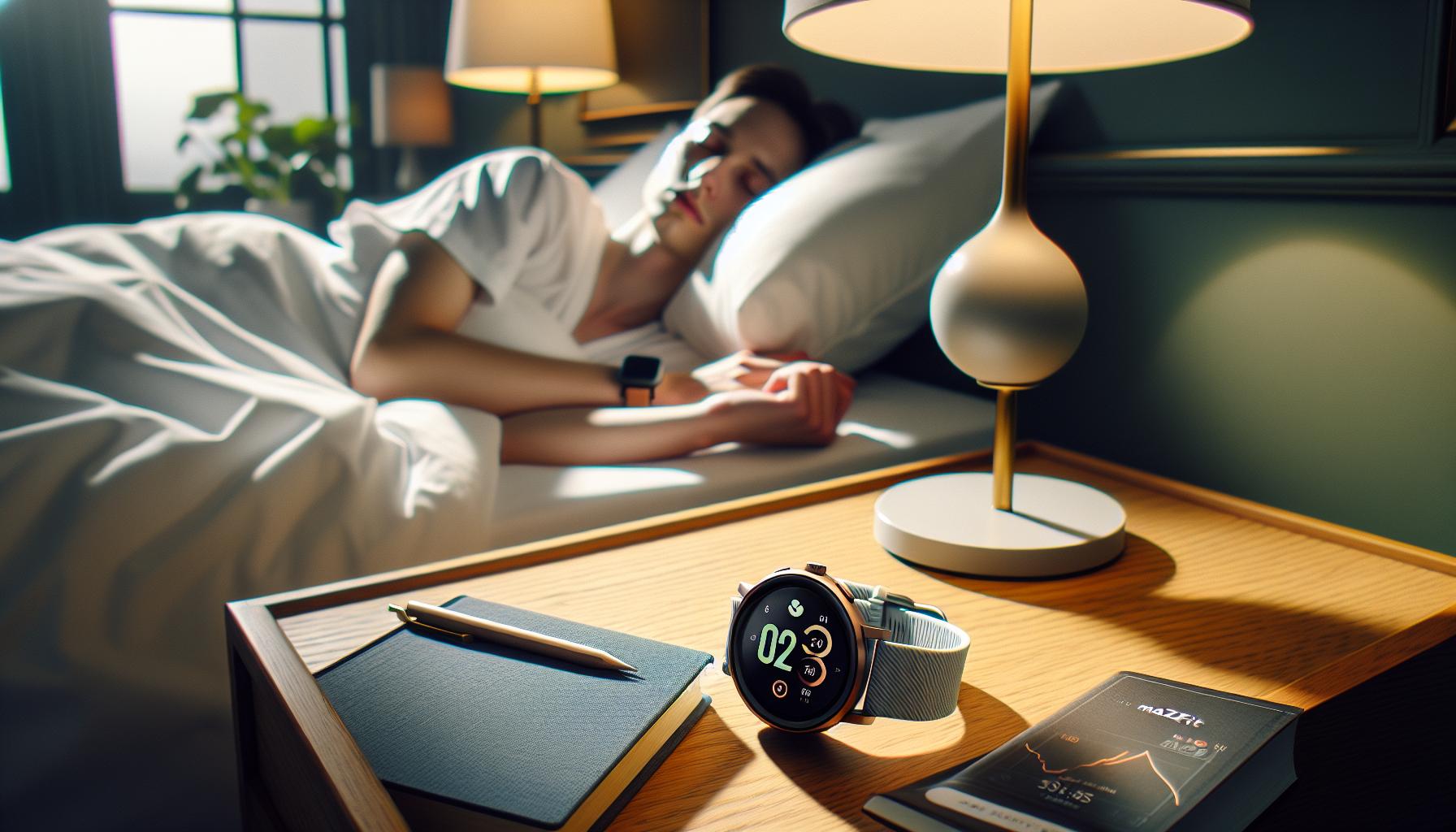
User Experiences: Amazfit Sleep Tracking Reviews
User reviews of Amazfit sleep tracking technologies paint a varied picture, reflecting both strengths and limitations of these devices. Many users appreciate the insights they gain from their Amazfit smartwatches, finding that the data provides a valuable overview of their sleep patterns. For instance, a user might report that the device consistently tracks their sleep duration accurately, aligning with their own logs and confirming their expectations for nightly rest. These affirmations often highlight the device’s ability to differentiate between sleep stages, bringing awareness to how much time is spent in light, deep, and REM sleep.
However, not all experiences are positive. Some users have reported significant discrepancies, particularly on nights when they feel unsettled or restless. A frequent complaint involves the accuracy of sleep stage detection, which some users feel may not fully capture the complexity of their sleep habits. For those who toss and turn, the device might misinterpret restlessness as active sleep. These experiences underscore a critical takeaway: while Amazfit can deliver valuable insight, its accuracy can fluctuate based on individual sleeping behaviors and environments.
### User Insights on Device Performance
In reviewing Amazfit sleep tracking capabilities, users offer practical tips to enhance accuracy and reliability. Here are some shared best practices:
- Consistent Wearing: Ensuring the device is worn snugly and positioned correctly on the wrist can significantly improve data precision.
- Battery Maintenance: Charging the device regularly helps maintain sensor functionality, particularly during critical sleep tracking periods.
- Night Setup: Creating a conducive sleep environment-dark, quiet, and comfortable-can improve overall sleep quality and tracking reliability.
Despite the mixed reviews, many users appreciate the Amazfit’s user-friendly interface and the opportunity to visualize their sleep data through the accompanying app. This enables users to notice patterns over time, guiding them toward healthier sleep habits.
### Understanding Feedback
Feedback indicates that users who understand the limitations and capabilities of their Amazfit devices tend to have more realistic expectations. Some participants have taken advantage of the sleep data to assess lifestyle changes, such as sleep hygiene improvements and cognitive adjustments. The insights gained through the device can act as a catalyst for deeper introspection regarding sleep management.
In conclusion, while opinions on Amazfit sleep tracking vary widely, many users find themselves empowered by the data collected, using it as a foundation for better sleep practices. Whether you view it as a comprehensive sleep study or a helpful companion on your journey to better rest, understanding how to maximize the device’s capabilities is key to realizing its full potential.
How Amazfit Measures Sleep Stages
To understand how Amazfit accurately measures sleep stages, it’s essential to recognize the technology behind its analysis. Amazfit sleep tracking devices utilize advanced sensors that monitor various physiological parameters to differentiate between the stages of sleep: light, deep, and REM sleep. By leveraging a combination of heart rate data, motion sensors, and advanced algorithms, these devices can provide a detailed overview of your nightly rest.
### How It Works
Amazfit devices primarily rely on the following metrics to categorize your sleep stages:
- Heart Rate Variability (HRV): During sleep, your heart rate naturally changes according to the sleep stage you are in. Light sleep typically shows a higher heart rate, while deep sleep is associated with lower, more stable rates. Amazfit tracks these fluctuations to help identify your current sleep state.
- Motion Detection: Integrated accelerometers detect your movement patterns throughout the night. If you’re often still, it may indicate deep sleep, while restless movement could signify light sleep or awakening periods. This data, when combined with HRV, allows for more precise stage detection.
- Sleep Onset Latency: The time it takes for you to fall asleep can also be collected by the device. This metric provides additional context for analyzing sleep quality, helping to differentiate between actual rest and periods of wakefulness.
### The Role of Algorithms
Behind the scenes, Amazfit employs sophisticated algorithms that process this data to construct a comprehensive sleep profile. The algorithms analyze patterns over time, enhancing the device’s predictive capabilities. However, it’s important to approach these readings with a balanced perspective. While the technology provides valuable insights, it may not always capture the full complexity of individual sleep behaviors. For instance, a user experiencing frequent awakenings due to external disturbances might find variations in accuracy based on their environment or personal factors, leading to potential discrepancies in sleep stage recordings.
### Practical Understanding of Sleep Stages
To make sense of your sleep report, it’s helpful to familiarize yourself with sleep stage categorizations:
| Sleep Stage | Characteristics |
|---|---|
| Light Sleep | Transition phase; easy to wake; accounts for up to 50% of sleep. |
| Deep Sleep | Vital for physical recovery; hard to awaken; crucial for health. |
| REM Sleep | Involves dreaming; important for cognition; occurs multiple times a night. |
Understanding these stages and how Amazfit technology measures them enables users to better interpret their sleep data. By being informed about the device’s capabilities and limitations, you can use the insights it provides to make meaningful adjustments to your sleep routine, ultimately leading to improved overall wellbeing.
Comparing Amazfit Sleep Data to Clinical Standards
When evaluating the accuracy of Amazfit sleep tracking, it’s essential to measure its data against established clinical standards, particularly polysomnography (PSG), which remains the gold standard for assessing sleep. This comprehensive sleep study involves multiple sensors that monitor brain waves, oxygen levels, heart rate, and more, giving an intricate overview of a person’s sleep architecture. While Amazfit trackers provide a user-friendly snapshot of sleep stages through accessible technology, understanding how this data aligns with clinical results can empower users to interpret their sleep patterns more effectively.
Accuracy Comparison: Amazfit vs. Polysomnography
Amazfit relies on heart rate variability, motion detection, and algorithms to estimate sleep stages. However, the reliance on wearable technology means users should manage their expectations regarding the precision of this data. Clinical sleep studies can precisely distinguish between sleep stages due to the multi-faceted sensors and the clinical setting’s controlled environment. In contrast, wearables like Amazfit face challenges in noise interference, movement, and skin contact, which may affect readings.
- Deep Sleep Detection: While Amazfit often identifies deep sleep with reasonable accuracy, it may occasionally misclassify light sleep as deep sleep, particularly if you wake frequently or experience disruptions.
- REM Sleep Recognition: REM sleep can be challenging for trackers to assess due to its short duration and similarities to awake states in terms of heart rate readings. Clinical settings can differentiate based on brainwave activity.
- Overall Sleep Quality: Amazfit can effectively summarize total sleep time and sleep efficiency, offering a practical gauge of restfulness. However, clinical metrics provide a more nuanced look at sleep fragmentation and disturbances.
Understanding Variability in Results
Despite the differences in tracking methods, users can benefit from understanding their data contextually. For instance, if you notice a pattern in sleep quality linked to specific lifestyle changes-like stress levels or diet-this insight from Amazfit is valuable, even if not clinically perfect. Users can enhance their sleep by analyzing these trends over time and implementing gradual changes, leading to practical improvements in overall wellbeing.
Ultimately, while Amazfit provides an excellent starting point for identifying sleep patterns and potential issues, anyone concerned about serious sleep disorders should consider a sleep study for comprehensive evaluation. This approach combines the convenience of home tracking with the detailed analysis only a clinical setup can provide, ensuring you can take empowered steps towards better sleep health.
Impact of Wearable Design on Sleep Tracking Accuracy
Wearable devices like the Amazfit series are revolutionizing the way we monitor our sleep, but the design of these gadgets plays a crucial role in their tracking accuracy. The fit, comfort, and technology embedded in these devices can significantly influence how well they can gather and interpret sleep data. For instance, a snug wristband that maintains good contact with the skin not only helps in capturing heart rate variability more accurately but also minimizes the impact of movement during sleep.
Comfort and Fit
A major factor in sleep tracking effectiveness is how well the device fits on your wrist. If the Amazfit tracker is too loose, it may slip, leading to inconsistent heart rate readings, while a too-tight band may cause discomfort or even restrict blood flow, affecting sensor performance. Finding a balance is essential for optimal results. Here are a few tips to ensure the best fit:
- Adjustability: Choose a model with adjustable straps to ensure a comfortable and secure fit.
- Material: Look for bands made from breathable materials that won’t irritate your skin during the night.
- Positioning: Wear the device slightly above your wrist bone to enhance sensor accuracy and comfort.
Technological Features
The design of the Amazfit trackers extends beyond mere aesthetics to include sophisticated technological features that can enhance sleep tracking accuracy. For example, the incorporation of advanced sensors capable of measuring heart rate and movement allows the device to discern between different sleep stages more accurately. However, it’s important to recognize that these technological capabilities can vary significantly across different models.
Amazfit offers several devices with varying levels of sophistication, from basic activity trackers to more advanced smartwatches. As a consumer, weigh what you need against what you’re willing to invest. Devices with more advanced sensors may provide deeper insights into sleep patterns but often come at a higher price point.
Environmental Influences
Interestingly, the ambient environment can also affect the accuracy of sleep tracking. External factors such as room temperature, noise levels, and even the type of bedding you use can impact how well the device records sleep data. For instance, if you are tossing and turning in a hot room, the wearable may misconstrue these movements as wakefulness or restless sleep, which could skew overall data interpretation.
Understanding this, you can take proactive steps to create a more conducive sleep environment that not only improves your rest but also enhances the reliability of your Amazfit sleep data. Simplifying your bedroom-keeping it cool, dark, and quiet-can reduce disturbances and improve sleep quality, consequently leading to more accurate readings from your wearable device.
By considering these aspects of wearable design, users can enhance the effectiveness of their Amazfit sleep tracking experience. Establishing good habits around device usage and creating an optimal sleep environment allows for more accurate measurements and ultimately leads to better understanding and improvement of sleep quality.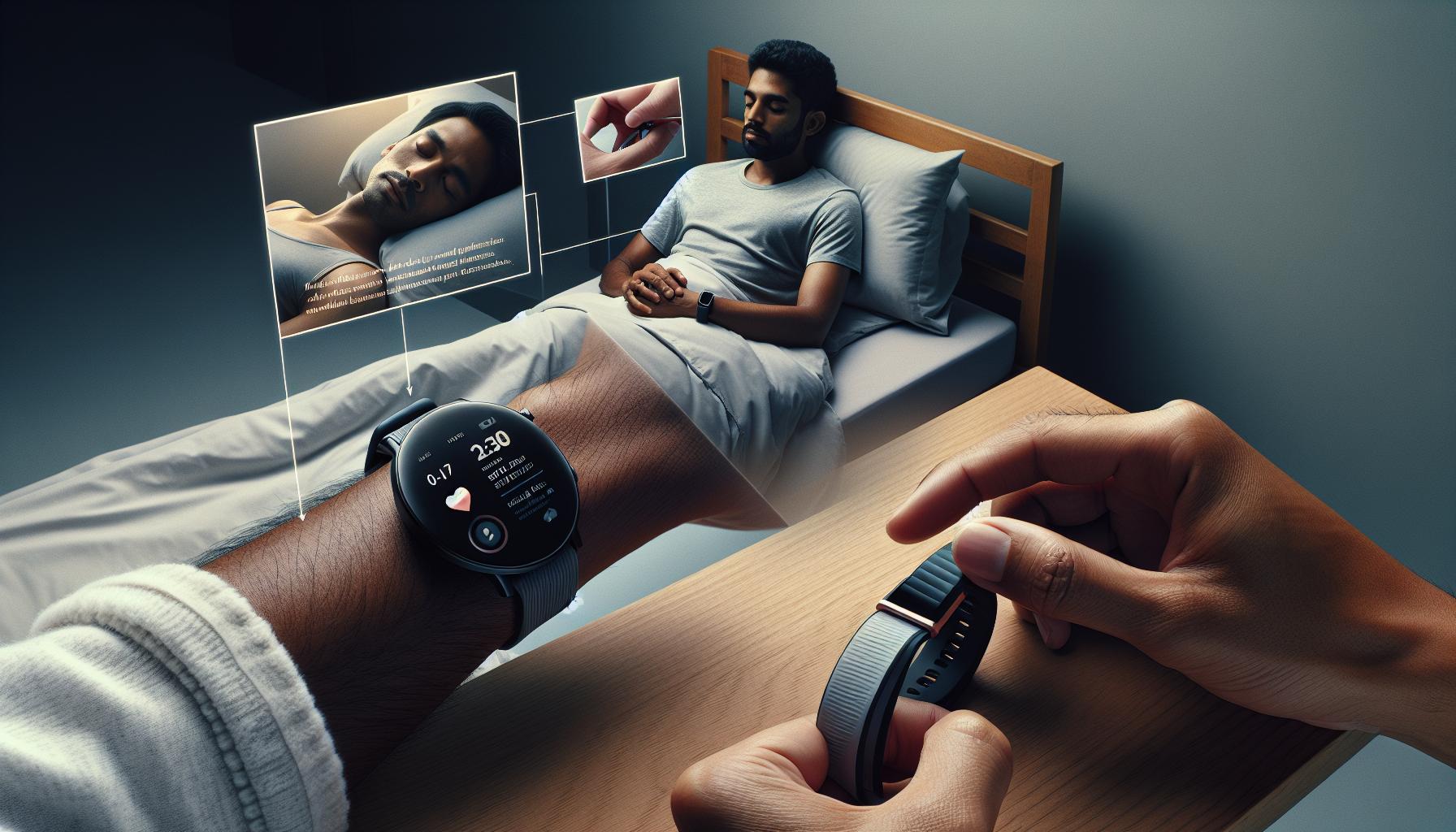
Common Issues with Amazfit Sleep Tracking
While Amazfit devices have garnered positive attention for their sleep tracking capabilities, they are not without their challenges. Users might encounter a range of common issues that can affect the accuracy of the sleep data collected. Recognizing these pitfalls can help you troubleshoot effectively and maximize the benefits of your Amazfit device.
One prevalent problem is data inconsistency, often stemming from improper wear or adjustment. If the tracker is worn too loosely, it may fail to record heart rate and movement accurately, leading to misleading sleep stage data. Make it a habit to check that the device is securely fastened each night to ensure reliable readings. Feedback from users suggests that some models, particularly earlier ones, may struggle with motion sensitivity, sometimes mistaking movement for wakefulness. Adjusting your sleep position or wearing the band slightly above the wrist bone can help mitigate this issue.
Another issue that users encounter is limited compatibility with third-party applications, which can make it challenging to analyze sleep data comprehensively. Amazfit’s native app provides detailed insights, but if you prefer using platforms like Apple Health or Google Fit, syncing issues can occur. It’s worth exploring integration settings and ensuring that the latest firmware is installed to optimize data transfer.
Ambient factors in your sleep environment can easily skew results as well. Many users report that external disturbances, such as pets moving around the bed or noise from outside, can affect readings. Consider making simple adjustments, like creating a quieter sleeping area or using white noise machines, to help improve your device’s accuracy.
Completing the troubleshooting picture, some users might find discrepancies in sleep duration reports. Devices may count periods of light sleep as wakefulness or neglect to capture brief awakenings during the night. Understanding that this is a common limitation of wearable sleep trackers can foster realistic expectations. For a more thorough analysis, comparing your device’s findings against how you feel upon waking can provide valuable insights into your sleep quality.
By staying informed about these common issues and embracing straightforward adjustments, you can significantly enhance your Amazfit sleep tracking experience, leading to a more insightful and beneficial relationship with your wearable technology.
Maximizing Your Amazfit Sleep Tracking Experience
To truly get the most out of your Amazfit sleep tracker, it’s essential to integrate both technological know-how and some personalized habits that promote better sleep. Many users report significant variations in their sleep data, but these fluctuations can often be minimized through simple adjustments to lifestyle and device management.
Ensure Optimal Device Fit
The first step in maximizing accuracy is ensuring that your Amazfit device fits snugly against your wrist. A loosely worn device may inadvertently lead to inaccuracies in heart rate readings and motion detection, key components in determining sleep stages. For night-time wear, aim to position the tracker just above your wrist bone and ensure that it’s tight enough to stay put without causing discomfort. This small adjustment can yield more precise data on sleep patterns and movements.
Optimize Your Sleep Environment
Your sleep environment plays a crucial role in your overall sleep quality and, consequently, the accuracy of your tracker. Here are a few recommendations for creating a more conducive sleeping atmosphere:
- Reduce Noise: Use earplugs or white noise machines to mask disruptive sounds.
- Dim the Lights: Lower light levels signal your body to wind down, helping you fall asleep faster.
- Limit Screen Time: Avoid screens an hour before bed; the blue light emitted can interfere with melatonin production.
It’s important to create a calm environment that encourages restful sleep, as disturbances can lead to inconsistent data and could significantly skew the tracking results.
Know Your Sleep Patterns
Understanding your own sleep habits and how they align with the data provided by your Amazfit device is invaluable. For instance, compare the device’s reports with how you feel in the morning. Are you waking up refreshed? If you consistently feel tired, despite what your device indicates, it may be time to adjust your bedtime or explore lifestyle changes. By doing this, you’re not just relying on the technology, but you’re also bringing in a personal perspective that enhances your sleep tracking journey.
Take Advantage of Features
Finally, explore all the features your Amazfit device offers. Many models come equipped with advanced metrics, such as REM sleep tracking and sleep quality scores. Engage with these resources by setting goals based on your data. For instance, aim to regularly achieve more deep sleep by adjusting your evening routine, which in turn can offer a fascinating insight into the relationship between habits and reported sleep stages.
In summary, by ensuring a proper fit, optimizing your sleep environment, understanding your personal sleep patterns, and leveraging the features available, you can significantly enhance your Amazfit sleep tracking experience, yielding results that not only inform you but empower you to take control of your sleep health.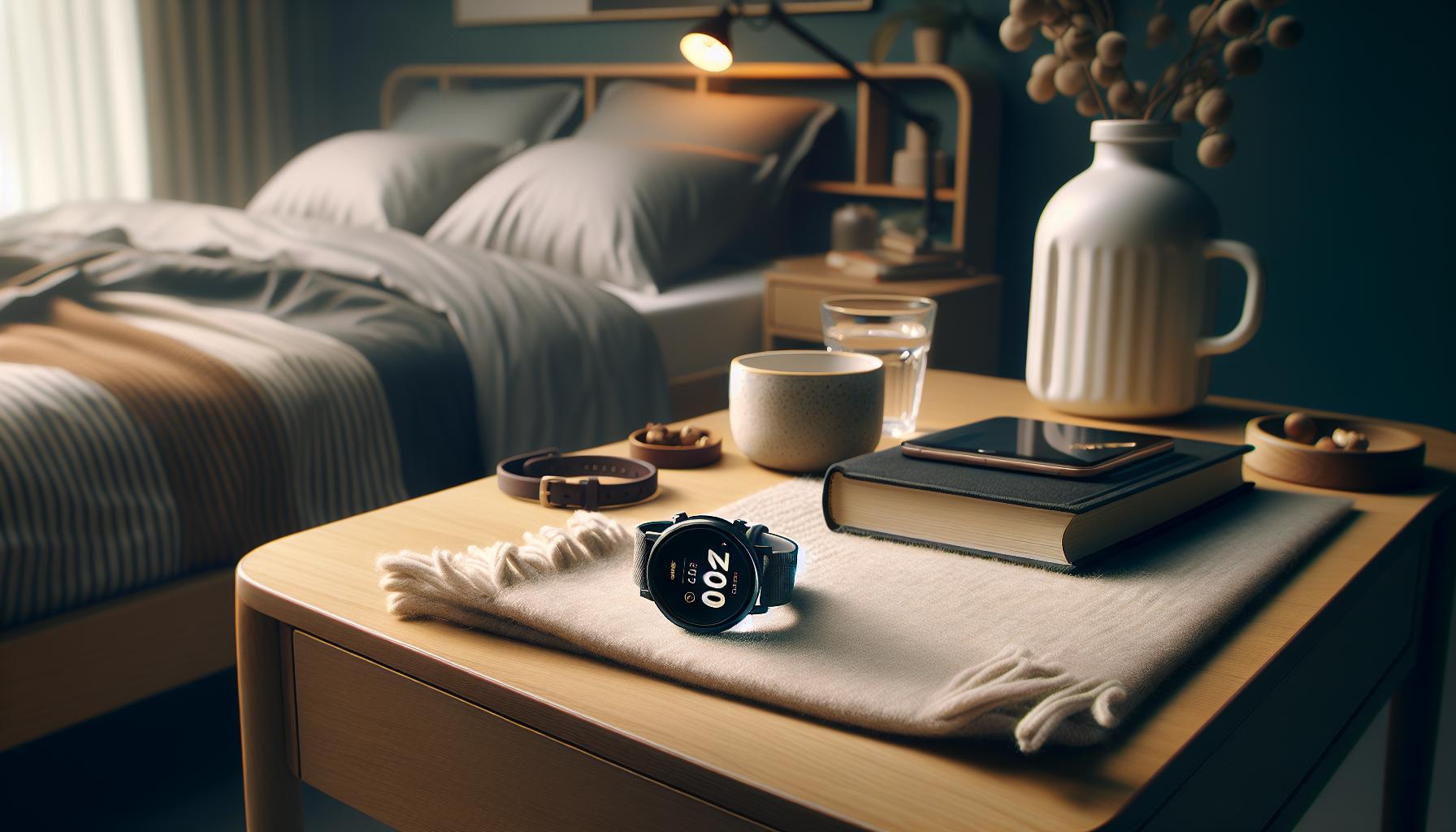
Amazfit vs. Other Sleep Trackers: Which Is Best?
When delving into the world of sleep tracking, consumers are often faced with an array of options, creating the imperative need to choose wisely among various devices. Amazfit has carved out a niche in the market thanks to its affordability and commendable features; however, it’s crucial to assess how it stacks up against other popular sleep trackers like Fitbit, Oura Ring, and Apple Watch. Understanding the nuances of each option can help you make an informed decision tailored to your sleep needs and lifestyle.
Comparative Features and Accuracy
In terms of features, Amazfit sleep trackers are equipped to measure key metrics, such as total sleep time, sleep stages (light, deep, REM), and even sleep quality scores. While these features are impressive, some other devices might offer more nuanced insights. For example, the Oura Ring is famous for its bed partner index, which can help you understand sleep disturbances caused by your partner. On the accuracy front, independent studies have shown that while Amazfit generally performs well for basic sleep metrics, more advanced devices like the Fitbit Sense and Oura often provide additional detailed insights, which can be crucial for those who need precise data for sleep issues.
Cost Considerations
Cost is a major factor for many consumers selecting a sleep tracker. Amazfit devices typically fall on the lower end of the price spectrum, making them an attractive option for budget-conscious buyers. The Amazfit Bip U Pro, for instance, is packed with features for under $100. Conversely, premium options like the Apple Watch Series 8 can exceed $400. While a higher price tag doesn’t always guarantee superior accuracy, it often correlates with more advanced features such as continuous heart rate monitoring and ECG capabilities, which might be beneficial for users with specific health goals.
User Experience and Community Feedback
Real-life user experiences can often highlight the strengths and weaknesses of various sleep trackers. Amazfit users frequently express satisfaction with the ease of use and accessibility of the app. Many appreciate its simple interface for reviewing sleep data daily. However, it’s common for users to report discrepancies between their perceived sleep quality and what the device records, prompting the need for device refinement in personal habits as discussed earlier. In contrast, Fitbit users often boast a more robust community support system that could lend additional motivation and adherence to healthier sleep practices.
When to Choose a Specific Device
Choosing the right sleep tracker depends significantly on individual needs. If you are looking for a budget-friendly option and value essential sleep metrics without the bells and whistles, Amazfit could be the way to go. However, for those requiring more in-depth analysis of their sleep patterns or a broader health tracking ecosystem, it may be wiser to invest in devices like the Oura Ring or the Fitbit, which provide additional insights and a better overall experience for sleep management.
Ultimately, selecting the best sleep tracker involves weighing the accuracy of its readings, the cost, and aligning these features with your personal health goals. By understanding the pros and cons of Amazfit compared to its competitors, you can make a more informed choice that fits your lifestyle and enhances your sleep health journey.
Troubleshooting Amazfit Sleep Tracking Errors
Sleep tracking with devices like Amazfit is a remarkable tech advancement aimed at helping individuals monitor their sleep quality. However, users sometimes encounter discrepancies or errors in tracking their sleep stages, which can be frustrating. Understanding how to troubleshoot these issues can transform your experience and yield more reliable data to inform your sleep health practices.
Common Tracking Errors
Amazfit users might notice instances where the device fails to accurately log sleep stages or total sleep time. This can stem from several factors:
- Worn Incorrectly: For optimal accuracy, ensure the device is snug on your wrist. A loose fit can lead to inaccurate heart rate readings and insufficient tracking of movement during sleep.
- Battery Levels: Low battery levels may affect performance. Always charge your device ahead of sleep tracking sessions to avoid interruptions.
- Environmental Factors: Sleep disturbances, such as noise levels or light exposure, are not accounted for by wearables but can impact how well you sleep, reflecting poorly on your tracking results.
- App Sync Issues: Occasionally, the Amazfit app may not sync correctly with the device. Make sure you have the latest version of the app, and check your Bluetooth connection.
Steps to Troubleshoot
If you’re facing issues, here are some steps to refine tracking accuracy:
- Adjust Fit: Ensure your Amazfit device is fitted comfortably but securely on your wrist. Consider wearing it slightly higher up on your forearm for better heart rate detection.
- Daily Database Clearing: Sometimes, accumulated data can cause app glitches. Clear the app cache regularly and restart both the app and the device.
- Optimize Sleep Environment: Create a sleep-conducive environment: minimize noise and light, and keep the room at a comfortable temperature. This not only helps with quality sleep but also gives more accurate data to the tracker.
- Regular Updates: Always update the Amazfit app and device firmware. Manufacturers often release fixes and improvements that enhance performance.
When All Else Fails
If you continue experiencing errors despite going through troubleshooting steps, it might be worth considering a factory reset on the device. This often remedies persistent bugs. If issues still persist, check any warranty options or reach out to Amazfit support for assistance. They may provide additional insights or confirm if your device has a defect.
In most cases, having a clear understanding of how to optimize your Amazfit sleep tracking can enhance your sleep data’s accuracy. Rather than allowing inconsistencies to undermine your tracking experience, taking proactive steps enables you to make the most out of this powerful health tool. With these insights and tips, you can feel empowered to navigate the nuances of your sleep data, ensuring it supports you in your sleep health journey.
Understanding Sleep Quality Metrics in Amazfit
Sleep quality metrics are essential to understanding how well you rest each night, and Amazfit provides a suite of these metrics to enhance your tracking experience. By analyzing your sleep patterns through parameters like total sleep time, sleep stages, and sleep quality scores, Amazfit helps you glimpse into your nightly repair and recovery processes, making it possible to identify trends and areas for improvement.
Amazfit categorizes sleep experience into several stages: Light Sleep, Deep Sleep, REM Sleep, and Awake Time. Each plays an integral role in your overall sleep health. Light sleep is crucial for relaxation and transition phases, while deep sleep is when your body performs most of its healing and restorative functions. REM sleep, involving vivid dreams, is vital for cognitive skills and emotional balance. Amazfit logs these stages using advanced sensors that monitor your heart rate and movement, providing a comprehensive view of your sleep architecture. Understanding the time spent in each stage can help you make adjustments, whether that means aiming for longer periods of deep sleep or optimizing your environment to enhance REM cycles.
Key Sleep Quality Metrics
When it comes to metrics, Amazfit offers several key indicators that provide insights into your sleep health:
- Total Sleep Time: This is the cumulative duration of the time spent asleep, calculated from the moment you fall asleep till you wake up. Knowing your total sleep time in relation to recommended sleep guidelines can help you evaluate your rest quality.
- Sleep Score: Amazfit assigns a sleep score based on a combination of duration, sleep stages, and overall quality. A higher score usually indicates better sleep quality, helping you gauge your sleep health at a glance.
- Sleep Latency: This metric tracks how long it takes you to fall asleep after lying down. Higher latency can signal potential sleep issues, encouraging you to explore relaxation techniques or a consistent bedtime routine.
It’s important to remember that while Amazfit’s sleep metrics can provide valuable data, they are not infallible. External factors-ranging from stress to lifestyle choices-can influence your sleep patterns, leading to increased variability in readings. If you notice concerning trends over time, it might be wise to consult a sleep specialist for deeper insights.
In summary, Amazfit’s sleep quality metrics are designed to help users not only understand their sleep patterns but also empower them to make informed adjustments for better health. In harnessing this data effectively, you can transform your nightly rest into a restorative experience.
The Science Behind Sleep Tracking Technology
Sleep tracking technology has evolved significantly over the years, thanks in part to advancements in wearable devices like Amazfit. At the core of this technology lies sophisticated algorithms and sensor technologies that provide valuable insights into our sleep patterns. These devices use a combination of accelerometers, heart rate monitors, and sometimes even SpO2 sensors to gather data as you sleep, translating this information into a breakdown of sleep stages, durations, and quality metrics.
How Wearables Capture Your Sleep
Wearable sleep trackers operate primarily through motion detection and physiological monitoring. Accelerometers track movements during sleep, helping to identify when you are awake, in light sleep, deep sleep, or REM sleep. This data forms the basis of your sleep stage classification. Alongside motion, heart rate data plays a crucial role. For instance, heart rates typically decline during deep sleep and rise during REM, providing further context to the movement data.
These sensors create a comprehensive profile of your sleep architecture. Amazfit, leveraging these technologies, offers insights not only into how much time you spend in each sleep stage but also your sleep quality score, a metric that combines duration, interruptions, and cycles. Understanding these components is essential; for example, if you experience too little deep sleep, you may need to explore strategies for improving your sleep environment or relaxation practices before bedtime.
Limitations of Sleep Tracking Technology
While the technology behind Amazfit and similar devices is impressive, it’s important to acknowledge its limitations. Sleep trackers can sometimes misinterpret movements or fail to accurately identify sleep stages, particularly in individuals with irregular sleep patterns or those who frequently shift positions during the night. For the most accurate insights, it’s essential to use these devices consistently and under similar conditions each night.
Moreover, while these metrics can offer a great starting point for understanding your sleep health, they should not replace clinical evaluation when necessary. Devices like Amazfit provide a valuable glimpse into sleep patterns, but persistent issues or concerning symptoms warrant consultation with a healthcare professional. They can conduct polysomnography, a more in-depth sleep study that delivers comprehensive data about your sleep cycles and potential disorders.
Utilizing a combination of wearable insights and professional guidance can empower you to take charge of your sleep quality, ensuring that you wake up refreshed and ready to tackle each day. Balancing the use of technology with awareness of its limitations will allow you to harness the full potential of sleep tracking tools while remaining grounded in the need for professional support when it comes to sleep health challenges.
Real-Life Scenarios: When to Seek Professional Help
Many people rely on wearables like the Amazfit to monitor their sleep, but there are times when the data they provide might not be enough to pinpoint underlying sleep issues. If you consistently wake up feeling tired, experience significant nighttime disturbances, or find your sleep patterns unsettling, it might be time to consult a professional. Understanding the signs that suggest a deeper problem can empower you to take control of your sleep health.
Recognizing Alarm Signals
Awareness is critical when it comes to evaluating sleep health. Here are some scenarios where seeking professional help is advisable:
- Persistent Fatigue: If you feel tired despite logging a full night of sleep, it could indicate a sleep disorder like sleep apnea, which wearables often miss.
- Frequent Nighttime Awakenings: Regularly waking up multiple times during the night can signal medical issues or poor sleep hygiene that require expert evaluation.
- Strange Sleep Behaviors: Experiencing sleepwalking, night terrors, or other unusual behaviors might suggest underlying psychological or neurological conditions worth investigating.
- Significant Mood Changes: If you’re dealing with anxiety, depression, or mood swings correlated with poor sleep, professional intervention can provide crucial support.
- Long-Term Sleep Problems: Difficulty falling asleep or staying asleep lasting more than a few weeks may indicate insomnia or other chronic conditions that need attention.
Understanding Sleep Studies
When the time comes for a deeper dive into your sleep health, professionals may recommend a polysomnography or sleep study. Here’s what you can expect:
| Component | Description |
|---|---|
| Cost | Ranges from $300 to $4,000, depending on your insurance and the type of study. |
| Setup | Typically conducted overnight in a sleep clinic, where you’ll be monitored while you sleep. |
| What to Expect | A technicians will place sensors on your body to measure brain wave activity, oxygen levels, heart rate, and breathing. |
| Duration | Usually lasts about 6-8 hours, capturing various sleep stages. |
These studies offer a comprehensive view of your sleep architecture and can identify conditions like sleep apnea, narcolepsy, or restless leg syndrome. Understanding the potential costs and process can help you feel more prepared and less anxious.
Ultimately, relying on devices like the Amazfit is great for tracking sleep trends but knowing when to seek professional help is essential for addressing serious issues. By balancing technology with informed decisions about sleep health, you empower yourself to achieve better rest and overall well-being.
Frequently asked questions
Q: How does Amazfit sleep tracking compare to medical sleep studies?
A: Amazfit sleep tracking provides valuable insights but may not fully replace medical sleep studies. While it offers data on sleep patterns and stages, clinical studies like polysomnography offer comprehensive evaluations, including brain activity. For detailed sleep disorders, consider consulting a sleep specialist. For a deeper understanding, check out our section on Comparing Amazfit Sleep Data to Clinical Standards.
Q: What features enhance the accuracy of Amazfit sleep tracking?
A: Features such as heart rate monitoring, movement detection, and sleep stage analysis significantly enhance the accuracy of Amazfit sleep tracking. The device uses advanced algorithms to interpret this data, providing users with meaningful insights. For tips on optimizing your tracking experience, see Maximizing Your Amazfit Sleep Tracking Experience.
Q: Can wearable design affect sleep tracking results?
A: Yes, wearable design can impact comfort and data accuracy. A snug fit ensures the device effectively monitors your heart rate and movement during sleep. Choosing a comfortable model, as discussed in Impact of Wearable Design on Sleep Tracking Accuracy, can enhance tracking reliability.
Q: What should I do if my Amazfit sleep tracker shows inconsistent results?
A: If your Amazfit sleep tracker shows inconsistent results, first ensure it is worn correctly and charged fully. Check for any software updates and follow troubleshooting steps in our Troubleshooting Amazfit Sleep Tracking Errors section for further assistance.
Q: How do I interpret sleep quality metrics on Amazfit?
A: Sleep quality metrics on Amazfit include total sleep time, deep sleep, light sleep, and REM stages. Understanding these metrics can help you gauge your overall sleep health. For guidance on interpreting these data points, refer to Understanding Sleep Quality Metrics in Amazfit.
Q: Can Amazfit sleep tracking help identify sleep disorders?
A: Amazfit sleep tracking can highlight patterns indicating potential sleep disorders, such as sleep apnea or insomnia. However, it’s crucial to consult a healthcare provider for a proper diagnosis if you notice persistent issues. For when to seek professional help, see the section Real-Life Scenarios: When to Seek Professional Help.
Q: How can I improve the performance of my Amazfit sleep tracking device?
A: To improve Amazfit’s sleep tracking, maintain a consistent sleep schedule, ensure a snug fit during wear, and keep the device updated. Regularly checking comfort levels can also aid accuracy. For in-depth tips, head to Maximizing Your Amazfit Sleep Tracking Experience.
Q: What should I expect from Amazfit sleep data accuracy?
A: Users can expect decent accuracy from Amazfit sleep tracking, often aligning closely with actual sleep patterns. However, results might vary and should serve as a guide rather than a definite diagnosis. Explore more in Understanding Amazfit Sleep Tracking Accuracy.
The Conclusion
As we’ve explored the accuracy of Amazfit sleep tracking through real user results, it’s clear that while this device offers valuable insights into your sleep patterns, it’s essential to approach the data with a critical eye. Users appreciate the ease of setup and straightforward interface, but remember: sleep tracking isn’t a replacement for professional sleep studies when deeper concerns arise.
Ready to take your sleep health further? Consider diving into our guide on the best sleep tracking devices or check out how polysomnography works for comprehensive evaluations. Don’t forget to subscribe to our newsletter for exclusive tips on optimizing your sleep routine and the latest advancements in sleep technology! Have thoughts or experiences to share? Leave a comment below; we love hearing from you!
Understanding your sleep is the first step toward better health. Explore our resources today, and empower yourself to make informed decisions about your sleep journey!
Get our latest guides, news, and insights highlighted in your Google Search & AI Overviews.