
Have you ever woken up wondering why your Fitbit Inspire 2 hasn’t tracked your sleep? You’re not alone! Many users experience this frustrating issue, especially given how vital sleep tracking is for monitoring health and improving sleep quality. Sleep is essential for overall wellness, and ensuring your device works correctly can help you unlock insights into your sleep patterns. In this article, we’ll explore common reasons your Fitbit may not be recording sleep, alongside simple, quick fixes to get you back on track. Understanding your device’s capabilities and limitations will empower you to make the most of your sleep tracking experience. Let’s dive in!
Understanding Fitbit Inspire 2 Sleep Tracking Features
To get the most out of your Fitbit Inspire 2’s sleep tracking capabilities, it’s essential to grasp how this feature works. The Inspire 2 uses a combination of motion sensors and heart rate monitoring to assess your sleep cycles, providing insights into the different stages of sleep, including light, deep, and REM sleep. Understanding these stages can empower you to make informed adjustments to your bedtime routine and environment, significantly improving your overall sleep quality.
Interested users can access a wealth of data related to their sleep, such as total sleep duration, sleep score, and insights based on historical trends. With this information, you can identify patterns that correlate with better sleep quality. For instance, you might notice that nights when you engage in relaxation activities before bed often lead to deeper slumber as tracked by your device. This knowledge enables you to enhance your nightly rituals, fostering a more restorative sleep experience.
However, it’s important to note that while the Inspire 2 offers valuable tracking features, they are subject to limitations. Factors like loose fit on your wrist, wearing the device too tightly, or insufficient battery levels can impact its accuracy. To ensure reliable sleep data, it’s critical to wear your Fitbit properly and maintain its battery charge, ideally above 40% before sleeping. Additionally, the device relies on consistent wear throughout the night, so forgetting to put it on or using it intermittently can lead to incomplete data.
In summary, by understanding the sleep tracking features of your Fitbit Inspire 2 and knowing how to optimize its use-like ensuring a secure fit and regular charging-you can better leverage this smartwatch to improve your sleep health. Consider integrating these insights into your nightly routine for a more effective approach to achieving better sleep.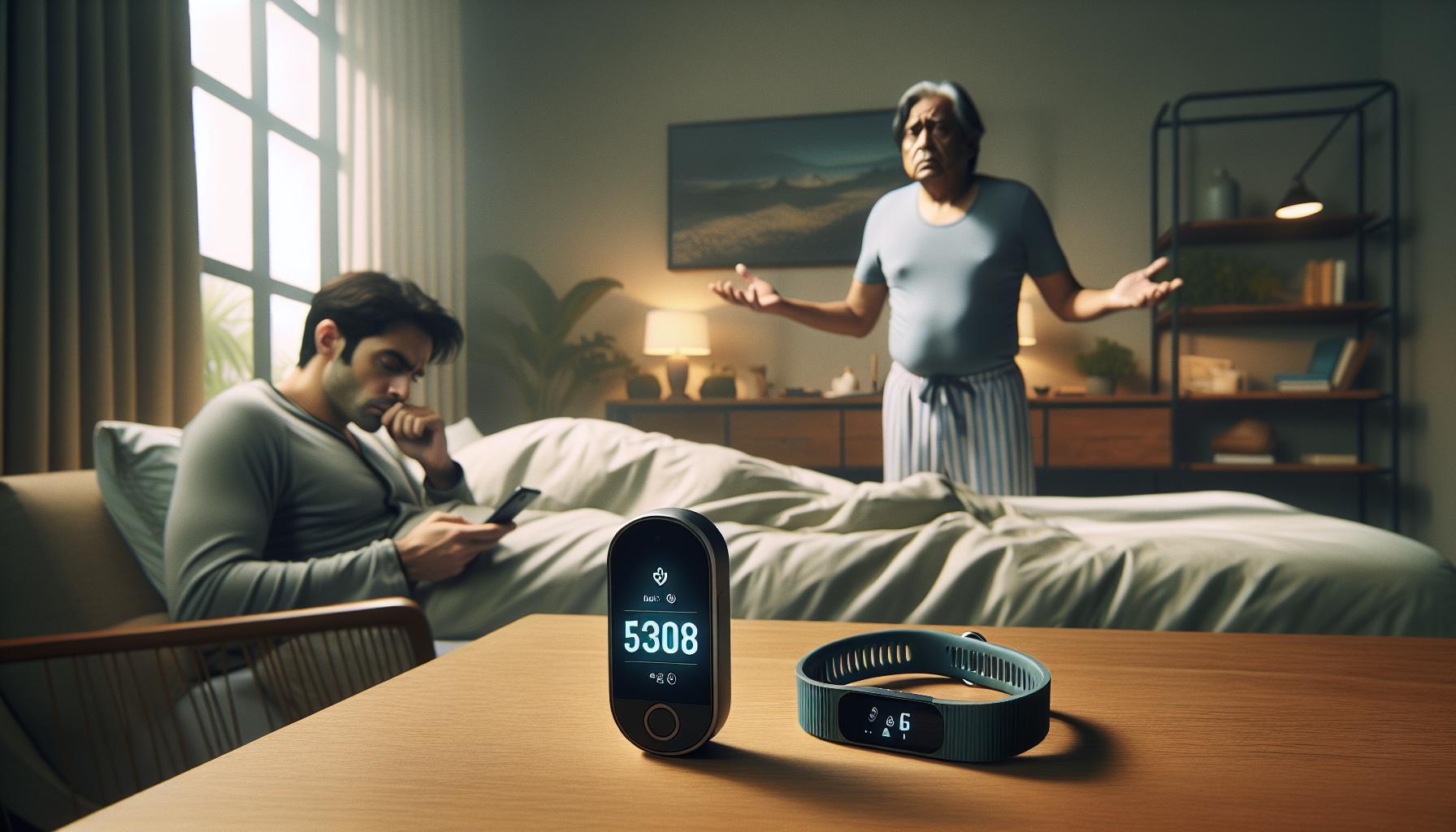
Common Reasons for Sleep Tracking Issues
Sleep tracking with your Fitbit Inspire 2 promises a wealth of insights, but sometimes, users encounter frustrating issues that prevent accurate data collection. Understanding the common reasons behind these sleep tracking failures can empower you to troubleshoot effectively and enhance your overall experience.
One of the leading culprits is improper fit. If your Fitbit is too loose or too tight, it may struggle to capture the necessary data. The sensors need to maintain skin contact to accurately monitor your heart rate and movements. Therefore, ensure it’s snug but comfortable on your wrist for optimal performance. Another significant factor is battery life; if your device is running low on charge, it may not record your sleep patterns, or worse, it could shut down during the night. Keeping it charged above 40% before your bedtime can prevent this issue.
Additionally, remember that the Inspire 2 tracks sleep based on patterns it detects when you’re still. If you’re frequently waking up or moving around during the night-perhaps due to environmental disturbances or discomfort-this can lead to incomplete or inaccurate records. Try creating a serene sleeping environment to minimize disruptions. Sometimes, technology doesn’t sync perfectly; so, if you notice discrepancies, make sure your device is updated, and try restarting it or re-syncing with your app.
Lastly, if you tend to remove your smartwatch in the evening, whether to charge it or to wear something else, that gap in nightly wear can disrupt the continuity needed for effective sleep tracking. Make a habit of wearing your Fitbit Inspire 2 every night, and consider the device an integral part of your sleep strategy, helping inform you about your nightly rest and ultimately aiding in improving sleep quality.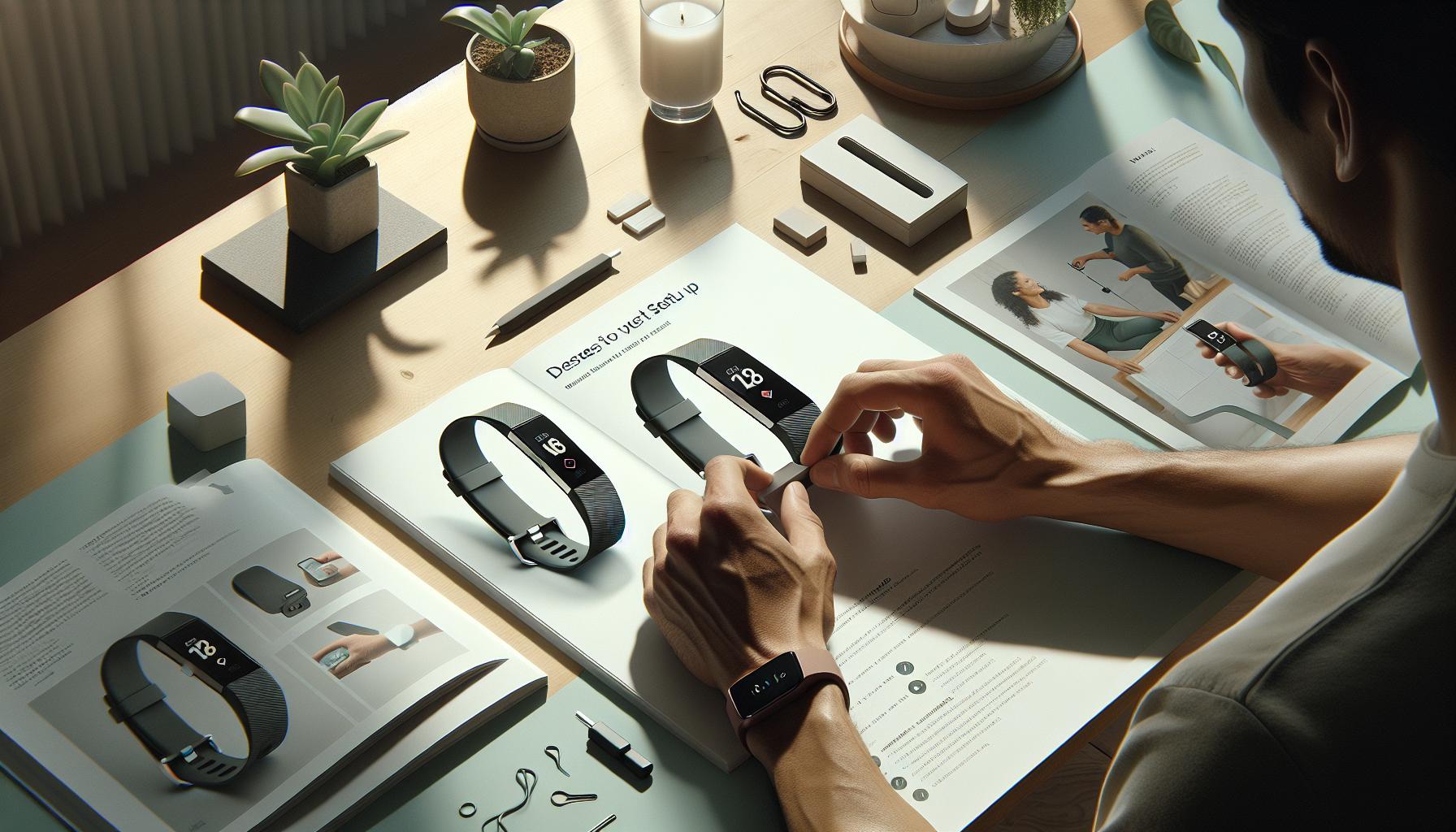
How to Properly Set Up Your Fitbit Inspire 2
To start benefiting from the sleep tracking features of your Fitbit Inspire 2, setting it up correctly is crucial. A well-configured device not only enhances your experience but also ensures accurate data collection, which can be vital for understanding your sleep patterns. Begin by charging your Fitbit Inspire 2 fully before you wear it; a well-powered device can capture more accurate readings.
Next, consider your wrist size and choose the right band. The Inspire 2 should fit snugly but comfortably against your wrist, allowing the sensors to maintain contact with your skin. If it’s too loose, it may miss critical movement data; if too tight, it can cause discomfort. Additionally, when you first setup your device, make sure to set your sleep goals through the Fitbit app. This gives your device a baseline to work with when it begins tracking your sleep stages.
Syncing Your Device
For seamless data transfer, connect your Fitbit to your smartphone via Bluetooth and ensure the Fitbit app is installed and updated. Open the app frequently to sync your data, which can help in troubleshooting any sleep tracking issues you might face later. You can also select which notifications you’d like to receive on your Inspire 2, enhancing its functionality beyond just sleep tracking.
Enabling Sleep Tracking
To activate sleep tracking, make certain the settings within the app allow your Fitbit to track sleep automatically. Usually, the device tracks sleep patterns, but by checking the settings, you will ensure nothing is overlooked. You can enhance this feature by enabling features like “Sleep Mode,” which silences notifications during the night, allowing for undisturbed sleep and more accurate tracking.
With these initial steps, your Fitbit Inspire 2 will be primed for effective sleep tracking. Consistency is key: wearing your device nightly can help build valuable data over time, leading to deeper insights about your sleep quality and overall health.
Troubleshooting Sleep Tracking Problems Effectively
Ensuring your Fitbit Inspire 2 accurately tracks your sleep can be frustrating when it fails to deliver the insights you’re looking for. One common issue users encounter is the device not detecting sleep at all. This can stem from several factors, from improper device fit to software glitches. To troubleshoot effectively, start by confirming that your device is worn snugly on your wrist. If it’s too loose, the sensors may not register your movements properly. A good fit keeps the sensors engaged with your skin, ensuring they can detect your sleep patterns accurately.
Another critical step is to check the settings within the Fitbit app to confirm that sleep tracking is enabled. Sometimes, sleep features may be inadvertently turned off during updates or changes in usage. Navigate to the app settings and ensure that automatic sleep tracking is active. Consider enabling “Sleep Mode” as well; this feature silences notifications and thus minimizes disturbances during the night, which not only aids your sleep but may also improve tracking accuracy.
If your device still struggles to track sleep, syncing issues might be to blame. Regular syncing between your Fitbit and its app helps maintain accurate data records and can clear out any temporary glitches. Make it a habit to sync your device every morning after you wake up. This not only transfers the latest sleep data but can also refresh the system, solving any minor bugs that might be interrupting your tracking.
Lastly, keep in mind that environmental factors can also play a role in sleep tracking accuracy. External light, noise, and even temperature changes can affect your sleep quality, impacting how well the Inspire 2 is able to monitor your sleep stages. If you consistently face issues, it may be worth assessing your sleep environment as part of your troubleshooting. By addressing these potential problems, you’re on your way to maximizing the capabilities of your Fitbit Inspire 2 for a better understanding of your sleep health.
Maximizing Sleep Data Accuracy with Your Fitbit
To achieve the best possible sleep data accuracy with your Fitbit Inspire 2, it’s essential to optimize both the way you wear the device and how you engage with its features. A snug fit is crucial, as the sensors need direct contact with your skin to accurately interpret movement and heart rate. If the band is too loose, the sensors may misread your sleep stages. A comfortable yet firm fit allows the device to collect precise data throughout the night, which is the foundation for accurate sleep insights.
In addition to wearing the device correctly, understanding and utilizing the Fitbit app settings can significantly enhance tracking accuracy. Make sure that sleep tracking is activated by checking the app settings. If you notice any settings have been switched off after a device update or change in usage, re-enable them. The “Sleep Mode” is another feature worth utilizing; it silences notifications and reduces disturbances that might interfere with your sleep and tracking capabilities, allowing for a more tranquil sleeping environment.
Routine syncing between your Fitbit and the app cannot be underestimated. Consistent data transfer ensures your device is updated with the latest information and can resolve temporary glitches that might affect sleep tracking performance. Aim to synchronize your device each morning after waking up; this habit keeps your data fresh and helps in maintaining your overall sleep records.
Lastly, environmental factors such as light pollution, room temperature, and noise levels can also impact how well your Fitbit tracks sleep. If you find persistent discrepancies in your sleep data, take a moment to evaluate your sleeping environment. Simple adjustments like using blackout curtains, keeping the room at a comfortable temperature, and minimizing noise can improve your sleep quality and, consequently, the accuracy of the data collected by your Fitbit Inspire 2. By addressing these elements, you’re well on your way to unlocking the full potential of your device and gaining valuable insights into your sleep patterns.
Alternative Sleep Tracking Methods for Better Insights
Tracking sleep effectively can sometimes feel like navigating a maze, especially if your Fitbit Inspire 2 isn’t giving you the insights you’re hoping for. However, there are alternative methods that can enhance your understanding of sleep patterns and quality. While wearables like the Fitbit are convenient and provide valuable data, complementing them with other techniques can lead to a more comprehensive view of your sleep health.
One great alternative is using sleep tracking applications available for smartphones. Apps such as Sleep Cycle and Pillow utilize your phone’s sensors to monitor your sleep stages and provide intelligent alarms that wake you during light sleep. These applications typically analyze sounds, movements, and even your sleep environment, offering insights that can sometimes elude traditional devices. They can be a great supplement to wearables, helping you pinpoint factors affecting your sleep.
Another method gaining traction is the use of sleep journals. While this might seem low-tech compared to a smart device, logging your sleep patterns, daily habits, and any disturbances can reveal trends that tech might miss. For instance, if you’re consistently getting less sleep after having caffeine late in the day, this manual approach can help you correlate lifestyle choices with sleep quality.
Lastly, consider investing in professional sleep studies if you suspect you have underlying sleep disorders. Devices like your Fitbit Inspire 2 can provide valuable preliminary information, but polysomnography conducted in a clinical setting offers a detailed analysis of your sleep stages, breathing patterns, and brain activity. This method is particularly useful if you experience symptoms like excessive daytime sleepiness or irregular sleep patterns that don’t improve with self-monitoring.
Utilizing these alternative methods creates a multi-faceted approach to understanding your sleep. Combining technology with traditional practices empowers you to take actionable steps toward better sleep health. By diversifying the ways you track and assess your sleep, you increase the odds of identifying what works best for you and fostering a restful night’s slumber.
When to Seek Professional Help for Sleep Issues
When you’re struggling with sleep issues, the last thing you need is added confusion from your sleep tracker. While the Fitbit Inspire 2 can be a helpful tool, it’s not infallible. If you’re consistently waking up tired or feeling unrested, consider when it’s time to seek professional help. Many people assume that wearable devices are all they need for adequate sleep tracking; however, sometimes they’re just not enough.
If you’ve noticed persistent sleep disturbances or symptoms like excessive daytime sleepiness, snoring, or irregular sleep patterns that don’t improve despite using your Fitbit, it may indicate underlying conditions such as sleep apnea or restless leg syndrome. Professional evaluation through a sleep study becomes essential in these cases. A polysomnography test, typically conducted in a sleep clinic, monitors your brain waves, heart rate, breathing, and other critical factors during sleep. While devices like Fitbit can provide insight into sleep duration and basic cycles, they often lack the sophisticated monitoring needed to diagnose more serious disorders.
What to Expect from a Sleep Study
Understanding what happens in a sleep study can ease concerns about the process:
- Setup: You’ll be connected to sensors that monitor various bodily functions, but it’s generally non-invasive and designed to be comfortable.
- Duration: The study typically occurs overnight, allowing your doctor to gather comprehensive data on your sleep patterns.
- Cost: While costs vary by location and insurance coverage, many insurance plans cover sleep studies if there’s a medical need.
Taking that step towards a professional assessment can feel daunting, but it may provide the answers you need to improve your sleep health. Remember, it’s not just about tracking numbers; it’s about understanding your body’s needs. In this way, you can complement the data from your Fitbit with professional insights, ensuring that every night is restful and restorative. Don’t hesitate to reach out to a healthcare provider if you’re unsure-your well-being is worth it.
Exploring Fitbit Inspire 2 Sensor Limitations and Accuracy
The technology behind the Fitbit Inspire 2’s sleep tracking is impressive, but it’s essential to understand its limitations to ensure accurate readings. Firstly, the device relies on *motion sensors* and *heart rate variability* to make educated guesses about your sleep stages. However, unlike clinical sleep studies that monitor brain waves, the Fitbit’s approach may not capture every nuance of your sleep, such as specific disturbances or subtle transitions between sleep stages.
Another key factor is the way the Fitbit attaches to your wrist. If it’s too loose, it may not consistently read your heart rate accurately, which can lead to improper classification of your sleep stages. Tightening the strap can help, as can ensuring the device is worn high on the wrist.
Common Factors Affecting Accuracy
Several external elements can influence your Fitbit’s performance:
- Sleep Environment: Noise, light, and temperature can disrupt sleep quality, affecting your tracker’s ability to provide accurate data.
- Sleep Disorders: Conditions like sleep apnea may not be detected by the Inspire 2 as effectively as in-depth sleep studies.
- Device Maintenance: Regular updates and proper charging are vital for optimal performance; ensure your device is functioning correctly.
While the Inspire 2 offers valuable insights, it’s important to approach its data with a critical eye. If you notice persistent inconsistencies in your sleep tracking, it may be time to consider additional tools, such as a professional sleep study, for more detailed analysis.
Tips for Enhancing Sleep Quality with Wearables
To get the most out of your Fitbit Inspire 2 and enhance your sleep quality, it’s essential to integrate wearable technology into a holistic approach to sleep hygiene. Utilizing wearables like the Inspire 2 can provide valuable insights into your sleep patterns, helping you make necessary adjustments for better rest. Here are some practical tips to consider:
- Maintain a Consistent Sleep Schedule: Your body thrives on routine. Strive to go to bed and wake up at the same time daily, even on weekends. This consistency can help your body regulate its internal clock, improving both sleep quality and the accuracy of your sleep tracking.
- Create a Sleep-Friendly Environment: Ensure your bedroom is conducive to sleep. This means a dark, quiet, and cool room. Consider using blackout curtains, white noise machines, or fans to achieve your ideal sleep setting. The better your sleep environment, the more precise your Fitbit’s readings will be.
- Optimize Your Device Settings: Make sure the sleep settings on your Fitbit Inspire 2 are configured correctly. Enable sleep tracking, wear the device snugly on your wrist at night (not too loose), and ensure it’s charged. A well-maintained device promotes accurate data collection.
- Mind Your Evening Routine: Develop a relaxing nightly ritual that signals to your body it’s time for sleep. Limit screen time before bed, engage in calming activities (like reading or meditation), and avoid caffeine or heavy meals in the hours leading up to sleep.
Incorporating these practices into your lifestyle not only improves sleep quality but enhances the effectiveness of your Fitbit’s sleep tracking capabilities. Remember, while wearables can offer insights, they work best in tandem with mindful sleep habits. Balancing technology with traditional sleep hygiene is the key to achieving restful nights and accurate data.
Comparing Sleep Trackers: Fitbit vs. Competitors
When selecting a sleep tracker, the choices can be overwhelming, especially with Fitbit’s strong market presence. The Fitbit Inspire 2 has carved a niche for itself with its intuitive interface and specialized sleep tracking features, but how does it hold up against its competitors? Understanding the strengths and weaknesses of these devices is crucial for making an informed decision tailored to your unique sleep needs.
One of the standout features of the Fitbit Inspire 2 is its comprehensive sleep analysis capabilities, including sleep stages and insights. It uses heart rate variability and motion sensors to determine how long you spend in each sleep phase. Comparatively, devices like the Garmin Vivosmart 4 and Apple Watch Series 7 also offer sleep tracking, but the granularity of data can vary. Garmin emphasizes advanced sleep insights, incorporating stress levels and energy balance, potentially giving users a more holistic view of their nightly metrics. In contrast, the Apple Watch provides rich features but often requires more complex setups and subscriptions for in-depth analysis.
Compatibility with other health features also plays a key role. Fitbit integrates seamlessly with its ecosystem, allowing users to track physical activity, nutrition, and overall wellness in one place. Meanwhile, the Oura Ring, known for its sleep tracking accuracy, takes a different approach by focusing solely on lifestyle and sleep metrics through a ring form factor, which some users find less intrusive. However, it comes at a higher price point and may not appeal to everyone due to its design.
While considering price, the Fitbit Inspire 2 is relatively affordable compared to other high-end trackers. Most sleep trackers, like the Withings Sleep Tracking Mat, are priced higher but offer features such as sleep apnea detection, which can be beneficial for users with specific health concerns. Your choice should hinge on whether you’re after budget-friendly basic sleep data or advanced health monitoring features.
Ultimately, when comparing sleep trackers, it’s essential to assess not just the tracking capabilities but also how well the device fits into your daily routine, lifestyle choices, and health objectives. Weighing these factors against your personal preferences will empower you to choose the best sleep tracker for optimal rest and recovery.
User Experiences: Real Stories of Sleep Tracking Challenges
Many users have shared their experiences with sleep tracking challenges on the Fitbit Inspire 2, shedding light on common frustrations and solutions that can help enhance the user experience. One recurring theme is the device’s sensitivity to placement on the wrist. Users have noted that wearing the device too loosely or on the wrong wrist can significantly impact its ability to accurately detect sleep. Ensuring that the Fitbit Inspire 2 fits snugly without being too tight can help optimize its tracking capabilities.
Other users have found that firmware updates play a crucial role in the device’s performance. Several reported that their sleep tracking issues were resolved simply by syncing their device and ensuring it was running the latest software version. This simple yet often overlooked step can make a substantial difference, as software updates often contain improvements and bug fixes for tracking capabilities.
Sleep tracking accuracy seems to be influenced by user activity prior to sleep as well. For example, individuals engaging in high-intensity workouts or consumption of caffeine late in the day noted discrepancies in their sleep data. If you’re experiencing sleep tracking issues, it’s advisable to reflect on your pre-sleep habits and consider how they might be affecting your tracker’s readings.
Lastly, a few users emphasized the importance of sleep environment. Factors such as light levels, noise, and overall bed comfort can significantly affect sleep quality and, consequently, the accuracy of the device. Users suggested keeping their sleep area as quiet and dark as possible. Adjusting elements like room temperature can also enhance your sleeping conditions. While these adjustments may not directly fix the tracking issue, they could aid in obtaining more accurate data and improving sleep quality overall.
In essence, the journey to effective sleep tracking with the Fitbit Inspire 2 often involves a combination of device setup, user habits, and environmental factors. Taking the time to understand these elements can lead to a more rewarding sleep tracking experience.
Expert Tips for Getting the Most Out of Your Fitbit
Getting the most from your Fitbit Inspire 2 requires a thoughtful approach to both the device and your sleep habits. Users often find that small adjustments lead to significant improvements in tracking accuracy. One crucial tip is to ensure your device is properly fitted. If the Inspire 2 is too loose, it might not gather data accurately during sleep. Aim for a snug fit, but not painfully tight, on your wrist to create a balance where the device can effectively monitor your movements.
Another key factor in maximizing your sleep tracking experience is to make sure your Fitbit is updated regularly. Software updates not only rectify previous bugs but often enhance performance too. To check for updates, simply sync your device with the Fitbit app, ensuring you have the latest features and fixes that could positively impact your data.
Taking inventory of your pre-sleep routine can also help refine the data your Fitbit collects. High-energy workouts or late caffeine consumption can misrepresent your sleep quality; therefore, implementing a calming pre-sleep ritual that incorporates gentle activities-like reading or stretching-can improve your sleep and the accuracy of your metrics.
Finally, don’t overlook your sleep environment. Create a comfortable, dark, and quiet space conducive to rest. Aspects such as room temperature, ambient noise, and even the type of mattress you use can greatly affect how well you sleep and how accurately your Fitbit records it. Small changes to enhance your sleep hygiene can yield more reliable data over time, allowing you to make more informed decisions about your sleep health.
By addressing these core aspects-fit, updates, pre-sleep habits, and environment-you position yourself to harness the full potential of the Fitbit Inspire 2, turning data into actionable insights for better sleep health.
Q&A
Q: Why isn’t my Fitbit Inspire 2 recording my sleep at all?
A: If your Fitbit Inspire 2 isn’t recording sleep, first ensure it’s snugly fitted on your wrist and charged. Verify you have sleep tracking enabled in the settings. Additionally, double-check that you’re wearing it during sleep, as removing it can prevent records.
Q: How can I reset my Fitbit Inspire 2 to fix sleep tracking issues?
A: To reset your Fitbit Inspire 2, press and hold the button on the side for about 10 seconds until you see the Fitbit logo. This can help resolve minor software glitches that may affect sleep tracking.
Q: Is my Fitbit Inspire 2 worn incorrectly affecting sleep tracking?
A: Yes, wearing your Fitbit Inspire 2 too loosely can cause inaccurate sleep tracking. Make sure it’s securely fastened just above your wrist bone. Proper positioning improves sensor contact and enhances accuracy.
Q: Do sleep mode settings impact my Fitbit Inspire 2 sleep tracking?
A: Absolutely! If you haven’t manually activated sleep mode, your Fitbit won’t track sleep accurately. Activate it before sleeping via the Quick Settings on your device or ensure automatic sleep detection is enabled in the app.
Q: Could other devices interfere with my Fitbit’s sleep data?
A: Yes, electronic devices near your Fitbit can sometimes disrupt sensor performance. Keeping your smartwatch away from devices like phones or TVs while sleeping may improve tracking efficacy.
Q: What time do I need to go to bed for my Fitbit to track sleep?
A: Your Fitbit Inspire 2 can track sleep as soon as you wear it to bed. However, it’s best to go to sleep consistently around the same time each night, as this improves accuracy over time by learning your sleep patterns.
Q: How do I update my Fitbit Inspire 2 to fix tracking issues?
A: To update your Fitbit Inspire 2, open the Fitbit app on your smartphone and go to your device settings. Tap on “Update” to check for any available software updates, which can resolve sleep tracking bugs.
Q: Can water impact my Fitbit Inspire 2’s sleep tracking?
A: While the Fitbit Inspire 2 is water-resistant, exposure to water during sleep (like sweating) may affect tracking performance. Wipe the device dry and ensure it’s clean to maintain proper sensor function.
Feel free to check our sections on troubleshooting sleep tracking problems or maximizing sleep data accuracy for more tips!
In Retrospect
If you’ve struggled with your Fitbit Inspire 2 tracking your sleep, don’t let it affect your rest any longer. Remember, ensuring your device is set up properly and your settings are optimized is key to maximizing its capabilities. For further insights, check out our guides on troubleshooting wearables and understanding sleep stages.
Still have questions? Join the conversation in the comments below or explore our dedicated blog section for more tips and tricks on enhancing your sleep health. Don’t miss out on expert advice that can transform your nighttime routine, making sleep tracking work for you. Take action today-every night of good sleep counts!
Get our latest guides, news, and insights highlighted in your Google Search & AI Overviews.