
Did you know that an estimated 22 million Americans suffer from sleep apnea, a condition that can significantly impact health and quality of life? With the rise of home sleep studies, many are weighing the accuracy of these at-home tests against traditional lab assessments. Understanding the reliability of home tests is crucial for those seeking answers to their sleep struggles. By exploring the strengths and limitations of both options, readers can make informed decisions tailored to their specific needs. This comparison not only aims to demystify the testing process but also empowers you to navigate your sleep health journey with confidence. Let’s delve into the essential details, costs, and expectations surrounding home and lab sleep studies to find the best fit for your nightly rest.
Benefits of Home Sleep Studies Compared to Lab Tests
When it comes to diagnosing sleep disorders, particularly obstructive sleep apnea (OSA), home sleep studies (HST) offer a compelling alternative to traditional lab tests. One of the most significant advantages is the comfort of your home. Patients can avoid the anxiety that often accompanies overnight stays in unfamiliar environments, leading to more natural sleep patterns during testing. This relaxed setting can result in more authentic data on an individual’s sleep behavior.
Cost-effectiveness is another key benefit of home sleep tests. Generally, HSTs are less expensive than in-lab polysomnography, which can help those concerned about healthcare expenses. Additionally, many health insurance plans cover home sleep testing, further alleviating financial burdens. Patients can seamlessly engage in testing without the complexities of scheduling lab visits and dealing with multiple healthcare providers.
Convenience and Accessibility
Home sleep studies provide substantial convenience. Patients can conduct the test on their schedule, making it easier to fit into busy lifestyles. Unlike lab tests, which require travel and often involve waiting for available slots, HSTs allow for immediate setup as soon as the equipment arrives. This accessibility is particularly beneficial for people with disabilities or those living in remote areas, who may find it challenging to reach a sleep clinic.
Improved accuracy is a noteworthy aspect as well. While lab tests are thorough and measure more bio-signals, home sleep studies capture essential data like airflow, heart rate, and oxygen saturation. For many patients, this information is sufficient for diagnosing conditions like OSA without the added stress and expense of an in-lab study. However, it’s important to have a healthcare provider involved in interpreting these results, ensuring that any potential issues are addressed effectively.
In summary, home sleep studies can streamline the diagnostic process for sleep disorders, making it more comfortable, convenient, and cost-effective compared to traditional lab tests. By empowering patients to take charge of their sleep health in familiar surroundings, it addresses not only medical needs but also emotional and logistical concerns.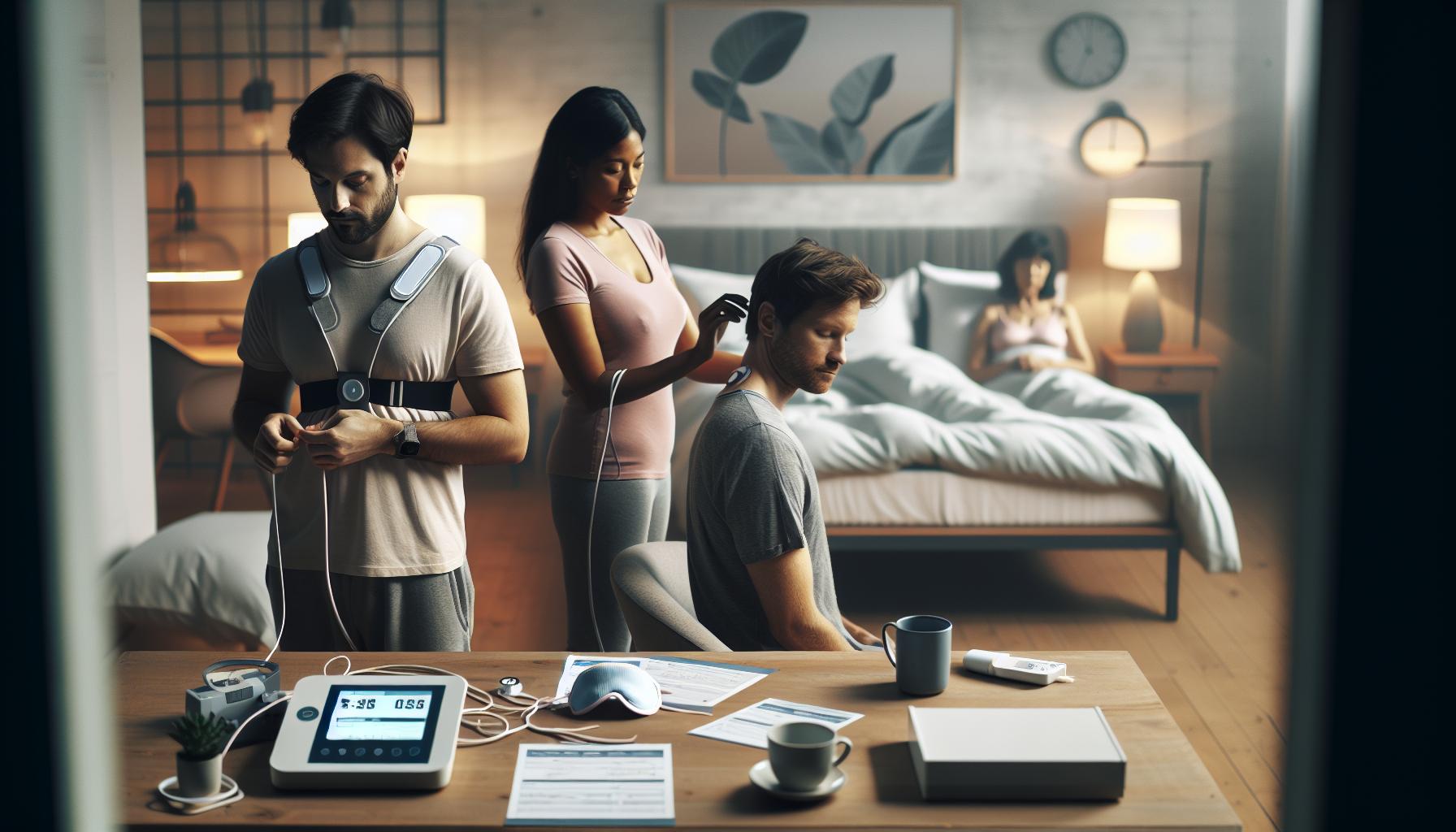
Understanding the Home Sleep Study Process
can demystify a crucial step toward managing your sleep health. The convenience of conducting these studies in your own bed can make all the difference in capturing accurate sleep data. Generally, a home sleep test (HST) involves using a portable monitoring device that records vital information while you sleep. This device typically tracks metrics such as airflow, heart rate, blood oxygen levels, and sometimes snoring-all essential indicators for diagnosing obstructive sleep apnea (OSA) and other sleep disorders.
When preparing for a home sleep study, you can expect a straightforward setup process. Most providers will send you a kit that includes sensors you’ll attach to your body. Common components include a pulse oximeter for tracking blood oxygen levels, belts to monitor chest movement, and a nasal cannula or mask for airflow measurement. Once the equipment is secured and you’re ready for bed, simply activate the device, and it will collect data throughout the night. It’s advisable to stick to your regular sleep routine as much as possible to ensure that the results reflect your typical sleep patterns.
Although home sleep studies are generally effective, it’s important to acknowledge their limitations. Unlike comprehensive in-lab tests, which can monitor a wider array of sleep phases and disturbances, home studies are limited in scope. The absence of full polysomnography means certain sleep-related issues may not be captured effectively. Therefore, while HSTs can provide valuable insights, they should ideally be used in conjunction with a consultation from a healthcare provider, especially if the results suggest potential sleep apnea or other disorders.
To sum it up, navigating the home sleep study process can empower you to take control of your sleep health. By understanding what to expect, ensuring the proper setup, and recognizing the limitations of the study, you set the stage for meaningful insights into your sleep patterns. This proactive approach can alleviate anxiety surrounding the testing process, allowing you to focus on gathering data that could enhance your overall well-being.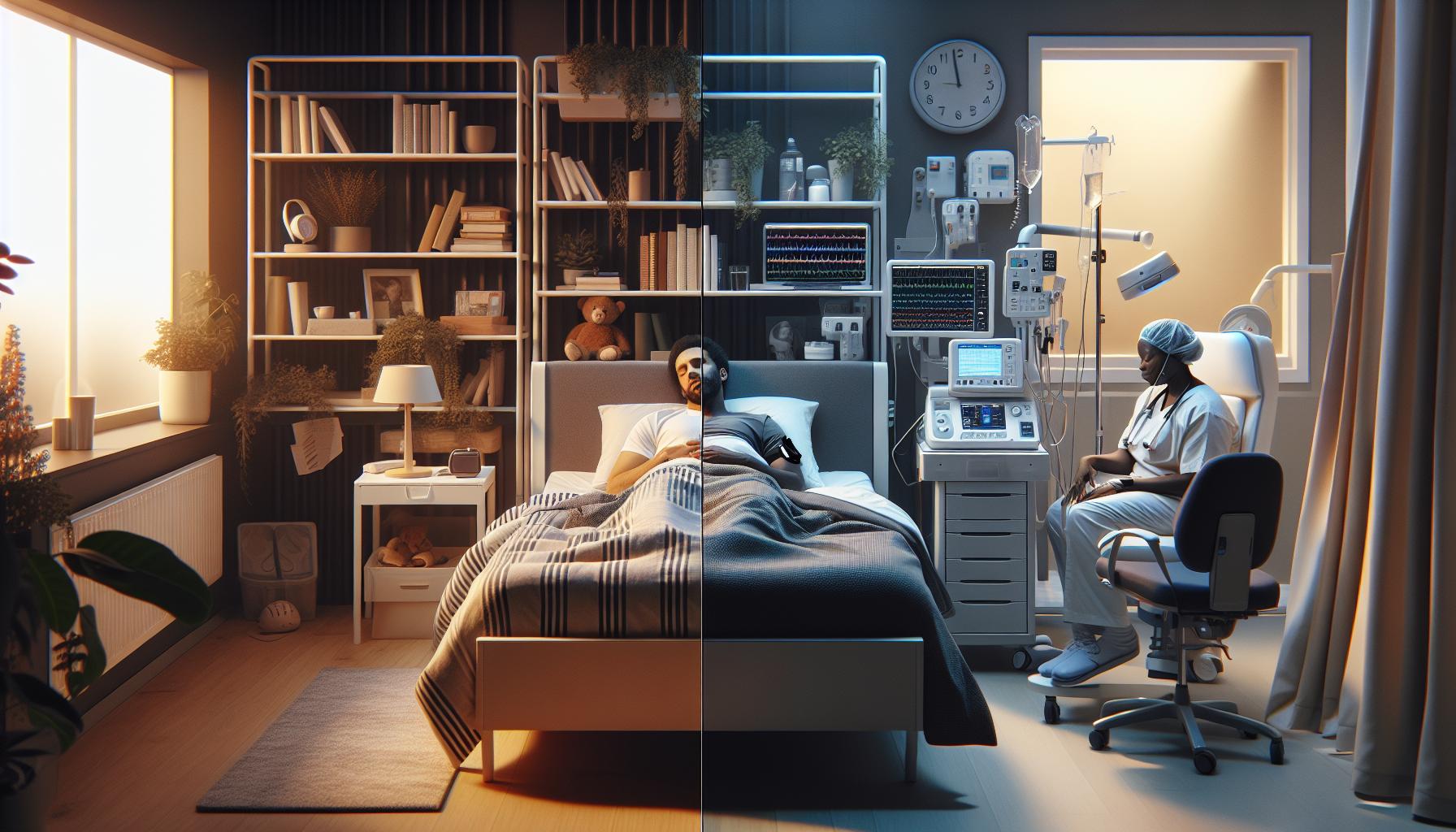
Accuracy of Home Sleep Studies vs. Lab Results
The accuracy of home sleep studies (HSTs) has sparked considerable debate as more people seek convenient alternatives to traditional lab tests. Studies indicate that while HSTs can effectively identify obstructive sleep apnea (OSA), their limitations are essential to consider. For individuals with uncomplicated sleep apnea symptoms, HSTs often serve as reliable diagnostic tools. However, for a comprehensive evaluation, especially concerning various sleep disorders, in-lab polysomnography remains the gold standard.
One of the key factors in determining the accuracy of a home sleep study lies in the specific diagnostic criteria used. HSTs typically focus primarily on key metrics such as airflow, oxygen saturation, and heart rate, primarily assessing OSA. This simplicity is beneficial, but it means that other sleep disorders-for instance, central sleep apnea or complex sleep apnea-may not be diagnosed if present. In contrast, polysomnography provides a detailed analysis of sleep stages and EEG patterns, capturing a broader spectrum of sleep disturbances that home studies simply can’t match.
To illustrate, consider a patient experiencing excessive daytime sleepiness with symptoms suggestive of more than just sleep apnea. While a home sleep study can confirm the presence of OSA, it may miss underlying conditions like narcolepsy or periodic limb movement disorder. For such complex cases, a lab study not only measures breathing and oxygen levels but also provides critical data on brain activity and sleep architecture, which are crucial for an accurate diagnosis.
In conclusion, while home sleep studies boast convenience and a level of accuracy for certain conditions, their efficacy can be limited by the specific sleep disorders they address. Individuals experiencing more complex sleep issues should consider consulting with a sleep specialist for a thorough evaluation via a lab test. By understanding these differences, you can make informed decisions about which testing approach best suits your needs, ultimately leading to better sleep health management.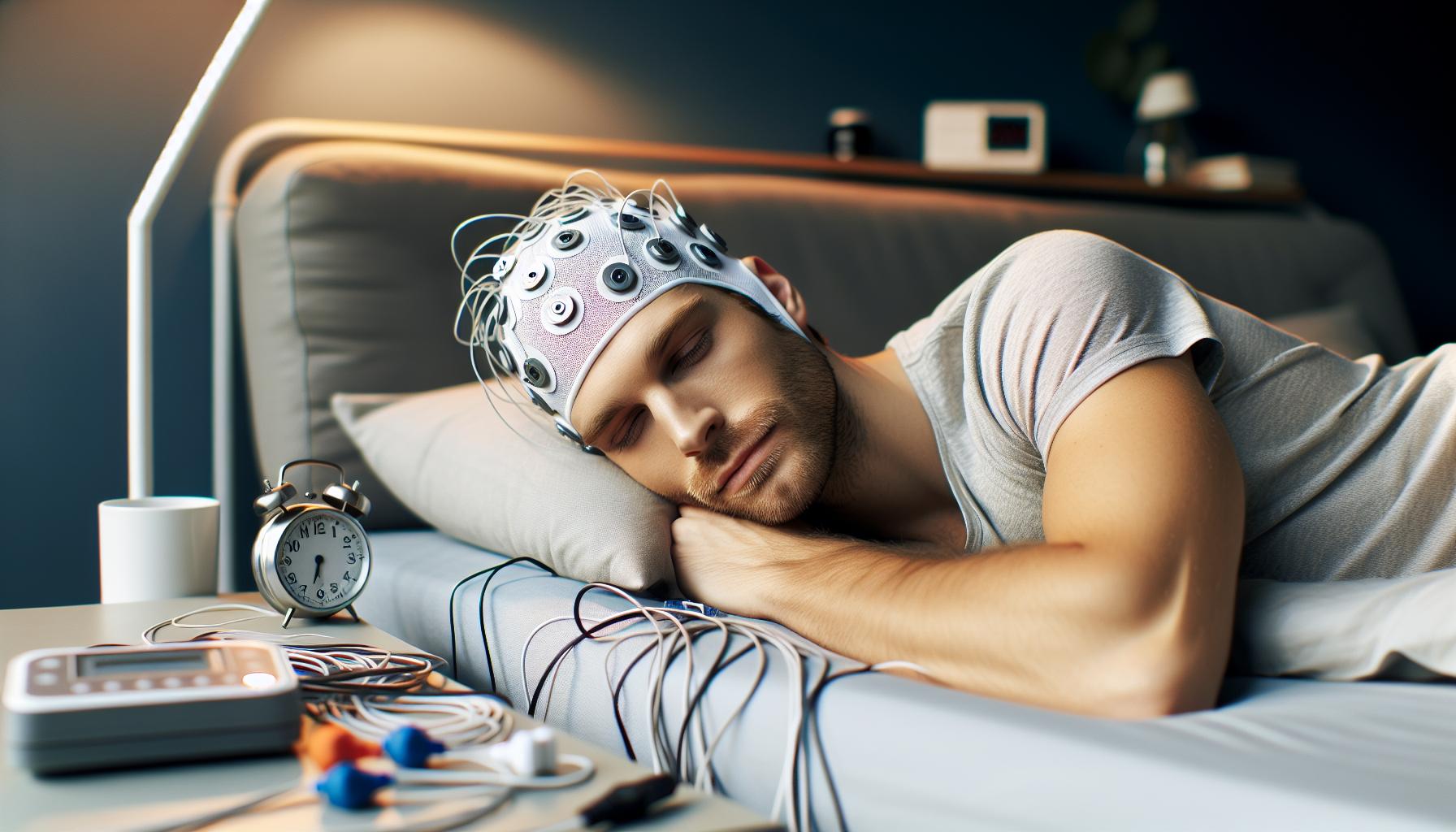
Common Sleep Disorders Diagnosed by Sleep Studies
Many people are unaware that a variety of common sleep disorders can be diagnosed through sleep studies, both in-lab and at-home. Understanding these disorders is crucial, especially as sleep issues can significantly impact overall health and quality of life. The two most frequently diagnosed conditions are obstructive sleep apnea (OSA) and insomnia, but there are several others that might also require attention.
Obstructive Sleep Apnea (OSA)
This condition is characterized by repeated interruptions in breathing during sleep, often due to the relaxation of throat muscles. Symptoms typically include loud snoring, gasping for air during sleep, and excessive daytime fatigue. Home sleep studies are especially effective for diagnosing OSA through monitoring airflow, oxygen saturation, and heart rate. For many individuals who exhibit typical symptoms, a home sleep apnea test is a convenient first step toward diagnosis and treatment.
Insomnia
Insomnia involves difficulty falling or staying asleep, often resulting in poor sleep quality and daytime sleepiness. While home studies primarily assess breathing patterns, more comprehensive sleep studies can determine the presence of insomnia and its underlying causes by examining sleep architecture, including stages of sleep through polysomnography. This can be particularly beneficial for individuals whose insomnia might be related to other conditions, such as anxiety or depression.
Restless Legs Syndrome (RLS) and Periodic Limb Movement Disorder (PLMD)
RLS is characterized by an irresistible urge to move the legs, often accompanied by uncomfortable sensations. PLMD involves involuntary leg movements during sleep. These conditions are more challenging to diagnose with home sleep studies, as they require detailed observation of movement patterns and sleep stages typically performed in a laboratory setting.
Narcolepsy
Narcolepsy is a chronic sleep disorder characterized by excessive daytime sleepiness, sudden sleep attacks, and sometimes cataplexy (sudden muscle weakness). While home sleep studies can indicate sleeping issues, confirming narcolepsy often requires specialized testing in a sleep lab that can monitor brain activity and analyze sleep patterns in detail.
By understanding these common disorders, readers can recognize the signs in themselves or loved ones and decide when to seek a sleep study. While home sleep tests provide convenience and help identify conditions like OSA, more complex disorders may require a traditional lab setting for accurate diagnosis. This knowledge empowers individuals to make informed choices about their sleep health and seek appropriate care.
The Role of Wearable Sleep Trackers
Wearable sleep trackers have surged in popularity, offering an accessible way for individuals to monitor their sleep patterns without the need for clinical supervision. From smartwatches to specialized sleep devices, these gadgets collect data on sleep duration, quality, and even disturbances throughout the night. While these devices can provide valuable insights, their accuracy and ability to diagnose sleep disorders compared to formal at-home or lab sleep studies raise important considerations for users.
One of the primary benefits of wearables is their continuous monitoring capability. Many wearable devices track heart rate variability, movement, and sometimes even oxygen levels, providing a comprehensive overview of a user’s sleep behavior. This real-time feedback can empower users to implement better sleep hygiene practices by identifying patterns related to lifestyle choices, such as caffeine intake or exercise timing. Devices like the Oura Ring or Fitbit may indicate when users are getting restful sleep versus experiencing disturbances, making it easier to adapt habits for better sleep quality.
However, it’s crucial to understand that while wearables provide helpful data, they often lack the medical-grade accuracy necessary for diagnosing sleep disorders. Unlike formal sleep studies that can use polysomnography to analyze brain waves, eye movements, and leg activity, wearables primarily focus on heart rate and motion. This limitation means they may not accurately detect conditions like sleep apnea or insomnia, which often require comprehensive assessments to diagnose effectively. Therefore, although wearables can be great tools for tracking general sleep quality and trends, they should not replace medical evaluations when serious sleep issues are suspected.
For those considering whether to rely solely on a wearable tracker versus pursuing a home or lab sleep study, here are some practical guidelines:
- Use Wearables for Insight: If you are looking for an overview of your sleep patterns and want to identify areas for improvement, a wearable can be a useful first step.
- Consult a Professional: If you start noticing consistent issues such as excessive daytime sleepiness or weird sleep behaviors (like loud snoring), it’s worth discussing these with a healthcare provider.
- Combine Approaches: Many individuals benefit from using wearables as a preliminary measure before seeking more definitive testing from sleep specialists, particularly if symptoms suggest a serious disorder.
Insummary, wearable sleep trackers are valuable for gaining initial insights into sleep behaviors but should be viewed as complementary tools rather than definitive diagnostic devices. For accurate diagnosis and treatment of sleep disorders, traditional methods, including at-home or lab-based sleep studies, remain the gold standard.
Setup and Preparation for a Home Sleep Study
Setting up for a home sleep study can feel daunting, but understanding the process can help ease any anxiety. The first step is typically consulting with a healthcare provider, who will assess your symptoms and determine if a home sleep study is appropriate. If approved, you will receive a sleep study device that may involve sensors to monitor your breathing, heart rate, and movements while you sleep.
Before the study, prepare your sleep environment: ensure your bedroom is conducive to rest-dark, quiet, and comfortable. Most importantly, try to maintain your regular sleep routine. The consistency of your sleep schedule will provide valuable data. On the night of the study, follow the specific instructions provided with the device. This may include attaching sensors to your body and ensuring they are secure but comfortable to avoid disruptions during the night.
- Stay Calm: Approaching the night with a relaxed mindset can lead to more natural sleep results. Practice relaxation techniques if you feel nervous.
- Follow Directions: Pay close attention to all instructions regarding which sensors to use and how to apply them to avoid interference with sleep.
- Avoid Sleep Aids: Refrain from using medication or alcohol the night before the study, as these can alter sleep patterns and affect analysis.
After the study, the data collected will be analyzed by professionals who can then interpret the findings and discuss potential next steps, depending on the results. Remember, this process is designed to give you insights into your sleep health, so taking the time to prepare thoroughly is well worth it.
Insurance Coverage for Sleep Studies
Understanding can significantly reduce anxiety during the testing process. Many individuals may wonder whether these essential tests will be covered by their health insurance. In most cases, sleep studies, especially when considered medically necessary, are covered by private health insurance, Medicare, and Medicaid. However, it’s crucial to note that coverage levels and requirements can vary widely among different plans and providers. Thus, familiarizing yourself with your specific insurance plan’s details is advisable before embarking on this journey.
When preparing for a sleep study, potential costs are a typical concern. If you are covered by Medicare, for instance, after meeting the deductible for Part B, you may be responsible for 20% of the Medicare-approved amount for the tests. For Type I sleep tests, your doctor must order them to qualify for coverage, which is usually conducted in a sleep lab. However, if you’re opting for a home sleep study, understanding whether your insurance considers it an acceptable substitute and what documentation is required will be essential. Always ask your healthcare provider about the specific tests being ordered and the anticipated costs associated with them.
To further navigate your coverage options, don’t hesitate to reach out to your insurance company directly. They can provide clarification on whether prior authorization is necessary and what steps might need to be taken for your claim to be approved. This proactive approach not only helps clarify your financial responsibilities but also ensures that you can complete your sleep study and focus on understanding your sleep health without additional stress.
Interpreting Your Home Sleep Study Results
Interpreting the results of your at-home sleep study can feel overwhelming, but understanding the data can empower you to take control of your sleep health. Home sleep studies typically measure key metrics such as airflow, oxygen levels, heart rate, and snoring, which provide essential insights into your sleep patterns. A foundational metric to pay attention to is the Apnea-Hypopnea Index (AHI), which indicates the severity of sleep apnea by counting the number of apnea (complete cessation of breathing) and hypopnea (partial breath cessation) events per hour of sleep.
Understanding what these results mean is crucial. Here’s a breakdown of common outcomes you might encounter:
- Normal Range: An AHI of fewer than 5 events per hour suggests normal breathing patterns during sleep.
- Mild Sleep Apnea: An AHI between 5 and 15 indicates mild sleep apnea, which may require lifestyle modifications or monitoring.
- Moderate Sleep Apnea: An AHI between 15 and 30 suggests moderate sleep apnea, often requiring intervention such as CPAP therapy.
- Severe Sleep Apnea: An AHI of over 30 is typically categorized as severe and usually necessitates immediate medical evaluation.
After receiving your results, it’s imperative to discuss them with your healthcare provider. They can provide context regarding the severity and implications for your overall health. If your study indicates that you have sleep apnea or another sleep disorder, your doctor might recommend treatment options tailored to your needs.
Moreover, be aware of the limitations of at-home sleep studies. These tests primarily focus on breathing and oxygenation, potentially missing other disorders like restless legs syndrome or specific sleep stage disturbances that a lab study might catch. It’s essential to create a thorough discussion with your healthcare provider about whether further evaluation or a traditional sleep study is necessary based on your results.
In conclusion, while , focus on understanding AHI and other metrics’ significance. By taking the time to go through your findings with a professional, you can better navigate your options for improving your sleep quality and overall health.
Limitations of Home Sleep Testing
While at-home sleep testing offers convenience, it’s important to understand its limitations compared to traditional lab studies. Home sleep tests (HST) primarily focus on measuring breathing and oxygen levels. This means that they might not capture other critical factors influencing sleep quality, such as sleep architecture, which includes various sleep stages like REM and deep sleep. In a laboratory setting, trained technicians can monitor complex parameters that at-home devices often overlook, such as brain wave activity and eye movements.
Additionally, home tests generally lack the ability to diagnose conditions like restless legs syndrome or specific types of narcolepsy, which require a more comprehensive analysis. For those experiencing symptoms beyond typical obstructive sleep apnea (OSA), such as excessive daytime sleepiness without clear obstructive events, a lab study may be necessary to gain a complete understanding of their sleep health.
Moreover, the accuracy of at-home devices can vary significantly based on user compliance and technical limitations. Improper setup or placement of devices can lead to inaccurate data, resulting in misdiagnosis or missed conditions. It’s crucial for patients to understand that while these tests provide valuable insights, they are not a standalone solution for all sleep-related issues.
In summary, while home sleep studies can be an excellent first step for many individuals, they are not a substitute for comprehensive sleep evaluations when more complex conditions are suspected. Therefore, if results from a home sleep test are unclear or show signs of severe sleep apnea, consulting a sleep specialist for further assessment and potentially an in-lab study is advisable.
Real-Life Scenarios: When to See a Sleep Specialist
Many people consider at-home sleep studies as a convenient first step towards understanding their sleep health. However, there are specific scenarios where consulting a sleep specialist becomes crucial for a thorough diagnosis and treatment plan. If your home sleep test indicates severe sleep apnea, characterized by frequent interruptions in your breathing during sleep, it’s essential to follow up with a specialist. They can conduct in-lab testing that provides a complete picture of your sleep architecture, including brain activity, which is something home devices often fail to measure.
Additionally, if you’re experiencing symptoms that suggest other sleep disorders-such as excessive daytime sleepiness, restless legs syndrome, or narcolepsy-these issues require a more nuanced evaluation. A professional can utilize more advanced tests and assessments that go beyond the straightforward monitoring of breathing patterns provided by home tests. For instance, if you often wake up feeling unrefreshed or struggle with alertness during the day despite a seemingly healthy sleep quantity, it’s wise to seek the insights of a sleep specialist.
Moreover, if you’re unsure about the accuracy of your home test results or if there were any complications during your testing, such as improper setup or failure to wear the device as instructed, speaking with a specialist can help clarify any doubts. They can guide you through interpreting your results and recommend the most appropriate next steps. This might include further diagnostic testing or evolving treatment options tailored to your specific needs.
Finally, it’s worth noting that if you have pre-existing health conditions, such as heart disease or obesity, that heighten your risk for sleep-related disorders, a specialist’s input is especially valuable. They can help design a holistic treatment approach that acknowledges both your sleep health and overall medical history, ensuring you receive comprehensive care that addresses all aspects of your well-being.
Choosing Between Lab Tests and Home Studies
Choosing the right method for assessing your sleep health can be confusing, especially with the growing popularity of at-home sleep studies. If you’re questioning whether to opt for a home sleep test (HST) or a traditional lab-based sleep study (polysomnography), consider a few key factors that can guide your decision.
Cost is often a primary consideration. Home sleep tests are typically more affordable than lab studies, making them appealing if you’re on a budget. These tests allow you to comfortably test for conditions such as obstructive sleep apnea (OSA) in the convenience of your own home, often at a fraction of the cost. On average, an at-home sleep test can range from $150 to $500, whereas a lab study can cost upwards of $1,000 or more, particularly when factoring in facility fees and related testing.
What to Expect
In terms of setup and structure, home sleep tests are less complicated. You usually receive a device that measures critical metrics like airflow, heart rate, and sleep stages. Setup often involves attaching a few sensors-usually not more than four or five-before heading to bed. Conversely, polysomnography typically involves spending the night in a sleep lab, where you’re monitored with a much more extensive set of sensors (including EEG, EOG, and EMG) to capture a full picture of your sleep architecture.
However, keep in mind that home tests may not measure all the same factors as a lab test, particularly brain activity and certain sleep stages. This can make it harder to diagnose more complex sleep disorders beyond OSA. If you suspect deeper issues-like narcolepsy or periodic limb movement disorder-consulting a specialist for a lab-based study might provide a more accurate diagnosis.
Expert Recommendations
If you’re leaning toward the convenience of a home test, it could be beneficial to first have a discussion with your healthcare provider. They can help assess your symptoms and determine whether a home test is appropriate for you. For instance, if you have pre-existing conditions or experience daytime sleepiness, you may benefit from the detailed analysis that a lab test can provide.
In summary, choosing between a home sleep study and a lab test boils down to factors like cost, comfort, your specific symptoms, and the complexity of your sleep concerns. Taking the time to understand these variables can empower you to make a more informed decision that aligns with your health needs.
Expert Tips for Improving Sleep Quality After Testing
Improving your sleep quality after undergoing a sleep study, whether at home or in a lab, is crucial for enhancing your overall well-being. Start by creating a consistent sleep schedule. Aim to go to bed and wake up at the same time every day, even on weekends. This regularity helps regulate your body’s internal clock and can make falling asleep and waking up easier.
Optimize Your Sleep Environment
Consider making adjustments to your sleep environment to promote better rest. Keep your bedroom dark, quiet, and cool. Using blackout curtains or a white noise machine can help eliminate distracting noises and light. Additionally, invest in a comfortable mattress and pillows that support your preferred sleeping position. A relaxing bedtime routine, such as reading or taking a warm bath, can signal to your body that it’s time to wind down.
Mind Your Diet and Lifestyle
Your diet can significantly impact your sleep quality. Avoid large meals, caffeine, and alcohol close to bedtime, as these can disrupt your sleep. Instead, consider light snacks if you’re hungry before bed. Foods high in magnesium, such as leafy greens and nuts, may support better sleep. Regular exercise can also play a vital role; aim for at least 30 minutes of physical activity most days, but try to avoid vigorous workouts too close to bedtime, as they can be stimulating.
Stay Informed and Communicate
If you have concerns about your sleep study results or ongoing sleep issues, don’t hesitate to communicate with your healthcare provider. Understanding your data can aid in tailoring interventions that work best for you. This collaborative approach can increase your chances of successfully improving your sleep quality over time.
Implementing these strategies can help you cultivate better sleep habits, leading to improved health and quality of life long after your sleep study is completed.
FAQ
Q: How does the accuracy of a home sleep study compare to that of a lab test?
A: A home sleep study generally provides accurate results for diagnosing obstructive sleep apnea (OSA), often comparable to lab tests. However, lab tests can diagnose a broader range of sleep disorders and utilize more comprehensive monitoring technologies. Consider both options based on your specific needs.
Q: What are the main factors that affect the accuracy of home sleep studies?
A: Factors such as device calibration, user compliance, and quality of data recorded can influence the accuracy of home sleep studies. It’s crucial to ensure proper device setup and follow instructions closely to enhance reliability.
Q: Can a home sleep study miss some sleep disorders that a lab test would catch?
A: Yes, home sleep studies primarily focus on detecting obstructive sleep apnea. They may miss other disorders, like central sleep apnea or complex sleep issues, which require more detailed monitoring available in a lab setting.
Q: How do I ensure my home sleep study results are as accurate as possible?
A: To maximize accuracy, follow these tips: properly set up the device, avoid alcohol or sedatives before testing, and maintain a consistent sleep schedule. Your healthcare provider can also guide you through the process.
Q: Are home sleep studies covered by insurance, and how does this affect their accessibility?
A: Many insurance plans cover home sleep studies, making them a more accessible option for patients. It’s essential to check with your provider for specific coverage details. For more on insurance aspects, refer to our section on insurance coverage for sleep studies.
Q: What should I do if the home sleep study results are inconclusive?
A: If results from your home sleep study are unclear or unexpected, consult with your healthcare provider. They may recommend a follow-up with a lab-based sleep study to gather more comprehensive data.
Q: How long does it take to receive results from a home sleep study?
A: Typically, you can expect to receive results within one to two weeks after completing the home sleep study. This timeframe allows for thorough analysis of the data recorded during your sleep.
Q: What types of equipment are used in home sleep studies, and how do they compare to lab equipment?
A: Home sleep studies utilize portable devices that monitor breathing patterns, oxygen levels, and heart rate. In contrast, lab tests use more sophisticated equipment that can measure additional parameters, providing a broader analysis of sleep health.
In Retrospect
As we’ve explored, home sleep studies offer a convenient and effective way to assess your sleep health compared to traditional lab testing. If you’re considering a sleep study, remember that understanding the differences can help you make an informed choice that suits your lifestyle and health needs. Don’t let uncertainty hold you back-take the first step towards better sleep today!
For more insights, check out our guides on the best wearables for tracking sleep and a comprehensive overview of common sleep disorders. If you have lingering questions or need personalized advice, feel free to reach out or sign up for our newsletter for updates on the latest sleep health research and tips.
Your path to restful nights is just a click away! Join our community in the comments, share your thoughts, and let’s navigate sleep health together. Plus, don’t forget to explore our recommended tools and resources to support your journey. Take charge of your sleep health now!
Get our latest guides, news, and insights highlighted in your Google Search & AI Overviews.