
Did you know that a good night’s sleep is essential not just for feeling rested but also for your overall health? If you find yourself struggling with sleep issues such as insomnia or sleep apnea, a sleep study can be an invaluable tool in understanding your sleep patterns and improving your nightly rest. In this guide, we will break down the steps needed for a sleep study, what to expect during the process, and how it can provide crucial insights into your sleep health. Whether you’re curious about the costs, worried about what happens during a study, or eager to explore your options, we are here to empower you with knowledge and guide you through the experience. Keep reading to discover how a sleep study can help you reclaim the restorative sleep you deserve.
What Is a Sleep Study? A Quick Overview
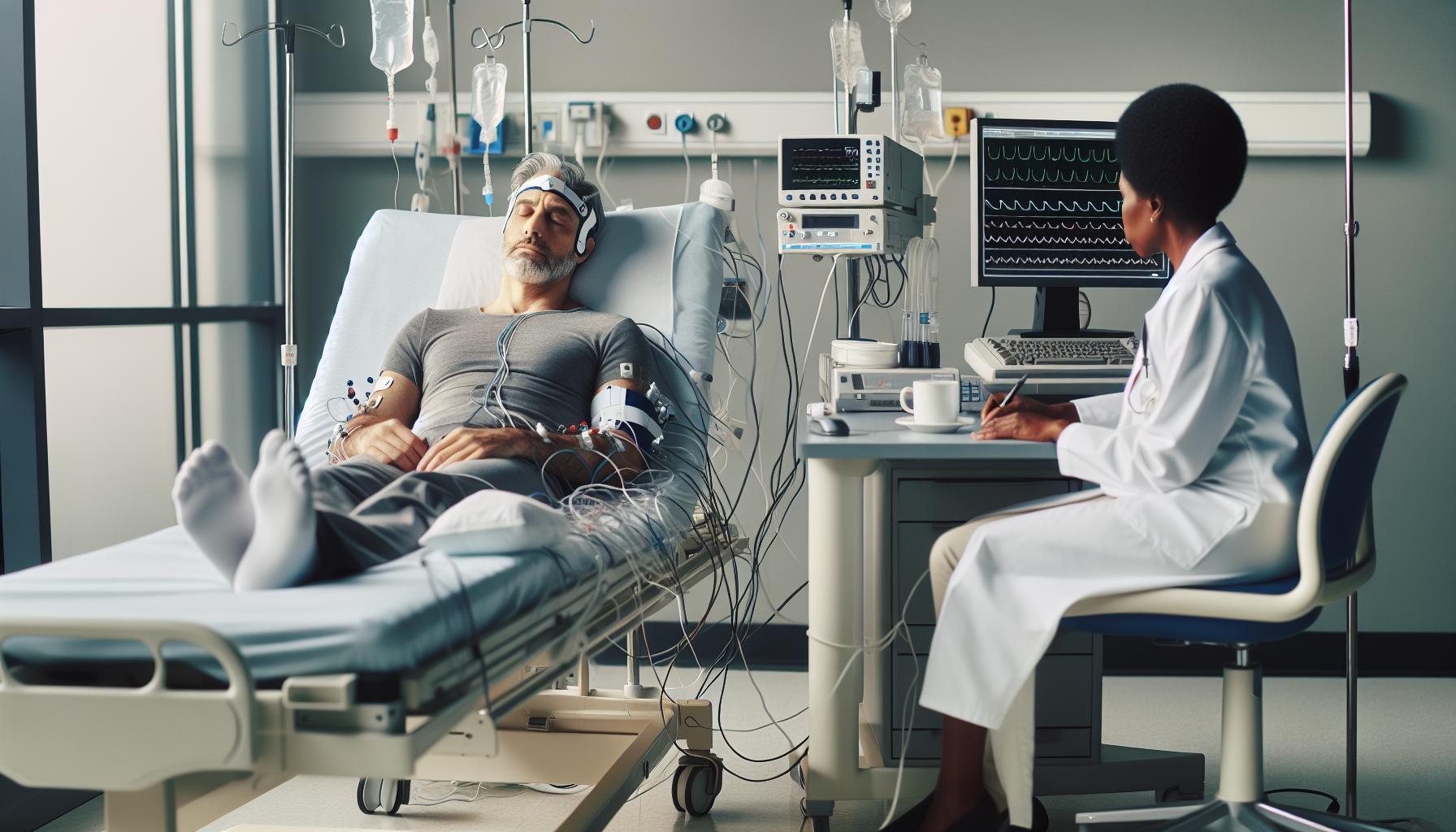
A sleep study, or polysomnography, is a comprehensive examination of your sleep patterns to diagnose various sleep disorders. By monitoring your brain waves, oxygen levels, heart rate, breathing patterns, and even eye and leg movements, sleep studies provide valuable insights into your sleep quality and any potential disturbances. This thorough approach allows medical professionals to identify conditions such as sleep apnea, narcolepsy, insomnia, and restless leg syndrome. Engaging in a sleep study may seem daunting, but understanding its purpose and how it operates can alleviate concerns and clarify its importance for your sleep health.
During a typical sleep study, you’ll spend the night in a specially designed sleep laboratory, equipped with advanced technology. Here, healthcare providers will place sensors on your body to collect data while you sleep. The environment is designed to mimic the comforts of home, ensuring you can rest as naturally as possible. It’s essential to approach this experience with an open mind; the results can lead to impactful changes in your life. Alternatively, at-home sleep tests offer a more convenient option for some individuals, allowing them to gather data in the comfort of their own bedroom. These tests may not capture as detailed information as in-lab studies but can still provide crucial insights about sleep interruptions.
Understanding what to expect can minimize anxiety surrounding sleep studies. Preparation is straightforward: you may be advised to avoid caffeine and alcohol before your study, and it’s helpful to maintain your regular sleep schedule. Upon arriving at the lab, you’ll have a briefing with the sleep technician, who will ensure that all equipment is comfortably set up. So, alongside the anticipation, keep in mind that this process serves not just to diagnose but to improve your overall well-being by addressing any sleep issues you may face. Embracing this knowledge empowers you to take charge of your sleep health.
Types of Sleep Studies: Which One Do You Need?
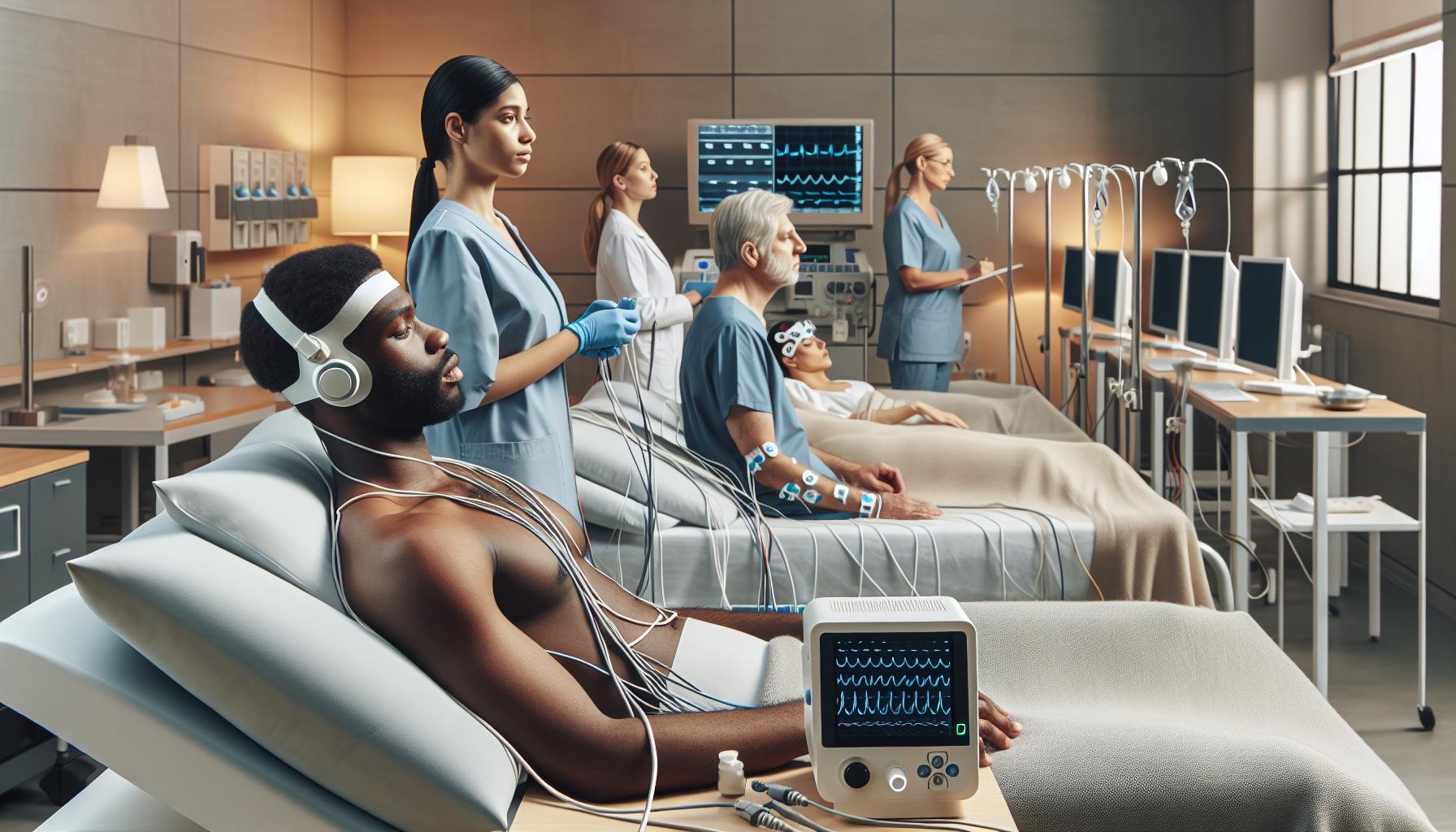
Sleep studies come in various forms to cater to different symptoms and conditions, allowing healthcare professionals to tailor the approach to your unique situation. Understanding the types of sleep studies available not only helps you select the most suitable option but also alleviates any uncertainty about what to expect.
In-Lab Sleep Studies
In-lab sleep studies, or polysomnography, are the gold standard for diagnosing sleep disorders. Conducted in a sleep laboratory, these studies monitor extensive physiological data throughout the night, including brain activity, heart rate, breathing patterns, and blood oxygen levels. This thorough monitoring is particularly effective for diagnosing complex conditions such as sleep apnea, narcolepsy, and insomnia. If you experience severe symptoms or have underlying health conditions like heart disease, your doctor might recommend this option for a detailed analysis.
Home Sleep Tests
Home sleep tests (HSTs) offer a convenient alternative for diagnosing common sleep issues, particularly obstructive sleep apnea. These tests involve simpler setups and generally record your breathing patterns, heart rate, and blood oxygen levels while you sleep in your own bed. While less comprehensive than in-lab studies, HSTs can still provide crucial information about your sleep disturbances, making them a viable option if you have moderate symptoms or prefer the comfort of your home.
Multiple Sleep Latency Test (MSLT)
The Multiple Sleep Latency Test is typically used to diagnose narcolepsy and other disorders characterized by excessive daytime sleepiness. Conducted after an overnight polysomnography, this test measures how quickly you fall asleep in a controlled environment during the day. If you’re frequently feeling excessively sleepy despite getting enough nighttime rest, this test could be the next step after initial evaluations.
Actigraphy
Actigraphy involves wearing a wrist device that monitors your sleep-wake patterns over days or weeks. While not as comprehensive as traditional sleep studies, actigraphy is useful for assessing sleep habits and circadian rhythms without disrupting your nightly routine. This method is especially beneficial for tracking sleep disturbances in children and shifts in sleep patterns due to lifestyle changes.
With these distinct types of sleep studies available, it’s essential to communicate openly with your healthcare provider about your symptoms and lifestyle. They can guide you in choosing the most suitable test based on your specific needs and concerns. Remember, these assessments aim to improve your sleep health, empowering you with the knowledge to enhance your overall well-being.
Preparing for a Sleep Study: What to Expect
When preparing for a sleep study, understanding what to expect can alleviate much of the associated anxiety. Sleep studies, whether conducted in a lab or at home, aim to provide valuable insights into your sleep patterns and identify potential disorders. On the day before your study, it’s advisable to maintain your usual routine. However, be cautious about the use of stimulants-limit caffeine and nicotine, as these can interfere with your sleep quality during the test.
The night of the study will differ based on the type of test. For an in-lab sleep study, you’ll arrive at the sleep center a few hours before your scheduled bedtime. You may find yourself surrounded by equipment and sensors, but rest assured, the technicians are there to guide you through the process. They will attach electrodes to your scalp, face, and body to monitor various parameters like brain activity, heart rate, and breathing patterns. While this setup might seem daunting, the goal is simply to gather comprehensive data on your sleep stages and possible disruptions.
If you’re opting for a home sleep test, preparation is slightly different yet equally important. Generally, you will receive a kit that includes a few easy-to-use devices. Instructions will guide you on how to set up the equipment and wear the sensors while you sleep. Be sure to follow these instructions closely, as the accuracy of the results depends on how well you set up the devices.
Regardless of the type of sleep study you’re having, being well-rested prior to the test can improve your chances of obtaining meaningful insights. If you usually take medications for sleep or other conditions, consult your doctor about whether you should take them on the night of the study. Overall, knowing what to expect can make the preparation process smoother and help you focus on getting the most out of your sleep study.
The Sleep Study Process: Step-by-Step Guide
The process of undergoing a sleep study can seem daunting, but knowing what to expect can significantly ease your anxiety. Understanding the step-by-step procedure helps you feel more in control, whether you’re participating in an in-lab study or a home sleep test.
When you arrive for an in-lab sleep study, you’ll typically check in at a sleep center a few hours before bedtime. After a brief introduction, technicians will guide you to a comfortable bedroom equipped for the study. You’ll need to change into your sleep attire and will have electrodes, sensors, and sometimes a CPAP mask fitted to monitor various sleep parameters, including brain waves, heart rate, and breathing patterns. Although it may feel overwhelming initially, the technicians will assure you and remain close by to address any discomfort or concerns.
For home sleep tests, the process is streamlined for convenience. You’ll receive a compact kit containing easy-to-use devices, such as a pulse oximeter and a chest strap to monitor your breathing. After reviewing the setup instructions provided, you will connect the sensors and wear them as you sleep. Proper adherence to the setup instructions is crucial; for example, positioning the sensors correctly ensures accurate data recording. Before going to bed, remember to relax and maintain a calm environment to maximize the quality of your sleep.
Once the sleep study is complete, whether at home or in a lab, the data collected will be analyzed by a sleep specialist. The results will help identify any potential sleep disorders like sleep apnea or insomnia, allowing for proper diagnosis and treatment options. Engaging in this process empowers you to address your sleep issues proactively, contributing to better overall health and well-being.
Home Sleep Testing vs. In-Lab Studies: Key Differences
Deciding between a home sleep test and an in-lab sleep study can feel overwhelming, but understanding the key differences can make your choice clearer. Home sleep testing is designed for convenience and often allows you to sleep in the comfort of your own bed. It typically involves a simplified setup with a few portable devices, such as a pulse oximeter and breathing monitors, which you connect before bedtime. This method is generally less expensive and requires little clinical guidance, providing a more relaxed environment for many users.
In contrast, in-lab studies provide a comprehensive analysis of your sleep patterns and help diagnose complex conditions. You’ll be monitored overnight in a specialized sleep center where trained technicians will record detailed information about your sleep stages, breathing, and heart activity. The sophisticated equipment used can capture far more data than home tests, making it ideal for diagnosing intricate issues like severe sleep apnea or periodic limb movement disorder. While in-lab studies may sound intimidating, the presence of skilled professionals can help address any concerns you might have during the procedure.
Consider these factors when making your decision:
- Comfort: Home tests are less intimidating for those worried about the hospital environment.
- Data Accuracy: In-lab studies provide more detailed data that can lead to more accurate diagnoses.
- Cost: Home tests are usually more affordable and often covered by insurance with fewer prerequisites.
- Guidance: In-lab studies come with expert oversight, ensuring that issues are addressed promptly during the test.
Ultimately, the choice between home and in-lab testing should align with your specific symptoms and concerns. If you suspect a simple case of sleep apnea, a home test may suffice. However, if you’re experiencing more complex symptoms or have existing health issues that complicate your sleep, an in-lab study might be the better option for an accurate diagnosis and effective treatment plan.
Understanding Polysomnography: Breaking Down the Basics
Polysomnography is the gold standard in sleep studies, providing a detailed analysis of your sleep patterns. This comprehensive test captures essential data that can help diagnose various sleep disorders, such as sleep apnea, narcolepsy, and periodic limb movement disorder. During a polysomnography, several parameters are measured, including brain waves, oxygen levels, heart rate, and breathing. This multifaceted approach allows healthcare professionals to gain insights into the quality and architecture of your sleep.
The process starts when you arrive at a sleep center, where a trained technician will prepare you for the study. You’ll be connected to several sensors placed on your body to monitor specific physiological functions. For instance, electrodes will be attached to your scalp to record brain activity, while others may be placed near your eyes and chin to track eye movement and muscle activity. Additionally, sensors will monitor your heart rate and oxygen levels through a pulse oximeter clip on your finger. Although this setup might seem daunting, it’s non-invasive and generally comfortable, allowing you to sleep naturally while the equipment collects data.
Understanding the results of a polysomnography can be straightforward with a little guidance. The data collected during the night is analyzed to determine how many times you experienced interruptions in your breathing, how deeply you slept, and the different stages of sleep you went through, such as REM (Rapid Eye Movement) and non-REM sleep. Knowing these stages is crucial because they play significant roles in sleep quality and overall health. If issues are detected, such as excessive awakenings or patterns indicating sleep apnea, your healthcare provider will discuss the implications and suggest appropriate treatments.
In preparing for a sleep study, it’s helpful to remember that the goal is to monitor your natural sleep behavior in an unobtrusive way. If you have concerns about the study, don’t hesitate to ask your healthcare provider for reassurance. The detailed information gathered from a polysomnography can ultimately lead to effective treatment strategies for improving your sleep health, ensuring you wake up rested and ready for the day.
How to Choose the Right Sleep Tracking Device
When it comes to monitoring sleep patterns, choosing the right sleep tracking device can feel overwhelming. With countless options on the market, it’s essential to understand what features are most beneficial for your specific needs. Whether you’re concerned about sleep apnea, restless leg syndrome, or simply want to improve your overall sleep quality, selecting the right technology can make a significant difference.
Start by considering what you want to achieve with a sleep tracker. If you’re solely interested in basic sleep duration and quality, a simple wearable like a fitness tracker may suffice. However, if you’re seeking in-depth insights into your sleep stages or suspect you have a sleep disorder, a more sophisticated device might be necessary. Some options, such as smart mattresses or dedicated sleep monitoring systems, use advanced sensors to analyze movements, heart rate, and even breathing patterns. These can provide detailed reports on your REM and non-REM sleep cycles, which are crucial for understanding your sleep quality.
When evaluating devices, keep the following factors in mind:
- Accuracy: Look for devices with good reviews regarding sleep tracking accuracy. Some devices excel at monitoring heart rates, while others might struggle with accurately detecting sleep stages.
- Comfort: Since you’ll be wearing or sleeping with the device, prioritize comfort. For wearables, a lightweight option is preferable. For bedside devices, ensure they do not emit distracting lights or sounds.
- Battery Life: Some sleep trackers require nightly charging, which can be inconvenient. Opt for devices with long battery life to avoid interruptions in tracking.
- Compatibility: Check that the device is compatible with your smartphone or other tech, especially if you want to track your sleep data in conjunction with other health metrics.
To further guide your decision-making process, consider a comparative table that outlines key features of popular devices, including price ranges, tracking capabilities, and user reviews. This side-by-side analysis can help clarify which device suits your needs best. Remember, while devices can provide valuable insights, they are not a replacement for professional sleep studies, especially if serious sleep issues are suspected. A sleep study can still be essential for accurate diagnoses and tailored treatment plans.
Ultimately, the right sleep tracking device should empower you to better understand your sleep patterns, helping to highlight areas for improvement and providing insights that can aid in achieving restful, restorative sleep. Be patient with the process, and don’t hesitate to consult with a healthcare provider if your findings raise concerns about your sleep health.
Navigating Insurance for Sleep Studies: Tips and Tricks
Understanding the ins and outs of insurance can seem daunting, especially when it comes to essential health services like sleep studies. Navigating this landscape can mean the difference between a costly out-of-pocket expense and covered treatment. To approach this effectively, start by familiarizing yourself with your insurance plan specifics-knowing what is and isn’t covered is crucial. Most insurance providers require a prior authorization for sleep studies, meaning you first need your doctor to recommend the study based on suspected sleep issues. This initial step can set the foundation for your insurance coverage.
Consider the following tips to enhance your chances of a smooth claims process:
- Documentation: Gather all necessary documentation-this includes your doctor’s referral, medical history, and any previous sleep test results. Having these on hand can expedite the authorization process.
- Contact Your Insurer: Don’t hesitate to call your insurance provider directly. Ask specific questions about your coverage for sleep studies, potential out-of-pocket costs, and if a certain facility is in-network.
- Understand Networks: Using an in-network facility can drastically reduce costs. Ensure the sleep clinic you choose is within your insurance network to maximize benefits.
- Follow Up: After your sleep study, follow up with both your healthcare provider and your insurance to track the status of your claim. Be proactive; sometimes, claims can fall through the cracks.
Real-world scenarios also illustrate the importance of diligence: for instance, a patient who was unaware of the need for pre-approval ended up facing substantial bills after an in-lab sleep study. Conversely, those who meticulously prepared and verified their insurance details beforehand found their costs significantly reduced.
Ultimately, understanding your insurance coverage regarding sleep studies is key to easing financial anxiety over needed medical care. With the right approach, you can navigate this process smoothly, allowing you to focus on what truly matters: your health and well-being.
Common Sleep Disorders Diagnosed by Studies
Many people struggle with sleep-related issues that can significantly impact their overall health and well-being. Sleep studies are essential tools in diagnosing various sleep disorders that may disrupt your rest. Understanding these disorders helps demystify the reasons behind your sleepless nights and guides you toward appropriate treatments.
One of the most prevalent sleep disorders is obstructive sleep apnea (OSA). Characterized by repeated interruptions in breathing during sleep, OSA can lead to severe complications if left untreated, such as cardiovascular issues and daytime fatigue. Sleep studies, particularly polysomnography, enable clinicians to observe breathing patterns and identify apneic episodes, allowing for effective treatment options like CPAP machines.
Another frequently diagnosed condition is insomnia, which involves difficulty falling or staying asleep. Insomnia can be linked to various factors, including stress, anxiety, or underlying medical conditions. A sleep study may not typically be the primary diagnostic tool for insomnia; however, it can rule out other sleep disorders and provide a clearer picture of a patient’s sleep quality.
Restless legs syndrome (RLS) is another disorder assessed through sleep studies. Individuals with RLS experience uncomfortable sensations in their legs, often leading to an irresistible urge to move them, especially during periods of rest. This condition can significantly disrupt sleep quality and usually requires a combination of lifestyle changes and medical intervention for management.
Lastly, narcolepsy is a neurological disorder characterized by excessive daytime sleepiness and sudden sleep attacks. Sleep studies can help confirm narcolepsy by monitoring sleep stages and identifying irregularities in REM sleep patterns. Knowing your diagnosis empowers you to seek proper treatment and manage symptoms effectively.
Understanding these common sleep disorders allows you to advocate for your health during a sleep study. Engaging with healthcare professionals and seeking clarity on your specific symptoms can lead to accurate diagnoses and personalized treatment plans, paving the way for better sleep and improved quality of life.
Interpreting Your Sleep Study Results: What They Mean
Interpreting the results from a sleep study can feel daunting, but understanding what the data means is crucial for taking proactive steps toward better sleep. After all, the ultimate goal is to empower you with information that can lead to improved health and well-being. Typically, sleep study results provide insights into your sleep architecture, including stage durations, breathing patterns, and any disturbances that occurred throughout the night.
One key indicator analyzed in sleep studies is the presence of sleep apnea, a condition where breathing temporarily stops during sleep. This diagnosis often hinges on whether you had a significant number of apneic episodes-typically defined as five or more per hour. If your results indicate frequent apneas, your healthcare provider may suggest interventions ranging from lifestyle changes to medical devices like CPAP (Continuous Positive Airway Pressure) machines to enhance nighttime breathing.
In addition to sleep apnea, your results may reveal information about other sleep disorders. For instance, if you find a high number of arousals or awakenings throughout the night, it may suggest conditions such as insomnia or restless legs syndrome (RLS). Understanding these nuances can direct you towards targeted treatments. The data presented in the results, such as the percentage of time spent in different sleep stages-like REM and deep sleep-can also be enlightening. Ideally, you should spend sufficient time in restorative sleep stages; too little can lead to daytime fatigue and cognitive issues.
Lastly, don’t hesitate to discuss your findings with a sleep specialist who can help you interpret the details and put together a tailored management plan. If your results feel overwhelming, remember that it’s about creating a clearer picture of your sleep health and figuring out the best strategies to improve your sleep quality. Navigation through this process, from understanding your results to implementing changes, can lead to significant enhancements in your sleep and overall quality of life.
Post-Study Tips for Better Sleep Health
After completing your sleep study, it’s essential to transition smoothly into improving your sleep health. The insights you gained from your study can serve as a springboard toward better sleep habits. Here are actionable tips that can help you enhance your sleep quality going forward.
Prioritize Consistent Sleep Schedule
Maintaining a consistent sleep schedule is crucial. Aim to go to bed and wake up at the same time every day, even on weekends. This helps regulate your body’s internal clock, making it easier to fall asleep and wake up refreshed. If you find it challenging to stick to this routine, consider setting reminders or creating a relaxing pre-sleep regimen that signals your body it’s time to wind down.
Create a Sleep-Friendly Environment
Your sleep environment plays a significant role in how well you sleep. Evaluate your bedroom for potential improvements:
- Darkness: Use blackout curtains to block out light, which can interfere with your body’s melatonin production.
- Noise Levels: Minimize noise with white noise machines or earplugs to create a peaceful atmosphere.
- Comfort: Invest in a comfortable mattress and pillows that suit your sleeping style, whether you’re a back, side, or stomach sleeper.
Incorporate Relaxation Techniques
Engaging in relaxation techniques before bed can help reduce anxiety and promote better sleep. Consider activities such as:
- Meditation or Deep Breathing: These practices can calm your mind and prepare your body for sleep.
- Gentle Yoga or Stretching: This can relieve physical tension and signal your body that it’s time to rest.
- Reading: A calming book (avoid screens!) can distract your mind from the day’s stresses.
Monitor Your Sleep Habits
Using a sleep tracking device can be beneficial for monitoring your sleep patterns after your study. Devices can help you gain insights into your sleep quality, duration, and disturbances. Understand that while these devices provide useful data, they are most effective when used as part of a broader strategy to enhance sleep health. Always consult with your healthcare provider regarding any significant changes based on the data you collect.
Remember, achieving better sleep is a journey that may require time and adjustments, so be patient with yourself. With these tips, you can actively contribute to creating healthier sleep habits and enhance your overall well-being.
Addressing Anxiety About Sleep Studies: Reassurance and Support
Many people feel unnerved at the thought of undergoing a sleep study, but understanding the process can ease these worries. A sleep study is designed to provide insights into your sleep patterns, and knowing what to expect can transform anxiety into empowerment. If you’re feeling apprehensive, remember that these studies are routine, and the medical professionals conducting them are experienced and trained to keep you comfortable.
The first step to reducing anxiety is understanding the purpose of the study. Sleep studies help diagnose disturbances such as sleep apnea, restless legs syndrome, or insomnia, guiding you and your doctor toward appropriate treatment options. You might also be surprised to learn about the supportive atmosphere in sleep clinics, where technicians are friendly and there to assist you throughout the night. You can bring items from home that make you feel secure, such as a favorite pillow or blanket, which can create a familiar, calming environment.
Know the Process
Familiarizing yourself with the sleep study process can significantly alleviate anxiety. On the evening of your study, you will typically arrive at the clinic, where a technician will explain what will happen. Electrodes will be placed on your scalp, face, and body to monitor various aspects of your sleep. While this may feel a bit odd, the sensors are non-invasive and do not cause pain. You’ll then be asked to spend the night in a comfortable sleep environment, allowing for an accurate assessment of your sleep patterns.
Communication is Key
Before the study, don’t hesitate to voice any concerns you have to your healthcare team. They can provide valuable information and reassurance tailored to your specific worries. Understanding that it’s normal to feel uneasy can also help put your mind at ease. Engage in conversations about potential treatments or what the results might indicate; knowledge can be a powerful antidote to fear.
Ultimately, sleep studies are an important tool for improving your sleep health and overall well-being. Embrace the journey with curiosity and reach out for support as needed. You’re not alone in this; many individuals have successfully navigated the sleep study process and emerged with insights that led to more restful nights.
Faq
Q: What is the average cost of a sleep study?
A: The average cost of a sleep study typically ranges from $600 to $3,000, depending on the type of study and location. Home tests are generally less expensive than in-lab studies. Check with your insurance provider to understand your coverage options and reduce out-of-pocket costs.
Q: How long does a sleep study take?
A: A sleep study usually lasts one night, but preparation and setup may add an additional hour or two. If you’re undergoing a home sleep test, you may complete your study over multiple nights, but the monitoring typically occurs during your usual nighttime sleep.
Q: Can I eat or drink before a sleep study?
A: Yes, you can eat and drink, but it’s best to avoid caffeine and alcohol for at least 24 hours prior to your study, as these can affect your sleep quality. Review specific guidelines with your healthcare provider before the study to optimize results.
Q: What happens if I have to use the bathroom during a sleep study?
A: If you need to use the bathroom during a sleep study, you can simply inform the technician. Disconnecting from the equipment is manageable, and they will assist you to ensure minimal disruption to your study.
Q: How can I prepare my child for a sleep study?
A: Prepare your child for a sleep study by explaining the process in simple terms and reassuring them that it’s a safe experience. Consider bringing their favorite items, like a stuffed toy or blanket, to make them feel more comfortable during the study.
Q: Are sleep studies safe?
A: Sleep studies are generally safe and non-invasive. They’re designed to monitor your sleep patterns without causing harm. Technicians are trained to ensure your comfort and safety throughout the process.
Q: What technology is used in sleep studies?
A: Sleep studies use various technologies, including polysomnography, which tracks brain activity, eye movements, heart rate, and breathing patterns. Sensors are placed on your scalp, face, and body to gather comprehensive data for analysis.
Q: How soon will I get my sleep study results?
A: You can typically expect your sleep study results within one to two weeks after the study. Your doctor will review the findings and schedule a follow-up to discuss any diagnoses and treatment options if necessary.
Concluding Remarks
As you navigate the journey of understanding sleep studies, remember that taking the first step toward better sleep health is crucial. With insights on the costs, setup processes, and what to expect during your sleep study, you’re now equipped to make informed decisions about your sleep health. If you’re curious about the impacts of sleep deprivation or how various sleep-related technologies work, check out our articles on sleep deprivation effects and Get our latest guides, news, and insights highlighted in your Google Search & AI Overviews.