
Sleep is essential for our overall health, yet millions struggle with sleep disorders, often leaving them questioning the costs associated with necessary treatments like sleep studies. If you’re considering a sleep study but don’t have insurance, understanding the potential costs can help you make informed decisions about your health. Prices for sleep studies vary widely, sometimes ranging from $500 to over $3,000, depending on factors such as location and study type. Knowing these costs and what to expect can ease the anxiety surrounding the process and empower you to take control of your sleep health. In this article, we’ll break down the real costs of sleep studies without insurance, so you’re prepared to prioritize your well-being without breaking the bank. Let’s dive into the facts you need to know to navigate your sleep health journey effectively.
Understanding the Costs of a Sleep Study
The costs associated with sleep studies can vary significantly based on several factors, but understanding these elements can help demystify the expenses involved. On average, an in-lab sleep study ranges from $500 to $3,000, while a home sleep study typically costs between $300 and $600[3[3]. These prices can be daunting, especially for those without insurance coverage. It’s crucial to consider that costs can fluctuate based on geographic location, the type of facility performing the study, and the specific technologies utilized during testing.
Several factors influence the final price of a sleep study. For instance, the type of study performed-whether it’s a comprehensive polysomnography in a sleep lab or a simpler home study-can greatly affect costs. Additionally, the complexity of the testing needed can add to the total expense. Diagnostic criteria or pre-study consultations may also incur extra fees. As you explore your options, be aware that hidden costs like follow-up visits or lab fees might exist, impacting the overall cost of obtaining a definitive diagnosis and treatment plan.
To navigate these expenses effectively, inquire upfront about the total anticipated costs, any additional fees, and payment plans. By setting clear expectations and understanding the components that contribute to pricing, you can approach the decision of undergoing a sleep study with greater clarity and confidence.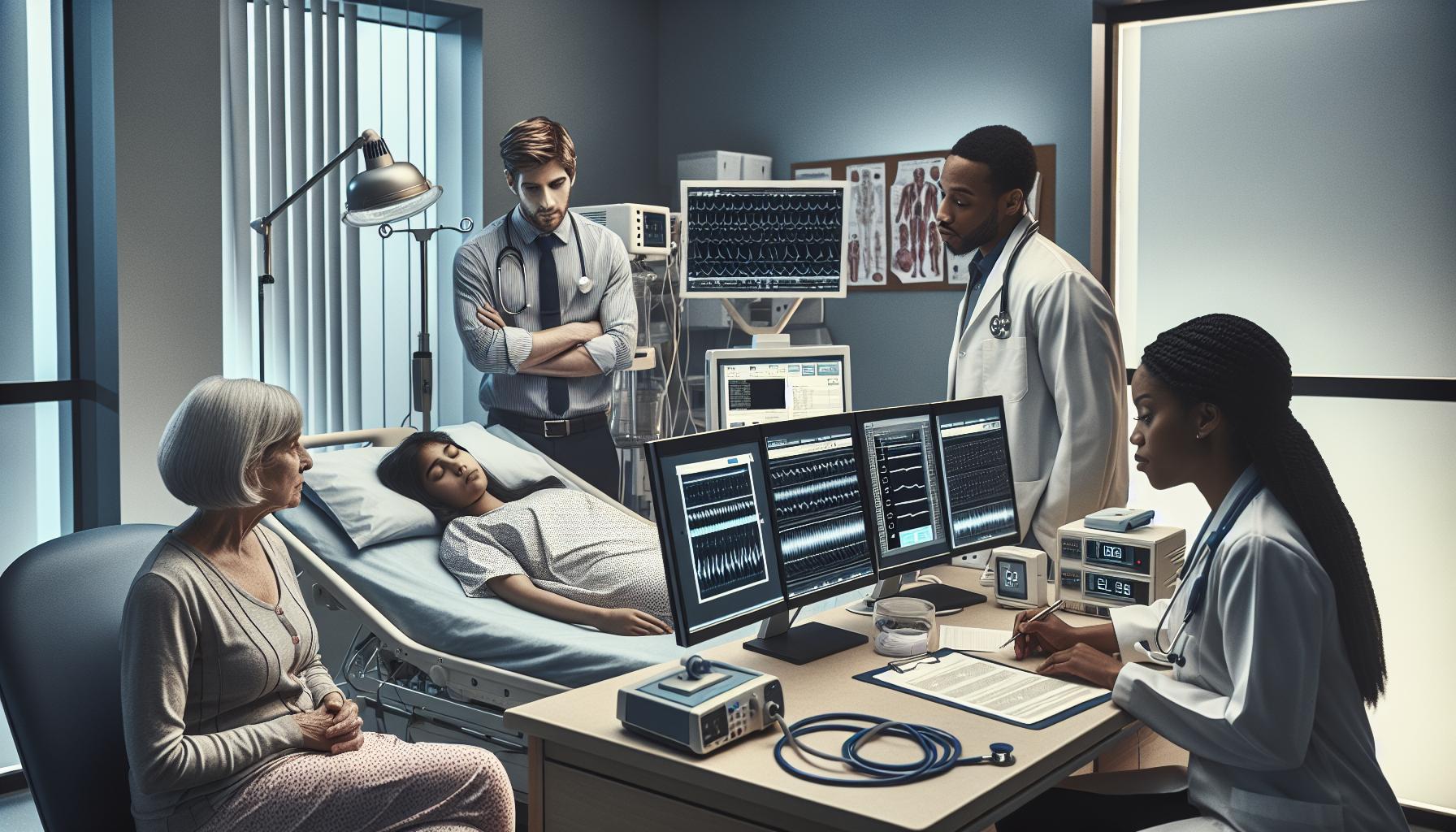
Factors Affecting Sleep Study Costs
The cost of a sleep study can vary significantly, primarily influenced by a range of factors. Understanding these elements is essential for making informed decisions about your sleep health.
One of the most significant factors is the type of sleep study you choose to undergo. In-lab studies, often referred to as polysomnography, are more comprehensive and can range from $500 to $3,000 depending on the facility and location. These studies are conducted overnight, allowing professionals to monitor a variety of physiological parameters while you sleep. Conversely, at-home sleep studies, which are simpler and less intensive, typically cost between $300 and $600. While these may seem less intimidating and costly, they do not provide as thorough data as in-lab tests.
Another critical aspect influencing sleep study costs is geographic location. Costs may vary dramatically from state to state and even between towns. Facilities in metropolitan areas may charge more due to higher operational costs and demand, while rural facilities might offer lower rates. Additionally, the specific healthcare provider and the technology utilized during the study can affect the total price; advanced equipment or personalized monitoring could lead to increased expenses.
Unexpected fees can also arise. While many facilities provide clear pricing, items such as pre-study consultations, follow-up visits, and lab processing fees may not be included in the initial quote. It’s essential to ask about all these potential additional costs upfront. By understanding these factors, you can better navigate the complex landscape of sleep study expenses and ensure that you are prepared financially for your sleep health journey.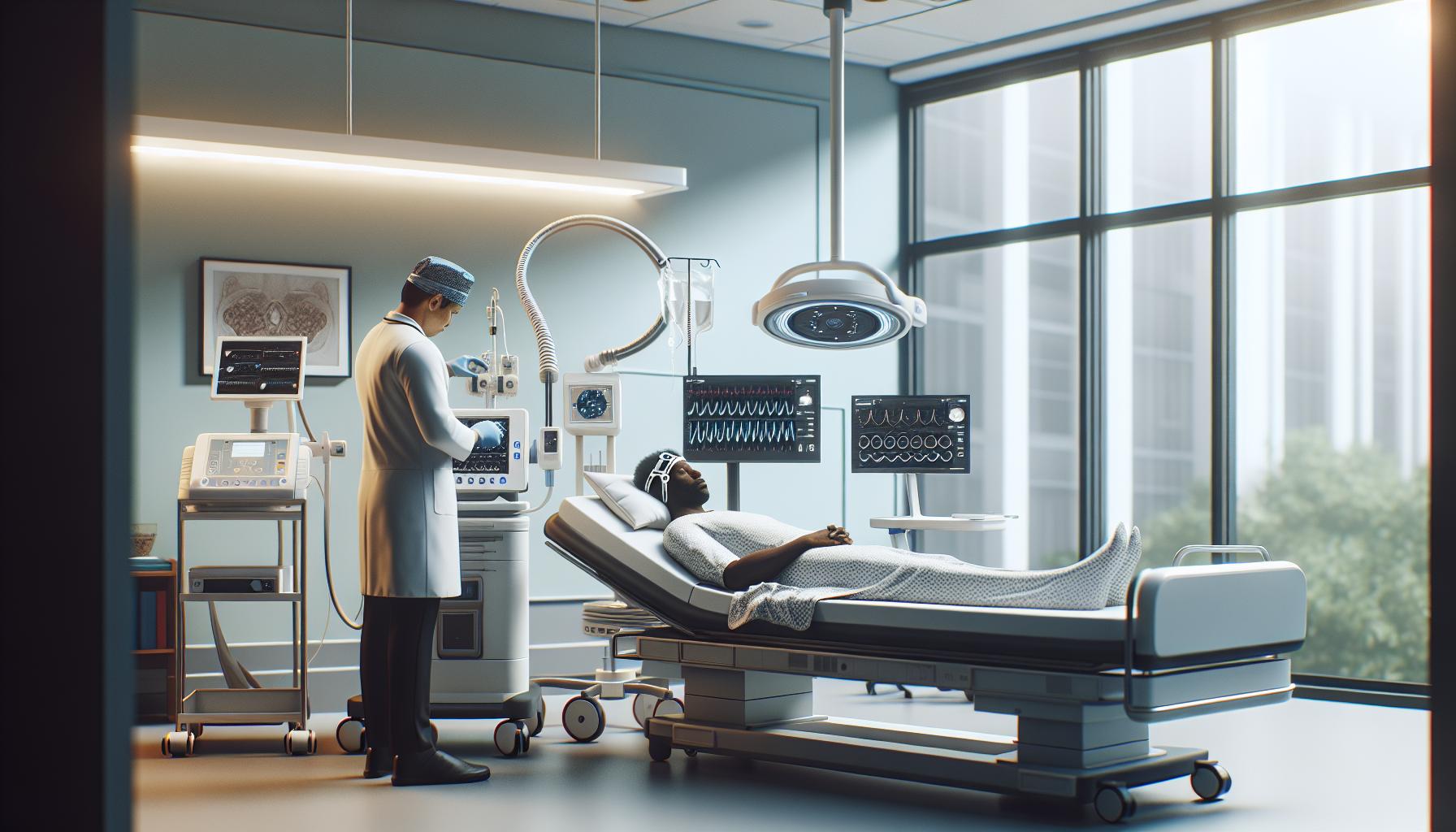
Types of Sleep Studies Explained
Understanding the types of sleep studies available is crucial in evaluating which option is best for your needs and budget. There are primarily two main categories: in-lab sleep studies and at-home sleep tests. Both serve distinct purposes and offer varying levels of detail in diagnosing sleep disorders, which can ultimately influence your decision based on cost, convenience, and diagnostic requirements.
In-lab sleep studies, also known as polysomnography, provide the most comprehensive assessment. These are typically performed overnight in a sleep center where trained professionals monitor multiple physiological signals, including brain waves, oxygen levels, heart rate, and eye movements. The in-lab study costs can range between $500 to $3,000, affected by factors such as location and the facility’s reputation. This thorough approach is especially valuable for identifying complex sleep disorders like obstructive sleep apnea, narcolepsy, or REM behavior disorder. Although this option is pricier and may seem daunting for some, the extensive data obtained can lead to more accurate diagnoses and targeted treatment plans.
On the other hand, at-home sleep tests are designed for convenience and can be more budget-friendly, generally costing between $300 to $600. These tests usually involve a simplified setup with portable equipment that you wear while sleeping in your familiar environment. While they offer a degree of comfort and are less invasive, it’s important to recognize that at-home tests often have limitations in their diagnostic capabilities, mainly focusing on sleep apnea. They may not capture the same depth of data as an in-lab study, which can lead to misdiagnosis in certain cases. It’s essential to assess your symptoms and needs before deciding on an at-home test and consider whether the data collected will suffice for the evaluation you desire.
When contemplating which type of study to choose, it’s beneficial to discuss your symptoms and lifestyle with a healthcare provider. They can help determine which option aligns best with your health concerns and budget, guiding you toward an informed decision that will enhance your sleep health. Being proactive about your sleep is a step towards better well-being, and understanding your choices is the first critical move.
Out-of-Pocket Expenses for Sleep Studies
When you’re considering a sleep study, the cost can be a significant concern, especially if you don’t have insurance. It’s important to understand what expenses you might face out-of-pocket, as they can vary dramatically based on the type of study you choose and where it is performed. For instance, in-lab sleep studies can range from $1,000 to $10,000, while at-home sleep tests tend to cost between $150 and $1,000. This variance often influences people’s decisions on the method they choose for diagnosis, weighing affordability against the thoroughness of the diagnostic process.
The out-of-pocket costs will also depend on several factors including the facility, the region you are in, and the complexity of your own health needs. In-lab studies may provide comprehensive assessments but come with a higher price tag. Alternatively, at-home tests are generally less expensive and are a more convenient option for many. However, they typically provide a limited scope of information focused mainly on sleep apnea, which could lead to incomplete diagnoses.
Considering Hidden Costs
In addition to the direct costs of the sleep study itself, there are potential hidden costs to be aware of. These may include:
- Initial consultations with specialists.
- Follow-up appointments after the study to discuss results.
- Additional tests, if needed, based on the findings of the sleep study.
- Equipment rental or purchase costs for at-home testing.
Understanding these potential expenses can help you budget more effectively and avoid surprises which might add to your financial stress.
Making an informed decision means not only considering the price of the sleep study but also the value of the data it provides for your health. If you find that costs are prohibitive, discuss options with your healthcare provider who may be able to offer more affordable alternatives or suggest financing plans that can ease the burden while prioritizing your health.
Hidden Costs of Sleep Studies You Should Know
While a sleep study can provide essential insights into your sleep patterns and disorders, it’s crucial to remember that the initial cost often isn’t the only expense involved. Many patients encounter a range of hidden costs that can quickly add up, affecting their overall budget and financial planning for these necessary health assessments.
First, consider the costs associated with consultations. Initial visits to a sleep specialist often precede a sleep study. These consultations can range from $100 to $400 or more, depending on your location and the expertise of the specialist. Following the study, additional follow-up appointments to discuss results, explore treatment options, or further testing may also incur separate fees. These additional consultations typically cost between $75 and $250.
Another financial aspect to keep in mind is the potential need for follow-up tests. If your sleep study indicates other sleep disorders or health issues, your doctor may recommend further evaluations, each with its associated costs, which can include polysomnography or additional home tests. Moreover, for at-home sleep studies, some facilities charge for the rental or purchase of the required equipment. This cost can range from $50 to several hundred dollars, depending on the type and duration of use.
Lastly, don’t overlook the indirect expenses of a sleep study. Travel to and from the facility may involve costs for gas or public transit. Additionally, lost wages can occur if you take time off work for the testing and any subsequent appointments. By anticipating these hidden costs, you can foster better financial preparedness and ensure that you prioritize your health without encountering unpleasant financial surprises.
What to Expect During a Sleep Study
Undergoing a sleep study can feel daunting, but knowing what to expect can alleviate anxiety and help you prepare effectively. Typically conducted in a sleep lab, a sleep study, also known as polysomnography, involves monitoring various body functions while you sleep, including brain waves, oxygen levels, heart rate, and breathing patterns. These parameters are crucial for diagnosing sleep disorders like sleep apnea, insomnia, or restless leg syndrome.
When you arrive at the facility, the staff will walk you through the setup process, which includes placing sensors on your scalp, face, chest, and legs to track your physiological functions. This setup typically takes about 30 to 60 minutes, and while it may feel a bit uncomfortable initially, the sensors are generally light and non-intrusive. You’ll then spend the night sleeping in a designated room, often similar to a hotel setup, complete with a bed and bathroom.
It’s not unusual to experience some restlessness due to the unfamiliar environment and equipment. Remember, the staff is there to ensure you’re comfortable, and they’ll provide guidance to help you adjust. You might also be asked to adhere to certain sleep protocols, such as avoiding caffeine or daytime naps leading up to the study, to ensure the most accurate results.
In some cases, there are home-based sleep studies available that can be more convenient and less costly. These typically involve receiving a portable device that you wear while sleeping at home. The data collected will be analyzed, and while they may not be as comprehensive as in-lab studies, they can provide useful insights into your sleep patterns. Regardless of the method chosen, what’s essential is to prioritize your sleep health and seek help if you suspect a disorder.
Insurance Coverage for Sleep Studies
While navigating the terrain of sleep studies, understanding insurance coverage can significantly impact your overall out-of-pocket expenses. The financial burden of a sleep study, particularly if you’re uninsured, can be substantial. For example, costs can range from $1,000 to $10,000 for in-lab studies, and from $150 to $1,000 for home sleep tests, depending on various factors. However, if you have insurance, it can help mitigate these costs considerably.
What Your Insurance May Cover
Most insurance providers recognize the importance of sleep studies and typically cover them to varying extents. Here are some key areas where insurance may assist:
- Cost of Consultation: Many insurance plans cover the initial consultation with a sleep specialist, often requiring a copay that can range from $30 to $100.
- Diagnostic Tests: If deemed medically necessary, the costs associated with diagnostic sleep tests can be covered. Ensure that the facility conducting the study is in-network to avoid higher out-of-pocket expenses.
- Follow-Up Treatments: After your sleep study, if you are diagnosed with a sleep disorder, your insurance may also cover treatments such as CPAP (Continuous Positive Airway Pressure) therapy or follow-up consultations.
Nonetheless, make sure to review your individual plan for specific details on coverage and any potential exclusions. Always confirm which services are covered and whether you’ll need prior authorization, as this can affect your costs and how quickly you can schedule your sleep study.
Navigating Coverage Without Insurance
If you’re among the uninsured, consider the following strategies to manage costs effectively:
- Inquire About Payment Plans: Many sleep clinics offer payment plans to help you manage larger expenses over time.
- Seek Community Health Resources: Check for local programs or hospitals that may provide sleep studies at reduced prices or even as part of research studies.
- Look into At-Home Tests: If available, home sleep tests tend to be more affordable and can sometimes provide sufficient insight into potential sleep issues without the hefty costs associated with in-lab studies.
Understanding the nuances of insurance coverage can guide you toward making informed decisions regarding sleep studies, potentially saving you significant amounts of money while helping you address sleep health effectively.
Alternatives to Sleep Studies: At-Home Testing
At-home sleep testing has emerged as a viable alternative to traditional in-lab sleep studies, particularly for those looking to monitor their sleep without the burden of high costs. Home sleep tests (HSTs) are designed for convenience and typically come at a fraction of the price of extensive lab studies. Most commonly, patients can expect to spend between $150 and $1,000 on these tests, significantly less than the $1,000 to $10,000 range associated with in-lab options[[1]](https://www.mdsave.com/procedures/sleep-test-home-study/d784ffc4).
The appeal of at-home testing lies not only in cost-effectiveness but also in its simplicity. Patients receive a device that they can comfortably use in their own beds, allowing for a more relaxed testing environment. These portable devices are designed to monitor key indicators such as breathing patterns, heart rate, and blood oxygen levels. When setup is straightforward, users can easily attach sensors and begin their study with minimal hassle. Most importantly, these tests can be a fantastic starting point for individuals grappling with sleep issues, such as suspected obstructive sleep apnea (OSA).
What to Expect with At-Home Testing
Before committing to an at-home sleep test, it’s essential to understand the process. Here’s what you can anticipate:
- Device Setup: You’ll receive detailed instructions on how to set up the equipment. Most devices require you to place sensors on your chest, finger, and sometimes a nasal cannula to measure airflow.
- One-Night Test: The test typically requires just one night of monitoring. You’ll wear the device as you sleep, which allows it to capture important data on your sleep patterns.
- Data Analysis: After completing the test, the data is analyzed and sent to your healthcare provider. They will interpret the results and discuss any potential findings with you.
Limitations of At-Home Tests
While at-home testing offers many benefits, it’s important to be aware of its limitations. At-home tests may not provide the comprehensive data that a polysomnography done in a lab would offer, particularly regarding REM sleep and other sleep disorders that could require different monitoring techniques. For instance, complex sleep disorders or conditions like periodic limb movement disorder often necessitate more detailed evaluation.
Utilizing at-home tests not only serves as a cost-effective solution but also empowers you to take charge of your sleep health. If you find the results concerning, you can seek further evaluation or treatment from a sleep specialist without the initial financial strain of a full-fledged sleep study. This approach provides a functional pathway for addressing sleep issues promptly and effectively, reassuring individuals that they have manageable and accessible options to explore their sleep health.
The Role of Sleep Trackers and Wearables
Sleep trackers and wearables have become increasingly popular tools for those looking to monitor their sleep patterns without the high costs associated with traditional sleep studies. These devices, ranging from smartwatches to sleep-specific gadgets, provide insights into various sleep metrics such as duration, quality, and even sleep cycle stages. With many options available, it’s essential to understand their role, benefits, and limitations in the context of your sleep health journey.
One of the main advantages of sleep trackers is their accessibility and affordability. Prices can range from as low as $50 to $300 for most consumer-grade gadgets, making them a budget-friendly alternative to the thousands of dollars a full sleep study might cost without insurance. For those who might be hesitant about undergoing a formal sleep evaluation, wearables can act as a preliminary step. They allow users to collect data over time, which can prove useful when discussing sleep issues with healthcare providers.
However, it’s crucial to recognize that while these devices can track fundamental aspects of your sleep, they may not capture the comprehensive data needed for diagnosing complex sleep disorders like sleep apnea or REM sleep behavior disorder. Most consumer-grade trackers primarily measure metrics such as heart rate and movement, providing estimates on sleep stages. This lack of clinical-grade accuracy means that individuals may miss underlying issues that require further investigation through polysomnography in a sleep lab.
Incorporating wearables into your nighttime routine can offer insights and patterns that inform your sleep habits. For instance, if you’re consistently waking up feeling tired, tracking your sleep can reveal disturbances or inadequate deep sleep. Additionally, many devices come with features such as sleep environment monitoring or advice for improving sleep hygiene. While these trackers should not replace professional evaluation, they can empower users to take proactive steps towards better sleep health and potentially identify when it’s time to seek more comprehensive testing.
Comparing Sleep Study Options: In-Lab vs. At-Home
When considering the best option for a sleep study, many are faced with the choice between an in-lab sleep study and an at-home test. This decision can significantly impact your experience, convenience, and costs. Generally, the prices for these tests can vary widely. An in-lab sleep study typically ranges from $1,000 to $7,000, while at-home tests are usually more affordable, costing between $300 and $600 [3[3].
In-Lab Sleep Studies
In-lab sleep studies, also known as polysomnography, involve spending the night at a sleep clinic. During the study, multiple sensors monitor your brain waves, oxygen levels, heart rate, and breathing while you sleep. This method provides highly accurate data that can help diagnose various sleep disorders, including sleep apnea and narcolepsy. Although this option is comprehensive and thorough, it can come with significant costs and may lead to anxiety for some individuals due to the clinical environment.
The setup for an in-lab sleep study involves:
- Scheduling an appointment, often weeks in advance.
- A thorough pre-study evaluation with a sleep specialist.
- Staying overnight in a sleep lab with all the necessary monitoring equipment attached.
At-Home Sleep Tests
On the other hand, at-home sleep tests have gained popularity for their convenience and lower price tag. These typically involve renting a device that you use in the comfort of your own home, which measures similar metrics, primarily focusing on breathing patterns and oxygen levels. While at-home tests can be an excellent first step in assessing potential sleep disorders, they might not capture the full range of data needed for a comprehensive diagnosis.
Key aspects of at-home tests include:
- Receiving the device usually through a telehealth consultation.
- Simple setup, often involving minimal equipment-like a finger oximeter and a breathing monitor.
- Comfortable monitoring as you sleep in your own environment.
Deciding between these two options often comes down to personal preference, budget, and the specific sleep issues you may be facing. If you have complex sleep concerns or if your physician recommends a detailed assessment, in-lab studies may be the better option. However, for initial screening or if convenience is paramount, an at-home test might serve your needs well.
Understanding these differences can empower you to make an informed decision that aligns with your needs and priorities.
Real-Life Scenarios: When to Get a Sleep Study
Experiencing persistent sleep issues can be frustrating, but knowing when to seek a sleep study can significantly improve your quality of life. If you find yourself waking up gasping for breath, frequently snoring loudly, or suffering from chronic daytime fatigue, these may be clear indicators that it’s time to consider a professional evaluation. Additionally, if you’ve tried lifestyle changes like adjusting your sleep environment or improving sleep hygiene without success, a sleep study might be the next step toward understanding any underlying conditions.
Another common scenario where a sleep study is warranted involves excessive daytime sleepiness. If you struggle to stay awake during the day, even after what seems like a full night’s sleep, it could point to conditions such as sleep apnea or narcolepsy. For those who are experiencing more severe symptoms, such as falling asleep during routine activities like driving or working, seeking a sleep study can provide a reliable diagnosis and potential treatment options.
For people with a history of certain health conditions, such as obesity or cardiovascular disease, the risk of sleep apnea increases significantly. If you fall into this category and are displaying symptoms like loud snoring, periods of stopped breathing during sleep, or morning headaches, it’s wise to consult your healthcare provider about a sleep study. Understanding the relationship between your health risks and sleep quality can empower you to take proactive steps toward better sleep health.
Finally, if you’re an athlete or someone who relies on optimal sleep for performance, tracking your sleep patterns with wearables can provide initial insights. Still, in cases where the data from these devices suggests significant disturbances, a formal sleep study may be necessary to identify specific issues. This structured assessment will help determine whether your sleep challenges stem from physiological factors that can be directly addressed, leading to improved overall health and performance.