
Did you know that sleep disorders can significantly impact your overall health, potentially leading to serious conditions like heart disease? Understanding how a sleep study test is conducted can empower you to take control of your sleep quality. Whether you’re struggling with insomnia or unexplained fatigue, knowing what to expect from this procedure can ease your anxiety and help you make informed decisions about your health. In this article, we’ll walk you through the entire process of a sleep study, from preparation to what happens during the night, so you can feel confident and prepared. Let’s delve into the essential steps that will guide you toward better sleep and well-being.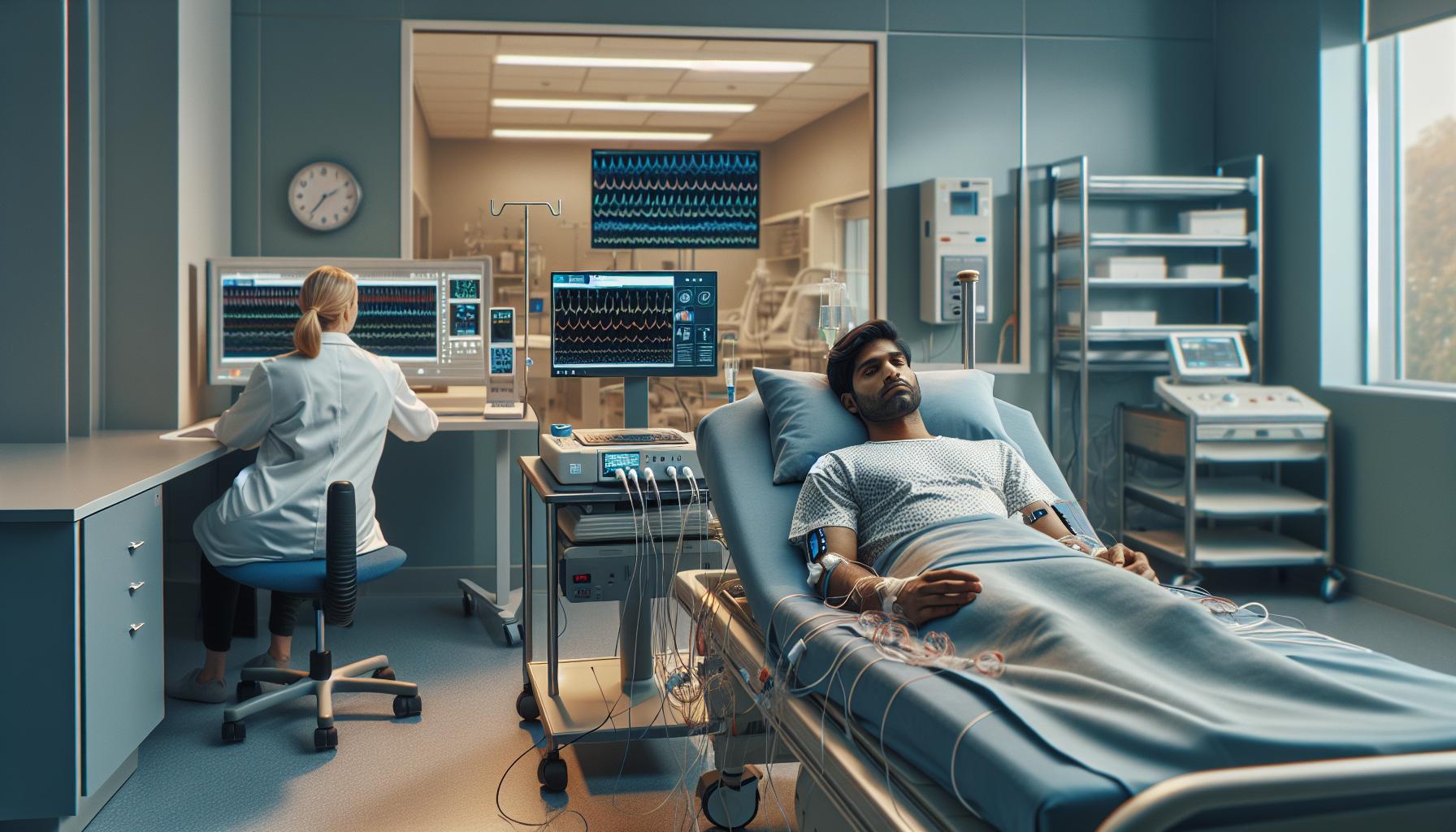
Understanding Sleep Studies: What Are They?
Understanding sleep studies is crucial for anyone struggling with sleep disorders or seeking to improve their rest. A sleep study, also known as polysomnography, is a comprehensive test used to diagnose various sleep disorders by monitoring your sleep patterns and bodily functions during the night. By recording vital signs such as brain activity, oxygen levels, heart rate, and breathing patterns, healthcare providers can assess how well you sleep and identify any potential issues affecting your sleep quality.
These studies typically take place in a controlled sleep center where trained professionals can ensure an accurate assessment. However, advances in technology now offer alternatives, such as at-home sleep monitoring devices, which provide convenience and comfort while still delivering vital insights about your sleep. Whichever option you choose, understanding the purpose and processes involved can help reduce anxiety about the procedure and empower you to take charge of your sleep health.
Before undergoing a sleep study, it’s essential to prepare adequately. This may include maintaining a sleep diary leading up to the test or adhering to specific instructions provided by your healthcare provider. These steps are crucial as they help ensure that the results of your sleep study are accurate and reflective of your normal sleep behavior. Knowing what to expect can alleviate stress, making the experience more manageable and less daunting.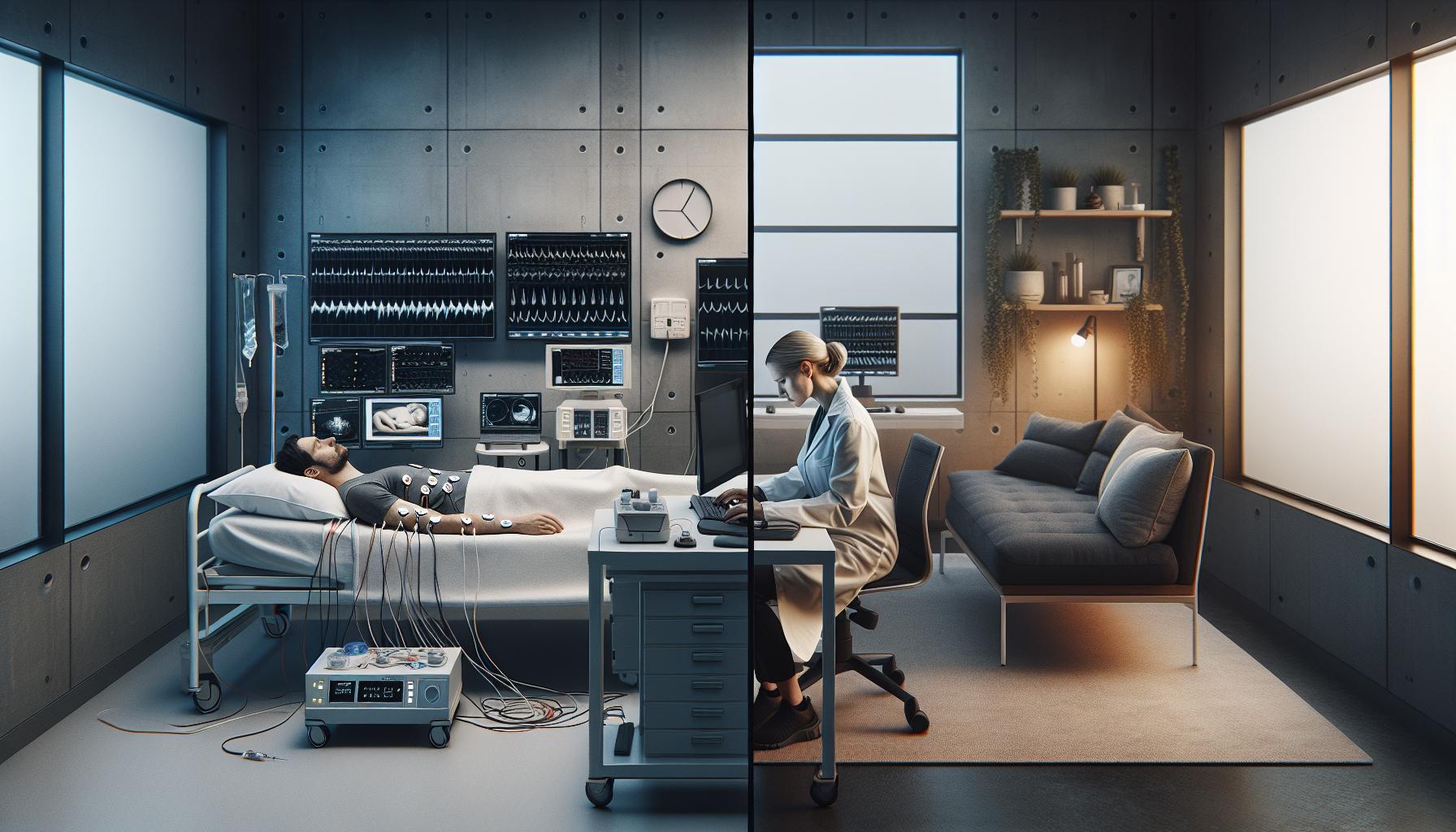
Types of Sleep Studies: In-Lab vs. At-Home
Choosing between an in-lab sleep study and an at-home sleep study can feel overwhelming, but understanding the differences can help you make an informed decision about your sleep health. In-lab studies, also known as polysomnography, take place in a controlled environment where healthcare professionals monitor your sleep patterns throughout the night. These studies involve multiple sensors attached to your body that track brain activity, heart rate, breathing, and oxygen levels. This comprehensive setup allows for precise diagnoses of various sleep disorders, which is crucial for conditions such as sleep apnea, insomnia, or restless legs syndrome.
On the other hand, at-home sleep studies offer a more comfortable alternative. Using portable equipment, these tests let you record your sleep data in your own bed. Typically, these devices require fewer sensors and can often track critical metrics like breathing patterns and oxygen saturation. While at-home studies provide convenience and can ease anxiety related to being observed in a lab, it’s important to note that they may not capture all the nuances of your sleep that a laboratory setting can. For example, complex sleep disorders are sometimes better evaluated in a professional environment due to the capability of real-time adjustments and comprehensive monitoring.
When deciding which option to choose, consider several factors: related costs, insurance coverage, and the specifics of your sleep issues. Often, in-lab studies are more comprehensive but come with higher costs and time commitments, while at-home studies are more accessible and usually less expensive. It’s also essential to talk to your healthcare provider about your symptoms and preferences, as they can recommend the best approach tailored to your needs. Whichever method you choose, taking this step toward understanding your sleep can pave the way for improved health and well-being.
Preparing for Your Sleep Study: Essential Steps
Preparing for a sleep study can feel daunting, but a little preparation can make the process smoother and less stressful. Knowing what to expect and how to ready yourself both physically and mentally will help you get the most out of your sleep study. First and foremost, try to maintain your usual sleep schedule in the days leading up to the study. This continuity can help ensure that your sleep patterns remain normal, allowing for more accurate results during the test.
Before your scheduled study, it’s important to consult with your healthcare provider regarding any medications or supplements you currently take. Some substances can affect sleep patterns and may need to be adjusted prior to your test-caffeine and alcohol are common culprits that can interfere with the study’s accuracy. Additionally, if you wear makeup, lotions, or hair products, consider skipping these on the day of your study. The sensors used will adhere better to clean skin and hair.
If you’re undergoing an in-lab sleep study, be prepared to bring along comfortable sleepwear and any special items that might help you relax-like a favorite pillow or blanket. Knowing that you’re in a familiar environment in the lab can help ease anxiety. It’s also advisable to arrive early to familiarize yourself with the setting and the staff who will be monitoring you during the test.
For those opting for an at-home sleep study, familiarize yourself with the device and its setup. Your healthcare provider should provide you with clear instructions on how to use the equipment properly. Make sure you allocate enough time to set up the device the night of the test, as rushing could lead to errors and compromised results. Lastly, ensure your sleep environment is conducive to rest; that means a cool, dark, and quiet space where you can easily drift off.
Being properly prepared can significantly enhance your experience, whether it’s your first time or a follow-up study. Understanding these steps helps reduce anxiety and sets the stage for insightful results, ultimately leading to better sleep health.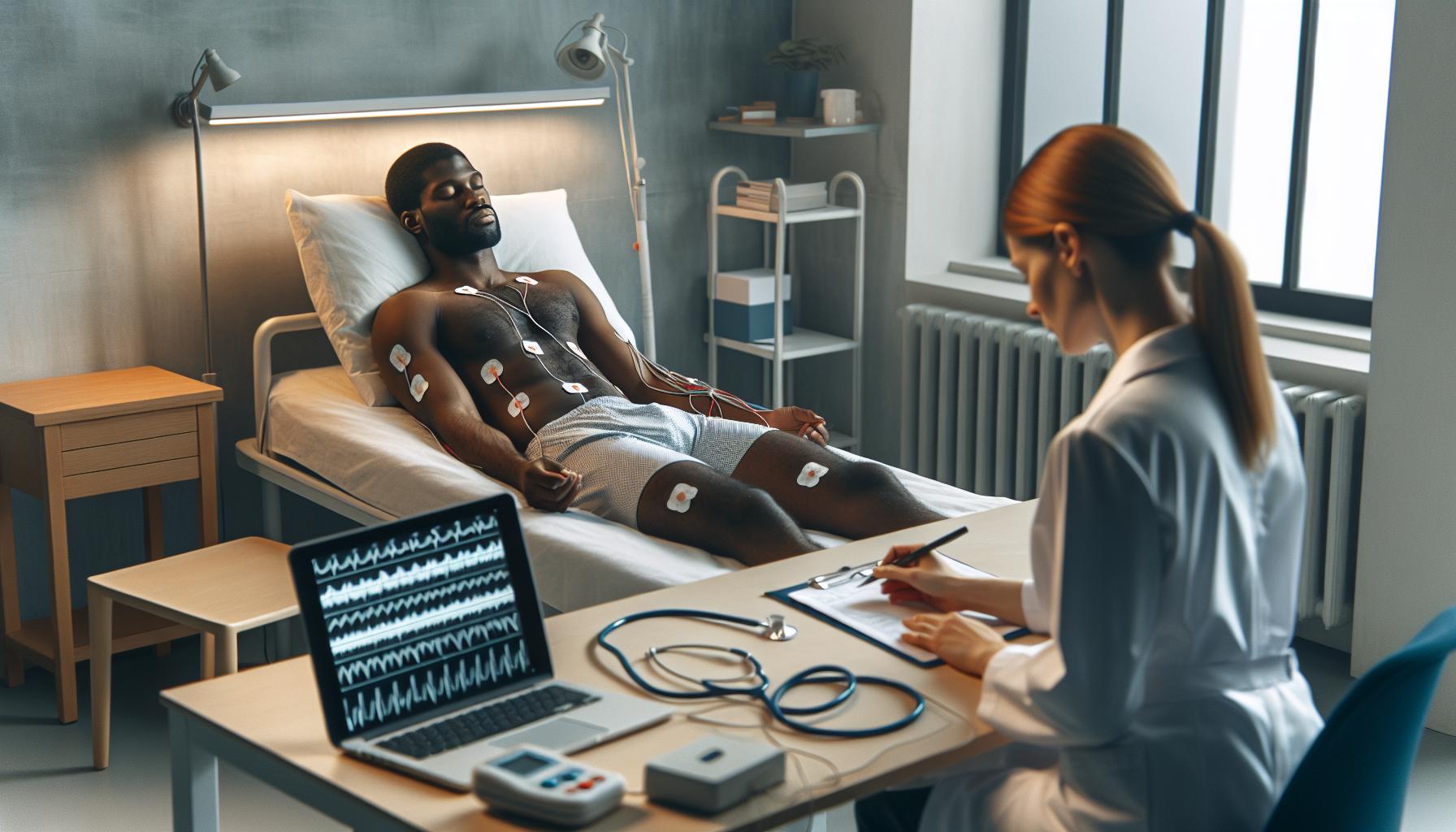
What to Expect During a Sleep Study
During a sleep study, participants typically undergo a process that may feel foreign yet essential for diagnosing sleep disorders. Many find the idea of being monitored while they sleep daunting, but understanding the procedure can alleviate anxiety and enhance the overall experience.
Firstly, upon arrival at the sleep study center, you will meet the sleep technician, who explains the procedure and answers any questions. This communication is crucial, as it ensures you feel comfortable and informed throughout the study. You’ll then be guided to a private room where the study will take place. Once settled, small sensors will be placed on your scalp, face, chest, and legs using adhesive. These sensors are essential for monitoring various aspects of your sleep, such as brain waves, heart rate, and breathing patterns.
After the setup is complete, the lights will dim, and you’ll be encouraged to sleep in your usual position. While the initial moments may feel unusual, the staff is experienced and trained to ensure a calm environment. Your sleep will be monitored remotely, allowing the technician to observe your patterns without disturbing you. The goal is to capture your natural sleep behavior, so it’s vital to relax and try to fall asleep as you normally would.
When opting for at-home sleep studies, the experience is slightly different. You’ll receive a sleep device equipped with similar sensors, but you will set it up yourself in a familiar environment. Instructions provided will guide you through the process, and getting comfortable with the device setup ahead of time can significantly boost your chances of obtaining accurate data.
By being aware of what to expect and how the process unfolds, you can approach your sleep study with confidence, ultimately paving the way for insights into your sleep health. This understanding not only helps demystify the process but also ensures you can make informed decisions regarding your sleep impairments and treatments moving forward.
How Sleep Study Devices Work: Monitoring Sleep
Monitoring sleep through specialized devices is vital for diagnosing sleep disorders and understanding individual sleep patterns. These devices, whether used in a sleep lab or in the comfort of your home, gather a variety of physiological data to create a comprehensive picture of your sleep health. Understanding the technology and its applications can help alleviate any worries you might have about participating in a sleep study.
When you enter a sleep study, small sensors are placed on key areas of your body, including your scalp, face, chest, and legs. These sensors are lightweight and secure, ensuring they won’t significantly disrupt your ability to fall asleep. They measure essential metrics such as brain waves, heart rate, and oxygen levels in your blood. This process, known as polysomnography, allows for a detailed evaluation of your sleep stages-ranging from light sleep to deep sleep and REM sleep. The data collected can reveal if you have conditions like sleep apnea, restless leg syndrome, or insomnia.
For at-home sleep studies, you can expect a similar but simplified setup. You might receive a portable device that includes a chest strap or a finger clip to monitor your heart rate and oxygen saturation. The instructions provided with the device will guide you through the setup, enabling you to create an optimal sleeping environment. While checking data accuracy at home may require a bit of technical savvy, doing so in your own space can make the experience less intimidating.
Understanding these devices’ capabilities helps set realistic expectations about your sleep study results. While wearables and home kits can offer valuable insights, they may not capture the same depth of information as a full polysomnography test conducted in a sleep center. Each option has its place-knowing when to opt for a sleep study versus relying on home tracking methods is crucial for taking informed steps towards improving your sleep.
Polysomnography Explained: The Science of Sleep
Polysomnography, often referred to as a sleep study, is a comprehensive test that records your brain waves, heart rate, breathing, and other vital functions while you sleep. This multi-faceted approach provides a wealth of information about your sleep patterns and helps clinicians diagnose various sleep disorders. One fascinating aspect of polysomnography is how it can differentiate between the stages of sleep, including light sleep, deep sleep, and REM (rapid eye movement) sleep, each having distinct characteristics and importance in overall health.
During a polysomnography test, you can expect to be in a comfortable, sound-controlled sleep environment, usually within a sleep center. Sensors will be attached to your body, measuring key signals while you sleep. These sensors monitor not just brain activity through electroencephalography (EEG), but also your oxygen levels, heart rate, and muscle activity. Although the idea of having sensors placed on your body may seem intimidating, they are non-invasive and designed to minimize discomfort.
Another key feature of polysomnography is its ability to identify disruptions in sleep patterns, which can reveal conditions like sleep apnea, narcolepsy, or restless legs syndrome. For instance, if episodes of apnea (temporary pauses in breathing) occur during sleep, they will be distinctly recorded, allowing for accurate diagnosis and customized treatment plans. This level of detailed analysis is crucial in tailoring interventions, such as recommending lifestyle changes or prescribing therapies like Continuous Positive Airway Pressure (CPAP) for sleep apnea.
The setup process for a polysomnography exam usually takes about 30 minutes to an hour, where trained technicians ensure the sensors are correctly placed and functioning. It’s essential to follow pre-test instructions, such as avoiding caffeine or alcohol on the day of the study, to enhance the test outcomes. While polysomnography is considered the gold standard in sleep studies, many are curious about at-home sleep monitoring devices. Although these can record some aspects of your sleep, they typically lack the comprehensive data that a polysomnography test provides, making it vital to understand the trade-offs depending on your specific sleep concerns.
Sleep Stages and Their Importance in Testing
During a sleep study, understanding the different stages of sleep is crucial as it impacts the overall testing process and outcomes. Sleep is not a singular entity; instead, it comprises various stages that cycle throughout the night, each serving specific functions vital for health and well-being. Polysomnography, the gold standard for sleep studies, allows for precise monitoring of these stages, which include light sleep, deep sleep, and REM (rapid eye movement) sleep. Each stage plays a unique role in physical restoration, memory consolidation, and emotional regulation, which makes evaluating them essential in diagnosing sleep disorders.
Light sleep is the initial phase where the body starts to transition from wakefulness. It serves as a bridge to deeper sleep. In-depth analysis can reveal how long a person spends in this phase, as too much could indicate a problem such as sleep fragmentation. Deep sleep, on the other hand, is critical for physical restoration and recovery; it is where growth hormone is secreted, and tissue repair occurs. A significant amount of time spent in deep sleep can indicate good sleep quality. Conversely, insufficient deep sleep can lead to fatigue and health issues, including obesity and cardiovascular problems. REM sleep is equally important as this is when dreaming occurs, and the brain consolidates memories. Disruptions in REM stages can be linked to mood disorders and cognitive decline.
Polysomnography provides quantifiable data on how long individuals spend in each sleep stage and the overall architecture of their sleep cycle. This data is paramount when diagnosing conditions such as sleep apnea, which can interrupt the progression through these stages, affecting restorative sleep. Patients with sleep apnea often experience reduced deep and REM sleep, making it imperative for clinicians to understand these dynamics during analysis. This information can guide tailored treatment approaches, ranging from lifestyle changes to specific interventions like Continuous Positive Airway Pressure (CPAP) therapy.
As you prepare for your sleep study, knowing how your body navigates these stages over the course of the night can ease anxiety about the procedure. The detailed results from a polysomnography test can empower you with knowledge about your sleep patterns and help in making informed decisions regarding your health. If you’re experiencing sleep issues, understanding the nuances of sleep stages is vital in recognizing the need for a comprehensive sleep study rather than relying solely on at-home tracking methods, which may not capture the intricacies of sleep architecture.
Common Sleep Disorders Diagnosed by Sleep Studies
Many people experience sleep issues, but understanding what may be causing these disturbances is the first step towards healthier rest. Sleep studies provide critical insights into various sleep disorders, allowing for precise diagnosis and effective treatment. Some of the most common disorders diagnosed through sleep studies include sleep apnea, restless legs syndrome, narcolepsy, and insomnia.
Sleep apnea is perhaps the most recognized condition, characterized by repeated interruptions in breathing during sleep. This can lead to fragmented sleep and a lack of restorative deep sleep. A sleep study can reveal the frequency and severity of these interruptions, enabling healthcare providers to recommend treatments like lifestyle changes or CPAP therapy, which has become a standard intervention for this condition.
Restless legs syndrome (RLS) is another common issue, where individuals experience uncomfortable sensations in their legs, leading to an irresistible urge to move while at rest. This condition often disrupts the ability to fall asleep or remain asleep, making its detection crucial in sleep studies. Polysomnography can help document the symptoms and monitor changes in sleep patterns that occur with RLS.
Narcolepsy is characterized by excessive daytime sleepiness and sudden sleep attacks. Patients might find it difficult to stay awake during the day despite getting adequate nighttime sleep. Sleep studies can help differentiate narcolepsy from other sleep disorders by assessing REM sleep patterns and measuring brain activity during these episodes.
Insomnia, the difficulty in falling or staying asleep, is a widespread problem that can affect both mental and physical health. While it can sometimes be managed with lifestyle changes, a sleep study can help identify underlying issues that may require specific interventions or therapies.
By understanding these common disorders, you can approach sleep health more proactively. If you suspect any of these conditions might be affecting your sleep, discussing a sleep study with your healthcare provider could be a crucial step toward reclaiming restful nights and rejuvenated days.
Decoding Your Sleep Study Results
Interpreting the results of your sleep study can feel overwhelming, but breaking down the findings can empower you to take informed steps toward better sleep health. Sleep studies, especially polysomnography, provide a detailed snapshot of your sleep patterns, revealing disturbances and trends that may affect your well-being. Understanding what these results mean is crucial for your next actions, whether it’s seeking treatment or making lifestyle adjustments.
Understanding Key Metrics
The report from your sleep study will include several important metrics. Here are some of the critical terms you’ll encounter:
- Arousals: Brief awakenings that can disrupt your sleep cycle.
- Apneas: Periods of halted breathing, commonly associated with sleep apnea.
- Hypopneas: Partial blockages of the airways that result in reduced airflow.
- Sleep Stages: Categorized into REM (Rapid Eye Movement) and Non-REM stages, illustrating the depth and quality of your sleep.
By understanding these terms, you can gain clarity on how your sleep might be affected by disorders like sleep apnea or insomnia, allowing for meaningful discussions with your healthcare provider.
Real-Life Scenarios
Imagine your report shows a high number of apneas and hypopneas; this could indicate obstructive sleep apnea, where treatment options like CPAP therapy might be recommended. Alternatively, if the report highlights frequent arousals during the night without significant pauses in breathing, it could suggest insomnia or other issues affecting sleep quality. Armed with this knowledge, you can better advocate for yourself in treatment settings.
Working with Your Doctor
When reviewing your sleep study results with your healthcare provider, consider the following tips to enhance your understanding and ensure you make the most of your appointment:
- Ask for clarification on any terminology or findings that seem unclear.
- Discuss your symptoms in detail to help contextualize the results.
- Inquire about follow-up options, including treatments or lifestyle changes.
Your healthcare provider can help you interpret the results in the context of your overall health and guide you toward the most appropriate next steps.
doesn’t have to be intimidating. With a little knowledge and proactive communication with your doctor, you can take meaningful steps toward improved sleep health and, consequently, a better quality of life.
Cost and Insurance for Sleep Studies
When considering a sleep study, understanding the potential costs involved can be crucial for planning and peace of mind. Generally, the price of a sleep study can range significantly, from $1,000 to $3,000 or more, depending on various factors such as the type of study conducted, your location, and the specific testing facility. In-lab studies, which involve overnight monitoring in a sleep clinic, tend to be more expensive than at-home tests. However, the comprehensive data gathered through in-lab polysomnography often provides a clearer picture of your sleep health, making it a worthwhile investment for many.
Insurance Coverage
Navigating insurance can be daunting, but many policies do cover sleep studies, especially if you demonstrate a medical need. Before scheduling your test, check with your insurance provider to understand what your plan covers. They may require a referral from a primary care physician, particularly if you’re seeking an in-lab study. Additionally, some insurers cover home sleep tests for certain indications, such as suspected obstructive sleep apnea, making them a more cost-effective alternative.
Financing Options
If the costs seem overwhelming, inquire about financing options offered by testing facilities. Many clinics provide payment plans or sliding scale fees that can ease the financial burden. Don’t hesitate to openly discuss your concerns about costs with your healthcare provider as they may be able to suggest facilities or programs that are more affordable.
Real-World Examples
Imagine you’re considering a sleep study after struggling with chronic fatigue and snoring. You discover that an in-lab polysomnography is quoted at $2,500, but your insurance will cover 80% of it after your deductible. Your out-of-pocket expense could thus amount to around $500-much more manageable than you anticipated. Alternatively, if a home sleep apnea test costs $200 and is also covered by insurance, it can be a compelling option to explore.
Take the time to weigh the costs against your health needs. A thorough evaluation and informed financial decision can lead you to the treatment that best supports your journey to better sleep health.
Alternatives to Sleep Studies: Wearable Tech Options
With the surge in health-focused technology, wearable devices present a compelling alternative to traditional sleep studies, allowing you to monitor your sleep patterns without needing to spend a night in a sleep clinic. Many wearables, such as smartwatches and fitness trackers, are equipped with sensors that collect data on your movement, heart rate, and sleep stages. These tools can give you valuable insights into the quality of your sleep and help identify potential sleep disorders, like sleep apnea or insomnia, without the logistical challenges and costs often associated with in-lab testing.
Understanding Wearable Tech
Wearable devices are generally more affordable and convenient than sleep studies, often costing around $100 to $400 depending on the features. Not only do they track sleep duration, but they can also analyze sleep quality by detecting cycles of light and deep sleep. Some devices even use advanced algorithms to provide personalized insights and recommendations for improving your sleep habits. However, it’s important to note that while these devices can suggest patterns and trends, they may lack the medical-grade accuracy of a polysomnography test.
What You Can Expect
Setting up a wearable device is typically straightforward. Most require you to wear them on your wrist overnight or place them under your pillow for monitoring. As you sleep, the device gathers data which is then synced to a smartphone app. Here, you can view various metrics such as total sleep time, sleep interruptions, and time spent in different sleep stages-information that can assist you in assessing your sleep health.
Limitations of Wearables
While wearables offer valuable data, they do have limitations. For instance, they might not measure oxygen levels or provide comprehensive details needed for diagnosing specific disorders like severe sleep apnea. If your wearables indicate poor sleep quality or concerns about sleep apnea symptoms, it may still be beneficial to consult with a sleep specialist who can recommend a formal sleep study.
In conclusion, wearable tech can serve as a useful preliminary step in monitoring your sleep health. If you’re experiencing chronic sleep issues, using these devices can help track your sleep patterns and engage in meaningful discussions with healthcare providers about whether a more extensive sleep study is needed. Balancing the information gained from wearables with professional insights can empower you to make informed decisions on your journey toward better sleep.
When to Consider a Sleep Study vs. Home Tracking
Navigating the decision between a sleep study and home tracking can feel overwhelming, especially when faced with persistent sleep issues. Understanding when to consult a professional and when to utilize available tech is crucial in addressing your sleep health effectively. It’s important to recognize that while wearable devices can be insightful, they are often best viewed as a starting point rather than a definitive solution.
For those experiencing severe symptoms such as loud snoring, pauses in breathing during sleep, restless legs, or excessive daytime sleepiness, a formal sleep study should be a priority. Polysomnography, commonly conducted in a lab, provides detailed data on sleep stages, oxygen levels, and heart rate, making it the gold standard for diagnosing complex disorders like sleep apnea and narcolepsy. If your wearable tech suggests unusual patterns but lacks the medical-grade accuracy to confirm a diagnosis, take these findings to your healthcare provider. They can recommend the most appropriate course of action, which may include a sleep study.
On the other hand, if you’re simply looking to monitor your sleep patterns or make lifestyle adjustments, home tracking devices could suffice. These devices can help track sleep duration and efficiency, offering insights with minimal hassle or cost-generally between $100 and $400. However, remember that most wearables may not capture essential data, such as blood oxygen levels or full sleep cycle analysis. If your device shows signs of poor sleep quality over time, this may warrant further investigation, potentially leading to a sleep study if symptoms persist.
Key Considerations
- Severity of Symptoms: Persistent issues may necessitate a sleep study for accurate diagnosis.
- Device Limitations: Wearables provide useful data but may miss critical information needed for serious sleep disorders.
- Cost and Convenience: Home devices are typically more affordable and easier to use, ideal for preliminary assessments.
Ultimately, combining insights from home tracking with professional evaluations can provide a comprehensive understanding of your sleep health. Engaging proactively with sleep specialists based on your experiences with wearable devices not only aids in diagnostic clarity but also empowers you to make informed choices about your sleep journey.
FAQ
Q: What is the purpose of a sleep study?
A: A sleep study, or polysomnography, is conducted to diagnose sleep disorders such as sleep apnea, insomnia, and restless legs syndrome. It helps monitor various body functions while you sleep to provide insights into your sleep patterns and overall sleep quality.
Q: How long does a typical sleep study last?
A: A typical sleep study lasts overnight, usually around 6-8 hours, allowing time to monitor your sleep cycles fully. In some cases, daytime naps may be included if needed for additional data collection.
Q: What equipment is used during a sleep study?
A: During a sleep study, you will be connected to sensors that monitor brain waves, heart rate, breathing patterns, and oxygen levels. This includes electrodes placed on your scalp, a strap around your chest, and a clip on your finger.
Q: Can I sleep normally during a sleep study?
A: While the environment and sensors may be unfamiliar, technicians aim to create a comfortable setting to help you sleep as naturally as possible. Following sleep hygiene recommendations before the study can also facilitate better sleep.
Q: What happens if I can’t sleep during the study?
A: If you are unable to sleep during the study, the technician may use various methods to help you relax. They may also schedule a follow-up or consider alternative methods to assess your sleep if necessary.
Q: How are sleep disorders diagnosed using a sleep study?
A: Sleep disorders are diagnosed by analyzing collected data from the study, such as interruptions in breathing, sleep stages, and other factors. This information helps clinicians determine the presence and type of sleep disorder.
Q: Is a sleep study painful or uncomfortable?
A: No, a sleep study is non-invasive and should not be painful. While having sensors attached may feel odd, they are designed to be gentle, and the environment is monitored by trained professionals for your comfort.
Q: What should I avoid before a sleep study?
A: Before your sleep study, it’s best to avoid caffeine, nicotine, and alcohol, as these can interfere with your sleep patterns. You should also follow your doctor’s specific pre-study instructions to ensure accurate results.
In Summary
Understanding how a sleep study test is done is the first step toward better sleep health. If your sleep issues persist, don’t wait-schedule your sleep study today and take charge of your rest. For a deeper dive, explore our guides on common sleep disorders and the latest sleep technology, ensuring you have the best information at your fingertips.
Feeling overwhelmed about what comes next? Check out our resources on navigating insurance for sleep studies or read about at-home sleep tests as alternatives. As you embark on your journey to improved sleep, remember that knowledge is your ally. Join our newsletter for more helpful updates and tips to enhance your sleep quality. Don’t let another night go by-your path to restful sleep starts now!
Get our latest guides, news, and insights highlighted in your Google Search & AI Overviews.