
Did you know that irregular sleep patterns can double the risk of cardiovascular disease? This startling fact emphasizes the importance of understanding sleep health, including when and how to undergo a sleep study. If you’ve been struggling with sleep issues or suspect a disorder, knowing what to expect from a sleep study can significantly ease anxiety and help you take control of your health.
In this guide, we’ll walk you through the preparation and procedure of a sleep study, equipping you with essential insights to navigate the process confidently. Whether you’re curious about sleep apnea or other sleep disorders, this information will empower you to make informed decisions about your sleep health. Ready to transform your nights into restful ones? Keep reading to uncover the key steps and tips for a successful sleep study.
How Sleep Studies Work: Understanding the Basics
Sleep studies, often referred to as polysomnographies, are crucial tools in diagnosing sleep disorders and understanding individual sleep patterns. They provide a detailed insight into how various factors-like breathing, heart rate, and brain activity-affect sleep quality. Scheduling a sleep study can be a significant step in addressing sleep issues that may impact daily life, making it essential to understand how these studies work.
During a typical sleep study, you’ll spend the night in a sleep center or at home with portable monitoring devices. The process involves attaching sensors to your body that track key metrics such as brain waves, oxygen levels, heart rate, and breathing patterns. This data collection helps specialists determine whether you have conditions like sleep apnea, insomnia, or restless legs syndrome. The tests may vary slightly based on the setting; in-lab tests usually offer more comprehensive monitoring, while at-home tests tend to be more convenient and less intrusive.
Before your study, preparation is straightforward but essential. You may be asked to maintain a sleep diary a week prior to your appointment, noting your sleep habits, duration, and any episodes of disturbance. This information helps sleep specialists tailor the studies to your specific needs. It’s also advisable to avoid caffeine or stimulants on the day of your test and maintain your regular sleep schedule as much as possible, ensuring that your results accurately reflect your typical sleeping patterns.
Understanding the basics of sleep studies not only empowers you to take charge of your sleep health but also prepares you for what to expect, alleviating some common anxieties surrounding the process. By engaging with sleep studies, you’re taking a proactive step towards identifying underlying issues that may be affecting your quality of life.
Types of Sleep Studies: In-Lab vs. At-Home Testing
Spending a night hooked up to medical equipment might sound daunting, but understanding the differences between in-lab and at-home sleep studies can help alleviate some concerns and guide you to the right choice for diagnosing sleep disorders. In-lab sleep studies, often conducted in specialized facilities, provide the most comprehensive monitoring of your sleep patterns. During these studies, technicians will monitor a wide array of physiological factors such as brain waves, oxygen levels, heart rate, and breathing patterns using advanced equipment. These setups allow for close observation and immediate adjustments as needed, making it easier for clinicians to diagnose complex sleep issues like sleep apnea or narcolepsy.
On the other hand, at-home sleep studies offer a more convenient alternative that can ease the anxiety some people might feel about spending the night in an unfamiliar environment. With portable monitoring devices, these tests capture essential data, although often on a limited scale compared to their in-lab counterparts. While the setup for an at-home test can be less complicated, it’s essential to ensure proper placement of sensors for accurate results. If your symptoms are straightforward, an at-home study may be sufficient, allowing you to sleep in your own bed and potentially reducing the stress associated with clinical environments.
When deciding between these two options, consider factors such as your medical history, the complexity of your symptoms, and your comfort level. Discussing these aspects with your healthcare provider will help determine the most appropriate testing method. Costs can also differ, with in-lab studies generally being more expensive due to the comprehensive care provided. Regardless of the choice you make, both types of studies play a crucial role in understanding your sleep health and paving the way for tailored treatment plans.
Preparing for Your Sleep Study: Essential Steps
Preparing for a sleep study can feel overwhelming, but knowing what steps to take can help demystify the process and ease any anxieties. Whether you’re heading into a sleep clinic or preparing for a home-based test, proper preparation is key to ensuring accurate results and a smoother experience.
To start, review any instructions provided by your healthcare provider, as these may vary based on the type of study you are undergoing. Here are some essential steps to keep in mind:
- Maintain your routine: Stick to your regular sleep schedule in the days leading up to the study. Avoid significant changes to your sleep pattern, as this can affect results.
- Limit caffeine and stimulants: Refrain from consuming caffeine or nicotine at least 24 hours before the study, as these can interfere with your ability to fall asleep.
- Avoid alcohol: Alcohol can disrupt sleep and affect the quality of data gathered during the study, so it’s best to skip it for a few days prior.
- Wear comfortable clothing: Choose loose-fitting, comfortable attire that is easy to sleep in. This will help you relax and get better rest.
- Gather necessary items: If it’s an in-lab study, you may want to bring personal items like a favorite pillow or blanket to help you feel more at home. For at-home tests, ensure you have the required monitoring devices and chargers ready.
- Communicate openly: Discuss any questions or concerns you have with your healthcare provider. Understanding what to expect can alleviate nerves and ensure you’re prepared on the day of your study.
On the night of your study, try to arrive punctually for an in-lab test or set up your devices according to the guidelines for at-home monitoring. Being organized and informed empowers you to take an active role in your sleep health journey. Remember, the ultimate goal of a sleep study is to better understand your sleep patterns and identify any disorders, paving the way for a tailored treatment plan that helps you achieve restful nights ahead.
What to Expect During a Sleep Study: A Detailed Walkthrough
When you arrive for your sleep study, it’s natural to feel a mix of excitement and anxiety about what lies ahead. Understanding the environment and the procedures can help alleviate concerns, making your experience smoother. Most sleep studies occur in a quiet, comfortable sleep laboratory designed to resemble a typical bedroom but equipped with advanced monitoring technology. You’ll be greeted by a sleep technician who will guide you through the process, ensuring you’re comfortable and informed.
Once you’re settled in, the technician will attach several sensors to your body to monitor various parameters, including brain waves, heart rate, and oxygen levels. Don’t be alarmed if it feels a bit unusual; these non-invasive wraps and stickers are designed to be comfortable and not overly restrictive. You may have wires connected to your face, chest, and legs, but you can still move around and find a conducive position for sleep. If you’re at home, the setup will involve simpler equipment, which may include a device that monitors your breathing and movement while you sleep.
As the night progresses, the technician will typically monitor your sleep via a nearby control room, ensuring everything runs smoothly without intruding on your rest. You’ll be instructed to sleep as normally as possible, allowing for an accurate reading of your natural sleep patterns. If you wake up during the night, try to remain calm; it’s common to feel disoriented, especially in a new setting. Your comfort is a priority, so if at any point you need assistance, it’s perfectly okay to call the technician.
In the morning, the sensors will be gently removed, and you may feel a sense of relief knowing you’ve completed an important step toward understanding your sleep health. You might receive light refreshments before heading home, but specific instructions for your post-study care or follow-up appointments will be provided. Embrace this journey as a positive step towards better sleep health; the insights gained during this study can pave the way for effective treatments tailored to your needs.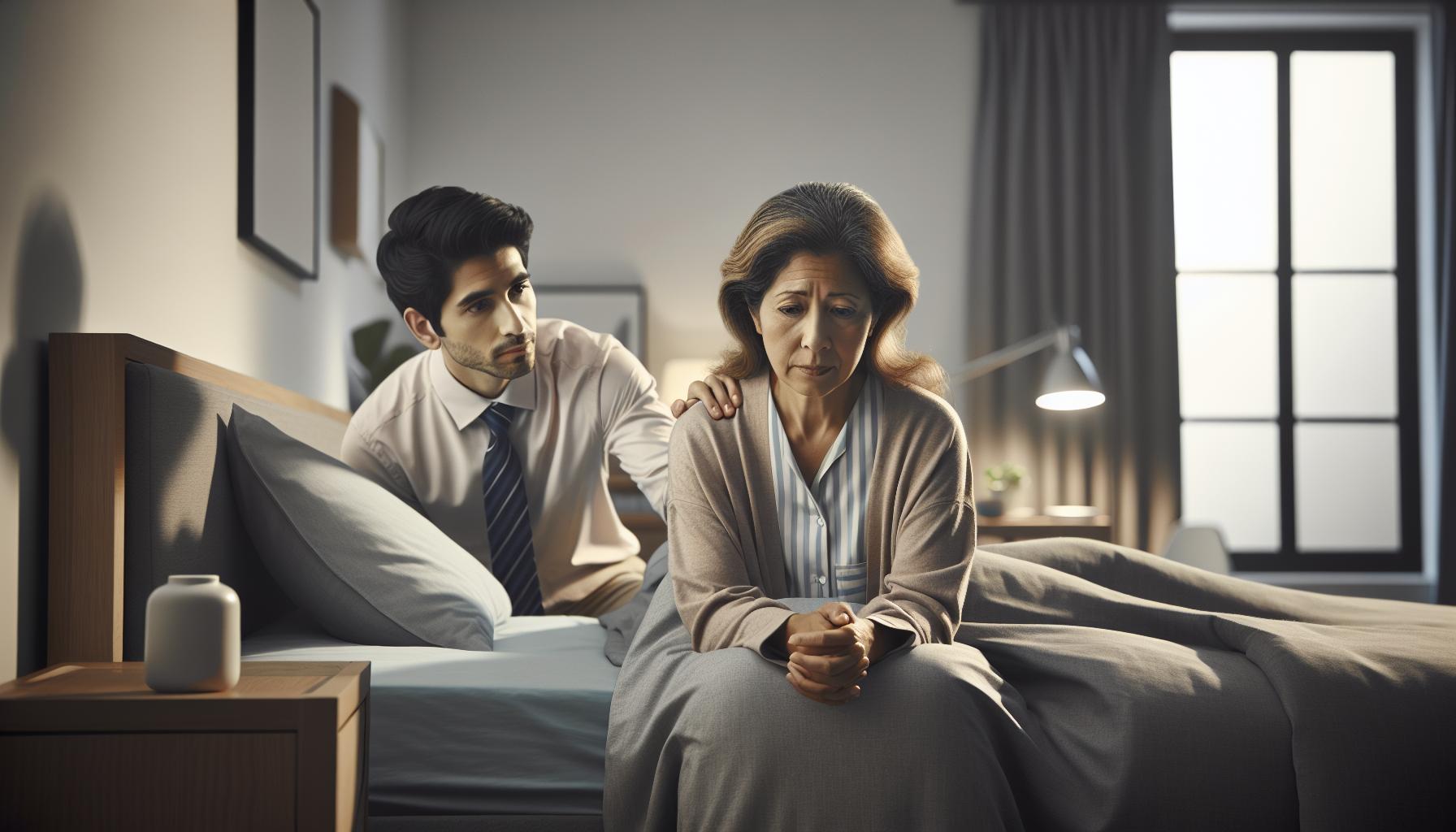
Understanding Sleep Disorders: When to Seek Help
The importance of sleep cannot be overstated-about one in three adults report not getting enough sleep, leading to a myriad of health issues such as chronic fatigue, weakened immunity, and increased susceptibility to mental health disorders. Recognizing the signs that may indicate a sleep disorder is crucial. If you find yourself regularly struggling to fall asleep, waking up frequently during the night, or feeling excessively sleepy during the day, it may be time to seek professional help.
Common Signs of Sleep Disorders
Understanding the symptoms can help you determine whether a sleep study is necessary. Here are some common indicators that a deeper look into your sleep patterns may be beneficial:
- Persistent snoring or gasping for air during sleep.
- Difficulty falling asleep or staying asleep at least three times a week.
- Extreme fatigue during the day, even after a full night’s sleep.
- Significant mood changes, including irritability, anxiety, or depression.
- Unexplained obesity or weight gain.
Recognizing that these issues are not just a phase can empower you to take action. Consulting with a healthcare provider may lead to recommendations for a sleep study, or polysomnography, which measures various physiological functions during sleep, including brain waves, oxygen levels, and heart rate.
When to Consider a Sleep Study
Deciding to pursue a sleep study is often based on the severity of your symptoms and their impact on daily life. If sleepless nights or excessive daytime sleepiness are affecting your job performance, relationships, or overall quality of life, these are compelling reasons to seek help. Similarly, if you have a history of sleep apnea or your partner has noticed concerning behaviors during your sleep, such as unusual restlessness or abnormal breathing patterns, discussing this with a healthcare professional is essential.
The results from a sleep study can provide valuable insights, guiding treatment options like lifestyle changes, the use of CPAP machines for sleep apnea, or cognitive behavioral therapy for insomnia. Understanding your sleep health not only promotes better rest but also enhances your overall well-being. Therefore, if you suspect a sleep disorder, don’t hesitate to reach out for help; the first step towards better sleep is recognizing when you need assistance.
Interpreting Results: What Your Sleep Study Reveals
The results from your sleep study can reveal critical insights about your sleep health and help diagnose potential sleep disorders. After the data collection, typically involving physiological measurements like brain waves, heart rate, and oxygen levels, a sleep specialist analyzes the compiled information. Aside from identifying sleep stages, these tests unveil disruptive patterns that may not be apparent during regular awake assessments.
One common finding is sleep apnea, where disrupted breathing occurs during sleep. The study’s results might indicate the frequency and duration of these pauses in breathing, essential for understanding the severity of the condition. Similarly, if the report highlights unusually brief sleep cycles or excessive awakenings, this can signal insomnia or other sleep disturbances that disrupt restorative sleep.
Understanding the implications of your findings may seem overwhelming at first, but it’s vital to approach the results with curiosity rather than fear. A qualified sleep specialist can clarify what specific metrics mean, such as the apneic index or the distribution of different sleep stages (e.g., REM vs. non-REM sleep). They can also tailor treatment options based on your unique patterns. For example, if sleep-disordered breathing is prevalent, options might include lifestyle changes, CPAP therapy, or even further evaluation for conditions like obesity that can complicate sleep health.
Additionally, comparing your results with typical ranges can offer perspective. For instance, normal sleep might include several cycles of deep (slow-wave) sleep and REM sleep throughout the night. If your results indicate significantly less time spent in these critical stages, it underscores the need for intervention. Make sure to engage in an open dialogue with your healthcare provider about the findings. Remember, this information is a tool to empower you to take actionable steps towards improving your sleep and overall health, paving the way for a better night’s rest.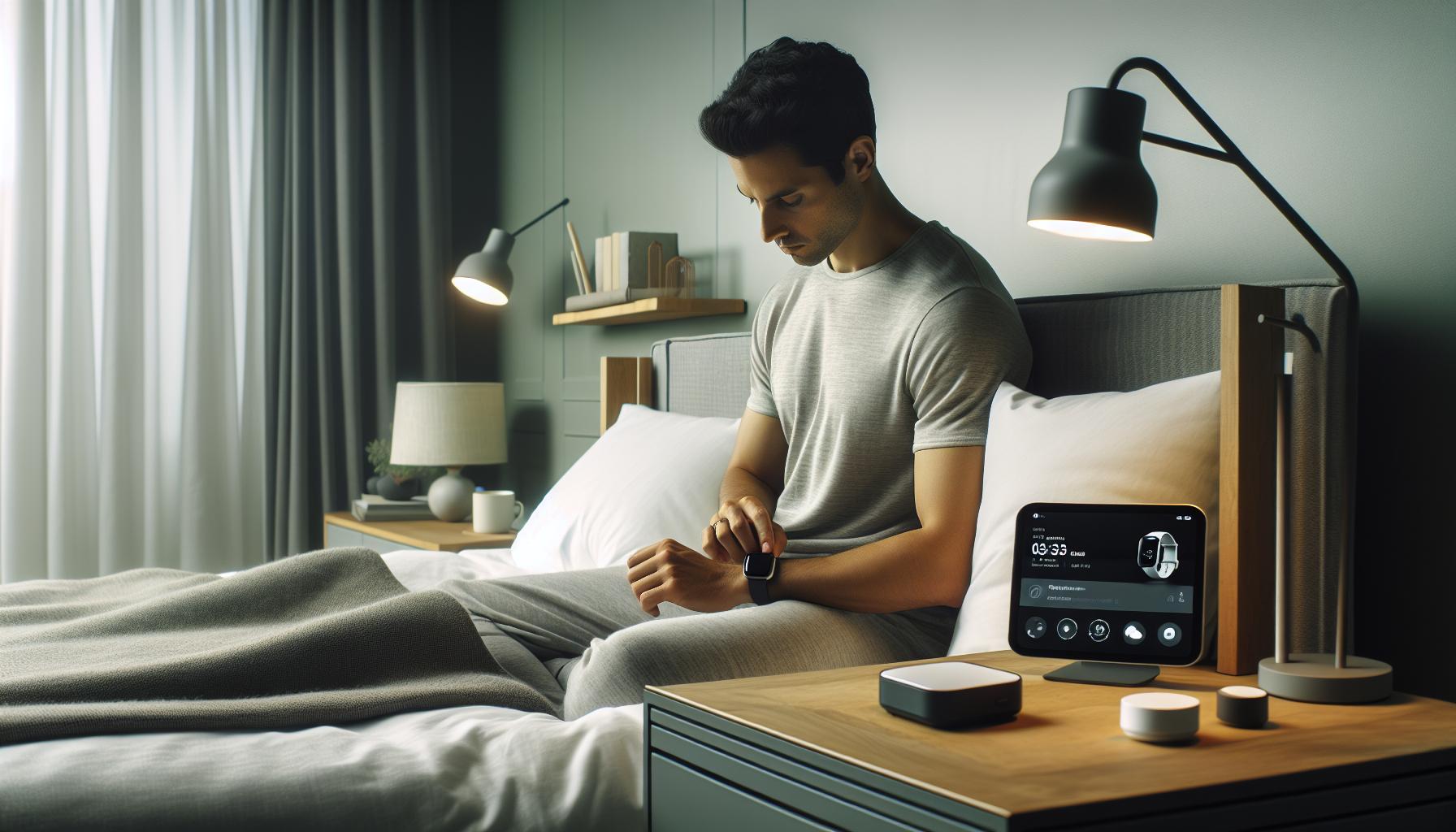
The Role of Sleep Technology: Wearables and Monitors
With advancements in technology, sleep tracking has become more accessible than ever. Wearables and monitors provide a wealth of information about your sleep patterns, helping you understand your sleep quality and identify potential issues before they necessitate a formal sleep study. These devices range from smartwatches and fitness trackers to dedicated sleep monitors, making it easier for individuals to gain insights into their sleep health from the comfort of their homes.
One of the standout features of wearables is the ability to record physiological metrics, such as heart rate variability and movement patterns. These can help you gauge the effectiveness of your sleep habits. For example, if you find yourself frequently waking at night or your sleep cycles are shorter than recommended, these devices will provide data that could prompt you to explore further options, including a sleep study. Many trackers also offer sleep stage analysis, giving you clarity on how much time you spend in deep sleep versus lighter stages.
Choosing the Right Device
When selecting a sleep monitor, consider the following factors:
- Accuracy: Different devices vary in their ability to accurately track sleep stages and disturbances. Research reviews to find a reliable model.
- Comfort: Ensure the device is comfortable to wear overnight. Some people prefer wristbands, while others find headbands or sleep mats more suitable.
- Cost: Prices range widely, so find a device that fits your budget without sacrificing functionality.
- Features: Look for additional features, such as integration with other health apps or smart home devices, that can enhance your overall monitoring experience.
Monitoring sleep with wearable technology can provide valuable insights while also alleviating anxiety prior to undergoing a formal sleep study. In cases where a significant sleep disorder like sleep apnea is suspected, your wearables can serve as a preliminary assessment tool, alerting you to seek professional guidance when necessary. However, it’s important to remember that while these devices are helpful, they should not replace professional sleep studies when symptoms are severe or persistent.
The evolution of sleep technology not only aids in self-monitoring but also empowers you with data to discuss with your healthcare provider, enhancing the dialogue about your sleep health. As you prepare for a sleep study, utilizing these tools can help you enter the process with informed expectations and a proactive mindset.
Dealing with Anxiety: Tips for a Successful Sleep Study
The prospect of undergoing a sleep study can be daunting, but understanding how to manage anxiety can make all the difference. Many people find themselves worrying about the unfamiliar environment, the various wires and sensors, and whether they will be able to sleep at all. It’s essential to recognize that feeling anxious is entirely normal, and there are effective strategies to help you feel more at ease.
One effective approach is to familiarize yourself with the sleep study process ahead of time. Whether you are doing the study in a lab or at home, knowing what to expect can significantly reduce anxiety. Research the specific setup for your test; for instance, in an in-lab study, you may encounter various sensors to monitor your breathing, heart rate, and brain activity. Ask your healthcare provider detailed questions-what does each sensor do, and how will they monitor your sleep? Getting answers ahead of time can demystify the experience and prepare you mentally.
Another helpful tip is to create a calming bedtime routine in the days leading up to your sleep study. Engage in relaxing activities that you find soothing, such as reading, light stretching, or meditation. Maintaining a consistent sleep schedule can also help your body acclimate to a routine, making it easier to fall asleep during the study itself. On the night of the study, wear comfortable clothing, and consider bringing along personal items like a favorite pillow or blanket to make the environment feel more familiar.
Lastly, practice mindfulness techniques such as deep breathing or visualization to quiet your mind when you start to feel anxious. Remind yourself that the purpose of the study is to gain valuable insights into your sleep health, which can lead to better sleep quality and overall well-being. By preparing mentally and physically, you can approach your sleep study with greater confidence, transforming anxiety into an opportunity for growth and self-discovery.
Insurance and Costs: Navigating Sleep Study Expenses
Understanding the costs associated with sleep studies is crucial for anyone considering this important step in diagnosing sleep disorders. The price tag can range significantly depending on factors such as the type of study, location, and whether insurance will cover any of the expenses. Typical costs for an in-lab sleep study (polysomnography) can range from $1,000 to $3,000 or more, while at-home sleep testing may cost between $150 and $600. Insurance coverage greatly influences out-of-pocket costs, so it’s essential to contact your provider to understand your specific benefits.
Insurance Considerations
When navigating the world of sleep study expenses, insurance is often a key player. First, confirm if your insurance covers sleep studies by calling your provider or checking your policy online. Some common questions to ask include:
- Do I need a referral from my primary care doctor?
- What types of sleep studies are covered (in-lab, at-home)?
- What percentage of costs will be covered after my deductible?
Obtaining prior authorization can also be helpful, as this may ensure that your study is covered, limiting unexpected bills later.
Cost-Saving Tips
If insurance is insufficient or you are uninsured, consider these strategies to mitigate costs:
- Shop Around: Different facilities may offer varying prices for sleep studies. Check with multiple providers to compare costs.
- Ask About Payment Plans: Some sleep centers offer flexible payment plans that make it easier to manage expenses over time.
- Look for Clinical Trials: Participating in sleep research studies can sometimes provide free sleep study services in exchange for your participation.
Regardless of the financial aspects, investing in a sleep study can lead to better sleep health and improved overall well-being, making it a valuable consideration for those struggling with sleep disorders.
Post-Study Care: Next Steps After Your Sleep Study
After undergoing a sleep study, many individuals feel a sense of relief and hope, eager to unravel the mysteries of their sleep patterns and potential disorders. The journey doesn’t end when the electrodes are removed or the sleep monitor is taken off; instead, it’s a crucial phase where understanding your results and planning your next steps can significantly impact your sleep health and overall well-being.
Understanding your sleep study results is the first major step. Once the analysis is complete, your healthcare provider will review the findings with you, often highlighting key metrics such as sleep stages, any interruptions in breathing, and overall sleep quality. It’s important to ask questions during this discussion to clarify any terms or concepts that seem daunting. You might want to consider jotting down questions in advance or even bringing a trusted friend or family member for support-having someone else there can help you process the information better.
If your results indicate a sleep disorder, such as sleep apnea or restless leg syndrome, your provider will discuss potential treatment options tailored to your specific diagnosis. Treatment plans might include lifestyle changes, such as improving sleep hygiene, or medical interventions, like CPAP therapy for sleep apnea. Follow-up appointments may also be necessary to monitor your progress and adjust treatments as needed. For those without a diagnosis, this may be a good opportunity to discuss preventive measures and strategies for healthier sleep patterns.
In addition to professional guidance, consider leveraging technology to support your post-study care. Wearable devices and apps can help you track sleep patterns and make adjustments based on daily feedback. However, it’s essential to choose reliable products that provide accurate information and align with your specific needs. Engaging in regular discussions with your healthcare provider about the devices you’re using can lead to a more integrated approach to managing your sleep health.
Ultimately, the next steps after a sleep study revolve around proactive engagement with your health, whether that means adhering to treatment recommendations, adopting new habits, or utilizing technology wisely. Embrace this phase as a pathway to better sleep, and remember, improving your sleep health is a continuous journey, not just a destination.
Frequently Asked Questions About Sleep Studies
Many people considering a sleep study have this question: “What exactly happens during the process?” Sleep studies, or polysomnography, can seem daunting, but understanding the procedure can ease anxiety and clarify expectations. During an in-lab sleep study, you are monitored overnight in a comfortable bedroom-like environment. Sensors will be placed on your scalp, face, and body to record various physiological parameters like brain waves, heart rate, and breathing patterns. If you’re considering an at-home sleep study, these devices can often be less invasive and allow you to conduct the evaluation in your familiar surroundings, although they may not provide as comprehensive data.
Another common concern revolves around costs and insurance coverage. Sleep studies can be expensive, often ranging from $1,000 to $3,000 depending on the facility and whether you require in-lab or home testing. Many insurance plans do cover a portion of sleep studies, but it’s crucial to verify your specific plan’s terms to avoid unexpected expenses. Speaking with your healthcare provider’s office may provide clarification regarding coverage and any financial assistance options available.
As you prepare, there are practical tips to keep in mind. For example, avoid caffeine and alcohol before the study, as these can interfere with sleep patterns. Wearing comfortable clothing, bringing your own pillow, or any sleep aids can also enhance your experience. If you’re feeling anxious, practice relaxation techniques or even ask a friend to help you cope with pre-study jitters. Remember, the data collected during your sleep study can provide valuable insights into your sleep health, so approach this process as a constructive step toward understanding and improving your sleep quality.
Lastly, after the study, participants often wonder how long it will take to receive their results. This can vary; however, most sleep centers report results within a week or two. When the time comes to review your findings, be proactive. Prepare questions for your healthcare provider to ensure all your concerns are addressed. The knowledge gained from your sleep study is an essential part of effectively managing your sleep health moving forward.
FAQ
Q: What should I wear for a sleep study?
A: Wear comfortable clothing that you usually wear to bed. Avoid tight or restrictive garments. Some facilities may provide a gown, but it’s best to check in advance about their policies. Keeping your usual sleep environment helps ensure accurate results.
Q: How long does a sleep study last?
A: A typical sleep study lasts between 6 to 8 hours, which usually encompasses the range of time you would spend sleeping. In-lab studies may start in the evening and conclude the next morning, while at-home studies might vary based on your sleep schedule.
Q: Can I take medication before a sleep study?
A: Consult your doctor regarding any medications before your sleep study. You may be advised to continue taking certain medications but might be asked to avoid others that can interfere with sleep patterns, such as stimulants or sedatives.
Q: How do I prepare my bedroom for a home sleep study?
A: For home sleep studies, create a quiet and dark environment. Use blackout curtains, keep electronic devices away, and maintain a comfortable temperature. Following your regular sleep routine helps enhance the reliability of the study.
Q: What kinds of monitors will be used during a sleep study?
A: During a sleep study, monitors typically track brain activity, eye movements, heart rate, and breathing patterns. Additional sensors may measure oxygen levels and body movements, providing comprehensive data for evaluating your sleep quality.
Q: Will I be monitored while I sleep?
A: Yes, in a sleep study, you will be continuously monitored using various sensors and cameras to collect data on your sleep stages and behavior. This monitoring is done discreetly to minimize disturbances during your sleep.
Q: How will I receive my sleep study results?
A: You will typically receive your sleep study results within a week or two, depending on the facility. Results will be discussed with you during a follow-up appointment where your doctor will explain the findings and recommend any further actions if necessary.
Q: Is it normal to feel anxious before a sleep study?
A: Yes, feeling anxious is common. Manage anxiety by preparing in advance, discussing your concerns with the technician, and practicing relaxation techniques. Understanding the process ahead of time can help you feel more at ease with the study.
Key Takeaways
Now that you’re equipped with the knowledge of how to prepare for and undergo a sleep study, it’s time to take the next steps towards better sleep health. Understanding your sleep patterns is crucial for diagnosing issues like sleep apnea or insomnia, which can significantly impact your well-being. If you have lingering questions about the procedure or want personal guidance, don’t hesitate to explore our resources on sleep disorders and the benefits of sleep.
For a deeper dive into the science behind sleep, check out our articles on the benefits of quality sleep and how much sleep we really need. Join our newsletter for helpful tips on improving your sleep habits, and consider connecting with a sleep health professional if you’re feeling overwhelmed. Your journey to restful nights starts now-let’s unlock the secrets to better sleep together!
Get our latest guides, news, and insights highlighted in your Google Search & AI Overviews.