Sleep apnea early detection is your absolute first line of defense against a hidden condition that silently compromises your long-term health and vitality. When your breathing repeatedly stops and starts throughout the night, your body enters a constant state of physiological panic. Recognizing the early warning signs of sleep apnea can prevent these dangerous nighttime episodes from evolving into severe, irreversible cardiovascular issues. Shockingly, researchers estimate that nearly 80% of moderate to severe sleep apnea cases remain entirely undiagnosed. Millions of people suffer in silence, brushing off their chronic exhaustion as a normal side effect of aging or modern stress. However, proactive sleep apnea screening is essential to identify the true root cause of this debilitating fatigue. By actively understanding the signs of sleep apnea, you can seek timely medical intervention and restore your restorative rest. Ignoring these nocturnal red flags allows the condition to worsen over time, placing enormous strain on your vital organs. Catching it early transforms your daytime energy levels and fundamentally protects your overall well-being.
Why Early Detection of Sleep Apnea Could Save Your Life
Understanding Obstructive Sleep Apnea (OSA) begins with recognizing exactly how it physically impacts your delicate airway during the night. As you drift off, your throat muscles relax too much, causing the soft palate and base of the tongue to collapse backward. This physical obstruction forces your brain to briefly wake you up to force a breath, a traumatic cycle that can happen over 30 times per hour.
These violent micro-awakenings entirely prevent you from reaching the deep, restorative REM sleep stages your brain desperately requires. Consequently, your sympathetic nervous system remains locked in a constant state of high alert. The untreated sleep apnea risks are severe, creating a massive cascading effect of systemic inflammation and metabolic dysfunction.
When your blood oxygen saturation levels drop repeatedly below the healthy 95% threshold, your heart must pump significantly harder. This constant nighttime strain is a direct physiological pathway to cardiovascular failure over time. Early detection interrupts this dangerous cycle of oxygen deprivation before permanent vascular damage occurs.
Optimizing your sleep environment is a common first step for those seeking better rest and relaxation. For instance, many people start exploring comfort upgrades, such as looking into Manta Sleep Mask Reviews: Perfect Blackout Sleep? to eliminate ambient light pollution. However, while blackout masks dramatically improve overall sleep hygiene, they cannot fix an anatomically obstructed airway.
True prevention requires addressing the mechanical breathing issues directly with a physician. Catching the condition early allows for highly conservative treatments and sustainable lifestyle adjustments. Proactive airway management ultimately protects your cognitive health and cardiovascular longevity.
The Most Common Early Warning Signs of Sleep Apnea
The most universally recognizable symptom is loud, disruptive snoring that occurs consistently throughout the entire night. While not everyone who snores has sleep apnea, chronic snoring is a massive primary indicator of severe airway resistance. It often sounds more like a desperate struggle for air than a rhythmic, peaceful vibration.
Partners sharing a bed are frequently the very first to notice the more alarming early warning signs of sleep apnea. They may observe terrifying moments where you completely stop breathing for ten to thirty seconds at a time. This unnatural pause is usually followed by a loud snort, sudden gasp, or choking sound as your body aggressively forces oxygen back into the lungs.
Waking yourself up abruptly with a sensation of choking or drowning is another major, undeniable red flag. This horrifying experience happens when your brain panics due to the sudden, dangerous drop in oxygen levels. You might wake up drenched in sweat with a racing heart and a feeling of intense, unexplained anxiety.
If you are constantly seeking out chronic snoring solutions, it is crucially important to look beyond simple over-the-counter remedies. Drugstore nasal strips and throat sprays might slightly reduce the noise volume, but they rarely treat the underlying structural obstruction. A thorough medical evaluation is absolutely necessary to rule out significant soft tissue collapse.
Silent Symptoms: What You and Your Partner Might Miss
Not all signs of sleep apnea are loud, aggressive, or physically disruptive to a partner. Many patients experience subtle silent symptoms of sleep apnea that easily mimic other, less severe health conditions. This symptom overlap is a massive reason why the disorder often goes completely undiagnosed for decades.
Excessive daytime sleepiness is one of the most pervasive, yet commonly dismissed, indicators of poor sleep architecture. You might fight an overwhelming urge to nap during work meetings, while driving on the highway, or when sitting quietly to read. This profound level of exhaustion is not just normal fatigue; it is a clinical sign of severely fragmented sleep.
Morning headaches are another frequent but incredibly quiet symptom that patients often blame on dehydration. They occur directly due to reduced oxygen levels and the toxic buildup of carbon dioxide in your bloodstream overnight. These specific headaches usually present as a dull ache across the forehead and fade within a few hours of waking up.
Waking up with a persistently dry mouth or a raspy, sore throat strongly points to chronic mouth breathing. When your nasal passages are blocked or collapsed, your body automatically forces you to breathe through your mouth to compensate. While some try to enhance their comfort using high-end accessories, as seen in Drowsy Sleep Mask Reviews: Silk Luxury for Sleep, premium silk cannot reverse nocturnal oxygen deprivation.
Cognitive decline is also a terrifyingly hidden consequence of poor sleep. Unexplained brain fog, sudden memory lapses, and severe emotional mood swings are direct results of oxygen-starved neural pathways. Identifying these silent, psychological markers is vital for a comprehensive and accurate diagnosis.
Understanding the Health Risks of Undiagnosed Sleep Apnea
Living with undiagnosed sleep apnea is incredibly taxing on your entire cardiovascular system day in and day out. The repeated, aggressive drops in blood oxygen trigger your body’s survival “fight or flight” response hundreds of times a night. This constant surge of cortisol and stress hormones keeps your resting blood pressure artificially and dangerously elevated.
As a direct result, severe Hypertension is one of the most common medical complications associated with the condition. Unlike normal, diet-related high blood pressure, sleep apnea-induced hypertension is notoriously highly resistant to standard prescription medications. The immense physical stress placed on the heart walls dramatically increases your lifetime risk of Cardiovascular Disease.
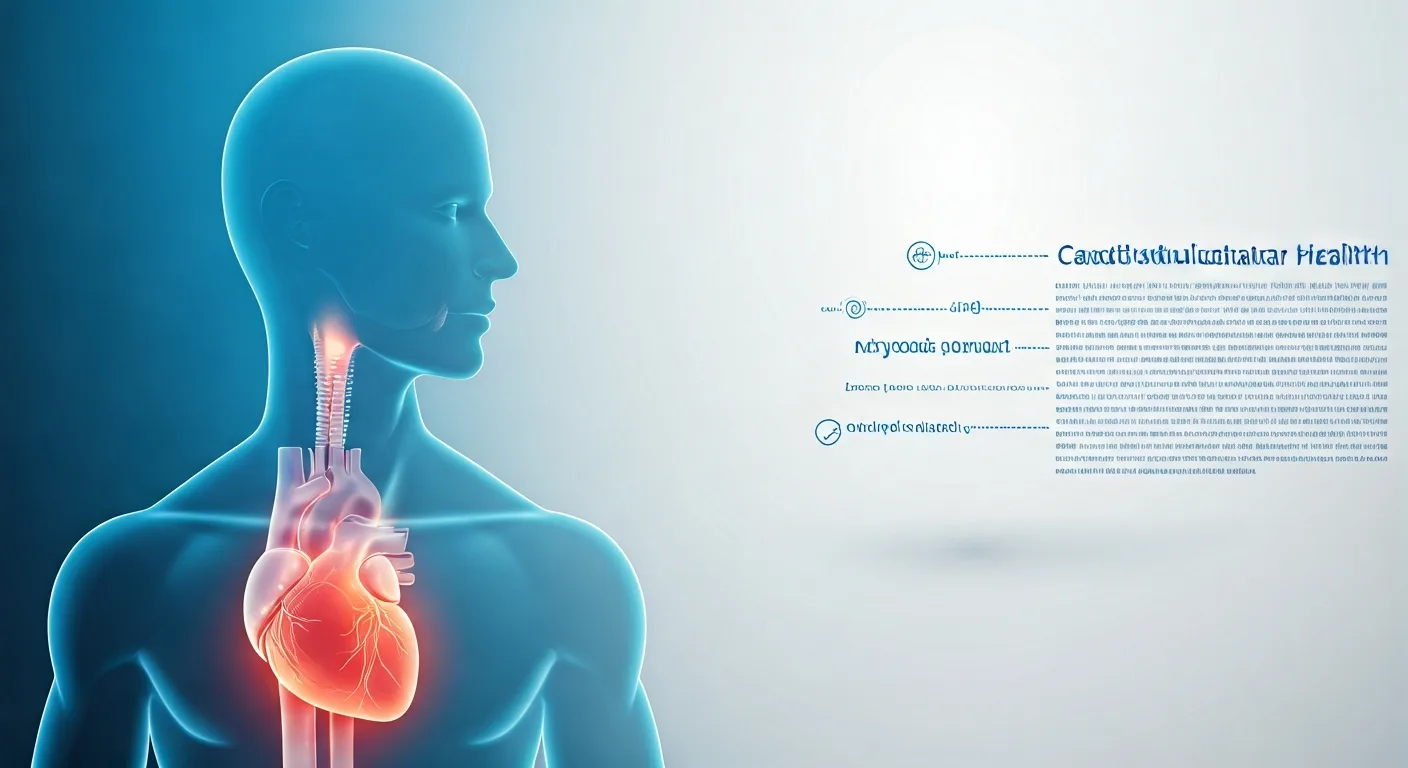
Over time, the relentless arterial strain can lead to highly abnormal heart rhythms, such as atrial fibrillation. These erratic electrical arrhythmias further elevate the statistical likelihood of suffering a sudden heart attack or a debilitating stroke. Ignoring the nocturnal symptoms effectively leaves a ticking time bomb hidden within your circulatory system.
Metabolic syndrome is another severe, life-altering consequence of chronically fragmented sleep. The constant sleep disruption actively alters how your body processes glucose and tightly regulates insulin production. This massive hormonal imbalance makes weight management incredibly difficult and significantly increases the risk of developing type 2 diabetes.
How to Screen Yourself at Home: The STOP-Bang Questionnaire
Before heading to a clinical sleep center, you can evaluate your own personal risk levels using validated medical frameworks. The STOP-Bang questionnaire is currently the universal gold standard for preliminary sleep apnea screening. It is a highly effective, eight-question assessment used globally by anesthesiologists and top sleep specialists.
The clever acronym is divided into two distinct sections: your self-reported symptoms (STOP) and your physical demographics (BANG). By calculating your final score, you can immediately determine whether you fall into a low, intermediate, or high-risk category. A score of three or more indicates a highly significant likelihood of Obstructive Sleep Apnea requiring attention.
The STOP Criteria
These crucial questions focus entirely on your immediate physical symptoms and nighttime experiences.
- S – Snoring: Do you snore loudly enough to be heard through closed bedroom doors?
- T – Tired: Do you frequently feel exhausted, drained, or fatigued during the day?
- O – Observed: Has anyone ever witnessed you stop breathing or gasping while asleep?
- P – Pressure: Have you been formally diagnosed with or treated for high blood pressure?
The BANG Criteria
These questions assess your anatomical structure and demographic baseline risk factors.
- B – BMI: Is your clinical Body Mass Index (BMI) greater than 35?
- A – Age: Are you currently over the age of 50?
- N – Neck: Is your neck circumference greater than 17 inches (men) or 16 inches (women)?
- G – Gender: Are you biologically male? (Men naturally carry a higher initial risk factor).
If your personal STOP-Bang score raises immediate concerns, it is absolutely time to schedule a formal medical consultation. Do not rely solely on basic online self-assessments to make final medical decisions. This specific screening tool is simply a valuable gateway to prompt you toward rigorous professional testing.
Professional Diagnosis: Home Sleep Tests vs. In-Lab Polysomnography
Once you honestly report your symptoms to a doctor, they will likely recommend a formal, monitored sleep study. The diagnostic landscape has shifted significantly over the past decade, heavily prioritizing patient comfort and convenience. Today, an FDA-approved home sleep apnea test is almost always the first diagnostic tool deployed.
Modern home testing kits are incredibly compact digital devices that track your breathing effort, heart rate, and blood oxygen levels right from your own bed. They are highly effective and exceptionally accurate at detecting moderate to severe cases of Obstructive Sleep Apnea. Many nervous patients prefer this route because sleeping in a familiar environment consistently yields more realistic, typical data.
However, home tests absolutely have their clinical limitations and cannot track deep brain waves or precise sleep stages. Sometimes, sleep optimization requires highly creative sensory solutions, which leads people to explore unique options like the Weighted Sleep Mask Review: Pressure for Better Sleep for added deep-pressure relief. Yet, for definitively diagnosing complex sleep disorders, advanced medical monitoring is non-negotiable.
If your at-home test is frustratingly inconclusive, your doctor will immediately order an in-lab Polysomnography. This highly comprehensive overnight study takes place in a specialized clinic where trained technicians actively monitor your brain activity, eye movements, and muscle tension. Polysomnography provides the definitive, granular data needed to diagnose mild apnea or complex central sleep apnea.
In-lab testing virtually ensures that absolutely no subtle breathing irregularities slip through the cracks. While it is slightly more physically intrusive, it remains the absolute clinical gold standard for sleep diagnostics. Accurate, multi-channel data collection paves the exact way for a highly customized, effective treatment plan.
Next Steps: What to Do If You Suspect You Have Sleep Apnea
If you genuinely suspect you are suffering from interrupted nighttime breathing, immediate, proactive action is necessary. Start by keeping a highly detailed sleep diary for a full week, noting when you wake up and grading your daytime energy levels. Ask your bed partner to specifically document any witnessed instances of loud snoring, choking, or silent pauses.
Armed with this critical information, quickly schedule an appointment with a board-certified sleep specialist or an ENT doctor. They will carefully review your full medical history and likely administer the Epworth Sleepiness Scale or STOP-Bang assessment. From there, they will expertly guide you toward the most appropriate, cost-effective diagnostic testing.
If formally diagnosed, the most universally effective and widely prescribed treatment is a Continuous Positive Airway Pressure (CPAP) machine. The CPAP device delivers a steady, gentle stream of pressurized air through a mask to keep your airway permanently open. It is a highly reliable, non-invasive way to immediately halt dangerous oxygen desaturation.
For those who genuinely struggle with CPAP adherence, excellent alternatives like custom oral mandibular appliances or targeted surgical interventions exist. Some patients focus intensely on relaxing their racing thoughts before bed, checking out modern resources like Bluetooth Sleep Mask Reviews: Music While You Sleep to wind down effectively. However, while soothing music can calm the anxious mind, clinical physical therapies are strictly required to secure the collapsing airway.
Aggressive lifestyle modifications, including intentional weight loss and positional sleep therapy, also play a staggeringly crucial role in long-term management. Taking these deliberate steps not only massively improves your sleep quality but fundamentally protects your heart from failure. Sleep apnea early detection is a critical turning point toward reclaiming your daily vitality and extending your lifespan.
Frequently Asked Questions
What is the most common early warning sign of sleep apnea?
The most common early warning sign is chronic, incredibly loud snoring punctuated by distinct pauses in breathing, gasping, or choking sounds. These nocturnal disruptions are often noticed by a frightened sleep partner long before the individual realizes they have an airway issue.
Can you have sleep apnea if you don’t snore loudly?
Yes, many people experience completely silent symptoms of sleep apnea such as excessive daytime sleepiness, severe morning headaches, chronic dry mouth, and cognitive brain fog, even without heavy snoring. Women, in particular, may present with these less obvious, non-traditional symptoms.
How accurate is a home sleep apnea test compared to a lab?
A home sleep apnea test is highly accurate for diagnosing moderate to severe Obstructive Sleep Apnea by measuring oxygen drops and breathing effort. However, if symptoms persist but the home test is negative, doctors will usually recommend an in-lab Polysomnography for a much more comprehensive neurological analysis.
Is untreated sleep apnea truly dangerous for my heart?
Yes, untreated sleep apnea risks include severe, life-threatening cardiovascular complications. The repetitive drops in blood oxygen levels put immense physiological strain on the heart muscle, directly leading to treatment-resistant hypertension, an increased risk of stroke, and metabolic syndrome.
Get our latest guides, news, and insights highlighted in your Google Search & AI Overviews.