
Did you know that eight-week-old puppies can sleep up to 18 hours a day? As a new puppy parent, understanding your little one’s sleep needs is crucial for their health and development. This early stage is vital, as it shapes their rest patterns and overall well-being. Managing their daily schedule not only enhances their growth but also helps to prevent behavioral issues later on. By learning the optimal sleep routine for your puppy, you’ll be better equipped to create a nurturing environment that promotes their physical health and emotional security. Dive in to discover the perfect daily schedule that balances play, potty breaks, and those all-important nap times, ensuring your puppy grows into a happy and healthy companion!
Understanding Puppy Sleep Patterns at Eight Weeks
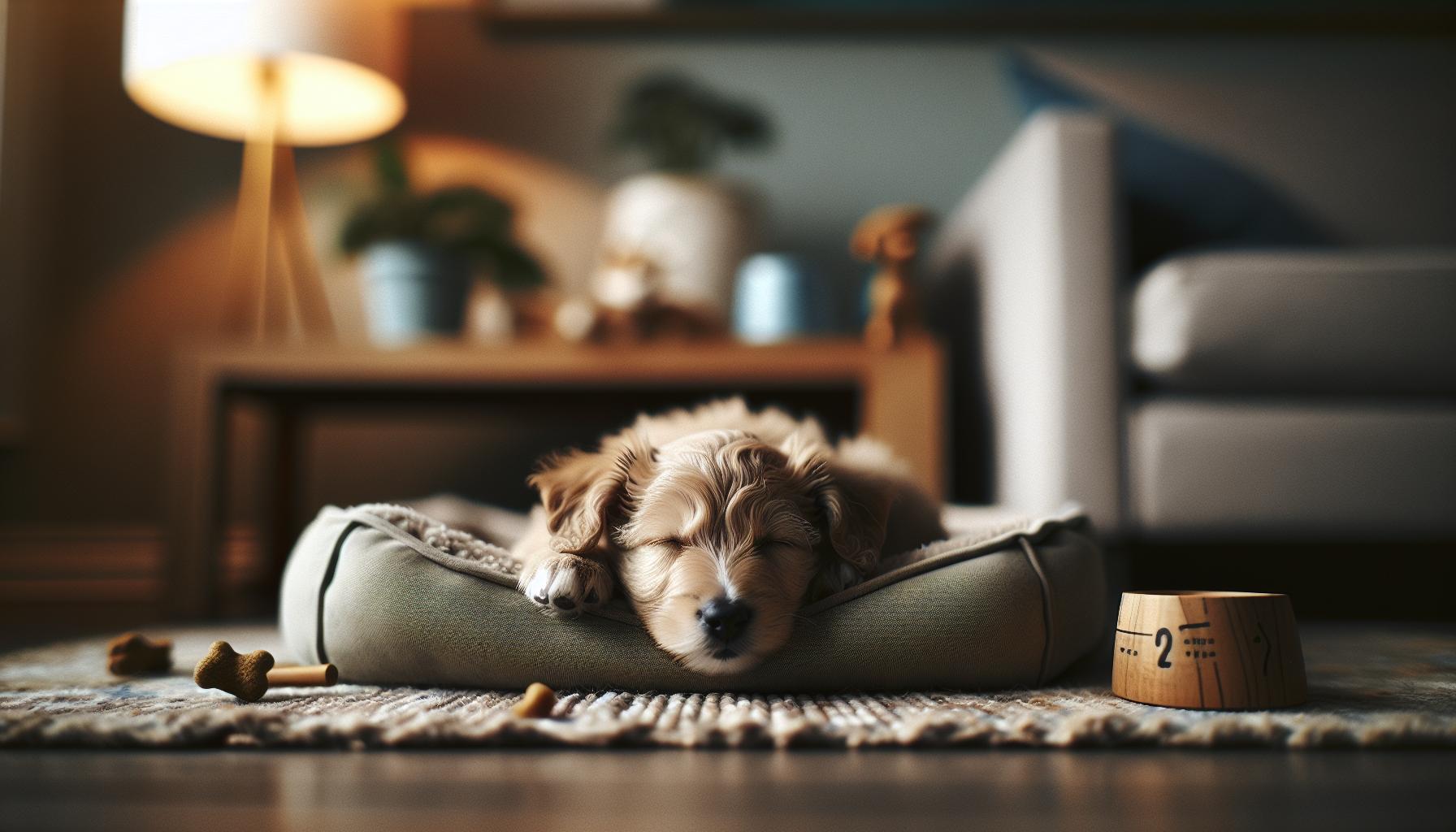
At just eight weeks old, a puppy’s sleep patterns reflect their rapid growth and development. During this crucial stage, these playful bundles typically require 18 to 20 hours of sleep per day. This extensive napping not only supports their physical growth but also helps their brains to process experiences and learn essential social behaviors. As a new puppy parent, it is important to understand that a well-rested puppy is often happier, more energetic, and easier to train.
Puppies at this age alternate between sleep stages, including REM (Rapid Eye Movement) sleep, where dreaming occurs. This sleep phase is vital as it aids in cognitive development and emotional health. During their slumber, you may notice movements, twitching, or even soft barks-indicative of deep sleep. Regular sleep schedules can help cultivate a sense of security and routine, which are essential for a puppy’s well-being.
Balancing periods of play, choice of toys, and gentle training sessions will create a diverse daily routine that encourages healthy sleep. It’s beneficial to create a tranquil sleeping environment, as a calm space fosters better sleep quality. This awareness can facilitate a smoother transition from puppyhood into early adulthood, as your puppy learns how to manage energy levels throughout the day.
Average Sleep Duration for Puppies
Puppies are sleep champions, especially at just eight weeks old, and it’s not uncommon for them to snooze for an astonishing 18 to 20 hours a day. This extensive sleep time is crucial as it significantly supports their rapid growth and cognitive development. Understanding the typical sleep durations can empower new puppy parents to establish healthy routines that promote better behavior and training outcomes.
During this early stage, a puppy’s sleep is segmented into varying phases, much like adult sleep. They engage in both deep sleep, which is restorative, and REM sleep, where dreaming occurs. This latter phase is particularly vital for learning and memory processing. You might notice your puppy twitching or making sounds while asleep, which indicates they are in a deeper sleep state.
Creating a conducive sleeping environment is key. Puppies thrive in quiet, comfortable spaces that are away from distractions. Keeping a consistent schedule helps reinforce their natural rhythms, allowing for smoother transitions between playtime and rest. A typical cycle might involve short bursts of play or training for about 1-1.5 hours, followed by a good nap, usually lasting around 2 hours. Recognizing and respecting their need for this kind of rest will aid significantly in your puppy’s growth and overall happiness.
Factors Influencing Puppy Sleep Needs

Puppy sleep needs are influenced by a variety of factors, all of which contribute to the overall health and well-being of your young furry friend. At eight weeks old, your puppy is undergoing rapid physical and mental development, and understanding what impacts their sleep is crucial for establishing healthy routines.
One of the most significant factors affecting a puppy’s sleep is their age and growth rate. As puppies grow, their bodies need ample downtime to recuperate and absorb the new experiences of the day. It’s not unusual for an eight-week-old puppy to sleep 18 to 20 hours daily, as their bodies are busy developing muscles and organs. In addition to age, the breed and size of the puppy can also play a role; larger breeds may require more rest compared to smaller ones, but all puppies need substantial sleep to support healthy growth rates.
Environmental factors are equally essential. The comfort and quietness of the sleeping area significantly impact a puppy’s ability to fall and stay asleep. A calming environment free from loud noises, bright lights, or constant activity will help your puppy feel secure and ready for rest. If the puppy is constantly disrupted by the hustle and bustle of family life, it may become anxious or restless, reducing the quality of its sleep.
Lastly, the puppy’s daily routine, including playtime and training, can profoundly affect sleep patterns. Engaging in sufficient physical and mental stimulation during waking hours helps puppies expend energy and can lead to deeper, more restful sleep. Ensuring that play sessions are balanced with quiet periods can help establish a consistent sleep schedule, making it easier for your puppy to relax when it’s time for a nap. By monitoring these various influences, you can help support your puppy’s sleep needs, leading to a happier, healthier companion.
Daily Routine: Sample Schedule for an Eight-Week-Old Puppy
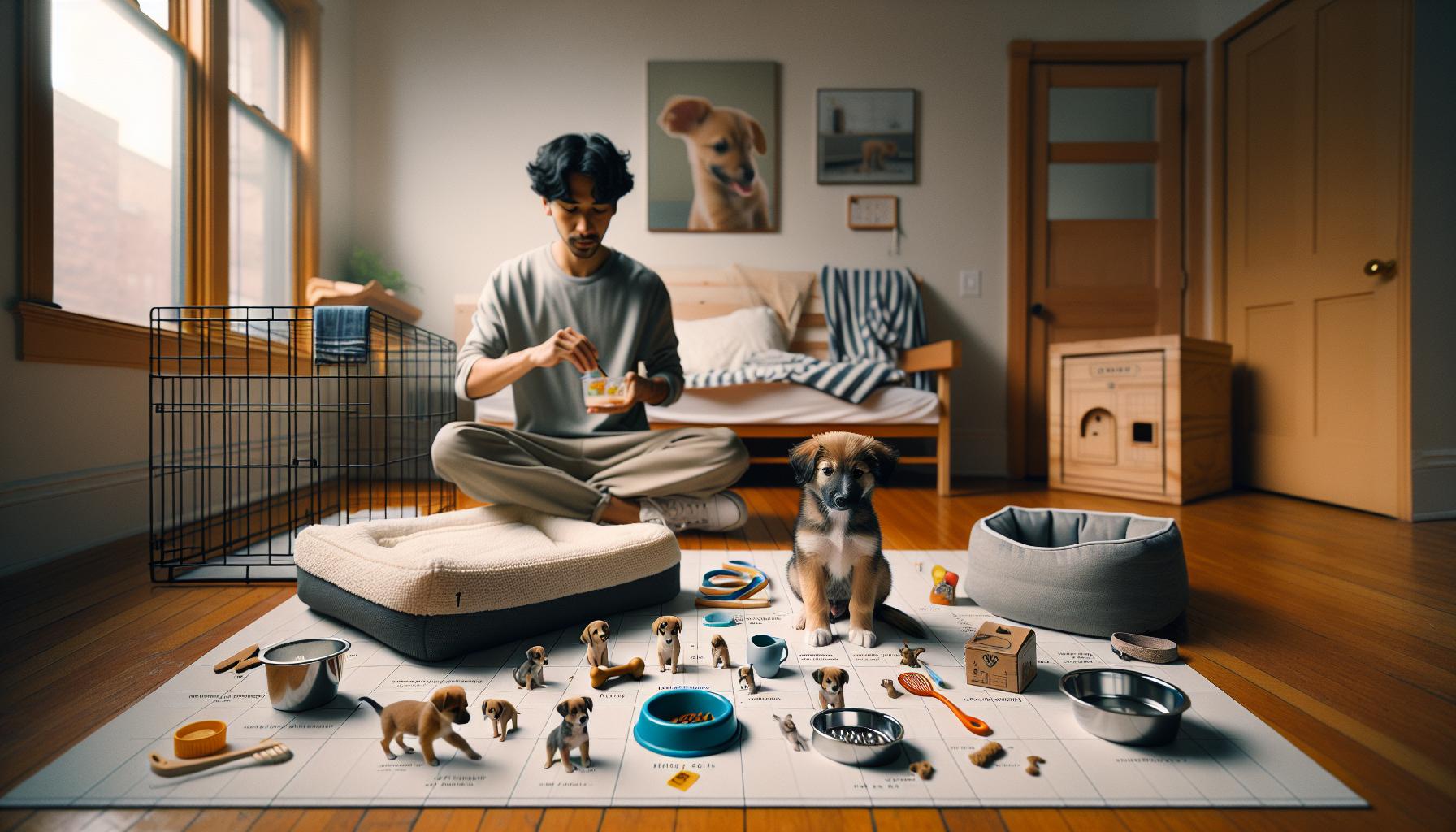
Starting the day right can set the tone for your puppy’s entire routine, allowing them to feel secure and content. An eight-week-old puppy typically requires about 18 to 20 hours of sleep per day. Establishing a structured daily schedule helps incorporate adequate nap times amidst play and training sessions, crucial for their development.
A sample daily schedule for your puppy might look like this:
- 7:00 AM: Wake-up and potty break – Your puppy has been resting and will need to relieve themselves right away.
- 7:15 AM: Breakfast – A nutritious meal to refuel their energy.
- 7:30 AM: Short play session – Engage in gentle play to stimulate their mind and body.
- 8:00 AM: First nap – A necessary rest period lasting about 1 to 2 hours.
- 10:00 AM: Training or enrichment activity – Introduce basic commands or puzzles for mental stimulation.
- 10:30 AM: Quick potty break.
- 10:45 AM: Another short play session.
- 11:30 AM: Nap time – Another opportunity for about 1 to 2 hours of rest.
- 1:00 PM: Lunch – Offer a meal to keep their energy levels stable.
- 1:30 PM: Outdoor exploration or a short walk.
- 2:30 PM: Free play – Allow some time to explore and play with toys.
- 3:30 PM: Nap time – Period of rest again, essential for recovery.
- 5:00 PM: Dinner – The last meal of the day.
- 5:30 PM: Calm interactions and cuddle time.
- 6:00 PM: Last bathroom break before bedtime.
- 7:00 PM: Final play session – Allow your puppy to wind down with some gentle activities.
- 8:00 PM: Bedtime – Settle down for the night with a comfortable sleeping area.
Following this kind of structured routine can help your puppy feel safe and understood. Balancing periods of active engagement with sufficient rest will lead to healthier sleep patterns and overall development. Remember, every puppy is unique, and observing their specific needs and energy levels is key to optimizing their schedule. As they grow, you can gradually adjust this routine, ensuring that they remain comfortable and well-rested at every stage of their development.
Understanding Sleep Stages in Puppies
Puppies, much like human infants, experience different stages of sleep that are crucial for their growth and development. During their sleep cycles, puppies engage in rapid eye movement (REM) sleep, which is when dreaming occurs, and non-REM sleep, essential for physical recovery. An average eight-week-old puppy sleeps approximately 18 to 20 hours a day, with sleep cycles that can last anywhere from 15 to 45 minutes. Understanding these sleep stages can help you cater to your puppy’s needs more effectively.
During the first part of their sleep cycle, puppies enter non-REM sleep, where they experience deep restorative sleep. This stage allows their bodies to revitalize and process the day’s learning experiences. Puppies may exhibit twitching, vocalizations, or kicking during this phase, indicating that they’re dreaming and having fun in their sleep. These movements are completely normal and suggest that the puppy is going through the brain development necessary for their age.
As they transition into REM sleep, their breathing may become irregular, and you might notice more active movement. This lighter sleep phase helps foster neurological development and allows them to integrate new information learned during waking hours. It’s important to let your puppy sleep uninterrupted during these cycles, as adequate sleep is vital for their physical growth, immune system health, and behavioral conditioning.
To ensure your puppy gets enough rest, create a quiet, comfortable sleeping environment free from disturbances. Adopting a consistent routine will help signal to your puppy when it’s time to sleep and when it’s time to be active, contributing to a balanced sleep-wake cycle that supports their overall health and development.
Signs of Healthy Sleep in Puppies
Puppies are irresistible little bundles of joy that require ample sleep to support their rapid growth and development. Recognizing the signs of healthy sleep in your eight-week-old puppy can help ensure they are getting the rest they need to thrive. A well-rested puppy exhibits specific behaviors that indicate they are enjoying restorative sleep; these signs are vital for both their physical and mental well-being.
During healthy sleep periods, your puppy should appear relaxed and content. Look for signs such as a soft, curled-up position, closed eyes, and a calm demeanor. While they may occasionally twitch or move during their dream phases, excessive twitching or whimpering could indicate restlessness or discomfort. A balanced sleep cycle, featuring both light (REM) and deep sleep phases, results in a content and rejuvenated puppy upon waking. Frequent waking or an inability to settle back down can suggest underlying stress or an uncomfortable sleeping environment.
Another good indicator of healthy sleep is your puppy’s daily energy levels. After a sufficient amount of quality rest, they should wake up ready to play, engaging energetically in activities throughout the day, and displaying interest in social interactions. If your puppy seems lethargic or overly hyperactive, it might point to either inadequate sleep or overstimulation. Keep an eye on their behavior-some puppies may need guidance in establishing restful sleep patterns amidst the excitement of their new surroundings.
Creating a structured daily routine can further promote healthy sleep habits. Aim to develop a consistent schedule that includes regular playtime, walks, meals, and potty breaks, followed by designated sleep periods. This structure mimics the natural rhythms of their developmental needs and helps signal when it’s time to wind down. A peaceful and comfortable sleeping area, free from distractions and noise, can further aid in nurturing healthy sleep patterns, providing the ideal environment for your puppy to drift into restorative slumber.
Common Sleep Issues in Young Puppies
Young puppies are often full of energy, but the path to a well-rested puppy isn’t without its challenges. Common sleep issues for eight-week-old pups can range from sleep disturbances due to discomfort to anxiety or overstimulation. Identifying these issues early can help ensure your furry friend gets the restorative sleep they need to grow and thrive.
One of the primary sleep issues seen in young puppies is restlessness. This can be triggered by environmental factors such as noise, inadequate warmth, or an uncomfortable sleeping surface. Puppies may also experience difficulty settling down if they are overly excited from play or training sessions. If your puppy’s bed area is too noisy or lacks a cozy structure, consider moving it to a quieter location or providing additional bedding for comfort. Creating a warm, safe space helps to signal to your puppy that it’s time to rest.
Another common issue is anxiety, which can manifest in various ways, including whining, pacing, or an inability to settle. Puppies may feel anxious in new environments or if they are separated from their littermates or family. To reduce anxiety, establish a routine that allows your puppy to recognize when it’s time to sleep. This can include activities that wind them down, like calm petting or quiet time in a designated space. Soft background music or a heartbeat simulator can also provide a soothing atmosphere, helping your puppy feel more secure.
Sometimes, you might notice cyclical sleeping patterns, where your puppy toggles between hyperactivity and sudden deep sleeps. It’s essential to monitor their playtime and rest periods to prevent overstimulation. Puppies typically need 18 to 20 hours of sleep each day, interspersed with short bursts of activity. Maintaining a consistent schedule helps keep their energy levels balanced and ensures they receive the sleep necessary for healthy development.
If you find persistent sleep issues despite creating an ideal environment, it’s worth considering a consultation with your veterinarian. They can help rule out underlying medical problems or sleep disorders, providing you peace of mind. Understanding and addressing these common sleep issues can be key to helping your puppy adjust, ensuring they develop into a happy, healthy dog.
Tips for Encouraging Better Sleep Habits
Creating a restful environment for your eight-week-old puppy can significantly enhance their ability to settle down and get the restorative sleep they need. Puppies typically require around 18 to 20 hours of sleep daily, yet achieving this can be challenging without proper preparation. Implementing some simple strategies can cultivate a calming bedtime routine that encourages better sleep habits.
Start by establishing a consistent bedtime routine. Just like humans, puppies thrive on predictability. Set a specific time for quiet activities before bed, such as gentle play followed by a cuddle session to signal it’s time to wind down. Utilizing a calm, soothing voice during these interactions can help your puppy associate nighttime with relaxation and comfort.
Creating an optimal sleeping environment is crucial. Choose a quiet, dimly lit location away from household traffic and loud noises. A cozy, well-padded dog bed can make all the difference, providing your puppy with a sense of security. Consider using a crate for sleeping, as it can create a den-like atmosphere that many dogs instinctively find comforting. Be sure to add soft bedding and perhaps a favorite toy or blanket to help your puppy feel secure.
Incorporate Calming Techniques
Incorporating calming techniques can also ease your puppy into slumber. White noise machines or soft classical music can drown out distracting sounds and create a peaceful ambiance. Some pet owners find that products like dog-appeasing pheromone diffusers can help reduce anxiety and promote restful sleep. Gently massaging your puppy can aid relaxation, providing both comfort and bonding time.
Lastly, remember that physical activity plays a critical role in your puppy’s sleep. Providing sufficient playtime during the day will help expend their energy, making it easier for them to settle down at night. However, avoid overly stimulating activities close to bedtime, as they can lead to increased energy that interferes with sleepiness. A well-balanced daily routine of play, meals, and relaxation will support your puppy’s well-being and enhance their sleep quality. By taking these steps, you can foster an environment that promotes better sleep habits, setting the foundation for a healthy, well-adjusted adult dog.
Importance of Sleep for Puppy Development
Puppies may be cute and playful, but their growth and development hinge significantly on the quality of sleep they receive. Sleep in puppies isn’t just about rest; it’s a vital process for their physical health, cognitive function, and emotional well-being. During the early stages of life, when puppies are around eight weeks old, their bodies and brains are rapidly developing. Critical growth processes, such as muscle, bone, and tissue formation, largely occur during sleep. As a result, ensuring that your puppy gets enough quality sleep is imperative to their overall health.
One of the most important aspects of sleep for puppies is its impact on brain development. While they snooze, puppies enter different sleep stages, including REM (Rapid Eye Movement) sleep, where dreaming occurs. This stage plays a crucial role in memory consolidation and learning, essential components of their behavioral development. Engaging in socialization and training during their waking hours requires that puppies fully recharge during their sleep. Without adequate rest, they may struggle with attention and may not retain what they learn effectively.
Additionally, sleep helps to regulate a puppy’s immune system. Quality rest allows their bodies to produce antibodies and fight off infections, which is particularly essential during the first few months of their lives when they are most vulnerable. Lack of enough sleep can lead to increased stress and anxiety, thereby affecting temperament and overall behavior. A less rested puppy may display hyperactivity, irritability, or even destructive behaviors-common challenges for new puppy owners.
Incorporating routines that promote healthy sleep habits not only aids your puppy’s immediate need for restorative rest but also lays the foundation for their future well-being. Establishing a consistent sleep schedule with a calming bedtime routine, combined with appropriate physical activity during the day, will help ensure that your puppy benefits from the restorative powers of adequate sleep. By being mindful of your puppy’s sleep needs, you pave the way for a happier, healthier, and more balanced companion as they grow.
How Exercise Affects Puppy Sleep Quality
Engaging in regular physical activity is essential for your puppy’s overall well-being, and it plays a significant role in enhancing the quality of their sleep. For an eight-week-old puppy, exercise helps to expend energy, allowing them to settle down and enjoy deeper, more restorative sleep cycles. A well-exercised puppy is less likely to experience restlessness at night, which often originates from pent-up energy or boredom during the day.
Puppies typically require about 30 to 60 minutes of exercise spread throughout the day. This can include short walks, play sessions, or simple training activities that stimulate both their body and mind. It’s crucial to tailor the exercise to match their developing bodies-keeping it gentle and intermittent. For instance, consider breaking up playtime into multiple short sessions to prevent overexertion, as young puppies can tire quickly.
After an adequate session of exercise, you’ll notice your puppy may exhibit signs of readiness for sleep. You might see them yawning, settling into their bed, or seeking out a quiet spot; these behaviors indicate they are ready to recharge. Importantly, providing a calm environment post-exercise can further encourage peaceful sleep, allowing your puppy to enter the necessary sleep stages effectively, including REM sleep, where critical developmental processes occur.
In contrast, a lack of appropriate exercise may lead to various issues, such as increased anxiety or hyperactivity, which can disrupt sleep patterns. Puppies that don’t have enough physical activity often experience difficulty settling down, leading to sporadic sleep and potential behavioral challenges. Therefore, finding a harmonious balance of exercise tailored to your puppy’s needs is essential for their health and ensuring they get the quality sleep vital for their growth and development.
Adjusting Sleep Schedules as Your Puppy Grows
As your puppy grows, their sleep patterns will evolve significantly, impacting their daily routine and overall health. Understanding this transition is crucial for creating a balanced schedule that caters to their changing needs. Typically, an eight-week-old puppy sleeps around 18 to 20 hours per day, but as they reach various milestones in their development, you will notice adjustments in not only how much sleep they need but also when they require it.
Recognizing Developmental Phases
Puppies go through rapid developmental changes, and each phase brings unique sleep requirements. Between 8 to 12 weeks, their energy begins to increase, and play becomes more demanding. You’ll likely find that as they approach three months, they start decreasing their total sleep time, often seeking more active engagement during awake hours. This shift might mean shorter naps but more frequent playtime. Consider the following phases to help align their sleep schedule:
- 8-12 weeks: Maximum sleep (18-20 hours), frequent short naps after activities.
- 3-6 months: Gradual reduction to about 16-18 hours, with longer stretches of wakefulness for exploration.
- 6-12 months: More established routine likely leading to around 14-16 hours of sleep, often at night with one or two naps during the day.
Creating a Flexible Routine
Your goal should be to create a flexible yet consistent daily schedule that accommodates their sleep needs as they grow. As they wake more often and show increased energy levels, shift their playtime and training sessions to line up with their most alert periods. For instance, morning might be the best time for training, whereas after lunch could be the ideal moment for a longer nap.
Keep an eye out for your puppy’s signs of fatigue, like wandering off to find a quiet spot or making little “puppy sighs.” Create a serene bedtime routine that calms them, fostering an environment conducive to sleep. The approach can include quiet time, gentle petting, or soft music-all of which signal that it’s time to wind down.
Adjusting for Exercise Needs
As they grow, puppies also require more structured exercise, which can significantly impact their sleep patterns. Increasing physical activity not only helps expend energy but also promotes a better quality of sleep. For an eight-week-old puppy, aim for light, controlled play sessions, focusing on engaging their mind as well as their body. As they develop, gradually increase the duration and intensity of play to help them fall asleep more easily at night.
Balancing activity and rest is key. Too little exercise can lead to hyperactivity and restless nights, while excessive activity may overtire them and alter their natural sleep cycles. Always consider their individual temperament and energy level when planning their routines, keeping adjustments responsive rather than reactive.
In summary, as your puppy transitions from a sleepy bundle of fur into a vibrant adolescent, being attuned to their evolving sleep needs will not only ensure they are well-rested but also contribute positively to their growth and behavior. Consistent observation and flexibility in your approach can help you craft an ideal daily schedule that nurtures their development.
When to Consult a Veterinarian Regarding Sleep Concerns
If your eight-week-old puppy is experiencing significant sleep disruptions, it’s essential to know when to seek professional help. Puppies should typically sleep around 18 to 20 hours a day, with sleepy behavior being a crucial part of their healthy development. However, if you observe persistent issues, such as excessive restlessness, extreme difficulty settling down, or disrupted sleep patterns, a visit to the veterinarian may be warranted.
Look for signs that may indicate an underlying health concern. This includes abnormal behavior like persistent whining or crying at night, extremely hyperactive periods that don’t seem age-appropriate, or refusal to sleep at all. Furthermore, if your puppy exhibits signs of discomfort during rest, such as whining when lying down or difficulty finding a comfortable sleeping position, these can be red flags. Such behaviors might signal conditions like teething pain, digestive issues, or even anxiety that need to be addressed promptly.
Regular check-ups can also help identify if your puppy’s sleep disturbances are linked to nutritional deficiencies or other medical issues. Puppies might require a balanced diet to support their growth and overall health, and inadequate nutrition could manifest in poor sleep quality. Your vet can provide recommendations on proper feeding schedules and dietary adjustments to enhance both energy levels and rest.
Think of this visit as an opportunity to discuss your puppy’s behavior, activity levels, and sleep patterns. Even if the vet doesn’t find a specific issue, they can offer reassurance and tips to help improve your puppy’s sleep routine. With a proactive approach, you’ll be better equipped to ensure your furry friend gets the restful sleep essential for their growth and well-being.
Q&A
Q: How many hours does an eight-week-old puppy typically sleep in a day?
A: An eight-week-old puppy generally sleeps around 18 to 20 hours a day. This extensive sleep is crucial for their growth and development, as puppies require a lot of rest to support their active play and learning periods throughout the day.
Q: What does a daily schedule look like for an eight-week-old puppy?
A: A typical daily schedule for an eight-week-old puppy includes multiple short play sessions, potty breaks, meals, and naps. For example, they might wake up, go outside, eat breakfast, play for a bit, and then nap for up to two hours before repeating the routine.
Q: How can I help my eight-week-old puppy sleep better?
A: To encourage better sleep in your eight-week-old puppy, create a calm and comfortable sleeping environment. Limiting stimulation before bedtime with gentle activities and ensuring they go outside for a potty break can help set a routine conducive to restful sleep.
Q: Why do puppies sleep so much at eight weeks old?
A: Puppies sleep significantly at eight weeks to support their rapid physical and mental development. Sleep is essential for restorative processes that help them grow, develop motor skills, and mature their brains effectively.
Q: How often should I play with my eight-week-old puppy to ensure they tire out?
A: Engage in frequent short play sessions lasting about 5-15 minutes throughout the day. These active intervals help tire out your puppy, preparing them for their next nap while also providing essential social and physical stimulation.
Q: What are the signs that my eight-week-old puppy is ready to sleep?
A: Look for signs like yawning, settling down, or losing interest in play. If your puppy is rubbing their eyes or moving more slowly, it’s likely they need sleep. Recognizing these signals can help establish a consistent sleeping routine.
Q: Should I wake my eight-week-old puppy up to eat or for playtime?
A: Generally, it’s best to let your puppy wake naturally when they are ready for meals or playtime. However, if it’s been several hours without a meal or needed potty breaks, gently waking them can be necessary to maintain a balanced routine.
Q: When should I consult a veterinarian about my puppy’s sleep patterns?
A: If your eight-week-old puppy shows significant changes in sleep patterns, such as excessive lethargy, frequent waking, or unusual restlessness, consulting a veterinarian is wise. These changes could signal health concerns requiring attention.
To Wrap It Up
Establishing a consistent sleep schedule for your eight-week-old puppy is vital for their growth and well-being. By understanding that they need between 18 to 20 hours of sleep per day, you can better plan their daily activities and ensure they are well-rested. Remember, a well-slept puppy is usually happier and more engaged, making training and bonding time even more rewarding.
Ready to optimize your puppy’s daily routine? Explore our articles on the best puppy care practices and discover tips on potty training and puppy-proofing your home. Don’t forget to subscribe to our newsletter for expert advice delivered straight to your inbox, ensuring you’re always equipped with the latest insights for caring for your furry friend. Join our community today, and let’s embark on this joyful journey of puppy parenthood together!
Get our latest guides, news, and insights highlighted in your Google Search & AI Overviews.