
Sleep is fundamental to our health, yet millions struggle to get the rest they need. If you find yourself tossing and turning every night, a sleep study might be the next step toward better sleep. But how much should you expect to invest in this crucial assessment? In 2026, costs for sleep studies can range significantly, from as low as $150 for in-home options to over $10,000 for comprehensive lab studies. Understanding these costs is essential to ensuring you receive the right care without breaking the bank. In this guide, we’ll break down the pricing, what to anticipate during a sleep study, and how to navigate your options to achieve restful nights. Join us as we delve into the details to empower you with the knowledge you need to make informed choices about your sleep health.
How Much Does a Sleep Study Cost in 2026?
The cost of a sleep study in 2026 can vary significantly based on several factors, including the type of study performed, location, and insurance coverage. Generally, individuals can expect to pay anywhere from $500 to $10,000 for a sleep study. In-lab polysomnography typically sits at the higher end of this range, often costing between $1,000 and $7,000 depending on the provider and specific procedures necessary during the study [1] [2].
In contrast, at-home sleep tests, which are becoming increasingly popular for their convenience and lower costs, typically range from $300 to $600. These tests can provide adequate data for diagnosing conditions like sleep apnea and are often viewed as a viable alternative to in-lab tests [3].
Factors Influencing Costs
Several factors can affect the price of sleep studies, including:
- Location: Costs can vary significantly by region and facility.
- Type of Study: In-lab tests tend to be more expensive than at-home options.
- Insurance Coverage: Individual policy details and coverage can greatly influence out-of-pocket costs.
Understanding these costs is crucial for planning and may help alleviate any anxiety associated with the financial aspects of seeking help for sleep disorders.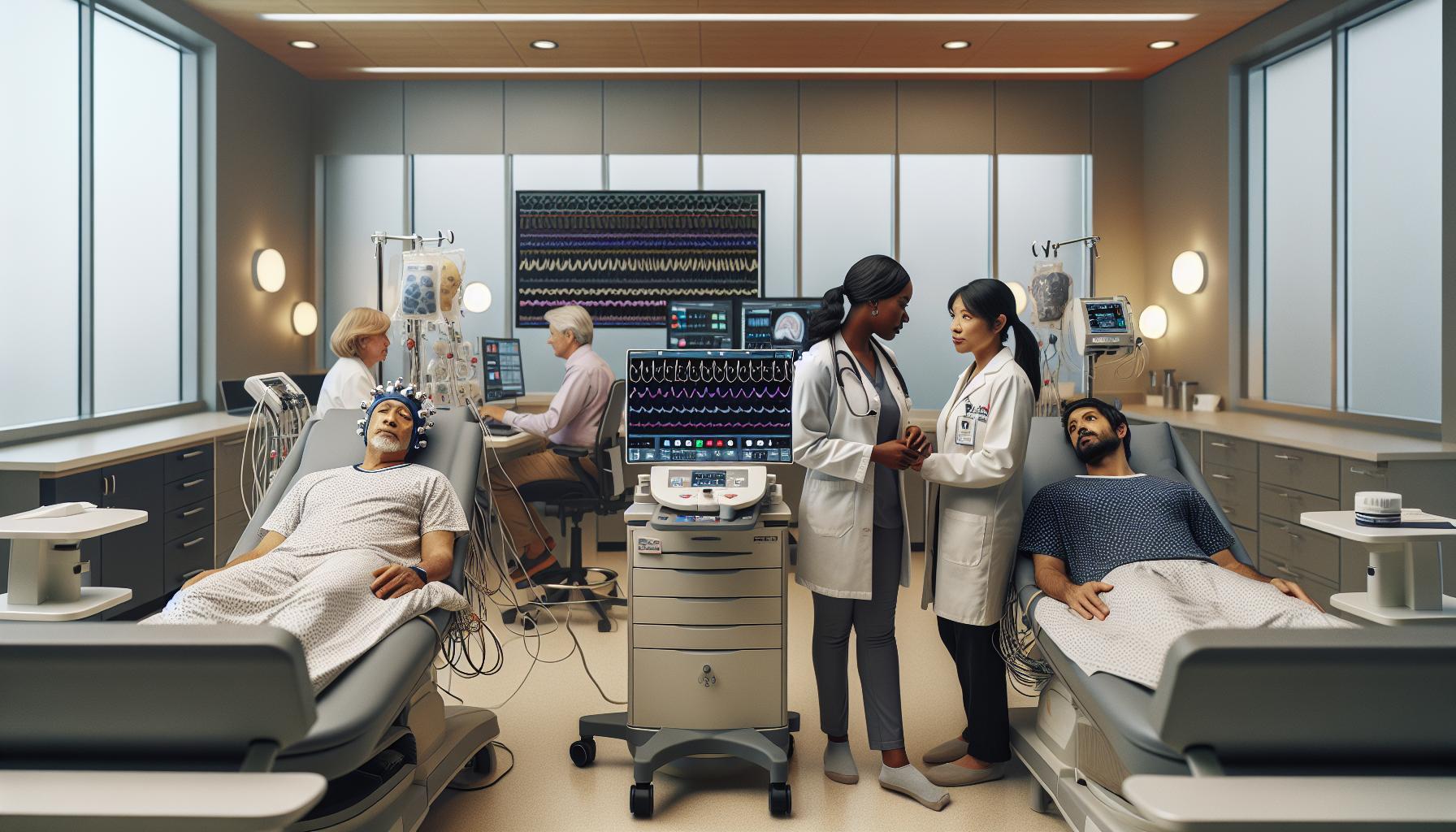
Understanding the Different Types of Sleep Studies
Sleep studies are vital in diagnosing various sleep disorders, each designed to gather specific information about your sleep patterns and health. The two main types are polysomnography (in-lab studies) and home sleep tests, each offering unique advantages given your needs and circumstances.
In-lab polysomnography involves an overnight stay at a sleep clinic, where multiple sensors are placed on your body to monitor brain waves, oxygen levels, heart rate, and breathing patterns. This comprehensive setup provides detailed insights into your sleep stages and allows healthcare providers to diagnose conditions such as sleep apnea, restless leg syndrome, and narcolepsy. However, these studies tend to be more expensive, with costs ranging from $1,000 to $7,000, making them a significant investment in your health.
On the other hand, home sleep tests are gaining popularity, especially for diagnosing obstructive sleep apnea. These tests typically measure fewer parameters-generally focusing on breathing patterns and blood oxygen levels-while you sleep in the comfort of your own bed. With prices ranging from $300 to $600, they present a more affordable option, although they may lack the comprehensive data that in-lab tests provide. Home tests are generally easier to navigate and may reduce the anxiety often associated with sleep clinics.
When deciding which type of study is right for you, consider your symptoms, budget, and comfort level. A discussion with your healthcare provider can guide you through the process, helping you choose the best option for diagnosing your sleep disorder effectively.
Pricing Breakdown: In-Lab vs. At-Home Sleep Studies
Choosing between an in-lab sleep study and an at-home sleep test can be daunting, especially with the potential costs involved. Understanding the financial implications of each option can help you make the best decision for your health and budget.
In-lab sleep studies are generally the most comprehensive option, but they come with a hefty price tag, typically ranging from $1,000 to over $7,000 depending on the facility and tests performed. This higher cost is due to the extensive monitoring involved-equipments such as EEGs to record brain activity, oxygen saturation monitors, and others track multiple physiological parameters throughout the night. Health insurers often cover a percentage of these costs, but out-of-pocket expenses can still be significant.
On the flip side, at-home sleep tests are a more accessible option both financially and logistically. Prices typically range from $300 to $600, making them a more affordable choice for many individuals. These tests usually only require you to wear a simplified device that measures breathing patterns and oxygen levels overnight in your sleep environment. While they may not capture as many variables as in-lab studies, they still provide valuable insights, particularly for diagnosing conditions like obstructive sleep apnea.
When making your choice, not only should you consider cost, but also your specific symptoms, comfort level, and the type of data needed for a reliable diagnosis. Consulting with a healthcare provider can offer clarity, ensuring you select the right type of sleep study that aligns with your healthcare needs and financial situation.
What Factors Influence the Cost of a Sleep Study?
The cost of a sleep study can vary widely, influenced by several intertwined factors that every potential patient should understand. Notably, the type of study being conducted-whether an in-lab or at-home assessment-plays a significant role in pricing. In-lab studies, typically more comprehensive due to the array of equipment used for monitoring, generally range from $1,000 to over $7,000 as noted in various sources. In contrast, at-home sleep tests generally fall between $300 to $600, making them a more budget-friendly option for many individuals seeking diagnosis, especially for conditions like obstructive sleep apnea.
Another critical aspect that drives costs is the geographic location of the sleep facility. Major metropolitan areas often witness higher prices due to increased operational costs and higher demand for services compared to rural locations. Additionally, the facility conducting the study adds another layer of complexity. Some hospitals and specialized sleep clinics may charge premium rates compared to outpatient centers or mobile testing units.
Insurance coverage can further complicate the financial landscape of sleep studies. Each insurance provider has its own policy regarding coverage of sleep testing, with some plans offering full coverage for in-lab studies while others may only partially reimburse the expenses. It’s essential for patients to check with their insurance carriers to understand their specific coverage limits and any potential out-of-pocket expenses.
Lastly, the specific tests performed during the study can significantly impact overall costs. Advanced evaluations, such as polysomnography with multiple parameters monitored, can elevate the price. Conversely, simplified tests focusing mainly on breathing patterns will often carry lower fees. Being well-informed and proactively communicating with healthcare professionals can help individuals make better decisions aligned with both health needs and financial considerations.
Insurance Coverage: What to Expect for Sleep Studies
Navigating insurance coverage for sleep studies can often feel like a maze, especially when the stakes are your health and finances. Understanding what your policy covers is crucial, as costs can vary significantly. Typically, sleep studies can range from $1,000 to over $7,000 for in-lab tests, while at-home tests may cost between $300 and $600. This dramatic difference underlines the importance of knowing how your insurance plan applies.
Check Your Plan
Before proceeding with a sleep study, it’s essential to check your insurance plan’s specifics. Coverage is not uniform; it can depend on factors such as the type of study, the facility where it’s conducted, and your deductible status. While some insurance plans might cover the entire cost of approved studies, others may require a copay or only partial reimbursement. It’s advisable to reach out directly to your insurance provider and ask about pertinent details, including:
- Coverage limits for different types of sleep studies
- Copay amounts and deductibles
- Pre-authorization requirements
- In-network versus out-of-network providers
Documentation is Key
Keeping well-documented records is another vital step. Ensure that the healthcare provider refers you for the sleep study and that they provide necessary documentation, as this can expedite the claims process. If receiving treatment or equipment such as a CPAP machine is necessary post-study, confirm whether related costs are also covered by your insurance.
Sleep studies can be anxiety-inducing, but being proactive about understanding your insurance coverage can alleviate some of that worry. Engaging in thorough communication with both your healthcare providers and insurance representatives ensures you make informed decisions regarding your options, helping you focus on what matters most-your health.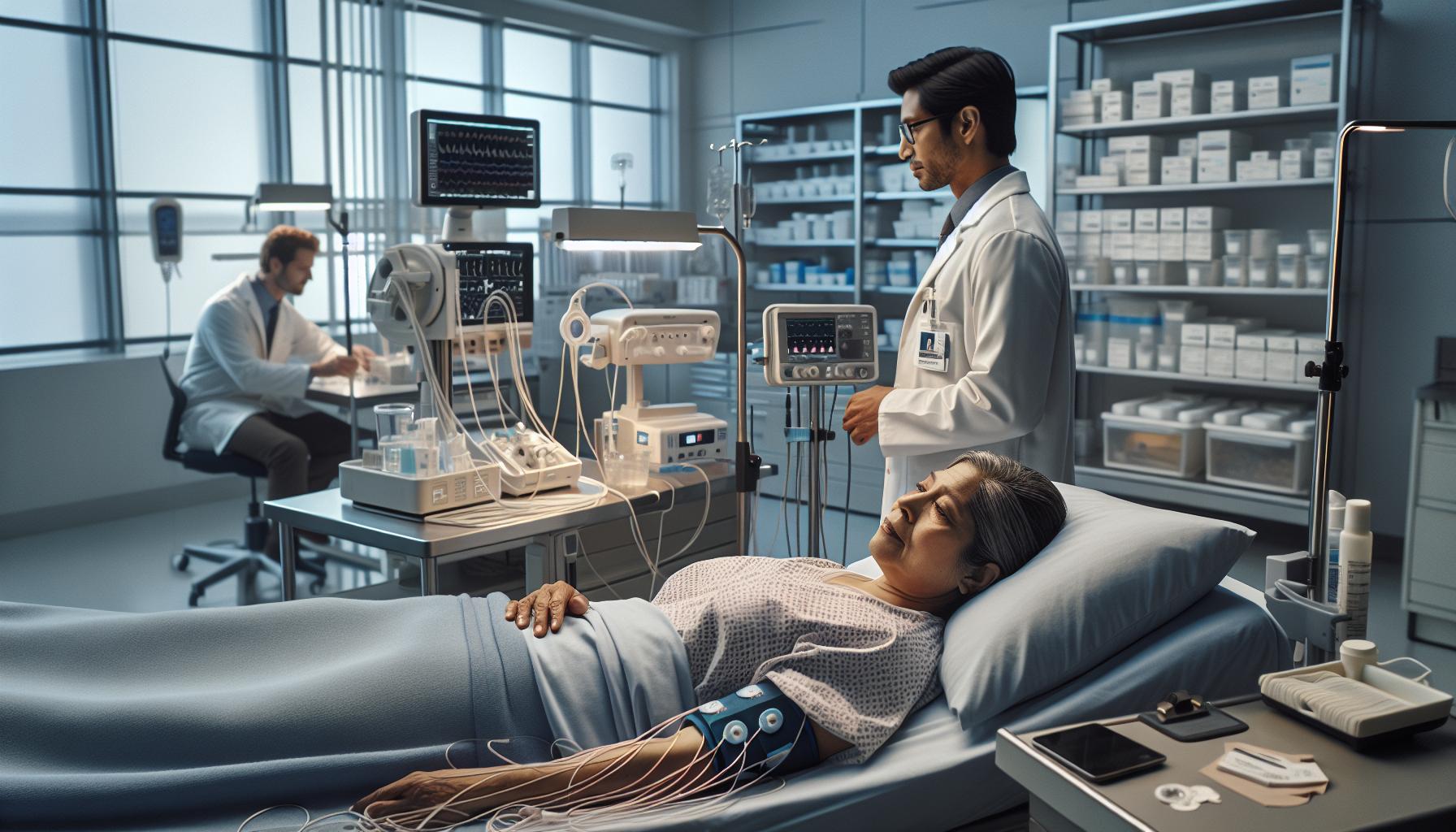
The Pros and Cons of Home Sleep Tests
Home sleep tests have become an increasingly popular option for those seeking to understand their sleep patterns without the expenses and complexities associated with in-lab studies. One of the most significant advantages of home sleep tests is their affordability. Typically, costs for these tests range from $150 to $1,000, making them a budget-friendly alternative compared to in-lab studies that can exceed $7,000 [2[2].
Moreover, the convenience of conducting a sleep test at home cannot be overstated. Patients can sleep in their own bed, surrounded by familiar comforts, which often leads to more accurate results. The setup for these devices is usually straightforward, with clear instructions provided. These tests are designed to monitor basic parameters like breathing patterns and oxygen levels, which are essential for diagnosing conditions such as obstructive sleep apnea.
However, there are notable drawbacks to consider. Home sleep tests typically lack the depth and comprehensive data that in-lab studies can provide, such as brain activity and sleep stage evaluation. This limitation may lead to inconclusive results or misdiagnosis in more complex sleep disorders. Additionally, not all home tests are created equal; some may be less reliable than others, so it’s crucial to choose FDA-approved devices or those recommended by healthcare professionals.
In conclusion, while home sleep tests offer an accessible and convenient route to investigate sleep issues, potential users should weigh these benefits against the limitations. Consulting with a healthcare provider can help determine whether a home sleep test aligns with your specific needs or if a more thorough in-lab study is advisable.
Common Sleep Disorders Diagnosed in Sleep Studies
Sleep studies are crucial for diagnosing various sleep disorders, providing vital insights into what happens while you sleep. These studies can help health professionals identify conditions that may interfere with your overall health and well-being.
One of the most common disorders detected through sleep studies is Obstructive Sleep Apnea (OSA). This condition occurs when the muscles in your throat relax excessively during sleep, leading to interrupted breathing. Symptoms often include loud snoring and feelings of extreme fatigue during the day. A sleep study can monitor your breathing patterns and identify disruptions, making it invaluable for diagnosis.
Other disorders include Hypersomnia, which is characterized by excessive daytime sleepiness, and Insomnia, where individuals struggle to fall or stay asleep. Sleep studies play a key role in determining underlying causes for these issues, such as anxiety, medications, or other health conditions.
Moreover, specific Parasomnias, including sleepwalking, REM sleep behavior disorder, and night terrors, can also be effectively diagnosed. These studies capture brain activity and monitor sleep stages, providing comprehensive data that helps physicians distinguish between normal and problematic behaviors during sleep.
Furthermore, sleep studies can assess conditions known as Periodic Limb Movement Disorder (PLMD) and Restless Legs Syndrome (RLS). These often present with involuntary leg movements during sleep that disrupt rest and can lead to significant fatigue.
Understanding these common sleep disorders and their implications can empower you to seek help. If you suspect you might be suffering from any of these conditions, consulting with a healthcare provider about the possibility of a sleep study could be a beneficial step towards improving your sleep and, ultimately, your health.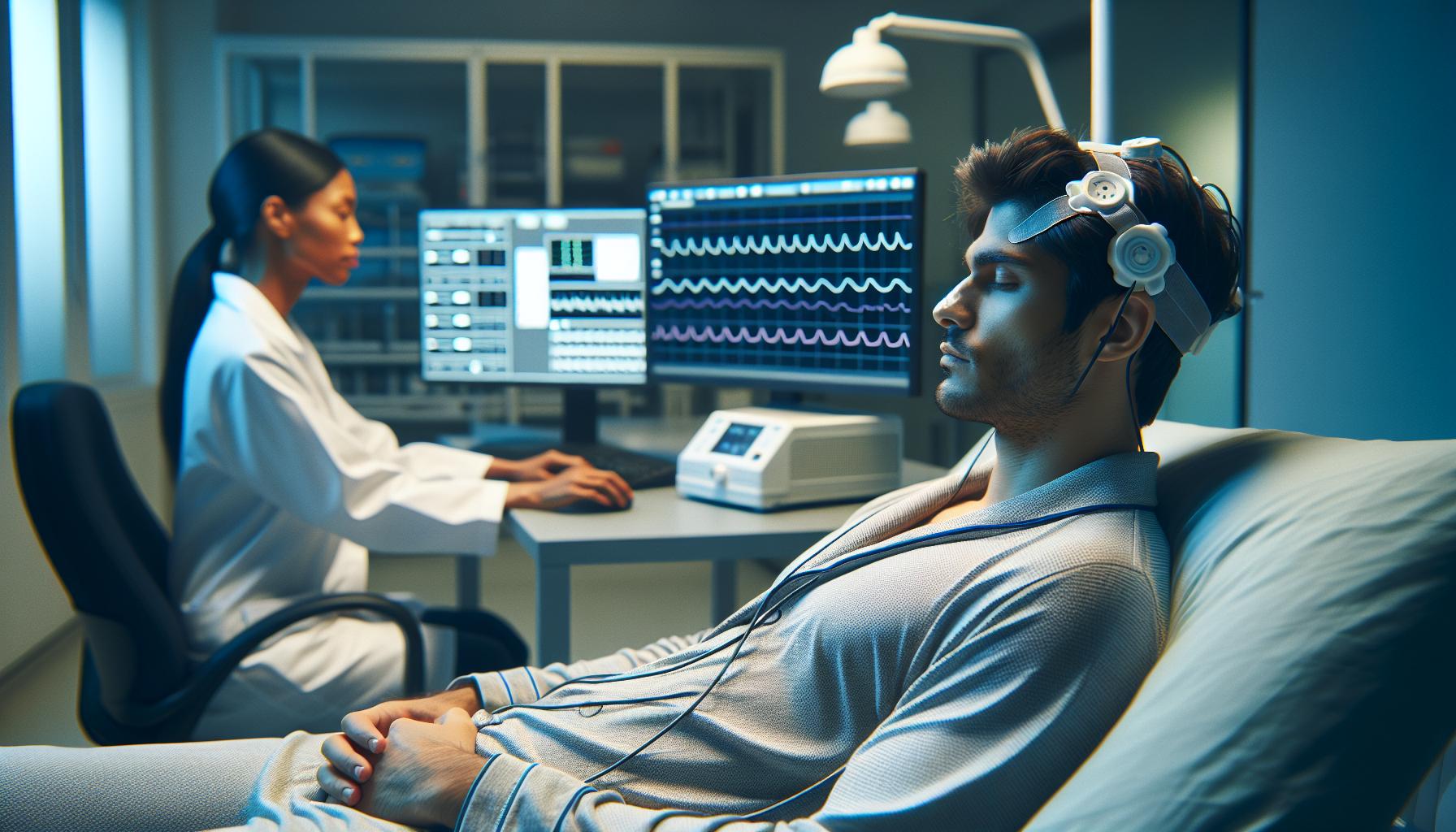
What Happens During a Sleep Study: A Step-by-Step Guide
During a sleep study, also known as polysomnography, the process may seem daunting, but understanding what to expect can ease anxiety and help you prepare effectively. A sleep study is designed to monitor various physiological parameters during sleep to diagnose sleep disorders. Whether conducted in a lab or at home, the procedure typically unfolds in several key steps.
Upon arriving at a sleep center, you’ll be greeted by a sleep technician who will explain the procedure and answer any questions you may have. For an in-lab study, you’ll be shown to a comfortable sleep room, equipped similarly to a hotel room. For home sleep studies, you may receive a portable device along with clear instructions on how to set it up.
Setup and Monitoring
The technician will attach sensors to your scalp, face, chest, and limbs to record brain activity, heart rate, breathing patterns, and oxygen levels. For in-lab studies, these connections might feel a bit strange due to the electrodes and wires-don’t worry; they are designed to be as non-intrusive as possible. In a home setting, the device will typically include a finger clip for oxygen monitoring and additional sensors that may be worn on your chest or strapped to your forehead.
While You Sleep
Once you’re settled in, both the in-lab and at-home setups monitor your sleep cycles throughout the night. The technician in the sleep lab will observe you via video monitoring and can make changes if necessary. At home, the device will collect data to send back for analysis. This is the critical phase where your sleep stages-light, deep, and REM sleep-are recorded, assisting in diagnosing conditions such as Obstructive Sleep Apnea, insomnia, or sleep movement disorders.
Waking Up and Next Steps
Upon waking, you’ll simply unhook the sensors or return the device if you’re at home. If you were in a lab, a technician may talk with you briefly about your experience before you leave. Analyzing the collected data usually takes a few days to a week, after which you’ll receive a detailed report. This report will help your healthcare provider discuss the results and possible treatments based on your specific sleep patterns.
Understanding this process can demystify sleep studies and empower you to approach your sleep health with greater confidence. By knowing what to expect, you can ensure you’re adequately prepared for the night ahead, helping pave the way toward a better night’s sleep and improved overall health.
Preparing for Your Sleep Study: Tips for Success
Approaching a sleep study can feel a bit daunting, but knowing how to prepare can significantly ease your anxiety and lead to more accurate results. First and foremost, it’s important to communicate openly with your healthcare provider about any medications you take or pre-existing conditions. This information could affect the results of your sleep study.
To help ensure a successful process, consider the following tips:
- Avoid Stimulants: Refrain from caffeine, nicotine, and alcohol for at least 24 hours before your sleep study. These substances can disrupt your sleep patterns and affect the outcomes of the test.
- Stick to Your Routine: Try to maintain your usual sleep schedule leading up to the study. If you frequently sleep poorly or irregularly, your body may not respond as expected on the night of the study.
- Dress Comfortably: Wear loose, comfortable clothing to your sleep study, especially for in-lab tests. This will help you feel at ease in the sleep environment. If you’re doing a home study, check specific recommendations regarding attire, as some setups may require you to wear sensors.
- Bring Essential Items: If you’re having an in-lab sleep study, you might want to bring items that help you relax or prepare for sleep-like your favorite pillow, pajamas, or a favorite blanket. This can create a more comforting atmosphere in the lab.
- Understand the Equipment: If you’re using a home sleep monitoring device, familiarize yourself with how to set it up and any instructions provided. Knowing how to properly use the equipment can reduce frustration and ensure accurate data collection.
Understanding the cost implications can also alleviate financial stress. Home sleep tests typically cost between $150 and $1,000, while in-lab studies can range from $1,000 to $10,000. It’s beneficial to check with your insurance provider before scheduling your study to understand what expenses will be covered and what you may need to pay out of pocket. Having this information upfront can provide peace of mind as you navigate your sleep health journey.
What to Expect After the Sleep Study: Results and Next Steps
Following your sleep study, whether it’s in a lab or at home, the anticipation of results can often feel overwhelming. Each type of study provides unique insights into your sleep patterns and potential disorders. Typically, you’ll receive a follow-up call or appointment with your healthcare provider to discuss the findings within a week or two after the study. This can be a pivotal moment in understanding your sleep health and determining any next steps.
The results of your sleep study will usually indicate whether you have any sleep disorders, such as sleep apnea, insomnia, or restless legs syndrome. The healthcare provider will explain what the data means, including any abnormalities in your sleep cycles, breathing patterns, and overall sleep quality. It’s essential to ask questions during this discussion; understanding your results can empower you to take the necessary actions for your health.
Next Steps Based on Your Results
If a sleep disorder is diagnosed, your provider may recommend several treatment options. These could include lifestyle changes, such as adjusting your sleep environment or habits, or medical interventions like CPAP therapy for sleep apnea. Often, a multi-faceted approach works best, combining medical treatment with behavioral changes.
If your results are normal but you continue to experience sleep issues, further evaluation may be necessary, or you might be advised to try cognitive behavioral therapy for insomnia (CBT-I) or similar approaches. The key takeaway is that your sleep study results serve as a foundational step toward better sleep health, guiding you and your provider in creating an effective management plan tailored to your needs.
Impact on Costs and Insurance
Understanding your results and next steps can also have implications for your insurance coverage and out-of-pocket costs. Depending on the diagnosis, certain treatments or follow-up tests may be partially or fully covered by insurance. It’s advisable to check with your provider about what’s included under your policy, especially if long-term treatments are needed.
Overall, the journey doesn’t end with the sleep study; it sets the stage for understanding and improving your sleep health moving forward. By being proactive and informed, you can navigate this process more confidently, ensuring that your sleep-and overall health-are prioritized as you move ahead.
Alternative Sleep Tracking Technologies: Cost and Effectiveness
As technology evolves, so do the tools available for monitoring sleep health. Alternative sleep tracking technologies, ranging from wearables to smart mattresses, offer consumers more accessible options for understanding their sleep patterns without the need for a formal sleep study in many cases. Typically, these devices and applications are less expensive and can fit more seamlessly into daily routines.
One popular category includes wearables, like fitness trackers or smartwatches, that often incorporate sleep-tracking features. These devices can cost anywhere from $50 to $400, depending on brand and functionality. They typically utilize motion sensors and heart rate monitors to provide insights into sleep duration and cycles. While they offer convenience and immediate feedback, they’re limited in their ability to diagnose sleep disorders as they primarily provide surface-level data.
Smart Mattresses and Sleep Devices
In addition to wearables, there are advanced sleep technologies such as smart mattresses and sleep-tracking pads. These can range from $200 to over $2,000. For example, products like the Eight Sleep Pod integrate climate control and sleep monitoring, helping users optimize their sleeping environment while collecting detailed data on sleep stages, heart rate, and even breathing patterns. While these options can be more costly, they offer a wealth of information and comfort enhancements.
It’s essential to understand the effectiveness of these alternatives. While wearables and smart devices can provide valuable insights, they often lack the comprehensive evaluation conducted during a formal sleep study (polysomnography), which monitors brain activity, oxygen levels, and other critical physiological parameters. If significant sleep issues are suspected, or if initial tracking indicates potential problems, pursuing a professional sleep study may still be necessary.
While there are many affordable options available today, it’s crucial to evaluate your specific needs. If you’re simply looking to improve general sleep habits, a wearable might suffice. But if you experience persistent symptoms like loud snoring or gasping during sleep, consulting a healthcare provider and possibly undergoing a formal sleep study could provide the comprehensive understanding required for effective treatment and management.
Real-Life Scenarios: When to Consider a Sleep Study
Navigating sleep health can feel overwhelming, particularly when symptoms become disruptive. Understanding when to consider a sleep study is crucial for identifying potential sleep disorders. For instance, if you frequently experience excessive daytime sleepiness or struggle with concentration, these could be signs of sleep apnea or other sleep-related issues that warrant professional investigation. A sleep study may not only provide clarity but also help you find suitable treatment options.
Symptoms That Signal a Need for a Sleep Study
If you encounter any of the following symptoms consistently, it may be time to seek a formal assessment:
- Snoring loudly or gasping at night
- Falling asleep during the day unexpectedly
- Experiencing restless sleep or waking frequently
- Chronic headaches upon waking
These indicators often suggest an underlying condition that can significantly affect your health and well-being.
When Home Testing Isn’t Enough
While home sleep tracking devices can provide initial insights, they lack the comprehensive data gathered during a traditional sleep study (polysomnography). For example, if your wearable shows irregular sleep patterns or you wake up feeling unrefreshed despite hours in bed, these findings might not be enough to diagnose a sleep disorder accurately. In such cases, a sleep study, which costs between $500 and $3,000 for an in-lab test according to current estimates, becomes a valuable step in understanding your sleep health.
Choosing to undergo a sleep study is about prioritizing your well-being. The potential to identify serious issues such as sleep apnea not only improves sleep quality but also lowers risks associated with untreated conditions, including cardiovascular issues. Therefore, if your sleep problems are affecting your daily life or overall health, consulting with a healthcare provider for a potential sleep study can offer the comprehensive evaluation needed to inform your next steps.
Frequently asked questions
Q: What are the typical costs for a sleep study in 2026?
A: In 2026, sleep study costs range from $500 to $3,000 for in-lab tests and $300 to $600 for at-home testing. Factors influencing the price include test type, location, and facility. Always check with your healthcare provider for specific costs and coverage details.
Q: Are there additional fees associated with sleep studies?
A: Yes, additional fees may include initial consultations, follow-up visits, and possible charges for sleep specialists’ interpretations of the results. It’s essential to clarify any potential extra costs with your provider upfront to avoid surprises.
Q: What insurance plans typically cover sleep studies?
A: Most insurance plans, including Medicare, cover sleep studies if deemed medically necessary. Check with your provider to understand your coverage specifics, including potential out-of-pocket expenses and required referrals for a sleep study.
Q: How long does it take to get results from a sleep study?
A: Typically, results from a sleep study are available within one to two weeks. Your healthcare provider will review the results and schedule a follow-up appointment to discuss the findings and treatment options if needed.
Q: Can I get a sleep study if I’m not diagnosed with a sleep disorder?
A: Yes, individuals can undergo sleep studies even without a prior diagnosis. If you experience sleep issues or have concerns, consult your doctor who can recommend whether a sleep study is appropriate.
Q: How can I prepare for a sleep study to ensure accurate results?
A: To prepare for a sleep study, avoid caffeine and alcohol on the day of the test, bring comfortable sleepwear, and follow any specific instructions from your provider. Proper preparation helps in obtaining accurate results.
Q: Are home sleep studies as effective as in-lab studies?
A: Home sleep studies can be effective for diagnosing certain conditions, particularly obstructive sleep apnea. However, in-lab studies are more comprehensive, monitoring additional sleep disorders. Discuss with your doctor which option is best for you.
Q: What can I expect during a sleep study?
A: During a sleep study, expect to have electrodes placed on your body to monitor sleep stages, breathing, and other functions. It’s a non-invasive process; you’ll sleep in a comfortable environment, and staff will monitor you throughout the night.
In Retrospect
Now that you have a clear understanding of sleep study costs and what to expect, don’t hesitate to take control of your sleep health. If you suspect you might have a sleep disorder, arranging a sleep study could be your first step towards better rest. For additional insights, check out our guides on navigating insurance for sleep studies and understanding at-home testing options.
Remember, timely action is crucial-your sleep quality impacts your daily health and well-being. Engage with us further by signing up for our newsletter, where you can receive updates on the latest sleep technologies and expert advice tailored just for you. Explore our website for more valuable resources, and don’t hesitate to leave a comment or share your thoughts. Let’s continue this journey toward restful nights together!
Get our latest guides, news, and insights highlighted in your Google Search & AI Overviews.