
Are you tossing and turning at night, struggling to wake up refreshed? You’re not alone-millions face sleep issues that disrupt their daily lives. Understanding the costs and options for a sleep study can be daunting, but it’s a crucial step toward uncovering underlying sleep disorders. In this guide, we’ll break down everything you need to know about sleep study prices, what to expect during the process, and available payment options, empowering you to make informed decisions about your sleep health. Whether you’re curious about in-lab studies or at-home testing, let’s explore how these insights can help you achieve the restorative slumber you deserve.
Understanding the Cost of a Sleep Study
The cost of a sleep study can vary significantly, often leaving individuals unsure of what to expect when seeking help for sleep-related issues. Generally, a sleep study can range anywhere from $600 to over $3,000, depending on several factors including the type of study, where it’s performed, and your insurance coverage. Understanding these variables can empower you to navigate the financial aspects of sleep testing with greater assurance.
Factors Influencing Sleep Study Costs
Several factors can affect the pricing of a sleep study:
- Type of Study: In-lab polysomnography tends to be more expensive than home sleep tests because of the extensive monitoring and equipment used in a clinical setting.
- Location: Costs can vary by region and facility. Urban centers may charge more than rural areas.
- Additional Testing: If additional tests are required, such as assessments for sleep apnea or other sleep disorders, this can increase overall costs.
Insurance Coverage
Many health insurance plans cover sleep studies, but the extent of this coverage can differ widely. It’s essential to check with your insurance provider to determine which types of studies are included and whether prior authorization is needed. Additionally, understanding any copays or deductibles that may apply will also help in planning for expenses.
Payment Options for Out-of-Pocket Expenses
If you find yourself in a situation where you need to pay out-of-pocket, several options can ease this burden:
- Payment Plans: Many clinics offer payment plans that allow you to spread the cost over several months.
- Health Savings Accounts (HSAs): You can use funds from HSAs or Flexible Spending Accounts (FSAs) to cover expenses tax-free.
Conclusion
By being informed about the potential costs and available payment options for sleep studies, you can approach the process with confidence. Whether you’re considering a home test or planning for an in-lab procedure, knowing what to expect financially allows you to focus on finding solutions for your sleep concerns rather than being anxious about unexpected bills.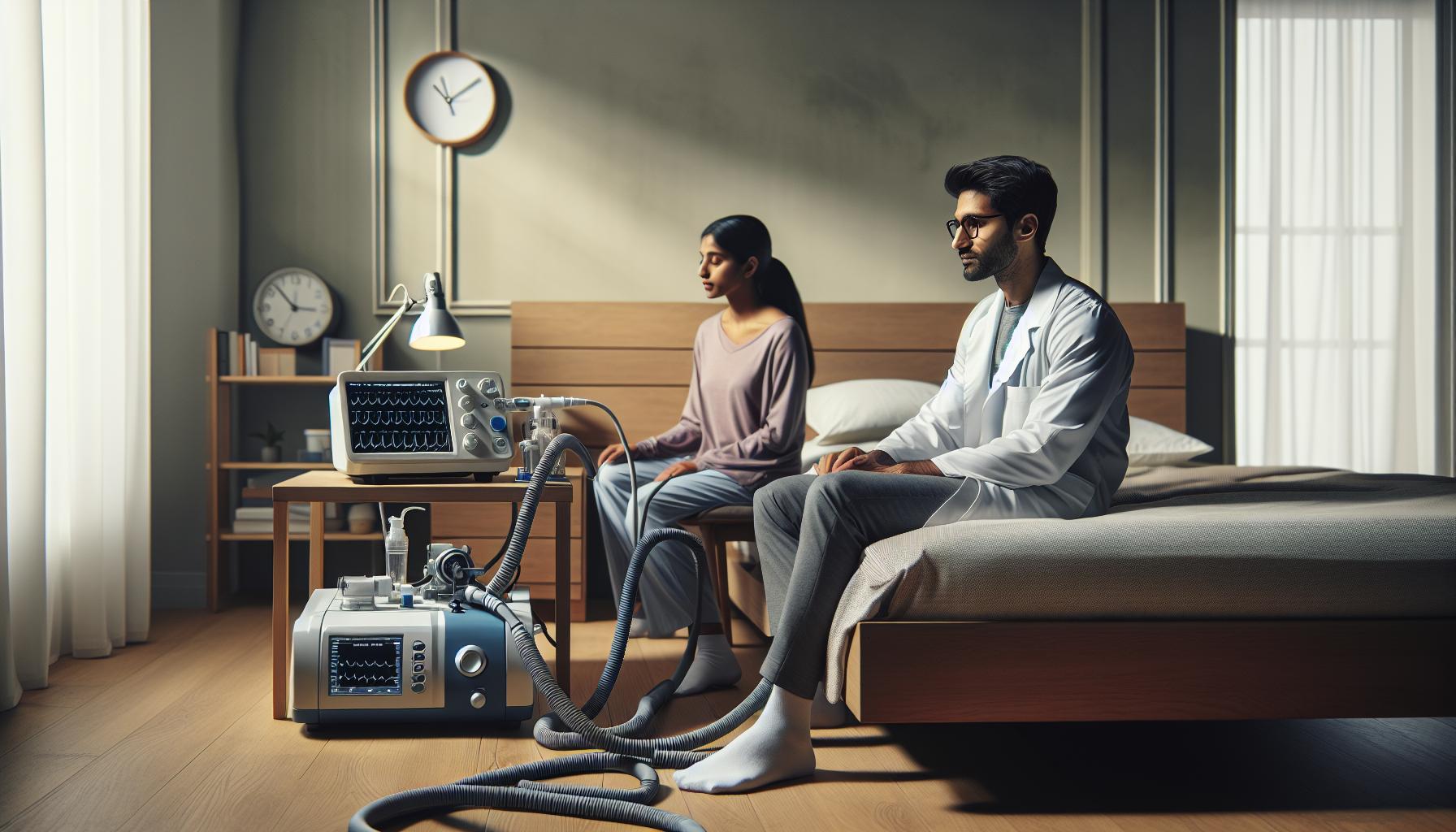
What Does a Sleep Study Involve?
Undergoing a sleep study is a pivotal step towards understanding and addressing sleep disorders, and it can be an enlightening experience. Typically, a sleep study, or polysomnography, is designed to monitor various physiological processes while you sleep, providing crucial data that can lead to accurate diagnoses. Patients are usually invited to a specialized sleep center or may use at-home devices, depending on their specific needs and the recommendations of their healthcare provider.
The process begins with a comprehensive evaluation where a healthcare professional discusses your sleep history and symptoms. This preliminary assessment helps determine the appropriate type of study and necessary preparations. For in-lab studies, you’ll be guided to a comfortable room equipped with advanced monitoring systems. Small electrodes placed on your scalp, face, chest, and limbs track brain waves, heart rate, and breathing patterns. If opting for a home sleep test, you’ll receive a simplified device that typically measures key metrics like breathing and oxygen levels while you sleep in your own bed.
Once the study is initiated, your body’s activity is recorded throughout the night. This includes monitoring the different stages of sleep, such as REM (Rapid Eye Movement) and NREM (Non-Rapid Eye Movement), which are crucial for healthy sleep cycles. After the test, specialists analyze the collected data to identify any underlying issues like sleep apnea, restless leg syndrome, or other sleep-related disorders. It’s common for patients to feel a mix of anticipation and anxiety, but remember, the insights gained can be essential for improving your sleep quality and overall health. Thus, while the logistics of a sleep study may seem daunting, they are an important part of finding your way back to restful nights.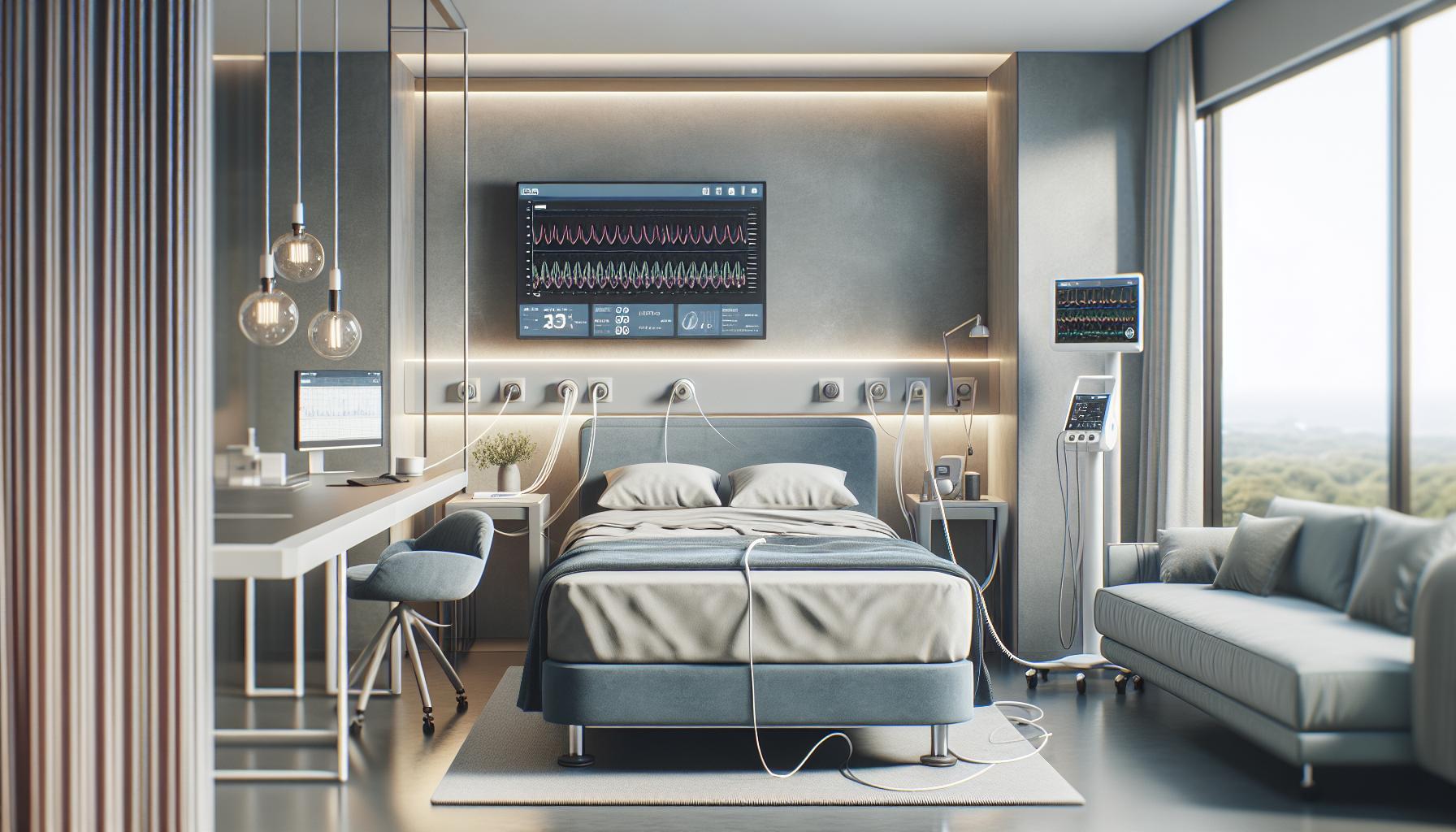
Types of Sleep Studies Explained
Undergoing a sleep study can seem overwhelming, but understanding the different types of studies available can help you make informed decisions about your sleep health. There are generally two main categories of sleep studies: in-lab polysomnography and home sleep tests. Each type serves specific needs based on the severity and nature of sleep disorders.
In-Lab Polysomnography
In-lab sleep studies, or polysomnography, involve an overnight stay at a sleep center where you are continuously monitored by trained professionals. This comprehensive assessment tracks various physiological signals, including brain activity, heart rate, oxygen levels, and muscle activity. You’ll be equipped with several sensors and electrodes on your scalp, face, and body, all designed to provide an in-depth look at your sleep patterns. This type of study is often recommended for complex cases such as suspected obstructive sleep apnea or when other health issues may need consideration.
Home Sleep Tests
Home sleep tests offer a convenient alternative for those who may not require the full scope of monitoring provided in a sleep lab. These simplified devices typically measure essential data points such as airflow, blood oxygen levels, and heart rate. Patients can conduct these tests in the comfort of their own homes, which often leads to a more relaxed testing environment. However, home tests may not capture detailed sleep stages, so they are usually used for clearer cases of sleep apnea or for follow-up assessments rather than initial diagnoses.
Choosing the Right Option
To decide between these two options, consider factors such as your symptoms, previous sleep evaluations, and recommendations from your healthcare provider. If you’ve been diagnosed with a sleep disorder like insomnia or complex narcolepsy, a polysomnography might be essential. Conversely, if you experience symptoms primarily suggestive of sleep apnea, a home test may suffice.
By understanding the capabilities and limitations of each type of sleep study, you empower yourself to advocate for your sleep health effectively. Be sure to discuss any concerns with your healthcare provider to determine the study that best fits your needs.
Factors That Affect Sleep Study Pricing
The price of a sleep study can vary significantly based on several influencing factors, making it essential for patients to understand what can impact these costs. One of the primary determinants is the type of sleep study being conducted. An in-lab polysomnography is generally more expensive than a home sleep test due to the extensive equipment, overnight stay, and professional monitoring involved. Depending on the facility and location, prices for in-lab studies can range from $600 to over $3,000, while home tests may cost between $150 and $500.
Another crucial element is the geographical location of the sleep center. Urban centers typically have higher operational costs, translating into elevated prices for sleep studies. Conversely, rural or smaller community clinics may offer more competitive rates. Insurer agreements with facilities can also affect pricing, as in-network providers often charge lower fees compared to out-of-network providers.
Additionally, individual health conditions may influence the complexity and duration of the study required, potentially increasing the cost. For example, if more extensive testing is needed due to comorbid conditions like obesity or chronic lung diseases, this may necessitate a more thorough assessment, resulting in higher charges.
It’s important to consider that costs can also be influenced by preparation requirements, such as initial consultations or additional tests prior to the sleep study itself. Patients are encouraged to consult with their healthcare providers and insurance companies to clarify expectations and explore all available payment options, such as financing plans or sliding-scale fees based on income. Understanding these factors can help reduce anxiety and empower you to make informed decisions about your sleep health and finances.
Insurance Coverage for Sleep Studies
Navigating can feel overwhelming, but understanding the essentials can empower you to make informed choices about your healthcare. Many insurance plans cover sleep studies, particularly if they are deemed medically necessary for diagnosing conditions like sleep apnea, insomnia, or other sleep disorders. However, the specifics of your coverage can vary widely depending on your insurance provider, plan details, and the type of sleep study you require.
What to Know About Coverage
Typically, in-lab polysomnography is more likely to be covered by insurance than home sleep tests. The reason? In-lab studies are performed under medical supervision and can provide comprehensive data about your sleep patterns. Even so, out-of-pocket costs may still apply depending on your deductible or co-pay agreements. To minimize unexpected expenses, it’s critical to contact your insurance provider before scheduling a sleep study. Ask the following questions:
- Is a referral required from my primary care physician?
- What is the extent of my coverage for sleep studies?
- Are there specific facilities or providers I must use to be covered?
- What costs will I be responsible for, such as deductibles or co-pays?
Pre-Authorization Processes
Most insurance plans require pre-authorization for sleep studies. This means your doctor must provide documentation supporting the medical necessity of the study. Make sure to understand the requirements thoroughly. Failure to obtain proper authorization could result in claims denial and unanticipated bills.
After your insurance verifies coverage, you should receive an outline of estimated costs. Keep in mind that costs can differ based on whether you utilize an in-network or out-of-network provider. In-network facilities tend to offer lower procedures, which can significantly affect your out-of-pocket expenses.
Appealing Denied Claims
If your claim for a sleep study is denied, don’t lose hope. You have the right to appeal the decision. Carefully review the denial notice for the reasons provided and gather any necessary documentation to support your case. Often, a letter from your physician explaining why the sleep study is essential can bolster your appeal.
Understanding your is a critical step in managing your sleep health and finances. Taking proactive steps to clarify your coverage can help reduce anxiety and streamline the process as you seek effective solutions for your sleep concerns.
Payment Options for Out-of-Pocket Expenses
When facing a sleep study, understanding your is crucial for managing your health budget. Sleep studies can vary significantly in cost, ranging from a few hundred to several thousand dollars, especially when performed in a sleep lab. If you’re considering a sleep study, obtaining clear estimates of what you’ll owe is essential to avoiding surprises. Generally, in-lab studies, like polysomnography, tend to be pricier than home sleep tests. Therefore, knowing the type of study you require can help set your expectations for expenses.
Before committing, check with your provider or clinic about payment options and potential financing plans. Many facilities offer payment plans that allow you to spread out the costs over several months, making it less burdensome on your finances. Additionally, inquire about a sliding scale for those who are uninsured or underinsured. Some sleep centers may have financial assistance programs designed to help those experiencing financial difficulties.
It’s also worth considering health savings accounts (HSAs) or flexible spending accounts (FSAs) if you have them available through your employer. These accounts allow you to pay for medical expenses with pre-tax dollars, which can add up to significant savings. While planning, remember that staying proactive regarding your sleep health is not just about finances-it’s also about ensuring you get the appropriate testing and treatment for conditions like sleep apnea or insomnia. Thus, being informed and prepared can help alleviate some fears surrounding the costs associated with a sleep study.
Ultimately, engaging with your insurance provider and the sleep center can help clarify your out-of-pocket costs, allowing you to focus more on achieving better sleep health and less on financial stress.
Home Sleep Tests vs. In-Lab Studies
When it comes to diagnosing sleep disorders, choosing between a home sleep test and an in-lab sleep study can be a crucial decision that impacts both your comfort and your wallet. Home sleep tests (HSTs) are typically less expensive, often costing around $150 to $500, and they offer the convenience of being conducted in the comfort of your own bed. In comparison, more comprehensive in-lab studies, like polysomnography, can range from $1,000 to $3,000, depending on the complexity and duration of the test.
Home sleep tests are designed for individuals who exhibit symptoms suggestive of obstructive sleep apnea. These tests usually involve wearing a simple device that measures your breathing patterns, oxygen levels, and heart rate as you sleep. The setup is straightforward, typically requiring minimal guidance. Most people find them less intimidating since you don’t have to sleep in a strange lab environment. However, while HSTs are efficient for certain conditions, they might not detect all sleep disorders, such as narcolepsy or periodic limb movement disorder, which require a more detailed assessment available through an in-lab study.
In contrast, an in-lab sleep study offers a more comprehensive evaluation. During the overnight stay, technicians monitor your sleep patterns with various advanced tools that can track brain waves, eye movements, and muscle activity. This detailed data helps physicians diagnose a broader range of sleep disorders. While in-lab studies are more invasive and costly, they can provide critical insights that home tests cannot, making them essential for more complex cases.
Ultimately, the choice between a home sleep test and an in-lab study should be guided by your symptoms, the recommendations of your healthcare provider, and your budget. If you’re concerned about costs, it’s worth consulting with your insurance provider to understand your coverage options and any out-of-pocket costs you may incur. Being proactive in your sleep health can not only lead to better rest but can also minimize financial stress associated with sleep assessments.
Preparing for Your Sleep Study
Preparing for a sleep study can feel daunting, but understanding the steps involved and what to expect can significantly ease your anxiety. First and foremost, it’s essential to clarify any logistics with your healthcare provider. Confirm the details of your study, including the date, location, and type of study you will undergo-whether it’s a home sleep test or a more extensive in-lab assessment.
To ensure a successful sleep study, you will want to prepare both physically and mentally. Here’s a list of general preparations to keep in mind:
- Medication Management: Follow your doctor’s instructions regarding medications. Some medications may need to be adjusted or avoided before the study, particularly stimulants or sedatives that could affect your sleep patterns.
- Sleep Schedule: Try to maintain a regular sleep schedule leading up to your study. Avoid drastic changes to your routine, as sleep deprivation can affect the results.
- Avoid Stimulants: Refrain from caffeine and nicotine for at least 12 hours prior to your study, as these can disrupt normal sleep patterns.
- Comfortable Clothing: On the day of your study, wear comfortable pajamas. If you’re going for an in-lab study, bring any personal items that make you feel more at ease.
- Eat Light: You might want to have a light meal beforehand; avoid heavy or spicy foods that could cause discomfort while sleeping.
Many people worry about the equipment used during the study, particularly in-lab assessments that involve various sensors and monitors. It’s helpful to familiarize yourself with these devices ahead of time, as knowing what to expect can alleviate anxiety. In a sleep lab, electrodes will be placed on your scalp, face, chest, and legs to monitor your brain waves, breathing, and heart rate. If you are having a home test, you’ll receive a device to wear that typically includes fewer sensors, making it easier to sleep in your own environment.
Finally, don’t hesitate to bring up any concerns or questions with your sleep technician or doctor before the study. Being informed about every aspect can empower you to approach the assessment with confidence. Taking these steps not only prepares you for the process but also ensures that you get the most accurate results possible, paving the way for better sleep health.
Common Concerns and Myths
Many individuals harbor misconceptions about sleep studies, often leading to unnecessary anxiety and confusion. Understanding the facts can empower you to approach your sleep study with confidence.
One common concern is that sleep studies are overly invasive or uncomfortable. While it’s true that in-lab studies involve sensors attached to your body, the process is designed to be as unobtrusive as possible. The equipment used, such as electrodes, helps monitor your sleep stages, breathing, and heart activity without causing significant disruption. Most patients report feeling comfortable and even forget they are wired up as they drift off to sleep. In home sleep tests, the process is even simpler, providing a more familiar environment to ease any apprehensions.
Another myth is that sleep studies are prohibitively expensive. While costs can vary significantly based on your location and insurance coverage, many insurance plans partially or fully cover sleep studies. It’s crucial to check with your provider to understand what portion of the costs you may need to bear. Some facilities even offer payment plans for out-of-pocket expenses, making the process more accessible.
Lastly, many people believe that sleep studies are only necessary for severe sleep disorders. In reality, if you’re experiencing chronic fatigue, frequent insomnia, or consistent snoring, a sleep study can provide valuable insights, regardless of whether you suspect a serious condition. These tests can assist in diagnosing lesser-known sleep-related issues, allowing you to take proactive steps toward improving your overall sleep health.
Interpreting Your Sleep Study Results
Understanding your sleep study results can feel like deciphering a complex code, but it doesn’t have to be intimidating. Each sleep study provides vital insights into your sleep patterns, revealing critical information about the quality and structure of your sleep. Knowing what to look for can empower you to take actionable steps toward improving your sleep health.
When you receive your results, the report will likely contain several key elements, including information about different sleep stages, the presence of any sleep disorders, and how well you maintained your sleep throughout the night. Here are some aspects to pay attention to:
Key Metrics to Consider
- Sleep Architecture: This includes the different stages of sleep (NREM and REM) and how long you spent in each. A balanced sleep architecture is crucial for restorative sleep.
- Apnea Events: If applicable, your report will detail any instances of obstructive sleep apnea, including the frequency and duration of these events, crucial for understanding potential breathing difficulties during sleep.
- Oxygen Saturation Levels: This measures how well your body is getting oxygen during sleep. Low levels can indicate respiratory issues.
- Sleep Latency: The amount of time it takes for you to fall asleep can provide insights into sleep disorders like insomnia.
- Total Sleep Time: This number indicates how many hours you actually slept and can help determine if you’re meeting the recommended sleep duration.
After reviewing these metrics, it’s essential to discuss them with your healthcare provider. They can help interpret the data in the context of your symptoms and health history, guiding you toward the next steps. For example, if your study indicates significant apnea events, your doctor might recommend lifestyle changes, a CPAP machine, or further testing.
Ultimately, understanding your sleep study results is about creating a clearer picture of your overall health. These insights can help you make informed decisions about treatment options, lifestyle adjustments, and preventive measures to enhance your sleep quality, leading to better overall well-being. With the right information and support, you can navigate your journey to better sleep with confidence.
Alternatives to Traditional Sleep Studies
For those contemplating a sleep study, traditional testing in a lab may seem daunting and expensive. Fortunately, various alternatives can offer insight into your sleep patterns at a fraction of the cost and with less anxiety.
First, home sleep tests are gaining popularity due to their convenience and affordability. These devices typically monitor sleep apnea by tracking your breathing patterns, oxygen levels, and heart rate, all from the comfort of your bed. While they may not provide as comprehensive data as an in-lab polysomnography study, they can still identify significant issues that warrant further investigation. The average cost of a home sleep test ranges from $150 to $500, making it a budget-friendly option.
Another alternative is the use of wearable sleep trackers, available in various forms like smartwatches or fitness bands. These devices collect valuable information such as sleep duration, quality, and disturbances by analyzing your movements and heart rate throughout the night. While wearables are not as medically regulated as formal sleep studies, they can help you identify patterns and make lifestyle changes that improve your sleep hygiene. Popular models can cost between $50 and $300, depending on the technology and brand.
Lastly, innovative technologies are emerging, such as the Eight Sleep Pod, which combines sleep tracking with climate control to optimize your sleeping environment. This smart mattress adjusts temperature based on your sleep stage and provides insights through an app. Though more costly, often ranging from $1,000 to $2,500, such devices can significantly enhance your sleep quality.
In conclusion, while traditional sleep studies remain the gold standard for diagnosing severe sleep disorders, alternatives like home sleep tests and wearable devices provide accessible and effective ways to monitor and improve your sleep health. Evaluate these options based on your symptoms, budget, and comfort level to find the best path towards restful sleep.
Emerging Sleep Technologies and Devices
Innovations in sleep technology are rapidly transforming how we monitor and improve our sleep health, making it easier than ever to understand our sleep patterns without the need for traditional and often costly sleep studies. From smart mattresses that adjust to your needs to wearable devices that track your nightly habits, these advancements offer both convenience and valuable insights.
One of the most exciting developments is the rise of smart mattresses, such as the Eight Sleep Pod. This device not only tracks your sleep patterns but also dynamically adjusts the bed’s temperature based on your sleep stage. By creating a more optimal sleep environment, it can potentially enhance the quality of your rest. With prices typically ranging from $1,000 to $2,500, it’s an investment for those serious about improving their sleep experience. Users often report feeling more rested and awake in the mornings due to the temperature regulation feature.
Wearable sleep trackers are another popular alternative. Devices like smartwatches and fitness bands can provide essential data on sleep duration and disturbances by monitoring movement and heart rate. While these devices may not be as precise as lab-based sleep studies, they serve as effective tools for people looking to make lifestyle adjustments. Prices for these wearables generally range from $50 to $300, making them accessible options for most consumers. They can help users identify patterns in their sleep habits-such as the effectiveness of certain bedtime routines or the impact of exercise on sleep quality.
With the increasing popularity of home sleep tests, many individuals are also benefiting from a balance of technology and convenience. These tests can be conducted in your own home, alleviating some of the anxiety associated with traditional sleep labs. While they typically range from $150 to $500, they provide crucial insights into conditions like sleep apnea, making them a cost-effective choice for initial assessments.
However, it’s crucial to approach emerging technologies with a discerning eye. While they can offer valuable insights, they do not replace professional medical evaluations. If severe sleep issues persist, consulting with a healthcare provider for a comprehensive evaluation is still recommended. The landscape of sleep technology offers promising avenues, empowering consumers to take charge of their sleep health through informed choices.
Frequently Asked Questions
Q: What is the average cost of a sleep study?
A: The average cost of a sleep study ranges from $1,000 to $3,000 depending on the type of study and facility. Insurance may cover some of these costs, so checking with your provider is essential for accurate pricing and coverage details.
Q: Are there cost differences between home sleep tests and in-lab studies?
A: Yes, home sleep tests typically cost $200 to $600, while in-lab studies can be significantly higher, averaging between $1,000 and $3,000. Home tests are less expensive but provide limited data compared to in-lab studies, which are more comprehensive.
Q: How can I prepare for my sleep study to avoid additional costs?
A: To avoid unexpected costs, follow pre-study instructions carefully. This includes avoiding certain medications and alcohol, which could affect results. Ensure you understand what items to bring, like pajamas, to avoid any last-minute purchases. For tips on preparation, refer to the article section on “Preparing for Your Sleep Study.”
Q: Will my insurance cover the costs of a sleep study?
A: Many insurance plans do cover sleep studies, but coverage varies. It’s advisable to contact your insurance provider and check your benefits regarding sleep studies. For more details on navigating insurance coverage, see the article section “Insurance Coverage for Sleep Studies.”
Q: What payment options are available for sleep studies?
A: Payment options may include out-of-pocket payment, insurance claims, and flexible payment plans offered by facilities. Some centers provide financing or credit options for those without insurance. Review the “Payment Options for Out-of-Pocket Expenses” section for more information.
Q: Are there any hidden costs associated with sleep studies?
A: Hidden costs may arise from additional tests, equipment rentals, or follow-up consultations. It’s vital to ask about all potential charges upfront, ensuring you understand the full financial commitment involved. Refer to our article for details on what to expect.
Q: How long does a typical sleep study take?
A: A typical sleep study lasts about one night. However, preparation and setup may require several hours before you actually go to sleep. Discuss scheduling with your provider to understand the time commitment involved. More on this can be found in the “What Does a Sleep Study Involve?” section of the article.
Q: Can I use my home sleep study results to negotiate costs?
A: If you have a home sleep study, you may leverage those results as part of your ongoing healthcare negotiation with your provider regarding costs. Always be transparent about what you’ve learned-this can guide your treatment path and costs effectively. For further insights, check the section “Interpreting Your Sleep Study Results.”
To Wrap It Up
Understanding the costs and payment options for a sleep study can empower you to take significant steps toward better sleep health. Remember, investing in a sleep study is an essential move if you’ve been struggling with sleep disorders or severe fatigue. Act now to find a solution that works for you!
For more information on sleep hygiene practices to create a conducive sleep environment, check out our guide on masterful sleep hygiene here, and learn about how sleep works and why it’s vital for overall health here. If you’re considering sleep tracking devices, we also have a comprehensive comparison of available options that might suit your needs.
Don’t hesitate to leave a comment below or share your thoughts. Your journey to restorative sleep is just a click away-explore our site for additional resources and sign up for our newsletter for the latest updates on sleep health strategies. Take control of your sleep health today!