
Are you one of the many people looking to better understand your sleep patterns? With sleep being a cornerstone of our health and well-being, accurate tracking can lead to improved sleep quality and overall wellness. The Fitbit Charge 6 promises to help you monitor your sleep stages-from light to deep sleep-right from your wrist. But how reliable is its sleep tracking feature? In this article, we’ll dive into how the Fitbit Charge 6 measures your slumber, exploring its strengths and limitations. Whether you’re curious about its accuracy compared to traditional sleep studies or looking for practical tips to enhance your sleep, this guide aims to empower you with insights that can help you make informed decisions about your rest. Let’s embark on this journey to demystify your sleep data and discover ways to optimize your nightly routine!
How Fitbit Charge 6 Measures Sleep Quality
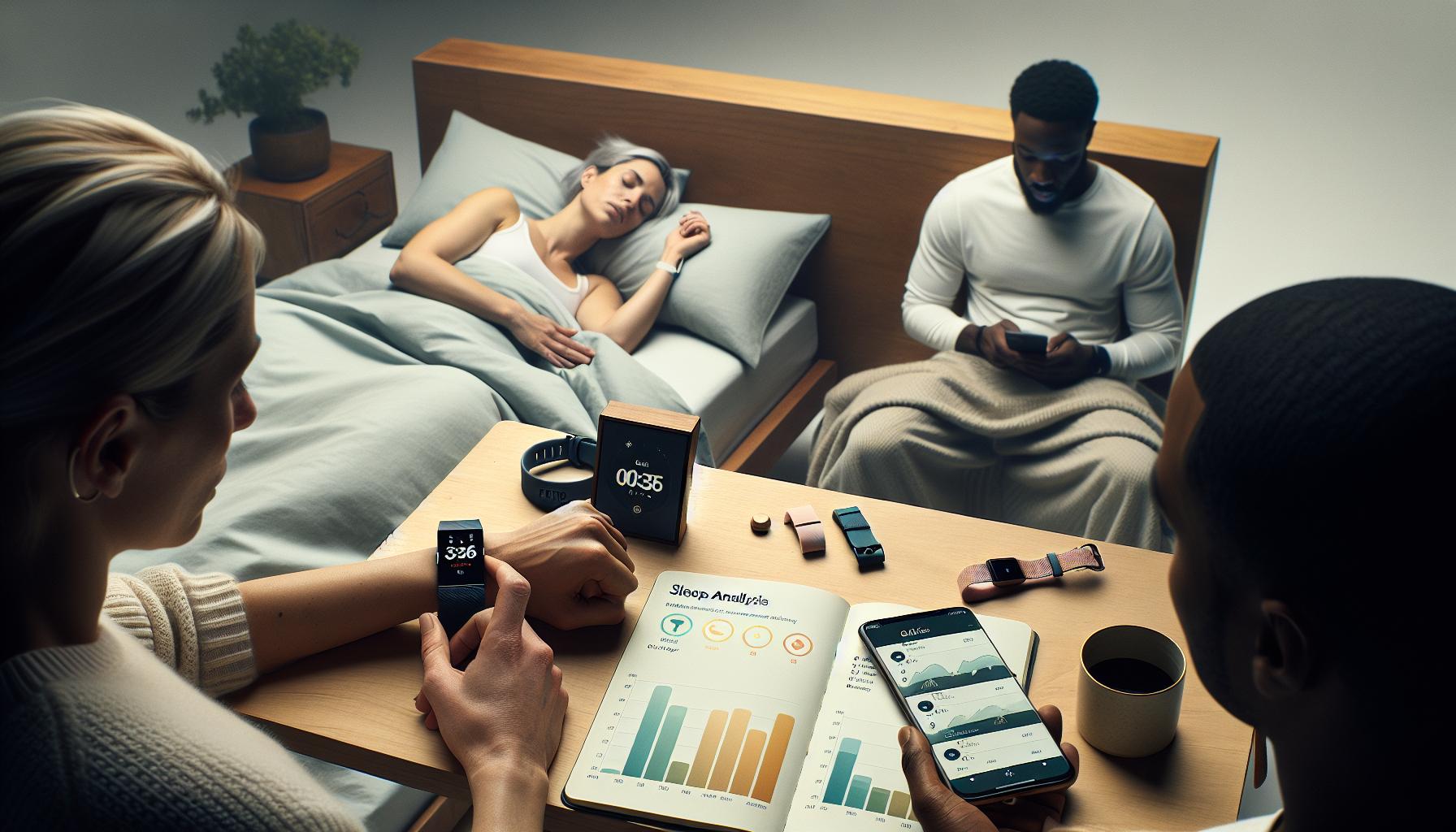
The Fitbit Charge 6 employs advanced sensors and algorithms to provide insights into your sleep quality, making it a valuable tool for those looking to improve their rest. One of the standout features is its ability to monitor heart rate variability and detect changes in movement as you sleep. By using a combination of optical heart rate technology and accelerometer data, the device can differentiate between various sleep stages: light, deep, and REM sleep. This granular level of detail not only helps you understand how long you spend in each stage but also offers a comprehensive overview of your overall sleep quality.
Another key aspect of the Charge 6 is its sleep scoring system, which evaluates various factors such as sleep duration, sleep efficiency, and disturbances throughout the night. This score provides a straightforward metric to understand your sleep patterns and highlight areas for improvement. Additionally, the Charge 6 can offer personalized insights based on your sleep data over time, allowing you to track progress and make informed changes to your bedtime routine. For example, if the tracker notices you consistently have restless nights after late caffeine consumption, it can prompt you to adjust your habits accordingly.
Setting up your Fitbit Charge 6 for optimized sleep tracking is also simple. Ensure that your device is snug on your wrist to accurately record heart rate and movement without any interruptions. Regular updates through the Fitbit app will help maintain the integrity of the tracking data, ensuring you’re making the most of the device’s capabilities. By leveraging these insights, you can build healthier sleep habits that contribute to overall well-being and improved daytime energy levels.
Ultimately, while the Charge 6 provides valuable data, it’s essential to remember that it’s a tool for observation rather than a clinical device. If your sleep issues persist despite adjustments based on tracker insights, consider consulting with a sleep specialist to explore further options.
Comparative Accuracy: Fitbit Charge 6 vs. Other Sleep Trackers
The Fitbit Charge 6 stands out as a contender in the world of sleep tracking devices, but how does its accuracy measure up against other popular sleep trackers on the market? Many consumers are eager for reliable information, especially if they seek to enhance their sleep quality. Fitbit’s advanced sensors, which utilize heart rate variability and movement detection, provide a level of detail that competes well with both budget and premium options.
When comparing the Charge 6 to other sleep trackers, several factors can influence accuracy, such as the technology used, the algorithms powering the data analysis, and user setup. For instance, devices like the Oura Ring focus heavily on precise heart rate measurements and body temperature variations, contributing to their reputation for accuracy. However, Fitbit employs a broader range of metrics, including sleep scores based on sleep efficiency, duration, and disturbances, which adds a layer of context to the raw data.
Key Comparison Points
- Heart Rate Monitoring: Both Fitbit and devices such as the Whoop Strap provide continuous heart rate tracking, but Fitbit combines this with movement data for enhanced sleep stage differentiation.
- Sleep Score Systems: Fitbit’s sleep scoring system is user-friendly, providing insights that are easy to interpret, while others may offer more granular data that could require further research to understand effectively.
- Affordability: Priced around $159, the Charge 6 is competitively positioned against others like the Xiaomi Mi Band, making it accessible for users wanting reliable sleep insights without breaking the bank.
While the Charge 6 shows promising accuracy, it’s essential to acknowledge its limitations. For example, some users have reported discrepancies in sleep stage detection, particularly when compared to more specialized devices designed solely for sleep monitoring, such as Sleep Number’s Intelligent Bed. Yet, for the average consumer looking for comprehensive health tracking beyond just sleep, the Charge 6 delivers a solid overall experience.
Ultimately, the choice between the Fitbit Charge 6 and other trackers will depend on individual needs and preferences. Users desiring detailed insights into their sleep stages may want to explore advanced options, while those who appreciate an all-in-one fitness tracker with a strong sleep functionality will likely find the Charge 6 to be a valuable companion in their quest for better rest.
Understanding Sleep Stages: Insights from Fitbit Data
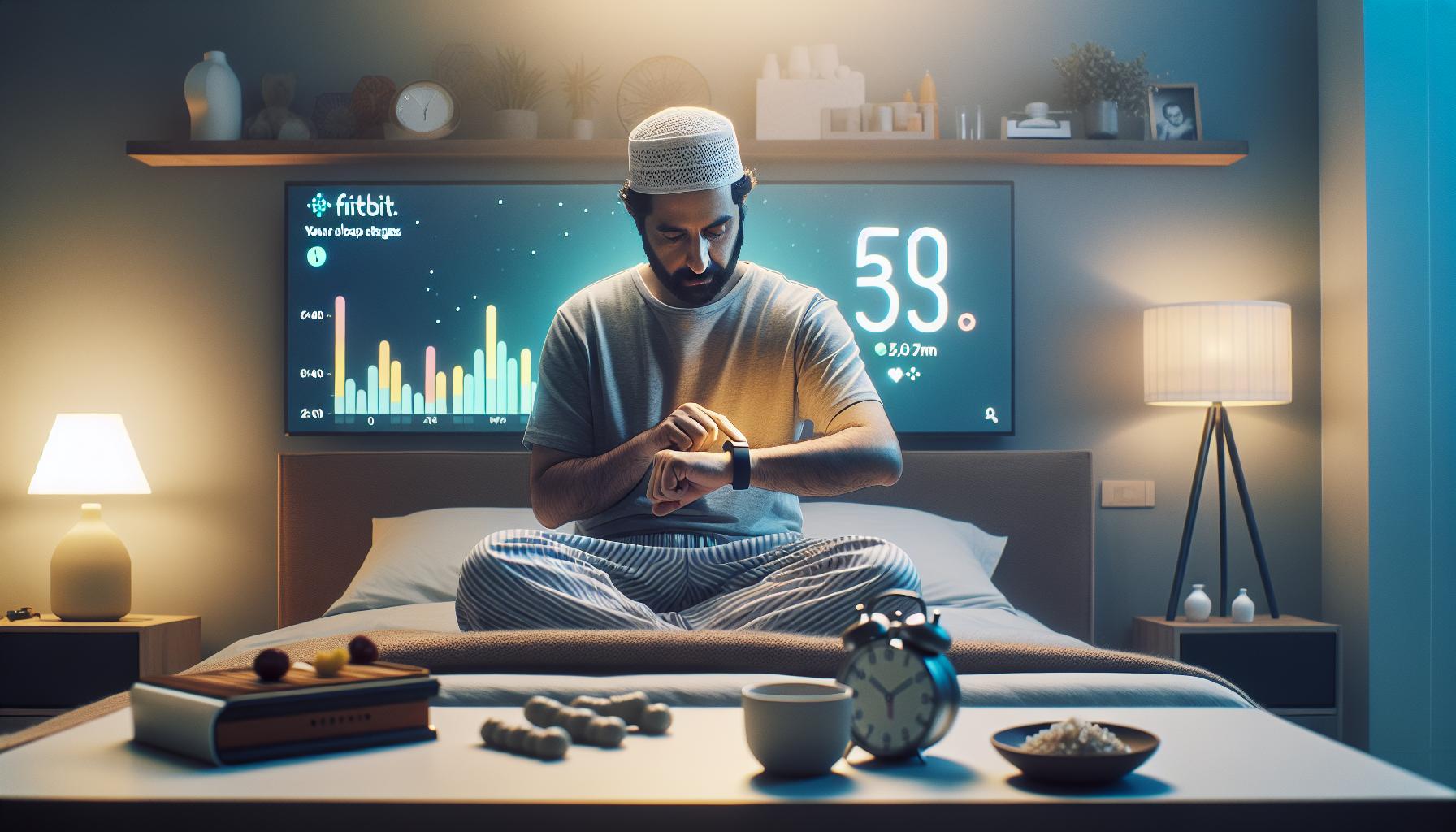
While most people know that sleep is essential for good health, many may not realize the complexities of sleep stages and how devices like the Fitbit Charge 6 can help shed light on them. The Fitbit Charge 6 employs advanced sensors to track not just how much you sleep, but the quality of your sleep as well by breaking it down into various stages: Light Sleep, Deep Sleep, and REM (Rapid Eye Movement) sleep. Understanding these stages can provide valuable insights into your overall sleep health and how rested you feel upon waking.
Fitbit utilizes algorithms that analyze heart rate variability and movement patterns to determine which stage of sleep you’re in, giving you a clearer view of your nightly rest. Each stage serves a unique purpose-Light Sleep helps with transitioning between wakefulness and deeper sleep, Deep Sleep is essential for physical recovery and rejuvenation, and REM Sleep plays a critical role in memory consolidation and emotional health. By providing insights into these stages, the Fitbit Charge 6 allows users to correlate their daytime feelings and performance with their nighttime patterns.
When using the Charge 6, it’s important to view your sleep data as a guide rather than an absolute measure. Fitbit’s sleep tracking is particularly effective for detecting trends over time, helping you to identify factors that may be impacting your sleep quality. For instance, you might notice that restless nights correlate with increased caffeine intake or late-night screen exposure. This empowers you to make informed lifestyle tweaks with the goal of enhancing your sleep experience.
However, while the Fitbit Charge 6 can offer significant insights, it’s essential to approach the data understanding its limitations. Some users may find discrepancies in the detection of sleep stages, especially when compared to more specialized sleep monitoring devices. Thus, while Fitbit can help track sleep patterns and guide improvements, if you’re experiencing chronic sleep issues, a consultation with a sleep specialist may still be warranted. By recognizing both the capabilities and limitations of the Charge 6, you can more effectively leverage its data to improve your sleep health and achieve more restorative rest.
Setup Guide: Optimizing Your Fitbit for Accurate Tracking
To ensure your Fitbit Charge 6 provides the most accurate sleep tracking, proper setup and an understanding of its features are vital. Did you know that correct positioning and wearing the device snugly can significantly enhance its ability to record sleep data? A well-fitted Fitbit will align with your wrist’s contours, allowing sensors to capture heart rate and movement accurately, which are crucial for determining sleep stages.
Start by downloading the Fitbit app and creating an account if you haven’t done so. Connect your Fitbit Charge 6 to the app, and ensure that Bluetooth is enabled on your smartphone. In the app, navigate to the ‘Sleep’ settings and enable sleep tracking. Within these settings, you can customize your sleep schedule, which helps the tracker better understand your sleep patterns. This proactive approach enables the Fitbit to send reminders to wind down before your set bedtime.
Wear It Right
For optimal accuracy, the Fitbit Charge 6 should be worn on your non-dominant wrist. This position minimizes movement interference, enhancing the accuracy of sleep detection. It’s recommended to wear it just above the wrist bone and ensure that it is snug but not too tight-too much friction can disrupt the sensors, while too loose a fit may not collect reliable data.
Adjusting Notifications and Features
Take advantage of the various features that Fitbit offers beyond simple sleep tracking. For instance, turn on sleep mode to prevent the device from vibrating and lighting up during the night. This will help you to have an uninterrupted sleep experience. Additionally, explore the relaxation exercises available in the app before bed, as they can contribute positively to your nightly rest.
Reviewing Sleep Data Regularly
Once you start tracking your sleep, make a habit of reviewing your sleep data daily or weekly. Look for patterns in your sleep stages and total sleep time, as well as correlations with your daily habits. For instance, if you notice a drop in sleep quality after late-night screen time or significant caffeine intake, you may want to adjust those behaviors.
In summary, by ensuring proper setup and understanding how to leverage the Fitbit Charge 6’s features, you can enhance the device’s ability to give you accurate insights into your sleep quality. Frequent engagement with the data allows you to refine your habits, working towards healthier sleep patterns that can significantly improve your overall well-being.
Sleep Tracking Features: What Fitbit Charge 6 Offers
The Fitbit Charge 6 is not just about counting steps or calories; it excels in providing comprehensive insights into your sleep patterns. With advanced features that are designed to help you understand the quality of your sleep, this device stands out as a robust tool for anyone looking to improve their sleep health.
One of the standout features is the Sleep Score, which aggregates various data points-like sleep duration, stress levels, and heart rate variability-to give you an easy-to-understand score that reflects your overall sleep quality. This quick reference can empower users by allowing them to identify trends over time and adjust their habits accordingly. Also, the Charge 6 tracks not just the quantity of sleep but also the quality by differentiating between light, deep, and REM sleep. This granularity allows for more precise adjustments to your sleep environment and routines.
Smart Wake Technology
Another noteworthy aspect is the Smart Wake feature, which lets the device wake you during the lightest sleep phase within a predefined window. This function helps assure that you wake up feeling more refreshed and less groggy, as it aims to align with your natural sleep cycles.
Personalized Insights
Furthermore, the Fitbit app provides personalized insights based on your historical sleep data. You can see patterns correlated with various lifestyle factors, such as caffeine consumption or exercise, providing valuable context. The app even suggests ways to improve your sleep-like setting a consistent bedtime or employing relaxation techniques-which can enhance the quality of your rest.
By offering these advanced sleep tracking features, the Fitbit Charge 6 becomes an essential companion for anyone serious about improving their sleep quality. It arms users with actionable insights and potential solutions, making it not just a tracker, but a partner in their journey toward better health and wellness.
Common Limitations of Fitbit Sleep Tracking
While the Fitbit Charge 6 offers advanced tracking features to monitor your sleep, it’s essential to understand that the device is not infallible. Recognizing these limitations helps users set realistic expectations and make well-informed decisions about their sleep health.
One prominent limitation is that the Charge 6 relies on wrist movements and heart rate monitoring to estimate sleep stages and quality. This method can sometimes lead to inaccuracies, particularly for individuals who have disrupted sleep patterns or conditions like sleep apnea. Some users may find that the device misclassifies awake periods as light sleep, which could distort sleep reports.
Another aspect to consider is the impact of external factors on sleep tracking accuracy. For instance, if you engage in nighttime activities like reading or working, the wrist-worn device might not accurately distinguish between periods of sleep and wakefulness. Furthermore, the Charge 6 may not account for disturbances such as noise or environmental factors that can affect sleep quality. It’s important to keep these elements in mind when interpreting your sleep data.
Data privacy and migration concerns also pose a limitation. Since Fitbit was acquired by Google, there have been ongoing adjustments in data handling, including account migration requirements for users. Those who delay or neglect to transition their data may face deletion of historical sleep records, which diminishes the value of the insights that the Charge 6 can provide. This aspect highlights the need for users to stay proactive in managing their accounts.
In conclusion, while the Fitbit Charge 6 serves as a helpful tool for tracking sleep, being aware of its limitations can empower you to use it more effectively. Consider supplementing it with notes about your lifestyle or additional methods for capturing sleep quality, especially if you suspect sleep disorders or consistently find discrepancies in the wearable’s tracking results. This balanced approach enhances your understanding of your sleep issues and can guide you toward appropriate interventions.
Real User Experiences: Testimonials and Reviews
Many users have turned to the Fitbit Charge 6 to help monitor their sleep, and their experiences vary widely-providing valuable insights into the device’s effectiveness. From those using it casually to track general sleep patterns to others who rely on it for managing sleep disorders, firsthand accounts reveal both strengths and weaknesses in its tracking capabilities.
Several users appreciate the real-time feedback that the Charge 6 offers. For instance, Sarah, a user from California, shared that she found the sleep analysis aspect particularly beneficial. “I love waking up and seeing my sleep score each morning. It helps me understand how late nights or stress impact my sleep,” she explained. Users like Sarah often highlight how the device encourages healthier sleep habits by providing actionable insights based on their sleep data, like recommending earlier bedtimes or suggesting relaxation techniques.
However, some reviews point to issues regarding the accuracy of sleep tracking. Tom, who has struggled with insomnia, noted, “The Fitbit often mistook my periods of wakefulness as light sleep. It left me questioning its accuracy.” This sentiment is echoed among several users who find that external factors-such as noise or an active mental state before bed-may negatively affect the device’s tracking. Users are urged to consider these limitations when interpreting results.
Moreover, many users stress the importance of pairing the device with other sleep hygiene practices for the best results. Feedback suggests that while the Fitbit Charge 6 is a useful conversation starter regarding sleep health, it’s most effective when used in conjunction with traditional methods, such as journaling about sleep patterns and seeking professional advice if sleep concerns persist. Engaging with the community through Fitbit’s platform, users have found strategies and support from others facing similar sleep challenges, enhancing their overall experience.
In summary, while the Fitbit Charge 6 offers innovative sleep tracking features that help many users, it’s vital for potential buyers to manage their expectations and utilize the insights provided as part of a broader approach to sleep health.
Using Fitbit Data to Improve Sleep Habits
Many Fitbit Charge 6 users find their device to be a powerful tool for refining their sleep habits. By analyzing your sleep data, you can uncover patterns and make informed decisions that lead to more restful nights. Utilizing your sleep score, which rates the quality of your sleep each night, is a practical first step. This score helps identify how well you’re sleeping and highlights patterns that may need adjusting. For example, if it’s consistently low, it might signal a need to reassess your bedtime routines or sleep environment.
To effectively leverage the insights provided by your Fitbit, consider implementing the following strategies:
Practical Steps to Enhance Sleep Habits
- Establish a Consistent Sleep Schedule: Aim to go to bed and wake up at the same time each day, including weekends. The Fitbit Charge 6 can help track these habits, allowing you to visualize whether consistency correlates with improved sleep scores.
- Create a Relaxing Bedtime Routine: Incorporating calming activities-such as reading, meditation, or a warm bath-can signal to your body that it’s time to wind down. Your Fitbit can monitor how these relaxations impact your sleep score.
- Optimize Your Sleep Environment: Evaluate factors like room temperature, light levels, and noise. Use the insights from your device to pinpoint what settings enhance your sleep quality. You might find that quieter nights lead to deeper sleep, as reflected in your data.
- Monitor Lifestyle Choices: Keep track of your physical activity, caffeine intake, and screen time in the hours leading up to sleep. Some users report improved sleep when they limit screens and caffeine, which can be tracked using your Fitbit’s activity and heart rate monitoring features.
Engage with Community Insights
The Fitbit platform offers community features where users share tips and experiences regarding sleep challenges. Engaging with others facing similar hurdles can provide new strategies to incorporate into your routine. Whether it’s discovering a new relaxation technique or joining a sleeping challenge, the community aspect can enrich your journey towards better sleep.
Balance Tech and Wellness
While the Fitbit Charge 6 offers valuable data insights, remember that these tools are most effective when paired with holistic sleep hygiene practices. Journaling your sleep patterns or using meditation apps alongside your Fitbit can round out your approach to sleep health. This combination empowers you to understand your sleep behaviors while using the device as a compelling support tool.
Implementing these strategies, grounded in the data collected by your Fitbit, can pave the way for significantly improved sleep habits.
Troubleshooting Sleep Tracking Issues with Fitbit
Sleep trackers like the Fitbit Charge 6 can sometimes seem less reliable than one might hope. It’s not uncommon for users to encounter inaccuracies or inconsistencies during sleep tracking. If you’ve noticed discrepancies in your sleep data, fear not; troubleshooting these issues can often be straightforward and rewarding.
To begin, one of the first steps is ensuring that your device fits snugly on your wrist. A loose fit can lead to inconsistent heart rate readings, which are crucial for accurate sleep stage detection. Aim to wear your Fitbit snugly but not uncomfortably; it should remain secure while you sleep without inhibiting circulation.
Another common issue relates to syncing. Regularly check that your Fitbit is synced with the app on your smartphone. If the connection is shaky or the app isn’t updated, you may miss valuable data points. It’s advisable to do a manual sync or restart your device if the data seems off. Additionally, make sure your device’s software is up to date, as updates often include fixes for known issues.
Battery life can also affect performance. If your Fitbit Charge 6 is running low on battery, it may not track your sleep effectively during the night. Try charging your device before bed to ensure it has ample battery to monitor your sleep cycle properly.
In some cases, external factors can lead to inaccurate readings. For instance, sleep environments with excessive noise, sudden movements, or even temperature fluctuations can influence your quality of sleep tracked by Fitbit. Consider keeping your sleep area quiet, dark, and comfortably cool to enhance accuracy.
Lastly, remember that while the Fitbit Charge 6 offers a wealth of insights, it is not a replacement for professional sleep studies. If concerns about sleep quality persist, it may be worthwhile to consult a sleep specialist who can provide comprehensive testing and tailored advice. Engaging in community forums can also help identify common issues experienced by other users, which might offer breakthrough insights into improving your tracking experience.
Interpreting Your Sleep Score: What It Means
Understanding the sleep score generated by your Fitbit Charge 6 can feel like deciphering a secret code, but it’s simpler than it seems. Your sleep score is a cumulative measure that reflects your sleep quality on a scale typically ranging from 0 to 100. This score is based on several critical factors, including the duration of your sleep, the efficiency of your sleep cycles, and the amount of restful versus disturbed sleep you experienced.
When you receive your sleep score, look at the components that contribute to it:
- Time Asleep: This quantifies the total amount of time you spent sleeping, which is foundational for a good score. Ideally, adults should aim for 7-9 hours.
- Sleep Efficiency: This metric shows how much of your time in bed was spent actually sleeping. High efficiency means minimal tossing and turning.
- Sleep Stages: Understanding the different stages (light, deep, and REM sleep) helps you see where your sleep quality stands. Deep sleep is vital for physical recovery, while REM sleep is crucial for cognitive functions.
- Restlessness: Times when you wake up or move are recorded. Excessive restlessness can significantly lower your score, signaling that your sleep environment or habits may need adjusting.
One way to interpret a number like 75 versus a score of 90 is to consider it in terms of typical sleep standards. A score of 90 implies a well-rested night with ample restorative sleep, while a score of 75 might suggest that while you’re getting some sleep, there are disruptions or insufficiencies that could affect your daily performance.
It’s important to remember that while Fitbit provides valuable insight into your sleep quality, it doesn’t replace comprehensive sleep studies. If your sleep score consistently hovers in the low range, it might indicate an underlying issue worth addressing, whether it be through lifestyle changes, better sleep hygiene, or consulting a sleep specialist.
The Science Behind Sleep Tracking Technology
The ability to track sleep has become a vital component of modern health technology, showcasing how we can leverage personal data for better well-being. The Fitbit Charge 6 uses a combination of advanced sensors and algorithms to monitor and interpret your sleep patterns, offering insights that can help you improve your sleep quality. This device measures specific physiological parameters like heart rate variability, movement, and respiratory rate during sleep, which allows it to differentiate between light, deep, and REM sleep stages with more accuracy than ever before.
Understanding the Technology
At its core, the Fitbit Charge 6 employs optical heart rate monitoring and accelerometry. The optical sensors project light onto your skin, using the light reflected back to gauge blood flow. This not only provides data on your heart rate but also on how it varies as you transition through different sleep stages. The accelerometer captures movement during the night, helping to identify periods of restlessness or stillness, which are crucial for determining how the quality of sleep fluctuates.
Insights and Data Interpretation
The data gathered by the Fitbit Charge 6 translates into a comprehensive sleep score that rates your sleep quality. This score considers several factors, including total sleep time, the efficiency of your sleep cycles, and the time you spend in restorative sleep stages. Understanding how to read these metrics can empower you to make informed adjustments to your sleep habits, such as establishing calming pre-sleep routines or optimizing your sleeping environment for greater comfort.
For example, if the data reveals you’re spending less than the recommended hours in deep sleep, you might consider adjusting your routine-perhaps reducing screen time before bed or experimenting with your sleep position. This ability to interpret and act on personal sleep data is invaluable in a world where sleep issues are increasingly common.
In summary, the technology behind the Fitbit Charge 6 demonstrates how wearables can provide meaningful insights into our health. However, it’s essential to remember that while these devices are powerful tools, they are not substitutes for professional sleep assessments if deeper issues arise. Monitoring your sleep with the Charge 6 can illuminate patterns and habits, but should always be complemented with professional guidance when necessary.
When to Consult a Sleep Specialist vs. Relying on Trackers
When sleep troubles persist despite the insights provided by devices like the Fitbit Charge 6, it may be time to consider professional assistance. Wearable tech can offer valuable data, such as sleep patterns and disturbances, but its interpretation is not a substitute for expert evaluation. Understanding when to consult a sleep specialist is crucial for addressing deeper issues that trackers cannot diagnose. For instance, if you frequently experience excessive daytime sleepiness, loud snoring, or episodes of breathing cessation during sleep, consulting a specialist becomes essential.
### When to Seek Help
Here are some indicators that may suggest a need for professional evaluation:
- Persistent Sleep Issues: If difficulties falling asleep, staying asleep, or waking too early have lasted for weeks or months, professional diagnosis may reveal underlying sleep disorders such as insomnia or sleep apnea.
- Quality Concerns: If your Fitbit data shows good sleep duration but poor quality-like low deep sleep percentages-it may mask hidden issues like anxiety or physiological disturbances.
- Health Conditions: Existing health issues (e.g., diabetes, depression, or cardiovascular disease) can complicate sleep patterns and necessitate a specialist’s evaluation.
### What to Expect from a Sleep Study
If you do decide to see a sleep specialist, you may undergo polysomnography, a comprehensive sleep study that monitors various body functions during sleep. Expect this process to include:
– Monitoring of brain activity, eye movements, and heart rate
– Tracking of oxygen levels and respiratory patterns
– Assessment of leg and arm movements
Sleep studies can provide insights beyond what wearable devices can offer, helping identify specific disorders and guiding treatment strategies that could significantly improve sleep quality.
### Balancing Tech and Professional Insight
While devices like the Fitbit Charge 6 present valuable insights, relying solely on them can create a false sense of security. These wearables serve as a springboard for tracking sleep habits and initiating discussions with healthcare providers but should not replace professional evaluations for persistent issues. Regular use of a tracker, coupled with data interpretation and guidance from sleep specialists, can empower you to take charge of your health and significantly enhance sleep quality.
Using the combination of technology and professional insight allows you to leverage the best of both worlds, ensuring a comprehensive approach to your sleep health.
Q&A
Q: How does Fitbit Charge 6 track sleep compared to traditional sleep studies?
A: The Fitbit Charge 6 utilizes algorithms to analyze movement and heart rate, providing a real-time overview of sleep patterns. In contrast, traditional sleep studies involve polysomnography, which measures brain activity, eye movements, and more for a comprehensive analysis. While Fitbit offers convenience, it may not capture all sleep disturbances as accurately as a sleep study.
Q: Can the Fitbit Charge 6 differentiate between sleep stages effectively?
A: Yes, the Fitbit Charge 6 can distinguish between sleep stages-light, deep, and REM. However, it may lack the precision of clinical devices. Users should view the stage data as a general guide, using insights to enhance their sleep habits, as noted in the section on *Understanding Sleep Stages* in our article.
Q: What factors can affect the accuracy of the Fitbit Charge 6 sleep tracking?
A: Various factors can influence the accuracy of sleep tracking with the Fitbit Charge 6, including how snugly the device fits, user movement during sleep, and overall sleep environment. For optimal results, ensure a proper fit and minimize disturbances in your sleeping area, as discussed in *Setup Guide: Optimizing Your Fitbit for Accurate Tracking*.
Q: Is the Fitbit Charge 6 sleep score a reliable measure of sleep health?
A: The sleep score provided by the Fitbit Charge 6 offers a useful snapshot of sleep quality but should be interpreted with caution. It aggregates data on duration, sleep stages, and interruptions. To better understand what the score means, refer to the *Interpreting Your Sleep Score: What It Means* section in our article.
Q: How long does the Fitbit Charge 6 battery last while tracking sleep?
A: The Fitbit Charge 6 generally has a battery life of up to 7 days, depending on usage and settings. Continuous sleep tracking uses minimal battery, but regular app updates and notifications can affect overall longevity. For tips on prolonging battery life, check the *Setup Guide* in our article.
Q: What should I do if my Fitbit Charge 6 isn’t tracking sleep accurately?
A: If you suspect inaccurate sleep tracking, first ensure the device is worn correctly. Adjust the fit and position, as an improper fit can lead to inaccurate readings. Resetting the device or reviewing device settings may also help, as explored in the *Troubleshooting Sleep Tracking Issues with Fitbit* section.
Q: Are there any specific user experiences that highlight Fitbit Charge 6 sleep tracking accuracy?
A: Yes, user testimonials vary on the accuracy of the Fitbit Charge 6’s sleep tracking. Many report satisfaction with general trends, while others note discrepancies in sleep stage identification. For detailed user insights, refer to the *Real User Experiences: Testimonials and Reviews* section in our article.
Q: How can I use Fitbit data to improve my sleep habits?
A: Users can leverage Fitbit data to identify patterns and make adjustments to improve sleep quality. Refer to the *Using Fitbit Data to Improve Sleep Habits* section for actionable strategies like adjusting bedtime routines and creating a conducive sleep environment. Regularly review your sleep insights for the best results.
Concluding Remarks
As we’ve explored the accuracy of the Fitbit Charge 6’s sleep tracking features, it’s clear that this device can provide valuable insights into your sleep patterns. However, it’s essential to remember that while wearables offer convenience, they might not replace comprehensive sleep studies when necessary. If you’re curious about maximizing your sleep health, don’t miss our guides on interpreting sleep data and understanding sleep disorders.
Ready to take control of your sleep better? Subscribe to our newsletter for tips and updates, and check out our in-depth comparisons of different sleep trackers to find the best fit for you. Leave a comment below sharing your experience with the Charge 6 or any questions you have – we’d love to engage with you! Remember, informed decisions pave the way to better sleep. Visit our site for more resources and keep your sleep journey ongoing!