
Did you know that a sleep study can be accurately conducted with as little as two hours of sleep? This surprising fact helps demystify a process that many dread. Understanding how much sleep is required for a sleep study is crucial for anyone considering this diagnostic procedure. You may be anxious about the potential outcomes or the environment of the sleep clinic, but knowing what to expect can empower you. A sleep study is crucial for identifying issues like sleep apnea, insomnia, or other sleep disorders that could impact your health and well-being. By clarifying the hours needed for a valid test, we aim to alleviate your concerns and guide you toward effective solutions for your sleep challenges. So, let’s dive deeper into this topic and uncover what you need to know before your sleep study appointment.
Understanding Sleep Study Requirements
It’s crucial to grasp the various requirements surrounding sleep studies to ensure a successful diagnosis and treatment of sleep disorders. A sleep study, often conducted overnight in a specialized sleep center or at home, requires a conducive environment and adequate duration to accurately capture your sleep patterns. Typically, a sleep study lasts around six hours, as this timeframe allows healthcare providers to observe multiple sleep cycles including various stages like REM and non-REM sleep, which are essential for assessing sleep quality and identifying potential disorders.
To maximize the efficacy of the study, you should aim to adhere to the recommended sleep duration for your age group prior to the test. For instance, teenagers typically require 8 to 10 hours of sleep, while adults need about 7 to 9 hours nightly, and older adults generally need 7 to 8 hours [[1]](https://pubmed.ncbi.nlm.nih.gov/29073412/). This sleep preparation helps ensure that the data gathered can accurately reflect your normal sleep patterns and behaviors.
What to Expect During a Sleep Study
During the sleep study itself, you’ll be monitored closely while you sleep. This includes wearing sensors that track various physiological parameters such as brain activity, eye movements, heart rate, and breathing patterns. A sleep technician will be present to assist you and monitor the equipment, ensuring that everything is running smoothly throughout the night. It’s normal to feel apprehensive about undergoing a sleep study; however, understanding what to expect can significantly alleviate anxiety. You may be encouraged to bring your own pillow or blanket to help create an environment that feels more comfortable and familiar.
In deciding between an in-lab sleep study and a home sleep test, consider the differences in duration and method. In-lab tests provide more comprehensive monitoring but require you to spend the night away from home, while home tests are longer in duration and primarily focus on diagnosing conditions like sleep apnea. Each option has its unique advantages, so discussing your preferences and concerns with your healthcare provider is essential to making the right choice for your situation.
The Importance of Sleep Duration in Studies
Understanding how much sleep is required for a sleep study can be critical to obtaining accurate results. Research has shown that an ideal sleep study typically lasts around six hours. This timeframe is important because it allows healthcare providers to capture multiple sleep cycles, each composed of different stages that are crucial for diagnosing sleep disorders. Each stage of sleep-from light sleep through deep sleep to REM sleep-plays a significant role in your overall sleep quality and can indicate the presence of various conditions such as sleep apnea or insomnia.
To ensure your sleep study is effective, it’s beneficial to approach it with an adequately rested mind and body. Adhering to the recommended sleep duration for your age group before the test can help. For instance, adolescents usually require 8 to 10 hours of sleep, adults ideally need 7 to 9 hours, and older adults often find 7 to 8 hours sufficient. By achieving these sleep goals in the nights leading up to your study, you prepare your body to present a more accurate reflection of your typical sleep patterns.
A well-rested individual is likely to navigate the study with less anxiety and greater comfort. If you arrive fatigued from poor sleep in the days before your study, it might skew the results, making it harder for specialists to identify any existing issues. Therefore, investing time in fostering good sleep habits prior to your study can be a vital step in the process, ultimately enhancing the data gathered during the monitoring period. Remember, the more representative your sleep data is, the better equipped your healthcare provider will be to tailor an effective treatment plan for your needs.
Typical Hours Needed for Effective Sleep Studies
The effectiveness of a sleep study heavily relies on the duration of sleep that can be monitored. Ideally, for a sleep study to yield meaningful results, patients should aim for a minimum of six hours of sleep. This timeframe is essential because it allows for the observation of multiple sleep cycles, including different stages such as light sleep, deep sleep, and REM sleep. Each stage plays a critical role in understanding one’s sleep quality and can signal potential disorders like sleep apnea or restless leg syndrome.
In preparation for a sleep study, it’s crucial to recognize the recommended sleep durations that vary by age group. Adolescents typically require 8 to 10 hours of sleep, while adults generally need 7 to 9 hours. Older adults often find 7 to 8 hours to be sufficient. By adhering to these guidelines in the days leading up to the study, individuals can help ensure their body reflects its typical sleep patterns more accurately. Arriving well-rested not only enhances the data gathered but can also reduce anxiety associated with the testing environment.
Furthermore, when scheduling a sleep study, consider how previous sleep quality can impact results. If you come into the study feeling fatigued from missed or interrupted sleep, it could hinder specialists from accurately diagnosing underlying issues. Thus, making a conscious effort to prioritize better sleep in the lead-up to your study can be a valuable step in achieving a clearer understanding of your sleep patterns and potential disorders.
Types of Sleep Studies and Their Timeframes
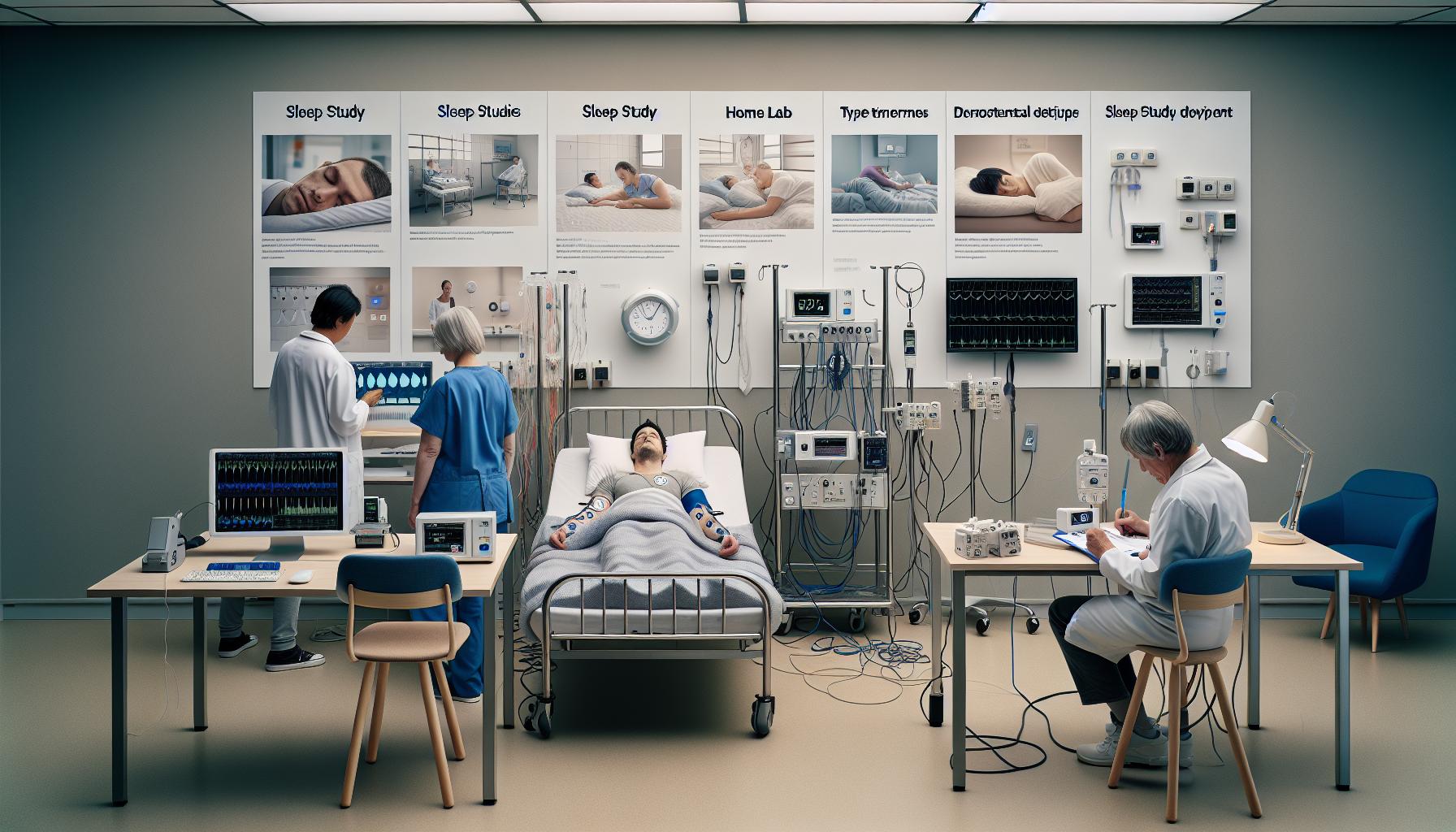
Understanding the various types of sleep studies can demystify the process and help you prepare effectively. Different studies serve different purposes, and their duration can vary based on the specific goals of the assessment. Typically, sleep studies can be categorized into in-lab studies and home sleep tests, each with distinct timeframes and setups.
In-lab sleep studies, known as polysomnography, are comprehensive evaluations performed in a controlled environment. Upon arrival, you can expect the setup process to take approximately 1-2 hours, which includes attaching sensors to monitor brain waves, heart rate, and breathing patterns. Once settled, the actual monitored sleep duration generally spans 6-8 hours, allowing specialists to capture the full spectrum of your sleep cycles during the night. This type of study is ideal for diagnosing complex conditions like sleep apnea or narcolepsy, as it provides real-time monitoring in a sleep lab equipped with advanced technology.
On the other hand, home sleep tests (HST) are designed for convenience and ease of use. These studies usually involve fewer sensors and can often be completed in your own bedroom. HSTs typically require about 6-8 hours of sleep time, similar to in-lab studies, but the setup is usually quicker-around 30 minutes to 1 hour. While home sleep tests are effective for screening sleep apnea, they might not capture as many variables as an in-lab study, making them more suitable for relatively straightforward cases.
Ultimately, choosing the right type of sleep study often depends on the symptoms you’re experiencing and the recommendations of your healthcare provider. Understanding these distinctions can empower you to make informed decisions about your sleep health and what to expect during the testing process.
What to Expect During a Sleep Study Overnight
While preparing for a sleep study, understanding what happens during the overnight monitoring can help alleviate any anxieties. Imagine settling into a cozy room specifically designed for sleep, where advanced technology quietly works to gather crucial information about your sleep patterns. This is exactly what you can expect during an in-lab polysomnography study. Upon arrival, the sleep technician will explain the entire process, ensuring you feel comfortable and informed.
The first step is the setup, which usually takes about 1-2 hours. During this time, technicians will attach sensors to various parts of your body, including your scalp, face, chest, and legs. These sensors monitor vital signs such as brain activity, heart rate, and muscle movement throughout the night. You may feel like you’re wearing a few extra gadgets, but rest assured, they are non-invasive and designed for your comfort.
After the setup, it’s time to sleep. The actual monitored sleep period will last around 6-8 hours. This duration is essential for capturing various sleep stages, including REM (rapid eye movement) and deep sleep, ensuring that healthcare professionals can analyze the data effectively. It’s important to relax and try to sleep as you normally would, as this will provide the most accurate results. If you find it difficult to fall asleep, try to focus on your breathing or listen to soothing sounds.
The environment is typically quiet and dark, mimicking the conditions of your home. Technicians will monitor you closely through a video feed and be available if you need anything during the night. The collected data will later help identify any sleep disorders, such as sleep apnea or restless legs syndrome, and guide your treatment. Understanding this process can empower you to focus on what really matters: getting a good night’s sleep to help with your health needs. Remember, the more relaxed you are, the more insightful the results will be, paving the way for a healthier sleep life.
How Polysomnography Measures Your Sleep
Polysomnography is a comprehensive, multi-faceted process that meticulously measures various dimensions of your sleep. During this overnight study, specialized equipment captures essential data points across several biological activities, offering a detailed insight into your sleep patterns. Understanding how this sophisticated testing works can make the prospect of a sleep study feel less daunting and more enlightening.
Multiple sensors are strategically placed on your body to monitor key physiological functions. These include brain wave activity through scalp electrodes, eye movements to assess different sleep stages, muscle activity from sensors on your chin, and respiratory effort via bands placed around your chest and abdomen. The combination of these measurements allows technicians to evaluate not only the quantity but also the quality of sleep you experience. Each stage of sleep-light, deep, and REM-is critical, influencing how refreshed you feel upon waking.
The data gathered during the night provides a treasure trove of information that assists healthcare providers in identifying potential sleep disorders such as sleep apnea or narcolepsy. For example, if the sensors detect irregular breathing patterns, it can warrant further investigation into obstructive sleep apnea. Each patient’s unique physiological signals contribute to a personalized understanding of their sleep health.
Moreover, technology enhances the accuracy of these measurements. Advanced polysomnography devices can assess your oxygen levels, heart rhythm, and even tension in the limbs, offering a well-rounded view of your overall health during sleep. What’s encouraging is that despite the array of wires and sensors, like a space-age sleep outfit, the setup is designed for your comfort, ensuring that your experience is both informative and as stress-free as possible.
By the end of the night, the results will help you and your healthcare provider navigate your sleep health journey, enabling informed decisions about potential treatments or lifestyle adjustments for better sleep quality. With this knowledge and reassurance about the process, you can approach your sleep study with greater confidence.
Impact of Sleep Stages on Study Outcomes
The intricate world of sleep is not merely about the duration you spend in bed; the quality of sleep, particularly defined by its stages, plays a pivotal role in health outcomes. Each night, your brain cycles through various stages of sleep, including light sleep, deep sleep, and REM (rapid eye movement) sleep. These stages each serve unique and essential functions in regards to physical recovery, memory consolidation, and emotional regulation. Understanding how these stages impact study outcomes can be invaluable for anyone preparing for a sleep study.
When attending a sleep study, the distribution of time spent in each sleep stage is fundamental. A good sleep study will not only measure total sleep time but also evaluate the architecture of your sleep-how much time you spend in each of these critical stages. For instance, non-REM sleep is vital for restorative processes, while REM sleep is essential for cognitive functions such as memory and problem-solving. If the results show that you are not reaching these stages adequately, it could indicate an underlying condition, such as sleep apnea, that disrupts your normal sleep patterns [[1]].
Moreover, polysomnography-a typical method in sleep studies-offers a comprehensive view of your sleep cycle. Using multiple sensors, technicians can track brain waves, eye movements, and muscle activity, which allows for a thorough understanding of your unique sleep pattern. By analyzing these signals, healthcare providers can tailor recommendations for improving sleep quality. For example, if the study reveals a predominance of light sleep without adequate deep or REM stages, this could lead to a diagnosis and subsequent treatment options designed to restore a healthier sleep architecture [[2]].
Finally, it’s worth considering the difference between home sleep tests and in-lab studies. While both can provide valuable insights, in-lab studies are generally more comprehensive, capturing a fuller picture of your sleep stages compared to home tests. This is critical since inaccurate or incomplete information could lead to misdiagnosis or ineffective treatment plans. Thus, for anyone undergoing a sleep study, recognizing the significance of sleep stages can empower you to make more informed decisions regarding your health and well-being.
Home Sleep Tests vs. In-Lab Studies: Duration Differences
When considering a sleep study, one of the most critical decisions you’ll face is whether to opt for a home sleep test or an in-lab study. Both methods aim to diagnose sleep disorders, but they differ significantly in setup, duration, and scope, which can be decisive when evaluating your personal health needs.
Home sleep tests are designed for convenience and typically require just one night of sleep. The device setup is simple and takes only a few minutes, allowing you to test your sleep in the comfort of your own bed. However, not all sleep disorders can be accurately diagnosed with a home test, particularly those that require comprehensive data collection across multiple sleep parameters. For those who experience severe symptoms or have a complex medical history, an in-lab study may be more suitable.
In contrast, in-lab studies can last longer and involve multiple nights if necessary. This comprehensive approach provides detailed insights into your sleep architecture by utilizing polysomnography, a method that tracks various physiological signals such as brain waves, eye movements, and muscle activity. The data collected is more extensive, allowing healthcare professionals to evaluate sleep stages more accurately and identify disorders that might not be detected through home assessments. Furthermore, any issues with the sleep environment can be addressed on-site, and professional guidance is available throughout the study.
Ultimately, the choice between a home sleep test and an in-lab study should be based on multiple factors, including your specific symptoms, the complexity of potential sleep disorders, and personal comfort with different testing environments. Here are a few key considerations to remember:
- Comfort and Environment: Home tests are less intimidating and allow you to sleep in a familiar setting, while in-lab studies offer medical oversight.
- Data Accuracy: In-lab studies provide a comprehensive look at your sleep patterns, which is vital for accurate diagnoses.
- Duration: Home tests generally take a single night, whereas in-lab studies may span several nights to ensure thorough evaluation.
- Cost: Home sleep tests are often less expensive compared to the comprehensive services provided in sleep labs.
By weighing these factors, you can make a more informed decision that aligns with your health goals and enhances your overall sleep quality.
Patient Experiences: Real-Life Sleep Study Stories

When it comes to sleep studies, real-life experiences can offer invaluable insights that help ease anxiety and build understanding. Many patients enter sleep studies with apprehensions, wondering what the night will be like and how much sleep will be necessary to yield useful results. Notably, a single night of monitored sleep can often be sufficient, with some studies only requiring about two hours of sleep to gather meaningful data, as supported by sources emphasizing the essential nature of sleep duration for diagnostic validity [[1]].
Take the story of Sarah, who struggled with persistent fatigue and suspected sleep apnea. She opted for an in-lab sleep study where professionals monitored her overnight. Despite her initial nerves, she found the setup and environment surprisingly comfortable. The technicians provided clear explanations, reassuring her about the various sensors attached to her body. Sarah ended up sleeping for nearly six hours, far exceeding the required threshold, leading to a detailed analysis of her sleep patterns and ultimately a diagnosis that allowed for targeted treatment.
On the other hand, John chose a home sleep study out of convenience and comfort. Having recently read that home testing allowed flexibility, he set up the device in his own bed. The process was straightforward, taking only a few minutes to prepare. However, John learned that while home tests can provide valuable insights, they typically have limitations. In his case, a follow-up in-lab study became necessary after his home test indicated potential breathing issues during sleep. His experience underscores the importance of knowing when to escalate to more comprehensive testing-a crucial lesson for many navigating sleep health.
These narratives, among countless others, highlight not just the importance of adequate sleep duration but also the array of outcomes based on the chosen testing method. As prospective patients prepare for their sleep studies, acknowledging these varied experiences can alleviate fears and encourage clarity about the process ahead. Remember, whether opting for the cozy familiarity of home or the thoroughness of a lab, the ultimate goal remains the same: a path toward better sleep health and quality of life.
Navigating Insurance for Sleep Study Costs
Navigating the cost of a sleep study can seem daunting, yet understanding your insurance coverage can significantly ease this process. Sleep studies, whether conducted at a sleep clinic or in the comfort of your home, can range in price from $1,000 to over $10,000. The variability in costs often comes from factors such as location, type of study, and the specifics of your insurance plan [[3]].
To make sense of potential costs, it’s essential to first check with your insurance provider regarding their coverage for sleep studies. Here are some key points to consider:
- Pre-authorization: Many insurance plans require pre-authorization for a sleep study, especially if it’s conducted in a lab. This means you may need your doctor to submit specific information justifying the need for the test.
- Copayments and Deductibles: Be aware that your insurance may have copayments for specialist visits, typically ranging from $30 to $100, which can add to your overall expenses.
- Co-insurance: After meeting your deductible, you might still have to pay a percentage of the costs-commonly 20% to 30%-for the study.
- In-network vs. Out-of-network: Confirm if the sleep center is in-network, as costs can vary significantly. Out-of-network services can lead to much higher out-of-pocket expenses.
For example, Maria, who needed a sleep study to investigate her snoring, found that her insurance covered most of the costs after she confirmed the lab was in-network. However, she still had to pay her deductible and a copayment, which totaled around $300. Conversely, her friend Jake opted for a home sleep test but learned that his plan only partially covered it. He ended up paying $600 despite the convenience.
Being proactive by verifying coverage details and clearly understanding your financial responsibility can make the sleep study process much smoother. Always keep documentation of your communications with the insurance company and any medical referrals or coding received from your provider to ensure a seamless claims experience. By equipping yourself with the right information, you can alleviate some of the financial stress associated with obtaining a sleep study and focus more on improving your sleep health.
Preparing for Your Sleep Study: Essential Steps
Preparing for a sleep study can feel overwhelming, but taking the right steps can ensure a smoother and more beneficial experience. Understanding your specific needs and making preparations in advance can help reduce anxiety and improve the effectiveness of the study.
One of the first things to consider is the importance of sleep duration leading up to your study. A good night’s rest before you arrive is vital, as insufficient sleep can impact the results. Generally, you should aim to maintain your regular sleep schedule in the days leading up to the study, avoiding significant alterations to your routine. Additionally, it’s wise to avoid napping during the day before your study to ensure you are adequately tired for the night.
Essential Steps for Preparation
Here are some practical steps to take as you prepare for your sleep study:
- Consult Your Doctor: Discuss any medications with your physician, as some may need to be adjusted or paused prior to the study.
- Personal Hygiene: Shower and wash your hair on the day of the study. However, refrain from using hair products like gels or sprays, as they can interfere with the sensors.
- Clothing Choices: Dress comfortably for the night, favoring loose-fitting clothing that allows for ease of movement while you sleep.
- Avoid Stimulants: Refrain from consuming caffeine and nicotine on the day of the study, as these can inhibit your ability to sleep soundly.
- Bring Essentials: Consider taking along personal items that could help you feel more comfortable, like your favorite pillow or a book.
Understanding what to expect can greatly alleviate any anxiety you may feel. During the sleep study, electrodes will be placed on your scalp, face, and body to monitor various sleep stages and physiological responses. This setup can often be done quickly and is essential for accurate readings.
By following these guidelines and being proactively prepared, you’ll maximize your chances of obtaining insightful results to advance your sleep health. Whether you’re looking into a home sleep test or an in-lab study, these preparatory steps will help ensure that you’re ready for each stage of the process.
Managing Anxiety Before Your Sleep Study
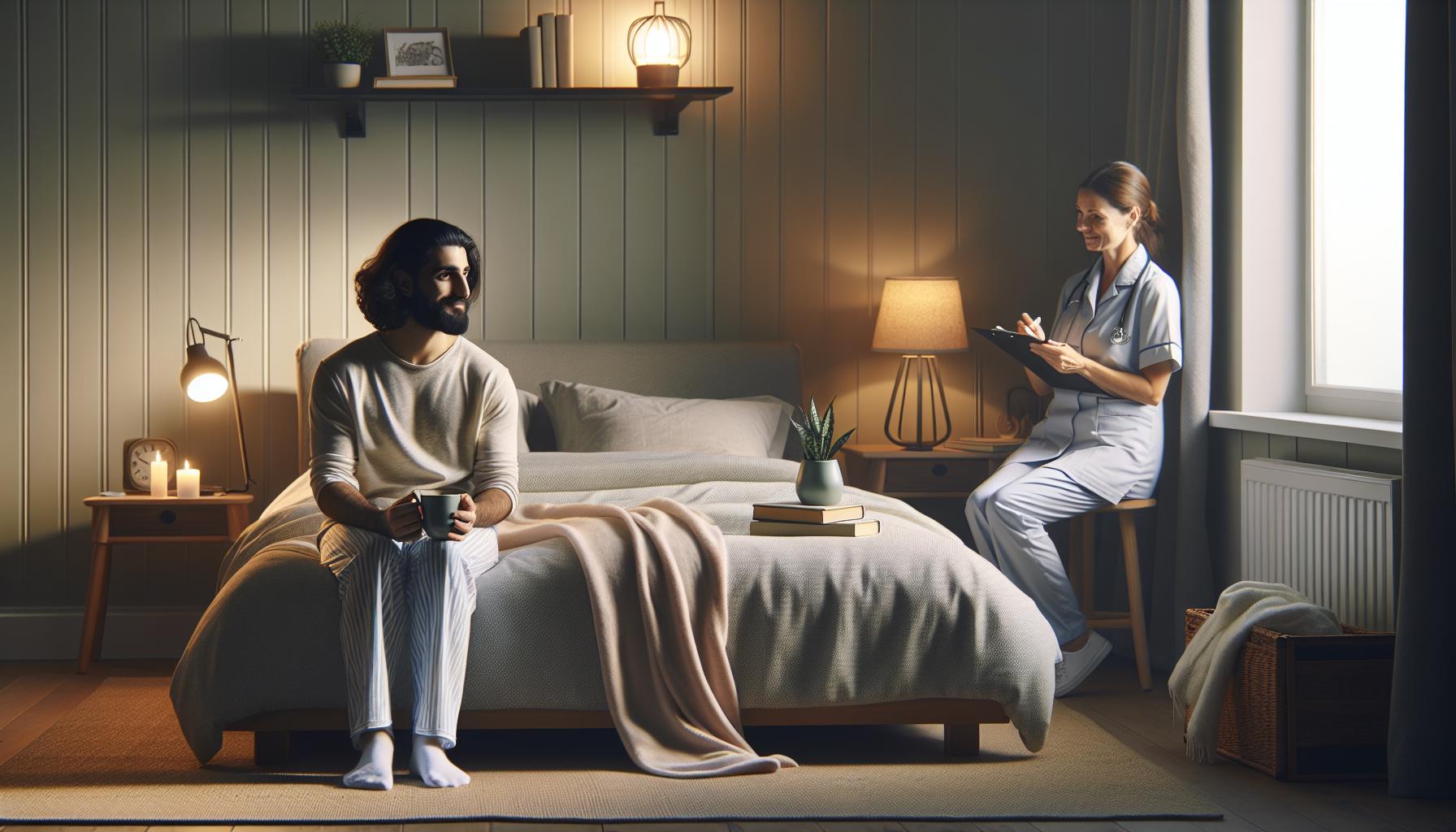
Feeling anxious before your sleep study is completely natural, and understanding how to manage this anxiety can make a significant difference in your experience. The anticipation of being monitored overnight while you sleep, combined with concerns about the testing process, can create a sense of unease. However, you can take several mindful steps to calm those nerves before your study.
Firstly, familiarize yourself with the details of the sleep study. Knowing what to expect can greatly reduce anxiety. Most studies will involve your arrival at the clinic where a technician will guide you through the setup process. Understanding that you’ll be monitored through non-invasive electrodes attached to your body can help demystify the experience. A simple breathing exercise or a brief meditation before going to the clinic can also help center your thoughts and ease any apprehension.
It’s also helpful to address any practical concerns that may be causing stress. Make sure you’ve consulted with your healthcare provider about any medications you are taking. They can provide valuable insights on how to prepare for the study which can offer you peace of mind. Additionally, packing comforting items such as a favorite pillow or relaxing music can ease the stress of the unfamiliar environment.
Remember, you’re not alone in this process. Many people share similar feelings before their studies, and healthcare professionals are there to support you. Engaging in conversations with them can help alleviate worries. Lastly, try to keep a positive mindset focused on the benefits of the study: better sleep health and clearer answers regarding your sleep issues. By addressing your concerns head-on, taking practical steps, and maintaining a focus on the end goal, you can navigate this experience with greater confidence and ease.
Frequently asked questions
Q: How many hours of sleep do I need for a sleep study?
A: Typically, you will need to sleep for at least 6 to 8 hours during a sleep study to gather accurate data. This duration allows for the assessment of different sleep stages and disorders. Prioritize a good night’s sleep before your scheduled study for optimal results.
Q: What happens if I don’t get enough sleep before a sleep study?
A: If you don’t get enough sleep, the study may yield inconclusive results. Insufficient sleep can prevent the detection of sleep disorders. It’s best to aim for your usual sleep schedule before the study to ensure accurate monitoring of your sleep patterns.
Q: Can I take medication before a sleep study?
A: Yes, you can take prescribed medications, but consult your doctor prior to your sleep study. Certain medications may impact your sleep quality or the study results. Stick to your doctor’s guidance regarding medication use.
Q: What should I do if I feel anxious about the sleep study?
A: To manage anxiety, consider practicing relaxation techniques such as deep breathing or meditation. It’s also helpful to discuss your concerns with your healthcare provider or the sleep center staff, who can provide reassurance and guidance for your study preparations.
Q: Are there any dietary restrictions before a sleep study?
A: Yes, it’s recommended to avoid caffeine and heavy meals at least a few hours before your sleep study. These factors can disrupt your sleep patterns and affect the test results. Prioritize a light dinner and maintain hydration without excessive fluid intake.
Q: Will I sleep in a regular bed during the study?
A: Yes, sleep studies often take place in comfortable, private rooms equipped like regular bedrooms. You will be connected to monitoring equipment while sleeping in a familiar setting, ensuring comfort and a natural sleep environment.
Q: What is the difference between in-lab and home sleep tests regarding duration?
A: In-lab studies usually require a full overnight sleep, while home sleep tests may vary in length, typically requiring a similar night’s sleep. In-lab studies provide a comprehensive evaluation by specialists, while home studies focus on basic data collection.
Q: How can I prepare my sleep environment before a sleep study?
A: Ensure your sleep environment is calm and conducive to rest. Eliminate noise and light disturbances, and follow your typical bedtime routine to help replicate your normal sleep setting for more accurate results.
For more insights, you may want to read our section on What to Expect During Your Sleep Study Overnight for a smoother experience.
Key Takeaways
Understanding how much sleep is required for a sleep study is crucial for ensuring an accurate assessment of your sleep health. Remember, preparing adequately can enhance your experience and provide valuable insights into your sleep patterns. If you’re eager to improve your sleep quality or explore disruptive sleep disorders, consider diving into our articles on “Understanding Sleep Stages” and “How to Prepare for Your First Sleep Study” for more in-depth guidance.
Don’t let sleep issues linger-take charge of your health today! For added support, check out our consultation services or subscribe to our newsletter for the latest tips and resources. We invite you to share your thoughts in the comments below or connect with others who are navigating similar challenges. Your journey toward better sleep starts here; let’s explore it together!