
In the quest for optimal performance, athletes often turn to technology for insights into their health, particularly sleep tracking. WHOOP is a prominent player in this space, offering detailed analytics on sleep patterns and recovery. But how accurate is WHOOP’s sleep tracking, and can it genuinely enhance athletic performance? Understanding these nuances is crucial for athletes who rely on precise data to tailor their training and recovery strategies. As we dive into the accuracy of WHOOP’s sleep monitoring, we’ll explore how this technology can empower athletes to make informed decisions for better rest and improved performance outcomes. Stay tuned as we unravel the key features, potential limitations, and real-world experiences of those who have integrated WHOOP into their routines.
How Whoop Sleep Tracking Works for Athletes
Athletes today are increasingly turning to technology to enhance their performance and recovery, and Whoop’s sleep tracking feature presents a cutting-edge solution tailored for their unique needs. Unlike traditional sleep monitors, Whoop utilizes a combination of heart rate variability, resting heart rate, and sleep duration to deliver comprehensive insights into an athlete’s sleep quality. This approach not only helps in maintaining optimal rest but also aligns closely with their training schedule, ultimately maximizing their performance outputs.
What sets Whoop apart is its continuous monitoring that operates seamlessly throughout the night, capturing data even in the most subtle fluctuations of sleep. When athletes wear the Whoop strap, it quantifies vital metrics, such as deep sleep, REM sleep, and light sleep stages, allowing athletes to better understand their recovery processes. The device is designed to adapt to varying schedules, whether it’s a long training camp or a competitive event, ensuring that sleep performance is optimized based on specific athletic demands.
To make the most of Whoop’s sleep tracking, athletes should establish consistent sleep routines that reflect their training regimens. This means prioritizing both quality and quantity of sleep in a way that complements their physical exertion. For example, athletes can review their nightly sleep insights to identify patterns that correlate directly with performance highs and lows. This data-driven approach empowers them to tweak their nightly habits, ensuring they’re not just logging hours in bed but truly recovering efficiently for peak athletic performance.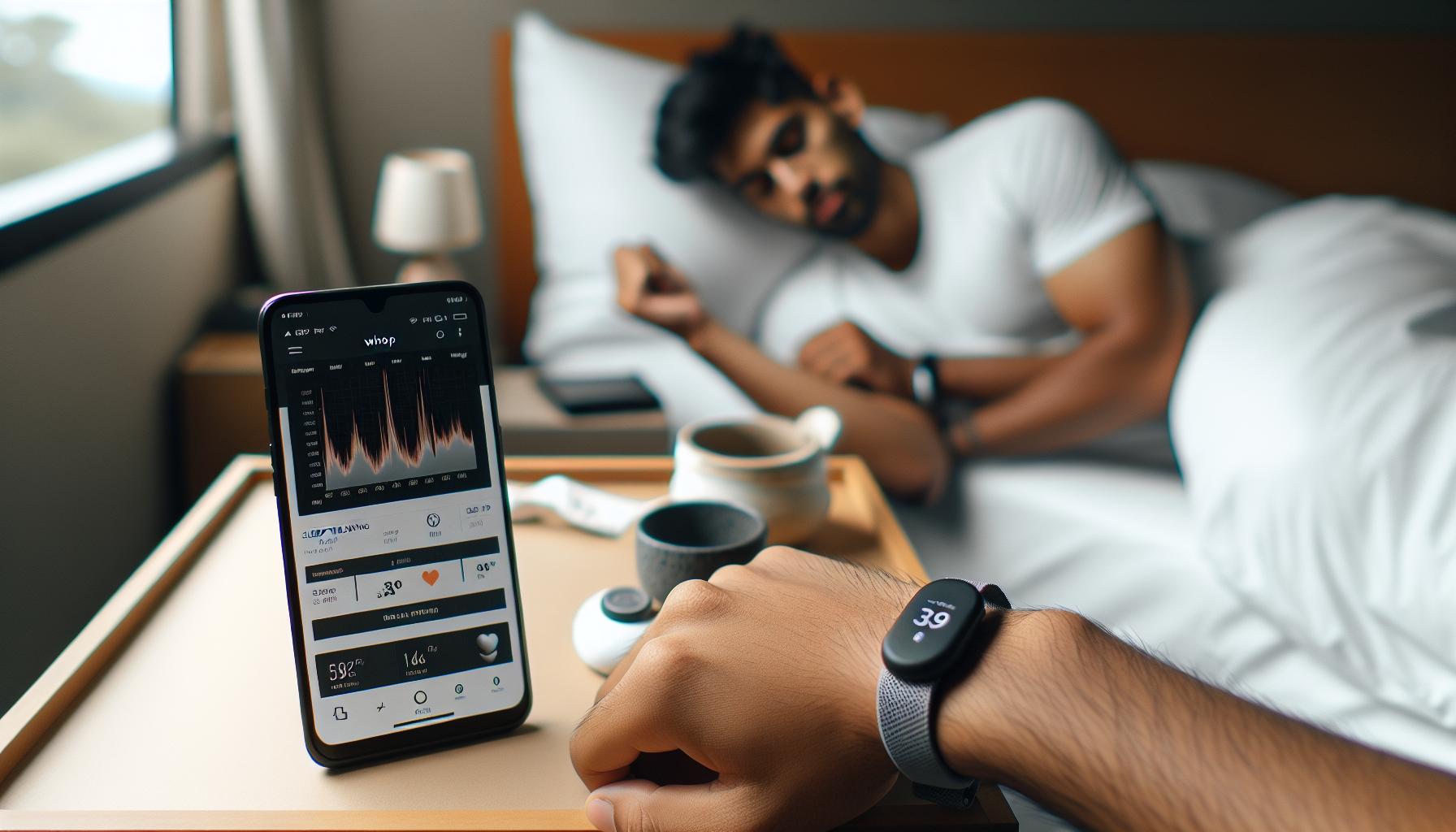
Real-World Accuracy: Whoop vs. Traditional Methods
Athletes often seek tools that not only enhance their performance but also offer reliable metrics for recovery. One such innovative tool is the Whoop strap, which claims to provide a revolutionary take on sleep tracking. To understand its accuracy compared to traditional methods like polysomnography (PSG) or wrist actigraphy, it’s essential to delineate how Whoop operates and the scientific basis underlying its functionalities.
Traditional sleep analysis methods, particularly PSG, involve monitoring via sensors placed on the body to capture detailed electroencephalogram (EEG) readings and other metrics in a controlled environment. This method is considered the gold standard for diagnosing sleep disorders but is often impractical for daily monitoring due to its complexity and the need for clinical settings. In contrast, Whoop leverages a continuous, non-intrusive method that includes heart rate variability, resting heart rate, and sleep duration to provide insights into the quality of an athlete’s sleep. These metrics are gathered passively throughout the night, making it easier for athletes to track their recovery without disrupting their sleep environment.
While Whoop’s data is generated through sophisticated algorithms analyzing heart rate data, its accuracy can vary based on several factors, including the position of the strap during sleep and individual physiological responses. Many athletes have attested to the practical relevance of the data, feeling that the insights they gain promote better sleep hygiene and recovery practices. However, it’s important for users to remember that while Whoop can provide valuable feedback on sleep trends, it may not capture the granular details that medical-grade equipment like PSG can provide, such as specific sleep disorders.
Athletes considering Whoop should weigh the benefits of continuous monitoring against the limitations of less comprehensive sleep data. Keeping a balance between convenience and depth of information is key. For athletes engaged in rigorous training, the real-time feedback from Whoop can foster better sleep habits, while also serving as a complement to more traditional methods if serious sleep issues are suspected. Understanding these distinctions can help athletes utilize Whoop effectively to enhance their recovery and overall performance.
Understanding Sleep Stages with Whoop
Understanding how Whoop tracks sleep stages can significantly enhance an athlete’s approach to recovery and performance. Unlike traditional methods that often require comprehensive sensor setups, Whoop simplifies the process by utilizing advanced algorithms to analyze heart rate and heart rate variability. This enables athletes to gain insights into their sleep architecture, including time spent in different sleep stages, without the need for cumbersome equipment.
When you wear the Whoop strap overnight, it passively collects data on your heart rate, which reflects your physiological responses throughout the night. From this data, Whoop estimates the duration spent in each sleep stage: light sleep, deep sleep, and REM sleep. Each stage serves a crucial role in recovery:
Benefits of Understanding Sleep Stages
- Light Sleep: Essential for transitioning between sleep cycles, helping to preserve overall sleep quality.
- Deep Sleep: Known as restorative sleep, it is vital for muscle recovery and growth, making it especially critical for athletes.
- REM Sleep: Plays a key role in cognitive function and memory consolidation, which are important for learning new techniques or strategies.
By analyzing these stages, athletes can pinpoint areas to target for improvement. For instance, if an athlete notices insufficient deep sleep, they might modify their evening routine-perhaps by eliminating caffeine or establishing a more consistent sleep schedule. Whoop also provides personalized recommendations based on sleep data, promoting better sleep hygiene and practices tailored to individual needs.
However, it’s important for users to navigate Whoop’s findings with some caution. While the device provides valuable insights, it doesn’t replace in-depth methods like polysomnography, which offer detailed tracking of brain waves and other physiological indicators. Instead, Whoop is a practical and accessible tool that can help athletes optimize their recovery and align their training with their body’s unique rhythms. As such, integrating Whoop’s data into a broader understanding of sleep can empower athletes to make smarter decisions that enhance both their rest and performance.
User Experiences: Case Studies from Athletes
Many athletes are turning to Whoop for insights into their sleep and recovery, but how reliable are these readings? Case studies from actual users shed light on this topic and provide a glimpse into the versatility of the device for different athletic needs.
For example, a professional triathlete reported using Whoop to track her sleep patterns during intense training periods. She discovered that her body required more deep sleep after long bike rides than previously thought. By adjusting her nightly routine-such as reducing screen time and implementing a wind-down period-she managed to increase her deep sleep duration by nearly 30%. This adjustment not only improved her overall recovery but also translated into better performance in her races.
Similarly, a college football player utilized Whoop to monitor his sleep before and after games. He noticed that post-game sleep quality deteriorated significantly, which affected his energy levels during practice. By recognizing these patterns, he worked with his coach to adjust training schedules and emphasize recovery days, allowing him to optimize his performance while balancing the demands of school and sport. His experience highlights the importance of not just tracking sleep but also understanding the individual impact of training schedules and game days.
Many users appreciate the personalized insights the device offers, but some have raised concerns about its accuracy compared to traditional sleep studies. While Whoop provides a good overview of sleep stages, it does have limitations. For those experiencing significant sleep issues, they may still benefit from professional evaluation through polysomnography, which provides a more comprehensive analysis.
In conclusion, athletes report varying experiences with Whoop’s sleep tracking capabilities, showcasing its ability to customize recommendations for more effective recovery. As more users share their stories, it becomes evident that the real strength of Whoop lies in its capacity to enhance awareness of sleep patterns, guiding athletes toward smarter training decisions based on data-driven insights. Incorporating Whoop into a training regimen can offer a practical, user-friendly approach to optimize rest and recovery without replacing traditional methods for severe sleep concerns.
Common Concerns: Limitations of Whoop Sleep Tracking
Many athletes are drawn to Whoop for its potential to aid in recovery and optimize performance, but it’s vital to be aware of its limitations in sleep tracking. While the device provides a wealth of data regarding sleep patterns, several concerns persist regarding its accuracy and comprehensiveness compared to traditional sleep studies.
For one, Whoop relies on a combination of heart rate variability and movement to estimate sleep stages. This methodology can lead to inaccuracies, particularly during restless nights. Users have noted that while Whoop does a commendable job of detecting sleep duration, the breakdown between REM, deep, and light sleep may not always align with more clinical evaluations, such as polysomnography, a standard sleep study conducted in a controlled environment. Athletes with specific sleep disorders or chronic issues may find that the insights from Whoop don’t reflect their experiences accurately enough.
Additionally, the device may struggle to capture all the nuances of individual sleep patterns. For example, an athlete may find that lifestyle factors-like high training loads or stress levels-impact sleep quality, but Whoop’s simplified metrics might not fully encompass these complexities. In such cases, a detailed analysis from a sleep specialist could provide insights that a wearable cannot.
Despite these limitations, Whoop’s ability to track trends over time can be advantageous. Athletes who use the device to adjust their routines based on aggregated sleep data may still glean valuable insights. However, it’s crucial to approach the data critically and consider supplementing it with more precise evaluations when necessary. For those relying heavily on their sleep quality for performance, maintaining a dialogue with sleep health professionals can ensure that they are not solely dependent on wearable technology, thus balancing the use of innovative tech with traditional methods.
How to Maximize the Benefits of Whoop Sleep Data
Utilizing Whoop for sleep tracking can unlock significant benefits for athletes when approached strategically. The key lies not just in the data provided, but in how that data is interpreted and applied. To make the most of Whoop’s sleep insights, consider these practical steps that go beyond mere tracking.
Understand Your Baseline
Begin by establishing a baseline for both your sleep and training patterns. For a couple of weeks, focus on recording your usual sleep data without making major changes. This allows you to identify your average sleep duration, efficiency, and the different stages of sleep as reported by Whoop. Use this data to detect any obvious trends or patterns.
Implementing Sleep Hygiene Practices
Good sleep hygiene can enhance the quality of the sleep measured by Whoop. Here are some practices to consider:
- Consistent Sleep Schedule: Go to bed and wake up at the same times every day, even on weekends.
- Sleep Environment: Ensure your sleeping space is dark, quiet, and cool.
- Limit Stimulants: Avoid caffeine and electronic devices close to bedtime.
By refining your sleep environment and rituals, you’re likely to notice improved metrics on your Whoop device.
Analyzing Trends Over Time
Rather than focusing solely on daily sleep numbers, pay attention to longer-term trends. Whoop provides insights that can show how different training loads, travel, or stress levels affect your sleep quality. For instance, you might uncover that intense training weeks correlate with decreased REM sleep, prompting you to adjust your recovery protocols accordingly.
Engage with Professional Guidance
For athletes with specific needs or those who consistently struggle with sleep quality, it’s beneficial to seek advice from sleep specialists or coaches. They can help interpret your Whoop data within the broader context of your health and performance goals, potentially recommending interventions or additional assessments, such as polysomnography, when necessary.
By critically engaging with the data Whoop provides and integrating it with smart practices, athletes can maximize the wearable’s potential to enhance their performance through improved sleep.
Comparing Whoop to Other Sleep Trackers
When it comes to sleep tracking, athletes are increasingly turning to devices like Whoop for their unique blend of functionality and insights. However, understanding how Whoop stacks up against other sleep trackers is crucial in determining the best option for individual needs and goals. Unlike basic pedometers or sleep apps, Whoop specializes in providing in-depth analytics that extend beyond simple sleep duration; it assesses recovery, strain, and overall health metrics.
One notable advantage of Whoop lies in its focus on sleep stages and recovery. The device uses advanced algorithms to analyze heart rate variability (HRV) and sleep quality, giving users a comprehensive overview of their nightly rest. In comparison, popular consumer-friendly sleep trackers like Fitbit may offer sleep stage estimation but often lack the granularity that elite athletes require. This can be particularly crucial for those whose performance hinges on understanding the nuances of their sleep patterns.
Additionally, many sleep trackers, such as the Oura Ring, excel in certain areas like wearability and comfort. The Oura Ring is less obtrusive and can be worn throughout the day without being noticed, which may be appealing for those who dislike wearing wristbands during sleep. However, Whoop’s dedicated approach to performance tracking, combined with its seamless integration into an athlete’s daily routine, makes it a compelling choice for serious competitors.
To get a clearer picture, here’s a quick comparison of features:
| Feature | Whoop | Fitbit | Oura Ring |
|---|---|---|---|
| Heart Rate Monitoring | Continuous, with strain tracking | Continuous | Continuous |
| Sleep Stage Analysis | Detailed, with recovery insights | Basic | Moderately detailed |
| Strain Tracking | Yes | No | No |
| Subscription Model | Yes | No | No |
Ultimately, the choice between Whoop and other sleep trackers should be guided by specific needs-whether it’s purely for sleep analysis or an all-encompassing health and performance tool. Understanding what each device offers can empower athletes to make informed decisions, aligning their selection with their training regimes and personal health requirements.
Integrating Whoop Data into Your Training Regimen
Incorporating Whoop data into your training regimen can transform the way athletes approach their performance and recovery. Unlike basic fitness trackers, Whoop offers detailed insights into strain, recovery, and sleep, all of which are crucial for optimizing training and achieving peak performance. By understanding how to effectively use this data, athletes can customize their routines to align better with their physical capabilities and overall health goals.
One practical step is to regularly review your recovery scores, which are based on heart rate variability (HRV) and sleep quality metrics. After a particularly strenuous workout, check your recovery score the following day to gauge how your body is responding. A lower recovery score might indicate the need for a lighter training day or additional rest, guiding you to listen to your body’s signals. This strategy can prevent overtraining and reduce the risk of injury, allowing for sustainable progress over time.
Additionally, athletes can look at sleep data to pinpoint optimal rest patterns that enhance performance. Whoop tracks various sleep stages and provides insights into how many hours of restorative sleep are needed based on your activity levels. Implementing a consistent sleep schedule, targeting how to improve your ‘sleep debt,’ and using the insights from Whoop can make a significant difference in energy levels and performance. For example, if data shows poor sleep quality affecting your daily strain, it may be beneficial to prioritize sleep hygiene-comfortably optimizing your bedroom environment or avoiding caffeine close to bedtime.
Lastly, integrating Whoop into a team or group setting can amplify its benefits. By sharing recovery scores and strain levels with coaches or teammates, you encourage a collaborative approach to training; insights can inform collective training sessions that consider the varying recovery needs of team members. Utilizing these strategies creates a more holistic and informed training environment, ultimately leading to better results on the field or court.
The Science Behind Sleep Tracking Technology
Using advanced sleep tracking technology, wearables like Whoop have revolutionized how athletes understand their rest and recovery. Unlike traditional methods, which often rely on self-reported data or basic monitors, Whoop employs a combination of heart rate variability (HRV), motion detection, and sleep pattern analysis to provide a comprehensive view of sleep quality. The distinction lies not just in the metrics gathered, but in how they are processed. Utilizing algorithms that analyze physiological data collected throughout the night, Whoop accurately estimates sleep stages: light, deep, and REM.
One key aspect of Whoop’s technology is its continuous heart rate monitoring, which plays a crucial role in assessing recovery. By tracking your heart rate throughout the night, Whoop can identify variations that indicate whether you’re getting restorative sleep. This insight is vital for athletes, who must balance training load with recovery-ensuring they wake up refreshed and ready to perform at their best.
The accuracy of Whoop’s sleep tracking compares favorably with traditional sleep studies conducted in specialized clinics, which utilize polysomnography (PSG). While PSG provides in-depth analysis through sensors attached to the body, including brain activity, Whoop offers a more accessible and practical way for athletes to gather sleep data regularly. Although Whoop’s data may not be as exhaustive as that of a PSG, the wearable provides sufficient insights for most users to optimize their recovery without the need for complicated setups.
Incorporating these insights into training regimens is essential. It’s not just about tracking sleep; it’s about understanding how sleep patterns correlate with performance metrics. Athletes can leverage Whoop’s detailed sleep analysis-such as how long they spend in each sleep stage-to strategize their training schedules dynamically. For example, if Whoop indicates insufficient time in REM sleep, athletes might prioritize lighter training days or additional rest to counteract potential declines in performance. Thus, the technology empowers athletes to make informed choices, optimizing both their training and recovery through personalized data.
In summary, Whoop stands out as a promising tool in the realm of sleep technology, especially for athletes seeking to enhance their performance. The blend of real-time monitoring, sophisticated data analysis, and actionable insights positions it as a frontrunner in fitness wearables, providing a sustainable approach to achieving athletic excellence.
Expert Insights: Sleep Specialists Weigh In
Sleep is often an athlete’s secret weapon, so understanding how technology like Whoop tracks sleep can be crucial for optimizing performance. Sleep specialists agree that accurate sleep tracking is beneficial but urge athletes to keep a balanced perspective. According to Dr. Sarah H. Goldstein, a sleep expert with over a decade of experience, “While Whoop offers insightful metrics, it’s essential to remember that technology should complement, not replace, professional sleep assessments.”
One significant benefit of Whoop is its continuous heart rate monitoring, a feature praised by sleep experts for its role in gauging recovery. Dr. Jonathan M. Lee emphasizes, “This feature allows athletes to closely monitor variations in heart rate and sleep patterns, which can indicate how well-rested they truly are.” In fact, the heart rate variability (HRV) data provided by the device can serve as a guide for training intensity, allowing users to tweak their workouts based on recovery status.
However, specialists often caution that Whoop’s data is most beneficial when viewed in conjunction with subjective feelings. Dr. Emily R. Baxter notes, “Self-awareness in how one feels upon waking or throughout the day can help contextualize the data. If an athlete feels unrested despite what the tracker indicates, it may hint at deeper issues, perhaps related to stress or overall mental well-being.” This symbiotic relationship between technology and self-reflection empowers athletes to make informed decisions about their sleep and training schedules.
In conclusion, while Whoop provides valuable insights, it should be part of a broader approach that includes professional guidance and personal experience. Athletes should feel encouraged to share their data with healthcare professionals if they have specific sleep concerns or notice inconsistencies in their recovery, ensuring they maintain both physical and mental health as they pursue peak performance.
Setting Up Your Whoop for Optimal Sleep Tracking
is a critical step in harnessing the full potential of this powerful device. Achieving accurate and useful sleep data involves not just wearing the band, but engaging in a few simple practices that can enhance its effectiveness. Here’s how to ensure you’re getting the most out of your Whoop while you sleep.
First and foremost, it’s essential to wear your Whoop strap consistently, particularly during sleep. Position the band just above your wrist bone, ensuring that it sits snugly without causing discomfort. Consistency is key; wear it every night, as this enables the device to gather data across different sleep cycles and variations in your routine, ultimately delivering more reliable insights.
Next, you should sync your Whoop device with the app regularly. This integration allows you to monitor your heart rate variability (HRV) and sleep quality in real-time. Make sure to input any relevant sleep conditions-such as your bedtime, wake-up time, and any disturbances-into the app. This personalized data input will help Whoop understand your unique sleep patterns, enhancing its tracking accuracy.
Another important aspect to consider is the sleep environment itself. While Whoop can provide insights based on physiological data, a conducive sleep environment greatly influences the quality of your rest. Aim for a dark, cool, and quiet room, and establish a calming bedtime routine. These practices not only foster better sleep but also help you interpret the data from Whoop more effectively-connecting how certain conditions might influence your sleep quality over time.
Lastly, it’s beneficial to review your data regularly and reflect on your sleep patterns. Whoop provides a comprehensive post-sleep summary, including your sleep performance, stages, and recovery metrics. Take time each week to analyze these insights and adjust your training or relaxation strategies accordingly. For instance, if you’re consistently waking up unrested, consider implementing changes like evening wind-down practices or modifying workout intensity as indicated by your overall recovery scores.
By focusing on these foundational practices, you empower yourself to optimize both your sleep tracking with Whoop and the overall quality of your rest, which is crucial for peak athletic performance.
Troubleshooting Common Issues with Whoop Sleep Tracking
When utilizing the Whoop strap for sleep tracking, some users may encounter common issues that can affect the accuracy and usability of the data collected. Addressing these troubleshooting points can help enhance your experience and ensure that you are making the most of this innovative fitness tool.
First, incompatibility between the Whoop strap and your body can impede accurate readings. If you notice discrepancies in your sleep data, check to ensure that the strap is snug but not too tight on your wrist, positioned just above the wrist bone. Additionally, it’s important to keep your device charged. A low battery can lead to missed data points, which may skew your overall sleep analysis.
Another frequent concern relates to syncing between the Whoop device and the app. If you find your sleep data is not reflecting in the app, try closing and reopening the app or restarting your device. Regular synchronization is essential for receiving the latest updates. Moreover, if your Whoop strap appears to be malfunctioning (for example, not detecting sleep sessions), consider performing a factory reset, which can often resolve underlying software issues.
To maximize the effectiveness of Whoop’s sleep tracking features, consider maintaining a journal of your sleep environment and habits. Document variables such as room temperature, noise levels, and pre-sleep activities. This context can help you interpret the data better and identify external factors impacting your sleep quality, allowing you to make necessary adjustments to improve your rest.
Lastly, if you continue experiencing problems, consulting Whoop’s customer support resources is advisable. Their FAQs and support system can provide solutions tailored to specific issues, ensuring you get the most reliable insights from your Whoop device. By following these troubleshooting steps, you can enhance the accuracy of your sleep tracking and better utilize the data for your athletic performance.
Frequently asked questions
Q: How does Whoop measure sleep accuracy compared to traditional methods?
A: Whoop uses heart rate variability and motion data to analyze sleep patterns, providing insights into sleep quality and duration. While traditional methods like polysomnography are considered the gold standard, Whoop’s accuracy is often praised for personal monitoring, making it a viable option for athletes in tracking sleep without the need for clinical settings.
Q: What features enhance Whoop’s sleep tracking for athletes?
A: Whoop’s sleep tracking is enhanced by personalized insights based on recovery metrics, heart rate variability, and daily strain levels. This holistic approach not only tracks sleep stages but also integrates them with athletic performance, allowing athletes to optimize their training regimens based on in-depth analysis.
Q: Can Whoop sleep tracking help with sleep disorders?
A: While Whoop can provide insights into sleep patterns and quality, it should not replace professional medical advice for diagnosing sleep disorders. However, the data collected can help users identify trends or anomalies, prompting them to seek further evaluation from a sleep specialist if needed.
Q: How often should I wear Whoop to get accurate sleep data?
A: For optimal accuracy in sleep tracking, it is recommended to wear Whoop consistently during sleep. Continuity allows the device to learn and adapt to your unique sleep patterns, improving the quality and reliability of the insights it provides, as discussed in the section on maximizing Whoop data benefits.
Q: What improvements were made in Whoop 5.0 regarding sleep tracking?
A: Whoop 5.0 introduced refined sensors and algorithms for improved accuracy in sleep tracking. It also offers a lighter design for enhanced comfort, which resolves user experience issues, ensuring data are captured more seamlessly during sleep, as highlighted in comparisons of Whoop’s versions.
Q: How does Whoop differentiate between light and deep sleep stages?
A: Whoop employs advanced algorithms analyzing heart rate variability and movement patterns to differentiate between light, deep, and REM sleep stages. This approach provides athletes with valuable insights into the quality of their sleep, aiding in recovery and performance enhancement.
Q: What are common limitations of Whoop’s sleep tracking accuracy?
A: Common limitations include potential inaccuracies during restless nights or disruptions. Environmental factors like temperature or noise can affect readings, and while Whoop provides valuable insights, it may not always perfectly align with clinical assessments, as noted in the common concerns section.
Q: How can I optimize my Whoop settings for better sleep tracking?
A: To optimize Whoop for better sleep tracking, ensure it’s snugly fitted, calibrate your sleep schedule in the app, and maintain a consistent bedtime routine. Regularly reviewing your sleep insights can also help you discuss changes with a trainer or coach to enhance performance outcomes.
In Summary
In conclusion, Whoop sleep tracking offers valuable insights for athletes seeking to optimize their rest and recovery. While the data may not be perfect, many users find it a powerful tool in understanding their sleep patterns and enhancing performance. If you’re considering adding a sleep tracker to your routine, explore our comprehensive guide on setting up sleep studies and the latest wearables, and don’t miss our comparison of Eight Sleep tech for an informed choice.
Ready to take control of your sleep health? Sign up for our newsletter to receive tips, expert advice, and updates on cutting-edge sleep technology. Have questions or thoughts about your experience with Whoop? Share your comments below-your insights help others navigate their sleep journey. Dive into related content to keep the conversation going, and remember, every step you take towards better sleep is a step towards improved well-being.