
Sleep is essential to our well-being, yet many people struggle to get enough quality rest. With the rise of sleep tracking apps, you may wonder if these tools can really help improve your sleep. From monitoring snoring patterns to analyzing sleep stages, these applications aim to bridge the gap between technology and personal health. As you delve into the world of sleep tracking, you’ll discover the pros and cons, what science says about their effectiveness, and how they might help you achieve a better night’s sleep. Whether you’re tackling insomnia or simply looking to enhance your sleep quality, understanding how these apps work is key to making informed choices for your sleep journey. Join us as we explore the science-backed truths behind sleep tracking apps and their potential impact on your nightly rest.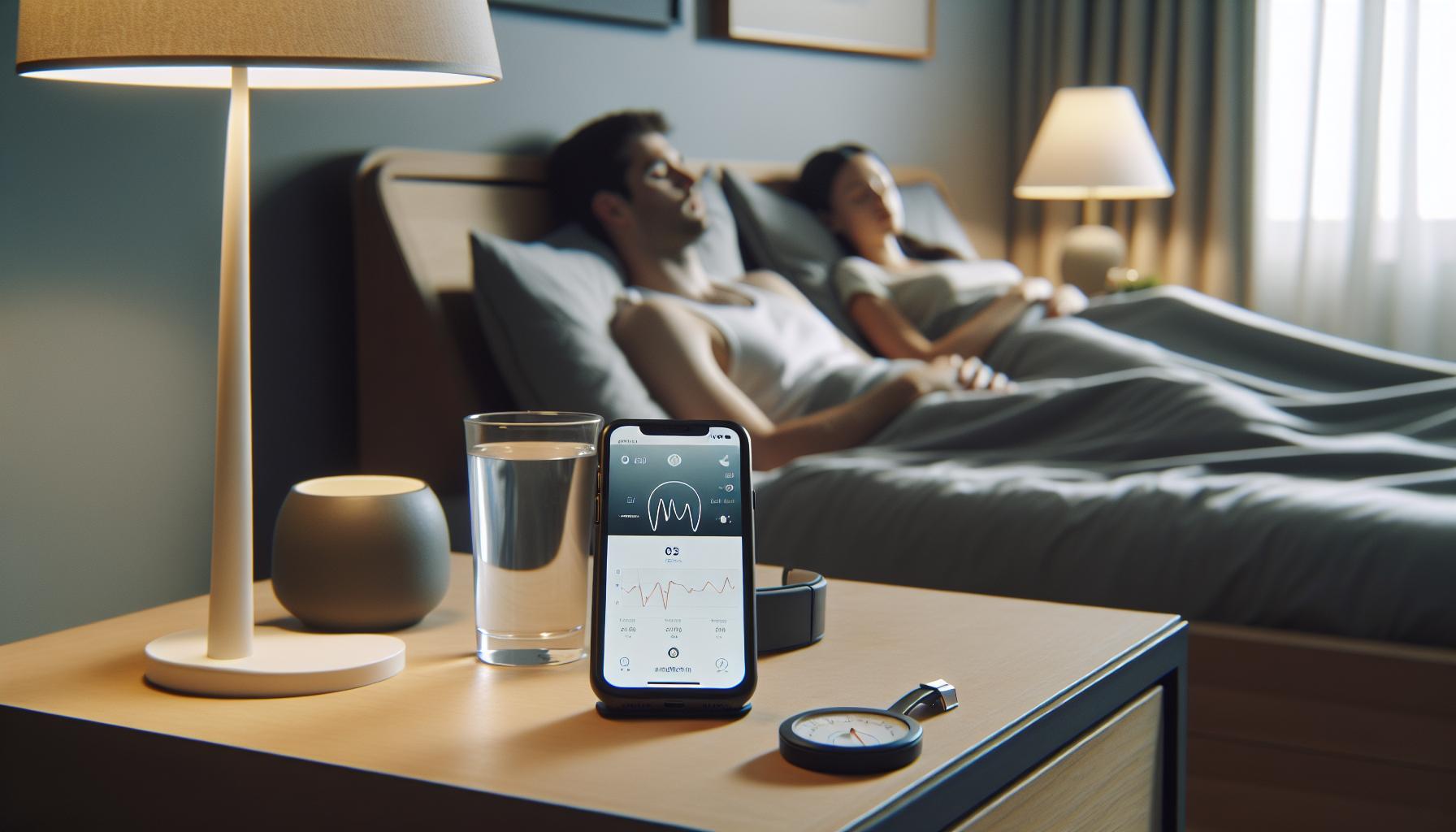
What Are Sleep Tracking Apps?
Sleep tracking apps have gained significant popularity in recent years, primarily due to the increasing awareness of the importance of sleep on overall health and well-being. These applications are designed to monitor sleep patterns, offering insights into the quality and duration of sleep. By leveraging smartphone sensors, wearables, or even external devices, these apps provide a user-friendly way to understand one’s sleep habits and make informed adjustments to improve sleep quality. The rise of these technologies reflects a broader trend where personal health data is becoming more accessible and actionable.
The functionality of sleep tracking apps varies by type. Many apps use a phone’s accelerometer to measure movement during the night, while others integrate with wearable devices that can track physiological metrics such as heart rate and breathing patterns. Most sleep trackers offer features like sleep cycle analysis, identifying the stages of sleep-light, deep, and REM-while some even provide personalized recommendations based on the collected data. For example, apps like Sleep Cycle help users wake up during light sleep to minimize grogginess, whereas others, like SleepScore, focus more on providing insights into sleep hygiene and lifestyle adjustments[[1]](https://www.drmayankshukla.com/4-innovative-apps-help-improve-sleep-quality/).
Despite their benefits, it’s crucial to recognize the limitations of sleep tracking apps. While they can help you become more aware of your sleeping patterns, they are not diagnostic tools and should not be used as substitutes for professional sleep assessments, particularly for serious conditions such as sleep apnea or insomnia. The data provided can sometimes lack precision, especially when relying solely on movement patterns, which may not accurately capture sleep disturbances or other underlying issues. Therefore, while useful for self-monitoring and general adjustments, it’s advisable to consult with a healthcare provider for comprehensive sleep assessments if significant sleep issues arise.
Ultimately, sleep tracking apps represent a bridge between technology and personal health management, empowering individuals with valuable insights. However, users should approach these tools critically, balancing their findings with professional advice to achieve the best outcome for their sleep health.
How Do Sleep Tracking Apps Work?
Sleep tracking apps utilize advanced technology to give users insights into their sleep patterns, helping them understand their sleep habits and quality. By employing various sensors and algorithms, these apps track and analyze a range of factors while you sleep. Most commonly, smartphones equipped with accelerometers measure movements throughout the night, which can indicate different sleep stages. Some apps integrate with wearables that monitor physiological metrics like heart rate and breathing patterns, providing a comprehensive overview of your sleep health.
Many sleep tracking apps focus on the different stages of sleep-light, deep, and REM (Rapid Eye Movement) sleep. Understanding these stages is crucial as each contributes differently to your overall rest and recovery. For example, deep sleep is where the body performs vital functions such as cell repair and growth, while REM sleep enables cognitive processes like memory consolidation. By analyzing the duration and quality of each sleep stage, apps can provide personalized reports and recommendations to help users optimize their night’s rest. Specific apps, such as Sleep Cycle, even feature smart alarm systems that wake you up during light sleep, minimizing grogginess upon waking.
However, it’s essential to keep in mind that while sleep tracking apps can provide useful insights, they are not medical devices. The data collected can vary in accuracy depending on how the app operates; for instance, relying solely on movement might lead to misunderstandings about whether you’re actually asleep or awake but resting quietly. This limitation is significant for users who may be experiencing sleep disorders such as sleep apnea, where professional screening and diagnosis are critical.
To get the most out of sleep tracking technology, users should consider how they set up the app. Most apps require you to manually start and stop the tracking, which can be an additional task at the end of a long day. Proper alignment of the smartphone on your mattress or wearing a compatible device correctly can enhance the accuracy of the collected data, making it a central part of your sleep improvement journey. Ultimately, by combining insights from these apps with professional medical advice when necessary, users can create a holistic approach to enhancing sleep quality.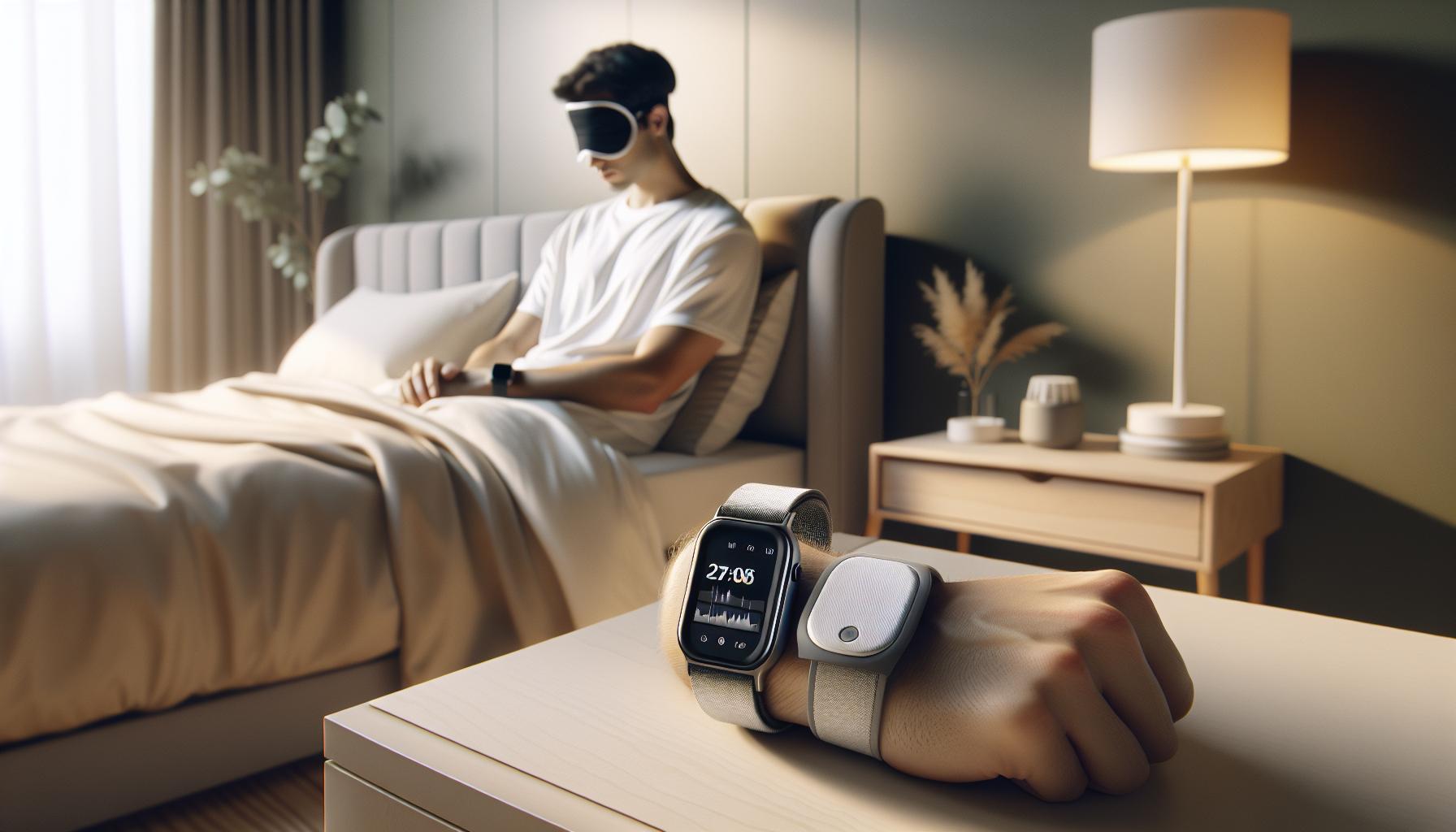
The Science Behind Sleep Tracking Technology
Sleep tracking technology combines sensors, algorithms, and user data to provide insights into our nightly slumbers. A fascinating aspect of how these apps function is their reliance on smartphone sensors, particularly accelerometers, which detect movement. Understanding sleep stages-light, deep, and REM-becomes possible when these movements are analyzed over time. Deep sleep plays a crucial role in physical recovery, while REM sleep is essential for cognitive processing. By tracking how much time is spent in these stages, sleep tracking apps can offer tailored insights to help users optimize their sleep patterns.
Key Technologies in Sleep Tracking
At the core of most sleep tracking apps lies a combination of hardware and software working in tandem. Smartphones and wearables like smartwatches have advanced sensors that monitor a variety of metrics:
- Movement Detection: Changes in position signal potential sleep phases. These sensors remember how often or how much you turn at night.
- Sound Analysis: Some apps listen for noises-like snoring or environmental sounds-that may disrupt sleep.
- Heart Rate Monitoring: Wearable devices may track your heart rate, providing insights into your body’s physiological state during sleep, which can indicate sleep quality.
Apps can compile this information into user-friendly reports, providing insights and recommendations. However, they do not operate with the same level of precision as clinical devices used in sleep studies, such as polysomnography, which monitor brain waves, oxygen levels, and more.
Understanding Data Accuracy
While sleep tracking apps can be informative, it’s vital to approach their data with a discerning eye. They often rely on inference rather than direct monitoring. For instance, a user might remain still during a period of wakefulness, leading the app to mistakenly classify this time as deep sleep. This limitation underlines the importance of understanding your app’s capabilities and recognizing when it might be more prudent to seek a formal sleep evaluation from a healthcare professional.
In practical terms, if an app indicates ongoing issues with sleep quality or identifies patterns of possible sleep disorders (like insomnia or sleep apnea), consider consulting a sleep specialist for advanced testing and personalized insights. The integration of data from consumer-grade sleep tracking apps with professional assessments can offer a comprehensive understanding of one’s sleep health, empowering users with actionable insights and informed decisions.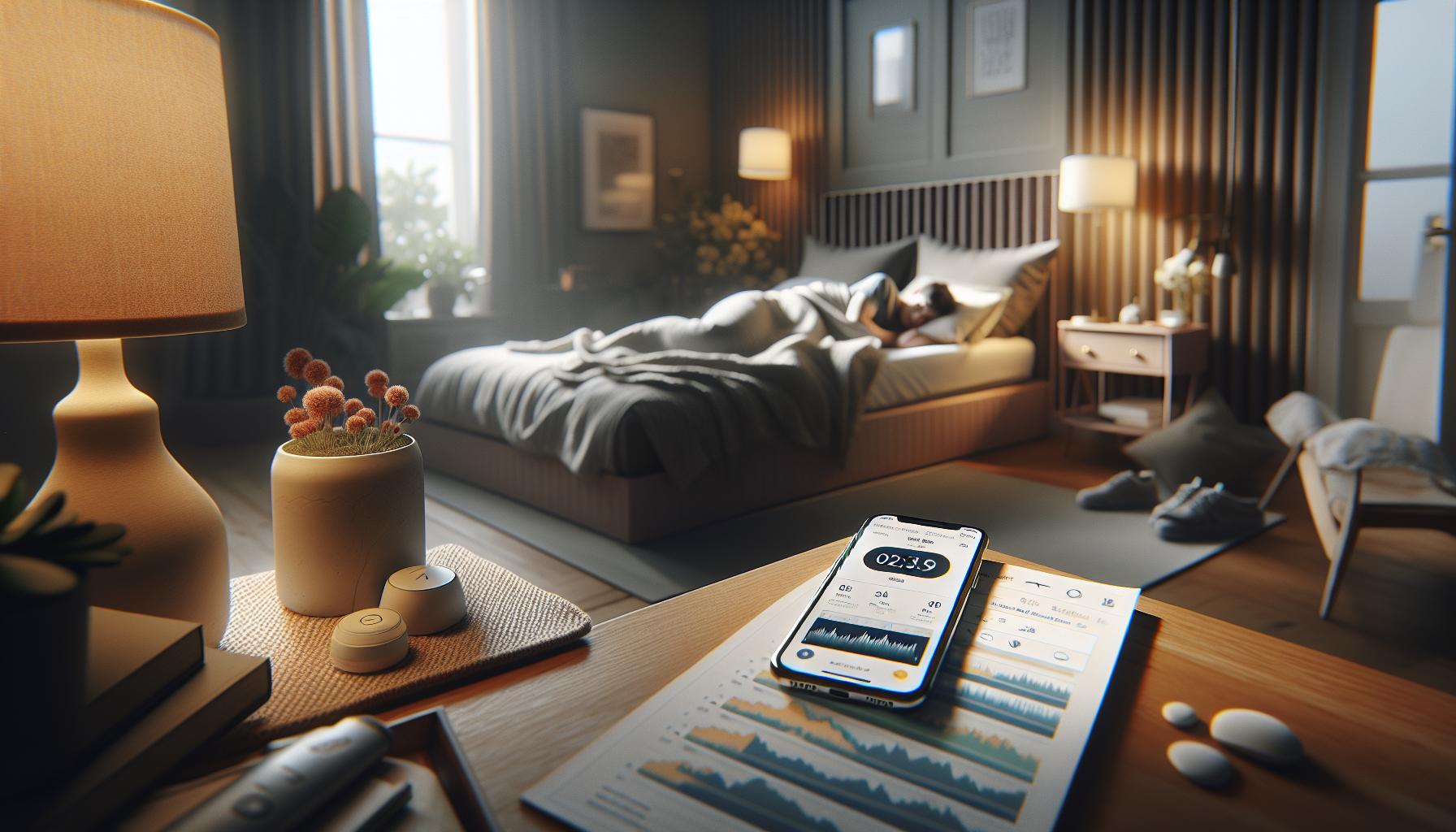
Do Sleep Tracking Apps Improve Sleep Quality?
Sleep tracking apps have gained popularity for their potential to enhance sleep quality, but do they truly deliver on this promise? These digital tools aim to raise awareness about sleep patterns and behaviors, encouraging users to take proactive steps towards better rest. By providing insights into sleep duration, quality, and stages, users can identify areas for improvement and motivate themselves to adopt healthier sleep habits.
Research suggests that sleep tracking apps can indeed contribute to improved sleep quality. For instance, users who consistently engage with their tracking data tend to become more mindful of their sleep routines. The act of logging sleep can spotlight habits that disrupt rest, such as excessive screen time or irregular sleep schedules. As users reflect on this information, they often make conscious changes, like establishing a bedtime routine or adjusting their sleep environment, which can lead to more restorative sleep.
However, it’s essential to approach these apps with realistic expectations. While they can offer valuable insights and foster improved sleep habits, they’re not a substitute for professional medical advice. If sleep issues persist, the combination of app data and consultations with healthcare professionals can provide a deeper understanding and more effective interventions. For many, a sleep tracking app serves not just as a tool but as a companion in the journey toward better sleep, helping to clarify personal sleep needs and preferences.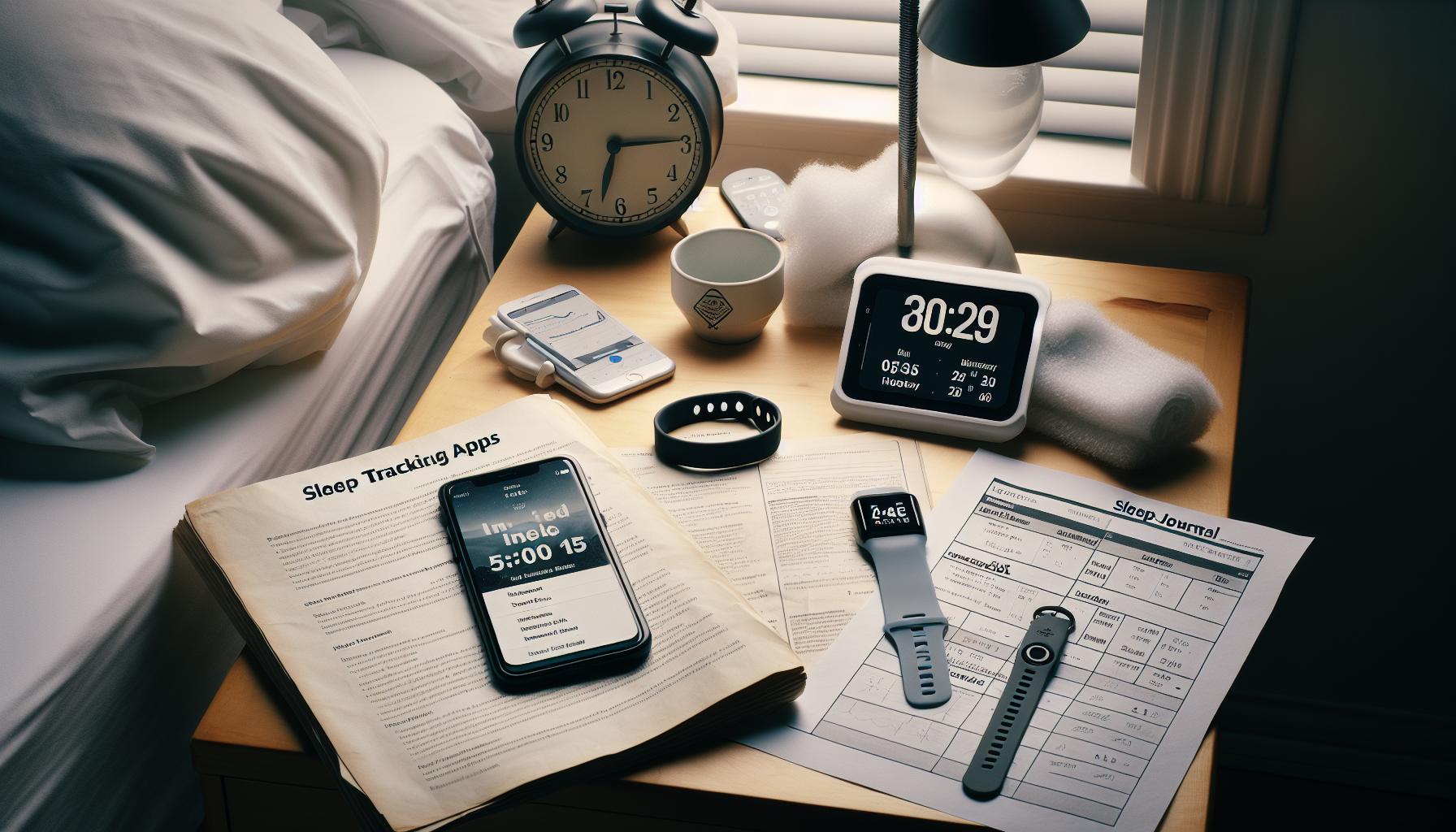
Limitations of Sleep Tracking Apps
Many users are drawn to sleep tracking apps with the hope of uncovering the mysteries of their sleep patterns, but the technology behind these apps comes with significant limitations. While they can provide insights into sleep duration and restless periods, the accuracy of this data is often questionable. Most sleep trackers rely on movement sensors and heart rate data, using algorithms to estimate sleep stages. However, these algorithms can be inconsistent, leading to misinterpretations of what’s actually happening during sleep. In fact, numerous studies have highlighted the lack of high-quality evidence supporting many sleep apps, indicating that their effectiveness can vary dramatically among different users and devices [1].
Another major concern is data privacy. Many sleep apps collect sensitive personal information, which could be vulnerable to breaches and misuse. The potential for data exploitation raises important questions about how this information is stored and shared with third parties. Users wary of privacy breaches may want to carefully consider which app to choose and review its privacy policy thoroughly [1].
Understanding Sleep Disorders
While sleep tracking apps can help raise awareness of sleep patterns, they do not diagnose or treat sleep disorders. Professionals recommend a comprehensive approach, where users combine app data with insights from healthcare experts, particularly if they suspect a serious sleep condition. In some cases, medical tests like polysomnography may be necessary to obtain accurate diagnoses [2].
Engagement and Consistency
Additionally, users sometimes struggle to maintain consistent engagement with the apps. While initial excitement may motivate them, losing interest can lead to incomplete datasets, which impacts the app’s usefulness. Tracking sleep effectively requires commitment, and not all users have the discipline to log their habits regularly.
Given these limitations, it’s crucial for users to approach sleep tracking with realistic expectations. These apps can serve as helpful tools for improvement but should not be relied upon as the sole method for managing sleep health.
Popular Sleep Tracking Apps Compared
When looking to improve sleep quality, choosing the right sleep tracking app can be a pivotal step. Numerous applications are available on the market, each boasting unique features that cater to different user needs. Here, we’ll explore a selection of popular sleep tracking apps, highlighting their key offerings, costs, and other relevant details to help you make an informed decision.
Sleep Cycle
Sleep Cycle is a user favorite that acts not only as a sleep tracker but also as a smart alarm clock. It uses sophisticated algorithms to monitor your sleep patterns, waking you up during light sleep to ensure you feel refreshed. The app provides a range of features including snore and sleep talk recording, a library of soothing sounds, and smart alarm features. Available on iOS and Android, it typically costs around $29.99 per year after a free trial period.
AutoSleep
AutoSleep is particularly well-regarded among Apple users, working seamlessly with the Apple Watch. It tracks various sleep metrics and generates scores for sleep quality, consistency, and readiness to help users understand their sleep health better. Priced around $3.99, it’s a one-time purchase, making it a budget-friendly option with extensive functionality.
Fitbit App
If you’re already using a Fitbit device, the accompanying app provides excellent sleep tracking features. It monitors sleep stages and provides insights about your sleep duration and quality. The app is free with the device, but the premium subscription, which offers more detailed analytics and personalized recommendations, costs about $9.99 per month. This is a popular choice for those invested in the Fitbit ecosystem and looking for a comprehensive health tracking solution.
Pillow
Pillow is an interactive sleep tracking app designed for iOS, featuring a simple interface that helps you analyze your sleep patterns. It includes a smart alarm clock, detailed sleep analysis, and the ability to log sleep quality within the app. The base app is free, but premium features can be unlocked via in-app purchases, making it flexible for users who want to experiment before committing financially.
| App Name | Price | Platform | Key Features |
|---|---|---|---|
| Sleep Cycle | $29.99/year | iOS, Android | Snore recording, smart alarm |
| AutoSleep | $3.99 (one-time) | Apple Watch | Sleep quality scoring, readiness |
| Fitbit App | Free with device $9.99/month (premium) | iOS, Android | Detailed sleep stages, health tracking |
| Pillow | Free In-app purchases for premium | iOS | Interactive analysis, sleep quality logging |
When examining sleep tracking apps, consider not just the price and features, but also your specific needs and lifestyle. Each of these apps offers unique strengths-whether it’s the intelligent algorithms of Sleep Cycle or the integration possibilities of AutoSleep with Apple devices. Exploring user reviews and possibly testing out free trials can also help ensure that you select a tool that aligns best with your personal sleep goals.
User Experiences with Sleep Tracking Apps
The rise of sleep tracking apps has transformed how individuals approach their sleep health, making the pursuit of better rest a data-driven endeavor. Many users report that these apps offer fascinating insights into their nightly routines, which can lead to improved sleep hygiene. For instance, by tracking sleep patterns, users can identify habits that affect their sleep quality, such as late-night screen time or caffeine consumption. This increased awareness is often the first step toward meaningful change.
Feedback from users often highlights the ability of these apps to provide personalized insights. For example, users of the Sleep Cycle app appreciate its smart alarm feature, which wakes them during lighter sleep phases, making them feel more refreshed in the morning. Similarly, Fitbit users benefit from the integration of heart rate data and sleep scores that can indicate when they need to prioritize rest. The interactive feedback from apps like Pillow, which encourages users to log their mood and sleep quality, cultivates a more holistic approach to wellness.
However, experiences can vary significantly among users, with some expressing frustration over discrepancies in sleep data or the limited effectiveness of certain features. It’s important to recognize that while these apps can provide valuable information, they are not infallible. Users should consider their limitations, particularly when it comes to diagnosing sleep disorders. For example, apps typically offer general insights based on movement and sound, but do not replace the extensive analysis of a sleep study conducted in a clinical setting.
As the landscape of sleep technology evolves, integrating these trackers with professional insights could enhance their utility. Users are encouraged to use sleep tracking apps as supplementary tools rather than definitive solutions. Many find that combining app data with lifestyle changes and consultation with sleep experts leads to the best outcomes. By fostering a proactive approach to sleep health, users can leverage technology to better understand their personal sleep patterns while maintaining realistic expectations about what these tools offer.
Do Sleep Tracking Apps Diagnose Sleep Disorders?
Many users turn to sleep tracking apps in hopes of understanding their sleep patterns better and addressing issues like insomnia or sleep apnea. While these apps can be valuable tools for gathering data about your sleeping habits, it’s crucial to recognize their limitations, especially concerning diagnosing sleep disorders.
Sleep tracking apps primarily analyze movement and sound during the night to provide insights about sleep cycles, duration, and quality. They can indicate when you might be awake or in lighter stages of sleep, but they do not diagnose or treat sleep disorders. For definitive diagnoses, a thorough evaluation through polysomnography-a comprehensive sleep study conducted in a clinical environment-is necessary. This method not only records sleep patterns but also monitors brain activity, oxygen levels, heart rate, and breathing during the night.
If you find yourself regularly using sleep apps and noticing persistent problems, like excessive daytime sleepiness, loud snoring, or difficulty falling asleep, it may be time to consult a healthcare professional. They can provide the necessary assessments and guide you through the process of a sleep study if needed. Real-world scenarios illustrate this point: for example, a user might track their sleep and note frequent awakenings or restlessness. While the app can capture this data, it cannot delve into the underlying causes or suggest treatments.
Using sleep trackers can certainly be part of a proactive approach towards better sleep health. They are best used as supplementary tools that raise awareness about sleep habits, which can be crucial when discussed with sleep specialists. This integrated approach ensures that users are not solely relying on technology but also working alongside professionals to uncover more serious sleep issues if they exist.
Integrating Sleep Trackers with Professional Studies
can significantly enhance our understanding of sleep health and disorders. While sleep tracking apps offer valuable insights into individual sleep patterns, their data becomes even more powerful when combined with clinical assessments. For instance, polysomnography, a comprehensive sleep study conducted in a lab, offers a detailed picture by measuring brain activity, oxygen levels, heart rate, and more. This multifaceted approach allows healthcare providers to not only confirm findings from sleep tracking apps but also to discover underlying issues that apps may miss.
In practical terms, if you’ve been tracking your sleep and notice trends such as irregular patterns or excessive disruptions, bringing this information to your doctor is crucial. You might find that your app indicates frequent awakenings or irregular sleep cycles. This anecdotal evidence can guide your healthcare provider to recommend further testing or even a sleep study. By integrating subjective data from your apps with objective clinical findings, healthcare professionals can create a more holistic picture of your sleep health and tailor treatment plans more effectively.
The collaboration doesn’t only benefit the patient; it also enriches the field of sleep research. Aggregated data from sleep tracker users can contribute to broader studies exploring trends in sleep quality across diverse populations. Researchers can analyze this data alongside traditional clinical information to identify common links between lifestyle factors and sleep quality, leading to more effective interventions and public health recommendations.
In conclusion, while sleep tracking apps can be enlightening tools for individual users, their true potential unfolds when these personal insights are examined alongside professional studies. Ensuring effective integration between technology and clinical practice not only empowers individuals to take charge of their sleep health but also paves the way for advancements in our understanding of sleep disorders and their treatments.
Cost Analysis of Sleep Tracking Apps and Devices
The landscape of sleep tracking apps and devices offers a range of pricing models, making it easier for users to find options that fit their budgets and sleep improvement goals. Many of these apps are free to download, but to unlock their full potential, users might need to invest in premium versions or subscription plans. For instance, while a basic tier might provide essential tracking features, premium subscriptions typically offer more in-depth analysis, tailored sleep coaching, and access to additional resources like sleep sounds and guided meditations. Prices for these subscriptions can vary significantly, typically ranging from $5 to $15 per month, or about $50 to $100 for annual plans. This can be a manageable investment considering that improved sleep can lead to better overall health and productivity.
In terms of devices, wearables like smartwatches and dedicated fitness trackers provide more comprehensive insights into sleep patterns. These devices can cost anywhere from $50 to $400, depending on the brand and features. High-end models may include advanced sensors for monitoring heart rate variability, movement, and even sleep stages with clinical accuracy. However, it’s essential to assess if the added expense translates to significant differences in your sleep health management. For example, while a budget-friendly tracker might only monitor total sleep time, more advanced options could provide insights into how long you’re in deep or REM sleep, which is crucial for understanding sleep quality.
When deciding between apps and devices, consider the following factors:
- Purpose: What are your primary goals? If you’re just starting to track your sleep, a free app may suffice.
- Functionality: Do you need detailed metrics, or are basic insights enough?
- Compatibility: Ensure your chosen app or device integrates well with your smartphone or other tech.
- Trial Options: Many apps offer free trials, allowing you to explore features before making a commitment.
Ultimately, balancing cost with your individual needs will help you navigate the wealth of options in sleep tracking technology. By investing in tools that genuinely work for you, you can contribute to better sleep hygiene and potentially enhance your overall well-being.
Future Trends in Sleep Tracking Technology
As the world becomes increasingly aware of the importance of sleep, the evolution of sleep tracking technology continues to transform how individuals manage their rest. Emerging trends indicate that these tools will not only improve the accuracy of tracking but also provide deeper insights into our sleep patterns, ultimately helping us enhance our sleep quality and overall health.
One of the most significant trends is the integration of artificial intelligence and machine learning into sleep tracking apps and devices. These technologies analyze vast amounts of sleep data to provide personalized recommendations tailored to individual sleep patterns. For example, AI-driven apps can suggest optimal sleep schedules based on users’ historical data, highlight trends, and even predict potential sleep disturbances. This level of personalization can empower users to make informed adjustments to their routines, increasing the chances of achieving restorative sleep.
Wearable technology is also advancing at a remarkable pace. The next generation of sleep trackers will likely include more sophisticated sensors that monitor variables such as temperature, light exposure, and even blood oxygen levels. By incorporating these elements, sleep trackers can offer a holistic view of a user’s sleep environment and its impact on sleep quality. For instance, smart mattresses that adjust firmness based on sleep positions and movements could significantly enhance comfort and support better sleep hygiene.
In addition to technological advancements, there is a growing emphasis on sleep health and wellness as part of broader health initiatives. Many companies are focusing on building ecosystems where sleep tracking is just one component of overall health management. This includes integrating sleep data with fitness trackers and health apps, providing a comprehensive overview of an individual’s health that encompasses exercise, nutrition, and stress management. Such holistic approaches may lead to greater engagement from users and improved health outcomes.
As these trends unfold, it’s crucial for consumers to remain savvy about the tools they choose for tracking their sleep. Look for features that align with your personal needs, such as integration capabilities with other health apps, personalized insights, and user-friendly interfaces. With the right technology, you can take proactive steps towards achieving better sleep health and resilience against the challenges of modern life.
Tips for Choosing the Right Sleep Tracker
When choosing the right sleep tracker, it’s essential to prioritize features that suit your lifestyle and specific sleep needs. Considering that sleep tracking technology has advanced rapidly, with many tools offering a multitude of functions, you want to ensure that the tracker you select enhances your understanding of your sleep patterns without overwhelming you.
Start by assessing the basic functions of the tracker. Most apps and devices offer features such as sleep duration tracking, sleep stage monitoring (light, deep, REM), and alarm settings designed to wake you up during lighter sleep phases. For instance, apps like Sleep Cycle provide a quality rate score and insights into your sleep mood, which can offer valuable feedback on how rest impacts your everyday life [1].
Next, consider the integration capabilities. Many modern sleep trackers can sync with other health apps or devices, creating a comprehensive picture of your health and well-being. Apps that can track sleep alongside activity levels, heart rate, and even stress levels can provide more actionable insights. When selecting a tracker, check if it can connect to your fitness device or phone health platform, allowing for a seamless data flow.
Finally, evaluate the user experience. A user-friendly interface is crucial. You might find yourself less likely to engage with an app that is cumbersome or confusing to navigate. Look for apps with intuitive designs and clear dashboards that visualize your sleep data effectively. Additionally, consider reading user reviews and experiences to gauge how well an app performs in real life versus its marketing promises.
With these factors in mind, you can confidently choose a sleep tracker that not only fits your technological preferences but also helps you foster better sleep habits and ultimately enhance your overall sleep quality.
Frequently asked questions
Q: How accurate are sleep tracking apps compared to medical sleep studies?
A: Sleep tracking apps can provide a general idea of sleep patterns, but they typically lack the accuracy of medical sleep studies, which use polysomnography to measure brain waves, oxygen levels, and more. For precise diagnosis, consider a professional sleep study if issues persist.
Q: Can sleep tracking apps help identify sleep disorders?
A: While sleep tracking apps can indicate potential sleep disturbances, they cannot diagnose disorders like sleep apnea. If you suspect a problem, consult a healthcare provider for proper evaluation and treatment options.
Q: What features should I look for in a sleep tracking app?
A: When selecting a sleep tracking app, consider features like sleep stage analysis, integration with wearable devices, alarm settings, and user-friendly interfaces. Look for reviews highlighting effectiveness and accuracy for better insights.
Q: How do sleep tracking apps affect my sleep quality?
A: Using sleep tracking apps can enhance sleep quality by raising awareness of sleep patterns and encouraging healthier habits. However, reliance on the data may cause anxiety for some users. Balance technology use with intuitive self-care.
Q: Are there any risks associated with using sleep tracking apps?
A: The main risk of sleep tracking apps is over-reliance on their data, which might lead to unnecessary anxiety or misinterpretation of sleep quality. It’s essential to use these apps as a supplementary tool alongside professional advice when needed.
Q: Do sleep tracking apps provide personalized sleep analysis?
A: Many sleep tracking apps offer personalized insights based on your data, like identifying trends and suggesting improvements. Look for apps that adapt recommendations based on your unique sleep patterns for better results.
Q: How can sleep tracking apps support sleep improvement routines?
A: Sleep tracking apps can help users develop better sleep routines by providing data on sleep duration and quality. Use the insights provided to set goals, like consistent bedtime and wake times, to enhance overall sleep health.
Q: When should I consult a doctor about my sleep issues, even with an app?
A: If sleep tracking apps consistently indicate poor sleep quality or you experience severe fatigue, mood changes, or other concerning symptoms, consult a doctor. Professional evaluation is essential for developing a comprehensive sleep strategy.
Final Thoughts
As we’ve explored, sleep tracking apps can provide valuable insights into your nighttime habits, enhancing your sleep hygiene and overall health. If you’re considering these tools, remember that they offer personalized feedback and data that can empower you to improve your sleep quality. Don’t wait to take charge of your sleep; download an app today and start your journey to restful nights and rejuvenated mornings!
For more guidance, check out our comprehensive sleep study comparison guide to determine when to seek professional help versus relying on apps. Also, read about wearable sleep technology and discover which devices may best suit your needs. Join our newsletter for ongoing tips, resources, and updates on the latest in sleep health.
Your sleep matters-so take action now! Share your thoughts or experiences with sleep tracking in the comments below; we’d love to hear from you. Remember, better sleep starts with informed choices!
Get our latest guides, news, and insights highlighted in your Google Search & AI Overviews.