How to function on 4 hours of sleep requires manipulating your biological clock with bright light, strategically delaying caffeine intake, and staying aggressively hydrated to fight off extreme fatigue. While operating on such severe sleep deprivation is not sustainable, there are scientifically proven ways to push through a single day. You need to understand how your brain processes exhaustion to effectively combat it. By temporarily overriding your body’s natural signals, you can manage the short term effects of sleep loss. This science-backed survival guide outlines the exact protocols needed to remain productive, alert, and safe.
The Biological Reality: What Happens When You Get 4 Hours of Sleep?
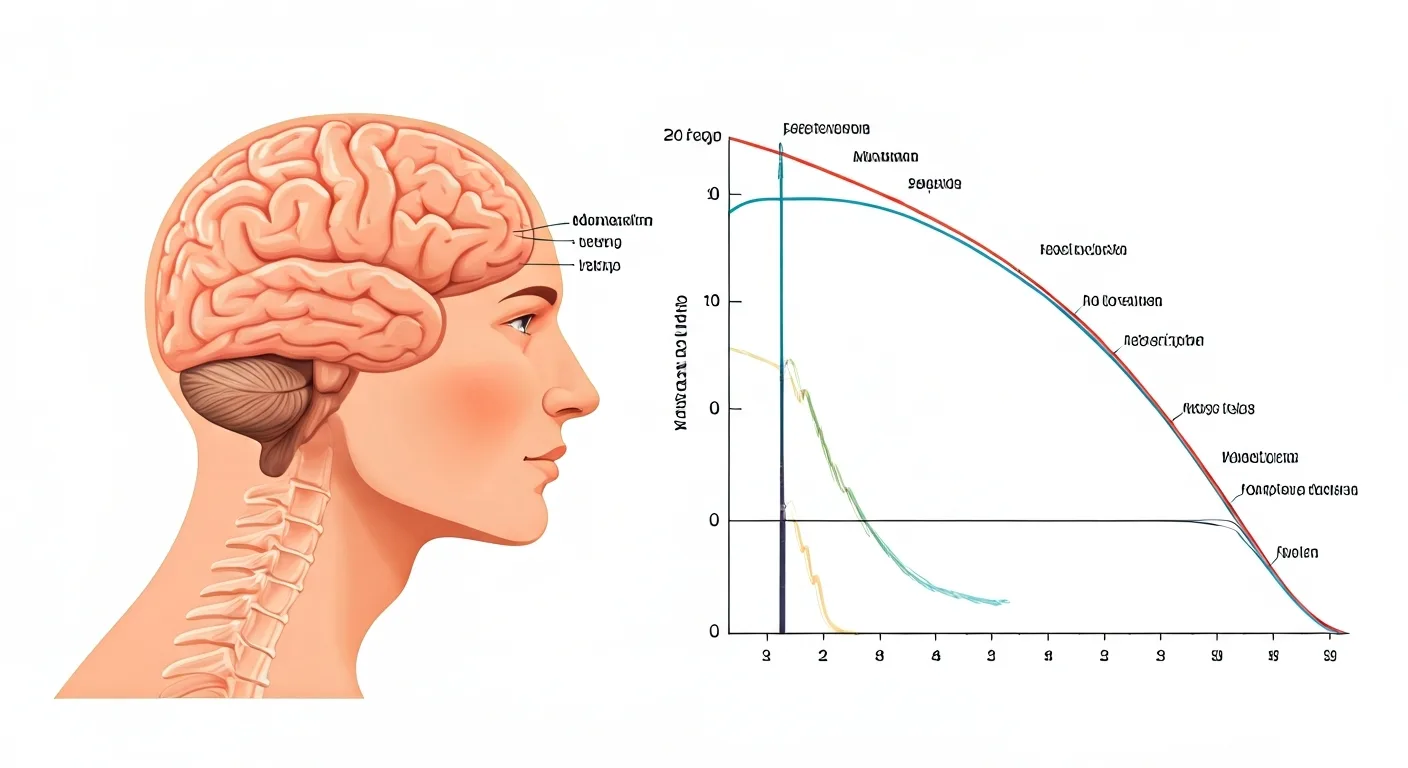
Your brain operates on a delicate balance of neurochemicals that dictate your wakefulness. When you only get a fraction of your required rest, this balance is violently disrupted. The primary culprit behind your intense grogginess is Adenosine.
Adenosine is a neurochemical that builds up continuously while you are awake, creating immense “sleep pressure.” During a normal eight-hour rest, your brain clears this Adenosine completely. On a restricted schedule, you wake up with high residual levels of this chemical.
This leads directly to severe cognitive impairment, making simple tasks feel overwhelmingly difficult. Your reaction times slow down, and your working memory becomes severely compromised. Furthermore, getting only four hours means you are missing out on crucial REM sleep and deep slow-wave sleep.
Related reading: How to Get Rid of Razor Bumps on Vag: Gentle Treatment Guide
Immediate Morning Protocol: Waking Up After Short Sleep
The first 30 minutes after waking are the most critical for setting your trajectory for the day. You must halt the production of Melatonin immediately. Melatonin is the hormone responsible for making you feel sleepy, and it thrives in dark environments.
Step outside into direct sunlight for at least 10 to 15 minutes right after your alarm goes off. This bright light hits your eyes and sends a powerful signal to your Circadian Rhythm that the day has begun. This natural light exposure triggers a healthy release of Cortisol, your body’s built-in wakefulness hormone.
Take a cold shower or splash freezing water on your face to trigger the mammalian dive reflex. The sudden drop in temperature causes a mild shock to your nervous system. This instantly boosts your adrenaline, forces your brain into a more alert state, and increases your baseline heart rate.
Strategic Caffeine Use to Prevent Afternoon Crashes
Most people make the mistake of drinking coffee the second they roll out of bed. This is a massive error when you are sleep deprived. Because your Cortisol levels are already naturally peaking in the early morning, adding coffee immediately wastes its benefits and builds unnecessary tolerance.
Instead, practice strategic caffeine use by delaying your first cup by 90 to 120 minutes. This timing allows the caffeine to hit your system just as your natural hormones start to dip. Caffeine works by physically blocking Adenosine receptors in the brain, tricking your mind into feeling temporarily awake.
Remember that Caffeine has a half-life of roughly five to six hours. If you consume large amounts late in the afternoon, it will remain in your system and destroy your ability to sleep that night. Stop all caffeine consumption by 2:00 PM to ensure you can adequately recover later.
Related reading: How to Pick a Mother of the Bride Dress – Elegant & Comfortable
The 9-to-5 Survival Timeline: Staying Awake at Work
When staying awake at work, you cannot rely on sheer willpower. You need a structured timeline to navigate the inevitable peaks and valleys of your energy levels. Start your morning by tackling the most difficult cognitive tasks immediately, while your brain is still fresh from the cortisol spike.
By 11:00 AM, you will likely feel the first wave of true exhaustion hitting. This is the optimal time for a brisk walk outside to combine movement with secondary light exposure. Movement increases blood flow to the brain, providing a temporary but vital boost in alertness.
Between 2:00 PM and 4:00 PM, your Circadian Rhythm naturally dips. This is the danger zone where micro-sleeps occur at your desk. Shift your workload entirely to mindless, repetitive tasks during this window, such as organizing emails or filing documents.
Nutrition for Energy: What to Eat (And Avoid)
Your diet plays an enormous role in your ability to survive the day. Heavy, carbohydrate-rich meals will cause a massive spike in blood sugar followed by a devastating crash. This crash, combined with existing fatigue, will render you completely useless by mid-afternoon.
Instead, focus entirely on hydration for energy. Dehydration mimics the symptoms of exhaustion, making brain fog significantly worse. Drink at least a full glass of water every single hour you are awake.
Optimal Energy Foods
Eat lean proteins like chicken or tofu to sustain energy.
Consume healthy fats like almonds or avocados.
Drink electrolyte-infused water to maximize cellular hydration.
Foods to Avoid
Avoid heavy pastas and breads that trigger insulin spikes.
Stay away from sugary energy drinks that cause hard crashes.
Do not eat large, heavy meals that promote lethargy.
Related reading: How to Get Kids Makeup Out of Carpet in 5 Easy Steps
The Power Nap: How Long Should You Sleep During the Day?
When the mid-day slump hits, fighting it is often a losing battle. The most effective weapon in your arsenal is the power nap. However, the exact duration of this nap is critically important to your success.
Keep your nap strictly between 15 and 25 minutes. This specific timeframe allows you to enter light stage 2 sleep, which refreshes your brain without letting you slip into deep slow-wave sleep. If you sleep longer than 30 minutes, you will wake up with brutal sleep inertia.
Activities to Avoid When Sleep Deprived
When operating on a severe deficit, you must ruthlessly prioritize your physical safety. You are experiencing active cognitive impairment, meaning your judgment is fundamentally flawed. Avoid making any major financial, personal, or business decisions until you have fully rested.
Most importantly, avoid getting behind the wheel of a car for long stretches. Drowsy driving is statistically as dangerous as driving under the influence of alcohol. If you must travel, use public transportation, a rideshare service, or carpool with an alert colleague.
Related reading: How to Do Pick-Ups on a Dress – Bustle Techniques Explained
How to Recover: Repaying Your Sleep Debt
Surviving the day is only half the battle; the real work begins when it is time to recover. You have now accumulated a significant sleep debt that must be repaid. However, trying to sleep for 14 hours straight the next night is a terrible strategy.
Go to bed just one or two hours earlier than your normal bedtime. Maintain your usual wake-up time the following morning to protect your circadian rhythm from shifting. Chronic sleep loss cannot be fixed in a single night of binge sleeping.
It typically takes your body several days of high-quality, uninterrupted rest to fully recover from extreme deprivation. Focus on sleep hygiene by keeping your room ice-cold and pitch-black. Avoid screens for at least an hour before bed to allow natural Melatonin to flood your system.
Frequently Asked Questions
Is 4 hours of sleep enough to survive a workday?
While 4 hours is not biologically sufficient for optimal health, you can survive a single workday by using strategic caffeine, staying highly hydrated, and taking a short 20-minute power nap. It is crucial to avoid demanding cognitive tasks and driving long distances.
When should I drink coffee after getting only 4 hours of sleep?
Wait 90 to 120 minutes after waking up before consuming your first cup of coffee. This delay allows your body’s natural morning cortisol spike to clear early grogginess, ensuring the caffeine prevents a mid-morning crash rather than masking your natural energy.
How long does it take to recover from one night of 4 hours of sleep?
It typically takes 2 to 3 days of normal, high-quality rest (7-9 hours) to fully clear the accumulated adenosine and repay your short-term sleep debt. Do not try to sleep for 12 hours the next night; instead, go to bed slightly earlier to maintain your circadian rhythm.
Get our latest guides, news, and insights highlighted in your Google Search & AI Overviews.