
Many people are curious about the role of their phones during a sleep study. Can you use your device, or is it prohibited? This topic is vital for anyone experiencing sleep issues, as knowing what to expect can ease anxiety and help you prepare for the experience. Many individuals turn to their smartphones as sources of entertainment or relaxation before bed, but when it comes to sleep studies, the rules may differ significantly from your nightly routine. Understanding the dos and don’ts of phone usage during testing can empower you to make informed choices that won’t interfere with the essential data being collected. In this article, we’ll explore what’s allowed, helping you navigate your sleep study with confidence and clarity. Keep reading to discover valuable insights that can enhance your experience and optimize the results of your sleep assessment.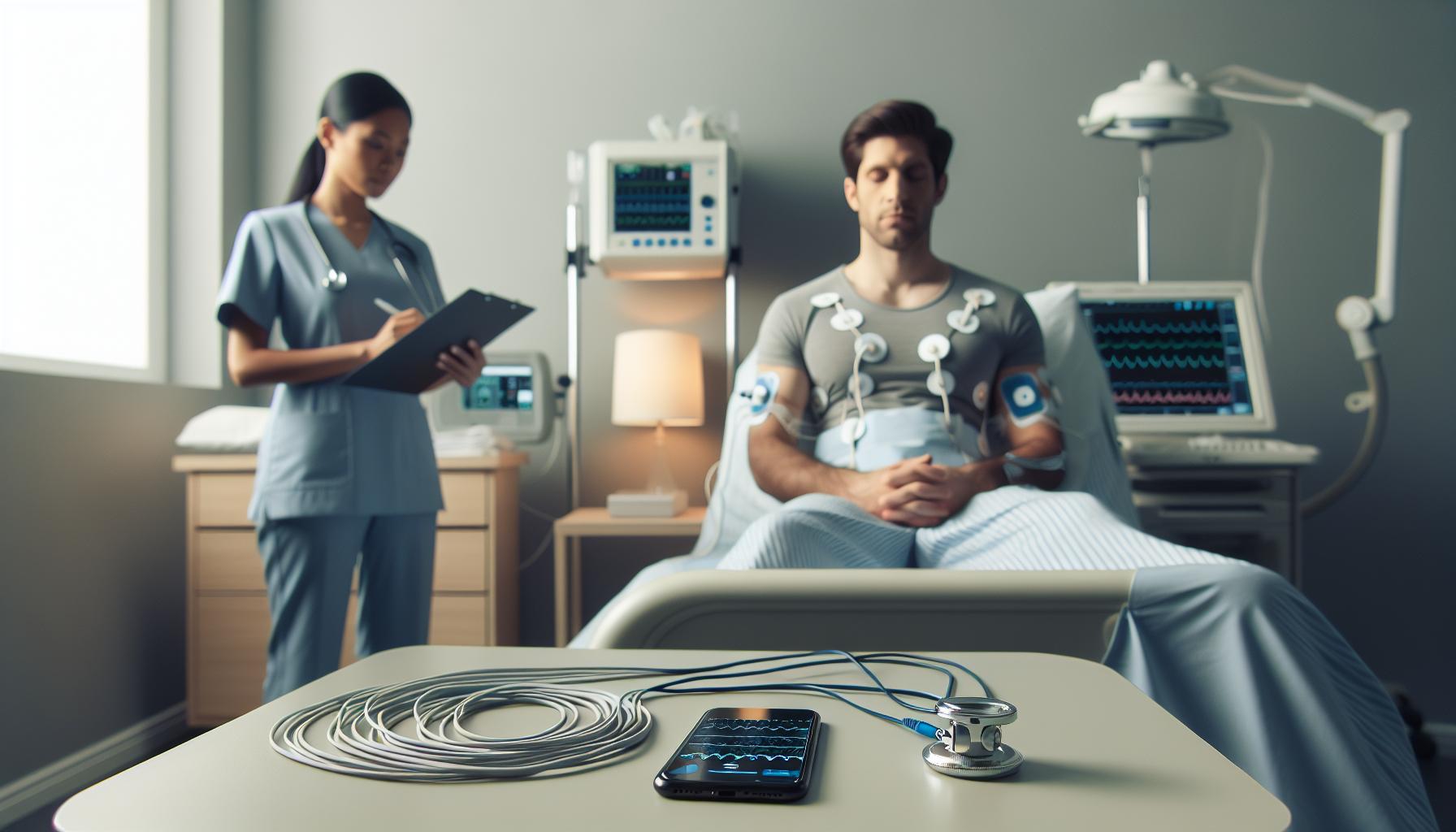
Can I Use My Phone During a Sleep Study? Understanding the Rules
Using your phone during a sleep study can be a source of confusion for many patients. The rules around phone usage vary depending on whether the study is conducted in a sleep lab or at home. Generally, it’s important to follow the specific guidelines provided by your healthcare provider or the sleep clinic. In a clinical setting, using personal devices like smartphones may be restricted to avoid interference with the monitoring equipment or to ensure that the study’s results are as accurate as possible.
Patients are often advised to minimize their phone usage leading up to the study. This is particularly relevant because research shows that using a mobile phone, especially within an hour of bedtime, can negatively impact sleep quality. For instance, prolonged use of a smartphone after the lights are off correlates with poorer sleep outcomes [1[1]. Therefore, if electronic devices are allowed, it might be recommended to keep them off or on “do not disturb” mode to ensure they don’t disrupt your own sleep or the monitoring process.
When preparing for your sleep study, it’s a good idea to check with the sleep center about their specific policies regarding phone usage. Some facilities may have particular protocols in place for technology use during your stay, including when you can use your phone and what apps, if any, would be appropriate. Being upfront about this can help alleviate anxiety and ensure that you are compliant with the study requirements. Additionally, understanding the potential impacts of device use on sleep can help you make more informed choices regarding your night’s rest.
What to Expect from a Sleep Study Experience
Experiencing a sleep study can be both intriguing and nerve-wracking. These studies, often conducted to diagnose sleep disorders, offer patients a window into their sleep patterns and overall health. It’s essential to know that the environment and setup during the study are designed to closely monitor your sleep without unnecessary distractions. When you arrive, you can expect to be greeted by a sleep technician who will explain the process, ensure you are comfortable, and prepare you for the night ahead.
During the study, you will wear several sensors that record your brain activity, eye movements, heart rate, and breathing patterns. While it might be tempting to reach for your phone to pass the time, doing so can inadvertently affect the study’s findings. Experts recommend minimizing phone usage leading up to and during the study, as screen time-specifically in the hour before sleep-can hinder your ability to fall asleep and the overall quality of your sleep. Research supports this, showing that increased smartphone use is linked to shorter sleep duration and poorer sleep efficiency [1].
To support optimal results, the testing facility may advise you to keep your phone off or switch it to “do not disturb” mode. If you have any questions or concerns about device usage, communicate openly with your sleep technician. They can provide detailed instructions on what is permitted and offer tips for managing any anxiety you may feel. This dialogue is crucial for ensuring that you receive accurate results and feel as relaxed as possible throughout the monitoring process.
As you prepare for your sleep study, consider how technology can aid your experience. You might use wearable devices like fitness trackers to monitor your sleep patterns prior to the study. However, be mindful that the use of these devices during the study may also be restricted depending on the clinic’s policies. Understanding these dynamics ensures you’re well-informed and ready to make the most out of your sleep study experience, paving the way for potential improvements in your sleep health.
Allowed Devices: Phones, Tablets, and More
Using your phone during a sleep study is a topic that many patients wonder about, especially since smartphones and tablets are integral parts of our daily lives. While it might be tempting to have your phone handy for entertainment or to ease anxiety, the general guideline is to limit or avoid its use. The primary goal of a sleep study is to obtain accurate measurements of your sleep patterns, which can be influenced by the presence and use of electronic devices.
Most sleep study facilities will advise you to keep your phone either turned off or in “do not disturb” mode to minimize distractions and disruptions. Frequent interactions with your device-whether texting, browsing, or checking social media-can elevate your heart rate and change your mental state, making it harder to fall asleep. Research has shown that increased smartphone use before bed is linked to poorer sleep quality and shorter sleep duration. For instance, excessive screen exposure, particularly in the hour leading up to sleep, can negatively impact your ability to achieve deep sleep stages necessary for restorative rest[[[1](https://pmc.ncbi.nlm.nih.gov/articles/PMC9707689/)].
Allowed Devices
While most facilities restrict phone usage during the actual monitoring phase, they might allow you to bring other devices. It’s essential to clarify these rules with your sleep technician. Typically, the following devices may be permissible under certain conditions:
- Tablets and E-Readers: These may be allowed as long as they’re used minimally before sleep.
- Wearable Devices: Fitness trackers and smartwatches can help monitor your sleep leading up to the study, but their use during the study may vary by facility.
- Noise Machines: Some centers may allow devices that create white noise, helping create a more sleep-conducive environment.
Always discuss any device usage with your technician before the study. Consider the potential influences of your technology choices on your sleep quality and overall study results. Preparing ahead can help reduce anxiety and contribute to a more successful and informative sleep study experience.
How Your Phone Can Affect Sleep Study Results
Using your phone during a sleep study can inadvertently affect the results, primarily due to the ways it interacts with your natural sleep patterns. For instance, the blue light emitted from smartphone screens has been shown to interfere with melatonin production, the hormone responsible for regulating sleep cycles. This disruption can prevent you from falling asleep easily and can alter the overall quality of your sleep during the study.
Additionally, engaging with your phone-be it checking messages, browsing social media, or playing games-can lead to increased mental arousal. This state of heightened alertness can impair your ability to transition into deeper sleep stages that are crucial for restorative rest. Research indicates that people who use their phones excessively before bed report poorer sleep quality and shorter sleep duration. These factors make your phone a potential disruptor, rather than a helpful tool during a sleep assessment.
It’s not just the act of using the phone that matters; even having it nearby can be a distraction. The anticipation of notifications or the urge to check your device may keep your mind active, complicating efforts to relax and fall asleep. For this reason, most sleep study facilities recommend that you keep your phone powered off or in “do not disturb” mode to minimize its impact on your sleep evaluation.
Ultimately, discussing your phone usage with your sleep technician before the study can clarify what’s allowed and help you make informed decisions. They can provide specific guidelines based on their protocols and offer alternatives that support a conducive sleep environment, ensuring that your sleep study yields the most accurate results possible.
Sleep Study Setup: Essential Tech Tips
When preparing for a sleep study, understanding the essential tech tips can significantly enhance your experience and ensure that the assessment yields accurate results. One of the most crucial aspects involves minimizing any disruptions caused by electronic devices, especially smartphones. Before your study, it’s advisable to communicate openly with your sleep technician about your phone usage to receive tailored advice on what is allowed.
Prepare Your Devices
Even if your sleep study facility permits the use of certain devices, it’s essential to prepare them appropriately. Here are a few steps you can take:
- Charge Your Devices: Ensure all devices, especially smartwatches or fitness trackers you may want to use, are fully charged prior to the study. You don’t want to run out of battery during the assessment.
- Limit Notifications: Set your phone to “Do Not Disturb” mode to avoid incoming call or message notifications, which can be distracting during the study.
- Download Necessary Apps: If you plan to use any apps related to your study or health monitoring, download them beforehand and familiarize yourself with their functions.
Understanding Your Environment
The environment where your sleep study will take place is designed to promote restfulness. It’s essential to adapt your tech setup to align with this environment. For instance, many facilities allow for the use of wireless headphones if you want to listen to calming music or sleep sounds without disrupting the monitoring equipment. However, it’s crucial to check with the facility to ensure it won’t interfere with the study’s technology.
Communicate with Your Sleep Technician
Before your sleep study, it’s beneficial to have a conversation with your sleep technician about which devices you plan to use. They can provide valuable insights into how these devices might affect the study and give recommendations tailored to your specific situation. This communication can also help alleviate anxiety associated with the study, as knowing what to expect can make a considerable difference in your comfort level.
By proactively managing your tech and understanding the rules surrounding its use in sleep studies, you can create an environment that maximizes the accuracy of your assessment while minimizing distractions and anxiety.
The Role of Wearable Devices in Sleep Studies
Wearable devices have transformed how we monitor our sleep patterns, offering both convenience and detailed insights into our nightly habits. From fitness trackers to smartwatches, these gadgets can be vital companions before and during a sleep study. They allow users to gather data about their sleep cycles, heart rate, and activity levels, providing a broader context to the medical analysis that will occur during the study.
When considering the use of wearables during a sleep study, it’s essential to consult with your sleep technician. Depending on the facility’s protocols, they may allow you to wear your device, but it is crucial to understand how these gadgets interact with clinical monitoring equipment. Many patients benefit from wearing trackers that can provide real-time data on their sleep stages, which can complement the more comprehensive polysomnography data recorded in a clinical setting.
To maximize the benefits of your wearable during a sleep study, prepare it ahead of time. Charge the device fully and ensure any essential health metrics it tracks are enabled. For example, if your device monitors sleep stages, familiarize yourself with its functions to optimize the information it collects. Do note, however, that while these devices can provide a wealth of information, they are not a substitute for professional assessments. It’s wise to regard the data they provide as supplementary rather than definitive.
In summary, is primarily one of enhancing understanding rather than replacing clinical judgment. By discussing their use with your sleep study professionals and preparing these devices in advance, you can ensure a more comprehensive view of your sleep health, potentially paving the way for better treatment outcomes.
Common Misconceptions About Using Phones
Using a phone during a sleep study often stirs up a mix of assumptions and concerns. Many people believe that phones are strictly prohibited, thinking they could disrupt the delicate monitoring process or interfere with sleep quality. In reality, the usage of phones is not a black-and-white issue and varies based on specific sleep lab protocols. Some facilities may allow phones for specific purposes, like calming pre-sleep anxiety, while others might enforce a complete ban to mimic a more natural sleeping environment.
First, it’s important to understand how phones can affect your sleep study. While they can provide distractions or be sources of anxiety, especially if you engage with notifications or social media, they can also serve as calming tools. For instance, many users find meditation apps or soothing music beneficial before sleep. However, the blue light emitted by phones can hinder melatonin production, potentially skewing results. Discuss your preferences with your sleep technician to find a balance that works for your needs without compromising the study’s integrity.
Another misconception is the idea that using a phone or other electronic devices during the study can replace the need for professional monitoring. While tracking your sleep through apps can provide insights, it’s no substitute for the detailed analysis offered by polysomnography, which records brain waves, oxygen levels, heart rate, and breathing. Sleep studies are designed to diagnose disorders that simple phone tracking cannot accurately assess. Always view your personal data as a tool for understanding your sleep patterns rather than a definitive analysis.
Lastly, insurance coverage and approval can be a grey area. Many assume that any usage of personal devices deems the study invalid, but that’s not the case. It’s advisable to inquire about your specific insurance policy regarding device restrictions or necessary approvals prior to the study. Clear communication with your sleep lab will ensure you understand their policy and gain the most accurate results possible. Remember, the aim of a sleep study is to obtain the best insights into your sleep health, so don’t hesitate to clarify any doubts you have with your healthcare provider.
Insurance Coverage: Do You Need Approval?
Navigating the complexities of insurance coverage for a sleep study can often feel overwhelming, especially when it comes to understanding device use like mobile phones during the process. It’s essential to know that while many people assume that having personal devices in the study could invalidate its results, this is not universally true. In fact, many insurance plans will cover the costs associated with a sleep study, but specific approvals or paperwork may still be required depending on your provider.
Before your sleep study, reach out to your insurance company to clarify their specific policies regarding device use. Ask questions such as whether your insurance covers the study itself, what types of devices are allowed, and if you need prior authorization. This conversation can save you unexpected expenses down the line and help you feel more at ease. For instance, if your sleep clinic allows phone use for calming activities, confirm that this aligns with your insurance provider’s policies to avoid any surprises.
In cases where you need approval, your healthcare provider can assist by giving you the necessary documentation or referral. Make sure to check if any pre-authorization forms need to be completed, which can sometimes take time. Having everything squared away before your scheduled sleep study can alleviate anxiety and ensure smoother logistics on the day of the test.
Understanding your insurance coverage is about more than just finances; it empowers you to take control of your sleep health. Being well-prepared ensures that you can focus on what matters – getting the insights you need to improve your sleep quality without the worry of hidden costs related to device use or study protocols. Always communicate openly with your sleep lab and insurance provider to clarify any uncertainties before proceeding.
Navigating Sleep Study Anxiety: Tips for Patients
Navigating the uncertainties around a sleep study can heighten anxiety, especially if it’s your first time. One common concern is whether you can use your phone during the procedure. Understanding the rules surrounding device usage is crucial, as clear guidelines may help alleviate some of that apprehension. Typically, many sleep clinics allow the use of personal devices for calming activities, such as listening to music or meditation apps. However, it’s vital to check with your specific clinic regarding their policies.
Preparation is key to reducing anxiety. Familiarizing yourself with what to expect during the study can significantly ease your worries. When you arrive, the staff will usually explain the setup and process thoroughly, which helps demystify the experience. If you can, have a conversation with the sleep technologist about your concerns upfront; they can offer reassurance and advice tailored to your needs. This dialogue not only clarifies device usage but also builds rapport, making you feel more at ease.
You might also consider creating a pre-sleep routine with your phone that helps you relax before the study. Engaging in calming activities in the hours leading up to your appointment can put you in a better state of mind. Practicing relaxation techniques, such as deep breathing or gentle stretches, can lower stress levels and prepare you for a restful night. Furthermore, remember that sleep studies are designed to help you understand your sleep patterns better; remaining open and receptive to the experience can lead to valuable insights about your sleep health.
In the days leading up to your study, reflect on any sleep-related questions or thoughts you have. Write these down and bring them along to discuss with the sleep specialist. Having your concerns validated can be a powerful way to manage anxiety, empowering you to focus on what’s most important: a successful sleep study that yields accurate results and guides your path to improved sleep health.
Comparing Sleep Study Options: Home vs. Lab
When deciding between a home sleep study and a lab-based sleep study, understanding the benefits and limitations of each option can significantly affect your experience and results. A home sleep study allows you the comfort of your own bed, which can relax you and lead to more natural sleep patterns. You’ll typically be provided with a simplified device to monitor your sleep, which may include a pulse oximeter and a breathing monitor, making it less intrusive than a full lab setup.
On the other hand, a lab study, or polysomnography, offers comprehensive monitoring. In these controlled environments, technicians can observe your sleep closely and make real-time adjustments to the equipment or setup if necessary. This option often provides more detailed insights into your sleep stages, respiratory patterns, and even neurological activity, as multiple sensors monitor brain waves, heart rate, and muscle activity.
Here’s a quick comparison table that outlines the key differences between home and lab sleep studies:
| Feature | Home Sleep Study | Lab Sleep Study |
|---|---|---|
| Comfort | High – familiar environment | Medium – clinical setting |
| Monitoring | Basic – limited sensors | Comprehensive – multiple sensors and real-time observation |
| Preparation | Minimal – limited setup | Extensive – requires arrival at the clinic |
| Cost | Usually lower | Usually higher due to staffing and equipment |
Before deciding, consider your specific needs and sleep issues. If you have complex sleep disorders or conditions that require detailed study, a lab setting might be the most appropriate choice. Conversely, if you primarily struggle with insomnia or mild sleep apneas, a home study could provide the insights you need without disrupting your routine. As you weigh your options, remember to discuss with your healthcare provider to choose the best method for your situation and health history.
Real-Life Scenarios: When to Use a Tracker vs. a Study
In today’s tech-driven world, many individuals are turning to wearables and smartphone apps to monitor their sleep. While these tools can provide valuable insights, there are key scenarios when a more comprehensive sleep study might be necessary. Recognizing the differences in purpose and effectiveness between using a tracker and undergoing a sleep study can be crucial for addressing sleep issues.
Individuals primarily dealing with general sleep disturbances, like occasional insomnia or restlessness, may find that using a sleep tracker is sufficient. These devices can help identify patterns in sleep duration and quality, prompting users to adjust their bedtime routines or lifestyle habits. For example, if you realize that your sleep quality dips after a late caffeine intake, you can take steps to mitigate this and observe improvements over time.
However, if you suspect you have a more serious sleep disorder-such as sleep apnea, narcolepsy, or restless legs syndrome-a lab-based sleep study might be the better choice. These conditions often require detailed monitoring of various physiological measures, including brain activity and respiratory patterns, which can only be accurately captured in a controlled environment. A sleep study provides diagnostic clarity and allows healthcare professionals to tailor treatment plans based on comprehensive data.
When deciding between the two, consider factors like the complexity of your symptoms, your healthcare provider’s recommendations, and the potential need for targeted interventions. A sleep study might indeed feel daunting, but acknowledging your sleep issues and seeking proper evaluation is a vital step toward improved health.
Expert Insights: Medical Opinions on Phone Use During Studies
Using your phone during a sleep study can be a topic fraught with uncertainty, but insights from medical professionals can help clarify what’s allowed and what to expect. Many healthcare providers recommend minimizing screen time before and during a sleep study. This is largely due to the blue light emitted by screens, which can interfere with melatonin production and ultimately disrupt sleep quality. In fact, research indicates that excessive smartphone usage is significantly linked to sleep disturbances, making it crucial to address how your phone could potentially impact your sleep study results.
Many sleep experts encourage patients to refrain from using their phones in the hours leading up to the study, as this can help create a more accurate picture of natural sleep patterns. If you must use your phone, aim to limit it to essential tasks. For instance, checking a calendar or sending a quick message might be acceptable, but scrolling through social media or engaging with stimulating content should be avoided.
Moreover, patients often wonder about the setup of the sleep study itself. In lab-based studies, technicians typically recommend leaving phones in a designated area to minimize distractions and avoid interference with monitoring equipment. For at-home sleep studies, where patients may wear devices that track various sleep metrics, ensure you follow the device instructions carefully and avoid nearby electronics that may cause interference.
Ultimately, while your phone can provide valuable sleep introspection through apps and usage tracking, its role during a sleep study is secondary. Prioritizing the accuracy of the study by minimizing phone use will yield more reliable results, aiding your healthcare provider in diagnosing any potential sleep disorders effectively. Always consult with your doctor for personalized advice tailored to your specific situation.
Q&A
Q: Can I use my phone for sleep tracking during a sleep study?
A: While using your phone for sleep tracking during a sleep study is generally not recommended, you may use it outside of the sleep study environment for insomnia-related applications, but it shouldn’t interfere with the study. Always consult your technician for specific guidelines.
Q: What are the restrictions on electronic devices during a sleep study?
A: During a sleep study, most facilities will not allow the use of electronic devices, including phones and tablets, in the sleep room to minimize distractions. Be sure to ask the staff for guidance about permitted devices and activities.
Q: Why can’t I use my phone in the sleep study lab?
A: Phones can create light and noise disturbances, which may interfere with sleep quality and the monitoring process. It’s best to keep the sleep environment as distraction-free as possible for accurate results.
Q: Can I listen to music or podcasts on my phone during the study?
A: Listening to music or podcasts on your phone during a sleep study is typically not allowed due to potential distractions. It’s essential to follow the sleep center’s rules to ensure the best study conditions and accurate data collection.
Q: What if I need my phone for emergencies during the sleep study?
A: If you anticipate needing your phone for emergencies, inform the sleep study staff in advance. They will provide instructions on how to manage any critical communications while ensuring your study’s integrity.
Q: How do phones affect the quality of sleep in a sleep study?
A: Phones emit blue light, which can disrupt circadian rhythms and affect sleep quality. For an effective sleep study, it’s best to avoid phone usage beforehand, promoting a natural sleep environment.
Q: Can I take pictures or video during the sleep study?
A: Taking pictures or videos during a sleep study is generally prohibited to maintain patient confidentiality. Always check with the staff about any specific rules regarding personal devices and media.
Q: What should I do if I feel anxious about using my phone during the study?
A: If you’re anxious about not using your phone, communicate this to the sleep study staff. They can offer reassurance and help you understand the procedures, making your experience more comfortable.
Concluding Remarks
Now that you understand the guidelines regarding phone use during a sleep study, you can take informed steps toward managing your sleep health effectively. Remember, many patients have questions about what to expect during their sleep study, so check out our related articles on preparing for a sleep study and the different types of sleep tests available-these will empower you to feel more confident and at ease.
If you’re ready to take control of your sleep health, consider signing up for our newsletter for expert tips and exclusive content on sleep research and treatment options. Have further questions or experiences to share? We encourage you to leave a comment or reach out to us; your insights not only enrich the community but may help others going through similar challenges.
Make the most of your sleep study by fully understanding your options. Don’t hesitate-exploring your sleep health today could lead to a restful night tomorrow!
Get our latest guides, news, and insights highlighted in your Google Search & AI Overviews.