
Did you know that more than 70 million Americans suffer from sleep disorders? If you’ve been struggling with restless nights or persistent daytime fatigue, a sleep study may hold the key to understanding your sleep patterns. In this guide, we’ll explore the ins and outs of overnight sleep studies-what they involve, what to expect, and how they can provide invaluable insights into your health.
Understanding the process can ease anxiety and equip you with the knowledge to make informed decisions about your sleep health. Whether you’re curious about how the study is conducted, the devices used, or how insurance may cover the costs, we’ve got you covered. As you read on, you’ll find practical tips and relatable scenarios to demystify the experience, empowering you to take proactive steps toward better sleep. Ready to uncover the secrets to a restorative night’s sleep? Let’s dive in!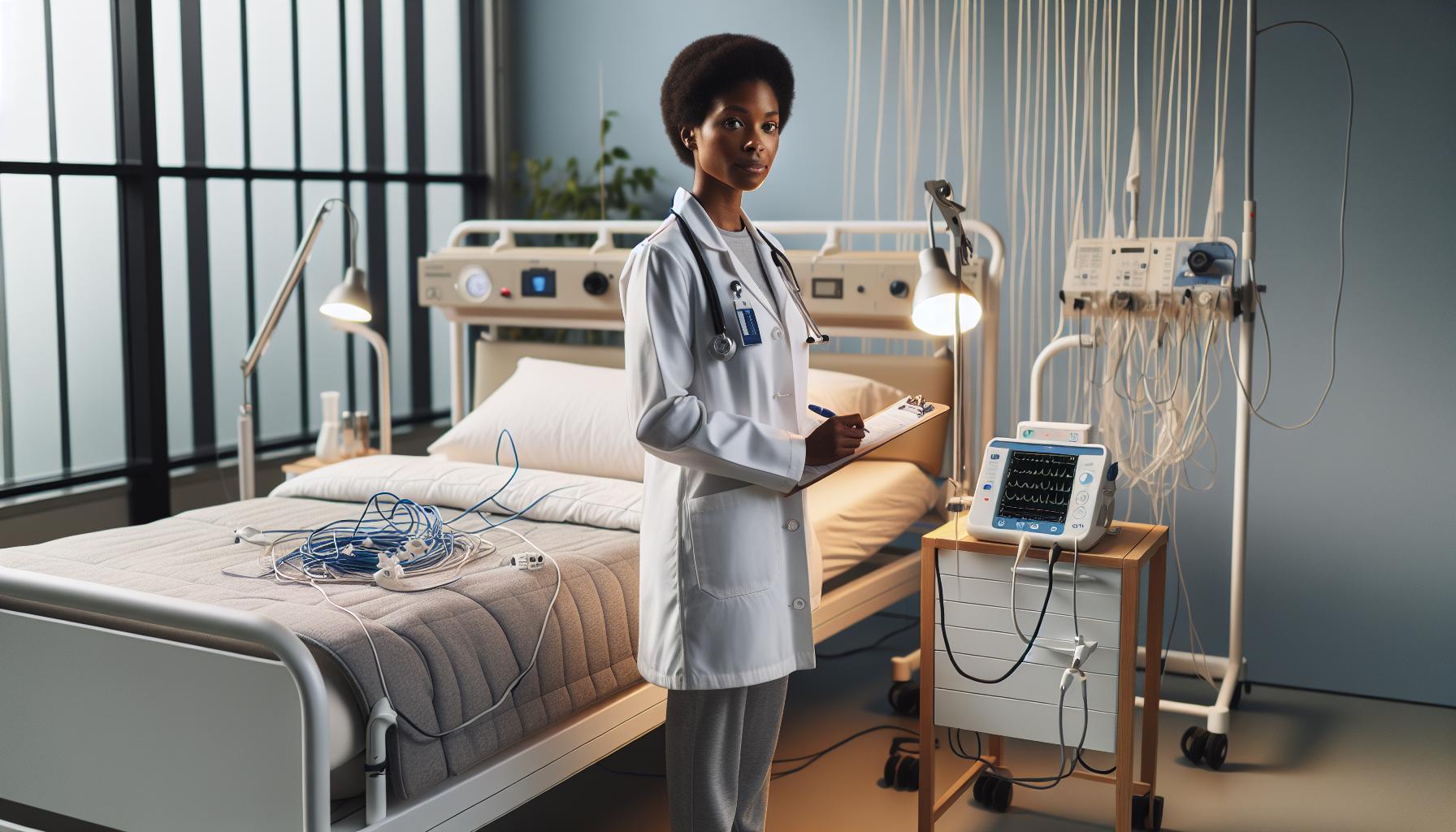
What Is a Sleep Study and Why Is It Necessary?
A sleep study, or polysomnography, is a comprehensive, overnight assessment that monitors various physiological parameters to diagnose sleep disorders effectively. These studies are essential for individuals who struggle with sleep issues such as insomnia, sleep apnea, restless leg syndrome, or frequent awakenings. Essentially, a sleep study evaluates not just how long you sleep, but also the quality of your sleep cycles, how restful they are, and how your body responds during different sleep stages.
During the study, trained technicians use a series of non-invasive sensors to track your brain waves, heart rate, breathing patterns, and blood oxygen levels. This information helps to identify any disruptions in sleep stages or breathing irregularities that could indicate a sleep disorder. Understanding these patterns is vital, as they can significantly impact overall health and well-being, influencing everything from concentration to metabolic health.
In some cases, your doctor may recommend an in-lab sleep study where you stay overnight at a sleep center, which typically provides a controlled environment for more detailed monitoring. Alternatively, home testing options are becoming increasingly popular, allowing you to take a simpler set of measurements in the comfort of your own home, although they may not be as comprehensive. As you consider whether to schedule a sleep study, reflect on your specific sleep challenges and consult with your healthcare provider to determine the best approach tailored to your needs.
Types of Sleep Studies: In-Lab vs. Home Testing
Undergoing a sleep study can be a pivotal step in addressing sleep disorders, and understanding the options available-in-lab studies and home testing-is crucial for making an informed decision. Each type of sleep study offers unique advantages, catering to different needs and circumstances.
In-lab sleep studies are often considered the gold standard for diagnosing sleep conditions. Conducted in a specialized sleep center, these studies provide comprehensive monitoring in a controlled environment. Patients spend the night in a private room where trained technicians utilize multiple sensors to track crucial metrics such as brain waves, heart rate, breathing patterns, and blood oxygen levels. This detailed data allows healthcare providers to characterize sleep stages thoroughly and identify specific issues like sleep apnea or abnormal movements during sleep.
Conversely, home testing, or home sleep apnea testing (HSAT), has gained popularity for its convenience and comfort. Patients can use portable devices to monitor their sleep patterns in the familiarity of their own beds, which can significantly reduce anxiety associated with overnight hospital stays. Home tests typically measure less data but focus primarily on breathing patterns to check for sleep apnea, making them a suitable option for those with obvious apnea symptoms or when access to a sleep facility is limited.
When considering which option might be best for you, think about factors such as the severity of your symptoms, comfort level with medical settings, and specific recommendations from your healthcare provider. For less complex cases, a home test may suffice; however, for more intricate sleep disorders or if you have underlying health issues, an in-lab study might yield better insights. Whatever you choose, open communication with your healthcare provider will ensure you receive the appropriate testing for your needs and help pave the way towards better sleep and overall health.
What to Expect During a Sleep Study Overnight
During a sleep study, typically conducted overnight, the objective is to gather detailed information about your sleep patterns and physiological responses. This data can be crucial for diagnosing sleep disorders such as sleep apnea, insomnia, or restless leg syndrome. Understanding what this experience entails can help ease any apprehensions you may have.
On arrival at the sleep clinic, you’ll first be welcomed by a sleep technician who will guide you through the process. After a brief interview discussing your medical history and sleep challenges, you’ll be shown to your private sleeping room, designed to mimic a comfortable bedroom. It may be helpful to remember that even though you’ll be monitored closely, you are in a serene setting.
As bedtime approaches, you will be connected to various sensors by the technician. These sensors are non-intrusive and will monitor your brain activity, heart rate, breathing, and oxygen levels while you sleep. You can expect electrodes to be placed on your scalp and face, along with belts around your chest and abdomen to track your sleep stages and bodily movements. Although it might feel unusual initially, most patients adjust and find they can still sleep fairly normally.
Once you’re all set up, the technician will step out but remain available through a two-way intercom system. They’ll monitor you throughout the night to ensure everything goes smoothly. You may experience some interruptions, as it’s common for technicians to make adjustments if necessary, but these are typically minor and won’t disrupt your overall sleep too much.
Ultimately, the data gathered during your overnight stay is essential for helping you and your healthcare provider understand the nature of any sleep problems you may be facing. This comprehensive assessment allows for more targeted and effective treatment strategies to improve your sleep health moving forward.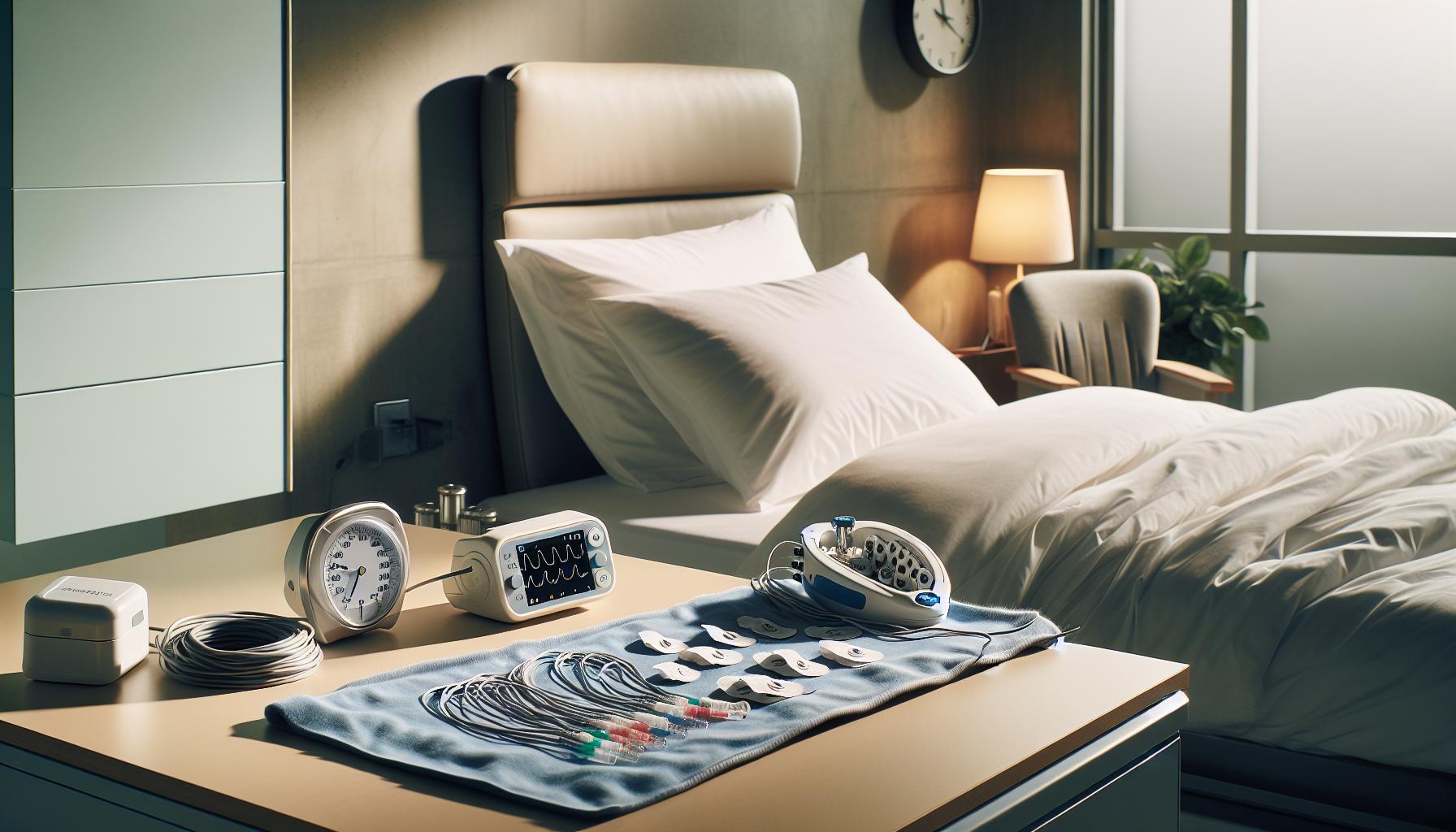
Preparing for Your Sleep Study: Tips and Guidelines
Preparing for a sleep study can be a daunting experience, but knowing what to expect can ease your anxiety and help you make the most of your overnight visit. It’s important to approach this procedure well-informed and ready. Remember, a sleep study is designed to gather vital information about your sleep patterns and health, which ultimately contributes to better treatment options.
To set yourself up for success, consider the following tips:
- Clarify Your Medications: Talk to your healthcare provider about your current medications. Some prescriptions may need to be adjusted or temporarily paused before the study. It’s essential to discuss any over-the-counter supplements as well.
- Maintain Your Routine: Try to keep your regular sleep schedule leading up to the study. Avoid drastic changes to your sleep patterns, as this can impact the data collected during your overnight stay.
- Avoid Stimulants: Refrain from consuming caffeine and nicotine on the day of your study, as these substances can interfere with sleep quality. Opt for a calming herbal tea instead.
- Dress Comfortably: Wear loose-fitting, comfortable clothing to bed. This will make it easier for the technician to attach monitoring equipment without disrupting your sleep.
- Bring Personal Items: Consider bringing along items that help you sleep, such as a favorite pillow, blanket, or even a sleep mask and earplugs. Personal touches can create a more familiar environment, reducing anxiety.
- Arrive Early: Aim to arrive at the sleep center with plenty of time to check-in, ask questions, and acclimate to the new setting. A relaxed mindset is crucial for a successful study.
As your sleep study day approaches, start visualizing the experience. A positive mindset can significantly impact your comfort and the effectiveness of the study. Rest easy knowing that the goal of this assessment is to illuminate the underlying factors affecting your sleep and ultimately enhance your well-being.
Understanding the Equipment: Monitors and Wearables
Understanding the equipment used during a sleep study is crucial for easing any anxiety you might have about the process. These devices are designed to monitor various physiological functions while you sleep, providing comprehensive data that helps healthcare providers diagnose sleep disorders. The two main types of equipment you’ll encounter are monitors and wearables, each serving a specific purpose.
Monitors used in an in-lab sleep study typically include polysomnography (PSG) systems. These are sophisticated machines that track and record brain activity, eye movements, heart rate, oxygen levels, and muscle activity. Together, this data helps clinicians identify conditions such as sleep apnea, insomnia, and periodic limb movement disorder. During the setup, sensors will be placed on your scalp, face, chest, and limbs, which may feel a bit unusual but are critical for capturing accurate readings. Most patients find the sensation of the sensors and the connected wires manageable, especially when prepared for the experience.
Wearables, on the other hand, are increasingly popular for home sleep testing. Devices like the ApneaLink Air system can record essential data such as respiratory effort, oxygen saturation, and nasal flow without the need for an overnight stay in a sleep center. This type of testing can be more convenient and comfortable, as it allows you to sleep in your own bed. Although wearables may not capture as comprehensive data as in-lab monitors, they can still effectively detect sleep apnea and give healthcare providers valuable insights into your sleep patterns.
Connecting with the equipment beforehand can demystify the experience and ensure you know what to expect. Most centers will provide a detailed explanation of how the devices work and answer any questions you might have. Remember, the goal of this technology is not just to gather data but to help you achieve better sleep and improve your overall health and well-being.
Sleep Study Procedures: From Setup to Lights Out
When you arrive for a sleep study, the process is designed to be as smooth and comfortable as possible, allowing you to focus on getting a good night’s sleep. Understanding what happens from setup to lights out can help allay any anxieties you may have about the evening ahead. Initially, a sleep technician will greet you and take you to your private room, which will have a bed similar to what you would find in a hotel. This environment is meant to be relaxing, promoting a natural sleep state.
After settling in, the technician will explain the procedure and answer any questions you may have to ensure you feel at ease. You’ll then undergo a setup process that involves the application of various sensors and electrodes. This may include placing small, sticky sensors on your scalp, face, chest, and limbs. While the sensation of these sensors might feel unfamiliar, it is crucial for accurately measuring brain waves, muscle activity, breathing, and heart rate. The technician will also connect these sensors to a series of cables and monitoring devices. It’s common for patients to feel a bit self-conscious at first, but most find it more comfortable as the night progresses and they adapt to the feeling.
Once you’re prepared and comfortable, the lights will dim, signaling the start of the study. You will be asked to sleep naturally while the equipment monitors your body’s activity throughout the night. Most facilities strive to minimize interruptions; however, the technician may occasionally check in through video or intercom systems to ensure everything is functioning correctly. As challenging as it may seem, knowing that your sleep is being observed can provide valuable data for understanding sleep disorders.
In the morning, the technician will gently wake you up, and they will proceed to disconnect the monitoring devices. You may feel a bit groggy or disoriented, but this is typical after any night’s sleep, especially one that was monitored. Once you’re all set, you can leave, and the results will be analyzed by sleep specialists who will discuss the findings with you shortly after. Remember, the aim of this whole process is to equip you with the insights necessary to enhance your sleep quality and overall health.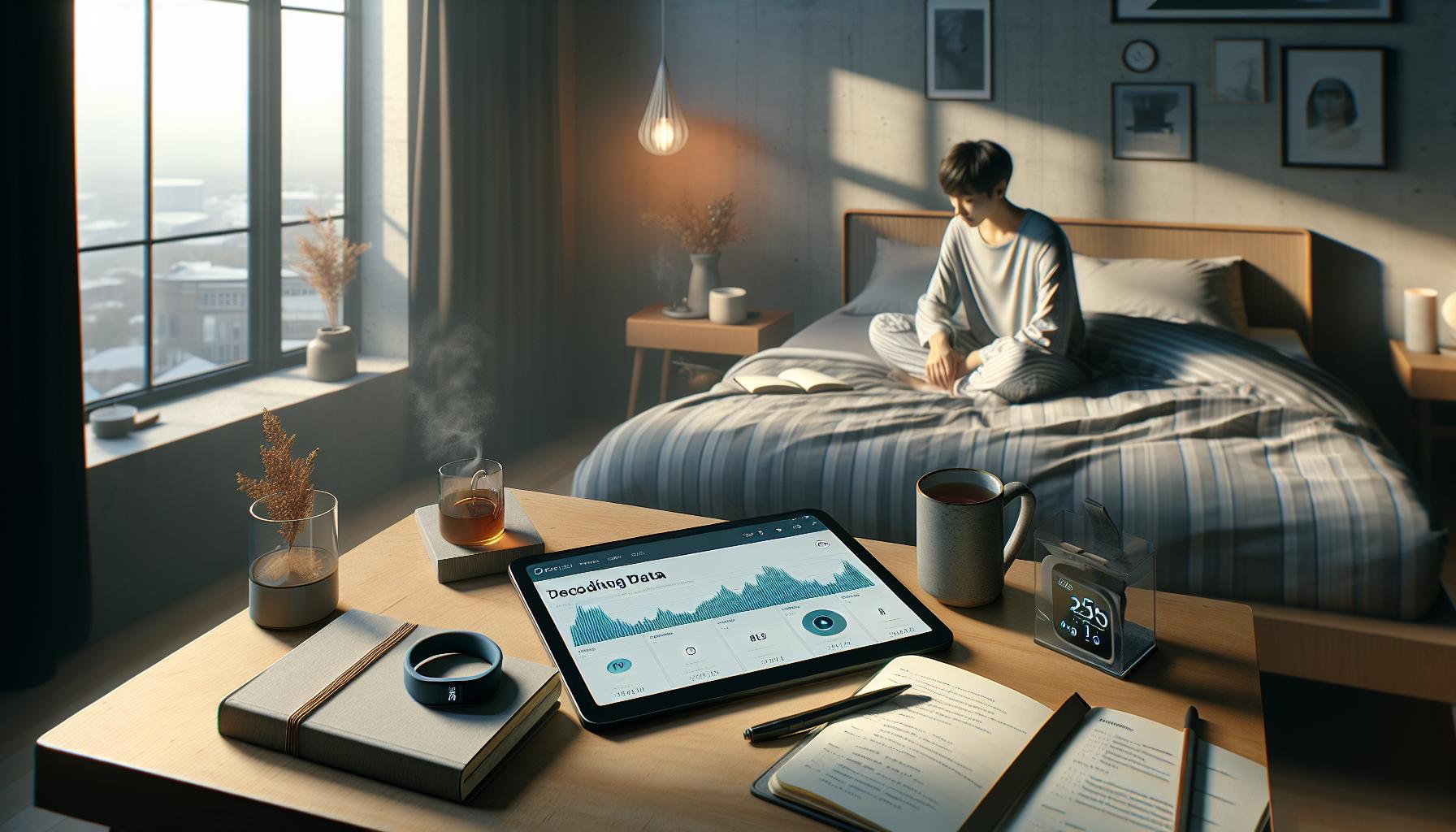
Decoding Your Sleep Data: What the Results Mean
Decoding the results of your sleep study can feel like unraveling a complex puzzle, but understanding the data is crucial for addressing sleep issues. Typically, the main components of your sleep study data will include information on sleep stages, breathing patterns, and overall sleep quality. These results can reveal whether you’re experiencing sleep disorders such as sleep apnea, insomnia, or restless legs syndrome.
Sleep Stages and Patterns
Your sleep is usually divided into several stages: light sleep, deep sleep, and REM (Rapid Eye Movement) sleep. Each stage plays a vital role in overall health. For instance, deep sleep is essential for physical recovery, while REM sleep supports cognitive functions like memory and learning. The results will show how much time you spent in each stage. A healthy sleep cycle involves transitioning smoothly through these stages multiple times during the night.
Breathing and Oxygen Levels
Another essential part of your sleep data will be information about your breathing. The study may reveal any interruptions in your breathing patterns, which can indicate sleep apnea. This condition occurs when your airways become obstructed, leading to brief awakenings throughout the night. Additionally, your oxygen levels will be monitored; consistent dips during sleep can signal underlying issues, necessitating further evaluation or intervention.
Sleep Efficiency and Quality
Your sleep efficiency, which is the ratio of total time spent asleep to the time spent in bed, is another key metric. A low sleep efficiency can indicate frequent awakenings or difficulty falling asleep. Sleep specialists can use this information to tailor recommendations specifically to your needs.
Understanding these results empowers you to make informed decisions about your sleep health. If any abnormalities are detected, discussing the next steps with your healthcare provider will be vital for effective management and treatment of your sleep-related concerns.
Potential Costs of Sleep Studies and Insurance FAQs
The costs associated with sleep studies can vary significantly based on several factors, such as the type of study, location, and insurance coverage. In-lab sleep studies, typically more comprehensive and monitored by specialists, can range from $1,000 to $3,000 or more, depending on the facility. Home sleep apnea testing is generally less expensive, costing between $300 and $500. These prices can also fluctuate based on geographic location and specific testing requirements.
Understanding your insurance coverage is crucial. Many insurance plans cover costs associated with sleep studies, particularly if they are deemed medically necessary. It’s advisable to check with your insurer beforehand regarding your benefits. Ask specific questions like whether pre-authorization is required, which facilities are in-network, and what your co-pay or deductible might be. Most providers can also clarify if the test is considered a preventive service, which can affect cost.
In some situations, going through your primary care provider can simplify the process. They can help determine if a sleep study is necessary and guide you through the insurance authorization process. Keep in mind that underinsured patients might want to inquire about payment plans or sliding scale fees offered by sleep centers.
Be prepared to discuss your symptoms and why a sleep study is warranted. Clearly communicating your experiences can help ensure your healthcare provider understands the urgency of your situation, which may influence both the type of study you undergo and the speed of insurance approval. Being proactive in these discussions can lead to a smoother process and potentially lower out-of-pocket costs in the long run.
Managing Sleep Study Anxiety: Tips for Comfort
Feeling anxious about an upcoming sleep study is completely normal, especially given the various unknowns involved. Understanding what to expect can significantly alleviate some of that worry. First and foremost, sleep studies are designed to optimize your comfort and collect necessary data to assess your sleep health effectively. Knowing that professionals are dedicated to ensuring your comfort can help reduce anxiety.
To make the experience more manageable, consider these practical tips:
- Familiarize Yourself with the Process: Read about what happens during a sleep study, including how the equipment works and the roles of the staff. Understanding the setup and procedures can demystify the experience.
- Practice Relaxation Techniques: Employ deep breathing, meditation, or gentle stretching before bed to help calm your mind. Bringing familiar items from home, like a favorite pillow or blanket, may also create a more comforting environment.
- Communicate with Staff: Don’t hesitate to voice any concerns or ask questions when you arrive. The technicians are there to help and can provide reassurance throughout the study.
- Limit Caffeine and Stress: On the day of your study, try to avoid caffeine or stressful activities that could affect your ability to relax and fall asleep.
It’s also beneficial to remember that sleep studies have been conducted for years, and protocols are in place to make you as comfortable as possible. The sophisticated equipment used is not only non-invasive but designed to ensure that you can sleep naturally while data is collected on your sleep patterns.
Maintaining a positive mindset can go a long way. Reflect on the potential benefits of participating in the study, such as gaining insights into your sleep issues or obtaining solutions that can dramatically improve your quality of life. A little preparation can significantly ease the butterflies in your stomach and transform what seems like a daunting task into a positive step towards enhancing your sleep health.
Lifestyle Changes Post-Study: Next Steps for Better Sleep
After completing a sleep study, it’s important to focus on actionable lifestyle changes that can lead to better sleep quality. Armed with the insights gained from the study, you can make informed decisions that can improve your overall sleep health. The journey to restful nights doesn’t end with the study; in fact, it’s just the beginning.
Evaluate Your Sleep Hygiene
Sleeping well often starts with good sleep hygiene. Review your current bedtime routine and identify areas for improvement. Here are some foundational practices to consider:
- Consistent Schedule: Aim to go to bed and wake up at the same time every day, even on weekends. This consistency helps regulate your body’s internal clock.
- Comfortable Sleep Environment: Ensure your bedroom is conducive to sleep-cool, dark, and quiet. Consider investing in blackout curtains, white noise machines, or even a comfortable mattress if needed.
- Limit Screen Time: Turn off electronic devices at least an hour before bedtime. The blue light emitted by screens can interfere with melatonin production, making it harder to fall asleep.
Incorporate Behavioral Adjustments
Post-study, you may have a better understanding of specific behavioral factors impacting your sleep. Integrating some changes can create a more positive sleeping environment:
- Manage Stress: Engage in relaxation techniques such as meditation, yoga, or deep breathing exercises to ease anxiety that can disrupt sleep.
- Avoid Stimulants: Reduce your intake of caffeine and nicotine, especially in the hours leading up to bedtime, as they can negatively affect sleep onset and quality.
- Balanced Diet: While dietary changes vary for each individual, maintaining a balanced diet rich in nutrients can promote better sleep. Some studies suggest that foods high in magnesium and melatonin can support sleep health.
Follow Up with Your Healthcare Provider
It’s crucial to stay engaged with your healthcare provider after your sleep study. They can help interpret the findings and suggest personalized strategies tailored to your unique sleep profile. Don’t hesitate to reach out if the recommendations don’t seem effective, or if your sleep problems persist. Adapting your lifestyle based on professional advice can make a significant difference.
Experiment and Document Changes
Every individual’s sleep needs are unique, so what works for one person might not work for another. Consider keeping a sleep diary to monitor changes after implementing new habits. Document the following:
- Bedtime and wake-up times
- Duration and quality of sleep
- Daily energy levels and mood
- Any specific triggers or distractions that arise
This record will not only help you spot patterns but also assist your healthcare provider in making future recommendations.
By consciously applying these practices and working collaboratively with medical professionals, you can turn the insights from your sleep study into a toolkit for lasting sleep improvement. Transitioning to a healthier sleep lifestyle is achievable, empowering you to take control of your sleep and well-being.
Common Misconceptions About Sleep Studies
The experience of undergoing a sleep study can stir up a mix of curiosity and anxiety, often fueled by misconceptions that circulate around the procedure. One common belief is that sleep studies are only for severe cases; however, they can help diagnose a range of sleep disorders, from insomnia to sleep apnea, for anyone experiencing sleep issues. Thus, it’s essential to dispel these myths to make informed decisions regarding your sleep health.
Many people think sleep studies are uncomfortable or invasive, but in reality, these procedures are designed to be minimally intrusive and as comfortable as possible. For instance, during an in-lab study, you’ll sleep in a private room equipped with monitoring equipment, which allows you to rest in a familiar position. Home sleep tests further reduce discomfort, permitting patients to sleep in their own beds while still gathering vital data about their sleep patterns. Relieving worries about wires and equipment, modern monitoring devices are quite advanced, providing accurate readings without significantly disrupting your sleep.
Another prevalent misconception is that sleep studies only capture sleep data when you’re in a deep sleep. In fact, specialists analyze various sleep stages, including light and REM sleep. Understanding the entire cycle gives healthcare providers a comprehensive overview of your sleep quality. Plus, recent advancements in wearable technology mean that even at-home devices can now provide insights similar to those of a traditional sleep study, making the process more accessible.
Finally, many people believe that anyone can interpret sleep study results, when in fact, it often takes a trained professional to provide a complete analysis. After undergoing a sleep study, discussing the findings with your healthcare provider is crucial. They can help clarify any confusing aspects and collaborate with you to develop an appropriate action plan based on your specific results. Understanding these misconceptions can not only alleviate anxiety surrounding sleep studies but also empower you to take control of your sleep health.
When to Consider a Sleep Study vs. At-Home Options
When sleep problems disrupt your daily routine, deciding between a sleep study and at-home testing options can feel overwhelming. Understanding when to pursue each option is crucial for achieving better sleep health. A sleep study, particularly in a clinical setting, is often the appropriate choice when symptoms suggest a significant sleep disorder, such as obstructive sleep apnea, severe insomnia, or complex sleep-related conditions.
In-lab sleep studies provide comprehensive polysomnography, a detailed process where multiple bodily functions are monitored, including brain activity, eye movements, heart rate, and respiratory patterns. This setup allows highly trained sleep specialists to accurately diagnose complicated sleep disorders. If you snore heavily, experience gasping during sleep, or suffer from excessive daytime sleepiness, these symptoms warrant a clinical evaluation through a formal sleep study. Factors like obesity, age, and other health issues can also influence the recommendation for a more in-depth analysis.
On the other hand, at-home sleep testing can be a suitable alternative for those with milder sleep issues or when signs point towards sleep apnea but do not indicate more severe conditions. These tests typically utilize portable equipment that collects key data about your breathing and oxygen levels while you sleep in your own bed. If you have a diagnosis of mild sleep apnea, or if you’re simply curious about your sleep patterns-without significant medical concerns-home sleep tests can often suffice. Devices such as wearables or sleep trackers, while not as comprehensive as in-lab studies, can provide valuable insights into your sleep quality, helping you identify patterns and lifestyle triggers affecting your sleep.
In making your decision, consider the severity of your symptoms, your overall health, and any recommendations from your healthcare provider. If you’re hesitant about the invasiveness of an in-lab sleep study or prefer the comfort of sleeping at home, be sure to discuss these feelings with your doctor. They can provide guidance tailored to your specific situation, helping you navigate these options and ultimately lead you towards strategies for improved sleep health.
Frequently Asked Questions
Q: What happens during an overnight sleep study?
A: During an overnight sleep study, you will spend the night in a sleep lab where your sleep patterns are monitored. Electrodes will be placed on your scalp and body to track brain waves, breathing, and heart rate while you sleep.
Q: How should I prepare for my overnight sleep study?
A: To prepare, avoid caffeine and alcohol a few days before the study, and follow any specific instructions given by your doctor. Bring comfortable sleepwear and any medications you regularly take to ensure an optimal night’s sleep.
Q: Can I sleep comfortably during the study?
A: Yes, sleep study facilities are designed to be as comfortable as possible. Technicians will help ensure you are settled in, and many labs have private rooms with a calming environment to help you rest.
Q: Will I be monitored all night during the sleep study?
A: Yes, you will be monitored throughout the night. Technicians will keep track of your sleep stages and any sleep disturbances to provide detailed data for analysis.
Q: How long does a sleep study take?
A: An overnight sleep study usually lasts approximately 8 to 12 hours. You will arrive in the evening and leave the next morning, allowing adequate time to gather comprehensive sleep data.
Q: What are the potential outcomes of a sleep study?
A: Results can reveal various sleep disorders, such as sleep apnea, insomnia, or restless leg syndrome. After analysis, your doctor will discuss findings and recommend appropriate treatment options.
Q: Will I receive the results immediately after the study?
A: No, results are analyzed over several days. Once evaluated, your healthcare provider will discuss the findings and next steps based on your specific sleep patterns and health conditions.
Q: Is an overnight sleep study covered by insurance?
A: Most health insurance plans cover sleep studies as they are essential for diagnosing sleep conditions. Check with your provider for coverage details and any necessary pre-authorization to ensure you’re aware of potential costs.
Future Outlook
Understanding what to expect during your overnight sleep study can ease anxiety and empower you to prioritize your sleep health. Remember, this simple testing method is crucial for diagnosing issues like sleep apnea and insomnia, helping you regain restful nights. If you have lingering questions or concerns, don’t hesitate to check our comprehensive guides on sleep disorders and the importance of sleep studies to stay informed.
Ready to take the next step? Explore our resources on how to navigate your insurance for sleep studies or discover our handy sleep diary to track your patterns before your appointment. Your journey towards better sleep starts today-sign up for our newsletter for the latest insights, or reach out for a personalized consultation. Join the conversation in the comments and share your thoughts or experiences with sleep studies; your voice matters! Together, we can work towards a more restful future.
Get our latest guides, news, and insights highlighted in your Google Search & AI Overviews.