
Did you know that nearly 30 million Americans suffer from sleep apnea, yet many remain undiagnosed? If you’re struggling with persistent fatigue or loud snoring, understanding whether you need a sleep study to get a CPAP machine is crucial. While a sleep study is often the gold standard for diagnosing sleep disorders, alternatives exist that may simplify your journey to better sleep. This article will walk you through your options, focusing on the benefits and drawbacks of each method, so you can make informed decisions about your sleep health. Whether you’re looking to understand the necessity of testing or exploring other avenues, we’re here to empower you with the knowledge you need to reclaim your restful nights. Keep reading to discover practical solutions tailored to your needs.
Do You Need a Sleep Study for CPAP?
Many people wonder whether a sleep study is a necessary step before receiving a CPAP (Continuous Positive Airway Pressure) machine for sleep apnea treatment. The short answer is that while a sleep study is often the gold standard for diagnosing sleep apnea, it may not always be strictly required. In certain cases, your doctor can prescribe a CPAP based on a comprehensive evaluation of your symptoms, medical history, and possibly a home sleep test.
Understanding the Need for a Sleep Study
A sleep study, or polysomnography, is conducted in a sleep lab to monitor various body functions during sleep, including brain waves, oxygen levels, heart rate, and breathing patterns. This thorough analysis is crucial for a precise diagnosis, especially if you experience complex sleep disorders. However, if you have clear symptoms of obstructive sleep apnea-such as loud snoring, choking during sleep, or excessive daytime sleepiness-you might be eligible for a CPAP without undergoing a full laboratory sleep study.
Alternatives to In-Lab Sleep Studies
Increasingly, home sleep tests (HST) are becoming popular as a practical alternative to traditional sleep studies. These tests are generally less expensive and can be completed in the comfort of your own home. They typically measure airflow, breathing effort, and blood oxygen levels, providing valuable data to help confirm a sleep apnea diagnosis. If you’re considering a home sleep test, it’s essential to speak with your healthcare provider to determine if this option aligns with your diagnosis needs.
Cost and Insurance Considerations
Navigating costs can be daunting when considering a sleep study or CPAP device. Many insurance plans cover sleep studies, both in-lab and home tests, but coverage may vary widely. Always check with your insurance provider about your policy specifics regarding diagnostic tests and CPAP equipment. Additionally, some health providers might offer payment plans or financial assistance for those without insurance.
In conclusion, while a comprehensive sleep study can provide crucial insights into sleep apnea, practical alternatives exist. Understanding your symptoms, exploring home sleep tests, and being aware of your insurance options will empower you to make the best decision for your sleep health. Always consult with a healthcare professional to discuss your symptoms and the most appropriate next steps tailored to your situation.
Understanding Sleep Studies and Their Importance
A sleep study, or polysomnography, is an essential tool in diagnosing sleep disorders, particularly obstructive sleep apnea (OSA). This comprehensive assessment captures multiple physiological parameters while you sleep, including brain activity, heart rate, oxygen levels, and breathing patterns. The importance of such detailed monitoring cannot be overstated; it allows healthcare providers to understand the severity and nature of your sleep difficulties, ensuring you receive the most appropriate treatment.
In many cases, individuals may display symptoms like loud snoring, frequent awakenings, or excessive daytime sleepiness, signaling a potential problem. For those who fit this profile, a sleep study serves as a cornerstone of getting timely and effective treatment. While some patients can receive a CPAP machine based on an evaluation of symptoms, a thorough sleep study can uncover nuances that might be missed otherwise, such as other overlapping sleep disorders or specific airway obstructions.
Many people feel apprehensive about sleep studies, fearing discomfort or an artificial environment. However, it’s important to know that modern facilities prioritize patient comfort and privacy. Expect to sleep in a comfortable bed while being monitored by state-of-the-art equipment. Plus, being aware of what to expect can help ease anxiety. You might be asked to arrive a bit early to familiarize yourself with the setup, allowing you to settle in before sleep is necessary.
Additionally, sleep studies are becoming more accessible with alternatives like home sleep testing (HST). HSTs tend to be more convenient and less expensive, enabling many to receive a preliminary diagnosis without the need for an overnight lab visit. However, it’s crucial to discuss these alternatives with your healthcare provider to ensure that your treatment plan aligns with your specific needs. Ultimately, understanding the role of sleep studies can empower you to make informed decisions regarding your sleep health, promoting better outcomes.
Alternatives to Traditional Sleep Studies
Modern advancements in sleep medicine offer several alternatives to traditional in-lab sleep studies, making it easier for individuals to evaluate their sleep health without the discomfort associated with hospital settings. Home sleep testing (HST) has emerged as a popular option, allowing patients to monitor their sleep in the comfort of their own beds while using portable devices that capture essential data like breathing patterns and oxygen levels. This method provides an efficient and effective way to screen for common sleep disorders such as obstructive sleep apnea (OSA) with minimal disruption to daily life.
Understanding Home Sleep Tests
Home sleep tests generally utilize simplified technology compared to full polysomnography. These tests typically involve the use of a small device that patients wear while sleeping. It may include sensors for measuring airflow, respiratory effort, and oxygen saturation. The entire setup is straightforward, usually involving just a few steps:
- Device Setup: Patients receive a device with clear instructions on how to wear it.
- Data Collection: After mounting the device, simply go to bed as usual.
- Return of Device: Patients return the device for analysis, typically within a few days.
The interpretation of the data can be conducted remotely, and results are often available within a short time frame, allowing for quicker metrics on whether treatment like CPAP is needed.
Wearable Devices and Apps
In addition to HST, consumer-grade wearable devices and sleep-tracking apps can provide preliminary insights into sleep patterns. Many smartwatches and fitness trackers now come equipped with built-in sleep monitoring features that analyze sleep stages and duration, offering valuable data points. While these devices cannot diagnose sleep disorders, they can signal potential issues worth discussing with a healthcare provider. For instance, if a wearable indicates patterns of disrupted sleep or excessive restlessness, it may prompt an individual to seek a formal evaluation.
Consultation with Healthcare Professionals
Regardless of the method chosen for sleep evaluation, consulting with a healthcare professional is crucial. They can guide you in selecting the best option based on symptoms, preferences, and medical history. This collaborative approach ensures that whether utilizing a home sleep test or wearable technology, individuals receive tailored advice leading to better sleep health outcomes.
In conclusion, while traditional sleep studies offer comprehensive insights, alternatives like home sleep tests and wearables can provide effective pathways for evaluating sleep issues, making the process less daunting and more accessible for many.
How Sleep Apnea Affects Your Health
Sleep apnea is more than just a nighttime nuisance; it poses significant risks to overall health that extend far beyond disrupted sleep. This condition is characterized by repeated interruptions in breathing during sleep, which can lead to dangerously low levels of oxygen in the blood. Research has shown that untreated sleep apnea increases the risk of serious health issues including cardiovascular problems, diabetes, and even cognitive decline. For many, the effects are insidious, often leading to chronic daytime fatigue, difficulty concentrating, and increased irritability.
In individuals with sleep apnea, the body experiences a cycle of oxygen deprivation that triggers a cascade of physiological responses. For example, when breathing stops, the brain briefly wakes the person to resume normal breathing. This can happen multiple times a night, leading to fragmented sleep that prevents the body from reaching restorative sleep stages. Over time, this chronic lack of quality sleep can elevate stress hormones such as cortisol, increasing blood pressure and raising the risk of hypertension. Studies indicate that people with moderate to severe sleep apnea are two to three times more likely to have a heart attack or stroke compared to those without the condition.
Moreover, sleep apnea can exacerbate other health issues like type 2 diabetes, as the hormonal imbalances caused by poor sleep affect insulin sensitivity. This creates a vicious cycle where obesity, a common contributor to sleep apnea, worsens the condition. Patients are often unaware of the far-reaching impacts of sleep apnea on their physical and mental health until they seek treatment. Thus, recognizing the signs-such as loud snoring, gasping for air during sleep, and excessive daytime sleepiness-is crucial for early intervention.
For those considering a CPAP (Continuous Positive Airway Pressure) device, understanding that this treatment can significantly improve quality of life is essential. The effectiveness of CPAP in alleviating symptoms of sleep apnea can lead to better overall health, improved mood, and enhanced cognitive function. If you suspect you have sleep apnea, discussing your symptoms with a healthcare provider is the first step toward diagnosis and treatment, whether through a formal sleep study or alternative methods like home sleep tests.
The Role of CPAP in Treating Sleep Apnea
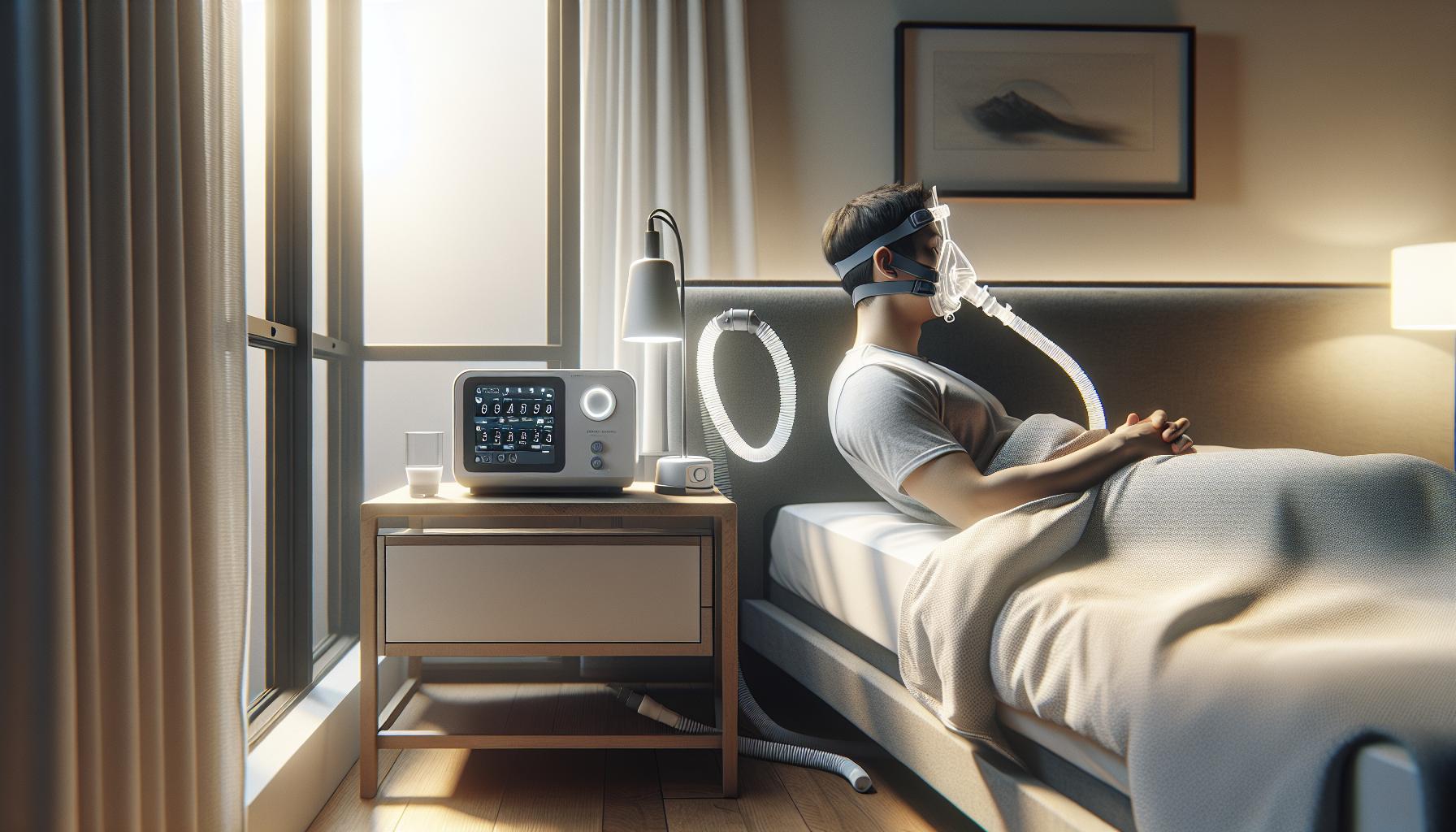
For many individuals suffering from sleep apnea, a CPAP (Continuous Positive Airway Pressure) machine can be life-changing. This device functions by delivering a continuous stream of air to keep the airways open during sleep, effectively preventing the interruptions in breathing that characterize sleep apnea. With consistent use, CPAP therapy can greatly enhance sleep quality, leading to improved daily functioning, better mood, and overall health outcomes.
The path to acquiring a CPAP often begins with a sleep study. This formal assessment, typically conducted overnight in a sleep lab, helps doctors understand the severity of the disorder and tailor CPAP settings accordingly. However, alternatives exist. Some patients can opt for home sleep tests, which are more convenient and less intimidating than traditional sleep studies. These portable devices can monitor breathing patterns and oxygen levels, providing valuable data for diagnosis and potential CPAP prescription.
It’s crucial for anyone suspecting they have sleep apnea to consult with a healthcare professional. Without timely diagnosis and treatment, the risks associated with untreated sleep apnea-including increased chances of developing cardiovascular diseases, diabetes, and mental health issues-can escalate. Utilizing a CPAP device can significantly reduce these risks, but understanding how to navigate the initial steps, such as whether a sleep study is necessary or if alternatives like home tests are viable, is vital for effective treatment.
For those considering CPAP therapy, it’s important to weigh the range of options available. Although the CPAP device may feel cumbersome to new users, many report that they quickly adapt to using it, making a noticeable difference in their quality of sleep. There are also various types of CPAP machines and masks to choose from, providing flexibility to find a comfortable fit. With adequate guidance and support, individuals can make informed decisions about their sleep health and embark on a journey towards restful nights and energized days.
Home Sleep Tests: What You Need to Know
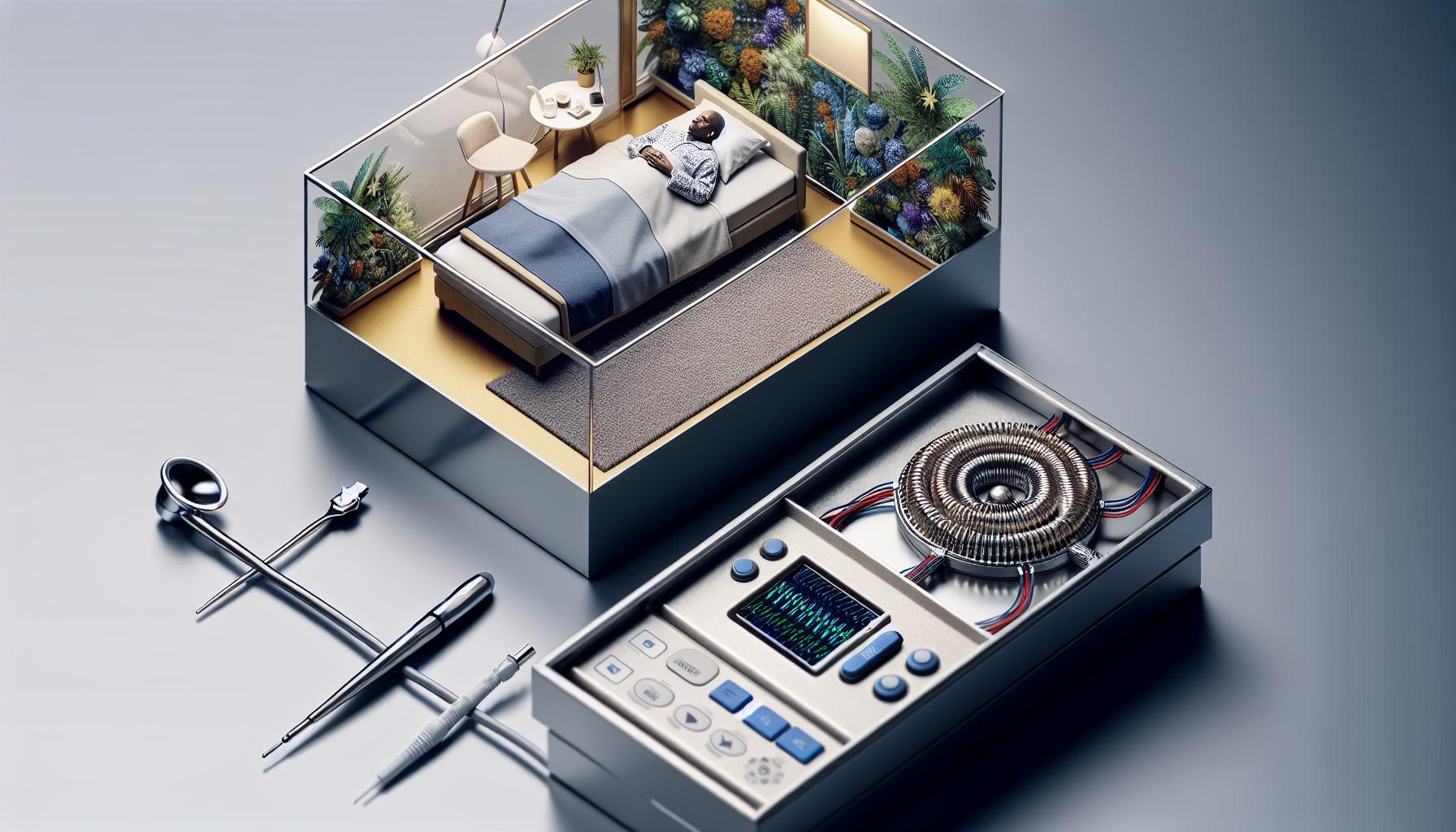
Home sleep tests are a valuable alternative for individuals suspecting they have sleep apnea but seeking more convenient ways to gather necessary data. Often done in the comfort of your own home, these tests can help diagnose sleep apnea with less anxiety than traditional overnight sleep studies. Typically, they involve using simple devices that monitor your breathing patterns, heart rate, and blood oxygen levels during sleep, providing clinicians with essential insights to determine whether CPAP therapy is appropriate.
One of the significant advantages of home sleep tests is their accessibility and lower cost. While traditional sleep studies can be expensive-often ranging from $1,000 to $3,000-home tests are usually more affordable, frequently costing between $200 and $600. Insurance often covers these tests, but it’s crucial to check your specific plan for details on coverage and any pre-authorization requirements. Additionally, the ease of using these devices can significantly encourage those who might feel uncomfortable in a clinical environment.
When preparing for a home sleep test, typically, you will receive a device from your healthcare provider with clear instructions for use. It’s crucial to follow the setup steps carefully to ensure accurate results. You’ll usually place sensors on your chest to track heart rate and respiratory effort, as well as a finger probe or wrist monitor to record oxygen levels. It’s designed to be straightforward, but your healthcare provider will guide you through any complexities or troubleshooting.
Despite their advantages, home sleep tests are not for everyone. They are most effective for individuals with moderate to severe symptoms of obstructive sleep apnea and may not be suitable for those with other sleep disorders or complex health issues. If you’re unsure whether a home sleep test is right for you, speak with your doctor. They can help you weigh the pros and cons based on your unique situation, ultimately guiding you toward the most appropriate diagnostic method for your needs.
Wearable Devices for Sleep Monitoring
are revolutionizing how we understand our sleep patterns and health. These gadgets, often worn on the wrist or as rings, can provide insights into various aspects of your sleep, from duration and quality to the stages of sleep you experience. Their convenience and accessibility make them an attractive alternative or complement to traditional sleep studies, especially for those who might be hesitant about visiting a sleep clinic.
Many wearable sleep monitors utilize a combination of sensors, including accelerometers and heart rate monitors, to track movements and physiological changes during the night. This data is then analyzed to offer a comprehensive overview of your sleep cycles, such as REM, light, and deep sleep. While these devices can serve as a useful tool for self-monitoring, it’s important to understand their limitations. Unlike comprehensive sleep studies conducted in a clinic, wearables may not be able to accurately diagnose sleep disorders like sleep apnea by themselves. They are best used as a preliminary assessment tool; if your data suggests potential issues, it may be wise to consult with a healthcare professional for further evaluation.
Another notable advantage of using wearables is their cost-effectiveness. Many models are available at a range of prices-from budget options around $50 to advanced models that can cost several hundred dollars. This is a significant reduction compared to traditional sleep studies, which often run into the thousands. Most wearables also offer accompanying apps that not only track sleep but often include features for improving sleep hygiene, such as guided relaxation techniques or alerts for optimal sleep times.
When considering a wearable device, it’s essential to keep your needs and lifestyle in mind. Look for features that align with your specific concerns, such as pulse oximetry for monitoring oxygen levels-particularly important for those suspected of having sleep apnea. Before making a purchase, checking user reviews and expert opinions can be beneficial. Ultimately, while wearables can enhance your understanding of your sleep health, they should be part of a broader approach, which may include professional assessments for accurate diagnosis and treatment options like CPAP therapy if needed.
Insurance Coverage for Sleep Studies and CPAP
Understanding the insurance landscape for sleep studies and CPAP coverage can feel overwhelming, but navigating it doesn’t have to be. Most health insurance plans do cover the costs associated with diagnostic sleep studies if you have symptoms suggesting a sleep disorder, particularly sleep apnea. Coverage can include in-lab polysomnography or home sleep apnea testing. Your specific coverage will depend on your insurance provider and policy, so it’s essential to review your benefits or contact your insurer directly for details.
When it comes to CPAP (Continuous Positive Airway Pressure) therapy, many insurers will also cover the cost of the device and accessories, but several criteria typically need to be met. For instance, a definitive diagnosis from a sleep study is often required before you can receive a CPAP machine. Additionally, some plans may have a rental period for CPAP devices before they are fully covered and usually require ongoing compliance checks to ensure effective usage.
Here are some tips to help you navigate insurance coverage:
- Know Your Plan: Familiarize yourself with your policy details, including deductibles, copays, and any pre-authorization requirements for sleep studies and CPAP equipment.
- Documentation: Ensure that your healthcare provider submits all necessary documentation to support your claim, including sleep study results and medical necessity for CPAP.
- Check for Limitations: Some plans impose limits on the type of devices or supplies covered, so it’s crucial to be aware of these restrictions.
- Regular Follow-Ups: Regularly check in with your provider about compliance and any required follow-ups to remain eligible for coverage.
Keep in mind, that while wearables and home tests can serve as preliminary tools, they may not always meet insurance requirements for sleep disorder diagnoses or treatment. Ultimately, understanding the nuances of your insurance can empower you to make informed decisions about your sleep health without unnecessary cost surprises. Always consider consulting with your healthcare provider or a sleep specialist if you have any doubts or need further assistance navigating insurance claims.
Preparing for Your Sleep Study: What to Expect
Preparing for a sleep study can feel daunting, especially with the range of thoughts swirling in your mind. But understanding what to expect can help ease your anxiety and set you up for success. Typically, you will be instructed to schedule your study during a weekend or when you have time off, allowing for a relaxed atmosphere. Keep in mind that home sleep tests are also options, but they often come with limitations in terms of data collected.
Upon arriving at the sleep clinic or preparing at home, you may be asked to provide some medical history, which is crucial for tailoring your testing experience. Expect to wear sensors on your body that will track various vital signs, including brain waves, heart rate, and oxygen levels. This process is essential for diagnosing conditions like sleep apnea, as these conditions directly affect your overall health and quality of sleep.
Prior to your study, try to stick to your regular sleeping schedule as much as possible. This familiarity will aid in collecting accurate data that reflects your normal sleep patterns. Here are some practical tips to ensure a smooth experience:
- Limit Caffeine and Alcohol: Avoid stimulants and sedatives the evening before the study, as they can alter your sleep architecture.
- Bring Comfort Items: If possible, bring along a favorite pillow or blanket. Comfort can significantly impact how well you sleep during the study.
- Dress Comfortably: Wear loose, comfortable clothing to allow for easy movement and sensor placement.
- Ask Questions: Don’t hesitate to ask the sleep technicians any questions about the procedure; they’re there to support you.
Remember, the data collected during your study will provide valuable insights that can lead to effective treatment strategies, such as CPAP therapy if diagnosed with sleep apnea. Being prepared helps to ensure that your study goes smoothly and that you’re able to receive the insights needed for better sleep health.
Common Myths About Sleep Studies and CPAP
Many misconceptions surround sleep studies and CPAP (Continuous Positive Airway Pressure) therapy, often leading to unnecessary anxiety for those seeking help with sleep apnea. One common myth is that you cannot get a CPAP machine without undergoing a formal sleep study. While traditional lab-based sleep studies are the gold standard for diagnosing sleep disorders, there are alternatives like home sleep tests. These tests can provide sufficient data for many individuals and may lead directly to treatment if sleep apnea is suspected.
Another frequent assumption is that sleep studies are unnaturally invasive and uncomfortable. In reality, modern sleep studies are designed to be as comfortable as possible, often allowing you to sleep in a private room. Home sleep tests can further enhance comfort since they can be conducted in the familiar environment of your own home. The technology has advanced significantly, meaning sensors and equipment are less intrusive than ever before, making the experience more bearable.
Additionally, some think that CPAP therapy is a one-size-fits-all solution that simply requires wearing a mask. This is misleading; choosing the right CPAP machine and mask involves a personalized approach. Factors such as the type of mask, pressure settings, and additional features should be tailored to the individual’s needs. Education on how to use the device effectively is crucial, and many providers offer support to ensure users have a positive experience with CPAP therapy.
Ultimately, understanding these myths empowers individuals to seek proper diagnosis and treatment for sleep apnea. By dispelling these misconceptions, you can approach your sleep health with confidence and clarity, making informed decisions about your care.
Navigating the Technical Side of CPAP Devices
Understanding the intricacies of CPAP devices can seem daunting, especially with the variety of options and features available. Many users may feel overwhelmed when trying to navigate the technical side after being recommended CPAP therapy, but gaining familiarity with the devices can significantly enhance your experience and effectiveness of treatment. Here’s what you need to know to get started and ensure you’re using your CPAP system to its full potential.
Getting Started with CPAP Devices
The first step is selecting the appropriate CPAP machine for your needs, which may depend on the type and severity of your sleep apnea. It’s crucial to work with your healthcare provider to determine the ideal pressure settings and type of machine (e.g., standard CPAP, APAP, or BiPAP). While some individuals might think they can simply plug in the device and start using it, the reality is that personalized settings can dramatically affect comfort and efficacy.
Here are a few key factors to consider:
- Type of Mask: Choose between nasal masks, full-face masks, or nasal pillows based on comfort and your breathing style. A proper fit is essential to prevent leaks and enhance efficacy.
- Pressure Settings: Pressure settings might need adjustments based on your comfort and the severity of apnea. Always consult with your doctor before making changes.
- Humidification: Most CPAP machines offer a humidifier option that can help alleviate dryness in your throat and nasal passages, enhancing comfort during use.
Routine Maintenance and Troubleshooting
Maintaining your CPAP equipment is crucial for ensuring its longevity and effectiveness. Regular cleaning of the mask, tubing, and water chamber can help prevent infections and other issues. Here are some quick tips for upkeep:
- Wash your mask daily with mild soap and water to remove oils and bacteria.
- Replace filters at recommended intervals, typically every one to three months.
- Inspect the tubing for cracks or leaks regularly; replace as necessary.
If you encounter issues, such as persistent leaks or discomfort, it’s essential to troubleshoot. Check that all connections are secure and the mask fits well. If you experience stress or discomfort from the sound of the machine, consult your provider about potential sound-proofing options or quieter models.
Understanding Your Data
Many modern CPAP machines come equipped with built-in data tracking capabilities. This data can provide insights into your therapy, such as hours of use, apnea events per hour, and mask fit. Understanding this information helps you and your healthcare professional assess the effectiveness of your treatment and make necessary adjustments. If your device features connectivity to apps or online portals, take advantage of these to monitor your progress easily.
doesn’t have to be a source of anxiety. With the right knowledge and proactive management, you can optimize your treatment and significantly improve your sleep quality. Remember, your healthcare team is there to support you-don’t hesitate to reach out with questions or concerns.
Real-Life Scenarios: When to Seek Help for Sleep Issues
Experiencing sleep issues can feel overwhelming, and knowing when to seek professional help can make a significant difference in your health and quality of life. If you find yourself frequently feeling fatigued despite spending enough time in bed, it might be an indication that your sleep needs further evaluation. Here are some scenarios where reaching out for a sleep study or professional advice becomes essential.
If you consistently snore loudly, experience choking or gasping sensations during sleep, or have a partner who mentions irregular breathing patterns, it’s time to consider a sleep evaluation. These symptoms are often associated with obstructive sleep apnea (OSA), a condition that can lead to severe health complications if left untreated. A sleep study, either in a lab or at home, can provide the necessary insights into your sleep patterns, allowing for tailored treatment such as CPAP therapy.
For those experiencing excessive daytime sleepiness, it’s crucial to assess the impact of your sleep quality on daily functioning. If you find that you’re unable to remain alert during everyday activities, like driving or working, this could be a red flag. In such cases, consult your healthcare provider about undergoing a formal sleep study. Wearable devices, although useful for tracking sleep patterns, cannot replace the detailed insights that a comprehensive evaluation provides.
Lastly, if you notice recent changes in your sleep habits, such as insomnia or restless leg syndrome, it’s worth addressing promptly. These conditions can stem from various underlying issues, including stress, anxiety, or medication side effects. Your healthcare professional can guide you through these symptoms and help determine whether a sleep study is necessary or if at-home solutions may suffice.
Recognizing when to seek help is the first step in managing your sleep health effectively. Don’t hesitate to take action if your sleep patterns are impacting your overall well-being.
Frequently asked questions
Q: Do I need a doctor’s referral to get a CPAP prescription?
A: Yes, a doctor’s referral is typically required to obtain a CPAP prescription. A healthcare provider will evaluate your symptoms and may recommend a sleep study to diagnose sleep apnea before prescribing CPAP therapy. This ensures the treatment is appropriate for your condition.
Q: Can I skip a sleep study if I have sleep apnea symptoms?
A: While it’s possible to seek CPAP therapy without a sleep study, it’s not advisable. A sleep study provides critical data confirming diagnosis and severity, helping tailor treatment. However, home sleep tests may be a viable alternative in some cases, which is discussed in more detail in the article.
Q: What are home sleep tests, and how do they compare to in-lab studies?
A: Home sleep tests are simplified assessments that allow you to monitor sleep apnea symptoms in your own environment. They are less comprehensive than in-lab studies but are often more convenient and affordable, making them a practical alternative for many patients.
Q: What alternatives exist to CPAP for treating sleep apnea?
A: Alternatives to CPAP for sleep apnea treatment include oral appliances, positional therapy, lifestyle changes, or in some cases, surgery. Each option varies in effectiveness, so discussing these alternatives with a healthcare provider is essential for personalized treatment.
Q: Can wearable devices effectively replace traditional sleep studies?
A: While wearable devices can offer insights into sleep patterns and potential apnea symptoms, they cannot fully replace traditional sleep studies. They can, however, help monitor sleep quality and are useful for patients exploring their symptoms further before confirming a diagnosis.
Q: How long does it take to get results from a sleep study?
A: Results from a sleep study can take a few days to a couple of weeks to be processed and interpreted by a specialist. Once reviewed, they will discuss the findings and possible treatment options with you.
Q: What should I expect during a sleep study?
A: During a sleep study, you can expect monitoring of your sleep patterns, breathing, and oxygen levels. You’ll be connected to various sensors that track these metrics, typically in a comfortable lab setting or your home for some tests.
Q: Will insurance cover the costs of sleep studies and CPAP devices?
A: Many insurance plans cover sleep studies and CPAP devices, but coverage can vary significantly. It’s advisable to check with your insurance provider regarding specific benefits and requirements to avoid unexpected out-of-pocket costs.
Concluding Remarks
If you’re wondering whether a sleep study is necessary to get a CPAP, remember that there are alternatives available that might suit your needs better. Options like oral appliances or positional therapy can provide effective relief from sleep apnea symptoms without the need for a CPAP. Take the first step towards better sleep tonight by exploring these alternatives and consulting with your healthcare provider about which option might be best for you.
Don’t hesitate to dive deeper into related topics! Check out our article on the 11 CPAP alternatives to make an informed decision or explore how to navigate insurance for sleep studies. Your sleep health is crucial-sign up for our newsletter for insightful tips and suggestions, and let us empower you to take control of your sleep journey. Together, we can find the right solution that fits your lifestyle and enhances your overall well-being.
Get our latest guides, news, and insights highlighted in your Google Search & AI Overviews.