
Did you know that the quality of your sleep can significantly influence your overall health and well-being? As we rush through our busy lives, understanding and optimizing our sleep has never been more important. The Oura Ring offers a sophisticated yet user-friendly way to track your sleep patterns, giving you insights into the quality and duration of your rest. In this breakdown, we’ll explore how the Oura Ring tracks your sleep, helps identify patterns, and equips you with the knowledge to enhance your nightly recovery. Whether you struggle with falling asleep, feel unrested despite adequate hours, or simply wish to optimize your sleep performance, understanding the capabilities of your Oura Ring can empower you to make informed decisions about your health. Ready to dive into how this innovative device can transform your sleep experience? Let’s get started!
Overview of the Oura Ring’s Sleep Tracking Features
The Oura Ring stands out as a leader in the realm of sleep tracking technology, seamlessly combining style with advanced health insights. This innovative smart ring, designed to be worn overnight, provides users with comprehensive data on sleep quality that can transform sleep habits and enhance overall well-being. With its sleek design, the Oura Ring isn’t just a health tracker; it’s a tool for anyone serious about improving their sleep and lifestyle.
One of the standout features of the Oura Ring is its ability to monitor various aspects of sleep. The ring tracks total sleep time, sleep efficiency, and disruptions, offering a rounded view of your nightly rest. By continuously measuring vital metrics such as heart rate variability, body temperature, and movement, the ring assesses your sleep stages, helping to generate a personalized sleep score. This score serves as a powerful indicator of your sleep health, guiding users in understanding how well they are recovering each night.
To maximize the value of the insights provided by the Oura Ring, users are encouraged to familiarize themselves with their sleep data. The accompanying Oura app displays detailed charts and trends, allowing for easy interpretation of nightly scores and patterns over time. By analyzing this data, individuals can identify sleep disturbances and understand the factors that affect their rest, such as stress levels, physical activity, or daily habits.
Setting up the Oura Ring for sleep tracking is intuitive; simply wear it to bed, and it does the rest. For optimal results, it’s recommended that users maintain a consistent sleep schedule to enhance the accuracy of sleep stage detection. With a commitment to understanding and improving sleep, the Oura Ring empowers individuals to make informed decisions about their health, bridging the gap between technology and self-awareness.
By embracing the insights offered by the Oura Ring, users can transform their sleep quality into a proactive health strategy, cultivating better rest and, ultimately, a healthier lifestyle.
How the Oura Ring Measures Sleep Quality
The way the Oura Ring measures sleep quality is both sophisticated and user-friendly, allowing individuals to gain precise insights into their nightly rest. By utilizing advanced sensors and algorithms, the ring captures a variety of physiological signals during sleep, making it an effective tool for tracking overall sleep health. Wearers can expect to receive comprehensive data that details not just how long they were asleep, but also the quality of that sleep based on a variety of metrics.
One of the critical components of the Oura Ring’s functionality is its ability to monitor key biometrics while you sleep. These metrics include heart rate, heart rate variability (HRV), body temperature, and movement. The ring tracks your total sleep duration and then categorizes the details into various sleep stages: light sleep, deep sleep, and REM sleep. Each of these stages plays a unique role in the restorative process of sleep. For example, deep sleep is crucial for physical restoration, while REM sleep is vital for cognitive functions like memory consolidation.
This data is transformed into a Sleep Score that gives users a quick overview of their sleep quality. Scores range from 0 to 100 and include factors such as ideal sleep duration and quality of sleep stages achieved. Understanding how to read this score can empower users to make informed lifestyle changes aimed at improving their sleep quality. For instance, a low score may highlight the need to reduce stress or improve sleeping conditions, while a higher score can reinforce the success of good sleep habits.
To personalize the experience, the Oura App syncs with the ring to provide detailed reports and trends over time. Users can see patterns and fluctuations that correlate with changes in their habits, allowing them to tweak their nightly routines for optimal rest. By paying close attention to this data, individuals not only enhance their understanding of their personal sleep health but also position themselves to improve overall well-being significantly.
In summary, the Oura Ring’s ability to measure sleep quality through comprehensive biometric data and insightful scoring empowers users to monitor, understand, and improve their sleep effectively. Embracing these insights can turn sleep tracking into a proactive component of personal health management.
Understanding Sleep Stages Monitored by Oura
Understanding the intricacies of sleep is crucial for anyone looking to improve their overall health, and the Oura Ring provides valuable insights into this complex process by tracking various sleep stages. The ring utilizes advanced sensing technology to monitor physiological signals as you sleep, breaking your slumber down into three primary stages: light sleep, deep sleep, and REM sleep. Each of these stages plays a specific role in rejuvenating the body and mind.
Light Sleep
Light sleep is a fundamental stage of your nightly rest, accounting for about 50% of your total sleep. During this phase, your body begins to relax, and your heart rate slows down. It’s the stage where you drift in and out of awareness, making it easier for external stimuli to wake you. While this stage may not feel as restorative as deep sleep, it’s essential for memory consolidation and brain function. The Oura Ring accurately captures the duration of your light sleep, helping you understand its impact on your overall sleep quality.
Deep Sleep
Deep sleep, often considered the most restorative phase, allows your body to recover physically. During this time, growth hormone is released, aiding tissue repair and immune function. Deep sleep is crucial for feeling well-rested upon waking. The Oura Ring diligently tracks this stage, providing insights into how long you remain in deep sleep and its significance on your overall sleep score. If your deep sleep duration is consistently low, you may want to evaluate your sleeping environment and daily habits to enhance it.
REM Sleep
Rapid Eye Movement (REM) sleep is where most dreaming occurs, and it plays a vital role in cognitive functions such as learning and memory. This stage is essential for emotional regulation and creativity. The Oura Ring measures how much time you spend in REM sleep by monitoring heart rate patterns and movements during the night. Understanding your REM sleep patterns can help gauge your emotional well-being and readiness for the day ahead.
Each of these sleep stages contributes uniquely to your overall health, and the insights provided by the Oura Ring can empower users to make informed lifestyle changes. By analyzing your sleep data, you can identify patterns and areas for improvement. For instance, if you notice that you’re getting less deep or REM sleep, you may want to implement changes like reducing screen time before bed, maintaining a consistent sleep schedule, or creating a more conducive sleep environment. This way, you can optimize your sleep stages, leading to enhanced recovery and improved daytime performance.
Interpreting Your Oura Ring Sleep Data

can be an enlightening journey into understanding your sleep patterns and overall health. When you review your nightly sleep analysis, it’s more than just numbers; it’s a guide to understanding how well your body is resting and recovering. The Oura Ring uses advanced sensors to measure key metrics during your sleep, including total sleep duration, sleep efficiency, and the distribution of different sleep stages: light, deep, and REM.
To make the most of this data, start by focusing on your sleep score, which is a comprehensive measure combining multiple factors such as how long you slept, the quality of your sleep, and the time spent in various stages. The Oura app provides a clear breakdown, allowing you to see where you excel and where you might need improvement. For example, you might discover that while your total sleep time is adequate, you’re not spending enough time in deep sleep, which is vital for physical recovery. This insight can prompt you to modify your bedtime routine or sleeping environment to promote deeper sleep.
As you engage with your sleep data, consider these practical tips to enhance your understanding:
- Daily Trends: Look for patterns over several nights instead of getting hung up on a single night’s score. This can help you identify factors that consistently affect your sleep quality.
- Event Tracking: Use the app to note any activities, stress levels, or dietary choices on nights with poor sleep. Recognizing these correlations can guide you toward healthier habits.
- Community Support: Share your insights in the Oura community to get tips from others who might be experiencing similar challenges or successes.
The Oura Ring does more than just track your sleep; it provides actionable insights that can lead to meaningful changes. By using this technology mindfully, you can cultivate habits that not only improve your sleep but also enhance your overall well-being. Whether it’s adjusting your evening activities or creating a more restful environment, the data you receive can empower you to make informed decisions about your sleep health.
Setting Up Your Oura Ring for Sleep Tracking
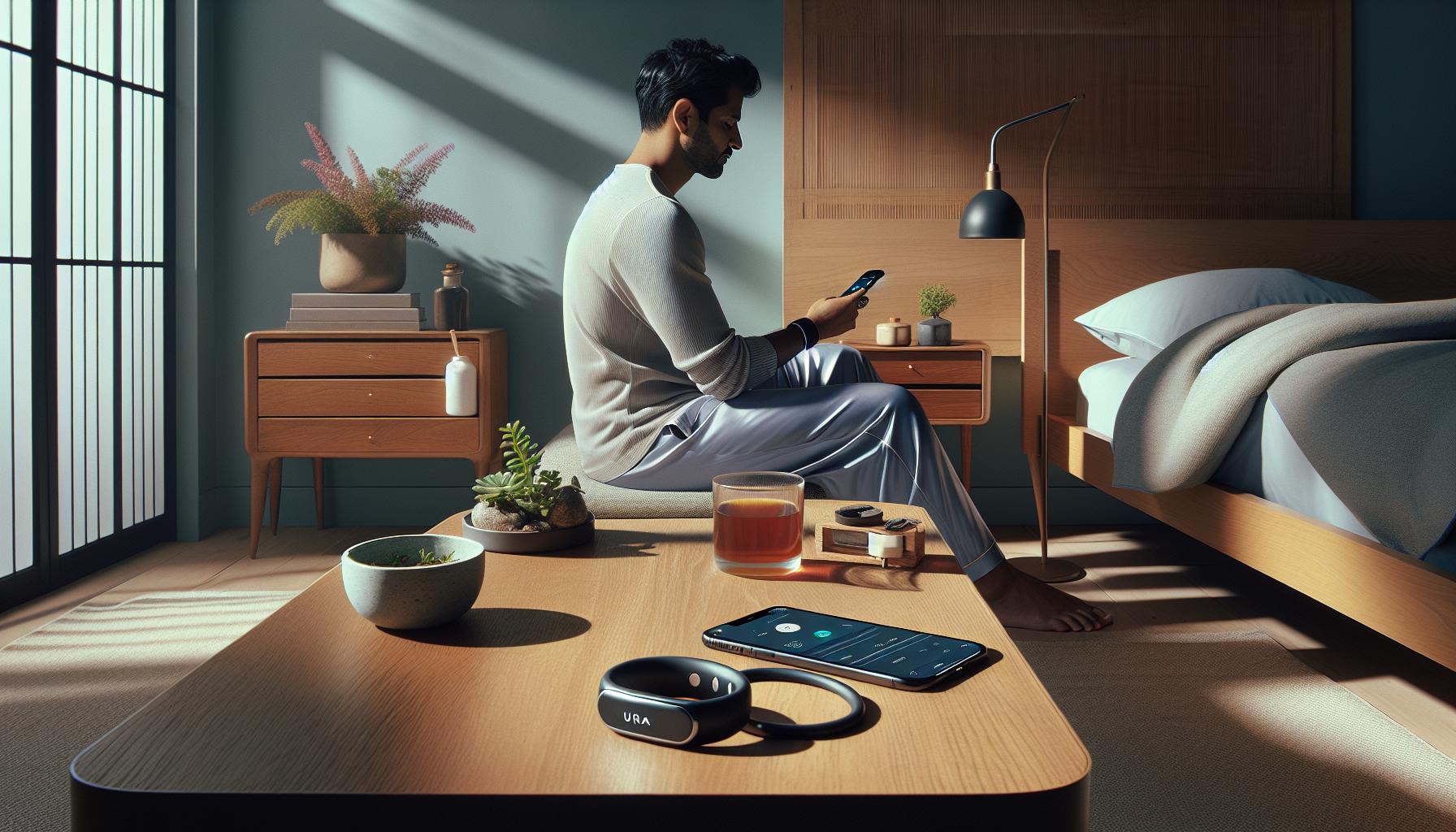
To get started with your Oura Ring for sleep tracking, you’ll first need to complete the initial setup process, which is straightforward and intuitive. The ring itself is sleek and comfortable to wear, making it easy to integrate into your nightly routine. Once you receive your Oura Ring, follow these essential steps to ensure it’s configured correctly for accurate sleep monitoring.
Begin by charging your Oura Ring fully using the provided charging dock. A full charge typically lasts several days, ensuring it’s ready for continuous monitoring. Once charged, download the Oura app, available for both iOS and Android devices. Create an account and follow the on-screen instructions to connect your ring via Bluetooth. Setting up your profile is important-input your age, gender, height, and weight to help Oura customize your insights, as these parameters influence your sleep recommendations.
It’s crucial to wear the Oura ring consistently, especially during the night. For optimal results, it should be snug but comfortable on your finger. If you’re new to this kind of wearable technology, consider wearing it during the day as well to help you get accustomed to it. The ring uses sensors to gather data on your heart rate, temperature, and movement, crucial metrics for assessing sleep quality. You can also set your preferred sleep schedule in the app, which aids the ring in predicting your sleep patterns based on your routines.
Make sure to keep your ring updated with the latest software by checking the app regularly for updates. This ensures that you’re using the most recent features and improvements, which can enhance your sleep tracking experience. Lastly, the app offers tutorials and tips based on your specific habits-take advantage of these resources to tailor your insights. By following these steps, you’ll ensure that your Oura Ring is set up for success in monitoring your sleep patterns and contributing to your overall health and well-being.
Maximizing Sleep Insights with Oura Ring
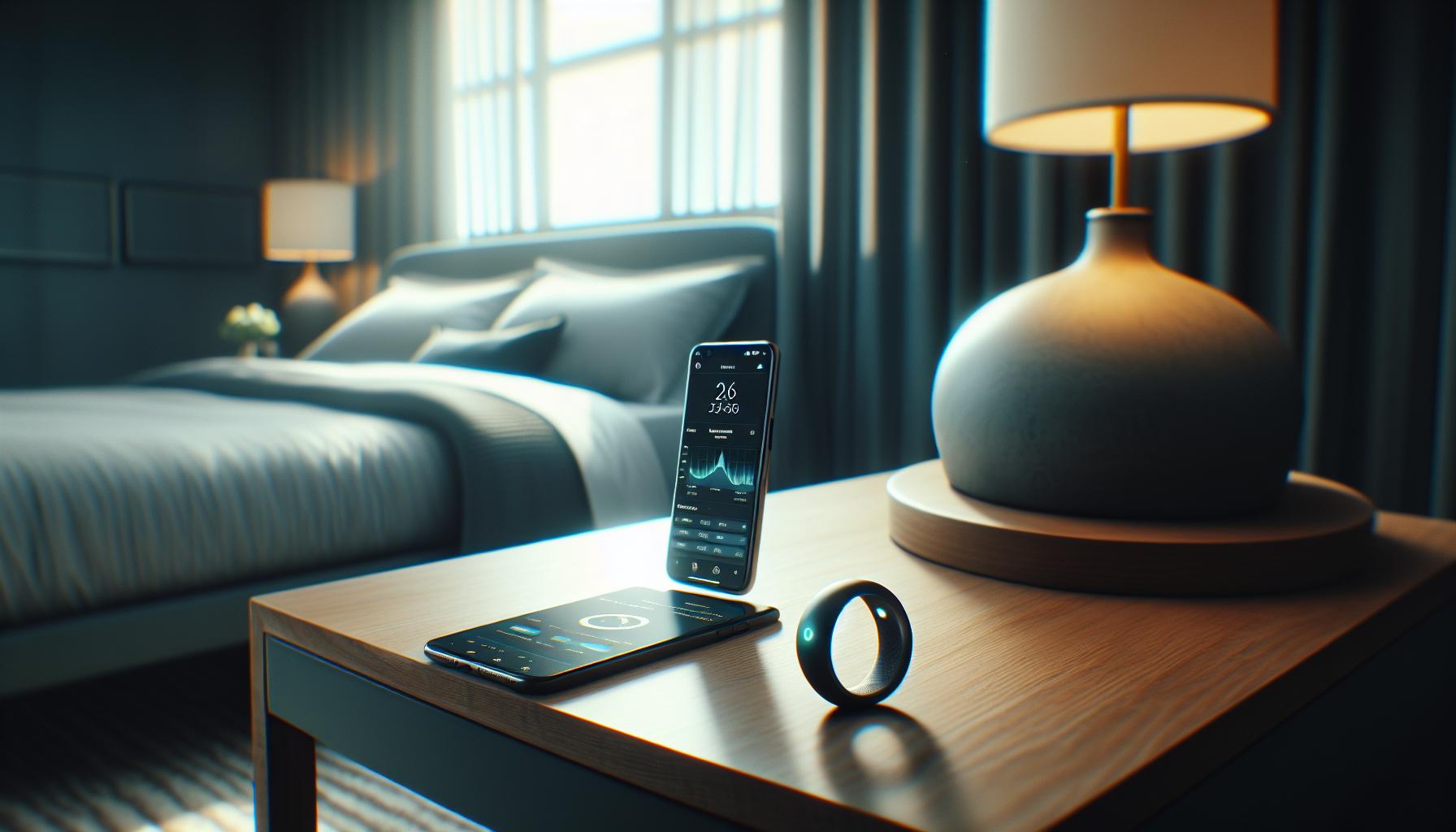
To truly unlock the potential of your Oura Ring for enhancing sleep quality, understanding how to maximize the insights it provides is essential. This smart wearable not only tracks your sleep patterns but also interprets data to help you make informed adjustments to your nightly routine. When used effectively, the Oura Ring can empower you to improve your sleep quality, leading to better overall health and well-being.
Utilizing Sleep Insights
Start by regularly reviewing your sleep data in the Oura app. Pay close attention to key metrics such as your Sleep Score, which combines various factors like total sleep time, sleep efficiency, and your time spent in different sleep stages (light, deep, and REM). A deeper understanding of these metrics can help you identify patterns and triggers affecting your sleep. For instance, if you notice a drop in your Sleep Score after nights with poor hydration or late caffeine intake, adjusting these habits could lead to improved sleep quality.
Customizing Your Experience
The Oura app allows for personalization based on your unique lifestyle. By setting a preferred sleep schedule within the app, you can enhance the accuracy of your sleep predictions. Be diligent about consistent bedtime and wake-up times; this helps the ring gauge your sleep habits more effectively. Experiment with different approaches, such as adjusting light exposure in the evening, to see how it impacts your sleep metrics. Consistent data tracking over time will provide insights into your body’s responses to various lifestyle changes.
Integrating Lifestyle Changes
Every individual is different, and thus, integrating the insights from the Oura app into your daily routine is crucial. Here are some actionable strategies to consider:
- Wind Down Ritual: Implement a calming routine before bed-think reading, meditation, or light stretching.
- Environment Control: Optimize your sleep environment by adjusting room temperature, using blackout curtains, and minimizing noise.
- Nutrition Focus: Monitor your diet, especially the timing of meals, as late-night snacks or heavy meals can disrupt sleep.
- Exercise Regularly: Engage in physical activity, ensuring it’s not too close to bedtime, to promote deeper sleep.
By being proactive and utilizing your Oura Ring’s capabilities, you can lay the foundation for enhanced sleep quality. Remember, it’s about the journey-keeping the focus on gradual improvements rather than seeking perfection will yield the best long-term results. Embrace the insights from your Oura Ring, and allow them to guide your journey toward more restorative and rejuvenating sleep.
Comparing Oura Ring to Other Sleep Trackers
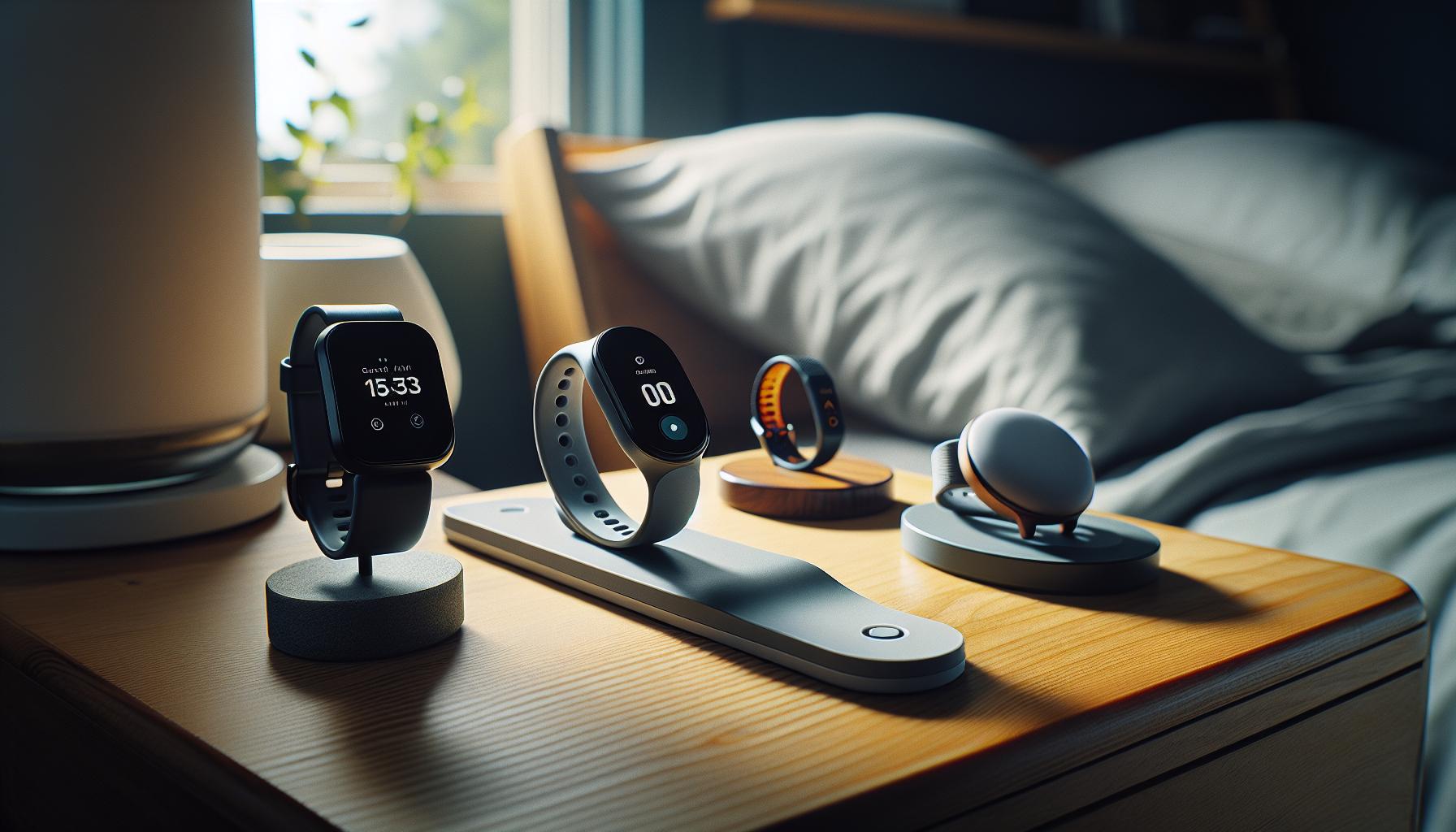
When it comes to sleep tracking, the Oura Ring stands out among other devices in the market due to its advanced technology and comprehensive insights about your sleep health. Unlike typical wrist-worn fitness trackers that may struggle with accuracy during sleep, the Oura Ring leverages its design to monitor a wide range of biometric data directly from your finger, providing more reliable readings. Users often find the Oura Ring’s better fit-close to the skin on your finger-enhances its ability to track metrics such as heart rate, body temperature, and sleep stages.
One major advantage of the Oura Ring over other sleep trackers is its ability to provide a Sleep Score. This score gives users a quick reference point to assess their sleep quality based on total sleep time, sleep stages (light, deep, and REM), and sleep efficiency. Competing devices might deliver data in raw numbers but can lack the synthesized analytical approach that Oura employs, making it easier for the average user to understand their sleep patterns at a glance. The integration with the app allows for personalized feedback, enabling users to correlate their lifestyle choices with their sleep performance effectively.
Many sleep trackers, such as Fitbit and Apple Watch, emphasize daily activity and exercise tracking alongside sleep metrics. While these devices are great for broader health monitoring, their sleep features may not delve as deeply into the specifics of sleep architecture as the Oura Ring does. For example, the Oura Ring’s insights into blood oxygen levels during sleep not only influence your Sleep Score but also help indicate how well your body is managing respiratory function overnight. This capability is beneficial for users who want a clearer picture of their overall health and potential sleep issues-offering something that many other wearables lack.
Comparatively, price can also be a determining factor. The Oura Ring comes with a higher upfront cost, generally reflective of its specialized features and build quality. Other more budget-friendly options might sacrifice the depth of analysis for the sake of affordability. It’s essential to consider what you value more: a comprehensive overview of your sleep patterns or a basic tracking tool that may not capture the nuances of your nightly rest.
As with any technology, it’s vital to weigh the specific features of the Oura Ring against what you need for your health journey. If you are looking for a detailed analysis with actionable insights, the Oura Ring certainly shines in terms of effectiveness and user-friendly reporting compared to many traditional sleep trackers.
Common Issues and Troubleshooting Tips
Tracking your sleep with the Oura Ring can be an enlightening experience, but like any technology, you may encounter some bumps along the way. Understanding common issues and knowing how to troubleshoot them can ensure you make the most out of your sleep tracking journey. Some users have reported difficulties in obtaining accurate readings due to improper fit. For optimal results, ensure that the ring fits snugly but comfortably on your finger, as this enhances the accuracy of heart rate, temperature, and sleep stage measurements. If you notice inconsistencies in your sleep data, checking the fit of your Oura Ring should be one of your first steps.
Battery life is another frequent concern. While the Oura Ring boasts impressive battery performance, prolonged use without charging can lead to unexpected power outages. To prevent this, consider incorporating a routine battery check into your nightly schedule, charging the ring every five to seven days for optimal performance. If your ring won’t charge, inspecting the charging contacts for dirt or debris and cleaning them gently can often solve the problem. Additionally, make sure your charging dock is plugged in; a simple connection issue might be causing the charging failure.
Sometimes, connectivity issues arise between the Oura Ring and its app. If you’re not seeing updated data or experiencing syncing problems, try closing and reopening the app, or checking for any software updates for both the app and the ring itself. Logging out and back into the app can also refresh the connection and resolve minor glitches. If you’re still having trouble, resetting your ring through the app can serve as a last resort option to restore functionality.
Lastly, keep in mind that while the Oura Ring excels in tracking sleep stages, it might not capture every nuance of your slumber, particularly in instances involving excessive movement or sudden disturbances. To ensure the best possible data capture, establishing a consistent sleep environment free from disturbances can greatly enhance the reliability of the metrics reported by your Oura Ring. If you continue to have questions or issues, don’t hesitate to consult the Oura support website or user community for additional support and insights. Your sleep health journey is personal, and having the right tools and knowledge can empower you to improve your rest and overall wellbeing.
Real User Experiences: Success Stories with Oura
User experiences with the Oura Ring offer valuable insights into how this sophisticated sleep tracker can transform nighttime routines and enhance overall well-being. Many users report that, after incorporating the Oura Ring into their sleep habits, they were able to identify patterns in their sleep quality that directly impacted their daily performance and mood. For instance, one user discovered that evenings spent consuming caffeine outside of the morning hours significantly lowered their overall sleep score, prompting them to adjust their coffee intake accordingly. As a result, they experienced improved energy levels and sharper focus during the day.
Another compelling success story comes from a user who struggled with insomnia for years. After consistently wearing the Oura Ring, they began to receive clearer insights into their sleep stages. By reviewing the data on REM and deep sleep, they noted how certain lifestyle changes, like winding down with relaxation techniques before bed, helped them not only fall asleep faster but also increase their overall sleep duration. This newfound understanding facilitated actionable changes that led to a substantial improvement in their perceived sleep quality.
Users have also praised the ring’s ability to help track the impact of stress on sleep. One individual reported wearing the Oura Ring during a particularly intense work project and utilized the data to manage their time and relaxation methods more effectively. The app’s insights indicated that higher stress during the day correlated with restless nights. By implementing breathing exercises and scheduled downtime, they found significant relief, leading to better sleep and reduced stress levels overall.
These experiences echo a common theme among Oura Ring users: the ability to transform data into meaningful lifestyle changes. By understanding individual sleep patterns and the variables that influence sleep quality, users are empowered to make informed decisions that foster better health and wellness. Whether you’re trying to pinpoint the effects of diet, stress, or daily activities, the Oura Ring serves as a proactive tool that encourages users to take control of their sleep health.
Understanding Oura Ring Limitations in Sleep Tracking
While the Oura Ring boasts impressive capabilities for sleep tracking, it’s important to understand its limitations to set realistic expectations. Many users might be surprised to learn that the device requires a minimum of three continuous hours of sleep for it to effectively measure sleep stages and provide meaningful data. If you’ve had a restless night with frequent awakenings, the Oura Ring may not yield comprehensive insights, leading to gaps in your sleep data collection. This is a common limitation among many sleep trackers, and it underscores the importance of establishing solid sleep patterns for accurate readings.
Another aspect to consider is that the Oura Ring primarily focuses on heart rate variability and body temperature metrics to assess sleep quality. While these metrics can provide valuable insights, they do not account for every factor affecting your sleep, such as environmental conditions, emotional well-being, or specific sleep disorders. Users with such conditions may find that the Oura Ring falls short in providing a complete picture, and a more specialized approach-like a sleep study-could be necessary for addressing underlying issues.
Moreover, while the Oura Ring tracks different sleep stages (light, deep, and REM), its accuracy can vary based on individual differences and specific sleeping habits. For instance, someone who is a light sleeper might receive more fragmented sleep data compared to a heavier sleeper. Additionally, factors like alcohol consumption or late-night screen exposure can distort readings, leading to misinterpretation of sleep quality and trends over time.
It’s also essential to keep in mind that Oura’s sleep insights are best used as a guide rather than diagnostic tools. Users should be cautious not to read too much into one night’s data; consistent patterns over time are more indicative of sleep health. This perspective empowers users to utilize the Oura Ring as a part of a broader toolkit for improving sleep, rather than relying solely on its outputs for significant health decisions.
With these limitations in mind, pairing the Oura Ring data with self-reflective practices and any necessary healthcare consultations can maximize its effectiveness. For instance, if you notice persistent poor sleep scores, tracking your daily behaviors, stress levels, and nutrition alongside your ring’s data can lead to more informed decisions about lifestyle adjustments that could enhance your sleep quality.
The Science Behind Sleep Tracking and Health Benefits
Understanding the science behind sleep tracking can empower you to enhance your sleep quality and overall health. Sleep is a crucial aspect of our well-being, impacting everything from cognitive function to emotional stability and physical health. The ability of the Oura Ring to monitor sleep stages and various physiological metrics provides users with actionable insights that can lead to healthier habits.
The Oura Ring employs advanced sensors to measure various metrics, including heart rate variability, body temperature, and movement. By analyzing these data points, the device helps you identify sleep patterns and disturbances. For example, decreases in heart rate variability during the night may indicate stress or the onset of sleep disturbances, while alterations in body temperature can signal fluctuations in sleep quality. Users often report that understanding these metrics leads to positive changes in their bedtime routines, such as reducing screen time and creating a calming environment before sleep.
### Health Benefits of Sleep Tracking with Oura Ring
- Getting Personalized Insights: The Oura Ring analyzes your sleep data to provide trends and recommendations tailored to your habits. This personal data becomes particularly helpful for identifying potential issues such as insomnia or sleep apnea, encouraging timely consultations with healthcare providers.
- Improving Sleep Hygiene: Armed with insights from the Oura Ring, users can make informed decisions about lifestyle changes-like adjusting caffeine intake or implementing evening wind-down rituals-which can significantly enhance sleep quality over time.
- Fostering a Better Sleep Environment: The data may reveal correlations between sleep quality and environmental factors, such as room temperature or noise level. Adjustments based on these insights can lead to more restorative sleep experiences.
While the device provides valuable feedback, it’s important to remember that it is intended to complement, not replace, professional medical advice. Regularly reviewing your sleep data can serve as a motivator to pursue a healthier lifestyle, but persistent sleep issues should be evaluated by a sleep specialist. By integrating Oura Ring’s findings with professional guidance, you can create a comprehensive approach to improving your sleep health. Ultimately, understanding and addressing the underlying factors that affect your sleep will empower you to make changes that have far-reaching benefits for your overall health and well-being.
Integrating Oura Ring Data into Your Sleep Improvement Plan
Integrating the insights from your Oura Ring into a sleep improvement plan can transform your nightly rest into a rejuvenating experience. To begin, leverage the personalized feedback Oura provides to understand your unique sleep patterns better. Each morning, review the key metrics captured by the ring, such as total sleep time, sleep latency, and disturbances. This data helps you identify trends that inform your lifestyle choices. For instance, if you notice poorer sleep quality associated with late-night caffeine consumption, consider shifting your coffee intake to earlier in the day.
Another effective strategy is to set specific, measurable goals based on your Oura data. If the ring indicates that you consistently spend less time in deep sleep, experiment with adjustments to your pre-sleep routine. This could include adopting a relaxing wind-down ritual, such as reading or practicing mindfulness. You might also assess your sleeping environment-make sure your bedroom is dark, cool, and free from noise. Such changes can significantly enhance the quality of your rest and increase your time spent in beneficial sleep stages.
Furthermore, don’t overlook the importance of consistency. Track your bedtime and wake-up time to establish a regular sleep schedule. The Oura Ring can help reinforce this habit by providing insights into how consistent sleep habits improve your recovery scores and overall well-being. Aim for a stable routine, even on weekends, to consolidate your sleep health goals.
Lastly, remember that while the Oura Ring offers valuable data, it’s not a substitute for medical advice. If your sleep issues persist or worsen, consider consulting a healthcare professional. They can provide further insights and perhaps recommend a sleep study. Combining your Oura insights with expert guidance will empower you to create a comprehensive sleep improvement strategy that enhances your health and vitality.
FAQ
Q: How does the Oura Ring track sleep stages?
A: The Oura Ring tracks sleep stages by using sensors to monitor heart rate, body temperature, and movement. It analyzes this data to determine when you’re in light, deep, or REM sleep, providing insights into your overall sleep quality. To maximize your understanding, refer to the section titled Understanding Sleep Stages Monitored by Oura.
Q: How can I improve my sleep using Oura Ring insights?
A: You can improve your sleep by analyzing insights from your Oura Ring, focusing on sleep duration, quality, and patterns. Adjust your bedtime, create a relaxing pre-sleep routine, and monitor your sleep environment. More details can be found in Integrating Oura Ring Data into Your Sleep Improvement Plan.
Q: What should I do if the Oura Ring isn’t tracking my sleep?
A: If the Oura Ring isn’t tracking your sleep, ensure it’s charged, properly fitted, and that Bluetooth connectivity is enabled. Restart the app and the ring itself. For further troubleshooting, consult the section on Common Issues and Troubleshooting Tips.
Q: How accurate is the Oura Ring’s sleep tracking compared to other devices?
A: The Oura Ring’s sleep tracking is often considered highly accurate, utilizing advanced sensors and algorithms for precise measurements. When compared to other devices, it generally provides a more comprehensive analysis of sleep quality. Explore Comparing Oura Ring to Other Sleep Trackers for more insights.
Q: What does a good sleep score mean on the Oura Ring?
A: A good sleep score on the Oura Ring indicates that you had restorative sleep, with appropriate durations in light, deep, and REM stages. It reflects your overall sleep quality and can help identify areas for improvement. For more information, check Interpreting Your Oura Ring Sleep Data.
Q: Can I wear the Oura Ring while sleeping and exercising?
A: Yes, you can wear the Oura Ring while sleeping and exercising. It’s designed to be comfortable and durable, providing accurate tracking of both sleep and activity. Learn more about this in Setting Up Your Oura Ring for Sleep Tracking.
Q: What features set the Oura Ring apart from traditional sleep trackers?
A: The Oura Ring distinguishes itself with its sleek design and advanced biometric sensors that monitor multiple health metrics, not just sleep. Its holistic approach offers insights into overall wellness, combining sleep data with activity and recovery metrics. More comparison details are available in Comparing Oura Ring to Other Sleep Trackers.
Q: How does the Oura Ring help with long-term sleep health?
A: The Oura Ring provides long-term insights into sleep patterns, helping you identify trends and make informed lifestyle changes for better sleep health. Regularly reviewing your data enables you to optimize your routines. Check out Understanding Oura Ring Limitations in Sleep Tracking for balance.
Future Outlook
In conclusion, understanding how the Oura Ring tracks sleep can truly empower you to enhance your sleep quality. With its advanced sensors and unique insights, this device not only offers an in-depth look at your sleep stages but also guides you toward healthier habits. If you’re ready to take control of your sleep health, don’t wait-explore your options today and consider how integrating the Oura Ring into your nightly routine can make a difference.
For more valuable information, check out our guides on “The Science of Sleep Tracking” and “Comparing the Best Sleep Wearables,” or dive deeper into understanding sleep disorders with our detailed articles. We’d love to hear about your experiences with the Oura Ring; leave a comment below to share your thoughts!
Remember, the journey to better sleep starts with informed choices. Whether you’re curious about sleep studies or need tips on device setup, we’re here to help. Subscribe to our newsletter for the latest insights or visit our product page to see how the Oura Ring can fit your lifestyle. Your best sleep is just a click away!
Get our latest guides, news, and insights highlighted in your Google Search & AI Overviews.