
In today’s fast-paced world, good sleep is crucial for maintaining overall health, yet many struggle to achieve it. Garmin’s sleep tracking technology offers an intriguing option for those looking to understand their sleep patterns better. But how accurate is this data, and can it truly help you improve your sleep quality? In this article, we’ll explore real user experiences with Garmin sleep tracking, revealing the strengths and limitations of this wearable device. By demystifying what these metrics mean, we aim to help you make informed decisions about your sleep health. Get ready to discover if Garmin’s insights can lead you to a more restful night!
How Garmin Sleep Tracking Works
Garmin devices utilize advanced sensors and algorithms to track your sleep patterns, offering insights into the quality and stages of your rest. By wearing a compatible Garmin watch or device throughout the night, users can capture data on metrics like total sleep time, sleep stages (light, deep, and REM), and even disturbances during the night. This information is collected using a combination of heart rate monitoring, movement tracking, and advanced accelerometer technology, which measures changes in body movement while you sleep.
When you sync your device with the Garmin Connect app, the data gets transformed into an easy-to-read format, providing a visual representation of your sleep cycles and overall sleep quality. Users can clearly see trends over time-such as how various lifestyle choices affect their sleep. For instance, after a late night of screen time, many might notice a decline in total sleep duration or disruptions in REM sleep. This feedback can empower users to make healthier choices regarding their bedtime routines and habits.
Furthermore, understanding the intricacies of how these metrics are calculated can help you better interpret the results. Garmin’s sleep tracking is not just about counting hours; it’s about understanding your sleep architecture. Each stage of sleep plays a crucial role in physical restoration and cognitive function, making it essential to recognize the importance of deep sleep versus lighter sleep stages. By examining patterns, users can develop personalized strategies to enhance their sleep quality, whether through adjusting sleep environments or addressing stress factors that might be affecting their rest.
In summary, Garmin’s sleep tracking technology provides a comprehensive view of your nightly rest, leveraging multiple data points to help you understand not just how long you sleep, but how well you sleep. With practical tips and insights derived from your data, Garmin devices empower you to take charge of your sleep health and make informed decisions for improvement.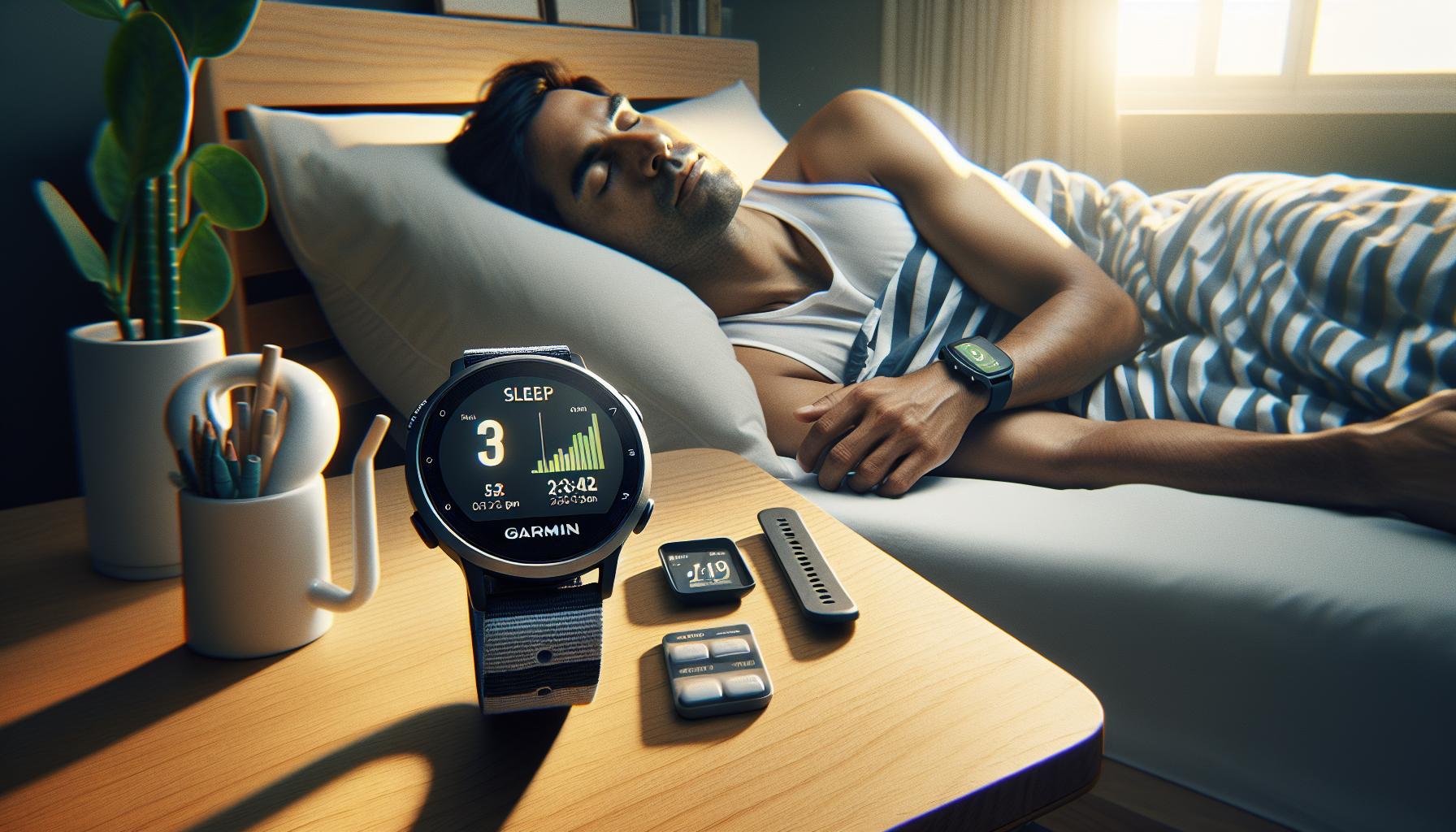
Key Features of Garmin Sleep Analysis
Garmin’s approach to sleep analysis combines cutting-edge technology with user-friendly insights, making it a leading choice for those aiming to improve their sleep quality. One of the standout features is its comprehensive sleep stage tracking, which categorizes your sleep into three essential stages: light, deep, and REM. Recognizing how much time you spend in each stage can provide vital clues about the overall quality of your sleep and your body’s recovery processes.
Another key element is sleep score. This score, calculated using various factors such as total sleep time and consistency, offers a quick and easy-to-understand metric of your nightly rest. A higher score suggests restorative sleep, while a lower score can indicate disturbances or insufficient rest. Users appreciate this high-level overview, as it helps motivate them to make lifestyle adjustments when necessary.
Garmin also emphasizes environmental factors that can impact sleep, including heart rate variability and movements during the night. By monitoring these elements, you can correlate lifestyle choices-like caffeine intake or exercise-with your sleep patterns. For example, after a particularly active day, many users might notice an increase in deep sleep, highlighting the importance of physical activity for restorative rest.
Additionally, the Garmin Connect app enhances the experience by visualizing sleep trends over time, allowing users to identify persistent issues or improvements. This historical data not only aids in recognizing patterns but also empowers users to tweak their daily routines or consult with health professionals when needed, making Garmin’s sleep analysis an invaluable tool for informed decision-making regarding sleep health.
Comparing Garmin Sleep Tracking Accuracy
Many users wonder about the accuracy of Garmin’s sleep tracking features, especially when compared to traditional sleep studies, which can feel overwhelming. Garmin devices utilize advanced sensors to monitor various physiological signals, allowing them to estimate sleep patterns, durations, and stages. However, while they aim to provide reliable insights, it’s essential to recognize their limitations.
Garmin’s sleep tracking technology analyzes heart rate variability, movement, and even breathing to categorize sleep into stages: light, deep, and REM. For the casual user, this data can provide a good overview of sleep quality and facilitate lifestyle adjustments. One of the significant aspects of accuracy is how closely these wearables can match results from polysomnography, the gold standard of sleep analysis. Studies have shown that Garmin devices can accurately identify total sleep time, but variations in detecting specific sleep stages may occur. Users often report that while their devices accurately capture the time they’re asleep, the breakout into sleep stages can sometimes be less reliable.
Real user experiences emphasize the importance of consistency in sleep tracking. Many report discrepancies between their device’s readings and what they know about their sleep habits or how they feel upon waking. Factors such as device fit, sleep environment, and even personal health conditions can influence tracking accuracy. Users are encouraged to experiment with their device settings, maintain a regular sleep schedule, and be mindful of strategies to improve their overall sleep hygiene, such as maintaining a dark and quiet bedroom during sleep.
Ultimately, while Garmin provides a useful tool for tracking sleep, it isn’t a replacement for professional evaluation. Those concerned about sleep quality or experiencing disorders should consider consulting with a sleep specialist. The insights from Garmin can help highlight concerns but should be seen as part of a bigger picture regarding sleep health, helping users understand and improve their habits through actionable data.
Real User Experiences with Garmin Devices
Many users turn to Garmin devices for insights into their sleep patterns, hoping for accurate readings to guide their health and wellness journeys. An essential aspect of Garmin sleep tracking is how personal experiences can vary widely based on individual habits and health conditions. Real users often find that while their devices provide a helpful overview of sleep duration, the granularity of sleep stage tracking can sometimes leave them questioning the accuracy of their readings.
Some users report discrepancies between their Garmin device’s data and their perceived sleep quality. For instance, a user might wake feeling unrested, only to find their device indicated a night of good sleep. Such inconsistencies can stem from various factors, including the device’s fit on the wrist, external environmental conditions, and the user’s unique metabolic signals. These factors highlight that while Garmin devices are generally reliable for tracking sleep duration, the assessment of sleep stages (like light, deep, and REM) might not always align with subjective experiences.
Understanding how to optimize the use of Garmin devices can further improve the accuracy of sleep tracking. Users recommend ensuring a snug fit of the device while sleeping and offering tips on experimenting with features like sleep reminders or sleep logging to see how these affect the data collected. Regularly reviewing sleep trends over time, combined with personal well-being indicators such as mood and energy levels, can give users a fuller picture of their sleep quality beyond the device’s metrics.
Ultimately, while Garmin wearables are a great tool for those interested in sleep health, they still should not replace professional sleep evaluations. Users are encouraged to monitor their sleep data as part of a larger analysis of their wellness and find a balance between technology’s insights and their intuitive understanding of their own bodies.
Limitations of Garmin’s Sleep Tracking
Many users are drawn to Garmin devices for their sleep tracking features, but it’s crucial to recognize that these wearables possess certain limitations that can affect their accuracy. One of the primary concerns is that Garmin devices primarily rely on algorithms to interpret movement patterns and heart rate variability during sleep, which may not always capture the complexity of individual sleep stages. This can lead to unreliable categorization of sleep quality, particularly concerning lighter sleep versus deeper stages or REM sleep.
Inconsistent data can also arise from how securely the device fits on the wrist. An improper fit may disrupt the accuracy of heart rate monitoring, which is essential for analyzing sleep stages. Additionally, external factors such as room temperature, noise levels, and even your sleeping position can influence both the quality of your sleep and the device’s readings. Users have reported feeling rejuvenated yet receiving feedback about poor sleep quality, suggesting a disconnect between subjective experiences and the device’s tracking ability.
Real-World Implications
For those who depend heavily on these readings for health insights, this dissonance can be frustrating. Imagine waking up feeling rested, only to find that your Garmin watch has logged a night of poor sleep. This can be particularly challenging for people managing sleep disorders or anxiety around their sleep patterns. In these cases, the device might not serve as a reliable resource for understanding personal sleep trends.
Moreover, while Garmin provides sleep duration and basic stage information, it lacks the comprehensive analysis that a clinical sleep study offers. For users experiencing severe sleep issues, consulting healthcare professionals is essential. Tracking sleep metrics over time can certainly yield valuable data, but it’s not a replacement for professional evaluations. For the best results, consider using your Garmin data in conjunction with insights from healthcare providers, creating a collaborative approach to sleep health that balances technology with personal experience.
Understanding Sleep Stages and Metrics
Understanding how Garmin devices interpret sleep stages and metrics is essential for users looking to maximize the potential benefits of their sleep tracking features. Garmin products utilize advanced algorithms that assess your movement and heart rate variability throughout the night to categorize different phases of sleep: light sleep, deep sleep, REM sleep, and periods of wakefulness. Although this technology offers insightful data, it’s important to grasp both how it works and its inherent limitations.
Garmin breaks sleep down into several stages, helping users understand their sleep cycles more clearly. The device typically tracks the following stages:
- Awake: Periods when the user is awake, either briefly or for longer stretches.
- Light Sleep: The initial phases of sleep, where the body starts to relax. This stage is also when users are most easily awakened.
- Deep Sleep: A crucial restorative phase, where the body undergoes essential healing processes. It often features lower heart rates and reduced brain activity.
- REM Sleep: Important for cognitive function, this stage is characterized by rapid eye movements and increased brain activity, marking dreaming periods.
Each stage plays a vital role in overall sleep quality, and while Garmin’s metrics provide a broad understanding, they may not always be wholly accurate. For instance, users have reported inconsistencies, such as awakening refreshed but receiving feedback indicating poor sleep quality. Variations in how securely the device fits or external factors like noise and temperature can also skew the data interpretation.
To enhance your experience, understanding sleep staging offers practical insights into improving sleep hygiene. Setting a consistent sleep schedule, creating a restful environment, and maintaining your device to ensure accurate readings are just a few steps you can take. While Garmin devices provide valuable information about sleep patterns, supplementing this data with professional insights, especially for sleep disorders, is crucial. Balancing technology with personal experience can lead to an informed approach to improving sleep health.
Tips for Optimizing Sleep Tracking Accuracy
To truly benefit from Garmin’s sleep tracking capabilities, taking proactive steps to optimize the accuracy of the data is crucial. A well-fitted device can significantly enhance your tracking experience. It’s essential to ensure that your Garmin wearable fits snugly yet comfortably on your wrist. Loose fitting can lead to inaccuracies in heart rate readings and movement detection, which are pivotal for determining sleep stages.
Another key factor is maintaining a consistent sleep schedule. Going to bed and waking up at the same time each day helps regulate your body’s internal clock, improving the quality of sleep and, consequently, the accuracy of the data collected. To further foster a healthy sleep environment, consider minimizing noise and light exposure in your bedroom. Simple practices like using blackout curtains and white noise machines can help create an ideal setting conducive to restful sleep.
Additionally, regular updates to your Garmin device’s firmware can enhance functionality and potentially fix any bugs that may affect sleep tracking. Always ensure your device is updated to benefit from the latest features and improvements. Lastly, while personal experience and device data are invaluable, don’t hesitate to consult with healthcare professionals if you notice consistent discrepancies in sleep quality or if sleep issues persist. Balancing tech with expert advice can empower you to take better control of your sleep health.
Garmin vs. Other Sleep Trackers: A Comparison
When it comes to sleep tracking technology, choosing the right device can significantly shape your understanding of your sleep patterns and overall health. Garmin has established itself as a strong contender in this space, often lauded for its accuracy and comprehensive analysis. However, how does it stack up against other popular sleep trackers on the market?
Garmin sleep trackers utilize advanced sensors to monitor various parameters, such as heart rate variability, movement, and even blood oxygen levels, which contribute to a more nuanced view of sleep stages. For instance, Garmin devices accurately differentiate between light, deep, and REM sleep, helping users understand the quality of their rest. In contrast, competitors like Fitbit and Apple Watch also offer robust sleep tracking features but may vary in how they interpret and present this data. Users often note that while Garmin provides a detailed breakdown, Fitbit tends to simplify the data for easier consumption, which can either help or hinder depending on your analytical preferences.
Another point of comparison is battery life. Garmin devices often boast longer-lasting power, allowing for extended wear without the need to recharge, which is crucial for continuous sleep tracking. In contrast, devices like the Oura Ring may require more frequent charging but offer a unique form factor and additional health metrics like temperature and lifestyle insights. It’s essential to weigh not just the features but also how they align with your lifestyle and habits.
Ultimately, it’s important to recognize that while Garmin sleep trackers are highly regarded for their accuracy and data-rich interfaces, they are not infallible. Some users report discrepancies in sleep data, particularly regarding waking hours or misclassifying sleep stages. Utilizing a variety of sources and consulting your healthcare provider for persistent sleep issues can help enhance your understanding and management of sleep health. Regardless of the device you choose, the key is to find one that integrates well into your routine and meets your personal health goals.
Interpreting Sleep Data: What It Means for You
Understanding the insights behind your sleep data can be both enlightening and empowering. Garmin sleep trackers analyze multiple metrics to provide you with a comprehensive picture of your nightly rest. These devices measure important factors such as heart rate variability, movement patterns, and oxygen saturation, allowing them to accurately distinguish between sleep stages: light, deep, and REM sleep. Grasping what these metrics mean can guide you in optimizing your sleep hygiene and overall well-being.
To interpret the sleep data effectively, it’s crucial to focus on key metrics:
- Total Sleep Time: This is the total duration of your sleep throughout the night. Monitoring this can help ensure that you’re meeting the recommended 7-9 hours of sleep.
- Sleep Stages: Understanding the time spent in each sleep stage is essential. Light sleep, while vital for resting, is often less restorative than deep sleep. REM sleep, on the other hand, is crucial for cognitive functions and dreaming.
- Sleep Quality Score: Many Garmin devices provide a score based on various sleep parameters. A high score indicates a night of restorative sleep, while a low score might suggest disturbances or insufficient sleep duration.
Real user feedback highlights that many find Garmin’s breakdown of sleep stages useful for understanding their nightly patterns. For instance, if someone consistently gets sufficient total sleep time but reports feeling tired during the day, they may discover through the data that their time spent in deep sleep is lower than optimal. This insight can lead to changes in bedtime routines or evening habits that improve overall sleep quality.
However, it’s important to approach the data with a critical mind. While Garmin devices provide rich insights, they may not be entirely accurate for everyone. Variability can occur based on personal health conditions, such as sleep disorders or anxiety, which might skew data. If inconsistencies or unexpected findings arise, it might be valuable to consult a healthcare professional for further evaluation.
Ultimately, by understanding and interpreting your sleep data accurately, you can take actionable steps towards enhancing your sleep quality and improving your overall health. Whether adjusting your evening routines or discussing findings with a sleep specialist, leveraging this data effectively empowers you to make informed choices for better rest.
Common Issues with Garmin Sleep Tracking
Garmin sleep trackers offer valuable insights into your nightly rest, but they aren’t without their challenges. Users commonly report several issues that can affect the accuracy and reliability of sleep data. These challenges can range from technical difficulties to individual health variations, making it essential to understand these limitations for effective use of the devices.
One frequent concern is the accuracy of sleep stage detection. While Garmin devices aim to provide detailed breakdowns of sleep cycles-such as light, deep, and REM sleep-variability can occur based on user factors such as body movement, skin temperature, or wearing the device improperly. For example, if a person tosses and turns frequently or sleeps with their wrist curled, the sleep tracker might misinterpret that movement, incorrectly categorizing sleep stages or underreporting total sleep time. It’s vital to ensure the device is worn snugly but comfortably for optimal tracking.
Battery life and syncing issues can also hinder the overall user experience. Many Garmin devices need regular charging, and a low battery might diminish the tracker’s responsiveness or cause it to stop recording data entirely. Users have reported instances where the data fails to sync with the Garmin Connect app, leading to incomplete or missing sleep data. Regularly checking the battery status and ensuring timely syncing can help mitigate these frustrations.
Another noteworthy issue involves individual health conditions. Factors like sleep apnea, insomnia, or even medications can distort tracking results. For instance, a user suffering from sleep apnea might wake multiple times at night without being aware, leading the tracker to report fragmented sleep patterns inaccurately. It’s important for users experiencing such concerns to discuss their sleep environment and health conditions with a healthcare professional, especially if the data indicates potential sleep disorders.
Users can enhance their experience by following a few practical tips:
- Positioning: Wear your device on the wrist that is less active during sleep.
- Consistent Timing: Maintain a regular sleep schedule to help the device learn and adjust to your patterns.
- Update Software: Ensure that your device and app are up to date for the best performance.
Understanding these common issues will empower users to make informed decisions regarding their sleep tracking journeys, enhancing not only their experience with Garmin devices but potentially their overall sleep quality as well.
The Science Behind Sleep Tracking Technology
Sleep tracking technology has revolutionized our understanding of sleep patterns, providing insights that were once the sole domain of sleep laboratories. At the core of Garmin devices is a combination of sensors and algorithms designed to monitor movement, heart rate, and even blood oxygen levels while you sleep. These elements work together to estimate the time spent in various sleep stages-light, deep, and REM sleep-offering a comprehensive overview of your nightly rest.
Garmin utilizes a technology called Actigraphy, which measures your movements throughout the night. By detecting subtle changes in movement, the device can assess sleep quality and duration. This method is complemented by heart rate variability analysis. During sleep, your heart rate typically slows down and stabilizes. Garmin sleep trackers leverage this change, alongside motion data, to make educated estimates about when you enter different sleep stages. It’s crucial to note that while these methods provide valuable insights, they are not 100% accurate. Variations in individual physiology and sleeping positions can affect the data collected.
An intriguing aspect of Garmin sleep tracking technology is its ability to sync with the Garmin Connect app, which not only displays sleep data but also tracks trends over time. Users can analyze their sleep quality against lifestyle factors such as exercise and heart rate, thus identifying patterns that contribute to restful nights. However, the precision of the data can sometimes be skewed by external factors like room temperature, bedding quality, and even caffeine or alcohol consumption. Garmin suggests maintaining a consistent sleep environment to enhance the reliability of the data.
Ultimately, sleep tracking technology serves as a valuable ally in the pursuit of better sleep health. Users are encouraged to see these devices as tools for enhancing their sleep rather than definitive sources of clinical data. Informed by technology, individual users can gain insights that empower them to make smarter choices regarding their nightly routines, whether that means adjusting sleep environments or establishing healthier pre-sleep habits.
Future of Sleep Tracking: Innovations and Trends
The landscape of sleep tracking is undergoing rapid transformation, fueled by advancements in technology and growing consumer interest in wellness. As more people recognize the importance of sleep for overall health, devices such as Garmin’s sleep trackers are evolving to provide enhanced insights. Future innovations will likely integrate artificial intelligence and machine learning, allowing for tailored recommendations based on user sleep patterns and lifestyle choices.
New functions may include real-time biometric monitoring, where sleep trackers analyze sleep quality as it occurs. This could involve using sensors to detect snoring, breathing patterns, and even stress levels, providing users with alerts or guidance on optimizing their sleep environment. Moreover, advancements in blood oxygen monitoring could play a critical role in identifying sleep apnea or other sleep-related disorders, creating a clearer picture of individual sleep health.
Moreover, integrating sleep data with other aspects of health management apps can enable a more holistic view of a user’s well-being. For example, correlating sleep quality with exercise patterns, nutrition, and stress management could help users understand how these factors interact. Enhanced data visualization techniques may also make it easier for users to interpret their sleep data, providing actionable insights at a glance.
As these developments unfold, it’s important for consumers to choose devices that not only track sleep but also provide credible analysis and are user-friendly. Engaging with the latest features will empower users to develop better sleep habits, potentially improving their overall health and quality of life. However, consumers should remain aware of each device’s limitations, ensuring they set realistic expectations regarding the accuracy and depth of insights provided.
In essence, the future of sleep tracking promises more personalized, responsive, and integrated solutions that not only measure sleep but actively contribute to improved sleep health. As Garmin and similar companies innovate, staying informed about emerging features can help users make smarter choices about their sleep and wellness journey.
Q&A
Q: How does Garmin measure sleep quality?
A: Garmin measures sleep quality through advanced sensors that track your heart rate, movement, and breathing patterns. It analyzes the data to categorize sleep stages, providing insights into how well you sleep, including light, deep, and REM sleep cycles.
Q: What are the common inaccuracies reported with Garmin sleep tracking?
A: Users often report inaccuracies such as misclassification of sleep stages and difficulty detecting wakefulness. Factors like movement during sleep, external noise, and wearing the device incorrectly can impact accuracy. Refer to the Limitations of Garmin’s Sleep Tracking section for detailed insights.
Q: Can Garmin sleep tracking help identify sleep disorders?
A: While Garmin devices can provide valuable sleep data, they are not substitutes for clinical diagnosis. If you suspect a sleep disorder, consult a healthcare professional. Use Garmin tracking as a tool to monitor patterns and discuss findings with your doctor.
Q: How can I improve the accuracy of my Garmin sleep tracking?
A: To improve accuracy, wear your Garmin device snugly and consistently at night. Ensure software is updated, and review the user manual for best practices on settings tailored for sleep tracking. For additional tips, check the Tips for Optimizing Sleep Tracking Accuracy section.
Q: How does Garmin sleep tracking compare to other brands?
A: Garmin sleep tracking is generally well-regarded for its accuracy and detailed analysis, but it may lack some features found in competitors like Fitbit. For an extensive comparison, refer to the Garmin vs. Other Sleep Trackers: A Comparison section.
Q: What should I do if my Garmin sleep data seems inaccurate?
A: If your Garmin sleep data appears inaccurate, first check the device fit and settings. Then consider external factors like stress or room conditions that can affect sleep. If issues persist, revisit the Common Issues with Garmin Sleep Tracking section for troubleshooting tips.
Q: Are there specific features that enhance Garmin’s sleep tracking?
A: Yes, features such as Body Battery status, stress tracking, and the Health Snapshot provide a comprehensive view of overall wellness that complements sleep data. Explore detailed capabilities in the Key Features of Garmin Sleep Analysis section for more insights.
Q: Why is understanding sleep stages important?
A: Understanding sleep stages is crucial as they impact overall sleep health and well-being. Analyzing how much time you spend in each stage can help tailor lifestyle changes for better rest. For an in-depth analysis, see the Understanding Sleep Stages and Metrics section.
Final Thoughts
Understanding the accuracy of Garmin sleep tracking can empower you to make better choices regarding your sleep health. Remember, individual experiences may vary, and while technology offers valuable insights, it’s essential to consider additional factors-like lifestyle and sleep environment-when evaluating your sleep quality.
For further exploration, check out our detailed guides on sleep studies and how wearables compare in performance. You can also dive into our resource on effective strategies for optimizing your sleep space. Don’t hesitate to share your thoughts or experiences in the comments below, and consider subscribing to our newsletter for ongoing tips and updates on sleep health innovations. Your sleep matters-take the next step to enhance it today!
Get our latest guides, news, and insights highlighted in your Google Search & AI Overviews.