
Did you know that sleep studies can be a game-changer for identifying sleep disorders and improving your overall health? If you’ve been tossing and turning at night or waking up feeling unrefreshed, understanding how often you should undergo a sleep study is essential. With advancements in sleep tech and at-home testing options, it’s easier than ever to assess your sleep quality and get the targeted help you need. This guide will clarify when retesting is necessary, empowering you to make informed decisions about your sleep health, set realistic goals, and enhance your well-being. So, let’s dive in and discover how regular assessments can lead to a truly restful night’s sleep.
Understanding Sleep Studies: What They Are and Why They Matter
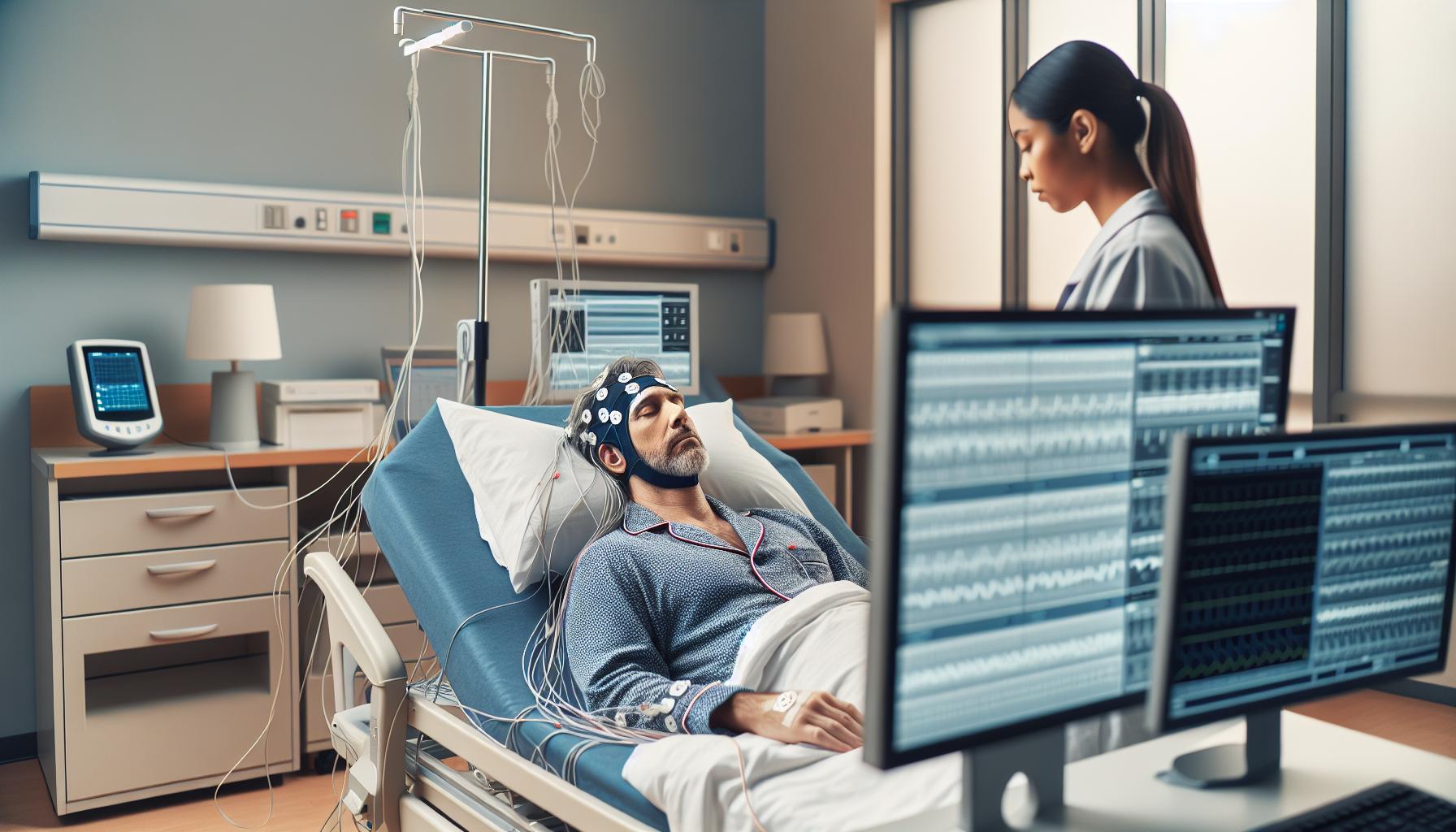
Understanding sleep studies is crucial for anyone struggling with sleep disorders. These diagnostic tests are designed to provide a comprehensive view of your sleep patterns and physiology, helping healthcare professionals identify issues such as sleep apnea, insomnia, or restless legs syndrome. By examining different stages of sleep and monitoring how the body reacts during these phases, sleep studies offer vital insights into our overall health and well-being. In fact, evidence suggests that improved understanding of sleep can lead to enhanced cognitive functioning, emotional stability, and even better physical health, reinforcing the importance of addressing sleep concerns promptly and effectively.
When you book a sleep study, you are not just signing up for a night of observation; you are taking an important step towards reclaiming a good night’s rest. Typically conducted in a sleep center or sometimes at home with portable devices, these studies can vary in complexity. Common forms include polysomnography (PSG), which measures brain waves, oxygen levels, heart rate, and breathing, and home sleep apnea testing (HSAT), which is less comprehensive but more accessible for certain patients. Each type has its own benefits, and the right choice often depends on your individual symptoms and prior evaluations.
Realizing the significance of these studies is the first step toward empowerment in making decisions about your sleep health. Many may feel anxious about the idea of sleeping in a lab or undergoing testing, but understanding what to expect can alleviate some of that unease. Patients might worry about discomfort or excessive wires, but modern technology has streamlined the process, making it more comfortable and efficient while providing rich data for analysis. As you navigate this path, remember that a sleep study can be the key to unlocking better sleep-leading you back to restorative nights and energized days.
The Importance of Regular Retesting for Sleep Disorders
Regular retesting for sleep disorders is not just a recommendation; it’s essential for maintaining optimal sleep health. Sleep is a dynamic process, and our needs can change over time due to various factors such as age, lifestyle, health conditions, and even shifts in environmental influences. Undergoing regular sleep studies allows healthcare professionals to track these changes and determine whether existing treatment plans are still effective or if adjustments are necessary.
One common scenario occurs in patients diagnosed with obstructive sleep apnea (OSA). Initially diagnosed through a comprehensive sleep study, these individuals may start treatment with a Continuous Positive Airway Pressure (CPAP) machine. However, weight fluctuations, changes in medication, or even the natural aging process can affect their condition. Routine retesting can help identify whether the treatment needs adjustments, potentially preventing the long-term health consequences associated with untreated sleep disorders.
Adding to the narrative, significant advancements in sleep study technology have made retesting more accessible and less intimidating. For instance, newer portable sleep monitors allow patients to conduct studies in the comfort of their own home, offering a more relaxed environment for assessment. Awareness of the advancements can alleviate the anxiety associated with the thought of traditional lab testing, making it easier for individuals to comply with retesting recommendations.
Ultimately, proactive management of sleep disorders through regular retesting empowers individuals to take charge of their sleep health and improve their quality of life. Making informed choices about retesting can lead to more effective treatment and a better understanding of your personal sleep patterns, ensuring that restorative sleep remains a priority.
Frequency Recommendations: How Often Should You Be Retested?

Determining how often to undergo sleep studies can significantly influence your quality of rest and overall health. While there’s no one-size-fits-all answer, recommendations typically hinge on your specific sleep disorder, treatment response, and any changes in your health status. The general guideline suggests that individuals with a diagnosed condition like obstructive sleep apnea (OSA) should consider retesting about every two years, but there are nuances to this.
For those who experience symptoms or significant life changes-such as weight gain or loss, new medications, or aging-more frequent retesting may be beneficial. Here are some factors to consider when assessing the need for a sleep study:
- Clinical Symptoms: Persistent symptoms like daytime sleepiness, snoring, or trouble concentrating could indicate a need for an updated assessment.
- Changes in Treatment: If you’ve started or adjusted treatment, such as CPAP therapy, a follow-up study can evaluate effectiveness.
- Health Changes: New diagnoses like hypertension or diabetes may affect sleep quality and warrant a reevaluation.
In some cases, a healthcare provider may recommend more frequent evaluations, especially in complex cases where sleep-related symptoms fluctuate. For individuals on effective treatment, annual assessments can help maintain optimal health. Regular consultations with a sleep specialist can personalize retesting intervals based on your unique circumstances. Monitoring your sleep health is an ongoing journey, and understanding when to seek further testing is vital for living your best, restful life.
Signs You May Need a Sleep Study Again
Sleepless nights can be particularly frustrating, especially when you’re unsure if your current treatment for a sleep disorder is still effective. Recognizing when it might be time for another sleep study is crucial for maintaining good health and restful nights. Factors that signal the need for evaluation can be subtle but telling.
If you’re experiencing persistent symptoms such as excessive daytime sleepiness, loud snoring, or difficulty concentrating, these could indicate that your current treatment isn’t sufficient. Changes in your sleep patterns or the emergence of new symptoms often warrant a re-evaluation. Additionally, if you notice significant variations in your nightly rest-like consistently waking up feeling unrefreshed or facing repeated interruptions during sleep-these may also be signs that you need to consult a sleep specialist.
Changes in your health or lifestyle can also impact your sleep quality. For instance, weight fluctuations, a new diagnosis such as hypertension or diabetes, or lifestyle modifications like increased stress can influence how well you sleep. Such changes often necessitate a fresh assessment to determine whether your existing treatment needs adjustment. If you’ve begun new medications that might affect your sleep, it’s wise to discuss potential side effects with your healthcare provider.
Lastly, if you’ve changed or adjusted treatment methods-such as trying a new CPAP machine or different sleep medications-consider a follow-up study to gauge their efficacy. Regular check-ins with a sleep specialist not only help maximize the benefit of your treatment but also empower you in navigating your sleep health journey effectively. Recognizing these signs early can lead to a more tailored and successful approach to enhancing your sleep quality.
Types of Sleep Studies: Which Is Right for You?
Selecting the right type of sleep study can significantly influence both your understanding of your sleep patterns and the effectiveness of treatment for sleep disorders. There are various options available, each suited to specific needs and conditions, making it essential to know which one aligns best with your unique situation.
- Polysomnography (PSG): This comprehensive sleep study is often considered the gold standard for diagnosing sleep disorders like sleep apnea. During a PSG, a patient spends the night in a sleep lab where multiple parameters such as brain activity, eye movement, heart rate, and oxygen levels are monitored. This detailed analysis provides key insights for a variety of conditions, but it requires a lab visit.
- Home Sleep Apnea Testing (HSAT): For many, the convenience of a home setting is appealing. HSAT typically involves using portable equipment to monitor key data such as airflow, oxygen saturation, and heart rate while the patient sleeps at home. This option is often less expensive and more comfortable, making it ideal for those suspected of having sleep apnea without complex co-morbidities.
- Actigraphy: This method involves wearing a wrist-worn device that monitors movement patterns to estimate sleep-wake cycles. It’s particularly useful for evaluating sleep issues in children or when the problem includes insomnia or circadian rhythm disorders. While it doesn’t provide the detailed information of a PSG, it offers insights into the quantity and quality of sleep.
- Multiple Sleep Latency Test (MSLT): If excessive daytime sleepiness is the main concern, the MSLT is the go-to assessment. This test involves taking multiple naps throughout the day under controlled conditions to measure how quickly you fall asleep. It’s invaluable for diagnosing narcolepsy and other sleep-related disorders.
When considering wearables and advanced technology, know that these tools can complement traditional sleep studies but often lack the clinical validation of more comprehensive tests. They can track sleep patterns, heart rates, and movements but should be used more for insights rather than diagnosing conditions.
In navigating these options, it is important to consult with your healthcare provider. They will help you weigh the pros and cons based on your symptoms, treatment history, and lifestyle. By understanding which type of sleep study suits you best, you can make informed decisions that truly impact your sleep health.
Navigating Sleep Study Costs and Insurance Coverage
Navigating the costs associated with sleep studies can feel daunting, especially when you consider the potential impact on your health. Prices can vary widely, often between $300 to $3,000 depending on the type of study, location, and whether the test is conducted in a lab or at home. Being informed about these costs can help you make smarter choices regarding your sleep health.
One crucial step is to check with your insurance provider to understand what is covered under your plan. Many insurance policies cover sleep studies, especially when deemed medically necessary, such as in cases of suspected sleep apnea. However, there may be specific guidelines, such as requiring prior authorization or a referral from your primary care physician. It’s essential to ask about any copays, deductibles, or limits on the number of studies they will cover.
When it comes to home sleep apnea testing (HSAT), costs may be lower, but it’s important to ensure that your insurance plan recognizes this method as a valid diagnostic tool. Some policies may not cover home tests, so it’s wise to confirm beforehand. Additionally, if you’re considering advanced wearables or devices for sleep monitoring, keep in mind that these are usually out-of-pocket expenses and may not provide the clinical validation needed for diagnosing sleep disorders.
Understanding the potential financial burden doesn’t have to be overwhelming. Many sleep centers offer payment plans and sliding scale fees based on income, making it easier to access necessary care. By taking a proactive approach, asking the right questions, and understanding your insurance benefits, you can confidently navigate the financial aspects of getting a sleep study. Always discuss options with your healthcare provider, as they may have recommendations for cost-effective approaches that align with your health needs.
What to Expect During Your Sleep Study
While the prospect of undergoing a sleep study can be intimidating, understanding what to expect can significantly ease any anxiety. Sleep studies, or polysomnographies, are designed to monitor your sleep patterns and gather essential data to diagnose potential sleep disorders. Typically conducted overnight in a sleep lab, these studies allow healthcare providers to observe various aspects of your sleep, including brain activity, heart rate, respiratory functions, and oxygen levels.
Upon arrival at the sleep center, you will be greeted by a trained technician who will explain the entire process to you. Expect to be asked about your medical history and any sleep issues you may be experiencing. As part of the setup, electrodes will be attached to your scalp, face, and body using an adhesive. These electrodes are crucial as they measure brainwaves, eye movements, muscle activity, and more. While the process may feel odd at first, the technicians are experienced at making the environment as comfortable as possible.
Once you’re ready for bed, you’ll typically be shown to a private room equipped with a comfortable bed and monitoring equipment. Here are some points to keep in mind for the night of your study:
- Comfortable Environment: The sleep center aims to mimic a home-like atmosphere, but it can still feel different. Bring items that help you feel at ease, such as a favorite pillow or blanket.
- Talk to the Technician: If you feel overwhelmed at any point, don’t hesitate to voice your concerns. The technician can provide reassurances and make last-minute adjustments as needed.
- Sleep Requirements: You may be instructed to follow your usual sleep schedule, but you might also be monitored for specific conditions. The goal is to capture your typical sleep behavior accurately.
After the sleep study, you’ll likely feel relief knowing that comprehensive data about your sleep has been collected. The collected information will be analyzed, and your healthcare provider will discuss the results with you. If it’s determined that further consultations or treatments are required, you’ll have clear next steps to follow. Sleep studies are a pivotal tool in diagnosing sleep disorders accurately and can lead to personalized therapy plans, improving your overall quality of life.
Advanced Testing Options: Wearables and Technology
The evolution of sleep health testing has taken a remarkable turn with the advent of wearables and advanced technology. These devices, ranging from smartwatches to dedicated sleep trackers, provide users with a wealth of data that can enhance their understanding of personal sleep patterns. Unlike traditional sleep studies conducted in labs, which can be cumbersome and intimidating, wearable technology allows for continuous monitoring in the comfort of your own home, making it an appealing option for many.
Using wearable devices, you can gain insights into not just how long you sleep but also the quality of your sleep. Features often include heart rate monitoring, movement tracking, and even blood oxygen levels, all of which can inform you about your sleep health. For instance, if you notice patterns of frequent awakenings or poor sleep quality, these insights can guide discussions with healthcare providers about whether retesting with a polysomnography is necessary. Additionally, wearables act as a real-time feedback mechanism; they can motivate changes in bedtime habits to promote better sleep.
However, it is crucial to understand the limitations of wearables. While they can provide valuable data, the accuracy can vary significantly between devices. Some wearables excel at tracking sleep duration but may struggle with identifying specific sleep stages. If you suspect a serious sleep disorder, such as sleep apnea, the comprehensive data obtained from a formal sleep study may be irreplaceable. In these situations, advanced testing is essential for an accurate diagnosis and effective treatment plan.
Lastly, integrating wearables into your sleep health regimen can make the process more dynamic and personal. By regularly checking in on your sleep metrics, you can adjust your evening routine to include relaxation techniques or lifestyle changes, leading to improved sleep over time. Remember, while wearables offer a convenient method to monitor your sleep health, they should complement, rather than replace, the thorough evaluation provided by professional sleep studies when necessary. This balanced approach empowers you to take charge of your sleep health with the right tools at your disposal.
The Role of Polysomnography in Sleep Health
A polysomnography (PSG) study, often referred to as a sleep study, is a comprehensive test that records various physiological parameters while you sleep, providing critical insights into your sleep health. During this monitored night, healthcare professionals analyze your brain waves, oxygen levels, heart rate, and breathing, alongside eye and leg movements. This detailed data helps identify sleep disorders, particularly for conditions like sleep apnea that might not be accurately diagnosed through other means.
The importance of polysomnography in your sleep health cannot be overstated, especially when it comes to making informed decisions about retesting. If you experience symptoms of disrupted sleep, such as loud snoring, gasping for air during sleep, or persistent daytime fatigue, these indicators may call for a professional sleep study. Regularly recommended for individuals diagnosed with sleep apnea or other sleep disorders, retesting through PSG can help assess the effectiveness of your current treatment or the need for a revised treatment plan.
What to Expect During a Polysomnography Test
The thought of undergoing a sleep study may seem daunting, but understanding the process can alleviate much of that anxiety. Here’s what to expect:
- Preparation: On the night of the study, you will arrive at a sleep center and be guided through the setup process, where electrodes will be placed on your scalp, face, chest, and limbs.
- Monitoring: Once you are comfortable in a private room, you’ll sleep as normal while being monitored. The sleep technician will monitor your progress and ensure everything is functioning correctly.
- Post-Study Review: After the study, the data will be analyzed by a sleep specialist, who will provide a report and recommendations based on your sleep patterns and any identified disorders.
Understanding the role of polysomnography can empower you to make informed decisions regarding your sleep health. While wearables and home sleep tests can provide insights, they often lack the comprehensive analysis that a PSG offers, especially for diagnosing intricate sleep conditions. If you’re considering retesting or are unsure about your sleep health, consulting with a healthcare provider about the prospect of a polysomnography study can set you on the right path to recovery and better sleep quality.
Real-Life Scenarios: When to Seek Professional Testing
Experiencing ongoing sleep issues can be frustrating and exhausting, making it vital to know when to seek professional help. If you find yourself feeling excessively sleepy during the day, struggling to concentrate, or relying on caffeine to stay awake, it may be time to consider a sleep study. This could be particularly true if your previously diagnosed sleep disorder seems to be worsening despite treatment efforts.
Real-life scenarios can help clarify when it’s appropriate to pursue a sleep study. For example, if you were previously diagnosed with sleep apnea and prescribed a continuous positive airway pressure (CPAP) machine, and you still experience symptoms like loud snoring or waking up gasping for air, it’s essential to return for a follow-up sleep study. Such a test can assess whether the current treatment is effective or if adjustments are necessary. Similarly, if you’ve been diagnosed with insomnia but have recently experienced significant changes in your life-such as a major stressor or a new medication that may interfere with your sleep-it would be wise to consult with a sleep specialist again.
Another consideration is any notable changes in your sleep patterns that you or your partner observe. If your partner mentions that you are experiencing increased episodes of restlessness or frequent gasping, especially if you were previously stable, this could indicate new developments in your sleep health that warrant further investigation. Additionally, for younger adults or children who have previously had sleep issues, any regression in their ability to maintain sleep can signify the need for reevaluation.
In the modern age, wearable technology has made tracking sleep more accessible, but it often lacks the in-depth analysis that a polysomnography study provides. While wearables can show trends and give a general idea of sleep quality, they are not always reliable for diagnosing specific conditions. Therefore, if your wearable device reports significant disturbances or you remain unsure about your sleep health, speaking with a healthcare provider about a comprehensive sleep study might be the most informed choice. Seeking professional assistance can lead to better management of sleep disorders and ultimately improve your overall well-being.
Common Misconceptions About Sleep Studies
Many people harbor misconceptions about sleep studies, often influenced by myths or incomplete information. Understanding these misconceptions is crucial for making informed decisions about sleep health and when to seek professional testing.
One prevalent myth is that sleep studies are only for severe cases of insomnia or sleep apnea. In reality, sleep studies can be beneficial for anyone experiencing persistent sleep issues, ranging from chronic insomnia to frequent nightmares and excessive daytime sleepiness. Regular retesting is essential even after an initial diagnosis, especially if your symptoms change or worsen. For example, individuals who initially responded well to treatment for sleep apnea may find that their condition evolves over time, necessitating a follow-up study to assess the effectiveness of ongoing treatment.
Another common misunderstanding is that sleep studies are feared to be uncomfortable and invasive. While some might picture intricate setups involving a multitude of wires, today’s technology has made the process more user-friendly. Most studies are conducted in comfortable sleep labs with ambient settings to minimize anxiety. Patients typically wear a few sensors, not the extensive equipment that might be assumed. In fact, advancements in at-home sleep testing have made it possible for many to undergo studies in the comfort of their own beds, enhancing accessibility.
Lastly, there is an overreliance on sleep trackers and wearables, which can create a false sense of security. While these devices can provide useful insights into sleep habits, they often lack the detailed analysis needed for diagnosing specific disorders accurately. For example, a smartwatch may track your sleep duration but might not detect respiratory issues that a polysomnography study would identify. Therefore, relying solely on wearables without periodic professional evaluations could mean missing out on critical sleep health insights.
By demystifying these misconceptions, individuals can feel more confident in navigating their sleep challenges and understanding when to consider a sleep study or retesting, ultimately empowering them to take charge of their sleep health.
Empowering Yourself: Making Informed Sleep Health Decisions
Making informed decisions about your sleep health can feel overwhelming, especially when it comes to understanding the need for sleep studies and retesting. Many people are often unsure about how frequently they should get retested for sleep disorders or when to seek additional testing. A critical first step is establishing a relationship with a healthcare provider who specializes in sleep medicine. They can help guide your decisions based on your personal health history and the specifics of your symptoms.
When evaluating the necessity for retesting, consider your symptoms and any recent changes in your health. If you find that your sleep problems have worsened or altered, it’s time to revisit the idea of a sleep study. For instance, if you previously experienced mild sleep apnea that was successfully treated, but you’re now feeling excessively drowsy during the day or are snoring loudly again, these could be signs that a follow-up study is warranted. Regular retesting can also help adjust treatment plans effectively, ensuring you achieve the best possible sleep health.
Understanding Costs and Insurance
Before proceeding with a sleep study, take the time to review what the process entails, along with associated costs. Sleep studies can be expensive; however, many insurance plans cover them, especially if they are considered medically necessary. Contact your insurance provider to clarify your coverage options. Additionally, some facilities may offer payment plans or financial assistance for those without insurance.
A fundamental aspect of making empowered choices is knowing what to expect during a sleep study. Most often, these tests involve spending a night in a sleep lab where you’ll be monitored for different sleep stages using sensors placed on your body. Recent advancements have also made at-home sleep testing a viable option for many individuals, combining convenience with effective diagnostic capabilities.
In conclusion, equipping yourself with knowledge about when to retest and understanding the logistics of sleep studies can greatly enhance your approach to managing sleep health. Keep awareness of your symptoms, consult health professionals, and remain proactive in seeking the necessary evaluations. By doing so, you’ll ensure you take the right steps towards restful and restorative sleep.
FAQ
Q: How often should I schedule a sleep study if I have insomnia?
A: If you have insomnia, it’s advisable to undergo a sleep study every 2-3 years, or sooner if your symptoms worsen. Regular assessments can help tailor treatment plans effectively. For more insights on retesting, refer to the section on Frequency Recommendations in our main article.
Q: What factors influence how often I need a sleep study?
A: Factors such as age, severity of symptoms, changes in health conditions, and previous diagnoses can influence the frequency of sleep studies. Discussing your specific situation with a healthcare provider is essential for personalized recommendations.
Q: Are there any risks associated with frequent sleep studies?
A: Frequent sleep studies are generally considered safe, but they can cause anxiety for some individuals. It’s important to weigh the benefits of comprehensive assessment against any feelings of discomfort associated with testing. Consider reading our section on Common Misconceptions About Sleep Studies for more clarity.
Q: Will my insurance cover multiple sleep studies?
A: Insurance coverage for sleep studies varies. Most plans cover retesting only when medically necessary. It’s best to check with your provider to understand coverage specifics regarding sleep studies and related costs. More information can be found in the Navigating Sleep Study Costs section of our article.
Q: What should I do if my sleep study results change over time?
A: If your sleep study results change, it’s crucial to consult with a healthcare professional about a follow-up study. They can assess whether retesting is necessary based on your evolving symptoms. See our Signs You May Need a Sleep Study Again for more details.
Q: How can I prepare for a repeat sleep study?
A: To prepare for a repeat sleep study, follow your doctor’s instructions regarding medications, sleep hygiene, and any pre-study assessments. Understanding what to expect during the study can reduce anxiety; check out our section on What to Expect During Your Sleep Study.
Q: When is it necessary to switch to advanced sleep testing methods?
A: Advanced sleep testing methods may be necessary if you have ongoing symptoms despite treatment or if initial studies were inconclusive. Your doctor can guide you on transitioning to options like home sleep apnea testing or continuous monitoring. Look into our insights on Advanced Testing Options for more options.
Q: How do sleep studies help manage chronic conditions?
A: Sleep studies are vital for managing chronic conditions like sleep apnea and insomnia. They help identify specific disorders and guide treatment adjustments. To comprehensively understand your options, see our section on Understanding Sleep Studies.
Future Outlook
As you consider how often to have a sleep study, remember that your sleep health is a priority. Regular retesting can uncover changes in your sleep pattern and help manage any evolving concerns. If you’re experiencing persistent sleep issues or changes in your well-being, don’t hesitate to seek further evaluation. Exploring options like home sleep tests and wearing sleep trackers can also provide valuable insights.
To deepen your understanding, check out our articles on mastering sleep hygiene and why we need sleep. Ready to take action? Sign up for our newsletter to receive tailored tips and the latest research right in your inbox. Your journey to better sleep starts now-take the first step today!
Get our latest guides, news, and insights highlighted in your Google Search & AI Overviews.