
Sleep is a vital part of our health, yet many struggle to get the rest they need. The Apple Watch offers a promising solution, allowing users to track their sleep patterns and understand how factors like stress or lifestyle choices affect their rest. But just how effective is this feature? In “How Good Is Apple Watch Sleep Tracking? Expert Analysis,” we’ll explore the benefits and limitations of Apple’s technology. By the end of this article, you’ll have a clearer picture of whether this smartwatch can truly help you improve your sleep quality and achieve your health goals. Stay with us as we dissect the insights from experts and user experiences that reveal the real value of sleep tracking on the Apple Watch.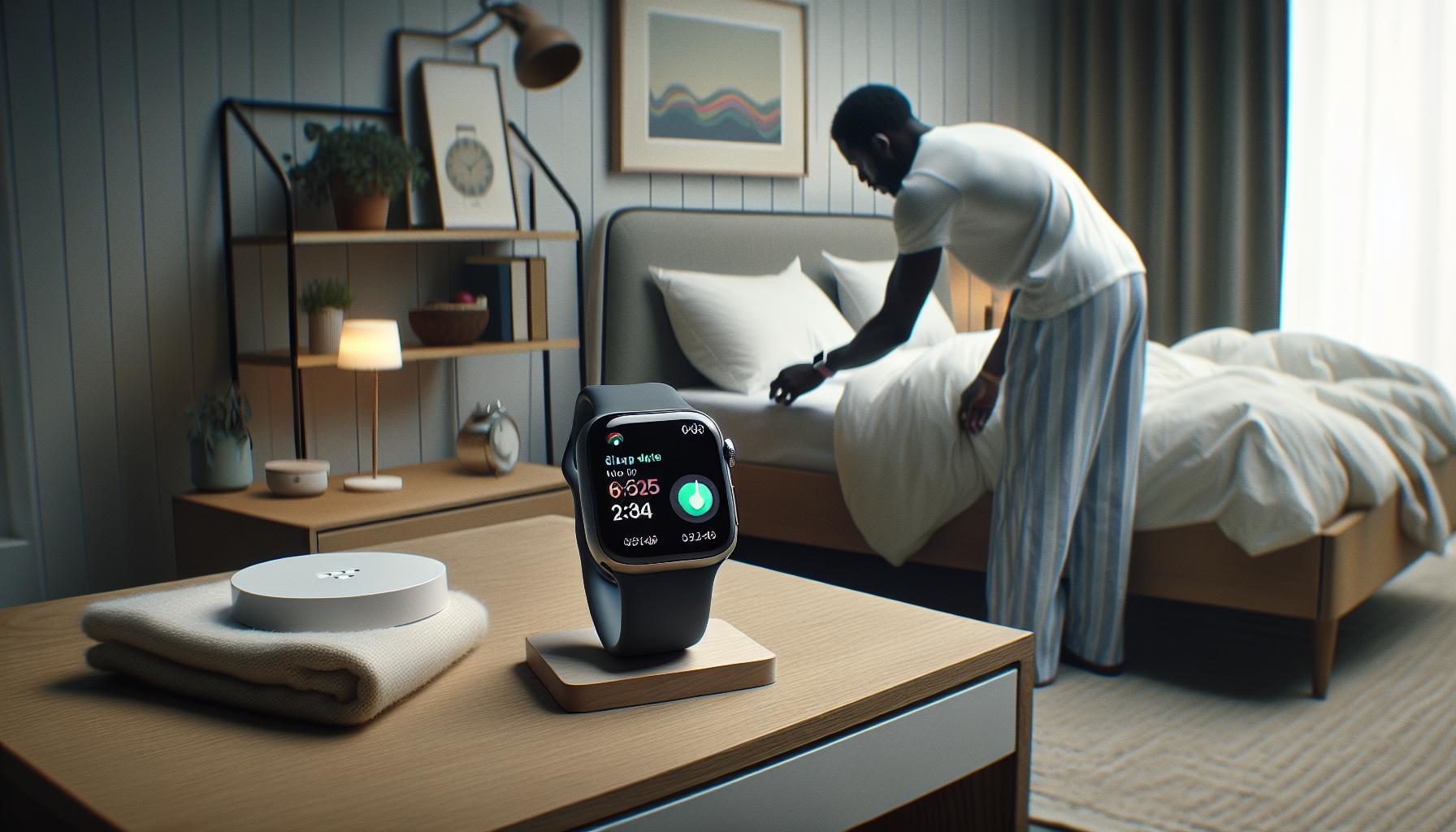
Understanding Apple Watch Sleep Tracking Features
With more people prioritizing sleep health, the Apple Watch has emerged as a leading tool for sleep tracking, allowing users to gain valuable insights into their nightly rest patterns. This smartwatch integrates seamlessly into your daily routine, enabling you to establish sleep schedules and monitor your sleep stages – REM, Core, and Deep – with remarkable precision. The built-in Sleep app not only helps you set up goals but also tracks the actual sleep time, which can be invaluable for anyone looking to enhance their sleep environment or habits.
One of the standout features of Apple Watch sleep tracking is its ability to assess sleep duration and quality based on heart rate and motion data. The device utilizes advanced algorithms to provide estimates of your time spent in various sleep stages, giving you a clear view of both the quantity and quality of your sleep. This information is not just interesting; it can serve as a wake-up call for those who might overlook aspects of their sleep routine that require attention. The gentle haptic alarm feature is also noteworthy, as it can help you wake up more naturally, reducing the shock often associated with traditional alarms.
Furthermore, the Apple Watch encourages users to develop better sleep hygiene by facilitating a “wind-down” period. This feature promotes relaxation before sleep, guiding users toward calming activities and minimizing stimulation from screens, which can significantly impact sleep quality. By leveraging this user-friendly interface, individuals can make informed decisions about their health that could lead to better sleep and, consequently, improved overall wellness.
Accuracy of Apple Watch Sleep Tracking Metrics
The accuracy of sleep tracking on the Apple Watch has become a topic of interest for many users eager to enhance their sleep quality. With a blend of heart rate monitoring, motion sensors, and sophisticated algorithms, the device provides insights into sleep duration and stages such as REM, Core, and Deep sleep. However, it’s essential to understand that while the Apple Watch offers valuable insights, it is not a substitute for professional sleep studies or polysomnography.
One way to assess its accuracy is by comparing its data against traditional sleep studies. Research indicates that wearable devices, including the Apple Watch, can provide reasonably good estimates of total sleep time, but may struggle with pinpointing specific sleep stages accurately, particularly REM sleep. Many users find that their Apple Watch might overestimate or underestimate their awake time, especially if they tend to move around a lot in their sleep. Factors like wearing the watch too loosely or having a low battery can also affect its performance.
To enhance the precision of the Apple Watch’s sleep tracking, consider the following tips:
- Proper Fit: Ensure the watch is snug but comfortable on your wrist to improve sensor accuracy.
- Regular Calibration: Periodically check how your watch correlates with your actual sleep experiences, making note of discrepancies.
- Sleep Environment: Minimize environmental disturbances that could affect sleep quality, such as noise or light, which may influence the watch’s readings.
While the Apple Watch is a powerful tool for tracking sleep, remember that it serves best as a lifestyle aid rather than a clinical diagnostic device. For those facing more serious sleep concerns, consulting a sleep specialist remains the best course of action. Engaging with the Apple Watch’s metrics can help users build better sleep habits, fostering awareness of their sleep patterns and encouraging healthier practices for overall well-being.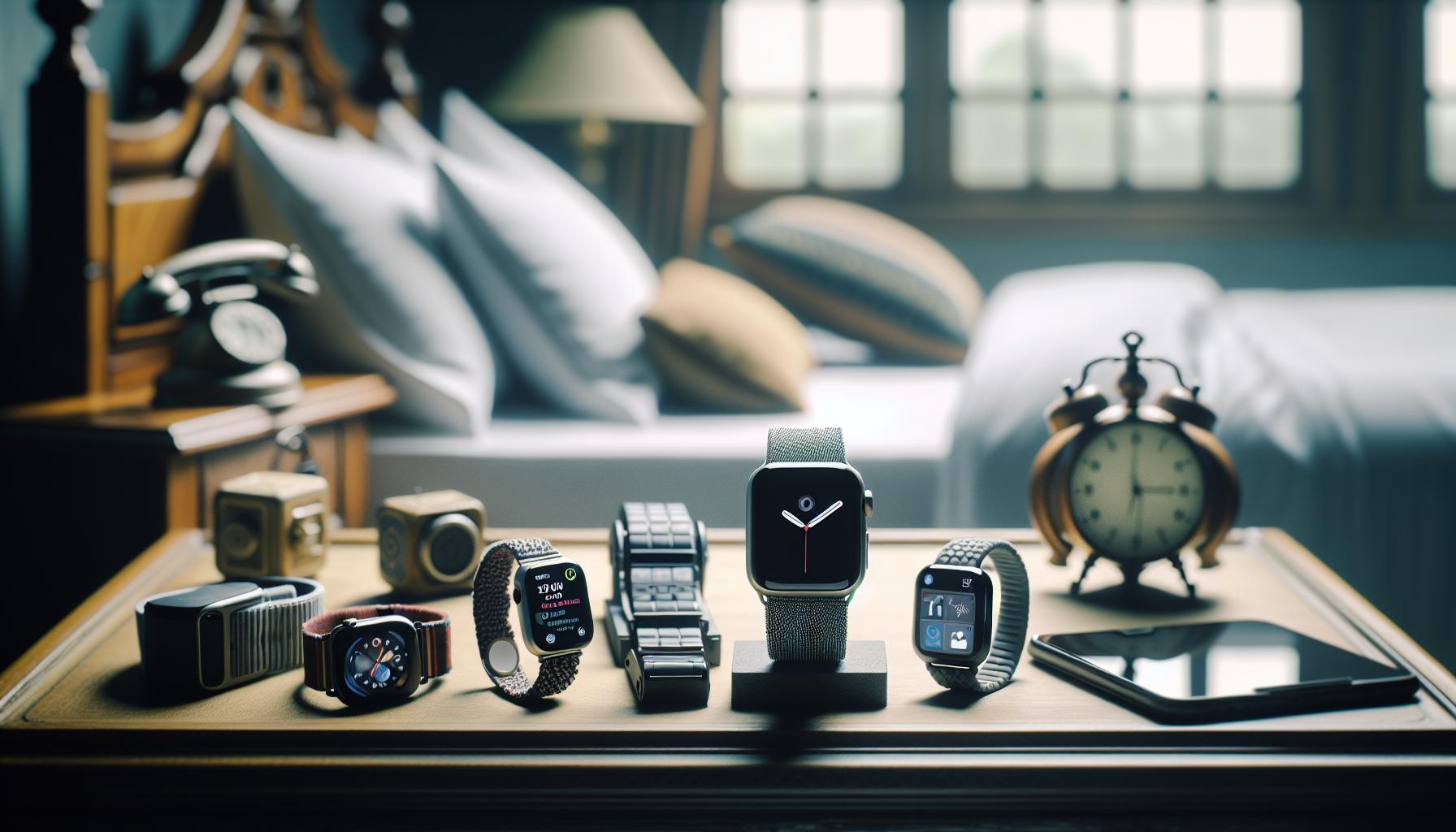
Comparing Apple Watch Sleep Tracking to Other Devices
The landscape of sleep tracking technology is rapidly evolving, with the Apple Watch standing out among a variety of wearables and dedicated devices. When comparing the Apple Watch to other sleep tracking options, such as Fitbit, Garmin, and specialized sleep trackers, it’s essential to consider features, accuracy, and user experience.
Many users are attracted to Fitbit devices for their comprehensive sleep insights. Fitbit models typically offer detailed analysis of sleep stages, including REM, light, and deep sleep, while also providing a Sleep Score feature that summarizes sleep quality. Users appreciate that Fitbit devices tend to be more focused on fitness and overall health, which can guide lifestyle changes. However, while Apple Watch offers a holistic approach integrating fitness tracking and sleep data, some users find Fitbit’s sleep analysis to be more consistent in accuracy.
Garmin watches also present strong competition, emphasizing durability and battery life. Garmin’s sleep tracking features utilize similar sensors to Apple Watch but generally excel in providing a more extensive breakdown of sleep stages. Users who opt for Garmin often appreciate longer battery life, allowing them to wear the device continuously for tracking purposes without frequent recharging. However, the user interface and app experience might not be as seamless as Apple’s ecosystem, depending on individual preferences.
For those considering specialized sleep trackers like the Oura Ring, which prioritizes sleep health, the comparison shifts toward advanced metrics. Oura offers excellent insights into sleep quality by measuring heart rate variability and body temperature fluctuations, providing data that can be crucial for those with specific sleep concerns. This level of detail may appeal to users seeking targeted health insights rather than general wellness data.
Key Features and Considerations
When deciding between the Apple Watch and other devices, consider these key points:
- Integration: Apple Watch seamlessly integrates with your iPhone and other Apple services, making it easier for users already immersed in the Apple ecosystem.
- Battery Life: Fitbit and Garmin devices often boast longer battery life, allowing for uninterrupted tracking, whereas the Apple Watch generally requires daily charging.
- Data Accuracy: Both Fitbit and Garmin provide reliable sleep stage data, while the Apple Watch may fluctuate in accuracy based on user movement and other factors.
- User Interface: The Apple Watch offers a more intuitive user interface, which can make tracking and interpreting sleep data easier for everyday users.
Ultimately, the choice between the Apple Watch and its competitors depends on individual lifestyle preferences, desired features, and specific health goals. Readers seeking to enhance their sleep experiences should assess their needs and consider trying different devices, as personal comfort and compatibility with daily routines can significantly influence the effectiveness of sleep tracking technology.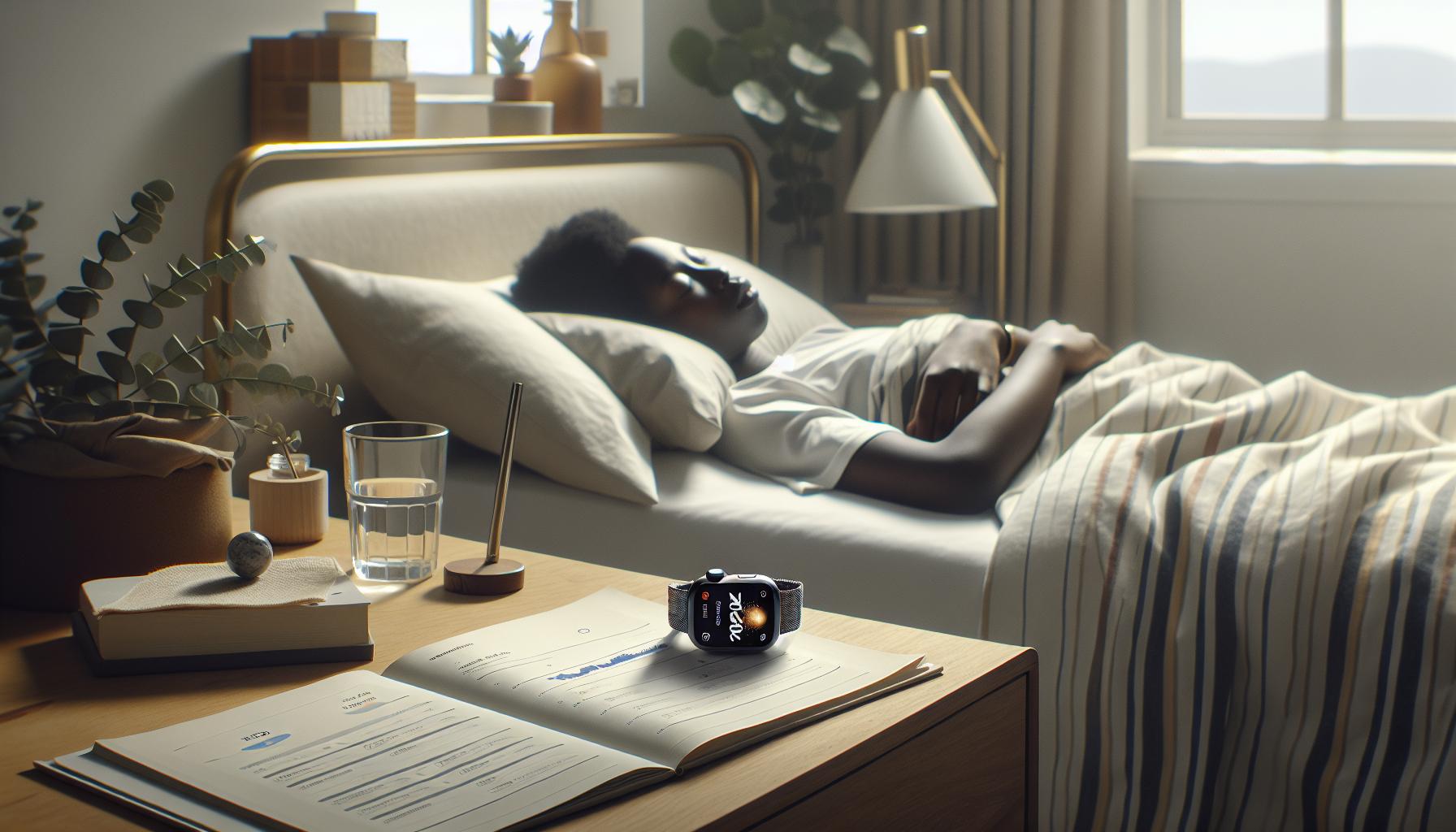
Tips for Optimizing Your Apple Watch Sleep Experience
Getting the most out of your Apple Watch for sleep tracking starts with understanding how to optimize its features effectively. Did you know that simply setting a consistent sleep schedule can significantly enhance the quality of data you gather? By utilizing the Sleep app on your Apple Watch, paired with the Sleep Focus mode on your iPhone, you help ensure your device is not just tracking your sleep but also reinforcing healthy habits.
One essential tip is to adjust your sleep goals within the Sleep app to reflect your actual needs. Customize the sleep duration and set a Wind Down period, which enables the Apple Watch to remind you when it’s time to start settling in for the night. This feature can lower heart rates and signal to your body that it’s time to transition into sleep mode. Ensuring that you wear your watch snugly but comfortably will also allow the sensors to work optimally, capturing accurate data on your sleep quality, heart rate, and even movement.
Practices for Better Sleep Data
Consider these additional practices to enhance your sleep tracking experience:
- Keep your watch charged: Ensure your Apple Watch is fully charged before bedtime, as low battery can affect its tracking capabilities.
- Disable distracting notifications: Use Do Not Disturb mode during your Wind Down time to help reduce interruptions.
- Pair with a sleep hygiene routine: Engaging in relaxing activities before bed, like reading or meditative practices, complements the data you collect.
- Regularly review your data: Look at your sleep trends in the Health app to identify patterns and areas for improvement.
A valuable insight for users is to understand the limitations of the Apple Watch’s sleep tracking. While it offers a solid overview, it’s not a substitute for comprehensive sleep tests performed in clinical settings for diagnosing sleep disorders like sleep apnea or more complex conditions. If you suspect more serious issues, consulting a healthcare professional is advisable.
In summary, consistently using your Apple Watch’s sleep tracking features while implementing good sleep hygiene can lead to improved rest, enhanced data accuracy, and overall better health outcomes. Remember, while technology is a helpful tool, it’s effective when combined with mindful practices aimed at improving your sleep quality.
Interpreting Apple Watch Sleep Data Effectively
To derive meaningful insights from the data captured by your Apple Watch during sleep, it’s essential to understand the nuances of what the metrics and trends mean. The Sleep app provides an overview of sleep duration, quality, and trends over time, but interpreting these figures can empower you to make informed decisions about your rest habits. For instance, if your watch indicates that you are getting less sleep than your goal, it might prompt you to examine your nighttime routine or any lifestyle factors impacting your rest.
One way to effectively interpret your sleep data is to look beyond total hours of sleep. Pay attention to the quality of that sleep as well. The Watch’s analysis captures periods of restlessness and interruptions, helping you identify patterns. For example, if you notice several brief awakenings throughout the night, you may need to consider adjustments to your sleep environment, such as reducing noise or light exposure. By correlating your sleep data with lifestyle choices, like caffeine consumption or screen time before bed, you can identify triggers that disrupt restful sleep.
Understanding Sleep Patterns
When examining your sleep data, focus on these key metrics provided by the Apple Watch:
- Total Sleep Duration: The hours and minutes you slept. Compare this against your set sleep goal.
- Sleep Quality: A measure of how restful your sleep was, influenced by restlessness or wake periods.
- Heart Rate Variability: A potential indicator of relaxation and recovery during sleep.
- Sleep Trends: Long-term patterns over the weeks or months that can reveal inconsistencies or improvements.
By regularly reviewing these metrics, you can develop a richer understanding of your sleep health. For example, if you notice a trend of restless sleep correlated with Monday nights, it could be a sign of anxiety related to the upcoming week, prompting you to introduce relaxation techniques. Engaging with your sleep data regularly transforms tracking from a passive activity into a proactive tool for better sleep hygiene.
In sum, the Apple Watch provides valuable insights into your sleep patterns, but effective interpretation involves looking at the broader picture and context of the metrics. By aligning your lifestyle and sleep habits with the data, you can foster a more restful night’s sleep, leading to improved overall wellbeing.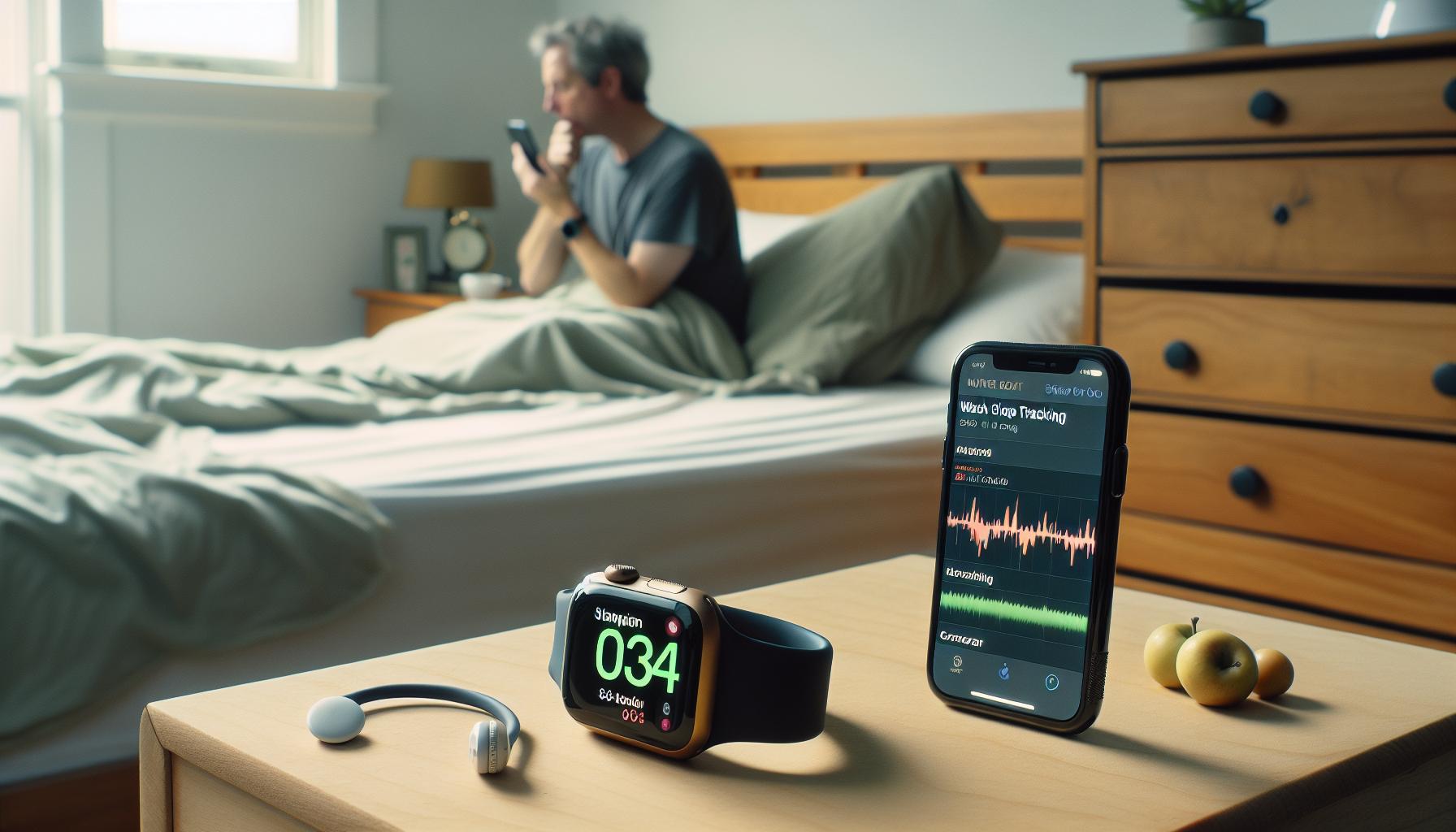
Limitations of Apple Watch Sleep Tracking
While the Apple Watch serves as a valuable tool for tracking sleep, it’s important to recognize its limitations to avoid over-reliance on the data it provides. Despite its user-friendly interface and impressive features, the accuracy of sleep tracking can vary based on several factors.
First, the Apple Watch primarily uses motion detection and heart rate monitoring to assess your sleep patterns. This combination can lead to inaccuracies, especially for those who move around frequently during sleep or suffer from sleep disorders. The watch may misinterpret movements as wakefulness or fail to register brief awakenings, leading to an overly simplistic view of your sleep cycle. For example, if you’re someone who frequently shifts positions throughout the night, this might result in your device inaccurately categorizing restorative sleep periods as restlessness.
Moreover, the device is not specifically designed to detect sleep stages in the same way polysomnography does-a clinical assessment that provides detailed insights into sleep cycles. Consequently, while the Apple Watch is capable of estimating sleep duration and quality, it falls short in giving a comprehensive analysis of deeper sleep stages like REM or light sleep. For individuals interested in understanding these nuances more thoroughly, relying solely on a smartwatch may leave significant gaps in understanding their sleep health.
Additionally, battery life can also impact the effectiveness of sleep tracking. Users must charge their watch regularly, and if charging occurs during nighttime hours, it can interrupt the tracking process entirely. This aspect may lead to incomplete data, which diminishes the overall trustworthiness of the insights provided. For those serious about sleep monitoring, maintaining consistent battery levels while ensuring nighttime tracking can become a balancing act.
In summary, while the Apple Watch can offer a convenient overview of sleep trends and provide a baseline for understanding your sleep habits, it’s essential to complement its data with other sleep-improvement techniques and, when necessary, consult with healthcare professionals for a holistic view of your sleep health. Understanding these limitations allows you to use the Apple Watch effectively, while also seeking additional resources for a comprehensive approach to enhancing your sleep quality.
User Experiences: Real-World Sleep Tracking Insights
Many users report that the Apple Watch significantly impacts their sleep habits, often providing insights that lead to healthier routines. While some find the sleep tracking features useful, experiences can vary widely depending on individual sleep patterns and habits. For instance, users who are generally restless during the night may discover that their sleep is often classified inaccurately. Those who change positions frequently may see elevated metrics of wakefulness, leading to frustration when they aim to improve their rest quality.
Understanding User Feedback
From anecdotal experiences shared across online forums and review platforms, several common themes emerge. Many users appreciate the *data visualization* offered by the Apple Watch, which can illustrate trends in sleep duration and quality over time. This can be particularly motivating for individuals looking to make positive changes. A user might note, for example, that after aiming for a consistent sleep schedule based on watch feedback, they felt noticeably more rested and alert during the day.
Conversely, some users express disappointment with the accuracy of sleep stage data. The Apple Watch does not differentiate between sleep stages as precisely as a polysomnography test would, which can leave users wanting more detailed insights. As one user mentioned, “I love that it tracks my sleep, but I wish it could tell me more about how much REM sleep I’m actually getting.” This highlights a key point: while the Apple Watch provides a solid overview, it may not satisfy those seeking in-depth analysis of sleep architecture.
Enhancing the Sleep Tracking Experience
For those looking to optimize their experience with Apple Watch sleep tracking, several tips can enhance usability and effectiveness:
- Maintain Battery Life: Charge your Apple Watch during the day to ensure it’s ready for overnight tracking without interruptions.
- Set Regular Sleep Goals: Utilize the Sleep app to establish consistent bedtimes and wake-up times, fostering better sleep hygiene.
- Integrate with Sleep Apps: Pair with third-party applications that provide more granular data analysis or utilize features like meditation and guided sleep exercises.
A user might comment on how incorporating mindfulness practices or sleep hygiene tips, inspired by their Apple Watch data, led to improved sleep quality. This aspect reinforces the notion that while the device is a helpful tool, real-world results stem from how individuals use the insights and advice generated.
In summary, the Apple Watch serves as a valuable companion for those seeking to improve their sleep. By weaving together user experiences, common feedback, and actionable tips, it becomes clear that the Apple Watch facilitates not just the tracking of sleep, but also encourages healthier habits that can lead to truly restorative rest.
The Science Behind Sleep Tracking Technology
The ability to track sleep using technology has revolutionized how we understand this essential aspect of our lives. At the heart of sleep tracking technology, including that of the Apple Watch, are sophisticated algorithms that analyze various biometric signals to infer sleep patterns. These signals include heart rate variability, movement, and, in some cases, blood oxygen levels. By gathering data through monitors and sensors, Apple Watch applies machine learning techniques to classify the different stages of sleep, providing users with insights into their sleep duration and overall sleep quality.
Understanding how these technologies work can empower users to make informed decisions about their sleep habits. The Apple Watch primarily relies on motion sensors, coupled with heart rate monitoring, to detect sleep onset and periods of wakefulness. For example, if the watch senses minimal movement and a consistent heart rate, it will conclude that the wearer is asleep. This method, while less precise than medical-grade devices, is highly effective for general tracking. Yet, it’s essential to recognize that these devices cannot assess sleep architecture-like the specific stages of REM and slow-wave sleep-completely accurately. Some users might notice discrepancies between their feelings of restfulness and what their watch records, further illustrating the difference between consumer-grade data and clinical assessments.
To enhance the accuracy and utility of sleep tracking, users can engage in a few practical strategies. Establishing consistent sleep routines, optimizing the sleep environment, and pairing the Apple Watch with compatible apps can yield better insights. Many users utilize supplementary sleep apps that provide deeper analytics and personalized recommendations based on their unique sleep patterns. This can lead to actionable changes in behavior, such as adjusting bedtime or incorporating wind-down routines that improve overall sleep health.
Despite these advances, limitations remain inherent in sleep tracking technology. Variabilities in individual physiology, such as differences in how one’s body responds to stress or illness, can lead to variations in measurement accuracy. Therefore, while Apple Watch sleep tracking provides a helpful overview and can motivate healthier sleep choices, it should not replace professional evaluations for serious sleep disorders. Monitoring sleep can be a valuable first step, but understanding when to seek further help or utilize comprehensive sleep studies is crucial. Taking the time to learn about the technology’s strengths and limitations can ultimately empower users to achieve their sleep health goals effectively.
Troubleshooting Common Apple Watch Sleep Issues
Waking up groggy or feeling like you didn’t get any sleep can be frustrating, especially when you’re relying on your Apple Watch to track your rest. Users often face challenges with sleep tracking, from incorrect readings to software glitches. Understanding how to troubleshoot common issues will enhance your experience and help you get the most accurate data possible from your device.
Check Your Settings
First, ensure that your sleep tracking feature is correctly set up on your Apple Watch. Go to the Sleep app on the watch or your iPhone and confirm that you have configured your sleep schedule. Make sure that Sleep Focus is enabled during your designated sleep hours, as this minimizes interruptions that could affect tracking accuracy.
Properly Snug Fit
Another common issue arises from the fit of the watch. The sensors in your Apple Watch need to maintain contact with your skin to provide accurate readings. If the watch is too loose, it may not track your heart rate effectively or detect when you fall asleep. Ensure that your watch is snug but comfortable. If you’re concerned it may be too tight during sleep, consider using a wristband that balances comfort and snugness.
Update Your Software
Outdated software can lead to functionality issues. Keep your Apple Watch and iPhone updated to the latest software version. Updates often include improvements to sleep tracking algorithms along with bug fixes that could resolve any performance issues. Regular checks for updates can be conducted through your iPhone’s Watch app under General > Software Update.
Battery Management
Running low on battery can also disrupt sleep tracking functionality. Make sure your watch has sufficient charge before bedtime. Charging your watch to at least 80% at night can help ensure it has enough power to track your sleep throughout the night without interruption.
Seek Help When Necessary
If you find persistent discrepancies between how you feel and the data your Apple Watch provides, it might be worthwhile to explore further. Devices like the Apple Watch are not substitutes for professional evaluations, especially if you’re experiencing sleep disturbances or suspect sleep disorders. Consulting a healthcare provider or sleep specialist can provide insights that wearable tech simply can’t deliver.
By taking the time to check and optimize these aspects, you can improve the functionality of your Apple Watch sleep tracking, leading to a clearer picture of your sleep habits and, ultimately, better rest.
Sleep Stages: What Your Watch Can Reveal
Understanding the stages of sleep is crucial for anyone looking to improve their sleep quality. The Apple Watch’s sleep tracking capabilities can provide valuable insights into these stages, categorizing them into REM, Core, and Deep sleep. Each phase plays a distinct role in overall rest and recovery, making it essential to recognize how your watch interprets these stages.
Sleep Stages Explained
When you wear your Apple Watch to bed, it uses sensors to monitor your movements and heart rate, which helps identify your sleep stages. Here’s how each stage contributes to your health:
- REM Sleep: This phase typically occurs about 90 minutes after falling asleep and plays a crucial role in cognitive functions such as memory, learning, and mood regulation. During REM, your brain is highly active, and this is when you experience vivid dreams.
- Core Sleep: This phase is essential for physical restoration and occurs multiple times throughout the night. It’s a lighter sleep state that helps consolidate your memories and bodily recovery.
- Deep Sleep: This stage is where the most restorative processes occur. It’s characterized by a decrease in heart rate and breathing, allowing for bodily repair and immune function enhancement. Deep sleep is particularly vital for feeling refreshed in the morning.
Insights from Your Data
After a night’s sleep, the Apple Watch provides a breakdown of how much time you spent in each stage. This breakdown can be a striking revelation; for instance, you might discover that you’re spending too little time in deep sleep or how your lifestyle choices, like caffeine consumption or stress levels, affect your REM cycles.
Additionally, tracking these stages over time can help you identify patterns and make informed adjustments to your routine. If you notice consistent disruptions in your sleep stages, it could indicate underlying issues, prompting a conversation with a healthcare professional.
Using the Apple Watch to better understand your sleep stages empowers you to create healthier sleep habits, contributing positively to your overall wellness. By learning to interpret the data your watch provides, you can become more proactive in managing your sleep, leading to improved energy levels and well-being during waking hours.
Integrating Sleep Tracking with Overall Wellness
Integrating sleep tracking with your overall wellness can be a transformative experience, as understanding your sleep patterns can fundamentally enhance your health and daily performance. The Apple Watch not only provides data on your sleeping habits but also fosters a holistic approach to well-being by linking sleep quality with other lifestyle factors. For instance, when you notice that certain activities-like intense workouts late in the evening or late caffeine consumption-correlate with poor sleep quality, you can make conscious adjustments to your routine. This feedback loop enables a proactive stance on wellness, where sleep becomes a pivotal part of your overall health strategy.
Connecting Sleep with Daily Wellness
The insights from your Apple Watch can be used to complement various aspects of your lifestyle, from nutrition to stress management. By integrating sleep analysis with your caloric intake, exercise patterns, and mental health practices, you can create a tailored wellness plan. For example, if data shows that you sleep poorly after particularly stressful days, you might incorporate relaxation techniques such as meditation or yoga into your daily routine. Similarly, tracking your heart rate variability alongside sleep stages can provide deeper insights into your body’s stress response and recovery needs.
Another critical aspect is the relationship between sleep and physical activity. Regular exercise is known to improve sleep quality, but the timing and intensity of workouts also matter. By analyzing your sleep data alongside your fitness activity, you can find an optimal balance that enhances both your energy levels during the day and your ability to drift into a restorative sleep at night. This personalized approach helps to ensure that every component of your lifestyle works in harmony to support better sleep.
Embracing a Holistic Wellness Mindset
Using the Apple Watch to monitor sleep can encourage a broader awareness of wellness. For many users, sleep tracking is a gateway to establishing mindfulness about their overall health. Engaging with apps that sync with your Apple Watch to provide insights into mental health, nutrition, and exercise can create a comprehensive picture of how well you are caring for your body and mind. By understanding that each facet of your life impacts sleep, you can create a more mindful and intentional approach to your daily decisions.
Overall, the Apple Watch serves not just as a sleep tracker but as an essential tool for enhancing overall wellness. By actively analyzing and integrating sleep data with other health behaviors, you can cultivate a healthier lifestyle, leading to improved sleep quality and, ultimately, a more vibrant life. Embrace the journey of active engagement with your health, leveraging the technology at your disposal to guide and inform your wellness choices.
Future of Sleep Tracking in Wearables
As technology continues to evolve, the looks promising, heralding exciting advancements that could transform how we understand and manage our sleep health. Apple Watch and similar devices are already implementing sophisticated sensors and algorithms to monitor sleep, but the next wave of innovation is set to make sleep tracking even more comprehensive and user-friendly.
Wearable technology is likely to expand its capability to measure not just sleep duration, but also intricate patterns like sleep cycles and disturbances with greater precision. Imagine wearables that can analyze factors like temperature and environmental noise in real-time, providing feedback not only on how well you sleep but also on optimizing your sleep environment. These improvements could lead to more personalized insights, helping users to understand how lifestyle choices affect their sleep quality better than ever before.
Furthermore, integration with other smart devices will play a crucial role in the future of sleep tracking. As smart homes become more prevalent, Apple’s ecosystem could enable your watch to communicate with smart lights, thermostats, and even coffee machines, creating a synchronized routine that promotes better sleep. For instance, your Apple Watch could automatically dim your smart lights and adjust room temperatures as bedtime approaches, fostering an ideal sleep environment based on your preferences.
However, as sleep tracking technology advances, it’s essential to remain aware of privacy concerns. Users will need reassurance about how their data is collected, stored, and used, especially as devices become more connected. Transparency from manufacturers regarding data use will be key. Finally, education around interpreting tracking data will be crucial, as more intricate metrics might overwhelm users without proper context. As awareness grows about sleep disorders and their impact on health, empowered consumers will be better positioned to act on the insights their wearables provide, potentially bridging the gap between casual sleep tracking and professional sleep studies.
Overall, the like the Apple Watch is poised to enhance our understanding of sleep, ultimately supporting healthier lifestyles through informed choices. With advancements in technology, we can look forward to a future where better sleep is not just a hope but a well-supported reality.
FAQ
Q: How do I set up sleep tracking on my Apple Watch?
A: To set up sleep tracking on your Apple Watch, open the Sleep app on your watch or via the Health app on your iPhone. Establish a sleep schedule by choosing your desired bedtime and wake-up time. Make sure to wear your watch while sleeping to accurately track your sleep stages and duration.
Q: What sleep stages can the Apple Watch track?
A: The Apple Watch tracks three sleep stages: REM, Core, and Deep sleep. It uses motion and heart rate data to estimate the amount of time spent in each state, providing insights into your overall sleep quality. For detailed metrics, check your sleep trends in the Sleep app on your iPhone.
Q: Is Apple Watch sleep tracking accurate?
A: The accuracy of Apple Watch sleep tracking can vary based on individual factors. Generally, it provides reliable estimates for sleep duration and stages, but it may not be as precise as clinical sleep studies. Comparing with other devices may help you assess its reliability for your needs.
Q: Can I integrate Apple Watch sleep data with other health apps?
A: Yes, you can integrate Apple Watch sleep data with various health apps. Many third-party applications sync with Apple Health, allowing you to consolidate your sleep data with other health metrics. This integration helps create a comprehensive view of your wellness.
Q: What should I do if my Apple Watch doesn’t track sleep accurately?
A: If your Apple Watch doesn’t track sleep accurately, ensure it’s snug on your wrist and properly updated. Restart the device, check the Sleep settings in the Health app, and consider adjusting your sleep schedule for better accuracy. Refer to the Troubleshooting Common Apple Watch Sleep Issues section for detailed fixes.
Q: How do I interpret the sleep data on my Apple Watch?
A: To interpret your sleep data, review the Sleep app on your iPhone. It displays metrics such as total sleep time and time spent in each sleep stage. Understanding these metrics can help you assess your sleep quality and make adjustments to your routine for better rest.
Q: What are some tips for optimizing my sleep with the Apple Watch?
A: To optimize your sleep with the Apple Watch, maintain a consistent sleep schedule, and enable Wind Down modes to reduce distractions before bed. Wearing the watch snugly and ensuring good battery life can enhance sleep tracking accuracy. Explore the Tips for Optimizing Your Apple Watch Sleep Experience for more strategies.
Q: How does Apple Watch sleep tracking compare to other devices?
A: Apple Watch sleep tracking is comparable to other wearables, offering user-friendly features and health integration. While devices like Fitbit and Garmin provide detailed sleep metrics, the Apple Watch combines sleep tracking with other health metrics, appealing to users seeking an all-in-one health tool.
Future Outlook
In conclusion, the Apple Watch offers an innovative tool for sleep tracking, giving you insights into your sleep stages and patterns while promoting better sleep hygiene. As highlighted in our analysis, while it provides valuable data like time spent in REM and deep sleep, it’s essential to remember that it’s not a substitute for comprehensive sleep studies when serious issues arise. If you’re eager to enhance your sleep experience further, consider exploring our guides on “Setting Up Your Sleep Schedule” and “Understanding Sleep Disorders.”
Don’t wait to take charge of your sleep health-start by utilizing your Apple Watch to track your rest tonight! For regular updates and expert tips, subscribe to our newsletter. Share your experiences in the comments below-how has your Apple Watch helped you improve your sleep? Your journey can inspire others to prioritize their sleep health, fostering a community of informed and engaged individuals.
Get our latest guides, news, and insights highlighted in your Google Search & AI Overviews.