
In a world where sleep is often undervalued, understanding how well your Fitbit tracks sleep can be a game-changer for your health and wellness. This device goes beyond just counting hours; it analyzes your sleep stages, restlessness, and even your heart rate, offering insights that can enhance your nightly rest. Are you struggling with sleep quality or seeking ways to optimize your sleep routine? Exploring Fitbit’s accuracy in tracking these critical metrics can empower you to make informed decisions about your sleep health. Join us as we break down how reliable Fitbit’s sleep tracking features are, addressing your concerns and helping you navigate through the tech to find the optimal solutions for your sleep needs.
Understanding Fitbit’s Sleep Tracking Technology
Fitbit has revolutionized the way we approach sleep tracking by integrating advanced technology directly into wearable devices. At the core of its sleep monitoring capabilities is a combination of accelerometer data and heart rate monitoring, which allows Fitbit to infer sleep stages-light, deep, and REM-based on your movement patterns and physiological signals throughout the night. This method not only tracks how long you sleep but also provides insights into the quality of your rest, an important factor for overall well-being.
To utilize Fitbit’s sleep tracking, users simply need to wear the device while sleeping. The technology automatically detects when you fall asleep, thanks to its sophisticated algorithms that analyze your activity levels. Upon waking, you can access detailed sleep stats in the Fitbit app, where you can view your sleep duration and stages. This helps individuals understand their sleep patterns and make informed decisions about improving their sleep hygiene.
While Fitbit’s sleep tracking technology provides valuable insights, it’s important to remember that it isn’t a replacement for clinical sleep studies, especially for those experiencing sleep disorders. The accuracy of Fitbit’s sleep data has been reported to show sensitivity levels greater than 90% in some studies, indicating it can be a reliable tool for general sleep monitoring[2[2]. However, as with any consumer technology, the metrics may not always align perfectly with more intensive sleep assessments conducted in laboratory settings.
To enhance sleep tracking accuracy, users can employ strategies such as maintaining a consistent sleep schedule and ensuring the device is worn snugly. This commitment to routine not only boosts device performance but also promotes healthier sleep habits overall. By leveraging Fitbit’s tools and recommendations, individuals can take proactive steps towards optimizing their sleep and, by extension, their overall health.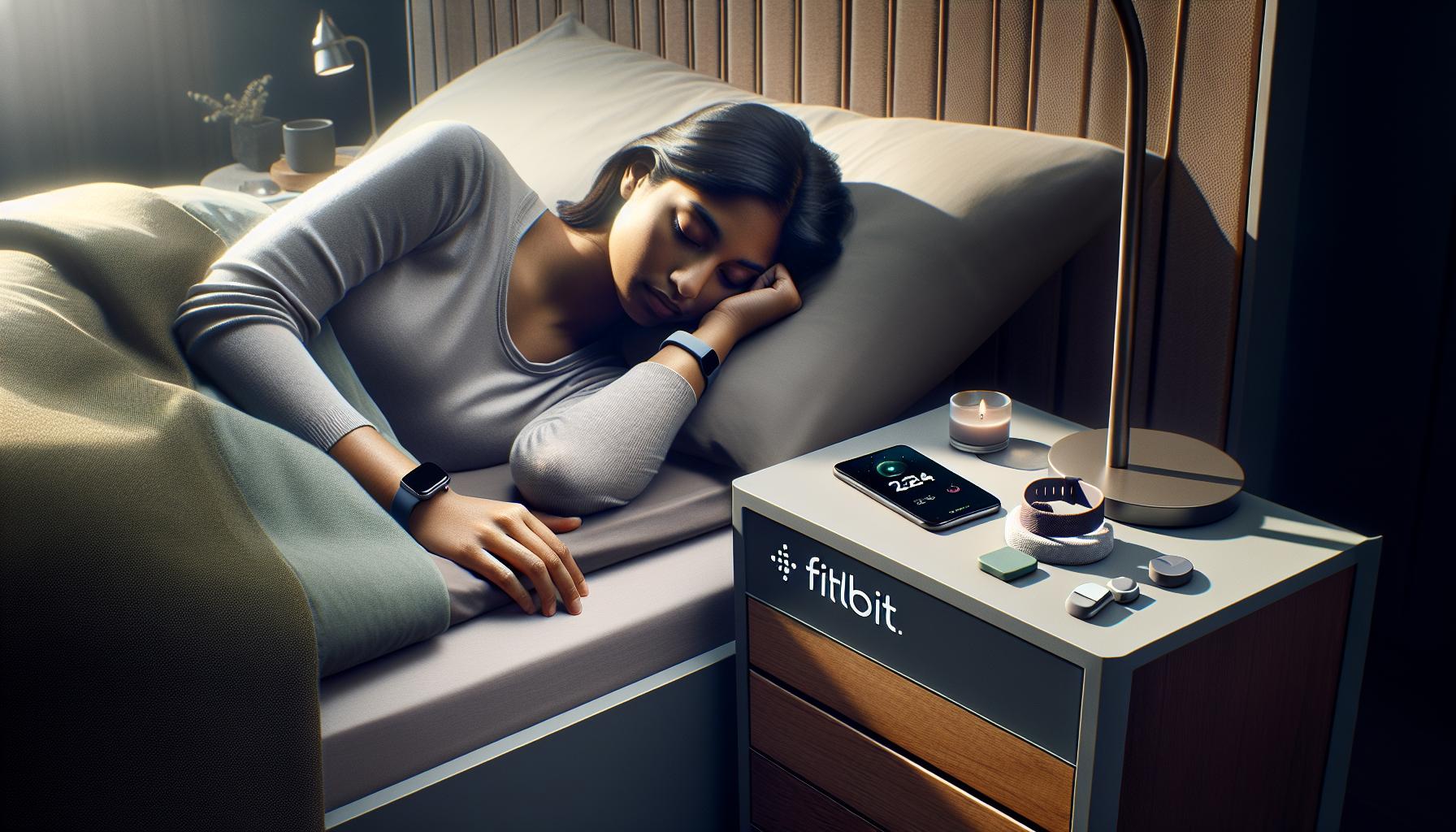
How Fitbit Measures Sleep Stages: A Deep Dive
Fitbit employs a sophisticated blend of technology to measure sleep stages, primarily leveraging its built-in accelerometer and heart rate monitor. This combination allows the device to track your movements and physiological signals to classify your sleep into distinct stages: light, deep, and REM (Rapid Eye Movement). As you drift into sleep, the device detects changes in your activity levels, using sophisticated algorithms to determine when you fall asleep and when you wake up, providing a comprehensive view of your sleep patterns.
Understanding how Fitbit categorizes sleep stages is key for users looking to optimize their rest. During light sleep, you may be somewhat aware of your surroundings. Deep sleep, on the other hand, is crucial for physical recovery and memory consolidation, while REM sleep plays a vital role in cognitive functions and dreaming. The transition between these stages is continuous, and how Fitbit syncs this information in real time allows for an engaging user experience in the accompanying app, where daily sleep stats and trends are displayed.
While the technology is impressive, its accuracy can vary. Fitbit reports an accuracy rate greater than 90% in some cases compared to clinical sleep studies, yet these devices are not substitutes for polysomnography – the gold standard for diagnosing sleep disorders. Therefore, while Fitbit is a valuable tool for monitoring sleep and promoting good habits, it may not capture the complete picture, especially for individuals with severe sleep issues.
Maximizing the Fitbit sleep tracking experience involves strategic device use. Users should ensure the device fits snugly on the wrist to maintain consistent heart rate readings, as the pulse indicates when you enter different sleep stages. Additionally, keeping a consistent sleep schedule and utilizing features like bedtime reminders can enhance accuracy and improve overall sleep hygiene. Regularly reviewing sleep insights provided by Fitbit encourages proactive adjustments to improve your sleep quality over time.
Comparing Fitbit’s Accuracy to Sleep Studies
Fitbit devices offer an impressive glimpse into our sleep patterns, yet their accuracy can vary significantly when compared to traditional sleep studies. Sleep studies, or polysomnography, remain the gold standard for diagnosing sleep disorders, capturing a breadth of data through EEG, EOG, and EMG sensors, which provide detailed insights into brain activity and muscle tone during sleep cycles. In contrast, Fitbit employs algorithms drawing from a combination of heart rate monitoring and movement detection to classify sleep stages, leading to some notable differences in accuracy.
Research suggests that while Fitbit devices can provide a reliable estimate of overall sleep duration, they often overestimate this time by approximately 10% on average and occasionally struggle with the nuanced capture of deep sleep and REM phases[2[2]. However, for assessing REM sleep, Fitbit proves remarkably accurate, showing only slight discrepancies compared to clinical data – a mere 0.2% difference
Limitations of Fitbit Sleep Tracking
Despite the convenience and ease of use of Fitbit devices, their accuracy in tracking sleep is limited. While many people rely on these wearables for insights into their sleep patterns, it’s essential to understand what they can and cannot do. For instance, studies suggest that Fitbits provide a fairly reliable estimate of total sleep duration; however, they often overestimate this duration by about 10% on average. This discrepancy can mislead users into thinking they are achieving more restful sleep than is actually the case, which can affect lifestyle choices related to sleep hygiene.
One significant limitation is Fitbit’s struggle with accurately classifying sleep stages, particularly deep sleep and REM sleep. Research indicates that while the devices might perform reasonably well in assessing total sleep time, their ability to categorize different sleep stages remains insufficient. This is particularly crucial because deep sleep and REM phases are vital for restorative rest. A recent user review highlighted that the accuracy for sleep stage classification can be as low as 60-69%, which is alarming for those seeking precise insights into their sleep quality [[3]].
Moreover, Fitbit’s algorithms primarily utilize heart rate variations and motion detection to infer sleep quality. This method, while innovative, isn’t as comprehensive as polysomnography, which is the gold standard for sleep studies and involves detailed measurements of brain activity, eye movement, and muscle activity. Consequently, users who suspect they have serious sleep disorders, such as sleep apnea or chronic insomnia, should not rely solely on Fitbit data. Instead, they are recommended to consult a healthcare professional and consider undergoing a full sleep study for a thorough evaluation.
In summary, while Fitbits offer a valuable starting point for tracking and improving sleep habits, they should be viewed as a complement rather than a substitute for professional health assessments. Users should take the insights from their devices with caution and stay informed about the limitations, ensuring they make empowered decisions about their sleep health.
Factors That Affect Sleep Tracking Accuracy
Fulfilling the promise of better sleep tracking, Fitbit devices rely on several factors that can influence their accuracy, allowing for a more nuanced understanding of your sleep patterns. The effectiveness of these devices is not only due to the technology employed but also how various external and internal elements can skew the data captured. Knowing these factors can empower you to use your Fitbit more effectively to gather insights about your sleep.
Physical Considerations
Your physical condition plays a pivotal role in how accurately a Fitbit can track your sleep. For instance, if you have a higher body mass index (BMI), it may affect how accurately the device measures heart rate, which is one of the key indicators for tracking sleep stages. Additionally, the fit of the device is crucial. If it’s too loose or too tight, this can interfere with sensor readings, causing inaccuracies in sleep duration and quality assessments.
Environmental Influences
The environment in which you sleep can also impact tracking accuracy. Factors such as room temperature, noise levels, and lighting conditions may disrupt your actual sleep quality, which Fitbit can sometimes misinterpret. For instance, light exposure from electronic devices before bedtime can send false signals to the device, leading to an incorrect assessment of sleep onset. Aim to create a sleep-friendly environment to improve the reliability of readings.
Behavior and Habits
Your bedtime routine and overall sleep hygiene are significant contributors to sleep tracking accuracy. Irregular sleep schedules can confuse the Fitbit algorithms, making it harder for the device to establish a consistent sleep pattern. Ensure you maintain a stable bedtime and wake time, as this supports the device in generating more accurate insights over time. Additionally, caffeine and alcohol intake close to bedtime can lead to lighter sleep, which may not be accurately captured as quality rest by the device.
Device Limitations
While Fitbit has advanced significantly in tracking technology, it still has limitations. The algorithms that interpret heart rate and motion may overestimate total sleep time by about 10% on average. Moreover, the technology relies heavily on motion sensors, which might fail to differentiate between periods of light sleep, restlessness, or awakening. For those who require precise analysis of sleep stages-such as deep sleep and REM-consider supplementary methods, like polysomnography, especially if sleep disorders are suspected.
A straightforward approach is to maximize the benefits from your Fitbit by being conscious of these factors. Understanding how body mechanics, environmental conditions, and personal habits intertwine with technology will not only enhance the accuracy of your sleep data but also help in making informed decisions about lifestyle changes aimed at better sleep health.
User Experience: Real-Life Fitbit Sleep Tracking Stories
Many Fitbit users have shared compelling stories that highlight both the potential and limits of their devices in tracking sleep. One common experience revolves around the accuracy of sleep stage detection, leading users to question whether they truly achieve the recommended sleep levels. For example, Jessica, a 34-year-old marketing professional, noticed discrepancies in her deep sleep duration reported by her Fitbit. The app indicated she was getting about 45 minutes of deep sleep, but she felt more rested on nights when she was more active, prompting her to adjust her evening routine. By incorporating relaxing activities like reading, she observed a more consistent sleep quality reflected in her nightly stats.
Another user, Mark, found that stress levels significantly impacted his sleep readings. During a two-week work project, he noticed that his Fitbit inaccurately logged several wake periods, correlating with days he experienced heightened anxiety. This prompted him to explore mindfulness and meditation, resulting in improvements not just in his sleep data but also in his overall well-being. His Fitbit became a secondary motivator, encouraging healthier habits that led to better sleep quality.
Common Patterns and Insights
Across these narratives, a few prevalent patterns emerge, helping others navigate their sleep tracking journey:
- Adjust Your Routine: Establishing a calming bedtime routine has proven beneficial for many, including Jessica, who implemented a no-screen-policy an hour before bed.
- Stay Active: Regular physical activity is often echoed by users as a contributor to improved sleep quality. Mark found that his weekend hikes encouraged deeper nightly rest.
- Contextual Awareness: Many users realized that external factors, such as noise or light pollution, directly impacted their sleep scores, leading them to invest in blackout curtains or white noise machines.
While Fitbit devices serve as helpful tools for understanding sleep generalities, they may not replace traditional methods for diagnosing sleep disorders. Users should remain aware that device metrics, while useful as indicators, can be skewed by numerous variables, from physical comfort to emotional state. Thus, personalizing the use of Fitbit insights can lead to smarter lifestyle adjustments, paving the way for improved sleep health while maintaining realistic expectations of what the data can reveal.
Setting Up Your Fitbit for Optimal Sleep Tracking
To ensure your Fitbit captures the most accurate sleep data, proper setup and usage are essential. First, make sure you wear your Fitbit comfortably on your wrist while you sleep, ideally positioned about one finger width from your wrist bone. If your device includes heart rate monitoring, it can provide deeper insights into your sleep patterns, as heart rate variability is a key metric in determining different sleep stages. For the best results, wear your Fitbit throughout the day so it can establish a baseline for your sleep patterns based on your daily activity levels.
A critical step in enhancing sleep tracking is to configure the sleep settings in the Fitbit app. You can set a personal sleep schedule, which acts as a reminder for your bedtime and wake-up time, encouraging consistency. This feature is not just a gentle nudge; it’s an essential element in regulating your sleep cycle, leading to improved sleep quality. Enabling the Smart Wake feature can also help, allowing your device to vibrate at the lightest sleep stage within a set timeframe, making waking up more pleasant.
Additionally, consider turning on ‘Do Not Disturb’ mode during the night. This minimizes interruptions from notifications, allowing for a more peaceful sleep environment. If your Fitbit offers Sleep Insights, take advantage of these tools to understand your sleep trends over time. The insights can highlight potential areas for improvement, such as average sleep duration and times spent in different sleep stages.
Finally, keep in mind that while Fitbit can offer valuable insights, it is a tool for guiding adjustments rather than providing clinical-grade sleep data. If you experience significant sleep issues, consider consulting a healthcare professional. Remember, your Fitbit is there to assist and motivate you, but the most accurate changes to your sleep health will come from integrating its insights with healthy lifestyle choices.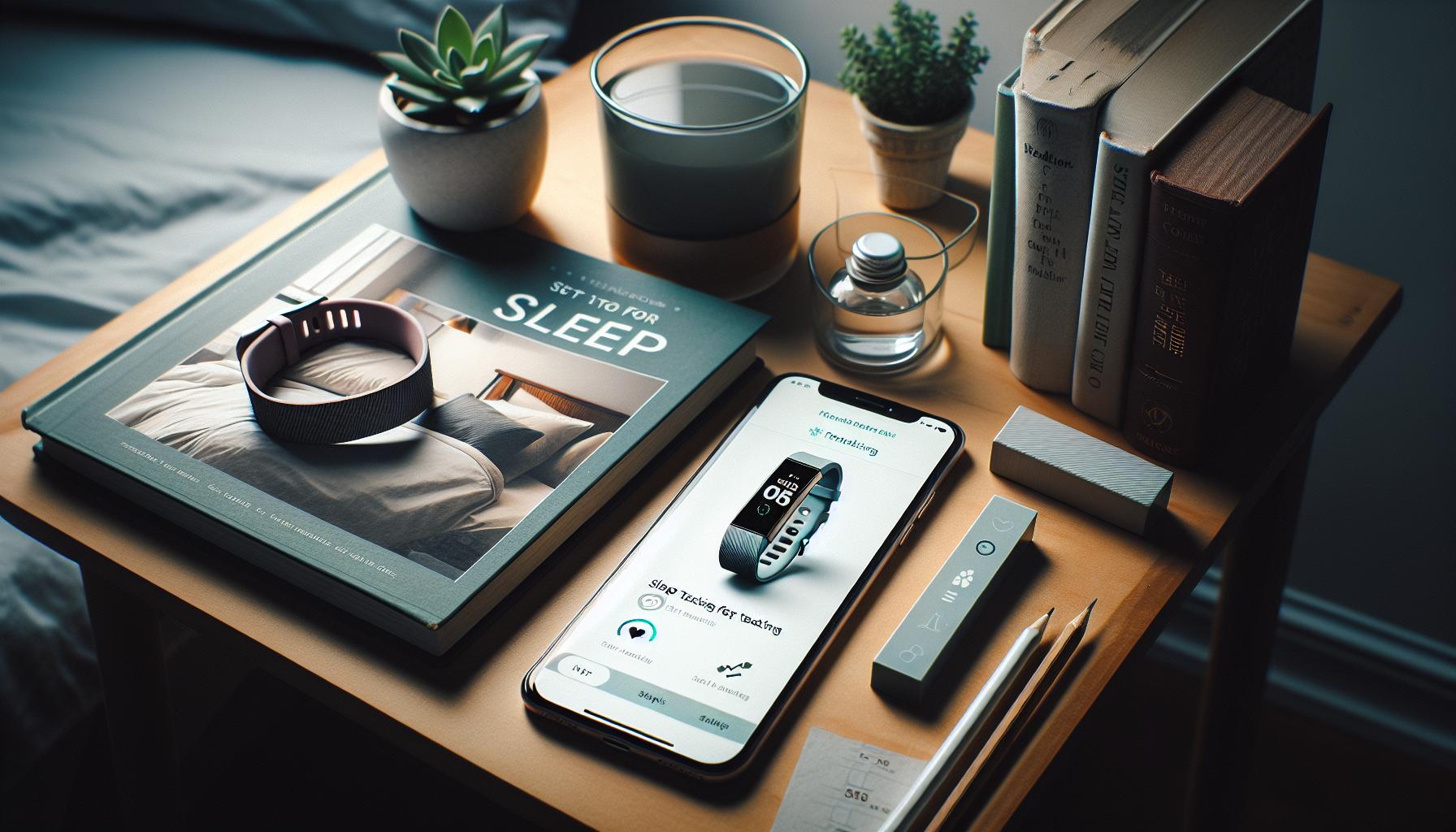
How to Improve Sleep Tracking with Your Fitbit
To get the most accurate sleep tracking experience from your Fitbit, you’ll want to optimize both the device settings and your personal sleep environment. Start by wearing your Fitbit snugly on your wrist, ideally about a finger’s width above your wrist bone. This positioning ensures that the sensors can accurately read your heart rate and movement, which are crucial for determining sleep stages.
Utilize the features available in the Fitbit app to enhance your sleep quality. Setting a consistent sleep schedule can dramatically improve your sleep patterns. This feature acts as a gentle reminder for bedtime and wake time, helping your body to naturally adjust. Beyond this, consider enabling the Smart Wake feature. This innovative tool wakes you during the lightest sleep stage within a designated timeframe, thus reducing grogginess and making mornings more pleasant.
Minimizing nighttime interruptions is equally important. Activate ‘Do Not Disturb’ mode on your device to silence notifications while you sleep, creating a peaceful environment conducive to rest. Additionally, make use of Fitbit’s Sleep Insights, which provide you with data on sleep duration and quality. Reviewing these insights regularly can reveal patterns over time and highlight areas where you can improve. For instance, if you notice that you struggle to maintain a consistent sleep schedule, think about adjusting your daily activities or relaxing before bed.
While sleep tracking with a Fitbit is a valuable tool, it’s essential to remember that it’s not a replacement for professional advice if you’re experiencing serious sleep issues. Keep in mind that your Fitbit is here to assist you in developing healthier habits and understanding your sleep better. By integrating its features with mindfulness about your bedtime routines, you can leverage this technology effectively to enhance your overall sleep health.
Analyzing Fitbit’s Sleep Insights and Recommendations
Fitbit’s sleep tracking capabilities go beyond simply counting hours of shut-eye; they provide meaningful insights that can help users better understand their sleep patterns. When you wear a Fitbit device to bed, it tracks various metrics such as heart rate, movement, and sleep stages (light, deep, and REM). By analyzing these factors, Fitbit generates a comprehensive Sleep Score that reflects your overall sleep quality. This score ranges from 0 to 100, with a higher score indicating better sleep health. Users can access this score through the Fitbit app, which offers a breakdown of nightly sleep stages, duration, and overall trends over time.
By reviewing the sleep insights provided by Fitbit, you can gain a clearer understanding of factors affecting your sleep quality. For instance, if you notice consistent disturbances during deep sleep, it might indicate issues like environmental noise or discomfort. Similarly, analyzing patterns in your sleep schedule can help identify whether variations in daily routines have a tangible impact on restfulness. To leverage these insights effectively, consider the following recommendations:
- Set Consistent Bedtimes: Use the app’s reminders to help establish a regular sleep schedule.
- Track Environmental Factors: Consider how room temperature, light, and noise may influence your sleep quality.
- Incorporate Relaxation Techniques: Activities like reading or meditating can enhance your ability to fall asleep.
- Engage With Insights: Regularly explore Fitbit’s analytics to detect patterns that might indicate the need for adjustments in your routine.
While the device is a great tool for self-awareness, it’s essential to remember its limitations. Fitbit’s sleep tracking does not replace comprehensive sleep studies conducted in clinical settings, especially if you suspect a more serious sleep disorder such as sleep apnea. However, for those simply looking to improve their nightly rest, analyzing Fitbit’s sleep insights can empower users to make informed lifestyle adjustments. By staying engaged with the data and applying practical strategies, you can enhance your sleep health and overall well-being.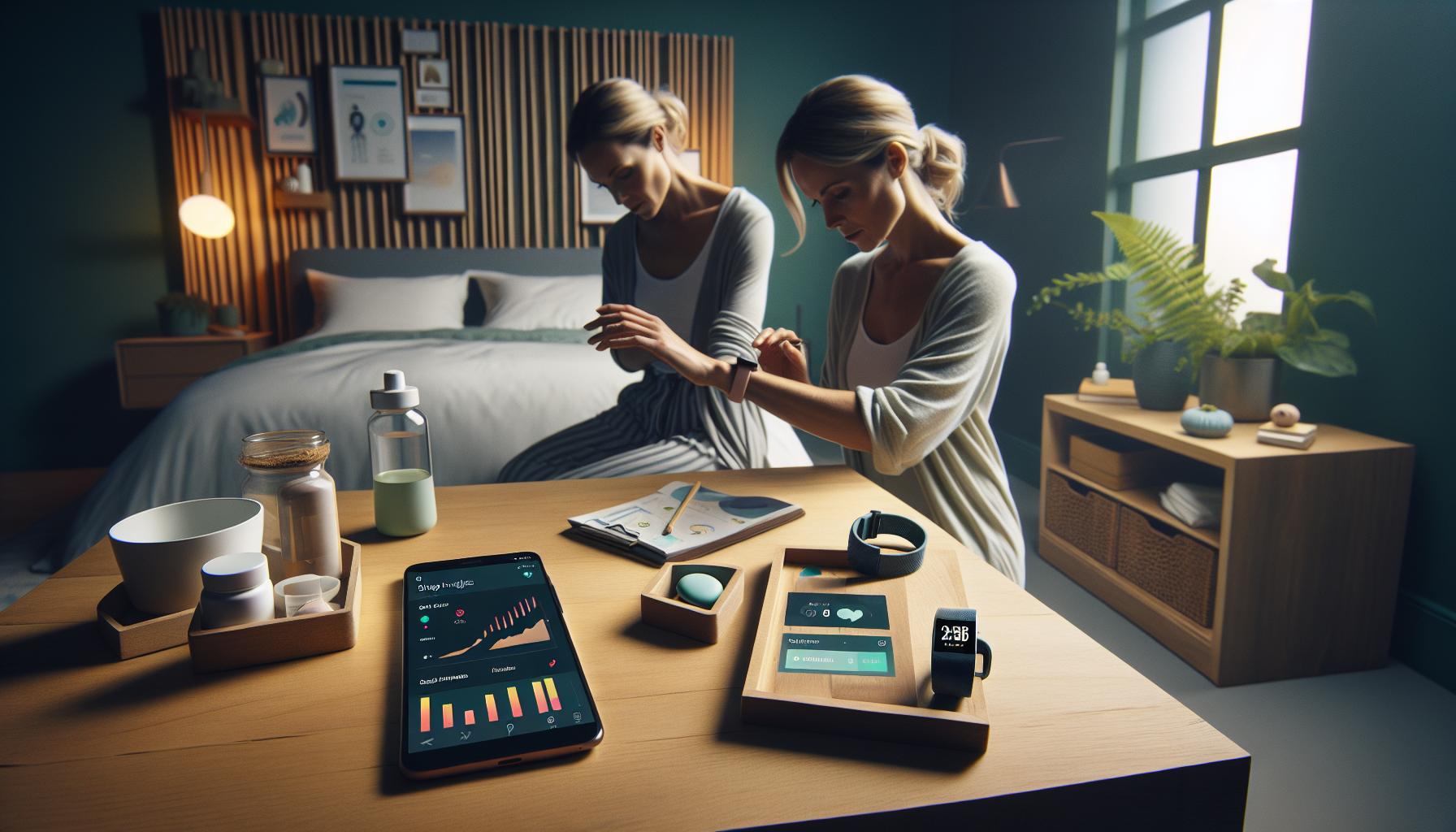
Alternative Sleep Trackers: How Do They Compare?
The sleep tracking landscape is rich with options for those keen to monitor their nightly rest. Fitbit stands out as a popular choice, but it’s far from the only game in town. Devices like the Oura Ring, Apple Watch, and Samsung Galaxy Watch are also notable competitors, each with unique features that can cater to different user preferences and needs.
Oura Ring
The Oura Ring has gained traction as a premium alternative, touted for its sleek design and advanced metrics. Unlike Fitbit, it focuses heavily on recovery, providing insights into how well your body is resting and preparing for the day ahead. Oura uses infrared sensors to track sleep stages and delivers a readiness score based on sleep quality, body temperature, and resting heart rate. Users appreciate its accuracy and depth of data, although it comes at a higher price point, typically ranging from $299 to $399.
Apple Watch
For Apple users, the Apple Watch offers integrated sleep tracking through its Sleep app, which monitors sleep duration and quality. It allows users to set sleep goals and wind-down routines, promoting healthier habits. While Apple Watch sleep tracking may not be as detailed in differentiating sleep stages compared to Fitbit, it excels in providing a comprehensive look at overall health metrics, thanks to its ECG and SpO2 tracking capabilities. The Apple Watch starts at around $399, making it one of the pricier options on the market.
Samsung Galaxy Watch
Samsung’s Galaxy Watch series, especially the Galaxy Watch 4, combines health tracking features with an intuitive interface. Samsung’s sleep tracking feature analyzes sleep quality, sleep cycles, and any disturbances, comparable to Fitbit’s performance. Users can also benefit from additional features such as Body Composition analysis, which gives a fuller picture of their health. Priced around $250 to $300 depending on the model and features, it offers a solid balance between cost and functionality.
Comparative Insights
When assessing which tracker may be best for you, consider what specific aspects of sleep tracking are most important. If detailed sleep stage analysis and sleep scores are your priority, Fitbit and Oura might suit you best. If you seek a device that offers more comprehensive health features beyond just sleep, an Apple Watch or Samsung Galaxy Watch could be preferable.
Ultimately, the choice will depend on your individual needs and lifestyle. If possible, consider testing out a couple of models to see which resonates with your requirements. Each device has its strengths and nuances in sleep tracking, making it crucial to align your choice with your health goals and preferences.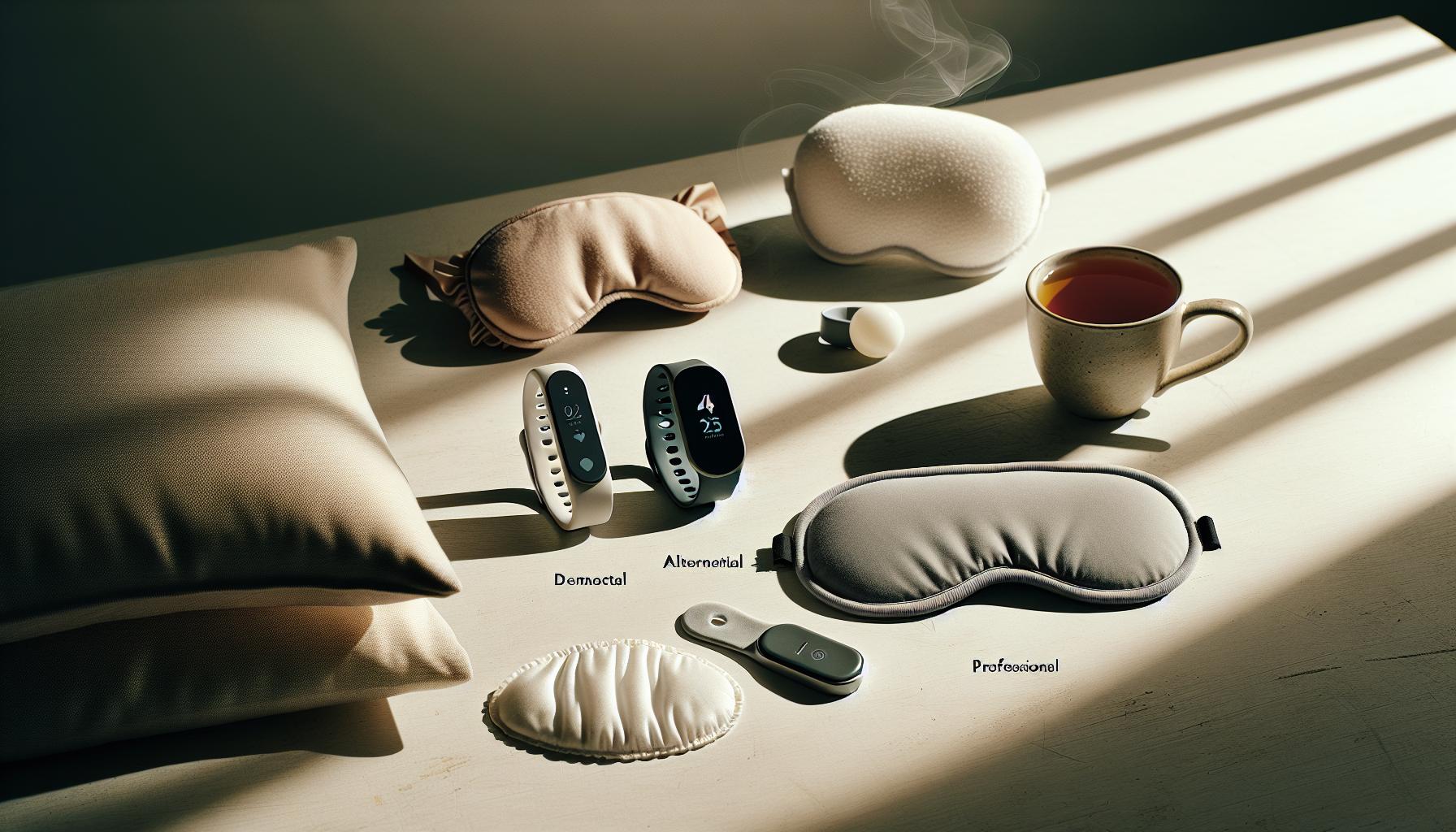
Common Issues and Troubleshooting Fitbit Sleep Tracking
For many users, Fitbit’s sleep tracking capabilities can be a fantastic tool for monitoring sleep patterns, but they aren’t without their challenges. One prevalent issue is inaccurate sleep detection. This can occur if the device is not worn properly. Make sure your Fitbit is snug but comfortable on your wrist; if it’s too loose, it may not accurately record your movements or heart rate, leading to erroneous data.
Other common problems include discrepancies in sleep stage recording. Users may notice that their Fitbit often classifies periods of wakefulness as sleep, or vice versa. To help mitigate this, it’s wise to establish a consistent sleep schedule and wear your Fitbit every night. If you find persistent inaccuracies, consider recalibrating your device or checking for firmware updates to ensure it’s functioning at its best.
Interference from environmental factors can also affect tracking accuracy. External noises, temperature fluctuations, and even the position of your arm during sleep can play a role. This means your sleep data may not always reflect the quality of your rest accurately. A solution here is to create a sleep-conducive environment, limiting disturbances and ensuring your sleep space is cool and dark.
Finally, users sometimes encounter challenges with the Fitbit app syncing data effectively. If you’re facing syncing issues, try restarting both your Fitbit device and the app, or ensure Bluetooth is enabled on your phone. Should problems persist, reinstalling the app can often resolve lingering connectivity issues.
By addressing these common problems with your Fitbit, you can improve the accuracy of your sleep tracking and gain better insights into your overall sleep quality. Regular monitoring, careful setup, and attention to the sleep environment can significantly enhance your experience.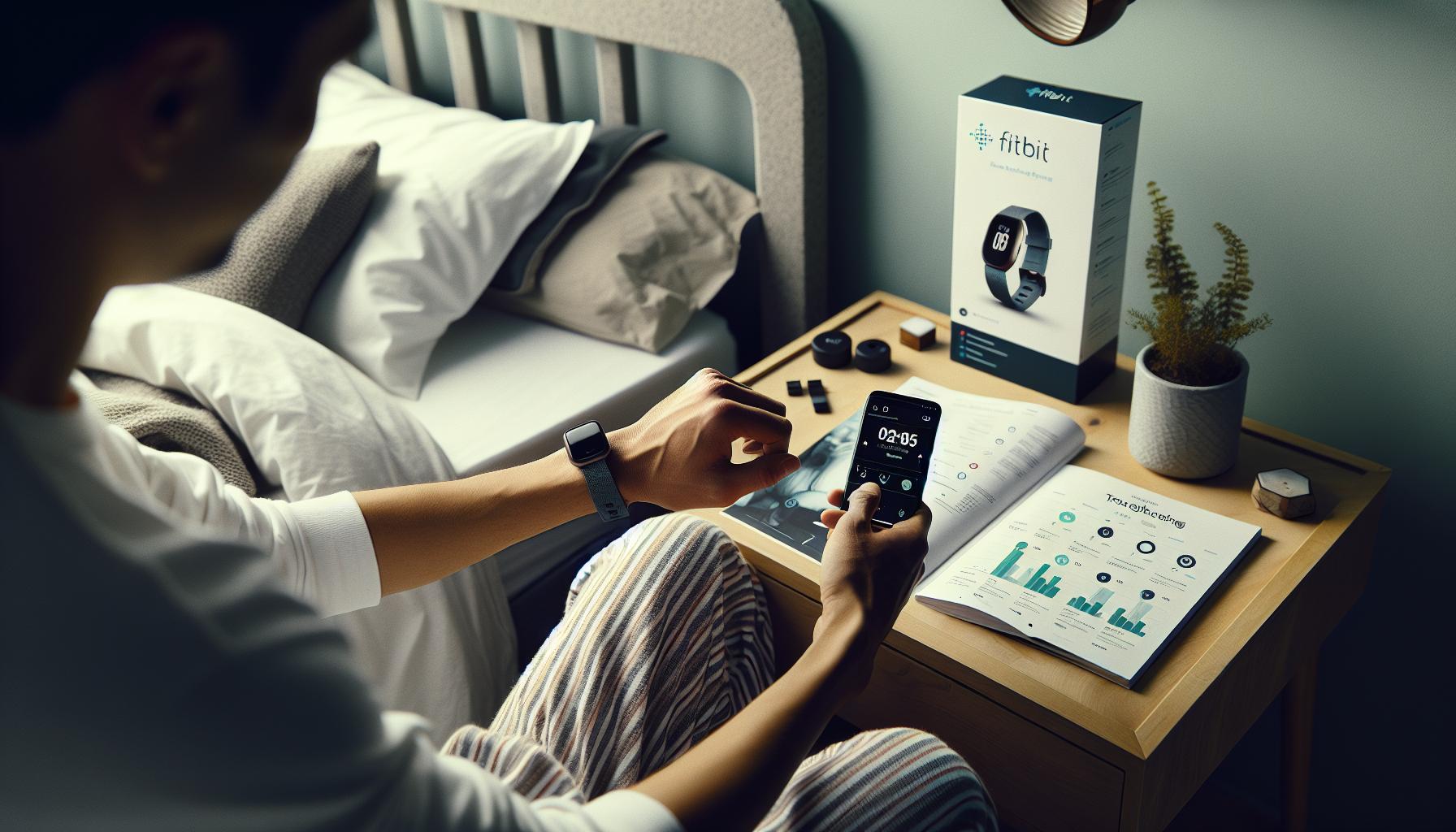
Maximizing the Benefits of Fitbit for Sleep Health
Understanding how to leverage your Fitbit for enhanced sleep health can lead to a significant improvement in your overall well-being. Did you know that establishing a consistent sleep routine can maximize the benefits of your Fitbit’s sleep tracking capabilities? By going to bed and waking up at the same times each day, you can help your device provide more accurate data and offer tailored insights geared towards improving your sleep quality.
To get the most out of your sleep tracking experience, first ensure that your Fitbit is worn correctly and consistently. A snug fit on your wrist is vital for accurate heart rate monitoring, which plays a key role in assessing sleep stages. Consider calibrating your device regularly and keeping its firmware up-to-date. This helps ensure you receive the latest enhancements and bug fixes that might improve tracking functionality.
Creating an optimal sleep environment is another crucial factor. Aim for a cool, dark, and quiet space to reduce disturbances. Implementing relaxing pre-sleep rituals, such as reading or meditating, can prepare your body for rest and enhance the accuracy of your sleep data. Using the insights provided by the Fitbit app, you can analyze patterns and make necessary adjustments in your routine-such as bedtime or environment-based on the feedback you receive.
Lastly, engaging with the community of Fitbit users can further enrich your experience. Sharing stories and strategies with others who are focused on improving their sleep health can lead to discovering new tips and techniques. By actively participating in this space, you’ll gain not only support but also various perspectives on maximizing the features of your Fitbit for optimal sleep tracking and overall health.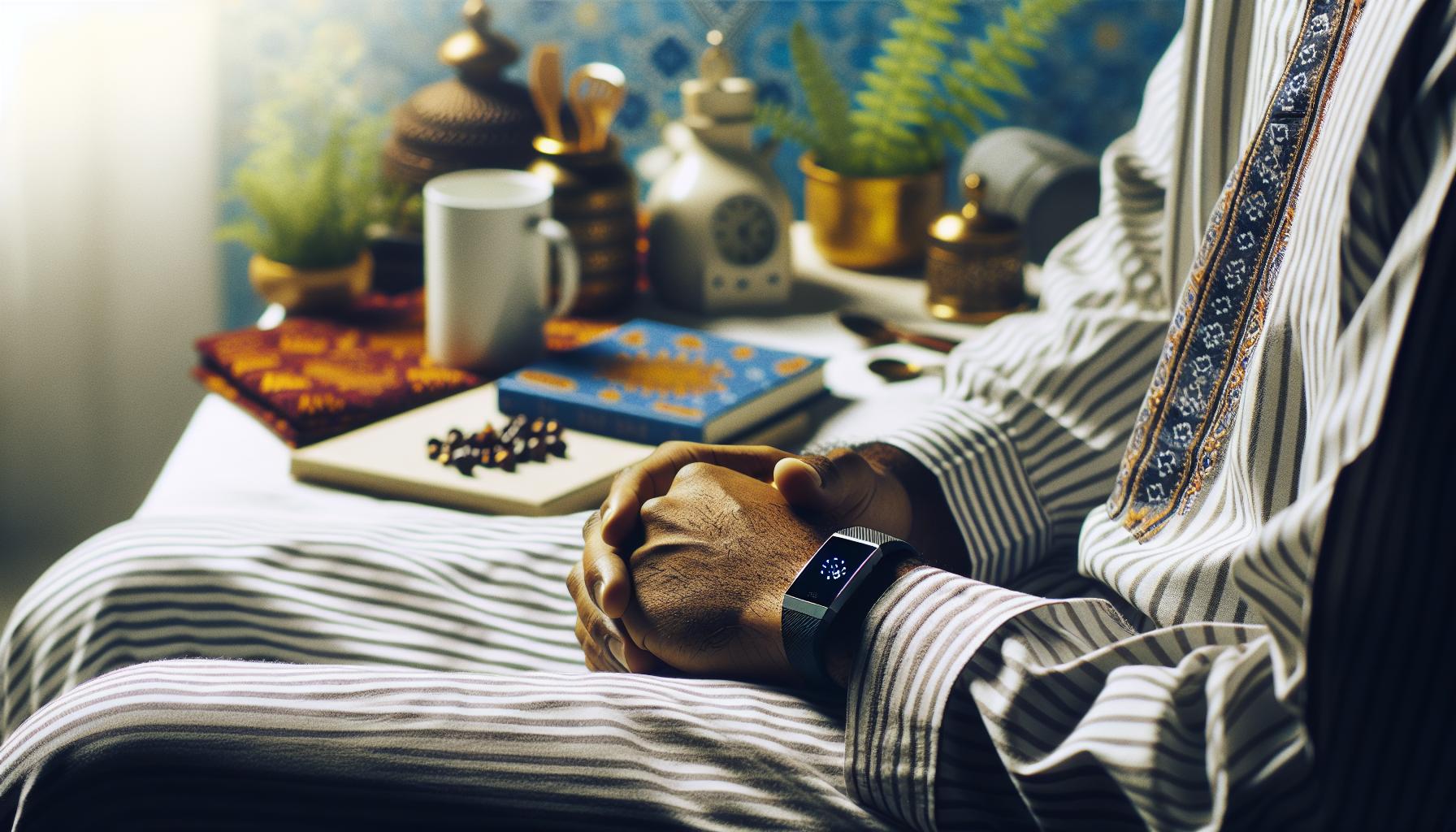
Frequently Asked Questions
Q: How does Fitbit estimate sleep duration accurately?
A: Fitbit estimates sleep duration by using motion sensors and heart rate monitoring to detect changes in your activity level. By analyzing these patterns during the night, it provides insights into your sleep periods. For best results, ensure you wear your device consistently while sleeping.
Q: What are common reasons for inaccuracies in Fitbit sleep tracking?
A: Common inaccuracies in Fitbit sleep tracking can arise from factors like device misplacement, skin contact issues, and sleep disturbances (e.g., waking up multiple times). Additionally, movements during sleep can affect how well the device records your sleep stages.
Q: Can Fitbit track naps effectively?
A: Yes, Fitbit can track naps, but automatic detection may vary. If your nap is longer than 20 minutes, the device might register it as sleep. To ensure accurate tracking, you can manually log your nap in the Fitbit app.
Q: Is Fitbit’s sleep tracking reliable compared to medical devices?
A: While Fitbit provides a good overview of sleep patterns, it is not as precise as clinical devices used in sleep studies. Fitbit sleep data mainly gives insights but should not replace professional assessments if sleep issues persist.
Q: How do Fitbit’s sleep stages compare to those measured in sleep studies?
A: Fitbit categorizes sleep stages (light, deep, and REM) based on activity and heart rate data. However, its accuracy may differ from polysomnography used in sleep studies, which offers more detailed information through EEG testing.
Q: Can a Fitbit improve my sleep quality?
A: A Fitbit may enhance sleep quality by providing personal insights and sleep hygiene tips. By analyzing your sleep patterns, you can adjust habits like bedtime and sleep environment, leading to improved rest over time.
Q: How can I optimize my Fitbit for better sleep tracking?
A: To optimize sleep tracking, consistently wear your Fitbit to bed and turn on Sleep Mode for accurate monitoring. Additionally, maintain a regular sleep schedule and ensure the device fits snugly on your wrist for best results.
Q: What should I do if my Fitbit sleep data seems inaccurate?
A: If your Fitbit sleep data appears inaccurate, check device placement and ensure it’s worn correctly. Restart the device and update the firmware if necessary. For persistent issues, reviewing settings and selecting sleep log options in the app can help.
Wrapping Up
As we’ve explored in “How Good Is Fitbit at Tracking Sleep? Accuracy Breakdown,” it’s clear that Fitbit devices offer valuable insights into your sleep patterns, balancing accessibility with cutting-edge technology. If you’re serious about improving your sleep health, now is the time to leverage these insights-consider which Fitbit model best fits your lifestyle and start your journey towards restful nights.
For those still curious about optimizing your sleep tracking, check out our guides on “Understanding Sleep Stages” and “Comparing Sleep Trackers,” which can further enhance your knowledge and choices. Don’t forget, the accuracy of your sleep data can significantly impact your health decisions, so stay informed with our upcoming articles!
Join our community to share your experiences or ask questions and explore related topics that can enrich your sleep journey. Remember, a good night’s sleep is just a tracker away-start taking control of your rest today!
Get our latest guides, news, and insights highlighted in your Google Search & AI Overviews.