
Did you know that nearly 80% of people with sleep apnea are undiagnosed? If you’re using a CPAP machine, understanding how often a sleep study is required can significantly affect your treatment compliance and overall health. This essential guide will explore the frequency of sleep studies needed to ensure your CPAP therapy is effective. We’ll address your concerns about costs, what to expect during a study, and how to navigate the sometimes overwhelming landscape of sleep health solutions. By staying informed, you empower yourself to make smart choices that lead to better sleep and improved quality of life. So, let’s delve into the details and help you find clarity amidst the complexity of sleep studies and CPAP compliance rules.
Understanding Sleep Studies for CPAP Compliance
Understanding sleep studies is crucial for anyone using Continuous Positive Airway Pressure (CPAP) therapy. These studies play a vital role in determining the severity of sleep apnea, guiding treatment decisions, and ensuring optimal CPAP compliance. A common question among users is how often a sleep study is required after initial diagnosis and treatment initiation.
First and foremost, it’s important to recognize that a sleep study, or polysomnography, is often necessary before beginning CPAP therapy. This sleep study evaluates various metrics, such as oxygen levels, heart rate, and brain activity while you sleep, providing a comprehensive overview of your sleep patterns and identifying sleep disorders. Once you begin using CPAP, the need for subsequent sleep studies will often depend on individual circumstances, including whether your symptoms improve, if you experience significant changes in health, or if you need adjustments to your CPAP settings.
For many patients, follow-up studies are recommended every 1 to 3 years to assess the effectiveness of the current treatment and make necessary adjustments. If sleep apnea symptoms return or worsen, an earlier study may be warranted. This proactive approach not only ensures that your therapy is working effectively but also helps prevent long-term health consequences often associated with untreated sleep apnea, such as cardiovascular issues.
In tandem with sleep studies, tracking your sleep quality through wearables can offer additional insights into your sleep patterns. Devices that monitor sleep can provide valuable data on how well you’re adapting to CPAP therapy and identify if further intervention is needed. This combination of clinical studies and personal monitoring empowers users to take control of their sleep health, ensuring they stay compliant with prescribed therapies while fostering an environment conducive to better sleep.
The Necessity of Sleep Studies for CPAP Users
A sleep study is not just a stepping stone towards using a CPAP machine; it’s the cornerstone of effective treatment for sleep apnea and related disorders. The results of a sleep study directly influence not only the diagnosis but also the necessary settings for CPAP therapy, ensuring that it suits the individual needs of the patient. Understanding the importance of these studies can alleviate anxiety and empower CPAP users to take active steps in managing their sleep health.
Typically, the initial sleep study, or polysomnography, is required to confirm a diagnosis of sleep apnea. This comprehensive test tracks critical metrics such as oxygen levels, heart rate, and brain activity while you sleep. It allows healthcare providers to determine the severity of your condition, making sure that any prescribed CPAP therapy is based on concrete evidence rather than guesswork. After beginning CPAP treatment, the necessity for additional sleep studies can vary. For some, regular follow-ups may be needed – usually every 1 to 3 years – especially if symptoms recur or worsen, or if significant changes in health occur.
It’s essential to remember that maintaining optimal CPAP compliance often hinges on the insights gained from these follow-up studies. They not only assess the continued effectiveness of the therapy but can also highlight any adjustments needed in pressure settings or mask types. By regularly evaluating how well the treatment is working, patients can avoid long-term health risks associated with untreated sleep apnea, such as heart disease or diabetes.
Incorporating personal sleep tracking technology can further enhance your understanding of sleep health. Using wearables, patients can collect additional data on their sleep patterns, providing a fuller picture that complements the clinical insights from sleep studies. Together, clinical assessments and personal monitoring empower patients to make informed decisions, ensuring they remain compliant and proactive in their journey towards better sleep.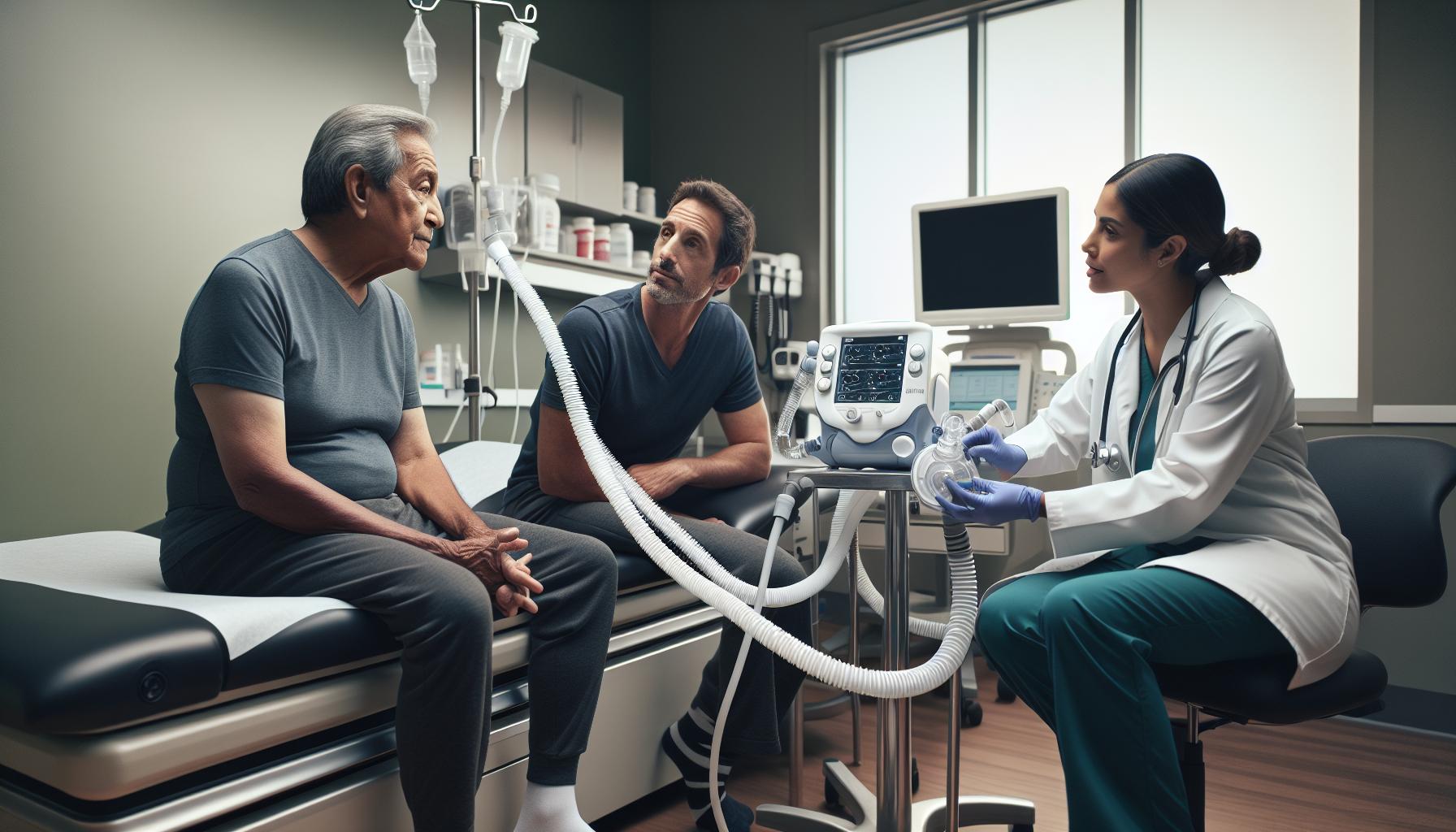
Frequency of Required Sleep Studies
Regular sleep studies are pivotal in ensuring that CPAP therapy remains effective and tailored to individual needs. While the initial polysomnography typically marks the beginning of a patient’s journey with CPAP, ongoing assessments can be crucial. The frequency of these studies varies based on several factors, primarily revolving around the patient’s symptoms, overall health, and treatment response.
After starting CPAP treatment, follow-up sleep studies are generally recommended every 1 to 3 years. This timetable may adjust depending on the patient’s unique circumstances, such as if symptoms worsen or if substantial changes in health occur, like weight fluctuations or the onset of new health issues. For example, a patient who notices increased daytime sleepiness or snoring might require an earlier evaluation to ensure their CPAP settings are still appropriate.
It’s important to approach each sleep study with the mindset that it plays a vital role in your ongoing health. These evaluations can reveal whether adjustments in pressure settings or mask types are necessary to enhance comfort and effectiveness. In many cases, patients find that regular check-ins help not only in maintaining compliance but also in fine-tuning their treatment for improved overall sleep quality and better health outcomes.
Incorporating new technologies can also enhance this process. Devices like smartwatches or dedicated sleep trackers can offer additional insights into your sleep patterns between studies. Collecting this data can prepare you for discussions with your healthcare provider, identifying trends that might require attention before your next scheduled polysomnography. Together, clinical evaluations and personal monitoring create a robust framework for managing sleep health, ensuring that your CPAP therapy continues to meet your evolving needs.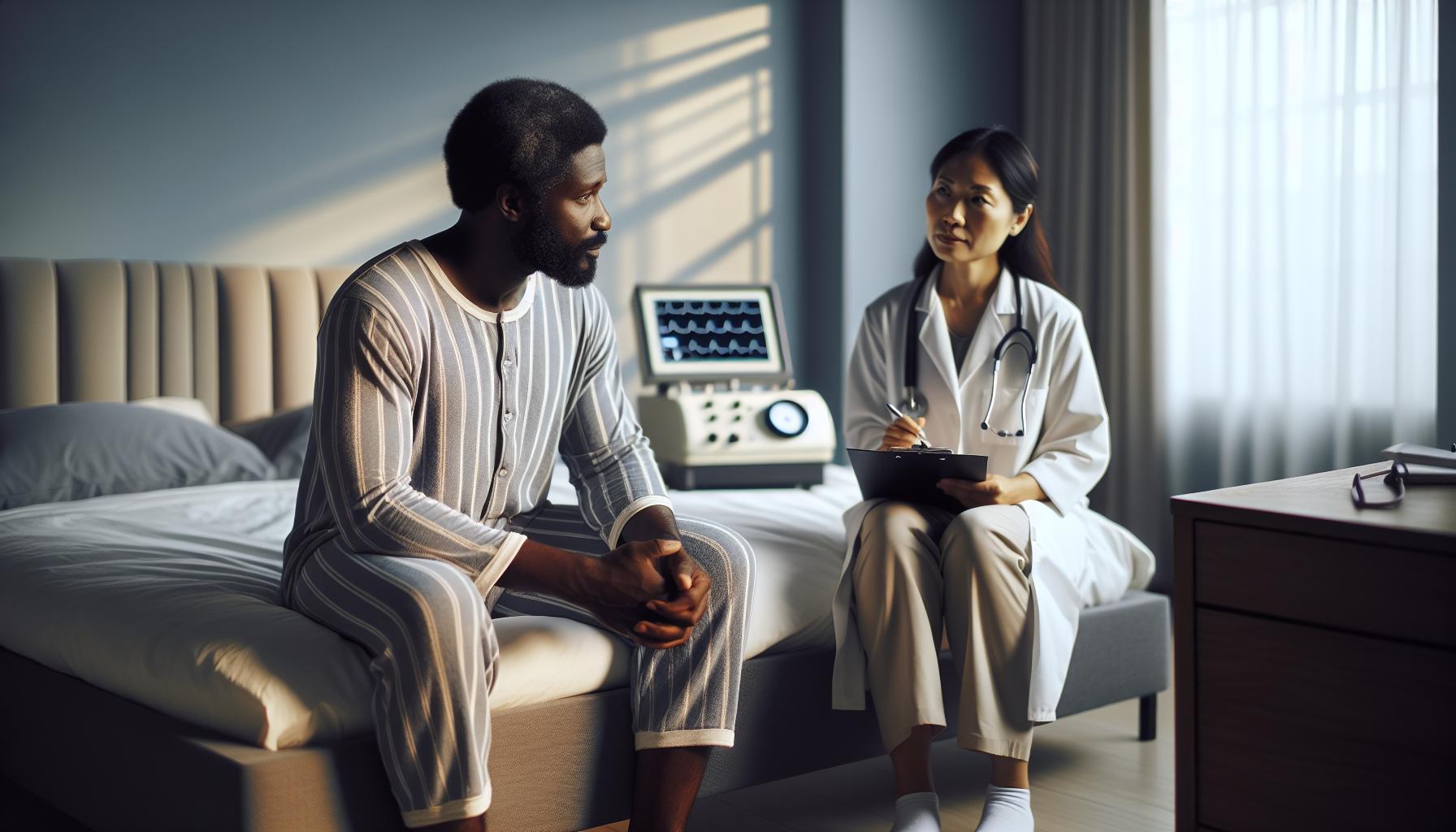
What to Expect During a Sleep Study
What you encounter during a sleep study can significantly impact your understanding of sleep quality and the effectiveness of your CPAP therapy. Many people feel anxious at the thought of sleeping in a lab, but knowing what to expect can create a sense of comfort and preparedness.
First, you’ll arrive at the sleep center, where a sleep technician will greet you and guide you through the process. After a brief interview to review your medical history and sleep issues, you’ll be shown to a private room designed for comfort-a far cry from the sterile hospital environments many imagine. Here, you’ll change into relaxing sleepwear and settle in for the night.
As the night progresses, several sensors will be attached to monitor various metrics critical for diagnosing sleep issues. These sensors, usually placed on your head, face, chest, and limbs, allow for an accurate picture of your sleep patterns, such as whether you experience apnea events or abnormal movements during sleep. Although the connections and wires may feel a bit cumbersome, they are essential for gathering accurate data to tailor your CPAP treatment effectively.
If first-time worries about the sleep study are lingering, remember that your comfort is a priority. Technicians will be nearby to support you, and you can communicate with them anytime. The study generally lasts overnight, during which they will monitor your sleep stages, oxygen levels, and heart rate. Upon waking, you can expect a gentle conversation about your experience and the next steps in evaluation and treatment. This thorough assessment ensures that any adjustments to your CPAP settings are data-driven and personalized.
Understanding what happens during a sleep study can alleviate anxiety and highlight its importance in maintaining effective CPAP therapy. With each study, you are taking an essential step towards maximizing your rest and overall health. The insights gained from these evaluations foster better sleep, enhance compliance, and ultimately lead to more effective treatment strategies tailored to your unique needs.
Decoding Polysomnography: Key Sleep Metrics
Understanding the intricate details captured during a polysomnography (PSG) can significantly enhance your experience with CPAP therapy. This comprehensive sleep study measures various metrics that reveal how well you sleep and may identify underlying sleep disorders. A successful CPAP treatment hinges on interpreting these metrics correctly, which can inform necessary adjustments to your therapy.
Essential components of polysomnography include:
- Sleep Stages: The study differentiates between various stages of sleep: REM (rapid eye movement) sleep and non-REM sleep stages (N1, N2, N3). Each stage is crucial for restorative sleep, and the amount of time spent in each can indicate overall sleep quality.
- Arousals and Apneas: An arousal is a brief awakening that disrupts your sleep cycle. Polysomnography measures hypopneas (partial blockages) and apneas (complete blockages) to quantify their frequency and severity. This is critical for diagnosing conditions like obstructive sleep apnea (OSA).
- Oxygen Levels: Continuous monitoring of blood oxygen saturation levels through sensors helps determine how well your body is oxygenated during sleep, which is vital for overall health.
- Heart Rate and Rhythm: Changes in heart rate may occur during sleep disturbances. This metric provides insight into how sleep disorders can affect cardiovascular health.
Another vital aspect is the apnea-hypopnea index (AHI), a measure of the number of apneas and hypopneas per hour of sleep. This index directly relates to the severity of sleep apnea and guides healthcare providers in determining the necessity and adjustment of CPAP settings.
Decoding these metrics can empower you with knowledge about your sleep health. It alleviates uncertainties surrounding sleep studies by illustrating how data-driven insights contribute to personalized therapy. If your AHI indicates severe apnea, for instance, it may suggest a need for a more intensive CPAP pressure setting or a brand adjustment to enhance compliance. Ultimately, understanding polysomnography metrics offers a clearer path to improved sleep quality and overall well-being.
How Wearables Can Help Evaluate Sleep Quality
Wearable technology has revolutionized the way we track and understand our sleep patterns, offering users valuable insights into their overall sleep quality without the need for a formal sleep study. Devices such as smartwatches, fitness trackers, and specialized sleep monitors can record a variety of metrics that are instrumental in assessing sleep health. While these wearables cannot replace a comprehensive sleep study, especially in diagnosing sleep disorders like obstructive sleep apnea, they can serve as a helpful tool for users to gauge their sleep habits and make informed decisions regarding their health.
One of the standout features of many wearables is their ability to monitor sleep cycles throughout the night. They typically break sleep down into stages, including light, deep, and REM sleep. By analyzing the duration and distribution of these stages, users can gain insight into the restorative quality of their sleep. For instance, if a device indicates that you’re not spending enough time in deep sleep, it could prompt lifestyle changes or suggest a consultation with a healthcare provider for further investigation, especially if you’re using CPAP therapy.
In addition to tracking sleep stages, wearables can monitor physical metrics, such as heart rate and movement, which contribute to understanding sleep quality. Many devices offer features like sleep score ratings based on various metrics collected throughout the night. These summaries can highlight consistent patterns or potential disturbances, empowering users to adjust their bedtime routine or consider other interventions before relying on more formal sleep studies. Importantly, wearables can remind users of the conditions needed for better sleep, such as maintaining a consistent sleep schedule or limiting screen time before bed.
While wearables present a significant step toward self-monitoring sleep quality, it’s essential for users to remain realistic about their capabilities. For those with known sleep apnea or other serious sleep disorders, a traditional polysomnography (sleep study) remains the gold standard for accurate diagnosis and treatment adaptation. However, leveraging wearables alongside routine follow-ups can provide ongoing feedback and enhance adherence to CPAP therapy by helping users see firsthand how their changes impact their sleep. Ultimately, this combination can lead to improved sleep habits and greater overall health.
CPAP Compliance: Rules and Guidelines Explained
Understanding how to stay compliant with CPAP therapy is crucial for both health outcomes and insurance coverage. For many patients, achieving CPAP compliance-defined as using the machine for at least 4 hours per night on 21 days each month-can initially feel daunting. Yet, adhering to these guidelines can significantly enhance sleep quality for those suffering from sleep apnea.
Adherence Guidelines
Being aware of and following the rules of CPAP compliance can help you avoid interruptions in therapy. Here’s a quick rundown:
- Minimum Usage: Aim for a minimum of 4 hours per night. This is the baseline for what most health insurance companies consider acceptable.
- Monthly Requirement: Ensure you use the machine for at least 21 nights each month to maintain compliance.
- Regular Monitoring: Some devices have built-in tracking features that provide insights into your usage patterns, making it easier to stay on track.
- Routine Check-Ins: Schedule regular follow-up appointments with your healthcare provider to assess your comfort and effectiveness, allowing for necessary adjustments.
Relaying your experiences with CPAP-such as comfort issues, noise levels, or mask fit-to your doctor can facilitate improvements tailored to your needs. Furthermore, utilizing benefits from telehealth services can assist in maintaining regular communication without the need for frequent in-person visits.
Insurance Coverage
Navigating insurance policies can be tricky but understanding the compliance rules can help in securing coverage for CPAP devices and sleep studies. Many insurers require documented proof of compliance to continue coverage, which typically involves showing your usage data over a specified period. Failing to meet these requirements can lead to higher out-of-pocket costs or denied claims for your ongoing therapy.
Real-World Applications
Consider the case of a user who struggles with comfort during sleep. By tracking their usage, they realize they often remove the mask due to discomfort. This insight leads them to consult with their healthcare provider about trying different masks or adjusting the pressure settings, ultimately improving adherence and sleep quality. This highlights the importance of continuous evaluation and adaptation alongside compliance.
Maintaining CPAP compliance is a manageable yet vital aspect of treatment for sleep apnea. Utilizing resources effectively and remaining proactive can greatly influence the quality of your sleep and overall well-being. Remember, tracking your journey not only fosters accountability but enables you to celebrate the small victories on your path to better sleep health.
Insurance Coverage for Sleep Studies and CPAP
Navigating the complexities of therapy can feel overwhelming, but understanding the key principles can empower you to make informed decisions about your health. Many health plans require a sleep study to officially diagnose sleep apnea before authorizing CPAP therapy. This crucial step not only ensures you receive the right treatment but also enables you to secure coverage.
When facing the prospect of a sleep study, it’s important to know what to expect. Typically, you may undergo either an in-lab polysomnography or a home sleep test, each with its associated costs and coverage nuances. Health insurance often covers these studies, but prior authorization may be needed, which involves providing your symptoms and medical history. Checking with your insurer beforehand can save you unexpected out-of-pocket expenses.
Once diagnosed, understanding CPAP compliance is vital for sustaining insurance coverage. Most insurers require users to document consistent use, such as using the device for at least 4 hours per night on a minimum of 21 nights within a month. Maintaining thorough usage records-often electronically tracked by CPAP machines-can be beneficial. Plus, regular follow-ups with your healthcare provider can not only aid in comfort adjustments but can also bolster your documentation of adherence, further securing your coverage.
In real life, these processes can affect more than just finances; they influence how well you adapt to your CPAP therapy. Consider Sarah, who initially hesitated to comply with her insurance’s strict guidelines. After learning more about her coverage and actively engaging in regular sleep studies and consultations, she witnessed significant improvements in her sleep quality, justifying her commitment to the process. Therefore, staying informed and proactive about insurance coverage and CPAP compliance can greatly enhance your journey toward better sleep health.
Alternative Testing Methods for Sleep Disorders
While traditional sleep studies like polysomnography are the gold standard for diagnosing sleep disorders, alternative testing methods are increasingly available and can simplify the process for many. If you find the idea of spending a night in a lab daunting, you’ll be pleased to know that options are growing, and some are more accommodating to your lifestyle.
Home sleep tests (HSTs) are an excellent alternative for diagnosing conditions such as obstructive sleep apnea (OSA). These tests are usually less expensive and more convenient, allowing you to collect data in the comfort of your own home. Typically, an HST involves a portable device that you wear while you sleep, which monitors your breathing patterns, heart rate, and oxygen levels. You apply the equipment prior to sleep, and once the testing is complete, you return the device for analysis. However, it’s essential to note that HSTs may not be suitable for everyone, particularly if multiple sleep disorders are suspected, as they often provide limited data compared to in-lab tests.
Another emerging option is the use of wearables and sleep trackers that monitor sleep quality and duration. These devices can provide insights into your sleep patterns, helping you determine if further testing is necessary. Many smartwatches and dedicated sleep monitors come with features that analyze sleep stages and track disruptions, which can be beneficial in pinpointing issues. While wearables don’t replace a formal diagnosis, they can act as a useful first step in assessing your sleep health.
When to Consider Alternative Testing Methods
If you experience symptoms of sleep apnea, like loud snoring or daytime fatigue, but are hesitant about traditional sleep studies, you might start with a home sleep test or wearable device. Here’s a quick guide to help you decide:
- Home Sleep Tests: Consider these if you have a high likelihood of obstructive sleep apnea and want to simplify testing. Suitable for those with straightforward symptoms.
- Wearable Devices: Use these for general sleep tracking. They’re great if you’re looking to understand your sleep patterns better before seeking formal testing.
- Consult your Doctor: Always discuss with your healthcare provider which method is best for you, particularly if you have existing health conditions that might complicate a diagnosis.
Alternative testing methods can reduce barriers to identifying sleep disorders. Embracing these options brings you one step closer to better sleep health without the stress often associated with traditional studies. Whether you choose a home test or a wearable device, being proactive about your sleep may lead to improved compliance with CPAP therapy and a better quality of life.
Troubleshooting Common CPAP Issues
Many CPAP users encounter common challenges that can affect their treatment effectiveness and overall sleep quality. Understanding these issues is vital, as it empowers users to troubleshoot effectively and maintain compliance with their prescribed therapy. One of the most frequent complaints is discomfort associated with the mask. If your mask feels tight or leaks air, it can disrupt your sleep and diminish the benefits of CPAP therapy. Ensuring the right fit is essential; you can often adjust the straps yourself or consult your supplier for fitting assistance. Remember, the right mask can make a significant difference in your comfort level.
Another common issue is dryness and irritation in the nose or throat, often resulting from the airflow from the CPAP machine. A humidifier can be a great solution to this problem. Many CPAP devices come with integrated humidifiers, but standalone units are also available. Adjusting the humidity settings can help alleviate these discomforts and make using the device more pleasant. Regular cleaning of both the mask and the humidifier chamber is crucial in preventing the buildup of mold or bacteria, which can lead to respiratory issues. A simple daily routine, such as rinsing the mask and emptying the humidifier, can help keep your equipment in top shape.
If you notice excessive noise from your CPAP machine, it could indicate an issue that requires attention. Sometimes, this noise can be due to improper placement on your nightstand or the need for filter replacement. Regularly check that your CPAP machine is resting on a flat surface and has clean filters, which should be changed according to the manufacturer’s guidelines.
The connection between your CPAP therapy and compliance cannot be overstated. Many insurance providers require documentation of your CPAP usage to maintain coverage. Keeping track of your nightly usage and symptoms can also provide valuable insights into whether your therapy is effective or if adjustments are necessary.
Overall, being aware of these troubleshooting tips not only enhances your comfort but also boosts the effectiveness of your treatment, aiding in a smoother journey towards improved sleep health. Your commitment to addressing these common issues can lead to better overall outcomes and longevity in your CPAP use, ultimately paving the way for a more restful night’s sleep.
Real-Life Scenarios: When to Seek a Sleep Study
Recognizing when to seek a sleep study is crucial for effective CPAP therapy and can significantly impact your overall health. For many individuals, subtle signs may indicate the need for further evaluation through a sleep study. If you find yourself frequently waking up feeling fatigued, experiencing morning headaches, or struggling with concentration during the day, it may be time to consult a healthcare provider about the possibility of a sleep study. These symptoms can signal underlying conditions, often tied to obstructive sleep apnea (OSA), that a thorough assessment can help clarify.
In real-life scenarios, major lifestyle changes, such as weight gain or hormonal shifts, can highlight the necessity of reevaluating your sleep health. If you’ve recently put on extra pounds or undergone changes like pregnancy, the dynamics of your sleep apnea could shift, making previous settings on your CPAP ineffective. In these instances, a follow-up sleep study could be invaluable. It not only ensures your current therapy is effective but also tailors it to your new needs.
Understanding the costs and processes associated with sleep studies can alleviate some anxiety associated with pursuing these evaluations. Typically, a sleep study can range in cost from $300 to over $2,000, depending on your insurance coverage. During the study, you’ll be monitored overnight in a sleep clinic or at home using a portable device, gathering comprehensive insight into your sleep stages and any breathing disturbances. Knowing what to expect can make the prospect feel less daunting and more manageable.
Finally, technology has advanced considerably in sleep health monitoring, with wearables and smart devices playing a key role in tracking sleep patterns. While they can provide useful insights, they shouldn’t replace the detailed analysis provided by a sleep study. If you notice concerning trends in your sleep data, such as frequent arousals or low oxygen levels during the night, it’s wise to seek a sleep study to obtain a more thorough understanding of your condition. Prioritizing your sleep health is essential for enhancing your overall quality of life.
Advancements in Sleep Technology and CPAP Solutions
Advancements in sleep technology have ushered in a new era for individuals requiring CPAP therapy. Benefiting from innovative devices and smart technologies, these advancements aim to enhance compliance and improve the overall quality of sleep. Did you know that many modern CPAP machines now come equipped with built-in connectivity features? This means they can track usage data and share it directly with healthcare providers, facilitating ongoing adjustments to therapy without the need for frequent office visits.
Smart CPAP Devices
Today’s CPAP devices are more than just machines for airflow; they incorporate advanced technology to monitor your sleep patterns effectively. For example, several devices now feature integrated humidifiers that automatically adjust for comfort based on environmental conditions. Some high-end models even offer real-time feedback on your breathing patterns, including the frequency and duration of apneas or hypopneas. This information is critical for fine-tuning your therapy, ensuring you receive the most effective treatment possible.
The Role of Wearables
Wearable technology has transformed how users can track their sleep quality and compliance. Devices like smartwatches and fitness trackers can monitor sleep stages, heart rate, and even blood oxygen levels. While they are not a substitute for comprehensive sleep studies, they can help users identify trends and potential issues. For instance, if you notice a correlation between late-night screen time and poor sleep quality, you can adjust your habits accordingly. An important consideration is to correlate wearable data with CPAP performance; if you experience unexpected fluctuations or diminished sleep quality, these devices can provide valuable information to discuss with your healthcare provider.
Evaluating Device Effectiveness
Understanding the effectiveness of your CPAP therapy involves navigating the technology you use. It’s crucial to familiarize yourself with your device’s settings and maintenance requirements. Regular cleaning, mask replacement, and understanding how to adjust pressure settings can dramatically impact your therapy’s success. Engaging with user forums or support groups can also provide insights on common issues, troubleshooting tips, or personal experiences with various CPAP technologies.
With so many choices in sleep technology, being informed helps you make the best decisions for your health. Remember, advancements in CPAP and wearable technologies can significantly enhance your sleep quality and adherence to treatment. Prioritizing these tools can lead to a better overall experience, ensuring that sleep becomes a restorative part of your life rather than a challenge. Investing in the right technology is a step toward taking charge of your sleep health.
Q&A
Q: How often should a CPAP user undergo a sleep study?
A: A CPAP user is generally recommended to have a sleep study every 2-5 years, depending on stability and adherence to therapy. Consult your sleep specialist for personalized advice, especially if experiencing changes in symptoms, as detailed in the section on Frequency of Required Sleep Studies.
Q: Why is regular monitoring important for CPAP users?
A: Regular monitoring ensures that CPAP settings remain effective and safe. Ongoing assessments help in identifying changes in sleep patterns or respiratory health, vital for maintaining proper treatment and therapeutic efficacy, as outlined in the CPAP Compliance: Rules and Guidelines Explained section.
Q: What factors determine the need for more frequent sleep studies?
A: Increased weight, changes in health status, or persistent symptoms such as daytime sleepiness may necessitate more frequent sleep studies. Tracking these factors is crucial for effective management, as mentioned in the Real-Life Scenarios: When to Seek a Sleep Study section.
Q: How does insurance impact the frequency of sleep studies for CPAP?
A: Insurance coverage can vary widely; some plans may require sleep studies at specific intervals for reimbursement. Always verify your policy details to understand your specific coverage for sleep studies and CPAP therapy, noted in the Insurance Coverage for Sleep Studies and CPAP section.
Q: Can a home sleep study suffice for CPAP therapy adjustments?
A: Yes, a home sleep study can provide valuable data for CPAP adjustments, especially for individuals who are stable and need infrequent assessments. Consult your healthcare provider to ensure it’s appropriate for your situation, as explored in Alternative Testing Methods for Sleep Disorders.
Q: What should I do if my CPAP is not helping as expected?
A: If CPAP therapy is ineffective, schedule a follow-up sleep study to reassess your needs or adjustments in therapy. Early evaluation can lead to necessary changes in treatment, discussed in the Troubleshooting Common CPAP Issues section.
Q: How can wearables assist in monitoring CPAP compliance?
A: Wearables can track sleep quality and apnea events at home, providing insight into compliance and therapy effectiveness. These devices supplement traditional studies and help you maintain optimal health, as outlined in How Wearables Can Help Evaluate Sleep Quality.
Q: Is follow-up care necessary after a sleep study?
A: Yes, ongoing follow-up care is essential after any sleep study to assess treatment efficacy and adjust CPAP settings if needed, ensuring continued management of sleep apnea. More details can be found in the Understanding Sleep Studies for CPAP Compliance section.
Insights and Conclusions
Understanding how often a sleep study is required for CPAP compliance is essential for your journey toward better sleep health. Remember, these studies aren’t just a box to tick; they’re crucial in ensuring your treatment is effective and tailored to your needs. If you’re still unsure about the process, or if your device setup could be improved, explore our comprehensive guides on sleep studies and wearable tech for a clearer picture.
Act now by checking out our helpful resources on how to improve your sleep quality and the benefits of good sleep to take charge of your sleep health. Feel free to share your experiences or questions in the comments below, as engaging with the community can provide valuable insights. Your sleep matters-don’t hesitate to seek further guidance or consultation to ensure you’re on the right path!
Get our latest guides, news, and insights highlighted in your Google Search & AI Overviews.