
In our tech-driven world, staying in tune with your sleep patterns can empower your wellness journey. However, sometimes the tools meant to help us-like the Apple Watch‘s sleep tracking feature-might feel more intrusive than beneficial. Whether you’re seeking a sleepless night for better rest, or want to pause the data collection for personal privacy, understanding how to quickly disable sleep tracking can enhance your experience. In this guide, we’ll explore the simple steps to turn off sleep tracking on your Apple Watch, ensuring your device truly serves your needs without unnecessary interruptions. Let’s delve into the process and regain control over your sleep monitoring!
Understanding Sleep Tracking on Your Apple Watch
Sleep tracking on the Apple Watch is more than just a feature; it’s a comprehensive way to gain insights into your nightly rest. By using various sensors, the Apple Watch monitors your movements and heart rate to estimate how long you sleep and the quality of that sleep. This data is not only recorded but also integrated into the Health app on your iPhone, allowing for a broader analysis of your overall well-being. The watch captures essential metrics, such as sleep stages and duration, helping you understand your sleep patterns better and make informed decisions about your health.
One of the intriguing aspects of sleep tracking is how it adapts to your lifestyle. You can set a personalized sleep schedule through the Health app, which will sync with your Apple Watch. This synchronization means that when your scheduled Sleep Focus begins, the watch tracks your sleep automatically, ensuring that you have an accurate record without the need for manual input every night. This can empower users to establish healthier sleep habits by identifying trends and areas for improvement.
However, it’s important to recognize that sleep tracking technology has its limitations. While the Apple Watch provides valuable insights, it may not be as precise as a professional sleep study. People experiencing serious sleep issues or disorders should consider consulting with a healthcare provider rather than relying solely on wearable technology. Understanding these capabilities and limitations of the Apple Watch is crucial for users looking to make the most of their sleep tracking experience while also being aware of when to seek medical advice for sleep-related concerns.
Why Turn Off Sleep Tracking? Key Benefits
Turning off sleep tracking on your Apple Watch may seem counterintuitive, especially when this technology promises a treasure trove of insights. However, there are significant benefits to disabling this feature that can contribute to improved sleep quality and mental well-being. For some users, constant monitoring can lead to anxiety about sleep performance-often referred to as “orthosomnia.” This term describes the stress and pressure to achieve perfect sleep metrics, which can paradoxically disrupt sleep patterns and make falling asleep more difficult. By turning off sleep tracking, you can alleviate this stress and focus on what truly matters: getting restful sleep.
Additionally, disabled sleep tracking can free you from the device’s constraints. Some people find that wearing any tech while sleeping detracts from their comfort. By removing the watch, you can enjoy a more natural sleep experience, potentially leading to deeper restorative sleep phases. It also simplifies your bedtime routine, allowing you to disconnect from the digital world and spend those crucial moments before sleep in relaxation-fostering a calming environment that promotes better sleep hygiene.
By opting out of sleep tracking, you also shift your attention from quantified data back to intuitive practices. This transition encourages mindfulness about your pre-sleep habits and lifestyle choices. Instead of relying on data points, you can tune into how you feel and adjust your routine accordingly. You might find that certain evening activities-like reading or meditative practices-improve your sleep quality, all without the need for sleep metrics to validate your experience.
Moreover, if you occasionally feel overwhelmed by the data provided-such as sleep stages or heart rate variations-taking a break from tracking can help you regain a sense of control. It allows you to reassess your sleep needs without the distraction of technology. Focusing on sleep as a natural process rather than a quantified performance can realign your relationship with sleep, helping you to cultivate a tranquil approach to rest.
Step-by-Step Guide to Disable Sleep Tracking
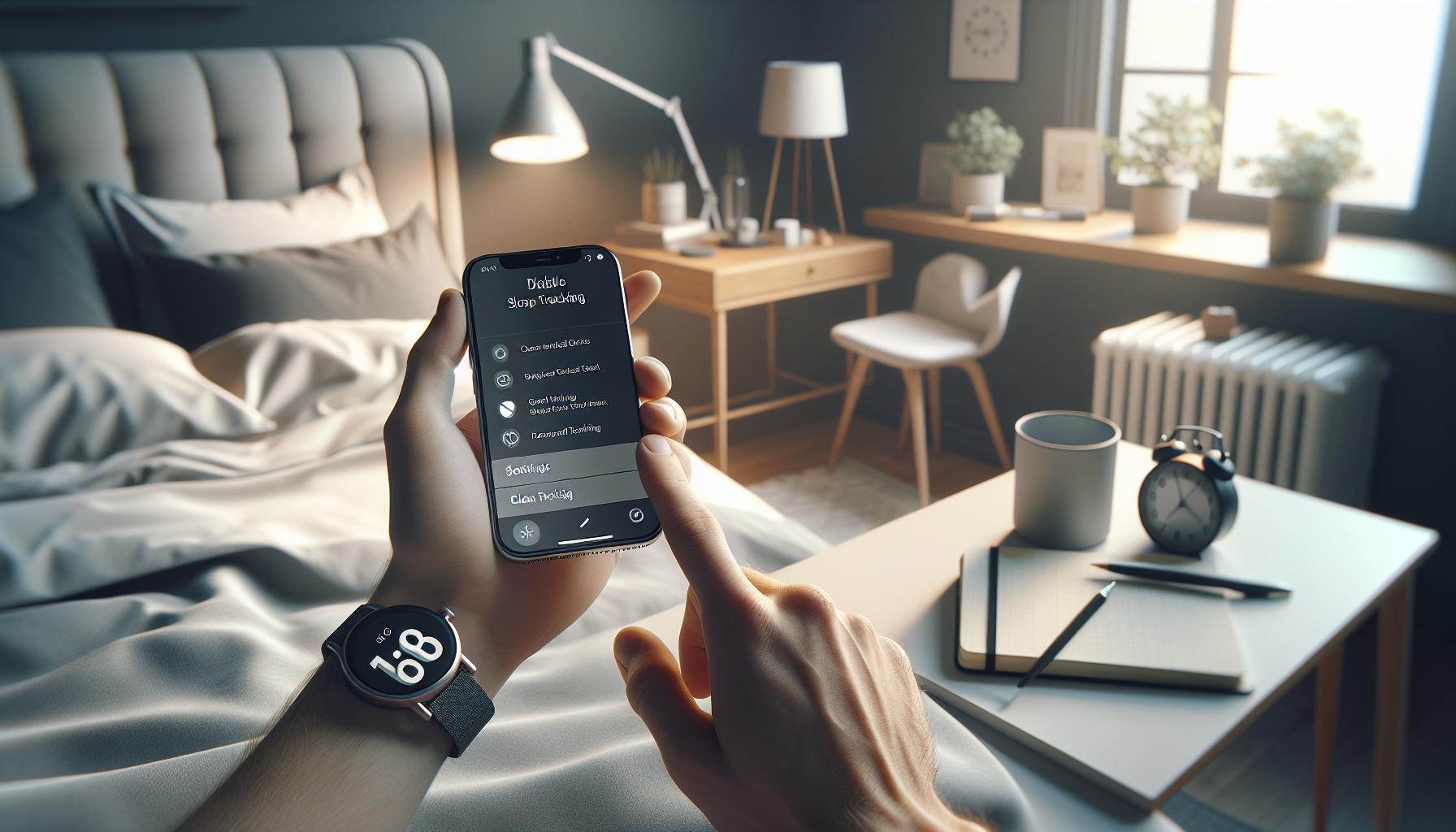
Disabling sleep tracking on your Apple Watch is a straightforward process that can help you reclaim a sense of simplicity in your nightly routine. If you find that the constant flow of sleep data contributes to performance anxiety or disrupts your comfort, taking these quick steps will allow you to switch off the feature and focus on rest without the interference of your device.
To turn off sleep tracking, follow these steps:
- Open the Settings App: Begin by selecting the Settings app on your Apple Watch.
- Navigate to Sleep: Scroll down and tap on the ‘Sleep’ option within the settings menu.
- Turn Off Sleep Tracking: You’ll see an option labeled ‘Sleep Tracking’; simply tap the toggle switch next to it to disable the feature.
- Confirm the Change: A prompt may appear asking for confirmation to turn off sleep tracking. Confirm your choice, and your Apple Watch will cease to monitor your sleep patterns.
For a more comprehensive approach, if you also wish to disable any associated alarms or sleep schedules, you can:
- Select Sleep Schedule: In the same Sleep settings area, tap on ‘Full Schedule’.
- Turn Off Sleep Schedule: You will find an option to disable your predefined sleep schedule by toggling it off, ensuring that no reminder interrupts your sleep.
These quick actions will help you disengage from the sleep tracking capabilities of your watch, allowing you the freedom to enjoy your natural sleep cycles. It’s important to remember that you can always turn the feature back on whenever you feel ready or if you wish to revisit the data in the future.
In summary, whether you’re seeking comfort or relieving stress around quantified metrics, stepping away from sleep tracking can lead to a more intuitive relationship with your sleep. By following these simple instructions, you can focus more on the quality of your rest rather than the numbers behind it.
Common Issues When Disabling Sleep Tracking
Disabling sleep tracking on your Apple Watch can lead to a newfound sense of tranquility during your nighttime routine; however, it may also present a few challenges that users should be aware of. Understanding these common issues can help you make an informed decision about whether or not to turn off the tracking feature.
One primary concern includes the potential loss of valuable insights into your sleep patterns. Apple Watch collects detailed data while you’re asleep, including metrics on sleep duration, sleep quality, and sleep stages such as REM and deep sleep. When you disable sleep tracking, you might feel disconnected from this data that could help you improve your sleep hygiene. To mitigate this, consider using periodic check-ins with the sleep tracking feature instead of continuous tracking, allowing you to gather useful insights without the pressure of constant monitoring.
Another issue to consider is the automatic sleep schedule feature that many users find helpful. If you turn off sleep tracking, you may also inadvertently disable notifications and reminders about your bedtime. This can make it challenging to maintain regular sleep habits. To counteract this, you might want to set alarms manually or utilize other apps designed to remind you when to wind down for the night.
Lastly, some users report feeling a sense of relief from disabling sleep tracking, while others may experience anxiety about how it impacts their understanding of their sleep health. Finding a balance between tracking your sleep and enjoying restful nights without the pressure of data can be a struggle. Exploring alternative sleep management strategies like meditation or relaxation techniques may be beneficial for enhancing sleep quality without technology’s intervention.
In summary, disabling sleep tracking can reclaim your nights, yet it’s essential to recognize the potential downsides and proactively address them. Consider maintaining some structure and adjusting your routine to support healthy sleep habits even without a digital guide.
How Sleep Tracking Affects Your Sleep Data
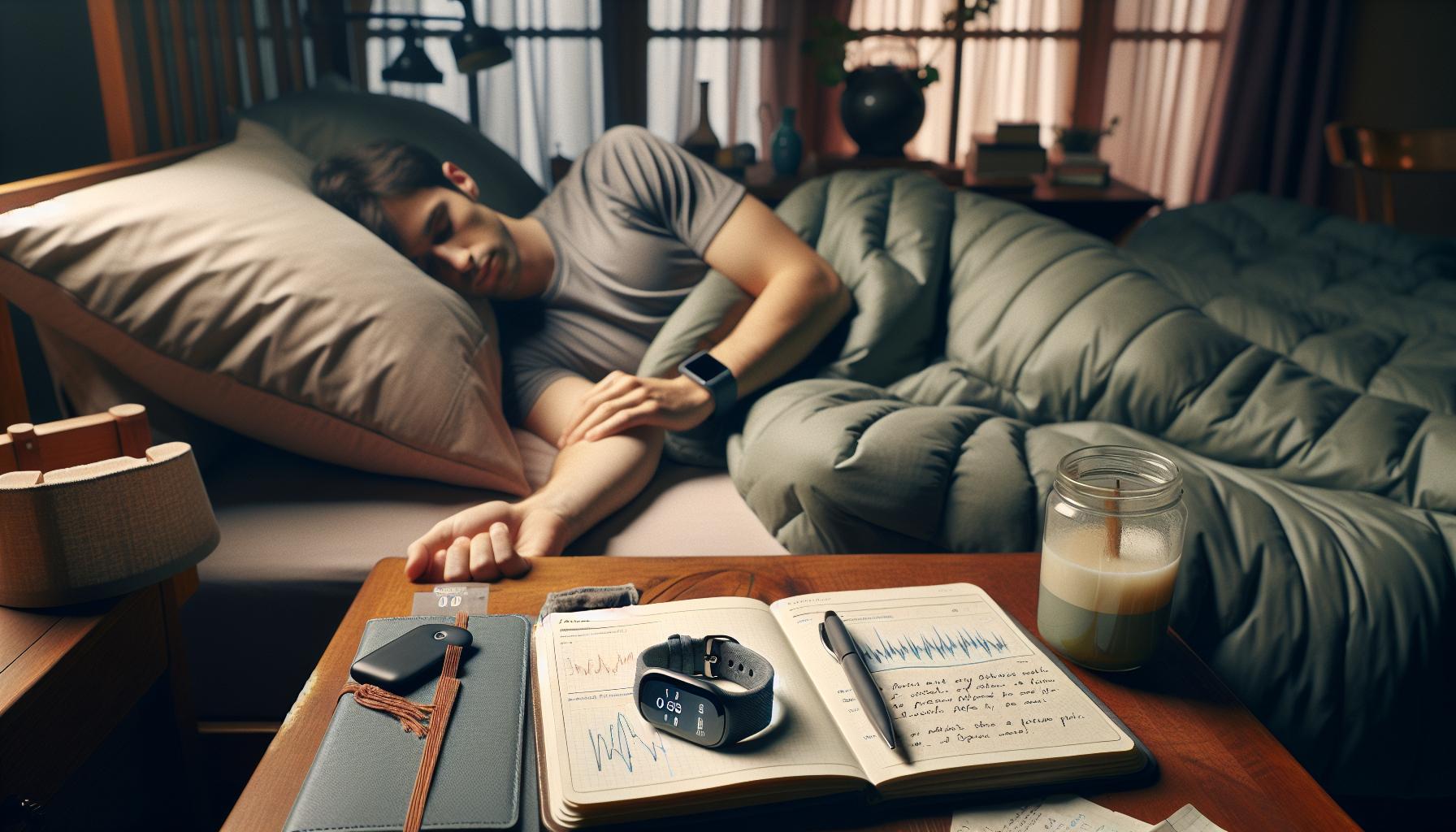
Sleep tracking technology has revolutionized how we understand our nightly routines, but turning off this feature on your Apple Watch can significantly influence the data you’re accustomed to receiving.
When active, sleep tracking captures a vast array of important metrics, including total sleep time, sleep quality, and specific sleep stages such as REM and deep sleep. This data can empower users to identify trends, recognize disturbances, and make informed decisions to improve sleep hygiene. Without this insight, you may find yourself relying on subjective feelings about your rest rather than concrete data. For instance, while you might believe you slept soundly, without tracking, you may miss out on the wake-ups or periods of restless tossing and turning that disrupt true restorative sleep.
It’s also crucial to consider the impact on sleep routines. Many users appreciate the automatic sleep schedule that Apple Watch provides, which includes reminders for winding down at night. Disabling sleep tracking may unwittingly disable these alerts, increasing the likelihood of inconsistent bedtime habits. To maintain your sleep quality, you could manually set alarms or turn to alternative apps designed to gently nudge you toward a bedtime routine.
Lastly, some people feel an emotional response to not tracking their sleep. While turning off tracking might lead to a sense of liberation, it can also generate anxiety about what’s happening during sleep hours. Finding a middle ground-complying with some tracking occasionally-can retain the benefits of data collection while reducing the pressure of constant monitoring, allowing you to enjoy more restful and uninterrupted nights.
The decision to disable sleep tracking should weigh personal preferences against the potential for losing valuable insights. Empowering yourself to make informed choices about your sleep should be at the forefront of this decision, whether through technology or intuitive practices.
Alternatives to Sleep Tracking on Apple Watch
Exploring alternatives to sleep tracking on your Apple Watch opens up a world where you can still enhance your sleep quality without relying on devices to collect data. Many people find the constant monitoring of their sleep can create pressure, leading to anxiety rather than restful nights. Fortunately, there are several practical strategies and techniques you can adopt to improve your sleep health sans tracking.
Mindfulness and Sleep Hygiene
One of the most effective alternatives is to incorporate mindfulness practices into your nightly routine. Techniques such as deep breathing, meditation, or progressive muscle relaxation can significantly enhance your ability to fall asleep and stay asleep. Additionally, focusing on sleep hygiene goes a long way. Maintain a consistent sleep schedule, create a calming bedtime routine, and ensure your bedroom environment is conducive to sleep-dark, cool, and quiet.
Natural Sleep Aids
Many find that herbal teas like chamomile or supplements such as melatonin can help facilitate better sleep without tracking. Chamomile is known for its calming properties, and melatonin can help regulate your body’s sleep-wake cycle. Always consult with a healthcare provider before starting any supplement to ensure it’s safe and appropriate for you.
Alternative Sleep Management Tools
If you still want some form of monitoring without the full capabilities of sleep tracking, consider using simpler apps or traditional methods like a sleep diary. Recording your sleep patterns manually can help you identify trends without the pressure of real-time feedback from a device. Note factors such as what time you went to bed, how you felt before sleeping, and what you experienced upon waking. This method can connect you more to your body’s natural rhythms.
Incorporating these practices can empower you to take control of your sleep health. While the absence of sleep tracking might feel daunting initially, these alternatives provide valuable insights into your sleep patterns and contribute to more restful nights without the stress of constant monitoring.
Personalizing Your Sleep Mode Settings
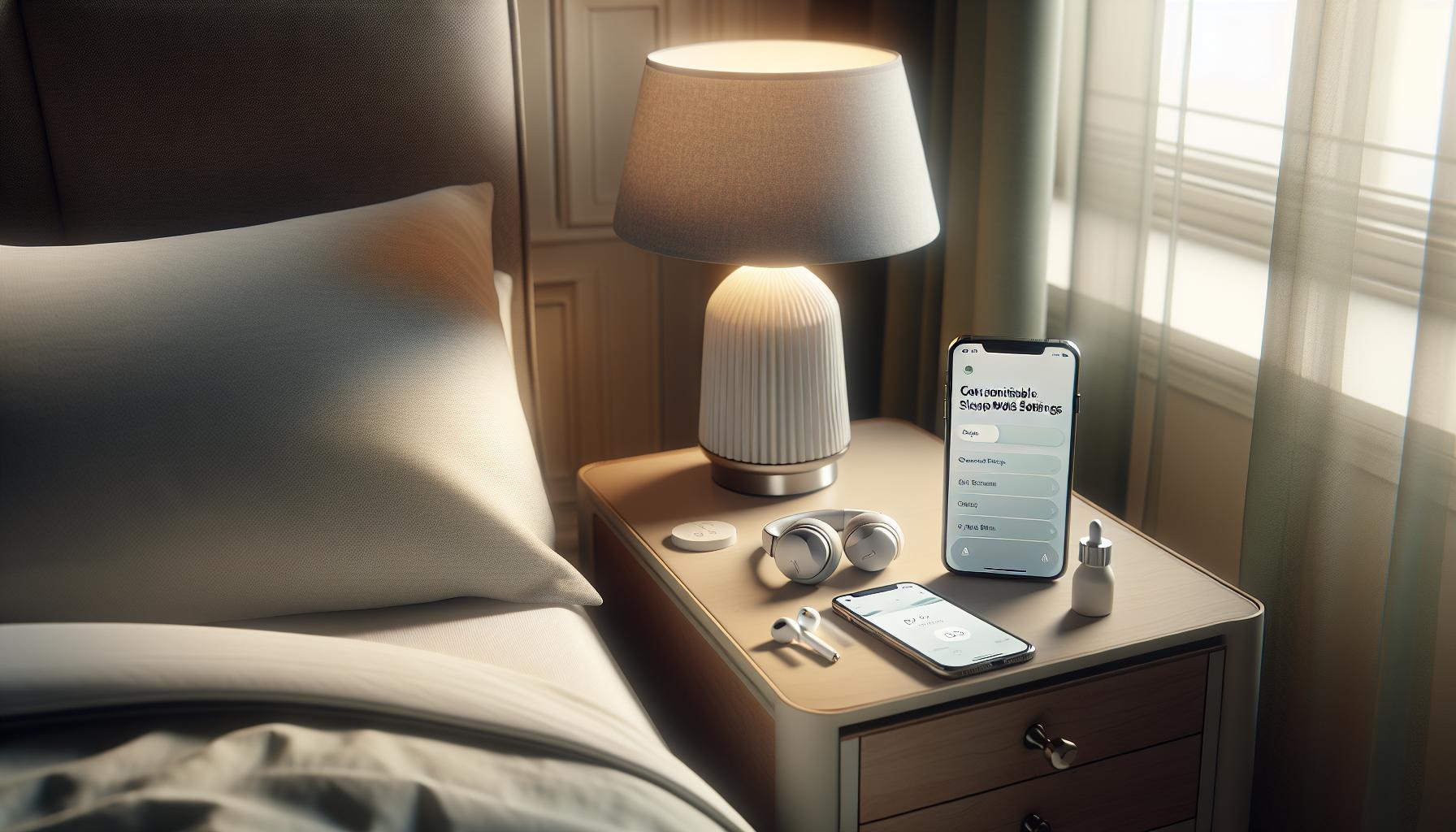
When considering how to customize your sleep settings on an Apple Watch, it’s essential to tailor the experience to fit your lifestyle and preferences. Many users find that personalizing these settings not only improves their sleep quality but also enhances their overall wellbeing. Adjusting features like sleep schedules, sleep mode, and even environmental factors can have a significant impact on how effectively you wind down and enjoy restful nights.
One of the most important aspects to personalize is your sleep schedule. You can establish a consistent bedtime and wake-up time that aligns with your natural circadian rhythms. This consistency can enhance your ability to fall asleep quickly and wake up feeling refreshed. You can set these preferences through the Sleep app on your Apple Watch or iPhone. Additionally, consider enabling Wind Down mode, which prepares your body for sleep by reducing distractions. This feature can help you create a calming pre-sleep routine.
Furthermore, adjusting the Sleep Focus settings allows you to minimize interruptions during the night. You can choose who can contact you and which apps are permitted to send notifications while you sleep. This is beneficial for individuals who find that constant alerts affect their ability to relax. For an extra touch, explore environmental settings such as enabling airplane mode or decreasing screen brightness to reduce blue light exposure before bed.
Lastly, don’t hesitate to experiment with different settings over time. Personalization is a journey, and what works best for you may evolve. Monitor how changes influence your sleep patterns and adjust accordingly. Your Apple Watch is not just a device for tracking; it’s a tool that can help foster healthier sleep habits by aligning your settings with your individual needs.
What to Do After Turning Off Sleep Tracking

After making the decision to turn off sleep tracking on your Apple Watch, it’s crucial to re-evaluate your sleep practices and adjust your nighttime routine to ensure quality rest without the aid of technology. While sleep tracking offers valuable insights, a break from constant monitoring can also lead to a more relaxed mindset.
To make the most of this change, consider implementing some of the following strategies:
- Establish a Consistent Sleep Routine: Setting a regular bedtime and wake-up time helps regulate your body’s internal clock, making it easier to fall asleep and wake up feeling refreshed.
- Create a Calming Pre-Sleep Ritual: Instead of relying on your watch for reminders, develop a relaxing nighttime routine. This could include activities like reading, meditating, or gentle stretching to signal to your body that it’s time to wind down.
- Optimize Your Sleep Environment: Ensure that your sleep space is conducive to rest. This includes keeping noise levels low, adjusting the room temperature to your preference, and minimizing light exposure through blackout curtains or a sleep mask.
- Monitor Your Caffeine and Screen Time: Being mindful of your caffeine intake and limiting screen time in the evening can enhance your ability to fall asleep without relying on tech to help regulate it.
Stepping back from sleep tracking also allows you to tune into your body’s natural signals. This might involve being more attentive to how different factors-like food, stress, or exercise-affect your sleep quality. You may decide not to substitute one method of tracking with another but instead focus on feeling your way through better sleep habits.
Lastly, consider documenting any noticeable changes in your sleep patterns. While the Apple Watch provides metrics, a more subjective approach can help you appreciate the nuances of your sleep. Keeping a simple sleep journal can assist you in recognizing trends and understanding what practices work best for your personal rest needs. After all, the ultimate goal is to foster good sleep naturally, enhancing your health and well-being-no devices required.
Understanding Your Sleep Patterns Without Tracking

Stepping away from sleep tracking can initially feel daunting, especially given the reliance on devices like the Apple Watch for insights into your sleep patterns. However, understanding your sleep without tech can lead to a more intuitive relationship with rest. One of the key aspects of recognizing your natural sleep patterns lies in paying attention to your body and its responses to various influences.
Monitor how you feel throughout the day in relation to your nightly rest. For instance, note if you often wake up groggy after late nights or if a consistent bedtime helps you feel more alert. You might find it beneficial to keep a simple sleep journal where you jot down your thoughts on sleep quality and daily energy levels. Over time, this can reveal patterns or triggers, such as how caffeine consumption or stress levels affect your rest.
Environmental factors play an essential role, too. Reflect on whether your bedroom is conducive to sleep. A dark, quiet room can significantly improve sleep quality, so consider adjusting your surroundings by installing blackout curtains or using a white noise machine if necessary. Additionally, adopting a consistent sleep schedule-going to bed and waking up at the same time daily-can help reinforce a healthy sleep-wake cycle.
Lastly, don’t hesitate to explore relaxation techniques that can enhance your sleep without needing a device to guide you. Practices such as meditation, deep breathing, or gentle yoga before bedtime tend to promote better sleep hygiene. By focusing on these aspects, you’ll be paving the way for a deeper understanding of your sleep patterns and fostering good sleep habits without the pressure of tracking every detail.
Expert Tips for Better Sleep Without Tracking

Stepping away from tracking your sleep can feel liberating, allowing you to focus more on the quality of your rest rather than data points. A simpler approach can not only deepen your relationship with sleep but also enhance your overall well-being. Here are some effective strategies to promote better sleep without the aid of tracking devices.
One significant factor to consider is establishing a relaxing pre-sleep routine. Create an environment that signals to your body that it’s time to wind down. This could include activities such as reading a physical book, sipping herbal tea, or practicing mindfulness through meditation or breathing exercises. These activities help lower stress and prepare your mind for a restful night. Aim for consistency; going to bed and waking up at the same time every day fosters a natural sleep cycle, making you feel more refreshed in the morning.
Environmental optimization plays a crucial role in enhancing sleep quality. Evaluate your bedroom setup-keep the space dark, quiet, and cool. Investing in blackout curtains and using a white noise machine can block out distractions that might disrupt your sleep. Don’t underestimate the power of a comfortable mattress and pillows, as the right bedding can make a world of difference in achieving quality sleep.
Additionally, consider adjusting your dietary habits, particularly in the hours leading up to bedtime. Limit caffeine and heavy meals in the evening, as these can interfere with your ability to fall asleep. Instead, opt for lighter snacks or herbal teas that promote relaxation. Engaging in light physical activity during the day can also help improve your sleep, as it reduces stress and builds a natural tiredness by bedtime.
By embracing these techniques, you can cultivate a proactive and mindful approach to sleep without relying on your Apple Watch or any other tracking devices. Trust your instincts, respect your body’s natural rhythms, and allow yourself the grace to adjust and adapt as needed.
Exploring Apple Watch Sleep Features and Limitations
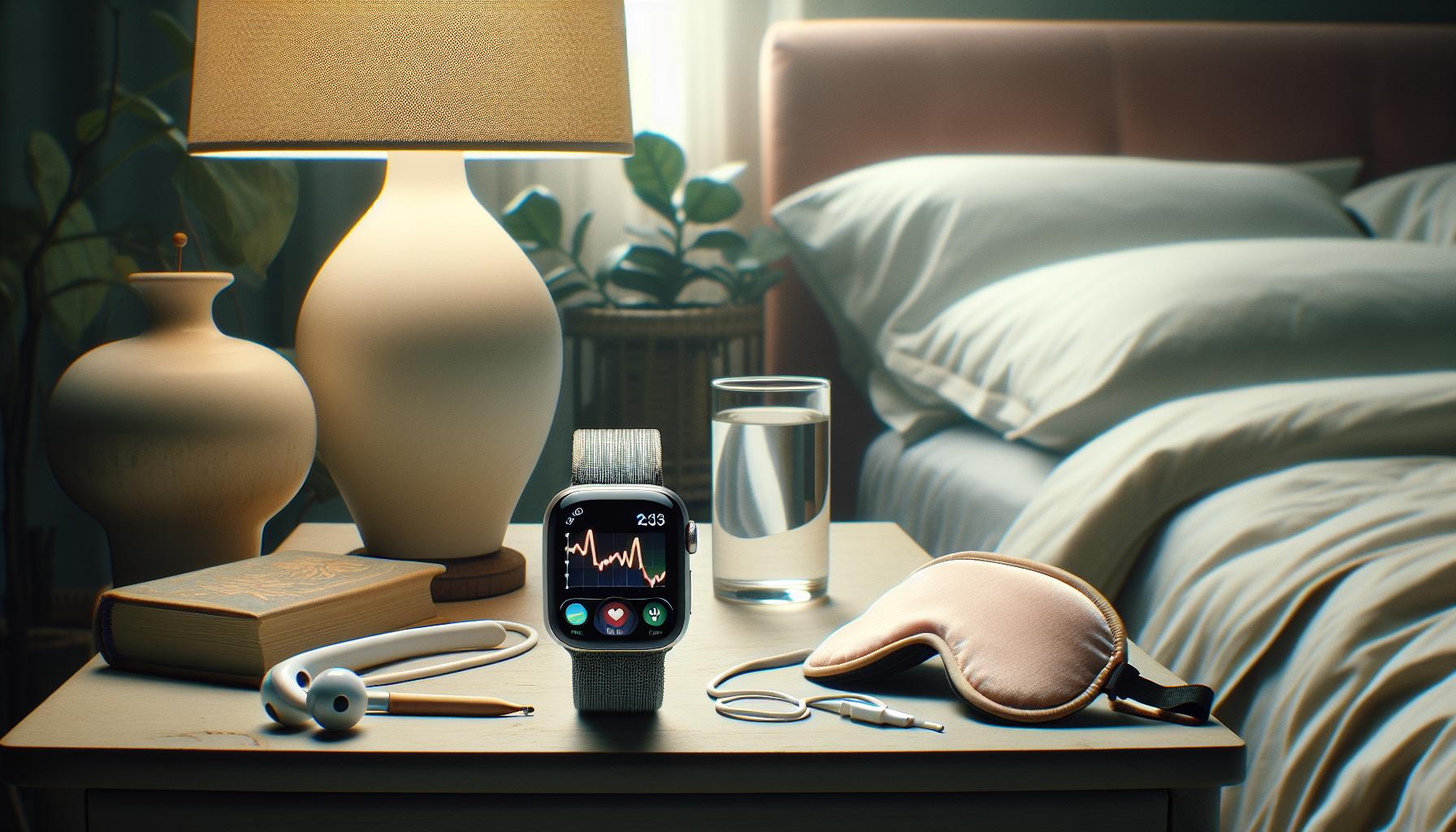
The Apple Watch is equipped with a variety of features designed to help users monitor and understand their sleep patterns. Its sleep tracking capabilities use motion sensors and heart rate data to provide insights into your sleeping habits, allowing you to gain a better grasp of your rest quality over time. However, while these features can be advantageous, they come with their own set of limitations that users should consider.
One of the standout features of the Apple Watch’s sleep tracking is its ability to automatically detect sleep, meaning you don’t have to manually adjust settings every night. Upon waking, you can view detailed insights that include total sleep duration, restful sleep time, and even trends over days or weeks. This data is synced to the Health app on your iPhone, creating a comprehensive overview of your sleep health. Additionally, the integration of sleep tracking with other health metrics, such as heart rate and respiratory rate, adds depth to your health monitoring.
However, it’s crucial to recognize that the Apple Watch’s sleep tracking is not infallible. The reliance on movement detection and heart rate can sometimes lead to inaccurate readings, especially if you tend to move around or if your heart rate fluctuates significantly throughout the night. Moreover, the device must be charged regularly, which can pose a challenge if you prefer to sleep with it on for accurate tracking; users may find themselves having to choose between charging it during the day or compromising the sleep tracking experience.
In terms of limitations, some users may also feel that the provided data lacks the depth seen in comprehensive sleep studies, which can evaluate sleep stages and diagnose disorders such as sleep apnea or insomnia more accurately. The Apple Watch does not replace clinical evaluations or sleep studies when it comes to analyzing complex sleep issues. Instead, it serves as a useful tool for general insights and for those looking to establish better sleep hygiene.
For those considering whether to enable or disable the sleep tracking features, understanding these capabilities-and their limits-can guide your decisions. Ultimately, the Apple Watch can be an aid, but it’s essential to approach its data with a balanced perspective, using it as a complement to other health and lifestyle adjustments to enhance overall sleep quality.
User Experiences: Real-Life Changes After Disabling Tracking
Disabling sleep tracking on your Apple Watch can lead to remarkable changes in how you approach your nightly rest. Many users report that once they turn off this feature, they experience a newfound sense of freedom when it comes to their sleep habits. Without the pressure of tracking every minute of sleep, some individuals find that they sleep more soundly, free from anxiety about achieving “optimal” numbers. Others have noticed that not being bombarded with daily stats allows them to focus on qualitative aspects of their sleep, such as how they feel upon waking rather than being tethered to numerical values.
A common thread among those who disable sleep tracking is the reduction in sleep-related stress. Users often express feeling less pressure to stick to a strict sleep schedule or to maximize the data collected each night. Instead, they embrace their natural rhythms, allowing themselves to sleep and wake when their bodies signal that it’s time. This shift can lead to more restorative sleep cycles, as the emphasis moves from quantity to quality. As a result, many report feeling more refreshed and alert during the day, attributing these changes to a healthier, less monitored sleep lifestyle.
Additionally, while some may miss the insights offered by sleep tracking, others find that they can still maintain their sleep health through intuitive practices. Real-life testimonials often highlight strategies such as maintaining a consistent bedtime routine or incorporating relaxation techniques before sleep, which can improve restfulness without the need for constant tracking. Users have shared stories about how they now make informed adjustments based on their own experiences rather than relying solely on data-driven insights, creating a more personalized approach to sleep health.
In conclusion, for many, the decision to disable sleep tracking fosters a refreshing perspective on sleep itself. It encourages a more holistic view, allowing individuals to be more in tune with their bodies and less focused on the metrics, resulting in improved overall well-being and sleep satisfaction.
Frequently Asked Questions
Q: How can I quickly turn off sleep tracking on my Apple Watch?
A: To quickly turn off sleep tracking, swipe up on your Apple Watch to access Control Center. Tap on the Sleep icon to disable it instantly. This will stop your watch from tracking any further sleep data until turned back on.
Q: What happens if I turn off sleep tracking on my Apple Watch?
A: Turning off sleep tracking will stop the watch from monitoring your sleep patterns and will no longer provide insights or data about your sleep duration or quality. For more details on implications, check the section on How Sleep Tracking Affects Your Sleep Data in the article.
Q: Can I still use my Apple Watch’s other health features after disabling sleep tracking?
A: Yes, disabling sleep tracking will not affect other health features like heart rate monitoring or activity tracking. You can continue to use all other fitness-related functionalities without interruption.
Q: Why would someone want to disable sleep tracking on their Apple Watch?
A: Users might want to disable sleep tracking due to privacy concerns, battery saving preferences, or because they find the sleep data inaccurate. Understanding these reasons can help tailor usage preferences, as discussed in the Why Turn Off Sleep Tracking? Key Benefits section.
Q: How can I delete past sleep data from my Apple Watch?
A: To delete past sleep data, open the Health app on your iPhone, go to the Sleep section, and find the data you want to delete. Swipe left on the entry and tap Delete. This action allows you to maintain control over your health records.
Q: Will my sleeping patterns change if I stop tracking them?
A: Stopping sleep tracking may not directly change your sleeping patterns, but being unaware of your sleep data could affect your sleep habits. For tips on improving your sleep naturally, see the Expert Tips for Better Sleep Without Tracking section.
Q: How can I customize my sleep settings if I decide to keep sleep tracking on?
A: To customize your sleep settings, open the Sleep app on your Apple Watch or iPhone. You can set schedules, adjust your sleep goal, and personalize other settings. Detailed steps are covered in Personalizing Your Sleep Mode Settings.
Q: What alternatives exist for tracking sleep without my Apple Watch?
A: Alternatives include using sleep apps on your smartphone or sleep monitoring devices such as dedicated smart sleep trackers. For an overview of available alternatives, refer to the Alternatives to Sleep Tracking on Apple Watch section.
Insights and Conclusions
Now that you know how to turn off sleep tracking on your Apple Watch quickly and effectively, take control of your sleep health and make adjustments that suit your lifestyle. Remember, disabling sleep tracking might improve your comfort while wearing the watch at night. If you have any concerns about your sleep habits or are curious about optimizing your sleep experience, explore our guides on sleep disorders and wearable sleep technology.
Don’t miss out on our comprehensive articles that discuss the benefits of sleep tracking and how to improve your sleep quality. For ongoing insights and tips, consider subscribing to our newsletter, and feel free to leave a comment or share your experiences with sleep tracking below. Empower yourself with the knowledge to enhance your sleep health – your restful nights are just a click away!
Get our latest guides, news, and insights highlighted in your Google Search & AI Overviews.