
As sleep studies gain popularity for diagnosing sleep disorders, many wonder about the role of personal devices like smartphones during these tests. Can you use your phone during a sleep study? Understanding device policies is crucial, as they can impact the accuracy of your results and your overall comfort. If you’re nervous about your upcoming sleep study or curious about how technology fits into this process, you’re not alone. This guide will help demystify the rules around phone usage, explore potential distractions, and highlight what you can bring along to ensure a restful night. By knowing the ins and outs, you can be better prepared, alleviate any anxieties, and make informed choices that ultimately support your path to better sleep. Let’s dive into the details!
Can You Use Your Phone During a Sleep Study?
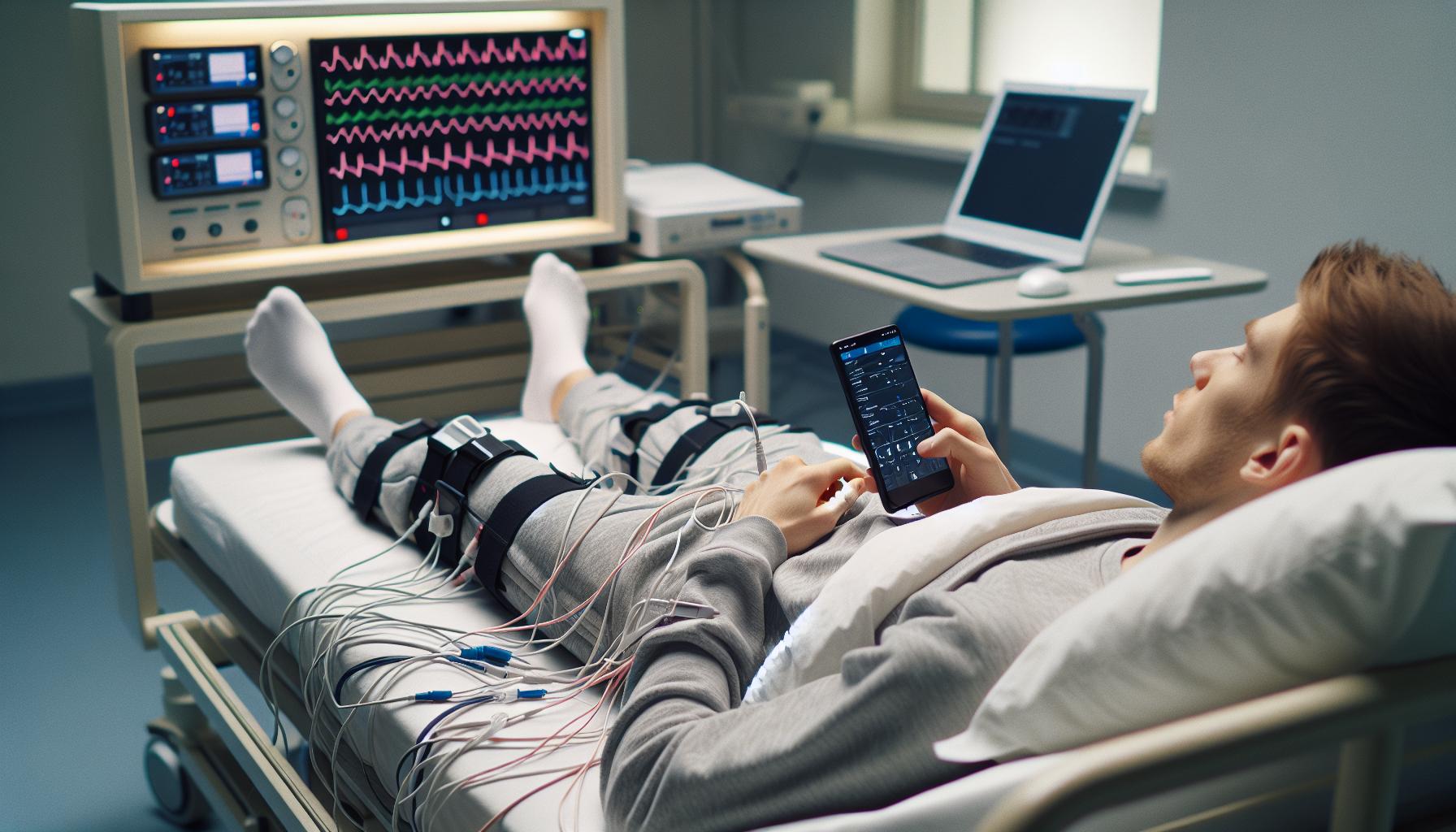
Using your phone during a sleep study can be a tricky subject. While it might feel comforting to have your device close by, it’s crucial to understand that its use can significantly impact the study’s results. Sleep studies are designed to monitor various factors affecting your sleep patterns, and the interference of a phone can disrupt not only your own sleep but also the data being collected.
When preparing for a sleep study, you’ll likely be advised to limit the use of electronic devices. This means that using your phone for scrolling through social media or messaging can disrupt your natural sleep onset and alter your circadian rhythms, thus skewing the data. If you have anxieties or need reassurance, consider discussing your concerns with the sleep technician beforehand-they might provide alternatives, such as having a brief check-in using your phone before settling in for the night.
If you do feel the need to keep your phone with you during the study, check with the facility about their policies. Some sleep centers allow phones to be kept in the room but may require that they are turned off or set to “Do Not Disturb” mode. This is to minimize any potential distractions or signals that could interfere with monitoring equipment.
To summarize, while it’s generally advisable to limit phone usage during a sleep study, clear communication with your healthcare provider can help you feel secure about your choices. By following the guidelines and considering the impact of your device on sleep quality, you’ll contribute to more accurate results, leading to better insights into your sleep health.
Understanding Sleep Study Device Policies
When preparing for a sleep study, understanding the policies surrounding device usage can alleviate some of the anxiety associated with this process. Most sleep centers aim to create an environment conducive to accurate monitoring, which means they often impose restrictions on personal electronic devices, including mobile phones. These devices can interfere not only with the quality of your sleep but also affect the integrity of the data being collected during the study.
While it may be tempting to keep your phone nearby for comfort, using it for activities such as browsing social media or texting just before sleep can disrupt your circadian rhythms. This disruption can lead to altered sleep patterns, ultimately skewing the results of the sleep study. Most experts recommend limiting device use leading up to the study itself; however, if you have concerns about leaving your phone behind, it’s essential to communicate with your sleep technician. They might allow you to check in with family or friends in a controlled manner before the study starts.
Typically, sleep centers will have clear guidelines regarding mobile device usage. It’s common for facilities to permit phones in the room, provided they are turned off or set to “Do Not Disturb” mode. This policy minimizes potential distractions while ensuring that monitoring equipment doesn’t capture any extraneous signals from electronic devices. If you’re unsure about the policies of a particular center, reach out in advance. This proactive approach can help you feel more comfortable before your sleep study and lead to a more accurate assessment of your sleep health.
Ultimately, knowing the regulations regarding your devices and following the guidelines can help provide a clearer picture of your sleep patterns, allowing healthcare providers to give you the best possible recommendations for improving your sleep quality.
Impact of Phone Usage on Sleep Quality
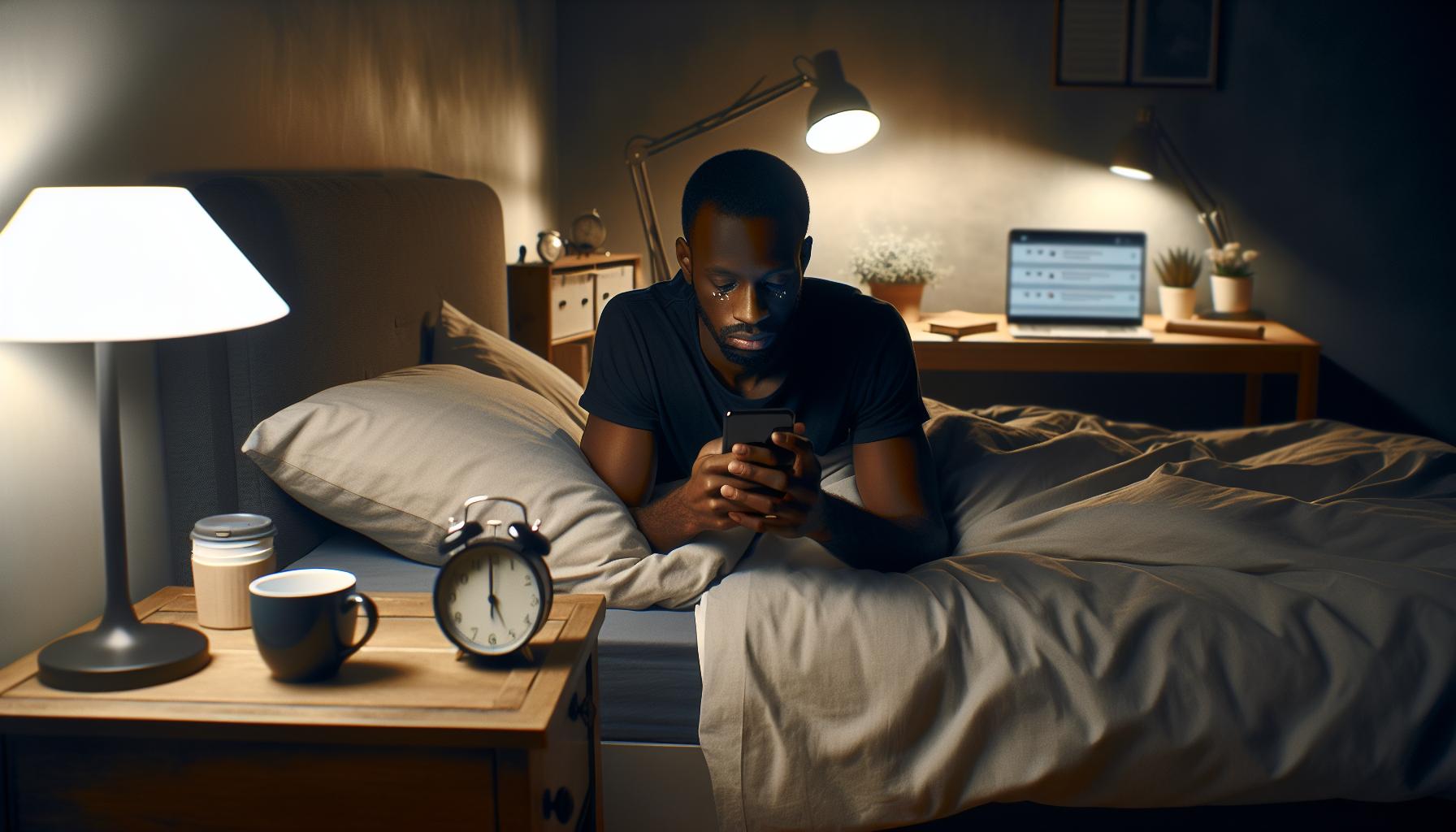
Using your smartphone before bedtime might be a comforting habit, but it can severely impact your sleep quality, particularly in the context of a sleep study. Electronic devices emit blue light, which can suppress the production of melatonin, the hormone responsible for regulating sleep. As a result, engaging with your phone-whether it’s texting, browsing social media, or even watching videos-can lead to a delayed sleep onset and fragmented sleep, making it harder for researchers to obtain accurate data about your sleep patterns during the study.
Moreover, the stimulating content often found on our phones can heighten anxiety or excitement, which is counterproductive to the relaxed state needed for a sleep study. Participants who use their phones excessively before bed may find their sleep cycles altered, leading to less time spent in restorative stages of sleep such as deep sleep and REM. This alteration can affect the overall results of the study, making it challenging for sleep specialists to identify and diagnose potential sleep disorders accurately.
To improve both your sleep quality and the effectiveness of the sleep study, consider the following tips:
- Limit usage: Try to put your phone away at least an hour before bedtime. This can help signal to your body that it’s time to wind down.
- Establish a calming routine: Replace phone time with other relaxing activities such as reading a book or meditative practices.
- Communicate with your technician: If you feel anxious about not being reachable, discuss this with the sleep study staff. They may allow you to keep your phone on in a non-disruptive mode for quick check-ins.
By being mindful of your phone usage leading up to the sleep study, you can create an optimal environment for accurate data collection and better assess your sleep health. Embracing these practices not only reduces the influence of technology on your sleep patterns but also enhances your overall sleep experience during the study.
Devices Allowed in Sleep Studies: A Comprehensive Guide
When preparing for a sleep study, understanding which devices are allowed can significantly enhance your experience and the quality of data collected. Typically, traditional sleep studies conducted in a lab, known as polysomnography, involve specific equipment that captures various metrics of your sleep patterns, including brain waves, oxygen levels, heart rate, and breathing. In contrast, patients might understandably wonder about the compatibility of personal devices like smartphones or wearables during this process.
In a controlled sleep study environment, your primary focus should be on the devices used for monitoring. Laboratory settings generally allow the use of essential devices provided by the facility, such as EEG electrodes, chest bands, and pulse oximeters. However, personal electronic devices, including smartphones, are generally discouraged due to their potential to disrupt the data collection process. These devices can cause distractions or interruptions, leading to less accurate readings of your sleep cycles. If you have a medical condition that requires you to have your phone accessible, it’s crucial to communicate this to your sleep study technician in advance.
While many sleep centers do not permit personal devices during the night, some facilities may allow for specific monitoring equipment, such as fitness trackers or smartwatch apps that measure sleep. These devices, however, must be discussed with your technician beforehand. It’s important to understand how these wearables operate and what data they collect, so you can manage your expectations regarding their utility compared to clinical devices.
Ultimately, being well-informed about what devices are permitted can help ease some of the anxiety often associated with sleep studies. By focusing on the monitored equipment and minimizing personal device usage, you can foster an optimal environment for accurate results and a better understanding of your sleep health.
Preparation Steps for Your Sleep Study: Tech Considerations
When gearing up for a sleep study, one of the most common questions you might ponder is the use of personal devices, such as smartphones. Given their extensive role in our daily lives, it’s natural to wonder how they fit into the sleep study experience. Notably, the environment of a sleep study is designed to gather precise data on your sleep patterns, which can be easily compromised by the presence of personal electronic devices.
In most clinical settings, the equipment provided-like EEG electrodes and pulse oximeters-is carefully chosen to monitor and evaluate your sleep accurately. These devices are essential for collecting information about sleep cycles and interruptions. Unfortunately, personal devices such as smartphones can introduce distractions, interfere with the sensors, or cause interruptions that lead to less reliable data. If you feel you need to have access to your phone for any reason, it’s advisable to discuss this beforehand with your sleep technician. They may allow exceptions based on specific medical needs.
Moreover, some sleep centers may permit the use of certain wearable devices that track sleep, provided you consult with your technician about them ahead of time. This could include fitness trackers or smartwatches that measure sleep stages or overall activity. However, keep in mind that while these devices can give you insights into your sleep, they typically do not offer the same level of detailed information that clinical devices provide. This distinction is crucial when setting realistic expectations about what data you might gather from personal devices versus what the sleep study aims to measure.
Ultimately, understanding the device policies enforced during your sleep study can significantly alleviate anxiety and enhance the quality of the collected data. By prioritizing cooperation with the sleep study protocols-such as minimizing personal device usage-you facilitate a more focused environment conducive to yielding accurate results about your sleep health. As you prepare for your study, clarity on these tech considerations can empower you to approach the process with confidence.
Common Sleep Study Procedures Explained
During a sleep study, also known as polysomnography, understanding the procedures involved can make a significant difference in how you prepare and what you can expect throughout the night. Sleep studies are typically conducted to diagnose sleep disorders, like sleep apnea or insomnia, by monitoring various physiological functions as you rest. Here’s how the process generally unfolds.
Upon arrival at a sleep center, a technician will guide you through a series of preparatory steps. These include attaching electrodes to your scalp and body to monitor brain waves, eye movements, heart rate, and breathing patterns. Wires and sensors may feel awkward initially, but they are crucial for collecting accurate data. You’ll also be connected to a pulse oximeter, which clips onto your finger to measure blood oxygen levels.
Expect a warm and supportive environment where the technician explains every part of the setup. The room typically resembles a comfortable bedroom to help ease any sleep study anxiety. Many facilities aim to create a calming atmosphere, often equipped with soft lighting and soothing décor. Just before sleep, you may be asked to engage in specific activities, like reading, to facilitate a natural sleep onset.
Throughout the night, the equipment will continuously record your sleep stages, movements, and interruptions. The technician remains in a separate monitoring room, watching for any disturbances while ensuring that the data collected is reliable. This procedure can last anywhere from a single night to multiple nights, depending on your specific needs.
It’s important to note that personal devices, such as phones, are generally discouraged, as they can interfere with the study’s integrity. If you feel you may need to keep your phone for emergencies or medical reasons, discuss this with your technician beforehand to explore any potential accommodations.
By preparing for what to expect in a sleep study, you can reduce anxiety and help ensure that the data collected is both comprehensive and accurate. This ultimately aids in determining the best course of action for your sleep health.
Polysomnography vs. At-Home Testing: Which is Right for You?
When choosing between polysomnography and at-home testing for sleep issues, understanding the practical implications of each can significantly impact your experience and results. Polysomnography, performed in a sleep center, provides comprehensive data through various sensors that monitor brain waves, heart rate, and other vital signs during a full night’s sleep. This detailed analysis can identify a range of disorders like sleep apnea, REM sleep behavior disorder, and narcolepsy. However, these studies can often feel intimidating due to wires and sensors attached to your body, but the level of accuracy in diagnosing complex sleep disorders justifies this method’s thoroughness.
In contrast, at-home sleep testing offers a more convenient option for those who may feel anxious in a clinical setting. Typically, it involves wearing simpler monitoring devices that focus mainly on breathing patterns and oxygen levels. While at-home setups are easier to manage and tend to reduce anxiety, the downside is that they might not capture the full scope of sleep disruptions, particularly if your sleep issues are multifaceted. It’s essential to weigh these options based on your specific symptoms, how severely they impact your life, and if you have a need for detailed data to receive appropriate treatment.
Key Considerations:
- Cost: At-home tests are usually less expensive than polysomnography, which often requires overnight stays.
- Convenience: If you struggle with anxiety or discomfort in new environments, at-home tests can provide a more relaxed atmosphere.
- Accuracy: For comprehensive issues (especially for suspected sleep apnea), polysomnography is often the gold standard.
- Follow-up: A polysomnography study can facilitate a clearer discussion with your specialist about treatment options.
Ultimately, selecting the right test should align with your specific needs. If you believe your situation may require a deep dive into more than just breathing issues during the night, it may be best to opt for polysomnography despite the discomfort of being monitored. For more straightforward evaluations or if you’re looking to track sleep patterns without intensive monitoring, at-home tests are a highly viable choice. Regardless of which path you choose, staying aware of the device policies, such as restrictions on personal electronic devices during formal studies, is crucial to ensure your test’s integrity and your peace of mind.
Using Wearable Devices During Sleep Studies
In recent years, the rise of wearable devices like smartwatches and fitness trackers has transformed not only personal health monitoring but also the landscape of sleep studies. For individuals considering a sleep study, the question often arises: Can I use my wearable device during the test? While these devices are increasingly popular for tracking sleep patterns and overall health metrics, the policies around their use during formal sleep studies can vary significantly.
Generally speaking, most clinical sleep studies, particularly polysomnography, may limit the use of personal wearable devices. The reason behind this restriction is to ensure the accuracy of the data collected by the study’s equipment, which is specifically designed to monitor various physiological parameters such as brain waves, oxygen levels, and heart rate. If a participant uses their own device, it can potentially interfere with or create conflicting data, complicating the analysis of sleep disorders. Therefore, understanding the specific device policies of the sleep clinic is critical before arriving for the study.
However, many clinics are recognizing the benefits and prevalence of wearable technology. Some may allow certain wearables if they can provide useful data without compromising the integrity of the study. For example, if your smartwatch has built-in heart rate monitoring and sleep tracking features that align with sleep study protocols, it could be permitted in specific circumstances. Always check with your sleep specialist or technician ahead of time regarding which devices are acceptable.
Ultimately, while wearables can provide valuable insights into your daily sleep patterns, they may not replace the comprehensive diagnostics offered by a formal sleep study. If you’re considering a sleep study, consult with the clinic regarding their device policies. This will not only help you prepare for the study but also alleviate concerns related to potential restrictions on your personal devices.
Insurance Coverage for Sleep Studies: What You Need to Know
Understanding insurance coverage for sleep studies can be complex and often causes anxiety for those seeking help with sleep disorders. Many people don’t realize that sleep studies can be quite expensive, with costs easily ranging from $1,000 to $3,000, depending on the type of study and the facility. Before going in for your sleep study, it’s essential to understand what your insurance plan may cover to avoid unexpected bills.
Most insurance plans do cover sleep studies, but the level of coverage can vary. Firstly, it’s important to check if your insurance provider considers the study medically necessary. Sleep studies are typically covered when there are symptoms of sleep apnea or other serious sleep disorders. You might need a referral from your primary care physician to have the study approved, making it crucial to consult with them about your symptoms before scheduling an appointment.
What to Expect from Insurance Coverage
To better understand your coverage, consider these steps:
- Contact Your Insurance Provider: Call the customer service number on your insurance card and inquire specifically about coverage for sleep studies. Ask about deductibles, copayments, and any prior authorization requirements.
- Gather Necessary Documentation: Be prepared to provide your insurance company with details regarding your symptoms and the recommendation for the sleep study. Having this information on hand can streamline the approval process.
- Ask About In-Network vs. Out-of-Network Providers: Coverage can differ substantially depending on whether the facility conducting the sleep study is in-network. Ensure the sleep clinic you choose participates in your insurance plan.
Another aspect to keep in mind is that some insurance plans are now beginning to recognize the benefits of at-home sleep testing as a cost-effective alternative. Home sleep studies can be less expensive and more convenient, but they may not be suitable for everyone. Confirm with your doctor if this option is appropriate for your situation.
Lastly, if your insurance does not cover the full cost of a sleep study, clinics often work with patients on payment plans or may offer financing options. Being proactive in understanding your insurance coverage can reduce stress and ensure you focus on what really matters: getting the help you need for better sleep.
Managing Sleep Study Anxiety: Tips for Success
When it comes to undergoing a sleep study, the thought of being monitored overnight can stir up feelings of anxiety for many. Knowing what to expect and how to manage those nerves can significantly enhance your experience and the quality of your sleep during the study. One key element is understanding the role of personal devices, like smartphones, during the process. While it may be tempting to rely on your phone for comfort or distraction, its usage can complicate the study, as the electronic signals could interfere with the monitoring equipment.
It’s crucial to discuss device policies with your sleep clinic prior to your appointment. Most facilities will have strict guidelines regarding the use of phones, as many studies aim to create an environment as close to natural sleep as possible. This might mean that you’ll need to turn off your phone or leave it in another room to ensure optimal conditions for gathering accurate data. To keep anxiety at bay, consider substituting your phone with a relaxing activity that doesn’t involve screens-reading an actual book, practicing deep breathing exercises, or listening to calming music on a device approved by the clinic might be viable alternatives.
Preparation is key to managing anxiety effectively. Before the study, familiarize yourself with the procedures that will take place. Understanding that the setup generally involves wearing sensors and being monitored can demystify the process. Some facilities will offer pre-study consultations where you can ask questions or express concerns. Taking advantage of this opportunity can save you from additional stress on the day of the study.
Finally, remember that sleep studies are designed to help improve your health. Embrace the opportunity to gain insights into your sleep patterns and receive a diagnosis if needed. Approach the study as a step toward better sleep quality, knowing that the professionals are there to assist you throughout the night. Keeping a positive mindset and preparing thoroughly will help alleviate anxiety, enabling you to focus on the essential goal-understanding your sleep health better.
Exploring Alternatives to Traditional Sleep Studies
In today’s fast-paced world, the quest for better sleep isn’t just a personal struggle-it’s a widespread issue that countless individuals face. Traditional sleep studies, while effective for diagnosing sleep disorders, can be daunting, leading many to seek alternative methods for monitoring their sleep patterns. Thankfully, technology has provided us with numerous options that can serve as viable substitutes for in-clinic sleep studies.
One compelling alternative is the use of wearable devices. These gadgets, such as fitness trackers and smartwatches, are designed to monitor various aspects of sleep, including duration and quality. They typically utilize sensors to track movements and heart rate, offering insights into sleep stages from light to deep sleep. While not as comprehensive as a polysomnography test conducted in a sleep lab, wearables can provide useful data for users looking to understand their sleep habits better. Popular models like the Fitbit and Apple Watch showcase features that analyze sleep trends over time, making them valuable tools for anyone aiming to improve their nightly rest.
Another innovative option is the smart sleep mattress or sleep tracking systems, like the Eight Sleep Pod. These devices integrate technology into your bedding, utilizing sensors to track sleep patterns and adjust temperature to optimize comfort. This method is not only convenient but creates a sleep environment that proactively promotes healthier sleep. Many of these mattresses also connect to apps that offer tips and personalized recommendations based on the collected data, empowering users to make informed lifestyle changes.
For those hesitant to invest in devices, several mobile apps can serve as low-cost alternatives. These apps often utilize sound and motion detection to monitor sleep quality and may offer guided sleep relaxation techniques. While they might lack the accuracy of clinical studies or advanced wearables, they can still provide a helpful starting point for individuals exploring their sleep issues before considering a formal study.
Factors to Consider
When exploring these alternatives, consider the following factors:
- Data Accuracy: While wearables provide useful insights, they aren’t infallible. Consider visiting a professional if your wearables indicate severe sleep disturbances.
- Comfort: Ensure any device you use doesn’t interfere with your ability to fall asleep. For instance, a bulky watch might not be suitable for sensitive sleepers.
- Cost: Weigh the advantages of devices against their costs. Some may charge subscription fees for premium data analysis or features.
In summary, while traditional sleep studies are invaluable for diagnosing conditions like sleep apnea, exploring these alternatives can empower you to take control of your sleep health. By leveraging modern technology, you can gain insights that help you make informed decisions about your well-being, all while managing the anxiety often linked with clinical sleep assessments.
When to Seek Professional Help vs. Home Monitoring
Understanding when to seek professional help for sleep disorders versus relying on home monitoring techniques can greatly influence your overall well-being. While many individuals find that wearable devices and sleep apps provide insightful data about their sleep habits, there are circumstances where engaging a medical professional becomes essential. For instance, if you consistently experience excessive daytime sleepiness, loud snoring, or witnessed pauses in breathing during sleep, these could be warning signs of serious conditions like sleep apnea, and it’s crucial to consult a sleep specialist.
Home monitoring tools, including smart mattresses and wearables, can serve as excellent first steps for tracking sleep patterns. These devices often provide valuable insights regarding sleep quality, duration, and disturbances. However, while they can suggest trends like increased restlessness or shortened sleep times, they may lack the diagnostic accuracy needed for more complex sleep disorders. For example, if your wearable indicates frequent awakenings yet you feel well-rested, it may be less concerning than if the device shows prolonged periods of deep sleep interrupted by significant breaks.
Making the decision to transition from personal monitoring to professional evaluation involves recognizing the limitations of self-collected data. Clinical sleep studies, such as polysomnography, not only measure sleep stages but also monitor respiratory function and other physiological metrics that home devices cannot adequately assess. This can be crucial for diagnosing conditions that require medical treatment.
In practical terms, if your attempts at troubleshooting sleep issues with home devices lead to prolonged distress, or if sleep disturbances start impacting your daily life significantly, it’s time to make that appointment. Remember, addressing sleep disorders early can lead to more effective treatment and improved quality of life. Ultimately, a combination of technology for monitoring and professional assessment can provide the best path toward better sleep health.
Frequently Asked Questions
Q: Can I bring my phone to the sleep study?
A: You can bring your phone, but it’s essential to follow the facility’s specific guidelines. Keep your phone on silent to avoid disruptions during the study. Check the section on Understanding Sleep Study Device Policies for more details.
Q: Will my phone affect the sleep study results?
A: Yes, using your phone could interfere with your sleep quality and disrupt the monitoring process. It’s recommended to limit phone use before and during the study to ensure accurate results. Review the Impact of Phone Usage on Sleep Quality for insights.
Q: What devices are restricted during a sleep study?
A: Devices like tablets and laptops are usually restricted. However, specifics can vary by facility. Refer to the Devices Allowed in Sleep Studies: A Comprehensive Guide for a detailed list of permitted and restricted devices.
Q: How should I prepare my phone for the sleep study?
A: Ensure your phone is fully charged but set it to airplane mode to prevent notifications and calls during the study. This practice helps maintain a quiet environment conducive to sleep monitoring.
Q: Is it okay to use sleep tracking apps during a sleep study?
A: It’s generally advisable to avoid using sleep tracking apps during the study, as they may conflict with the monitoring equipment used by professionals. Consult the Preparation Steps for Your Sleep Study for recommendations on technology use.
Q: What happens if I need to use my phone during the study?
A: If an emergency arises, notify the sleep study technician beforehand. They can guide you on the best course of action without compromising the study. Discuss any such concerns with your provider beforehand.
Q: Can I use my phone for relaxation before the sleep study?
A: Yes, using relaxation apps or music on your phone before the study is fine, but limit it to 30 minutes before your scheduled sleep time to avoid sleep disruption.
Q: What if I experience anxiety about the sleep study?
A: It’s common to feel anxious. You can use apps for meditation or deep-breathing exercises on your phone prior to the study. Visit Managing Sleep Study Anxiety: Tips for Success for more effective coping strategies.
Future Outlook
As you prepare for your sleep study, remember that your phone will likely need to be put away to ensure accurate monitoring of your sleep patterns. For more insights on balancing technology and sleep health, check out our articles on healthy sleep tips and stages of sleep.
Don’t let uncertainty hold you back-understanding the device policies of your sleep study can empower you to take control of your sleep health. If you still have questions or concerns, our knowledgeable sleep health advisors are here to guide you through every step. Explore our resources today, and consider signing up for our newsletter for expert advice right in your inbox. Engaging with these materials can help turn your sleep challenges into solutions-let’s ensure you get the rest you deserve!
Get our latest guides, news, and insights highlighted in your Google Search & AI Overviews.