
In today’s fast-paced world, quality sleep is often an overlooked necessity, yet it plays a critical role in our overall health and well-being. The Garmin Venu 3 promises advanced sleep tracking features, enabling users to gain insights into their sleep patterns. But just how accurate is this device when it comes to understanding your nightly rest? This review will dissect the Venu 3’s capabilities, address common concerns about sleep tracking technology, and guide you in making informed choices about your sleep health. Whether you’re seeking better sleep or simply curious about wearable tech, this analysis will empower you with the knowledge you need to enhance your nighttime routine and ensure more restful nights ahead. Keep reading to discover the truth about the Garmin Venu 3 and its sleep tracking accuracy.
Understanding Garmin Venu 3 Sleep Tracking Features
Garmin’s Venu 3 smartwatch has rapidly gained attention for its advanced sleep tracking capabilities. One of its standout features is the ability to monitor sleep stages, providing users with insights into their sleep cycles, including light, deep, and REM sleep. This detailed analysis helps users understand their sleep quality and patterns, making it easier to identify improvements for better rest.
The Venu 3 employs a combination of heart rate variability, movement, and pulse oximetry sensors to deliver a comprehensive view of your sleep health. By using a reliable algorithm, it analyzes your movements throughout the night to detect when you fall asleep, wake up, and transition between different sleep stages. This nuanced breakdown can empower users not only to improve their sleep hygiene but also to tailor their routines for enhanced recovery and well-being.
For those curious about the user experience, many have reported significant benefits from the Venu 3’s sleep tracking features. With the accompanying Garmin Connect app, users can visualize their sleep data, receive personalized insights, and follow guided exercises to enhance relaxation and promote better sleep. This integration of technology into daily life offers a smarter approach to wellness-transforming sleep tracking from a mere data collection tool to an essential part of health management.
However, while the Venu 3 provides robust features, understanding its limitations is crucial. Factors such as inconsistent wear or external disturbances can impact accuracy, and while the device claims to offer deep insights, it is essential to remember that it does not replace professional sleep studies for diagnosing sleep disorders. By staying informed about both the capabilities and constraints of the Garmin Venu 3, users can utilize this smartwatch effectively for better sleep health.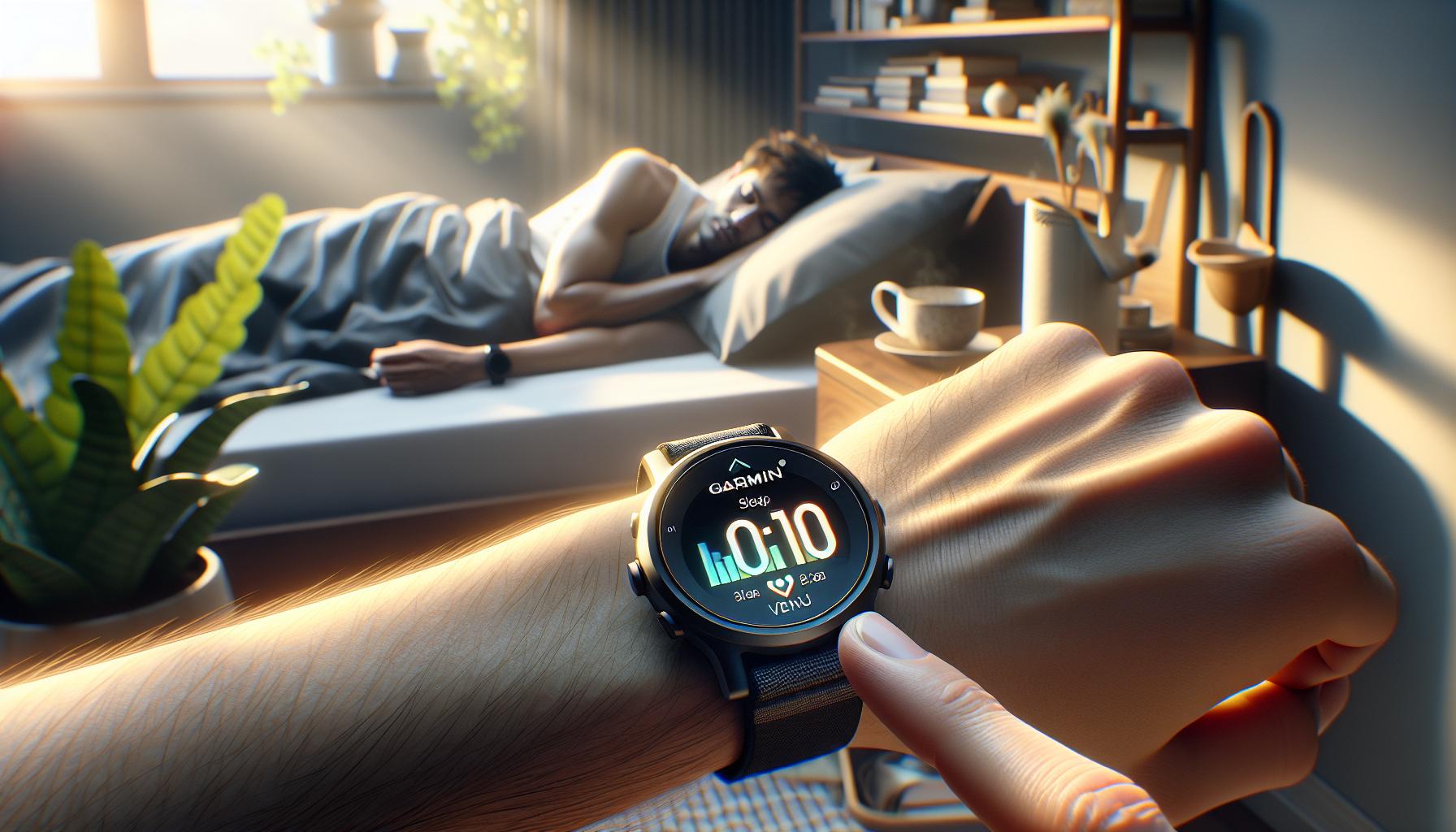
How Accurate Is the Sleep Data?
The accuracy of sleep data provided by the Garmin Venu 3 smartwatch is often a pivotal concern for users embarking on their health and wellness journey. This device employs a combination of heart rate variability, movement sensors, and pulse oximetry to gather a comprehensive analysis of your sleep patterns. While many users find the insights helpful, it’s essential to understand the nuances of how this data is collected and interpreted.
Research suggests that the Venu 3’s algorithm performs well in distinguishing between sleep stages – light, deep, and REM sleep. However, the capability of any wearable device can be influenced by various factors such as body position, movement during sleep, and how securely the smartwatch is worn. For instance, wearing the watch too loosely can lead to inaccuracies in heart rate measurements, potentially skewing the data on sleep assessments.
Factors Influencing Accuracy
To help users better understand potential variations in accuracy, consider these key points:
- Movement: Restless sleepers or those who frequently change positions may experience discrepancies in their reported sleep data.
- Hardware Fit: A snug fit is necessary to ensure the sensors can accurately detect physiological signals.
- Environmental Influences: Noise, temperature, and light can interfere with sleep quality and affect how well the device logs sleep phases.
While the Venu 3 provides valuable insights, it is crucial for users to approach these readings as guidance rather than definitive medical data. The smartwatch can significantly enhance self-awareness regarding sleep patterns, enabling users to make informed adjustments to their routines. However, for persistent sleep issues or suspected disorders, consulting a healthcare professional remains essential. The device is an excellent tool for monitoring and improving sleep hygiene, but it should not replace formal sleep studies when needed.
Comparison with Other Sleep Trackers
Many users looking to improve their sleep quality inevitably compare different sleep trackers. The Garmin Venu 3 stands out due to its robust health-tracking features, but how does it fare against other popular devices in the market? Understanding these differences can help you choose the right tool for your sleep monitoring needs.
When pitted against leading competitors like the Fitbit Charge 5 and the Apple Watch Series 8, the Garmin Venu 3 excels in several key areas. The Venu 3 boasts advanced sleep stage tracking, utilizing heart rate variability and pulse oximetry to provide a detailed analysis of your sleep patterns, from light to deep and REM sleep. In contrast, Fitbit’s offerings, although strong, often emphasize overall sleep scores more than specific stage analysis, which may leave users wanting more insights regarding their sleep architecture. Apple Watch, while also strong on sleep tracking, is often noted for its broader smartwatch capabilities, which may detract from its sleep monitoring sophistication.
In terms of usability, the Garmin Venu 3 offers a dedicated sleep tracking mode that automatically activates when the user falls asleep, while other devices may require manual adjustments or lack this intuitive feature. The interface in Garmin Connect provides visually engaging graphs that are easy to interpret, making it simpler for users to dive into their sleep data and pinpoint trends over time.
However, it’s essential to consider factors such as battery life and comfort. The Garmin Venu 3 can last up to 14 days without charging, significantly outpacing devices like the Apple Watch which typically requires more frequent charging, especially with heavy use. This means the Venu 3 is less likely to be taken off during sleep, leading to potentially more reliable data.
Ultimately, while the Garmin Venu 3 presents numerous advantages, it’s vital to assess which features are most important to you. If you’re looking for in-depth sleep stage analysis and long battery life, it may be the right choice. However, if you’re more interested in a multi-functional smartwatch that offers a broader range of apps and connectivity options, you might lean toward options like the Apple Watch or Fitbit. Understanding these nuances will empower you to make an informed decision tailored to your health and lifestyle needs.
Setup and Configuration for Optimal Results
To ensure that you get the most accurate sleep tracking results from your Garmin Venu 3, proper setup and configuration are crucial. This wearable offers advanced features, but these can only shine when the device is correctly calibrated to your unique sleeping patterns and preferences.
Begin by wearing the Garmin Venu 3 snugly on your wrist. The device should not be too tight, as this may cause discomfort or impede blood circulation, nor should it be too loose, as this could lead to inaccurate heart rate readings. Make sure to perform any updates during the initial setup, as Garmin frequently releases firmware updates that can enhance performance and accuracy.
### Configure Sleep Settings
To maximize your sleep tracking capabilities, check the settings on the Garmin Connect app:
- Enable Sleep Tracking: Make sure the sleep tracking feature is activated. This can usually be done within the device settings or the Garmin Connect app.
- Set Sleep Goals: You can set nightly sleep goals based on your lifestyle needs. The app will then remind you to adhere to these goals, guiding you to a more consistent sleep routine.
- Personalize Sleep Preferences: If your sleep schedule varies, you can specify different sleep times for weekdays and weekends, allowing the device to adapt to your habits.
### Utilize the Features
The Garmin Venu 3’s sleep tracking is heavily reliant on heart rate variability and motion data. As such, adjusting the wristband to your liking ensures better sensor readings. Engage with the app’s features by checking your sleep score upon waking. It’s beneficial to not only monitor hours slept but also evaluate sleep stages and disturbances captured throughout the night.
### Regular Reviews
Finally, make it a habit to review your sleep data weekly. The Garmin Connect app provides comprehensive insights. Regularly assessing your data not only helps identify trends but can also signal when to modify lifestyle habits to improve your overall sleep quality.
By following these setup and configuration tips, you’ll be positioned to get the most out of your Garmin Venu 3, translating sleep data into actionable insights that can enhance your health and wellness.
User Experience: Real-Life Sleep Tracking
Many users have discovered the transformative impact of tracking their sleep patterns with the Garmin Venu 3. By closely monitoring various sleep metrics, individuals are not only able to measure the quantity of their sleep but also gain deeper insights into its quality. This smartwatch employs heart rate variability and motion data to provide a comprehensive overview of sleep stages, including light, deep, and REM sleep, offering a multi-faceted look at nighttime restfulness.
Real-life experiences highlight the device’s ability to reveal often overlooked sleep issues. For instance, users report that seeing consistent disturbances in their sleep data prompted them to reevaluate their evening routines-such as reducing screen time or adjusting their sleeping environment. This self-awareness can be a pivotal step in identifying lifestyle habits that may negatively influence sleep quality. Moreover, many have noted improvements in their overall health by setting sleep goals facilitated by the Garmin Connect app, fostering a commitment to better sleep hygiene.
Furthermore, many users appreciate the user-friendly interface of the Garmin Venu 3, which makes interpreting sleep data straightforward. The sleep score provided each morning acts as a simple yet effective motivator, pushing users to strive for better rest. By taking a holistic approach to fitness and wellness, including a focus on recovery through sleep, this smartwatch serves as both a training tool and a valuable health companion.
However, while the Garmin Venu 3 excels in tracking sleep, it’s essential to recognize its limitations. Some users have observed discrepancies between the smartwatch’s readings and those from more traditional sleep studies, which may be a consideration for those experiencing serious sleep disorders. For many, though, the device’s insights serve as a helpful entry point into understanding their sleep patterns, encouraging discussions with healthcare providers when necessary. By leveraging these increasingly sophisticated wearables, users gain not just data but the opportunity to enhance their sleep health and overall well-being.
Common Sleep Disorders and Tracking Insights
Understanding sleep disorders is crucial for anyone looking to improve their sleep quality, and the Garmin Venu 3 can be a valuable ally in this journey. Many common sleep disorders, such as insomnia, sleep apnea, and restless legs syndrome, can significantly affect overall health and well-being. The Venu 3’s tracking capabilities provide insights into sleep patterns that might reveal underlying issues leading to poor sleep.
For instance, users with insomnia can benefit from tracking their sleep metrics over time. The device can highlight restless nights or periods of wakefulness, helping users identify triggers or habits that contribute to their sleep difficulties. Similarly, individuals suspected of having sleep apnea can use the heart rate variability and oxygen saturation data to monitor their sleep more closely. These insights may encourage users to seek professional diagnosis and treatment if they notice consistent patterns indicative of apnea events.
It’s essential to acknowledge the limits of wearable technology like the Garmin Venu 3. While it can provide valuable data, it is not a substitute for a comprehensive sleep study, especially for diagnosed conditions requiring clinical intervention. A polysomnography test remains the gold standard for evaluating complex sleep disorders. However, the Venu 3 can serve as a preliminary self-assessment tool, supplying users with actionable data that can complement discussions with healthcare providers.
When using the Venu 3, individuals should consider setting specific goals based on their data insights. For example, someone noticing frequent disturbances could aim for consistent bedtime routines or relaxation techniques before sleep. Users are encouraged to maintain a sleep diary alongside their tracking data to provide context-this can include factors like stress levels, caffeine intake, or significant lifestyle changes. Tools like the Garmin Connect app can help visualize trends, empowering users to take practical steps toward better sleep health.
Understanding Sleep Stages Monitored
Understanding how the Garmin Venu 3 tracks sleep stages can significantly enhance your awareness of your sleep quality. Sleep is not a uniform experience; instead, it comprises distinct stages, each with unique characteristics that affect your overall well-being. The Venu 3 categorizes sleep into various stages: light sleep, deep sleep, and REM (rapid eye movement) sleep. These stages can provide insights into how restorative your sleep is and help you identify patterns that might be affecting your restfulness.
One of the pivotal features of the Venu 3 is its ability to distinguish between these sleep stages using sophisticated algorithms that analyze heart rate variability and movement. During light sleep, your body can still react to external stimuli but is preparing for deeper rest. Deep sleep is crucial for physical recovery and memory consolidation; if you’re consistently getting less deep sleep, you may feel fatigued even after a full night’s sleep. REM sleep plays a key role in emotional regulation and creativity, and its deprivation can impact your mood negatively.
To maximize the benefits of the Venu 3’s sleep stage monitoring, it’s vital to set it up properly. Ensure that the watch fits snugly on your wrist and that you wear it consistently every night. The accuracy of sleep data improves with consistent usage, as the device learns your sleep patterns over time. The Garmin Connect app provides a user-friendly interface to visualize your sleep stages, allowing you to delve deeper into trends that can inform lifestyle adjustments.
While the Venu 3 offers a detailed breakdown of sleep stages, it’s important to remember that it is not infallible. Fluctuations in readings may occur due to factors like environmental disturbances or even how you wear the watch. Consider tracking your sleep over an extended period; this approach can help you see overarching trends rather than reacting to one-off readings. By combining the data from the Venu 3 with additional sleep hygiene practices, such as maintaining a consistent sleep schedule and creating a restful sleep environment, you can improve your overall sleep quality.
Tips for Improving Sleep Quality with Venu 3
Improving your sleep quality with the Garmin Venu 3 isn’t just about tracking your sleep; it’s about leveraging the insights provided by the device to make meaningful lifestyle changes. One of the best ways to enhance your sleep experience is by establishing a consistent bedtime routine. Aim to go to bed and wake up at the same time every day, even on weekends. This consistency helps regulate your body’s internal clock, potentially improving both your sleep duration and quality.
Utilizing the Venu 3’s sleep tracking features, you can gain insights into your sleep patterns, enabling you to identify what affects your restfulness. For example, if you notice that certain activities or foods correlate with poor sleep quality-like caffeine too close to bedtime or irregular screen time-you can adjust your habits accordingly. Consider keeping a sleep diary that logs not only your sleep data but also factors such as food and exercise, allowing you to draw connections between your daily behaviors and sleep quality.
Creating a sleep-promoting environment can also be beneficial. Try to make your bedroom a sanctuary for sleep: keep it cool, dark, and quiet. Light-blocking curtains, white noise machines, and comfortable bedding can all contribute to a better sleep environment. The Venu 3 can help you gauge how well you’re achieving restful sleep and whether changes in your environment or habits lead to improvements.
Lastly, engaging with the Garmin Connect app can enhance your sleep journey. This platform offers actionable insights based on your sleep data, such as recommending naps when you’re sleep-deprived or suggesting adjustments to your sleep schedule. By actively using these insights, you become an informed participant in your sleep health-a valuable advantage for maximizing the features of the Garmin Venu 3.
Limitations of Garmin Venu 3 Sleep Tracking
Tracking sleep is a vital aspect of maintaining your overall health, and while the Garmin Venu 3 offers many promising features, it’s essential to recognize its limitations. One of the primary concerns users encounter is accuracy in sleep stage detection. Although the Garmin Venu 3 utilizes advanced sensors to monitor your heart rate and movement to differentiate between sleep stages, it may sometimes misclassify these stages, particularly during short sleep episodes or nighttime awakenings. Studies indicate that while wearables can provide insights into sleep duration, they often struggle with pinpointing specific stages, such as REM or light sleep, which can mislead users looking for precise data about their sleep quality.
Another limitation is the dependence on proper wear. For the most accurate readings, the Venu 3 must be worn snugly on your wrist, and improperly worn devices can lead to discrepancies in data collection. If you tend to sleep with your arm under your pillow or in an unusual position, that may affect the device’s ability to gather accurate data. Additionally, factors like excessive movement during the night can also lead to inaccurate readings, making it crucial for users to be mindful of their sleep habits while utilizing the device.
In terms of battery life and functionality, although the Venu 3 boasts an impressive battery duration of up to 14 days, intensive use of sleep tracking alongside active GPS tracking can shorten this significantly. This limitation means that users who exercise frequently or require various device functions may find themselves needing to recharge more often, potentially interrupting the continuity of their sleep tracking.
Lastly, while the Garmin Connect app enhances the user experience by providing insights and analytics based on sleep data, some users may find the interface overwhelming or may not engage with it regularly. This lack of interaction could diminish the effectiveness of the sleep tracking features and prevent users from making informed decisions or lifestyle changes based on the monitored data.
In summary, while the Garmin Venu 3 is a powerful tool for monitoring sleep, users should have realistic expectations regarding its limitations. Understanding these factors can help you leverage the smartwatch’s strengths while remaining aware of its shortcomings, ultimately enhancing your approach to sleep health.
User Testimonials and Case Studies
Many users of the Garmin Venu 3 have shared their experiences with sleep tracking, providing insights that can help potential users understand the device’s capabilities and limitations. One common theme in user testimonials is the device’s ability to track sleep duration effectively, with many reporting that the Venu 3 accurately records when they fall asleep and wake up. However, opinions vary widely regarding the accuracy of sleep stage classification. While some users appreciate the detailed breakdown, others have noted discrepancies, particularly in differentiating between light sleep and deep sleep. For instance, Jane, a long-time user, commented, “The overall sleep duration seems spot on, but I often find the stage data questionable-sometimes I’m sure I was in deep sleep, yet it shows otherwise.”
Another aspect that users frequently discuss is the integration of the Venu 3 with the Garmin Connect app. Many find value in the app’s analytics, which provide insights into their sleep quality over time. Bob, who recently started using the watch, shared that he enjoys the “sleep score” feature, which provides an easy way to assess his nightly rest. However, some users feel overwhelmed by the wealth of data and struggle to find actionable insights amidst the statistics. To help with this, some recommend routinely reviewing trends rather than daily fluctuations, allowing for better understanding and focused improvement.
Real-life usage scenarios further illustrate how the Garmin Venu 3 fits into users’ routines. Lisa, a fitness enthusiast, found that the Venu 3 helped her establish a consistent sleep schedule. “I started to notice that my workout performance improved when I aimed for 8 hours of sleep each night,” she remarked. Conversely, others underline challenges with wearability-such as ensuring the device fits securely throughout the night, which some say is crucial for accurate readings. Moreover, those who tend to be restless sleepers indicate that the watch may inaccurately categorize sleep due to movement, thus advising future users to take careful note of their sleeping positions and habits for optimal tracking.
In summary, real-world experiences with the Garmin Venu 3 highlight both its strengths and weaknesses in sleep tracking. While it excels at measuring sleep duration and offers useful insights through the Garmin Connect app, users are advised to approach sleep stage data with caution and to pay attention to their individual sleeping habits to achieve the best results.
Exploring Future Updates and Enhancements
There’s always room for advancement in wearable technology, and Garmin is committed to enhancing the capabilities of the Venu 3, particularly regarding sleep tracking. As users become more health-conscious and eager to optimize their sleep patterns, Garmin is likely to continue refining its algorithms and introducing new features to improve the accuracy and comprehensiveness of sleep data.
With user feedback driving development, future updates may focus on enhancing the accuracy of sleep stage detection. This could involve more advanced sensors or improved machine learning models that can better differentiate between light, deep, and REM sleep. Garmin might also look into incorporating additional metrics, such as nocturnal movements or breathing patterns, which could provide a fuller picture of a user’s sleep quality and help identify common sleep disorders.
Potential Features to Look Forward To
- Improved Sleep Stage Classification: Enhanced algorithms could reduce discrepancies in sleep stage data, leading to more precise tracking.
- Integration With Third-Party Applications: Better compatibility with sleep-related apps for a more holistic view of sleep health.
- Personalized Sleep Recommendations: Using machine learning, the watch could suggest tailored daily habits based on historical sleep data to improve overall sleep quality.
- Enhanced User Interface: Upgrades to the Garmin Connect app may focus on simplifying data visualization to help users make sense of their sleep trends more effectively.
Moreover, considering emerging trends in health technology, Garmin could introduce features that help users engage with mindfulness practices or relaxation techniques before bed. This could be an exciting addition for those looking to enhance their sleep quality through a more holistic approach.
Overall, the potential for updates and enhancements in the Garmin Venu 3 sleep tracking capabilities is promising. As Garmin continues to invest in technology and listens to user experiences, the Venu 3 could evolve into an even more powerful tool for improving sleep health, ultimately empowering users to make informed decisions about their wellness journey. Keeping an eye on these updates will ensure users can leverage the latest advancements to maximize their sleep tracking experience.
Q&A
Q: How does the Garmin Venu 3 track sleep stages?
A: The Garmin Venu 3 utilizes advanced heart rate monitoring and motion sensors to analyze sleep stages. It categorizes sleep into light, deep, and REM stages, allowing users to understand their sleep quality better. For detailed insights, explore the section on Understanding Sleep Stages Monitored.
Q: Can the Garmin Venu 3 help identify sleep disorders?
A: Yes, the Garmin Venu 3 can help track patterns that may indicate sleep disorders. By providing data on interruptions and duration, it assists users in recognizing potential issues. For more insights on this topic, refer to the Common Sleep Disorders and Tracking Insights section.
Q: What improvements can I make to enhance sleep tracking accuracy with the Garmin Venu 3?
A: To enhance sleep tracking accuracy, ensure the device fits snugly on your wrist and maintain regular updates on the device. Additionally, follow the Setup and Configuration for Optimal Results section to get personalized tips for better tracking.
Q: How does Garmin Venu 3 sleep tracking compare to other devices?
A: The Garmin Venu 3 offers competitive sleep tracking features compared to other devices, with advanced analytics and deeper insights. For a comprehensive comparison, check the Comparison with Other Sleep Trackers section in the full review.
Q: Is the sleep tracking on Garmin Venu 3 reliable?
A: Generally, the sleep tracking on the Garmin Venu 3 is considered reliable, as it uses multiple metrics. However, some users may experience variations based on how they wear the device. For specific accuracy discussions, refer to the How Accurate Is the Sleep Data? section.
Q: Can the Garmin Venu 3 track naps and irregular sleep patterns?
A: Yes, the Garmin Venu 3 can track naps and irregular sleep patterns, but results may vary. It’s important to note that significant disruptions in routine may affect data accuracy. Explore more about personal experiences in the User Experience: Real-Life Sleep Tracking section.
Q: Are there any limitations regarding the Garmin Venu 3’s sleep tracking?
A: Yes, while the Garmin Venu 3 offers robust tracking features, it may not accurately capture every sleep disturbance or biological change. Understanding the device’s limitations is crucial, which can be found in the Limitations of Garmin Venu 3 Sleep Tracking section.
Q: What should I do if my Garmin Venu 3 is not tracking sleep correctly?
A: If your Garmin Venu 3 is not tracking sleep accurately, ensure it’s worn correctly and that the firmware is updated. Refer to the Setup and Configuration for Optimal Results for troubleshooting tips.
The Way Forward
In conclusion, the Garmin Venu 3 offers robust sleep tracking features that can help you gain valuable insights into your sleep quality and patterns. By understanding how accurate its sleep metrics are, you can make informed decisions to enhance your overall well-being. If you’re eager to explore more tips for improving your sleep health, check out our guides on sleep disorders and the latest sleep tech innovations.
Don’t miss the opportunity to optimize your sleep and health journey-subscribe to our newsletter for updates on the best wearable devices and sleep science advancements. Additionally, explore our reviews on related fitness trackers to compare features and find the perfect match for you. Your path to better sleep is just a click away!
Feel free to share your thoughts or experiences with sleep tracking in the comments below; we’d love to hear from you! Remember, knowledge is power, and taking charge of your sleep could transform your life.
Get our latest guides, news, and insights highlighted in your Google Search & AI Overviews.