
As a new parent, monitoring your baby’s well-being often feels like a daunting task-especially when it comes to sleep. Many parents experience anxiety over their little one’s health, leading to sleepless nights themselves. The Owlet Dream Sock offers innovative sleep tracking by utilizing pulse oximetry technology to track your baby’s pulse and oxygen levels in real time, giving you peace of mind while they rest. But how accurate is this device? In this guide, we’ll delve into the nuances of Owlet’s sleep tracking accuracy, exploring its benefits and limitations to help you make informed decisions about keeping your baby safe and sound. Understanding how to interpret these readings can empower you as a parent and enhance your baby’s sleep experience, so let’s embark on this journey together.
How Owlet Sleep Tracking Works
The Owlet Smart Sock provides parents with a convenient way to monitor their baby’s sleep and overall well-being. Utilizing advanced technology, the sock tracks vital signs like heart rate and oxygen levels, delivering real-time data through an accompanying app. The device employs pulse oximetry, a method that shines light through the skin to gauge the amount of oxygen in the blood, enabling accurate tracking of these crucial metrics. As the baby sleeps, the sock collects data and sends it directly to the parent’s smartphone, presenting insights into sleep patterns, wakings, and overall health trends.
Owlet’s technology is designed to help parents gain a clearer understanding of their baby’s sleep quality. Sleep data is presented in a user-friendly dashboard, allowing caregivers to identify patterns and potential disruptions in their baby’s sleep cycle. This comprehensive insight equips parents with knowledge about their baby’s habits, making it easier to establish a conducive sleep environment. Additionally, the interface provides alerts for any irregularities in heart rate or oxygen levels, giving parents peace of mind, particularly during those high-anxiety early parenting days.
The setup process for the Owlet Smart Sock is straightforward, making it accessible for most users. After connecting the sock to the app via Bluetooth, it’s important to ensure that the fit is snug but comfortable, which allows for accurate readings. Regular updates from the app ensure that parents are getting the most up-to-date functionality and features.
However, while Owlet Sleep Tracking can be highly beneficial, it’s essential for parents to be aware of its limitations. Factors such as sock fit, placement, and movement can affect the accuracy of readings. Owlet should be viewed as a supportive tool rather than a diagnostic device-an excellent complement to parents’ intuition and observational skills when it comes to their child’s sleep health.
Understanding Sleep Tracking Technology
The technology behind sleep tracking for babies has made significant advancements, providing parents with invaluable insights into their child’s well-being. At the heart of the Owlet Smart Sock is pulse oximetry technology, which is the same method that hospitals use to monitor vital signs. This technology shines a light through the skin to accurately measure both heart rate and blood oxygen levels, ensuring reliable data is collected during your baby’s sleep. By leveraging this technology, parents can receive real-time updates and patterns regarding their child’s sleep, making the overall parenting experience less stressful.
Understanding how this technology operates is crucial for parents. The Owlet Smart Sock continuously collects data as the baby sleeps, which then syncs with a user-friendly app on the parent’s smartphone. This app doesn’t just show raw data; it provides insightful metrics about sleep quality, disturbances, and overall health trends. Comfortable parents can easily monitor their baby’s vital signs at any time, equipped with alerts for any irregularities, such as changes in heart rate or oxygen saturation that might indicate a need for further observation or intervention.
However, while the technology is robust, it’s important to approach its use with a clear understanding of its limitations. Factors such as the fit of the sock, baby movement, or placement can influence the accuracy of readings. In practice, this means that parents should not solely rely on the device but should also trust their instincts and observations. Owlet’s technology is best used as a supplement to a parent’s intuition, providing a sense of security without replacing professional medical advice when necessary.
Many parents appreciate Owlet’s insights into common sleep issues. For instance, the technology can help identify sleep interruptions and patterns that inform a nurturing sleep routine. Moreover, being able to observe fluctuations in your baby’s heart rate or oxygen levels can help parents promptly discuss any concerns with a pediatrician. Embracing such technology could bridge the gap between typical sleep challenges and ensuring optimal care, highlighting the overall benefits of accurate monitoring in creating a safe and healthy sleep environment for little ones.
Accuracy of Owlet Sleep Data: What to Expect
The Owlet Smart Sock is a revolutionary tool for tracking your baby’s sleep, but how accurate is this device when it comes to monitoring health data? The technology primarily relies on pulse oximetry, a method well-established in medical settings that uses light to measure heart rate and blood oxygen levels. This signals to parents a comprehensive understanding of their baby’s health during sleep. However, expectations should be managed; while the Owlet is designed to provide reliable readings, there are several factors influencing its accuracy.
First, the fit of the sock is crucial. If the sock is too loose or too tight, it can lead to erroneous readings. Ensuring a snug but comfortable fit on your baby’s foot is essential for optimal data collection. Frequent movement during sleep can also impact results. Babies often wiggle and reposition themselves, which may disrupt the sock’s ability to maintain a consistent connection. Parents might notice fluctuations in readings during these moments, leading to potential concerns.
To make the most out of the Owlet Smart Sock, it’s important to understand its capabilities and limitations. The device aims to provide real-time data that can help parents gauge sleep quality and health trends, such as identifying a drop in oxygen saturation or heart rate anomalies. However, the data should be viewed as supplementary information. Parents should trust their instincts and observations alongside the device’s notifications.
When interpreting the data, consider that Owlet provides insights rather than definitive diagnostics. For parents who find themselves anxious over potential health issues, it’s reassuring to know that Owlet is designed to flag trends worth discussing with a pediatrician, rather than to replace professional medical advice. This balance provides a sense of security-empowering parents with tools to monitor and respond to their children’s needs effectively. Engaging with the technology can enrich your understanding of your baby’s sleep patterns while ultimately fostering a supportive environment for healthy development.
Comparing Owlet Sleep Tracker to Other Devices
When it comes to selecting a sleep tracker for your baby, the Owlet Smart Sock stands out among a crowded market of baby health monitors. With its FDA-cleared pulse oximetry technology, it offers real-time insights into your baby’s heart rate and oxygen levels. However, it’s important to understand how it compares to alternative sleep trackers, many of which boast their own unique features and functionalities.
One popular competitor to the Owlet is the Nanit Breathing Wear, which tracks a baby’s sleep patterns through a wearable monitor that integrates with an overhead camera. While Owlet focuses on physiological metrics, Nanit’s monitoring system emphasizes visual sleep analysis and provides insights on sleep habits. Parents appreciate the added feature of monitoring breathing patterns without direct contact, but it requires persistent use of the Nanit camera, which may not appeal to everyone.
Another significant competitor is Miku, a smart baby monitor that tracks breathing and other vital metrics without any wearables. It utilizes advanced sensors and AI technology to provide a similar level of oversight to the Owlet while offering video monitoring as a bonus. The trade-off is that while Miku requires a higher upfront investment, many parents find the absence of a wearable device to be a plus, as it eliminates concerns about fit and comfort while the baby sleeps.
Key Comparison Highlights
| Feature | Owlet Smart Sock | Nanit | Miku |
|---|---|---|---|
| Tracking Method | Pulse oximetry | Camera with breathing wear | Sensor-based, no wearables |
| Real-time Alerts | Yes | No | Yes |
| Video Monitoring | No | Yes | Yes |
| Comfort | Wearable on foot | Wearable with sleepwear | Non-contact |
Each of these monitors provides distinct advantages depending on a family’s specific needs. Owlet excels in delivering detailed physiological data through a wearable format that is trusted by parents seeking comprehensive health monitoring. However, it may not be the best choice for those prioritizing ease of use and minimal contact. Ultimately, the decision on which device to use hinges on personal preference regarding features such as wearable comfort, data accuracy, and ancillary capabilities like video monitoring. This blend of understanding enables parents to tailor their choice to best support their child’s sleep health and overall well-being.
Parents’ Experiences with Owlet Sleep Tracking
Many parents praise the Owlet Smart Sock for providing peace of mind during those early months of their baby’s life. The ability to monitor vital signs such as heart rate and oxygen levels directly from their mobile devices offers a sense of security that many find invaluable. For instance, a parent might share how the alerts feature helped them respond promptly when their baby’s oxygen levels dipped slightly, leading to an immediate adjustment in sleeping positions. This kind of real-time data can alleviate the constant worry that comes with new parenthood, enabling them to focus on bonding and enjoying time with their little ones instead of fixating on every small sound their baby makes.
However, experiences with the Owlet do vary. Some parents report inconsistencies, particularly when it comes to connectivity issues. It’s not uncommon for users to discuss moments when the app failed to send timely alerts, which can understandably lead to frustration and concern. In fact, several parents recommend double-checking the sock’s fit and ensuring the device is properly charged and connected to Wi-Fi before sleep time. This attention to setup can make a significant difference in the reliability of the feedback received.
Community Feedback & Real-World Insights
Parents often turn to online forums and community groups to share their experiences and tips regarding the Owlet. Common themes emerge, including:
- Comfort: Most children adapt quickly to wearing the Smart Sock, but a few parents suggest trying different sock sizes to ensure a snug fit without being restrictive.
- App Functionality: While the app is generally user-friendly, some parents advise keeping the app updated and restarting your phone if you experience syncing issues.
- Expectation Management: Many find that while Owlet is an excellent tool for monitoring health, it shouldn’t replace regular pediatric checkups. Parents should remain attuned to any concerning signs beyond the metrics provided by the device.
In essence, the device serves as an extra layer of reassurance rather than a definitive solution. As new parents navigate the challenges of sleep and health monitoring, the Owlet Smart Sock emerges as a trustworthy companion for many, offering critical insights that can ultimately enhance their baby’s safety and well-being.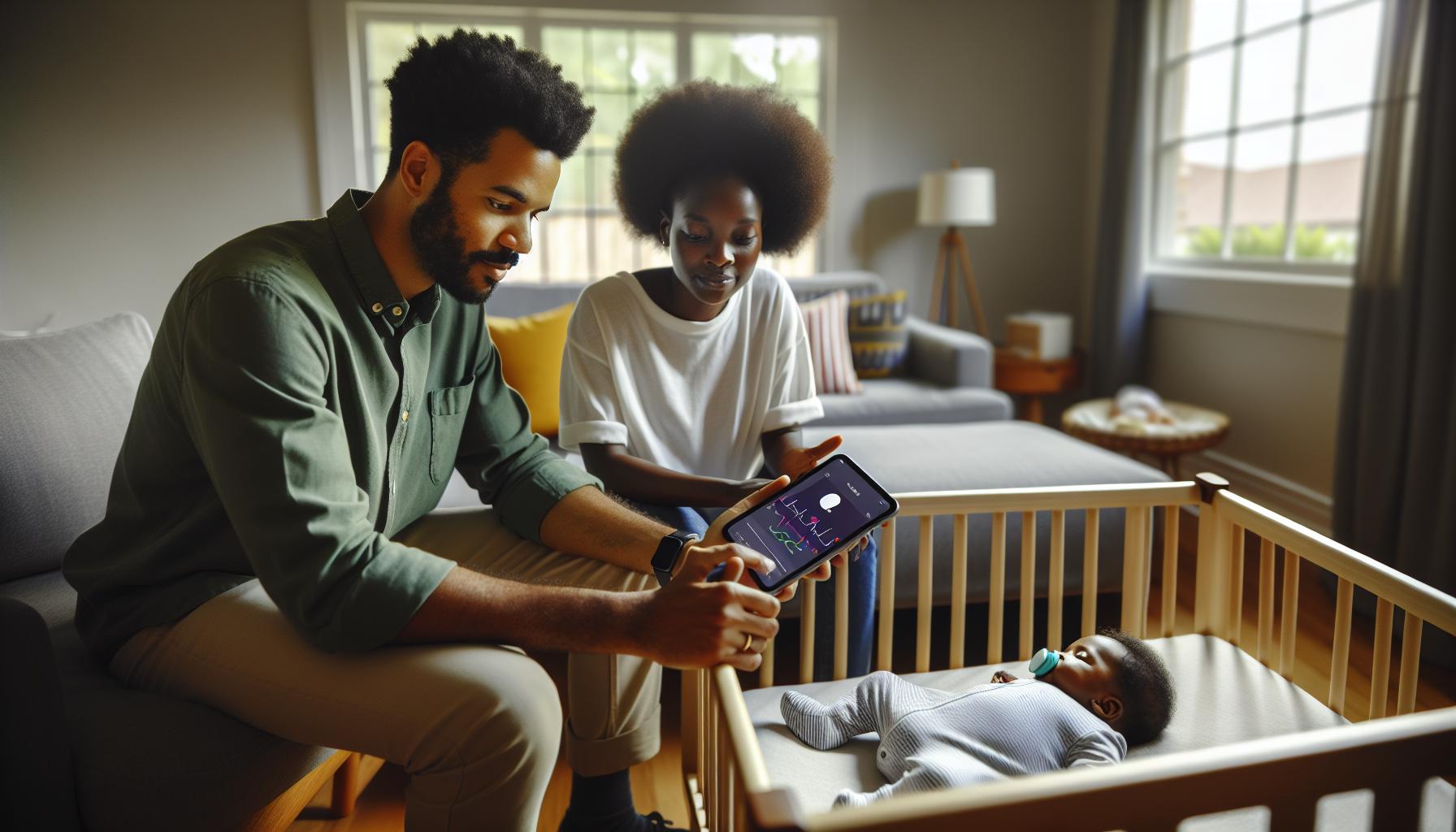
Limitations of Owlet Sleep Tracking
Despite the reassurance the Owlet Smart Sock provides, it has its limitations that parents should be aware of. While it excels in monitoring heart rate and oxygen levels, it’s essential to understand that this technology is not foolproof. Many parents report connectivity issues, especially with the app, which can sometimes fail to send alerts in real-time. This lag in communication could potentially hinder timely responses during critical moments when immediate action might be required.
Another limitation is the device’s dependence on a proper fit. If the sock is too loose or too tight, it may inaccurately read vital signs, leading to false alarms or missed alerts. Parents are often encouraged to experiment with different sizes and check the fit regularly, especially as their baby’s foot size changes. Additionally, the need for Wi-Fi connectivity can introduce further complications; in areas with poor internet connection, the device may struggle to sync or deliver readings effectively.
Moreover, while the Owlet Smart Sock tracks certain health metrics, it does not monitor all possible sleep disorders. Issues such as sleep apnea or other complex sleep disturbances may not be flagged by the device. As a result, relying solely on technological monitoring can lead to a false sense of security. Parents should remain vigilant and consult healthcare professionals if they notice concerning patterns that go beyond the scope of what the Owlet tracks.
In summary, while the Owlet Smart Sock can be an invaluable tool in monitoring a baby’s health, it is important for parents to recognize its limitations regarding connectivity, fit, and types of sleep issues monitored. Balancing the use of this technology with regular pediatric checkups and keeping a watchful eye on your baby’s overall behavior will ensure a more comprehensive approach to their health and safety.
Benefits of Accurate Sleep Monitoring for Babies
Accurate sleep monitoring can significantly improve a baby’s health and development, offering parents peace of mind during those critical early years. The Owlet Smart Sock provides real-time data on vital signs like heart rate and oxygen levels, making it a powerful tool for identifying potential health concerns as they arise. This proactive approach can alert parents to issues such as respiratory distress before they escalate, enabling timely interventions and consultations with medical professionals when necessary.
Moreover, consistent tracking of sleep patterns can reveal important insights into a baby’s sleep cycles and overall sleep quality. Understanding these patterns empowers parents to foster healthier sleep habits, which are essential for growth and cognitive development. For instance, if a baby is experiencing frequent awakenings or irregular sleep cycles, the data collected can help parents identify contributing factors, such as daytime routines or environmental disturbances, leading to adjustments that promote better sleep.
### Benefits of Using Owlet for Sleep Monitoring
- Early Detection of Health Issues: Continuous monitoring can help identify potential health concerns early, allowing for quick action.
- Improved Sleep Quality: Parents can use insights from the data to understand their baby’s sleep habits and make targeted changes.
- Informed Parenting Decisions: Having access to detailed sleep data helps parents feel more confident in their decisions regarding sleep training and intervention.
- Enhanced Peace of Mind: Knowing that their baby’s vital signs are being monitored can significantly reduce parental anxiety, allowing for better sleep for both parents and babies.
By integrating the Owlet Smart Sock into their baby’s care, parents can not only promote a healthier sleep environment but also cultivate a sense of trust in their monitoring capabilities, striking a balance between technology and attentive parenting. This reassurance is invaluable, especially during the delicate early months when every little detail matters.
Common Sleep Issues Owlet Can Help Identify
Sleep disturbances in infants can often be a source of stress for new parents, making effective monitoring crucial. The Owlet Smart Sock is designed to help identify common sleep issues that may arise in babies, providing parents with actionable insights to improve their child’s sleep quality.
One prevalent issue that the Owlet can help detect is frequent awakenings during the night. The device tracks sleep patterns and duration, allowing parents to see when their baby is waking up and for how long. With this data, parents can begin to understand if certain factors, such as hunger or discomfort, might be contributing to these disturbances. For instance, if the monitor shows that a baby wakes every 30 minutes, parents might consider adjusting their bedtime routine or feeding schedule to promote longer sleep stretches.
Another critical area is abnormal heart rate or oxygen levels, which can indicate potential health issues. The Owlet continuously monitors these vital signs, alerting parents to any irregularities. For example, if the device signals low oxygen levels during sleep, it could prompt parents to seek medical advice, ensuring their child receives timely care. This kind of proactive monitoring can be crucial in preventing more severe health problems.
The Owlet can also assist in identifying sleep patterns associated with discomfort. If parents consistently observe that their baby struggles to fall asleep or stays restless despite being fed and changed, this could indicate underlying issues such as teething or digestive problems. The data collected by the Smart Sock allows parents to notice these patterns, enabling them to address the root cause more effectively.
Moreover, the device helps parents recognize environmental factors impacting sleep quality. By reviewing sleep data correlated with specific conditions, parents may find that noise, light levels, or room temperature affect their baby’s sleep. Adjustments can then be made to create a more conducive sleeping environment.
Overall, equipping parents with the ability to monitor and understand these common sleep issues not only supports better sleep for the baby but also empowers parents with knowledge, ultimately relieving some of the anxiety that accompanies new parenthood.
Tips for Maximizing Your Owlet Sleep Tracker
To get the most out of your Owlet Sleep Tracker, there are several strategies you can implement to enhance its effectiveness in monitoring your baby’s sleep. By understanding how to use the device intelligently and what insights to extract, you can significantly improve your child’s sleep quality as well as your peace of mind.
First and foremost, ensure proper fit of the Smart Sock. The Owlet Sock must be snug but not too tight. A well-fitted sock securely monitors your baby’s heart rate and oxygen levels, leading to more accurate data. You can check the fit by gently tugging on the sock-if it moves easily, it may need to be adjusted. Invest some time initially to test the different sock sizes provided in the kit. Having the right size is crucial for comfortable wear and reliable readings.
Next, make the most of the Owlet app features. The app not only provides sleep data but also historical records, trends, and alerts that can be essential for understanding your baby’s sleep patterns. Set aside a few minutes each night to review the data collected. Look for patterns in wake times, sleep duration, and any periods of low oxygen levels. Over time, this trend analysis can help you identify what factors may be affecting your child’s sleep-be it environmental noises, room temperature, or during growth spurts.
Creating a consistent sleep environment can also drastically improve results. Use the insights gained from your Owlet data to examine how changes in room conditions (like darkness or sound levels) impact sleep. A calming bedtime routine paired with an optimal sleep environment (comfortable temperature and minimal distractions) can contribute to more restful nights. For instance, if the data shows consistent awakenings at a certain time, consider adjusting your home’s lighting or sound levels to promote better sleep continuity.
Finally, don’t hesitate to share your data with your pediatrician if any concerning trends arise. If the device shows consistent abnormalities in heart rate or oxygen levels, having documented information can assist your healthcare provider in making informed decisions regarding the next steps. The aim is to empower yourself with knowledge, which not only reassures you but can also provide critical insights into your baby’s overall well-being.
By implementing these tips, you can maximize the benefits of your Owlet Sleep Tracker, leading to improved sleep for both your baby and yourself.
Setting Up Your Owlet Sleep Tracker Easily
To seamlessly integrate the Owlet Sleep Tracker into your baby’s nightly routine, start with a few simple steps that can significantly enhance its functionality and the quality of data it collects. First, gather all components of the Owlet package before beginning the setup process. You will typically find the Smart Sock, the base station, and charging cables included, along with a user manual that provides essential guidance.
Once you have everything in place, it’s time to fit the Smart Sock onto your baby. Take a moment to select the right sock size, as this is essential for accurate heart rate and oxygen saturation readings. The sock should fit snugly, but not too tight, allowing it to maintain contact with your baby’s foot without causing discomfort. A proper fit ensures that the device can accurately monitor vital health metrics during sleep. Test the fit by gently tugging on the sock; it should stay in place without easily slipping off.
Next, ensure the base station is plugged in and within range of your Wi-Fi network. The Owlet app, which you need to download on your smartphone, will guide you through connecting the device to Wi-Fi. This app is your gateway to real-time data monitoring. Follow the on-screen instructions to set up your account and link your Owlet device. This step allows you to receive alerts and review sleep data from anywhere, empowering you with insightful statistics about your child’s sleep patterns.
Finally, prepare your baby’s sleep environment by considering factors like room temperature and light levels, as these can influence sleep quality. Once the setup is complete, place your baby in their crib, position the Sock correctly, and let the Owlet do its work. Monitor the Owlet app regularly for updates on your baby’s sleep metrics. This proactive approach not only gives you peace of mind but also helps you understand your child’s sleep health comprehensively.
By following these straightforward steps, you’ll ensure a smooth setup process for your Owlet Sleep Tracker, leading to more restful nights for both you and your baby.
Troubleshooting Common Owlet Sleep Issues
When using the Owlet Sleep Tracker, parents might encounter a few common issues that can disrupt the monitoring experience. An understanding of these issues and their solutions can significantly enhance the benefits of the device. One common concern is the sock not fitting securely on the baby’s foot, which can lead to inaccurate readings or false alarms. Ensuring that the sock is snug but not too tight is crucial; it should stay in place during movement without causing any discomfort to the baby. If the sock frequently falls off or is too loose, consider trying a different size.
Another frequent issue stems from connectivity problems with the base station or mobile app. Parents should ensure that the base station is plugged in and positioned within a good range of the Wi-Fi router to avoid any connectivity drops. If the connection is unstable, restarting both the base station and the mobile app can often resolve the issue. Ensure that the app is updated to the latest version, as updates can fix bugs and improve performance.
Sometimes, parents receive alerts that are concerning but may not indicate a real issue. These alerts can happen due to poor contact of the sock on the baby’s foot or if there is significant movement while the baby sleeps. To mitigate this, adjusting the sock’s fit and ensuring that it is placed correctly on the foot can help. Regularly monitoring the app for updates on your baby’s sleep trends can also provide context for any alerts-knowing a pattern can help separate false alarms from legitimate concerns.
Lastly, environmental factors can also impact the effectiveness of the Owlet Sleep Tracker. High levels of ambient light or a warm room might interfere with sleep quality and readings. Ensuring the baby’s sleep environment is conducive to rest-adequate darkness, a comfortable temperature, and minimal noise-can enhance the device’s effectiveness. By addressing these common challenges, parents can maximize their experience with the Owlet, gaining peace of mind and deeper insights into their baby’s sleep health.
When to Consult a Sleep Specialist vs. Using Owlet
When it comes to monitoring your baby’s sleep, the Owlet Sleep Tracker provides convenient, real-time insights, yet it operates within limitations. While its advanced technology may give you a sense of reassurance, understanding when to rely solely on this device versus consulting a sleep specialist is crucial for your baby’s health. Typically, if you notice consistent patterns in your baby’s sleep that raise concern-such as frequent awakenings, unexplained irritability, or changes in breathing patterns-it’s wise to consult a pediatric sleep specialist. They can offer professional assessments that a consumer device may not thoroughly address.
Issues like sleep apnea or other sleep disorders often require comprehensive evaluations that go beyond the capabilities of the Owlet device. For instance, while Owlet’s pulse oximetry technology can track certain physiological indicators like heart rate and oxygen levels, it cannot provide a full picture of sleep quality or patterns. Moreover, sleep studies (polysomnography) can reveal underlying issues such as obstructive sleep apnea, which may not be detectable through wearable monitors. If your baby shows signs of significant sleep disturbances, such as gasping for air during sleep or persistent restless nights, it’s essential to seek professional help.
Moreover, consider that the Owlet Sleep Tracker may provide peace of mind, but it isn’t a replacement for medical expertise. If you’re receiving alarming messages from the device that persist despite routine adjustments (like correcting fit or ensuring environmental factors are optimal), this could indicate a genuine concern. Always trust your parental instincts; if something feels off, don’t hesitate to get that professional opinion. A sleep specialist can offer tailored advice and potential treatment plans that a home device simply cannot.
Lastly, integrating your experience with the Owlet tracker into conversations with healthcare professionals can enhance the consultative process. Documenting how your baby responds to sleep patterns over time, including any pertinent alerts you receive from the Owlet device, can provide the specialist with useful data for diagnosing possible sleep disorders. This collaborative approach optimizes both the technology you’re using at home and the professional insights available to you, ensuring you’re providing the best care for your baby’s sleep health.
Q&A
Q: How does Owlet sleep tracking compare to traditional sleep monitoring methods?
A: Owlet sleep tracking offers a non-invasive solution using a smart sock that measures heart rate and oxygen levels. This contrasts with traditional methods like polysomnography, which requires overnight stays in a sleep clinic. Owlet provides real-time data and convenience, making it ideal for parents monitoring their baby’s sleep.
Q: What factors can affect the accuracy of Owlet sleep tracking?
A: The accuracy of Owlet sleep tracking can be influenced by factors such as sock fit, movement during sleep, and sensor placement. Ensuring the sock fits snugly and is worn correctly can help improve data reliability. Regularly checking the device’s functionality is also advisable for optimal performance.
Q: Can Owlet sleep tracking help identify sleep disorders in infants?
A: Yes, Owlet sleep tracking can help identify potential sleep issues by monitoring patterns such as prolonged awakenings or irregular heart rates. While it isn’t a clinical diagnosis tool, observing these patterns can guide parents to seek advice from a pediatric sleep specialist if concerns arise.
Q: Is the data from Owlet sleep tracking shared with healthcare professionals?
A: Owlet sleep tracking data is stored in the accompanying app and can be shared with healthcare professionals if necessary. Parents can use this information to have informed discussions with pediatricians about their baby’s sleep patterns and health.
Q: How accurate is the heart rate monitor in the Owlet?
A: The Owlet’s heart rate monitor is designed to provide accurate readings within a range that most pediatricians consider reliable for home use. However, it is essential to understand that variations may occur due to environmental factors, so it’s recommended to consult with healthcare providers for any health concerns.
Q: What are the benefits of using the Owlet sock during sleep?
A: Using the Owlet sock offers several benefits, including real-time monitoring of heart rate and oxygen levels, peace of mind for parents, and notifications for potential issues. This proactive approach can help parents feel more secure during their baby’s sleep times, allowing for better decision-making regarding sleep safety.
Q: Can the Owlet sleep tracker be used for older children?
A: The Owlet sleep tracker is primarily designed for infants and young children. For older children, alternative sleep tracking methods such as wearable devices may be more suitable, as their sleep patterns and needs differ significantly from those of infants.
Q: How often should I calibrate or check the Owlet sleep tracker?
A: It’s advisable to check the Owlet sleep tracker regularly, especially before each use, to ensure proper fit and function. Routine maintenance involves cleaning the device as per the manufacturer’s instructions and monitoring app updates for software improvements, enhancing overall performance.
Key Takeaways
As we’ve explored, Owlet’s sleep tracking technology offers valuable insights into your baby’s sleep patterns, pulse rate, and oxygen levels. These real-time metrics can empower parents with the knowledge needed for informed decisions about their child’s sleep health. If you’re considering this innovative tool, don’t hesitate! Explore Owlet’s Dream Sock® and see how it can enhance your parenting experience today.
Curious about sleep studies or the technology behind sleep wearables? Dive deeper into our related articles on sleep disorders and how to choose the right monitoring device. Your baby’s sleep journey is essential, and we’re here to support you in making the best choices.
Join our community of informed parents by signing up for our newsletter, where you’ll get the latest insights and tips straight to your inbox. Remember, every step you take in understanding sleep health brings you closer to providing your child with the best start in life!
Get our latest guides, news, and insights highlighted in your Google Search & AI Overviews.