
Did you know that sleep disorders can significantly impact your overall health and well-being? As awareness of sleep-related issues grows, many people are turning to home sleep studies as an accessible way to assess their sleep patterns. This DIY testing guide will empower you to embark on your own sleep study journey, allowing you to monitor your sleep in the comfort of your own home. Understanding your sleep quality can help you identify potential problems, such as sleep apnea or insomnia, leading to better sleep hygiene and improved health outcomes. In this guide, you’ll learn about the necessary equipment, setup steps, and what to expect throughout the process. Whether you are dealing with restless nights or simply curious about your sleep quality, this guide will serve as your trusted companion in making informed decisions about your sleep health. Let’s dive in and discover how to take charge of your sleep!
Understanding Sleep Studies: What You Need to Know
Understanding your sleep is crucial for overall health, and a sleep study can provide valuable insights. Home sleep studies are increasingly popular as they offer a convenient and often more affordable alternative to traditional lab tests. By conducting a sleep study from the comfort of your home, you can receive important data on your sleep quality, patterns, and potential disorders, all while maintaining a sense of normalcy in your routine.
Home sleep testing typically involves the use of portable devices that monitor various physiological parameters while you sleep, such as oxygen levels, heart rate, and breathing patterns. These devices are designed to be user-friendly, allowing you to set them up with minimal assistance. Many find that the familiarity of their own sleeping environment helps reduce anxiety and enhances the quality of data collected, compared to being in a lab setting.
When considering a home sleep study, it’s vital to understand the types of devices available. Some are designed specifically for identifying obstructive sleep apnea, while others might monitor a wider range of sleep disorders. Speak with a healthcare professional to determine the most suitable option for your specific needs. It’s also important to prepare adequately-ensure that you are following all instructions for device setup and usage to achieve the most accurate results.
Moreover, interpreting the results of a sleep study can be complex. While you may receive detailed reports about your sleep stages and any disruptions, consulting with a healthcare provider can help clarify these findings. They can guide you on what steps to take next, whether that includes lifestyle adjustments, further testing, or treatment options. By being proactive and informed, you can take significant steps towards better sleep health.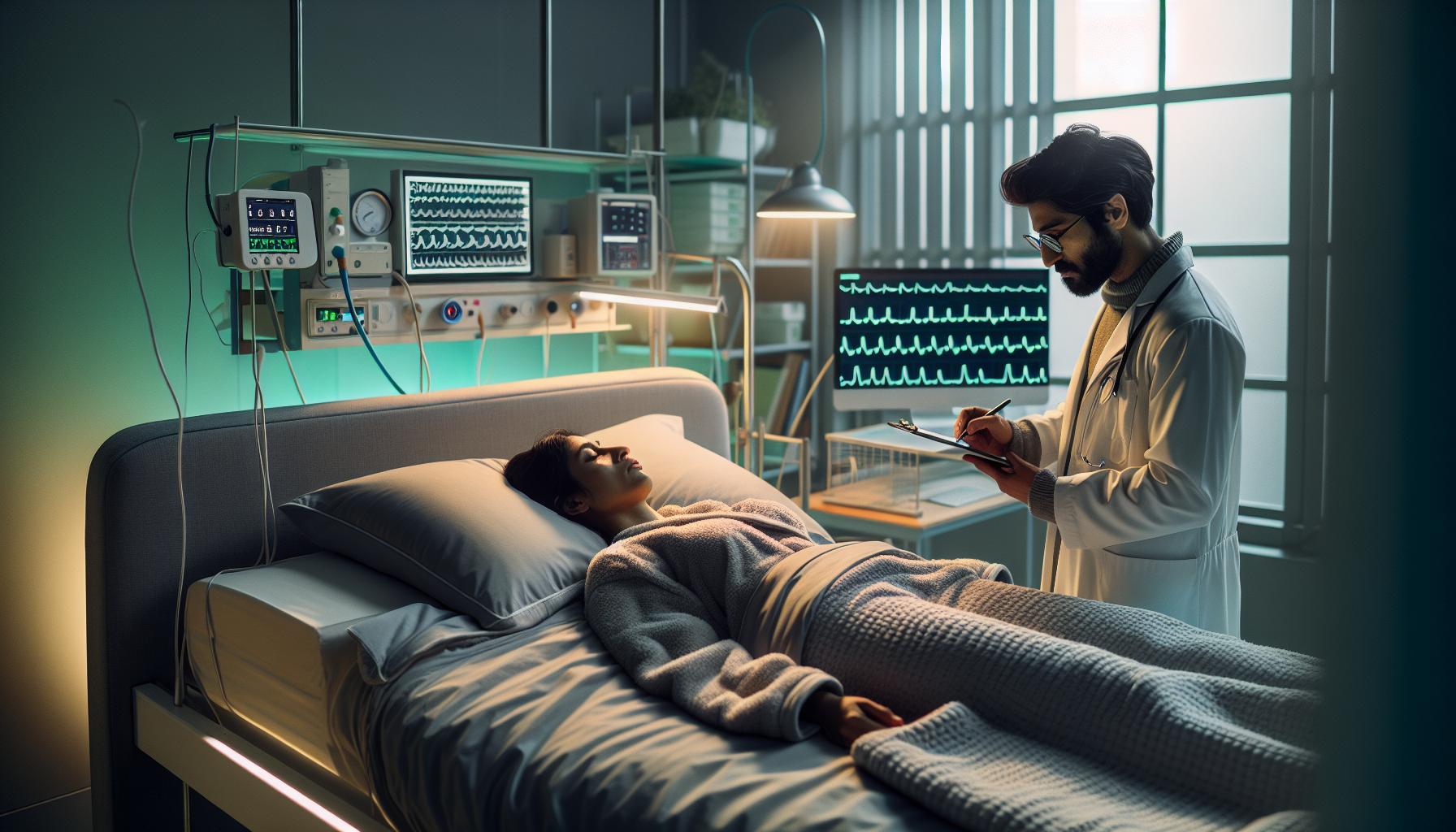
Benefits of Home Sleep Studies Over Lab Tests
Conducting a sleep study at home can be a game changer for many individuals struggling with sleep issues. One of the most significant benefits is the convenience factor; patients can sleep in their own beds, in a familiar environment, which can help yield more accurate results. Many people find that they sleep better at home, free from the anxiety often associated with laboratory settings. This comfort can lead to higher quality data collection regarding sleep patterns, duration, and disruptions, making home sleep tests a preferable option for many.
Another compelling advantage is the potential cost savings associated with home sleep studies. Traditional lab tests can be expensive due to facility fees and the extensive staff required for monitoring. In contrast, home tests often utilize portable devices that are less costly to set up and administer. Patients can get necessary testing without the hefty price tag typically associated with overnight stays in sleep clinics. Additionally, because these tests can be completed quickly and more efficiently at home, they can also lead to faster diagnoses and treatment, improving overall health outcomes.
Time is also an essential factor to consider. Home sleep studies usually involve less waiting time for appointments compared to lab tests, which often require scheduling weeks or even months in advance. With a home sleep test, you can frequently receive equipment in the mail and conduct the test on your own timeline, whether that’s during a busy work week or over the weekend. This flexibility can reduce stress and help individuals address their sleep issues without significant disruptions to their daily lives.
In summary, the benefits of home sleep studies over traditional lab tests include improved comfort and accuracy, cost-effectiveness, and convenience. With these advantages, individuals can take proactive steps toward diagnosing and treating sleep disorders while maintaining a sense of normalcy in their routines.
Types of Home Sleep Tests: Which One is Right for You?
Conducting a home sleep study opens the door to a variety of testing options, each designed to address specific sleep concerns. Selecting the right type of test is essential for accurate results and effective diagnosis. The main categories of home sleep tests include in-home polysomnography, type 3 portable monitors, and type 4 portable monitors. Understanding each type’s purpose, setup, and capabilities can help guide you in making an informed decision.
In-Home Polysomnography
This comprehensive test is often recommended for those who may have complex sleep disorders like sleep apnea. It monitors multiple sleep parameters, including brain waves, oxygen levels, heart rate, and breathing patterns. The data collected offer a detailed picture of your overall sleep architecture.
- Pros: Provides rich data for accurate diagnosis of complex conditions.
- Cons: Generally more expensive and requires more equipment.
Type 3 Portable Monitors
These devices are designed to diagnose obstructive sleep apnea (OSA) specifically. They typically monitor airflow, respiratory effort, and oxygen saturation. With a streamlined setup, type 3 monitors often offer a practical balance between thoroughness and convenience.
- Pros: User-friendly and focuses on key indicators of sleep apnea.
- Cons: Less comprehensive than in-home polysomnography.
Type 4 Portable Monitors
These monitors are the most basic option, focusing on fewer parameters such as oxygen saturation and heart rate. They are generally the most affordable and can be available over-the-counter, making them accessible for those seeking a quick and straightforward overview of their sleep health.
- Pros: Cost-effective and easy to use.
- Cons: Limited data, which might not capture more complex sleep disorders.
Which Test is Right for You?
Choosing the right home sleep test depends on your specific symptoms and concerns. For those experiencing severe daytime sleepiness, loud snoring, or observed pauses in breathing during sleep, a type 3 portable monitor could be suitable. If your symptoms are more complex or if you have concurrent health issues, consider a comprehensive in-home polysomnography.
Before deciding, consult with a healthcare provider to discuss your sleep patterns and any health concerns. This collaborative approach ensures you select a test that fits your needs and may significantly impact your overall health. Remember, no single device can cover every scenario, so weigh the benefits and limitations carefully for your unique situation.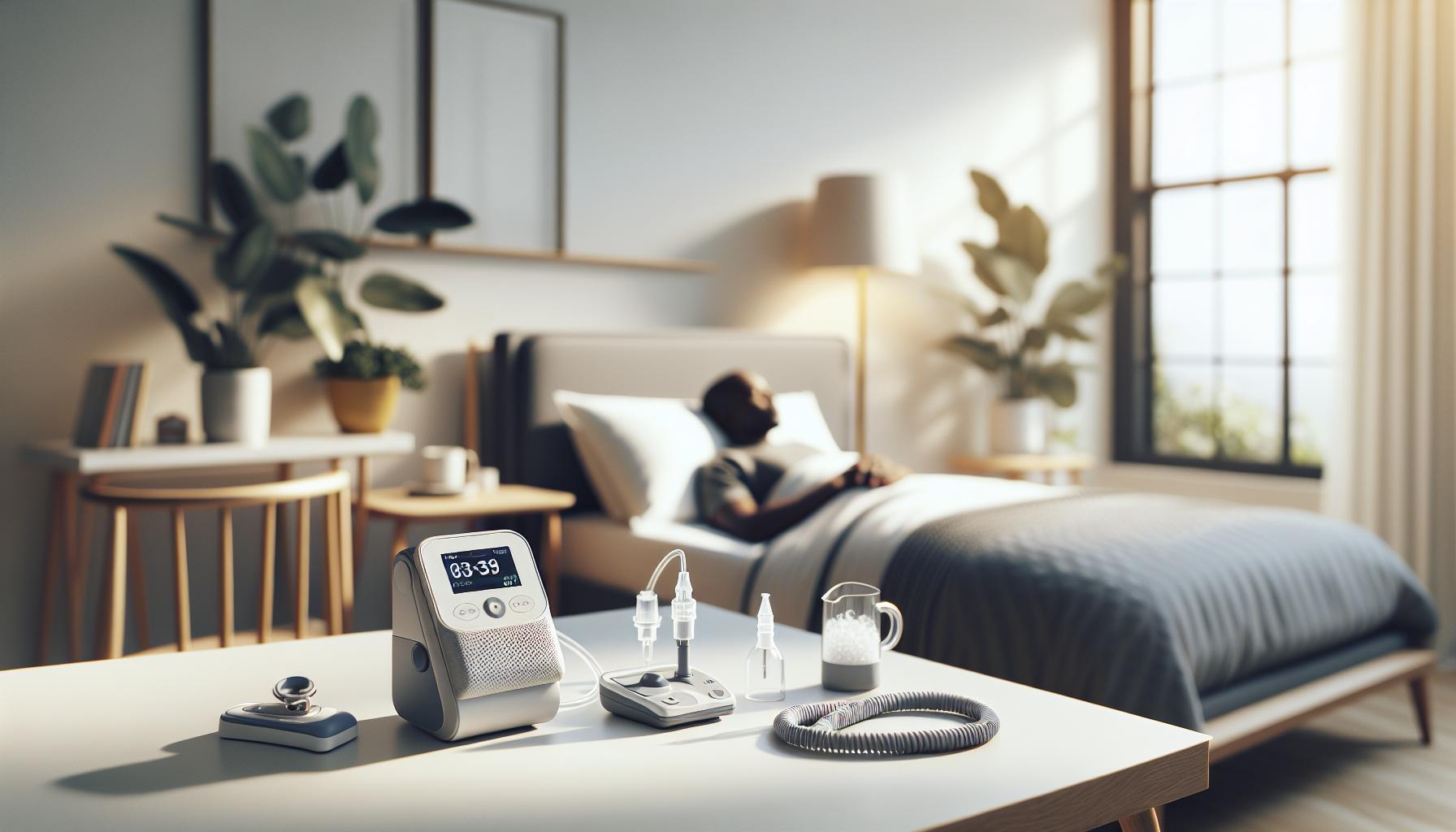
Preparing for Your Home Sleep Study: Essential Steps
Preparing for a home sleep study can seem daunting, but taking a few simple steps can set you up for success and make the process smoother. First and foremost, follow the specific guidelines provided by your healthcare provider or the test manufacturer. Each device may have unique requirements, so it’s vital to review the instructions customized for your chosen sleep study.
Comfort is key during your study. Since you’ll be using the equipment at home, create an ideal sleep environment. Make sure your bedroom is quiet, dark, and at a comfortable temperature. It’s advisable to adhere to your regular sleep schedule, going to bed and waking up at the same time to ensure your body is prepared for the night ahead.
Essential Preparations Include:
- Avoid Stimulants: One or two days before your test, limit caffeine and nicotine consumption. Both can interfere with your ability to fall asleep or impact sleep quality.
- Adjust Medications: Consult with your doctor regarding any medications you should take or refrain from on the night of the study. Some medications can affect the results of the sleep test.
- Eat Wisely: Have a light dinner before the test, but avoid heavy or rich foods that might cause discomfort or indigestion as you fall asleep.
In the days leading up to your study, ensure that you have a plan for setting up and wearing the monitoring equipment. Familiarize yourself with the device; whether it’s a simple sensor for airflow or more complex monitoring with multiple sensors, understanding how to use it will alleviate anxiety. Some devices may require you to charge them prior, while others might need adjustments to fit correctly.
By preparing thoughtfully, you can help ensure accurate results while minimizing potential anxiety on the night of your study.
How to Set Up Your Sleep Monitoring Equipment
Setting up your sleep monitoring equipment at home is crucial for ensuring an accurate sleep study. Taking the time to do it right not only enhances the quality of the data collected but also makes your night of monitoring feel less daunting. It’s all about preparation and understanding your device.
First, review the specific instructions provided with your monitoring equipment. Each device operates differently, and getting familiar with it can ease any anxiety you may have about the process. For instance, you may have a simple clip-on finger sensor to monitor oxygen levels or a more complex setup that includes sensors for movement and brain activity. Make sure your device is fully charged if required, and have all necessary components handy, such as cords and batteries.
Steps for Setting Up Your Equipment
- Choose the Right Location: Find a comfortable spot in your bedroom to set up the equipment. Ensure that the area is quiet and free from disturbances.
- Wearable Devices: If you’re using a wearable tracker, put it on according to the manufacturer’s guidelines. It should fit snugly but not too tight, ensuring it can accurately monitor your movements and vitals.
- Other Sensors: For non-wearable devices, position the sensors as instructed. For example, if a sensor needs to be placed on your chest or head, make sure it’s secure yet comfortable. You may want to practice putting it on earlier in the day to ensure you know how to do it smoothly during the actual study.
- Connection Check: Ensure that any necessary connections to your phone, computer, or a base station are functioning correctly. This may involve connecting via Bluetooth or Wi-Fi, so it’s essential to verify that the app or software for monitoring is ready to record data.
Troubleshooting Common Issues
Before your sleep study, do a test run without the pressure of actual data collection. This practice will help you identify potential issues and understand how the equipment works. Common troubleshooting steps include:
- Check battery levels and replace or charge as needed.
- Confirm that the device is properly synced with the app or computer software.
- Make sure that sensors are clean and positioned accurately for reliable readings.
By carefully setting up your sleep monitoring equipment and following these steps, you’ll be well-prepared for your home sleep study, making the night feel more manageable and within your control. A little preparation goes a long way in ensuring that your study yields the best possible insights about your sleep.
What to Expect During Your Sleep Study Night
On the night of your home sleep study, you might feel a mix of excitement and anxiety. Knowing what to expect can help ease your mind and ensure a smoother experience. The primary goal of this night is to gather data on your sleep patterns, helping to identify potential sleep disorders.
First, as you settle in for the night, keep in mind that the monitoring devices are designed to be as unobtrusive as possible. Whether you’re wearing a device on your wrist or using multiple sensors placed around your body, they shouldn’t significantly disrupt your ability to fall asleep. It’s helpful to establish a calming routine beforehand-perhaps reading a book or practicing relaxation techniques-to prepare your mind and body for rest. Remember, the more relaxed you are, the easier it will be to obtain accurate readings.
During the study, your sleep will be tracked in real-time, providing insights into various aspects such as your breathing patterns, movement, and even heart rate. Don’t worry if you wake up during the night; it’s perfectly normal. Just try to return to sleep as comfortably as you can. The devices are adept at recording data, whether you’re asleep or momentarily awake.
After the study, it’s common to feel anxious about the results. Rest assured that the data will be analyzed by a professional who can interpret it accurately. Understanding what to expect can transform your sleep study night from a source of stress into an opportunity for actionable insights into your sleep health.
Interpreting Your Sleep Study Results: A Simple Guide
Interpreting the results of your home sleep study can feel daunting, yet understanding the data collected can be pivotal for your sleep health. After your study, you will receive a report that typically summarizes key metrics about your sleep patterns, breathing, and movements throughout the night. This report is usually reviewed by a sleep specialist who helps decode the data into actionable insights.
Your results will often include information on the following factors:
- Total Sleep Time: This indicates how long you slept during the study, which is essential for determining if you’re meeting the recommended amount of sleep.
- Sleep Efficiency: This percentage shows how much of your time in bed was actually spent sleeping versus being awake, helping to identify sleep disruptions.
- Sleep Stages: The report may detail the distribution of your sleep stages, including REM and non-REM sleep, which are critical for restorative sleep.
- Apnea Episodes: If you were tested for sleep apnea, the number and severity of apnea episodes will be highlighted, indicating any breathing disturbances during sleep.
- Oxygen Saturation Levels: Your blood oxygen levels can leverage clues about your overall respiratory health, particularly in identifying issues like sleep apnea.
It’s essential to remember that not every result will reflect a disorder; some variability in sleep metrics is normal. If you see any concerning data, like frequent arousals or significant oxygen desaturation, don’t hesitate to discuss these findings with your healthcare provider. They can help you understand the implications and recommend potential next steps.
Being proactive in tracking your sleep and following up on your results can lead to better management and improvement of your sleep health. Whether you need to adopt healthier sleep habits or consult further with a specialist, this data empowers you to take charge of your well-being.
Common Sleep Disorders Detected by At-Home Tests
Sleep disorders can significantly impact your health and quality of life, and home sleep studies are becoming an increasingly accessible way to detect them. Many common sleep disorders can be identified through at-home tests, allowing patients to uncover issues in the comfort of their own environments.
One of the most prevalent disorders is obstructive sleep apnea (OSA), characterized by repeated pauses in breathing during sleep. Home sleep apnea tests typically measure airflow and breathing patterns to identify OSA. This can be crucial for those who snore loudly or experience daytime fatigue, as it not only affects sleep quality but can also lead to serious health concerns if left untreated.
Another disorder that can often be detected at home is insomnia, which involves difficulty falling or staying asleep. While at-home sleep tests primarily track physiological factors, a thorough report can highlight fragmented sleep, making it easier to discuss treatment options with a healthcare provider.
Periodic limb movement disorder (PLMD) is also commonly evaluated via home monitoring. Many people experience involuntary leg movements during sleep, which can disrupt both their rest and their partner’s sleep. At-home tests can help quantify the frequency of these movements, aiding in diagnosis and treatment planning.
Additionally, restless legs syndrome (RLS)-which is marked by uncomfortable sensations in the legs that lead to an urge to move them-can be noted during a home sleep study. The data collected concerning sleep interruptions caused by leg movements can help determine if further medical evaluation is necessary.
By utilizing home sleep tests, many individuals can gain insights into these potential disorders. However, it’s vital to remember that while these tests can provide valuable data, a definitive diagnosis often requires consultation with a healthcare provider. They can interpret the results in the context of your overall health and recommend appropriate interventions based on your specific circumstances. This collaborative approach can lead to effective management strategies, enhancing not just sleep quality but overall well-being.
Wearable Sleep Trackers: Pros and Cons
Wearable sleep trackers have surged in popularity, appealing to those who wish to gain insights into their sleep patterns without the need for professional sleep studies. These devices, ranging from smartwatches to specialized sleep bands, provide users with a wealth of data, including hours slept, sleep cycles, and even heart rate fluctuations. However, while they offer convenience and accessibility, it’s important to consider both their benefits and limitations.
- Pros:
- Convenience: Wearable devices enable users to monitor their sleep habits effortlessly, collecting data over multiple nights without the need for complicated setups.
- Cost-effective: Many sleep trackers are relatively affordable compared to a comprehensive sleep study, making them a budget-friendly option for those curious about their sleep.
- Real-time feedback: Users can view their sleep data immediately, allowing for quick adjustments to their habits that may improve sleep quality.
- Comprehensive insights: Many trackers assess additional health metrics, such as physical activity and heart rate, providing a more holistic view of your wellness.
- Cons:
- Accuracy limitations: Wearable trackers can lack the precision of a professional sleep study, which employs multiple sensors to collect a range of data points such as brain waves and oxygen levels.
- Variable results: Different brands and models can yield different metrics, leading to inconsistencies in data interpretation.
- Lack of medical diagnosis: While these devices are helpful for monitoring sleep trends, they cannot diagnose sleep disorders. Understanding complex conditions often requires professional evaluation.
- Battery dependence: Most wearables need regular charging, which can interrupt data collection if the device runs out of power during the night.
In summary, while wearable sleep trackers can be a useful tool for individuals looking to understand their sleep patterns, they should not be viewed as a substitute for thorough sleep evaluations, particularly if a sleep disorder is suspected. It’s crucial for users to interpret their data with caution and consider seeking professional advice if persistent issues arise. Balancing self-monitoring with expert guidance can lead to better outcomes for sleep health.
Insurance and Costs: Navigating Coverage for Sleep Studies
Navigating the financial aspects of sleep studies can feel daunting, especially with the rising costs of healthcare. It’s essential to understand what you might expect to pay out-of-pocket for a home sleep study versus what’s covered by insurance. On average, home sleep tests can range from $150 to $500, significantly less than traditional in-lab polysomnography, which can cost anywhere from $1,000 to $3,000 or more, depending on the location and specific tests performed.
Insurance Coverage for Sleep Studies
Most major health insurance plans cover home sleep studies, but the extent of coverage can vary widely. It’s crucial to check with your insurance provider beforehand to clarify what your plan covers. Specific inquiries should include:
- Preauthorization: Some plans require approval before scheduling the test. Ensure this is in place to avoid unexpected bills.
- Deductions and Copays: Be aware of anything you might have to pay out of pocket such as deductibles or copayments.
- In-network Providers: Coverage can differ based on whether the test is conducted by an in-network provider versus an out-of-network one.
You may also want to explore whether your plan covers telehealth consultations, as many healthcare providers can offer guidance remotely to determine if a sleep study is warranted.
Out-of-Pocket Costs and Financing Options
If your insurance does not cover sleep studies, or if you are under a high-deductible plan, knowing your out-of-pocket costs is vital. Some clinics or sleep study providers may offer payment plans or discounts for upfront payments. Additionally, with DIY home sleep study options emerging, look for devices that can be rented or purchased at a lower cost, generally utilizing online marketplaces.
Consider checking for local or state-sponsored programs that can help alleviate costs for those who may not have adequate insurance. Furthermore, health savings accounts (HSAs) or flexible savings accounts (FSAs) can be a great way to fund your sleep evaluation tax-free.
Understanding these financial aspects can help ease the anxiety surrounding health tests and allow you to focus on taking crucial steps toward better sleep health. Don’t hesitate to ask providers detailed questions about costs and insurance coverage to ensure you make informed decisions along the way.
When to Consult a Doctor: Symptoms That Necessitate a Study
If you often experience restless nights or wake up feeling exhausted, it may be time to seek professional help. Certain symptoms warrant a consultation with a healthcare provider, especially if they disrupt your daily life or hint at a potential sleep disorder. Understanding when to take this step can empower you to prioritize your health, ensuring that you receive the care and guidance you need for better sleep.
One key indicator is persistent snoring. If your partner or family members frequently mention that your snoring is loud or irregular, particularly if it features pauses or gasps, it could be a sign of obstructive sleep apnea. This disorder can lead to serious health issues if left untreated, including heart problems and excessive daytime fatigue.
Other symptoms to watch for include:
- Daytime Sleepiness: If you struggle to stay awake during daily activities, it may indicate that you are not achieving restful sleep at night.
- Difficulties in Concentration: Persistent inability to focus can be linked to inadequate sleep quality.
- Morning Headaches: Frequent headaches upon waking can signal potential underlying sleep issues, including bruxism or sleep apnea.
- Leg Movements or Restlessness: If you experience uncomfortable sensations in your legs or an irresistible urge to move them while trying to sleep, this could indicate Restless Legs Syndrome (RLS).
If any of these symptoms resonate with you, it’s advisable to consult a doctor who can recommend a sleep study. Home sleep tests can be a convenient first step in diagnosing conditions like sleep apnea and RLS, allowing you to monitor your sleep patterns comfortably in your own environment. Your doctor may also suggest additional tests or professional assessments based on your symptoms and health history.
Remember, prioritizing your sleep is an important aspect of overall health. Recognizing when to take action and getting the right evaluation can significantly improve your quality of life and sleep. Don’t hesitate to reach out for help in navigating your sleep concerns.
Maximizing Your Sleep Quality Post-Study: Tips and Techniques
After undergoing a sleep study, whether at home or in a lab, you may be eager to enhance your sleep quality based on the insights gained. Implementing a few strategic changes can significantly improve your nightly rest and overall well-being.
Start by establishing a consistent sleep schedule. Aim to go to bed and wake up at the same time every day, even on weekends. This helps regulate your body’s internal clock, making it easier to fall asleep and wake up feeling refreshed. Pair this with a relaxing bedtime routine, which could include activities like reading, gentle stretching, or meditating. Dimming the lights and avoiding screens for at least an hour before sleep sends signals to your brain that it’s time to wind down.
Creating a sleep-friendly environment is crucial. Ensure your bedroom is dark, quiet, and cool. You might consider blackout curtains, white noise machines, or earplugs if needed. Additionally, investing in a comfortable mattress and pillows suited to your sleeping position can vastly improve your night’s sleep. Don’t forget to limit bedroom distractions; using your bed solely for sleep can help condition your mind for slumber.
Lastly, pay attention to your lifestyle choices. Regular physical activity can promote better sleep, but try to avoid vigorous workouts close to bedtime. Monitor your caffeine and alcohol intake as well; both substances can disrupt sleep patterns. Finally, consider keeping a sleep diary to track your habits, moods, and any triggers affecting your sleep quality, using this data as a tool for ongoing self-improvement.
By implementing these tips and monitoring your progress, you can create a foundation for restful nights and rejuvenated mornings, ultimately enhancing your sleep health long-term.
Frequently Asked Questions
Q: How can I prepare for a home sleep study?
A: To prepare for a home sleep study, avoid caffeine and alcohol before bedtime, maintain a regular sleep schedule, and follow any specific instructions from your healthcare provider. Ensure your sleep environment is conducive to sleep by removing distractions and creating a comfortable setting for monitoring. For detailed preparation steps, check the “Preparing for Your Home Sleep Study” section.
Q: What equipment is needed for a DIY sleep study?
A: A DIY sleep study may require basic equipment like a pulse oximeter, a sleep apnea monitor, or a wearable sleep tracker. Depending on the type of test, additional devices like chest straps or nasal cannulas may be included. Learn more about the setup in the “How to Set Up Your Sleep Monitoring Equipment” section.
Q: What common sleep disorders can be detected through home tests?
A: Home tests can detect common sleep disorders such as sleep apnea, insomnia, and restless leg syndrome. If you’re unsure about symptoms, refer to the “Common Sleep Disorders Detected by At-Home Tests” section for a comprehensive overview.
Q: How do I interpret my sleep study results?
A: Interpreting your sleep study results entails understanding the data collected during sleep, including sleep stages, apnea events, and overall sleep quality. A simple guide is available in the “Interpreting Your Sleep Study Results” section, which can help you analyze your findings effectively.
Q: When should I consult a doctor about my sleep study results?
A: Consider contacting your doctor if your sleep study indicates significant issues like frequent apnea events or if you continue to experience sleep problems despite a normal study. Check the “When to Consult a Doctor” section for specific symptoms that warrant professional evaluation.
Q: Are home sleep studies more affordable than lab tests?
A: Yes, home sleep studies are generally more affordable than lab-based tests, often costing significantly less due to reduced facility fees. For an overview of costs and insurance coverage details, refer to the “Insurance and Costs” section.
Q: How can wearable sleep trackers improve my sleep quality?
A: Wearable sleep trackers can improve sleep quality by providing insights into your sleep patterns and habits, allowing you to make informed adjustments. Explore the “Wearable Sleep Trackers: Pros and Cons” section for a balanced view on their effectiveness.
Q: What should I do if my home sleep study indicates a problem?
A: If your home sleep study indicates a problem, immediately consult a healthcare provider for further evaluation and treatment options. Make sure to discuss your results in detail for the best course of action.
Final Thoughts
Ready to take charge of your sleep health? Conducting a DIY sleep study at home is an empowering step toward understanding your sleep patterns and needs. Remember, the process involves simple setup steps and the right tools, like wearables, that can track your sleep stages. If you encounter any issues, don’t hesitate to check out our detailed troubleshooting guide.
For more insights, you can explore our articles on sleep hygiene and common sleep disorders to further enhance your sleep quality. Taking action now means you can pinpoint issues early, potentially transforming your nightly rest into a restorative experience. Don’t forget to sign up for our newsletter for ongoing tips, or share your experiences and questions in the comments below. Your path to better sleep starts today!
Get our latest guides, news, and insights highlighted in your Google Search & AI Overviews.