
Did you know that nearly 70 million Americans suffer from sleep disorders, many of which go undiagnosed? A home sleep study offers a convenient and effective way to identify issues like sleep apnea from the comfort of your own bed. This guide will walk you through how home sleep studies work, removing the stress and uncertainty often associated with traditional lab testing. We’ll break down what to expect, the technology involved, and how these tests can help you regain control over your sleep health. By understanding the process and benefits, you’ll be empowered to make informed choices about your sleep, leading to better nights and brighter days. Let’s dive in and explore how a home sleep study can be a critical step toward restful sleep and improved wellness.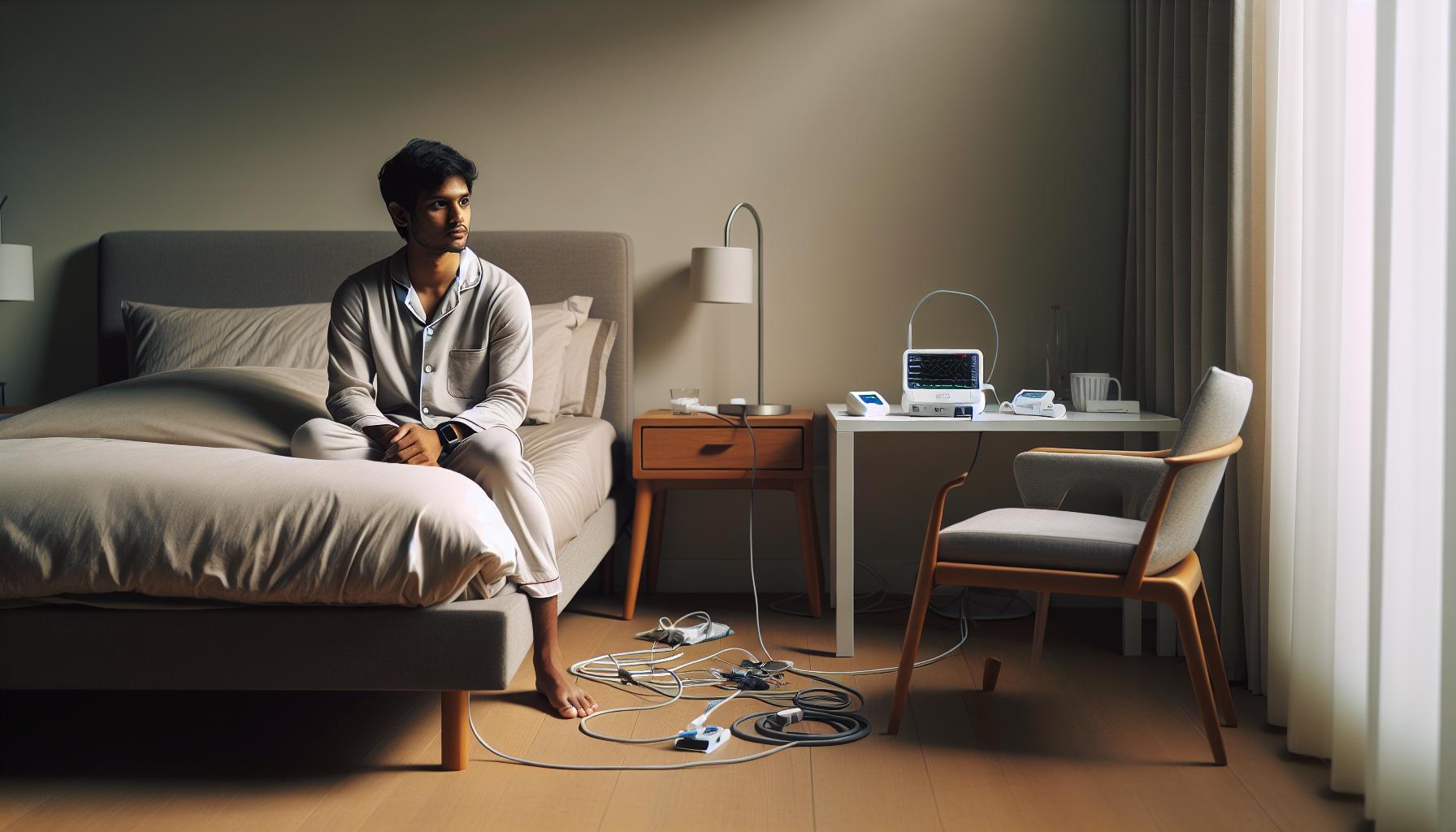
Understanding Home Sleep Studies: An Overview
Home sleep studies have emerged as a valuable tool for diagnosing sleep apnea and other sleep disorders, allowing individuals to sleep in the comfort of their own homes while their sleep patterns and vital signs are monitored. This convenience, combined with a growing awareness of sleep health, makes it appealing to many who suspect they may have a sleep issue. For more than 20 million Americans grappling with obstructive sleep apnea, a home sleep study can be an accessible first step towards understanding the root of their sleep troubles.
A home sleep study typically involves portable equipment that tracks specific metrics such as breathing patterns, heart rate, and oxygen saturation levels. Unlike traditional lab studies, which can feel intimidating and invasive, home tests aim to simulate a natural sleep environment, encouraging more accurate data collection. Patients receive a simple device that they wear overnight, and upon completion, the data is sent to a healthcare provider who reviews it for potential signs of sleep apnea or other disorders.
Preparation for a home sleep study is straightforward. Typically, you’ll receive instructions on how to set up the equipment and what to expect during the night. This may include guidance on how to attach sensors and where to place monitoring devices. The ease of use of these devices is a major advantage, as they often come with intuitive designs that require minimal setup. However, ensure you clarify any questions with your healthcare provider beforehand to eliminate any potential anxiety.
Understanding when a home sleep study is appropriate can be a game-changer. If you experience symptoms such as heavy snoring, daytime fatigue, or witnessed breathing interruptions, these could be telltale signs of a sleep disorder. This proactive step in sleep health not only leads to early diagnosis but can also be pivotal in preventing more serious health complications, as untreated sleep apnea is linked to risks such as high blood pressure and heart disease. Embracing home sleep studies ultimately empowers individuals to take charge of their sleep health, contributing to better overall well-being.
The Benefits of Home Sleep Studies vs. Lab Studies
Home sleep studies are gaining popularity as a convenient and cost-effective alternative to traditional lab-based sleep studies. For many, the idea of sleeping in a clinical setting can feel daunting. In contrast, home sleep studies allow individuals to undergo testing in the comfort of their own beds, significantly reducing anxiety associated with unfamiliar environments. This familiarity can lead to more natural sleep patterns during the study, potentially yielding more accurate results.
One of the most significant benefits of home sleep studies is the cost. These at-home assessments can be a fraction of the price of in-lab studies, often costing between one-third to one-fifth of traditional sleep studies, which makes them a more accessible option for many. Additionally, most insurance plans cover at-home sleep studies, further alleviating the financial burden. The straightforward setup and ease of use also empower patients, allowing them to take an active role in their health without needing to navigate complex hospital environments.
Moreover, home sleep studies focus primarily on detecting obstructive sleep apnea (OSA), utilizing portable devices that monitor essential metrics such as breathing patterns, heart rate, and oxygen levels. These devices usually feature user-friendly designs, ensuring that even those who may feel technologically challenged can operate them without hassle. Instruction manuals are typically provided, and support from healthcare professionals is just a call away for any concerns regarding setup or usage.
In short, opting for a home sleep study not only enhances comfort and convenience but also offers significant savings and improved accessibility for those seeking answers to their sleep issues. As the landscape of sleep health continues to evolve, home sleep studies represent a valuable first step for individuals looking to address their sleep concerns from the safety and peace of their own homes.
How to Prepare for Your Home Sleep Study
Preparing for a home sleep study might seem daunting, but with a few straightforward steps, you can ensure a smooth and successful experience. First, it’s essential to review your doctor’s instructions carefully. They may have specific recommendations based on your health history that can greatly impact the study’s outcome. When you receive your testing kit, take time to explore the contents, as familiarizing yourself with the equipment is a vital step toward proper setup and usage.
One critical aspect of preparation is timing. Aim to maintain your regular sleep schedule leading up to the study to avoid disruptions in your routine. Avoiding naps during the day prior to the study can help ensure you are adequately tired by the time you go to bed. Be sure to also steer clear of alcohol and caffeine for at least 24 hours before the test, as both can interfere with sleep quality and may skew the results.
Setting Up for Success
On the night of the study, create a calm environment conducive to sleep. This might involve setting the temperature comfortably, dimming the lights, and minimizing noise. When it comes to the actual setup of your device, follow the instructions closely. Most home sleep apnea tests come with user-friendly guides and, if needed, customer support to help troubleshoot any technical difficulties. Make sure to wear the equipment as directed, ensuring all sensors are properly placed, especially involving the oxygen monitor and breathing sensors.
Lastly, bring any necessary items to enhance your comfort. This could include your favorite pillow, blanket, or a white noise machine if you use one. Ultimately, preparing well for your home sleep study not only sets the stage for obtaining clear and accurate results but also helps alleviate any anxiety about the process. The confidence gained from preparing effectively allows you to focus on what’s important – getting the rest you need.
What Equipment Will You Use During the Study?
During a home sleep study, you’ll utilize a combination of devices designed to monitor various physiological parameters related to your sleep patterns. These portable devices provide a comprehensive view of what’s happening while you snooze, helping to detect issues such as obstructive sleep apnea.
The most common equipment used in these studies includes:
- Oximeter: This device is usually placed on your fingertip and measures your blood oxygen levels throughout the night. Fluctuations can indicate potential breathing problems during sleep.
- Chest and Abdominal Straps: These sensors are attached around your chest and abdomen to monitor your breathing patterns and movements. They’ll record how your body behaves while you sleep, including detecting snoring and apneas.
- Wrist Sensors: Similar to fitness trackers, these monitor your heart rate and sleep cycles. They can give insights into both the depth of your sleep and any interruptions that might occur.
- Microphone: Some devices come with a microphone to capture snoring sounds or other noises, providing additional context to your sleep quality.
Preparing to wear these items may feel unusual, but they’re designed for ease of use. Typically, you’ll receive clear instructions on how to set everything up, and many kits include user-friendly guides. It’s important to wear the equipment exactly as directed to ensure accurate readings.
In addition to this essential gear, your sleep environment can also play a crucial role in the results you obtain. Being comfortable and creating a sleepy atmosphere are important factors in promoting quality rest during your monitoring night. With the right equipment and environment, you can gain valuable insights into your sleep health that may lead to recommendations for further evaluation or treatment options.
Understanding Sleep Disorders: When to Consider a Sleep Study
Recognizing the signs of a sleep disorder can be overwhelming, yet addressing these concerns is essential for improving overall health and well-being. If you frequently wake up feeling tired, struggle to fall asleep, or snore loudly, these could be indicators of a sleep disorder that necessitates further investigation. A home sleep study might be the solution you need, allowing you to gather critical information about your sleep patterns without the stress of a clinical setting.
Many people may wonder, “When should I consider a sleep study?” If you experience symptoms such as excessive daytime sleepiness, difficulty concentrating, or chronic fatigue, it signals a potential underlying issue that warrants professional assessment. Conditions like obstructive sleep apnea, restless leg syndrome, or insomnia can significantly impact your life if left untreated. A home sleep study can provide valuable insights by monitoring vital parameters like breathing patterns, heart rates, and oxygen levels while you sleep.
The beauty of a home sleep study lies in its convenience and accessibility. Rather than facing the anxiety of an overnight lab stay, you can undergo testing within the comfort of your own bed. This non-invasive approach often appeals to those who may feel apprehensive about traditional sleep studies. Many healthcare providers now recommend home sleep testing, especially for diagnosing sleep apnea, due to its effectiveness and ease of use [[2]](https://www.health.harvard.edu/staying-healthy/trending-now-home-sleep-tests).
If you’re still unsure whether you should seek a sleep study, consider how your sleep habits impact your daily activities. Reflect on instances where a lack of restful sleep has interfered with your ability to function, work, or enjoy social interactions. Engaging in a conversation with your healthcare provider about your experiences can help clarify whether further evaluation is appropriate, paving the way toward improved sleep and enhanced quality of life.
How Home Sleep Studies Work: A Step-by-Step Guide
A home sleep study allows you to monitor your sleep patterns in a familiar environment, which can significantly reduce anxiety compared to a clinical setting. Understanding how this process works can empower you to take charge of your sleep health. Here’s what to expect when undergoing a home sleep study.
First, you’ll typically begin the process by discussing your symptoms with a healthcare provider. They will determine whether a home sleep study is appropriate for you. If it is, they may prescribe a specific home testing device that suits your needs. This is often a portable device that records various sleep metrics, including your breathing patterns, heart rate, and oxygen levels.
Once you receive the device, setup is relatively straightforward. Most devices come with clear instructions, and you’ll need to attach sensors to your body before going to bed. The sensors may include:
- A nasal cannula or airflow sensor to monitor breathing
- Pulse oximeter to measure blood oxygen levels
- Electrodes for heart rate tracking
After you set up the equipment according to the provided guidelines, you simply go to sleep as you normally would. The device will collect data throughout the night, providing a comprehensive overview of your sleep patterns.
The next morning, you’ll return the device to your healthcare provider or upload the data online, depending on the company’s process. A sleep specialist will analyze the collected data, focusing on key metrics such as Apnea-Hypopnea Index (AHI), which indicates the severity of sleep apnea if present. This evaluation will allow for a better understanding of your sleep issues and potential next steps in your treatment journey.
By demystifying the process of a home sleep study, you can approach your assessment with confidence, knowing that you are taking a significant step towards improving your sleep quality and overall health.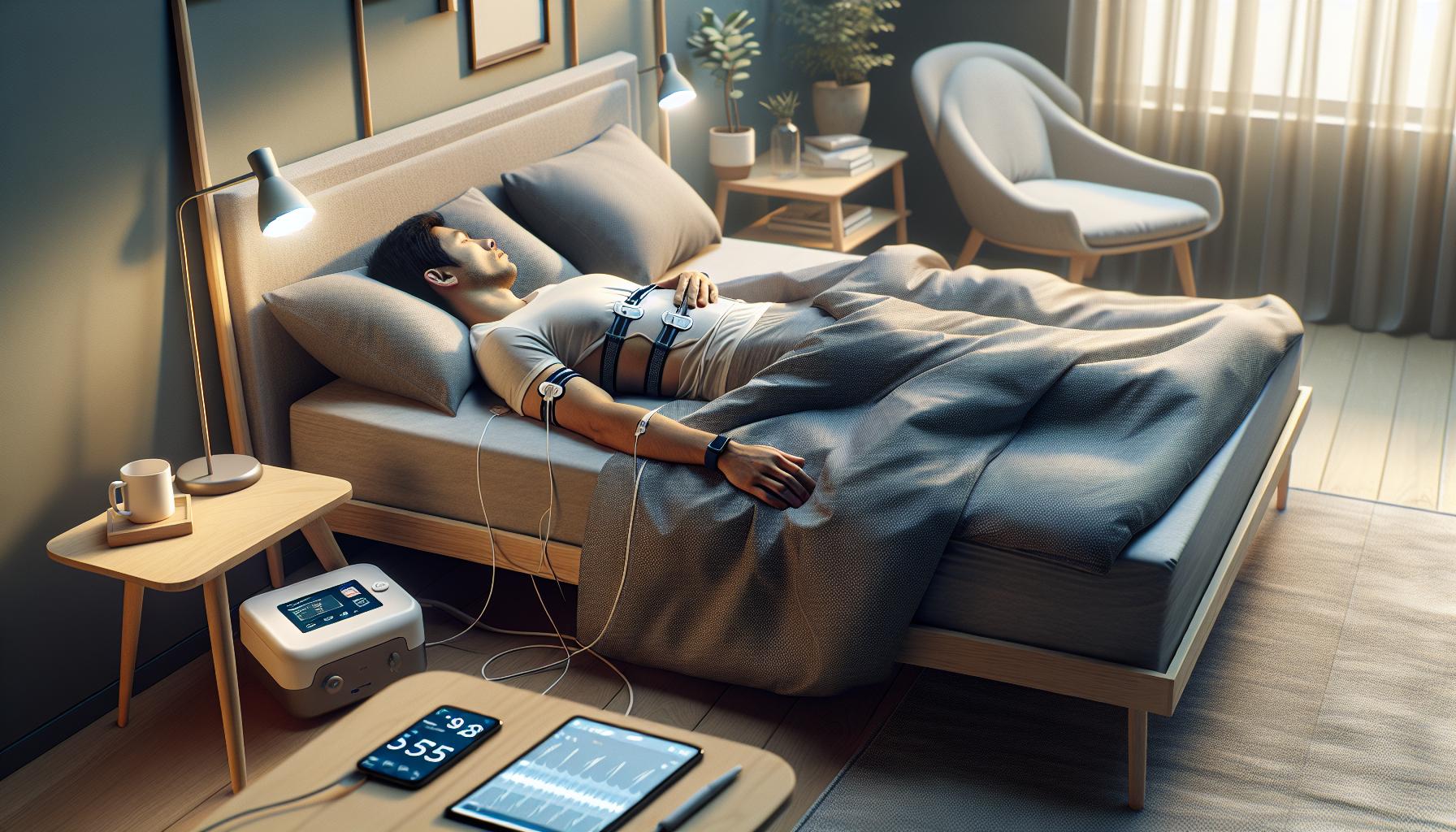
Interpreting Your Home Sleep Study Results
can seem daunting, but it’s a vital step in understanding your sleep health. Once the data is analyzed by a sleep specialist, you’ll receive insights into your sleep patterns, specifically focusing on critical metrics such as the Apnea-Hypopnea Index (AHI). This index measures the severity of sleep apnea by quantifying the number of apnea (pauses in breathing) and hypopnea (shallow breathing) episodes per hour during sleep. A higher AHI score indicates more severe sleep apnea, guiding the recommended treatment options.
Knowing what to look for in your report can empower you during this process. Key metrics to focus on include:
- Total Sleep Time: How many hours did you actually spend sleeping?
- Sleep Efficiency: The ratio of the time spent asleep to the time spent in bed, often expressed as a percentage.
- Oxygen Desaturation Levels: The lowest oxygen saturation levels you experienced during the night, which can indicate breathing difficulties.
- Sleep Stages: Breakdown of your sleep into REM, light, and deep sleep, helping to assess overall sleep quality.
While your sleep study device is designed to provide accurate readings, it’s important to recognize its limitations. For instance, many home sleep tests primarily measure respiratory patterns and may not capture other sleep disorders, such as periodic limb movement disorder (PLMD) or narcolepsy. Therefore, if the results suggest significant sleep problems, your sleep specialist may recommend further evaluation with a more comprehensive sleep study in a laboratory setting.
Understanding your results fully may also involve a conversation with your healthcare provider. They can help contextualize the data and explain how it relates to your symptoms and overall health goals. Take the time to ask questions-such as how your daily habits might affect your sleep quality or what interventions could mitigate any issues identified in your study. Ultimately, is not just about the numbers; it’s about taking actionable steps toward better sleep health.
Insurance and Home Sleep Studies: What You Need to Know
Navigating insurance coverage for home sleep studies can feel overwhelming, yet understanding your options is essential for managing your health without breaking the bank. Many insurance providers now recognize home sleep studies as a valid alternative to traditional in-lab sleep tests for diagnosing conditions like sleep apnea. This shift not only makes sleep testing more accessible but can also result in significant savings since home tests typically cost less than their laboratory counterparts.
When considering a home sleep study, begin by checking your insurance policy details. Most plans cover home sleep tests, particularly if a physician prescribes one after an initial consultation. However, coverage can vary widely; therefore, it’s essential to confirm with your insurance provider whether the specific test you’re considering is included, and if any prior authorization is needed. Familiarize yourself with terms like “deductibles,” “co-pays,” and “out-of-pocket maximums” to better understand your potential costs.
Additionally, ask your healthcare provider or the testing company directly about how to submit claims to your insurance. They may offer assistance in navigating this process, which can alleviate some of the stress involved. Remember that if you’re facing roadblocks with insurance coverage, you have options to appeal decisions if a necessary test is denied, especially with supporting documentation from your healthcare provider outlining the medical necessity of the study.
Overall, being proactive and informed is key. Understanding your insurance coverage and the potential costs associated with home sleep studies ensures that you prioritize your sleep health without unnecessary financial strain. It’s advisable to approach this process with questions ready to ask your healthcare provider or insurance representative, empowering yourself to seek the solutions that best fit your needs.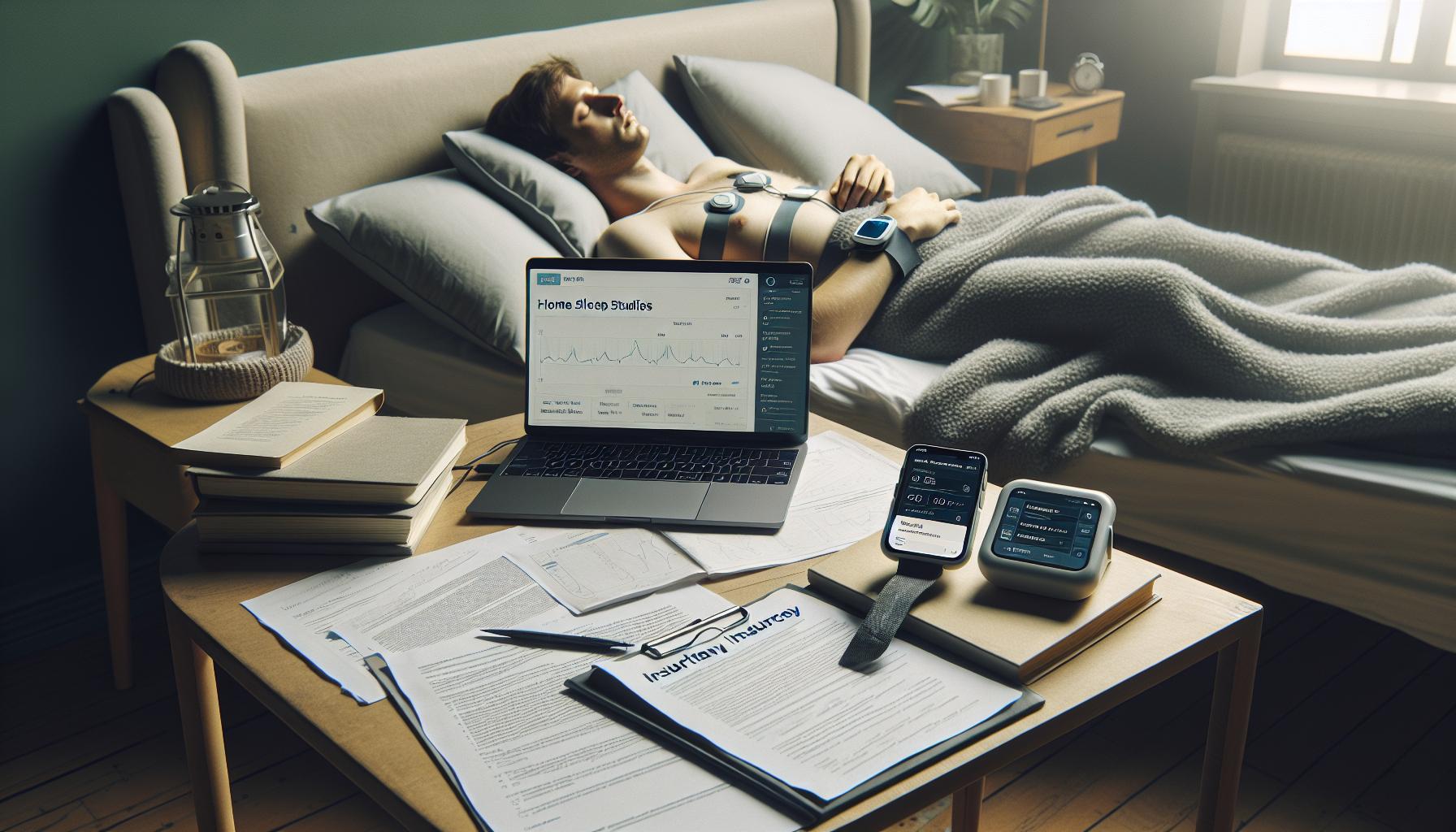
Common Misconceptions About Home Sleep Studies
Many people looking to improve their sleep health have preconceived notions about home sleep studies, largely fueled by myths and misconceptions. One common belief is that home sleep studies are less effective than in-lab tests. While it’s true that in-lab polysomnography offers comprehensive monitoring by trained professionals, recent advances in home testing technology have made these studies sufficiently accurate for diagnosing conditions like obstructive sleep apnea. Many healthcare professionals endorse home studies as both reliable and convenient, particularly when the data collected closely mirrors that of laboratory settings [[2]].
Another misconception is that home sleep studies are only for individuals experiencing severe sleep issues. In reality, these tests can be highly beneficial for anyone concerned about their sleep quality or suffering from common symptoms of sleep disorders, such as excessive daytime sleepiness or loud snoring. Home studies are usually a first step in the diagnostics process and can help determine if further testing in a lab is necessary. This approach not only saves time but also reduces anxiety related to foreign environments typically associated with in-lab tests.
Many individuals believe that the equipment used in home sleep studies is cumbersome and difficult to operate. On the contrary, most devices are designed for minimal disruption to your nightly routine. They are often compact and user-friendly, allowing patients to monitor vital signs without the complex attachments of traditional lab settings. Instructions typically provided with the equipment clearly guide users through set-up and operation, ensuring a smooth experience. [[3]] highlights that these tests can often be performed in the comfort of your own bed, making them both accessible and less intimidating.
Finally, there’s a belief that home sleep studies provide only a partial picture of sleep health. It’s important to note that while home studies generally focus on breathing patterns, heart rate, and oxygen saturation, they can still yield significant insights into one’s sleep quality. If the results suggest abnormalities, a healthcare provider can then recommend further evaluations. It’s essential for patients to speak openly with their providers about any concerns regarding home sleep studies to understand their potential benefits fully. With these clarifications, readers can feel empowered to consider home sleep studies as a valid and effective option for diagnosing and managing sleep-related issues.
Devices vs. Professional Testing: Making the Right Choice
In the age of technology, choosing between home sleep studies and in-lab testing can feel daunting. However, understanding the differences can empower you to make an informed decision about your sleep health. Home sleep studies offer the convenience of participating from the comfort of your bedroom, often using portable devices designed to be user-friendly. In contrast, professional in-lab testing, or polysomnography, involves spending a night in a sleep clinic where trained technicians monitor multiple parameters.
Key Considerations When Choosing
When deciding on a sleep study option, consider the following:
- Cost: Home sleep tests are generally less expensive than in-lab studies. Most insurance providers cover both types, but out-of-pocket costs are typically lower with at-home tests.
- Comfort: If you struggle with sleep in unfamiliar settings, a home test may reduce anxiety and yield more natural results. Many users find sleeping in their own bed easier.
- Data Accuracy: While home devices effectively measure essential metrics like breathing patterns and oxygen levels, they may not capture variables as comprehensively as a lab study, which monitors brain activity and other factors.
- Health Conditions: If you have complex sleep disorders or comorbidities, an in-lab study may be more appropriate. These tests are comprehensive and conducted under professional supervision.
Real-World Scenarios
Imagine you snore heavily and often feel excessively tired during the day. A home sleep study could be a suitable first step to assess for conditions like obstructive sleep apnea. If your results are concerning, your doctor might recommend a more in-depth lab study for additional evaluation. Conversely, ongoing or complex symptoms, such as restless leg syndrome or sleepwalking, might necessitate the more extensive monitoring available in a sleep lab.
Ultimately, the choice between home devices and professional testing should align with your specific needs, symptoms, and comfort levels. Consulting a healthcare provider can help clarify which option is most appropriate for you, ensuring you take a confident step towards improved sleep health.
Best Practices for Improving Sleep Post-Study
Improving your sleep after undergoing a home sleep study is crucial for translating test results into actionable changes that promote better rest. The insights gained from your study can pave the way to effective strategies tailored to your specific sleep issues, ensuring you harness those findings for optimal health. Engaging in healthy sleep practices not only enhances your sleep quality but can also mitigate underlying problems identified during your test.
- Establish a Sleep Routine: Consistency is key. Try to go to bed and wake up at the same time every day, even on weekends. This reinforces your body’s natural sleep-wake cycle.
- Create a Restful Environment: Your bedroom should be a sanctuary for sleep. Keep it cool, dark, and quiet. Consider blackout curtains or a white noise machine if needed.
- Limit Screen Time: Reduce exposure to screens from phones, tablets, and televisions at least an hour before bed. The blue light emitted can interfere with your body’s melatonin production, making it harder to fall asleep.
- Mind Your Diet: Avoid heavy meals, caffeine, and alcohol close to bedtime. Light snacks can be helpful but steer clear of anything that could lead to discomfort or sleep disturbances.
- Incorporate Relaxation Techniques: Engage in calming activities before bed, such as reading, gentle stretching, or meditation. These practices can help signal to your body that it’s time to unwind.
In addition to these practices, actively seeking feedback on your post-study behavior is essential. If your test indicated sleep apnea, for example, addressing weight management, considering positional therapy, or utilizing CPAP (Continuous Positive Airway Pressure) therapy as recommended can significantly improve outcomes. Revisit your findings with a healthcare professional who can provide tailored advice based on your results, ensuring you leverage all available resources for your well-being.
Ultimately, the goal is to translate the findings from your home sleep study into actionable steps that adapt your lifestyle for better sleep. The journey towards improved sleep health can take time, but with dedication and the right strategies, you can enhance your overall well-being and enjoy more restful nights.
Patient Stories: Real Experiences with Home Sleep Studies
For many, the prospect of undergoing a sleep study can be daunting. However, hearing from those who have gone through the experience can provide reassurance and valuable insights. Take Sarah, for example. After years of restless nights, often waking up feeling groggy and unrefreshed, she decided to try a home sleep study following her doctor’s recommendation. Sarah was relieved to learn that she could conduct the test in the comfort of her own home, away from the sterile environment of a sleep lab. Equipped with a simple device that monitored her oxygen levels and heart rate, she felt it was manageable and less intrusive than expected.
Another compelling story comes from Mike, who had long struggled with persistent daytime sleepiness. Initially skeptical about healthcare technology, he was pleasantly surprised by how easy the setup was. With a few instructions from his healthcare provider, he was able to wear the sensors comfortably while he slept. The results revealed he had mild sleep apnea, prompting him to adopt lifestyle changes like weight management and regular sleep schedules. Mike appreciates that the home sleep study expedited his journey to better sleep health without the intimidation of a lab setting.
These real experiences highlight a common thread-determining how the study works and what to expect can significantly ease anxiety. Understanding that the devices are designed to offer insights without extensive wires and connections encourages individuals to take necessary steps toward improved sleep. Many participants note that the home sleep test was not only less intrusive but also more efficient, with results arriving relatively quickly, allowing them to start treatment sooner.
Ultimately, reading about others’ journeys empowers potential candidates for home sleep studies to view the process not as a hurdle, but as an opportunity for transformation. As the stories unfold, it’s clear that these studies can be a key stepping stone in reclaiming a restful night’s sleep. Through shared experiences, individuals can glean practical advice and tips that enhance their confidence and readiness for their own sleep study adventure.
Faq
Q: What types of devices are used for home sleep studies?
A: Home sleep studies typically use portable monitoring devices that track vital signs such as breathing patterns, oxygen levels, and heart rate. Common devices include pulse oximeters and respiratory belts. Ensuring the right device is selected can improve test accuracy-learn more in our section on What Equipment Will You Use During the Study?
Q: How long does a home sleep study take?
A: A home sleep study usually lasts one night. Patients are provided with devices to wear during sleep, capturing their sleep patterns for analysis. For tips on optimizing your preparation, refer to our article section, How to Prepare for Your Home Sleep Study.
Q: Can I eat or drink before a home sleep study?
A: Yes, you can eat and drink before a home sleep study, but it’s generally best to avoid caffeine and alcohol, as they can interfere with sleep quality. For detailed preparation guidelines, see our section on How to Prepare for Your Home Sleep Study.
Q: Will my insurance cover a home sleep study?
A: Many insurance plans cover home sleep studies, but it depends on the provider and specific policy. It’s advisable to check with your insurance company ahead of time, and consult our Insurance and Home Sleep Studies section for more information.
Q: How are results from a home sleep study interpreted?
A: Results from a home sleep study are analyzed to identify sleep disorders, such as sleep apnea. A healthcare professional will assess factors like apnea-hypopnea index (AHI) and overall sleep patterns. For a deeper understanding, you can read about it in our section on Interpreting Your Home Sleep Study Results.
Q: What should I do if I experience anxiety about my home sleep study?
A: It’s normal to feel anxious about a sleep study. To alleviate stress, familiarize yourself with the procedures and equipment. Techniques such as deep breathing or discussing your concerns with a healthcare provider may also help. For more tips, see our article on Best Practices for Improving Sleep Post-Study.
Q: How do home sleep studies compare to lab tests?
A: Home sleep studies are generally more convenient and cost-effective than in-lab tests. They allow patients to sleep in their own environment while still providing valuable data for diagnosis. For a detailed comparison, check our section on The Benefits of Home Sleep Studies vs. Lab Studies.
Q: When should I consider a home sleep study?
A: You should consider a home sleep study if you experience persistent symptoms of sleep disorders, such as loud snoring, daytime fatigue, or gasping during sleep. For more guidance on understanding sleep disorders, view our section on Understanding Sleep Disorders: When to Consider a Sleep Study.
Final Thoughts
Understanding how a home sleep study works empowers you to take control of your sleep health. With simplified procedures and professional insights, these studies can provide essential data about sleep apnea and other disorders, helping you make informed decisions about your well-being. If you’re considering a home sleep test, remember to consult with healthcare providers about the best options available for your unique needs.
To learn more about the differences between home sleep studies and traditional overnight sleep studies, check out our detailed comparison article. Additionally, don’t miss our guide on interpreting sleep study results, which will help you understand what your findings mean for your nightly rest.
Ready to act? Take the first step towards better sleep by scheduling your home sleep test today. Remember, addressing sleep issues not only improves your nights but enhances your days. Share your thoughts below and subscribe to our newsletter for ongoing tips and updates on sleep health, ensuring you stay informed and empowered on your journey to restful nights.
Get our latest guides, news, and insights highlighted in your Google Search & AI Overviews.