
Did you know that over 70 million Americans suffer from sleep disorders? Understanding how sleep studies work can be the key to unlocking better rest and overall health. In this article, we will demystify the technology behind sleep studies, exploring everything from traditional polysomnography to modern wearable devices. Whether you’re struggling with insomnia, snoring, or excessive daytime sleepiness, knowing what to expect from sleep testing can empower you to take charge of your well-being. We’ll guide you through the different types of studies, what happens during the process, and how to interpret the results. This knowledge isn’t just about sleep; it’s about improving your quality of life. Join us as we explore the fascinating world of sleep technology and help you make informed decisions for a better night’s sleep.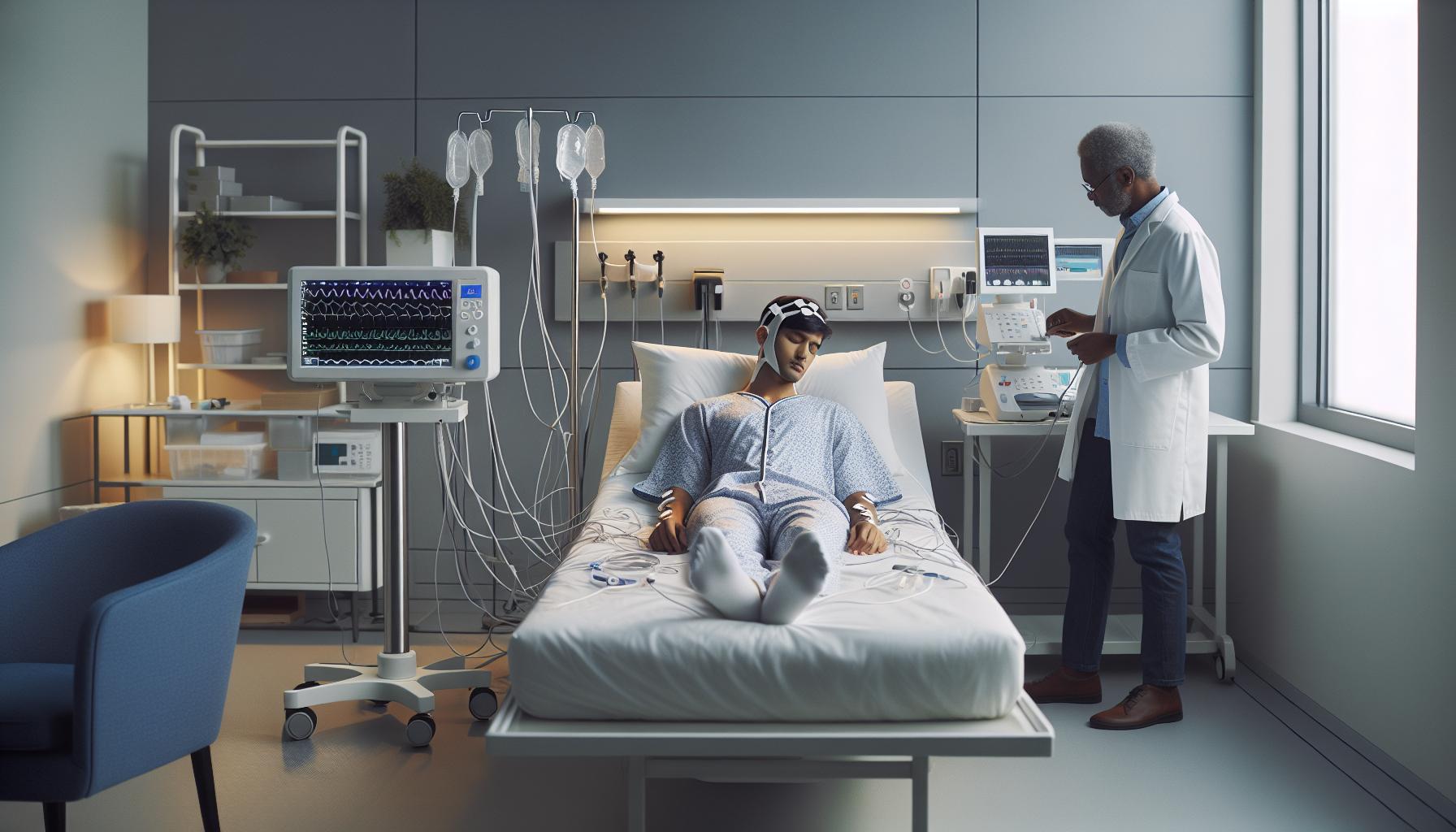
How Sleep Studies Help Diagnose Disorders
Sleep studies are essential diagnostic tools that offer incredible insights into our sleep health, helping to identify various sleep disorders that can affect our overall well-being. Contrary to common misconceptions, these studies are not overly invasive; they involve monitoring several bodily functions as you sleep, providing a panoramic view of sleep quality and patterns. With findings from these tests, healthcare providers can uncover issues ranging from sleep apnea to restless leg syndrome, empowering patients with the knowledge needed to pursue effective treatment options.
Understanding how sleep studies work begins with the technology they employ. Utilizing techniques such as polysomnography, sleep studies measure brain activity, heart rate, breathing patterns, and blood oxygen levels. This detailed analysis allows specialists to detect anomalies that could indicate specific disorders. Patients might be surprised to learn that symptoms like excessive daytime sleepiness or chronic insomnia can sometimes be traced back to specific disruptions identified during a sleep study, allowing for targeted treatment strategies.
Common Sleep Disorders Diagnosed via Sleep Studies
- Obstructive Sleep Apnea: Characterized by frequent interruptions in breathing during sleep, it can lead to serious health complications if left untreated.
- Narcolepsy: This condition can cause overwhelming daytime drowsiness and sudden attacks of sleep.
- Periodic Limb Movement Disorder: Patients may experience involuntary leg spasms during sleep, causing significant nighttime disturbances.
When preparing for a sleep study, understanding what to expect can greatly reduce anxiety. Generally, patients will be asked to spend a night in a sleep lab or use home-based testing devices. During this time, various sensors will be placed on their bodies, and they can sleep as they normally would. Reviewing this setup step-by-step can help individuals feel more at ease and confident about the process, ensuring they maximize the benefit of the study.
Sleep studies do more than just track sleep patterns; they provide critical data that can inform lifestyle adjustments and medical treatments. For anyone struggling with sleep issues, consider reaching out to a healthcare provider to explore the possibility of undergoing a sleep study. Such proactive steps can significantly enhance quality of life and lead to better sleep health.
Understanding the Technology Behind Sleep Studies
The technology employed in sleep studies is truly fascinating, transforming the often-misunderstood realm of sleep into a measurable science. Utilizing advanced techniques, particularly polysomnography, these studies allow healthcare providers to monitor and analyze various physiological parameters while a patient sleeps. This sophisticated setup assesses brain activity, muscle tension, eye movements, heart rate, and even blood oxygen levels. By capturing this data, specialists can diagnose disorders with unprecedented precision.
Polysomnography involves placing sensors on the scalp, face, chest, and limbs to collect comprehensive data. For example, electroencephalography (EEG) monitors brain wave patterns, while electrocardiography (ECG) tracks heart activity. Additionally, sensors placed around the abdomen and chest measure breathing patterns and airflow, helping identify any abnormalities, such as apneas or irregular respiratory patterns that might suggest obstructive sleep apnea or other sleep-related breathing disorders.
Sleep studies can also highlight the different stages of sleep, including REM (Rapid Eye Movement) and non-REM sleep, revealing insights into overall sleep architecture. This is crucial, as disturbances in specific stages can lead to various health issues, from cognitive deficits to mood disorders. Understanding what occurs during sleep empowers healthcare providers and their patients to explore effective treatment strategies tailored to the individual’s specific needs.
As technology continues to advance, wearable devices are emerging as complementary tools for tracking sleep patterns at home. These devices utilize sensors to measure activity levels and heart rates, providing insights outside of clinical settings. However, while they can be invaluable for preliminary data, they do not replace the detailed, clinical analysis that a sleep study can provide. Patients should weigh their options carefully when considering whether to rely on at-home devices or pursue a sleep study for comprehensive evaluation.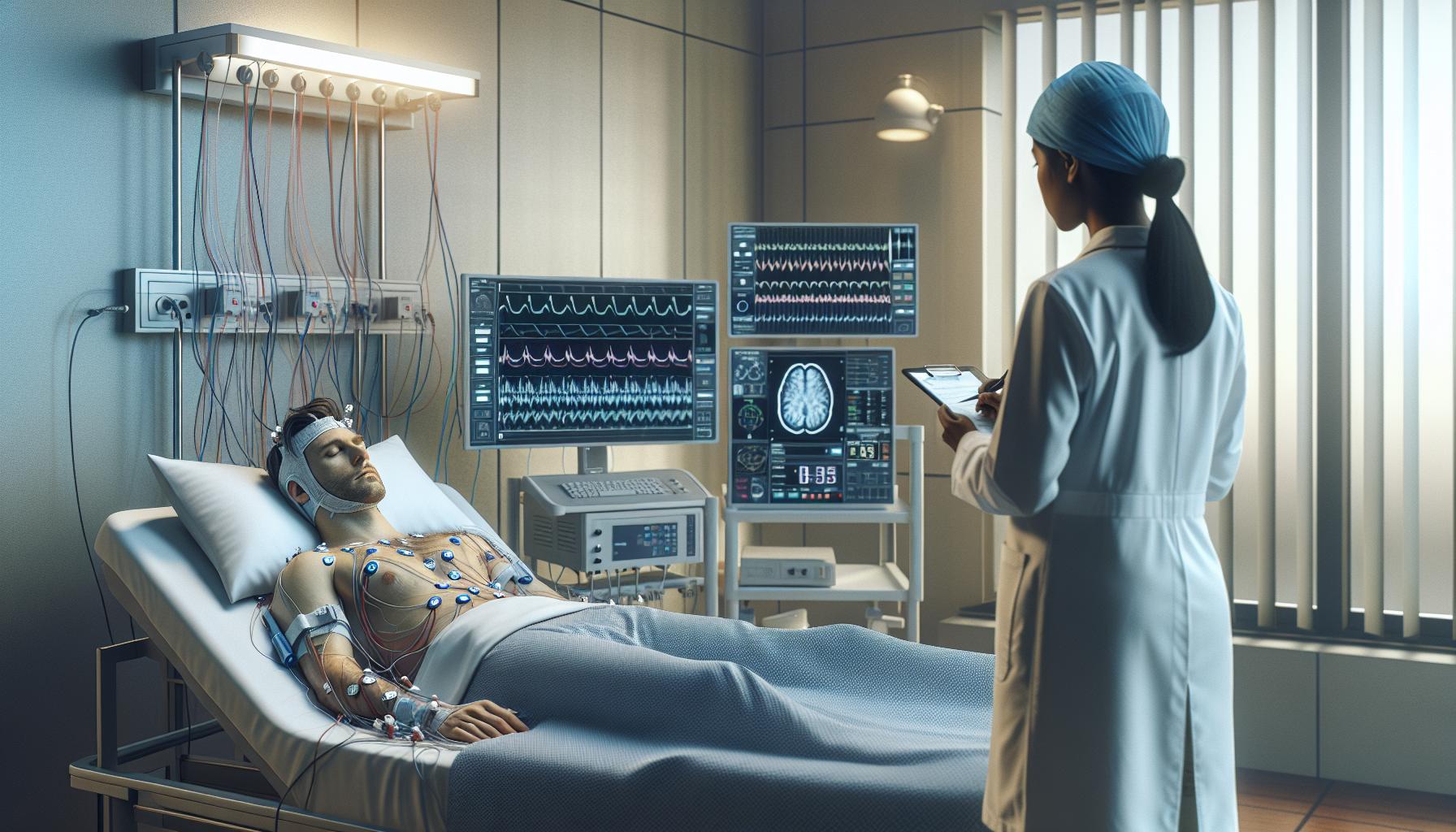
Types of Sleep Studies: In-Lab vs. Home Testing
In the realm of sleep studies, patients often find themselves deciding between two primary options: in-lab testing and home testing. Each method has its unique benefits and considerations, making it essential for individuals to understand which approach aligns best with their needs and circumstances.
In-Lab Testing
Undergoing an in-lab sleep study typically involves spending a night at a specialized sleep clinic. This environment is designed to monitor various physiological functions throughout the night. During the study, a technician attaches sensors to your scalp, face, chest, and legs to collect valuable data on brain activity, heart rate, breathing patterns, and blood oxygen levels. This comprehensive setup allows for a detailed analysis of your sleep architecture, including the different stages of sleep.
The advantages of in-lab testing include access to a wider array of monitoring equipment and professional oversight. If any complications arise during the study-such as significant apnea events-a technician can intervene immediately. For individuals with more complex symptoms or concurrent health conditions, in-lab studies are often recommended as they can provide in-depth insights that home tests may miss. However, it’s important to note that these studies can be expensive, with costs often ranging from $600 to $3,000 depending on your insurance coverage and local healthcare pricing.
Home Testing
On the other hand, home sleep tests offer a more convenient alternative for many patients. These tests usually involve using a simplified device that records basic sleep data, such as breathing patterns, heart rate, and oxygen saturation, while you sleep in your familiar environment. This approach can be particularly appealing for those who are anxious about spending a night in a lab or have trouble sleeping outside their home.
Home testing is also oftentimes more affordable, generally costing between $150 and $500. The major drawback, however, is that these tests may not capture as much data as in-lab studies. They are primarily designed to screen for sleep apnea and other common sleep-related conditions but may not identify more complex disorders that require a deeper analysis of sleep architecture.
Ultimately, the choice between in-lab testing and home testing depends on your specific situation. For straightforward concerns like suspected obstructive sleep apnea, a home test might suffice. However, if you’re experiencing a combination of symptoms or have existing health issues, discussing the option of an in-lab study with your healthcare provider could lead to a more accurate diagnosis and tailored treatment plan. It’s crucial to weigh the benefits of comprehensive oversight against the comfort and accessibility of home testing, empowering you to make the decision that best suits your lifestyle and health needs.
What to Expect During a Sleep Study
When preparing for a sleep study, understanding the process can alleviate anxiety and ensure a smoother experience. You may be surprised to learn that you’ll be monitored while you sleep in a comfortable setting, often resembling a cozy bedroom more than a traditional medical facility. Equipped with state-of-the-art technology, sleep studies help doctors diagnose conditions like sleep apnea and restless leg syndrome, using tools that can track various physiological markers during your sleep cycle.
During the study, whether in a lab or at home, you can expect sensors to be placed on your body. These devices are designed to capture essential data, including brain activity, eye movement, heart rate, and oxygen levels. For in-lab studies, a technician will be present to assist you and monitor your data in real-time, which can provide immediate insights into your sleep patterns. On the other hand, home tests will involve a simplified setup that you initiate yourself, which can include wearing a device on your wrist or placing a sensor on your chest.
To prepare for a sleep study, there are a few key steps to keep in mind. First, it helps to maintain your regular sleep schedule leading up to the study. Aim to avoid caffeine and alcohol on the day of the test, as these substances can impact sleep quality and your results. If you have medications that affect sleep, talk to your healthcare provider about how to manage those prior to the study. Bringing along your favorite pillow or blanket can also make you feel more at home and improve your sleep quality during the test.
After the study, the data collected will be analyzed by a sleep specialist, who will review your sleep stages, any disruptions in breathing, and overall sleep quality. Understanding your specific results can also empower you to take actionable steps towards better sleep health. This comprehensive review helps in tailoring treatment plans, allowing for a more personalized approach to addressing your sleep issues. Whether seeking simple adjustments or more extensive therapies, you can navigate your sleep health journey with newfound clarity.
Preparing for Your Sleep Study: A Step-by-Step Guide
Preparing for a sleep study can feel daunting, but understanding what to expect can significantly ease any apprehension. This is a crucial step not only for your comfort but also for the accuracy of the results. Before your appointment, it’s essential to align your activities and mindset to ensure the best possible sleep study experience.
Start by maintaining a consistent sleep schedule in the days leading up to your study. This helps regulate your sleep patterns, making it easier for the study to capture accurate data about your sleep habits. Avoid caffeine and alcohol for at least 24 hours before the test; both substances can disrupt your sleep quality and skew the results. If you take medications that could affect your sleep, consult your healthcare provider for specific guidance on how to manage them around the time of your study.
On the day of the study, plan to bring items that will make you feel more at home. Consider packing your favorite pillow, blanket, or even sleep mask. Familiar items can help you relax and encourage better sleep during the monitoring process.
Before going to sleep, be prepared to have sensors placed on your body. These devices will monitor multiple physiological markers, including brain activity and oxygen levels. In a lab, a technician will be present to ensure everything is functioning correctly and to address any issues that may arise during your sleep. If you’re undergoing a home study, you’ll receive a device that’s easy to set up, often worn on your wrist or chest, to simplify the process.
Tips for Preparing for Your Sleep Study:
- Maintain a regular sleep schedule.
- Avoid caffeine and alcohol before the test.
- Consult your doctor about managing medications.
- Bring comfort items like a pillow or blanket.
Understanding these steps not only prepares you physically but also mentally for what lies ahead. The comprehensive data collected will be pivotal in diagnosing any sleep disorders, leading to effective treatment paths tailored to your specific needs. With the right preparation, you can approach your sleep study with confidence, ready to take charge of your sleep health journey.
Common Sleep Disorders Diagnosed via Sleep Studies
Many people struggle with their sleep without understanding the underlying issues that might be contributing to their insomnia or daytime fatigue. Sleep studies serve as a vital tool for diagnosing common sleep disorders, ensuring you can receive the appropriate care and treatment. By assessing your sleep patterns, respiratory functions, and brain activity, these studies can shed light on various sleep-related problems.
Common Disorders Diagnosed
The following are some prevalent sleep disorders that sleep studies can help identify:
- Obstructive Sleep Apnea (OSA): Characterized by repeated interruptions in breathing during sleep due to airway obstructions. Patients often experience loud snoring, gasping, or choking sensations. Diagnosing OSA typically involves monitoring breathing patterns, blood oxygen levels, and heart rates.
- Insomnia: This condition prevents individuals from falling or staying asleep, leading to fatigue and daytime sleepiness. Sleep studies may evaluate the sleep architecture to identify disruptions in the normal sleep cycle.
- Restless Legs Syndrome (RLS): RLS causes uncomfortable sensations and an uncontrollable urge to move the legs, especially during inactivity or at night. Sleep studies can track leg movements and their effects on sleep quality.
- Periodic Limb Movement Disorder (PLMD): Characterized by involuntary leg movements during sleep, which can disrupt sleep cycles. A sleep study can help in identifying the frequency and intensity of these movements.
- Parasomnias: These include abnormal behaviors during sleep, such as sleepwalking, night terrors, or REM sleep behavior disorder. A sleep study can capture the specific activities and their timing during different sleep stages.
Understanding these disorders is crucial for developing effective treatment plans. Sleep studies provide objective data that can guide healthcare providers in offering personalized interventions, whether it’s continuous positive airway pressure (CPAP) therapy for OSA or cognitive behavioral therapy for insomnia. By diagnosing and addressing the root causes of sleep disturbances, individuals can significantly improve their sleep health and overall quality of life.
The Role of Polysomnography in Sleep Studies
Polysomnography is often considered the gold standard for diagnosing sleep disorders. This comprehensive sleep study employs advanced technology to monitor various physiological parameters while you sleep, offering invaluable insights into your sleep patterns. By measuring brain activity, eye movements, heart rate, and respiratory function, polysomnography provides a detailed view of your sleep architecture, allowing healthcare providers to diagnose conditions with high accuracy.
During a polysomnography session, several sensors are placed on your body to collect data throughout the night. These sensors track stages of sleep such as REM and non-REM sleep, along with any disruptions caused by sleep apnea or other disorders. The results from these studies can reveal crucial information about your sleep quality and help pinpoint issues such as obstructive sleep apnea (OSA), insomnia, or periodic limb movement disorder (PLMD).
Understanding the technology behind polysomnography can ease any anxiety you might feel about undergoing a sleep study. The process typically begins with a pre-study assessment, where healthcare professionals discuss your sleep patterns and health history. On the night of the study, you’re taken to a quiet room where the actual monitoring takes place. While the idea of sleeping with wires attached may seem daunting, most patients find that they can still rest comfortably.
As you engage in your natural sleep cycle, the equipment records data, which is later analyzed by specialists. Reports generated from these studies can uncover sleep-wake disturbances that might not be noticeable in your day-to-day life. This objective data is crucial for developing effective treatment plans tailored to your unique needs, ultimately paving the way for healthier and more restful sleep in the future.
Interpreting Sleep Study Results: What They Mean
Interpreting the results of a sleep study is a crucial step in understanding your sleep health and diagnosing potential disorders. The data collected during a polysomnography session provides insight into your sleep patterns and any disturbances, including abnormal breathing, oxygen levels, and sleep stages.
To make sense of your sleep study results, healthcare providers focus on several key parameters:
- Sleep Stages: The report outlines the amount of time spent in each sleep stage, including REM (rapid eye movement) and non-REM sleep. A balanced distribution is essential for restorative sleep.
- Apneas and Hypopneas: These are episodes of stopped or shallow breathing. The results may show the frequency and duration of these events, which are critical for diagnosing conditions like obstructive sleep apnea (OSA).
- Oxygen Levels: Measuring blood oxygen levels helps determine if your breathing was adequate during sleep. Significant drops could signal respiratory issues.
- Heart Rate Variability: The study also monitors heart rate trends throughout the night, which can indicate how well your body manages stress and recovery during sleep.
After your sleep study, you can expect a detailed report, often accompanied by a discussion with your doctor to explain the findings. This conversation is an opportunity to ask questions and clarify any uncertainties. Many people find it helpful to record their sleep symptoms or experiences in a diary, which can provide context to the results and support your treatment plan.
Understanding these metrics can empower you in your healthcare journey. For instance, if your study indicates frequent apneas or significant time spent in light sleep, your doctor might recommend specific lifestyle changes, therapies, or further evaluations. With the right interpretation and action, you can take steps towards improving your sleep health and, consequently, your overall well-being.
Wearable Devices: Tracking Your Sleep at Home
In today’s tech-savvy world, wearable devices have emerged as a popular tool for tracking sleep patterns and overall wellness right from the comfort of your home. These devices, ranging from fitness trackers to smartwatches, offer insights into how well you’re sleeping and can help demystify the often complex concepts of sleep health. Understanding how to utilize these gadgets can empower you to take charge of your sleep hygiene and overall wellness.
Wearable devices generally track parameters such as sleep duration, sleep stages, and activity levels. Most commonly, they utilize accelerometers to monitor movement and heart rate monitors to assess your body’s physiological responses during sleep. For example, many wearables can differentiate between light, deep, and REM sleep, providing a breakdown of your sleep architecture. This information can help you identify patterns and potential issues, such as not spending enough time in restorative deep sleep.
Key Features to Look For
When selecting a wearable for sleep tracking, consider the following features:
- Accurate Sleep Stage Tracking: Look for devices that accurately determine your sleep stages and provide insights into how long you spend in each.
- Heart Rate Monitoring: A valuable component to assess your overall health and can indicate issues like sleep apnea.
- Battery Life: Opt for devices that can last several days without needing a recharge to ensure consistent tracking.
- Integration with Health Apps: Many wearables connect to other health management apps, giving you a comprehensive view of your health metrics.
Limitations and Considerations
While wearables can provide a wealth of information, they are not a substitute for professional sleep studies, such as polysomnography. Sleep studies offer a deeper level of analysis, including measurements of brain waves and blood oxygen levels, which wearables cannot achieve. Moreover, the accuracy of data can vary by device; not all wearables are created equal in terms of tracking capabilities. Understanding these limitations is crucial, particularly if you suspect a sleep disorder.
In many cases, using a wearable can serve as a stepping stone to determining whether a formal sleep study may be necessary. If your device highlights persistent issues like frequent nightly awakenings or irregular sleep patterns, consulting a healthcare provider for a more thorough evaluation could be beneficial. By bridging the gap between casual tracking and detailed diagnosis, wearable devices can play a vital role in enhancing your sleep health journey.
Comparing Sleep Study Costs and Insurance Coverage
Understanding the financial implications of pursuing a sleep study is crucial for those struggling with sleep disorders. The costs can vary widely, depending on factors like location, type of study, and whether it’s conducted in a lab or at home. On average, in-lab polysomnography can range from $1,000 to $3,000, including facility fees and professional analysis. Home sleep tests, which are less comprehensive but often used for diagnosing conditions like sleep apnea, may range from $200 to $800. It’s essential to clarify what specific services are included with any quoted price to avoid surprises.
When it comes to insurance coverage, policies differ significantly. Many health plans cover sleep studies, particularly if they are deemed medically necessary and prescribed by a healthcare provider. However, coverage often depends on your specific plan and whether the study is performed at an in-network facility. Pre-authorization may be required, so it’s wise to contact your insurance provider ahead of time to understand your benefits and any potential out-of-pocket costs. In many cases, requesting a breakdown of costs prior to proceeding with the test can help you navigate the financial aspects effectively.
It’s also beneficial to compare these costs with those associated with wearable sleep trackers. While wearables may seem cheaper, offering a price range from $50 to $300, remember they provide a different scope of data. They can serve as a preliminary step to identify issues worth discussing with a healthcare professional. If your wearable indicates persistent problems, you may end up needing a comprehensive sleep study for accurate diagnosis and treatment. Therefore, having a plan that considers both wearable tech and potential studies can empower you in your quest for better sleep.
When to Choose a Sleep Study vs. a Sleep Tracker
Choosing between a sleep study and a sleep tracker hinges on several factors, including the severity of sleep issues, necessary accuracy, and the specific information you’re seeking. While sleep trackers-ranging from simple wristbands to high-tech mattresses-are designed to offer insights into your sleep patterns, they often lack the clinical depth needed for diagnosing complex disorders. If you’ve been experiencing persistent problems like excessive daytime sleepiness, snoring, or restlessness at night, it might be time to consider a formal sleep study.
Sleep studies, particularly polysomnography, offer comprehensive data that trackers simply cannot match. They monitor brain waves, oxygen levels, heart rate, and other critical functions during sleep, providing a clearer picture of your sleep health. In contrast, sleep trackers generally rely on movement and heart rate to estimate sleep stages, which can be useful but are often not accurate enough for diagnosing serious conditions. For example, if your wearable device indicates that you may be experiencing sleep apnea, a polysomnography test can confirm diagnosis and help in formulating a treatment plan.
When to Use a Sleep Tracker
Wearable sleep devices shine as convenient first steps-especially for those who are hesitant about undergoing a sleep study. They can help you track patterns that may need addressing, making them useful tools for monitoring sleep hygiene and lifestyle changes. If you notice habitual issues, such as consistently poor sleep quality or difficulty falling asleep, utilizing a tracker can provide the necessary data to discuss with your doctor. If the tracker suggests consistent issues, this can lead to a recommendation for a sleep study for a detailed analysis.
When to Opt for a Sleep Study
Opting for a sleep study should be considered when experiencing significant symptoms that affect daily life or pose health risks. Examples include severe snoring, apnea (pauses in breathing), or signs of narcolepsy. A healthcare provider may recommend an in-lab study when other methods have not provided clear answers. While the average cost of a sleep study can be considerable, it’s essential to weigh this against the potential health implications of untreated sleep disorders. A detailed sleep study can lead to accurate diagnoses and effective treatment plans, making it a crucial step for many.
In summary, while sleep trackers offer valuable insights into sleep trends, they are not substitutes for professional evaluation. Assess your symptoms and consider a sleep study if issues persist or intensify. Being proactive about sleep health can significantly improve your quality of life.
Real Stories: Deciding on a Sleep Study
Deciding whether to pursue a sleep study can feel like a daunting choice, but understanding the experiences of others can illuminate the path forward. For many, the journey begins when persistent issues like daytime fatigue, irregular sleep patterns, or loud snoring disrupt their daily lives. Take John, for example. After years of feeling exhausted despite sleeping eight hours each night, he decided to track his sleep with a wearable device. The data revealed fragmented sleep cycles and frequent disturbances that piqued his concern. After sharing this information with his doctor, a sleep study was recommended to get to the root of the problem.
Understanding the Need
Real-life stories often highlight a crucial moment when individuals recognize their sleep issues aren’t just nuisances but serious health concerns. Amanda, a young professional, faced this realization when she began experiencing severe daytime sleepiness, struggling to stay alert during meetings. Her openness about her difficulties led her to consult with a sleep specialist, who emphasized that conditions like sleep apnea could jeopardize her long-term health. This prompted her to undergo a polysomnography test, a comprehensive sleep study that monitored various physiological signals, and ultimately unveiled her sleep apnea diagnosis.
For individuals in similar situations, the common advice remains: if sleep-related symptoms significantly impact daily functioning, it’s worthwhile to consider a sleep study. Being proactive can lead to effective treatments, whether through lifestyle changes or medical interventions.
Realizing the Benefits
As stories unfold, many discover unexpected benefits of undergoing a sleep study. Mark, a middle-aged man whose restless nights had led him into cycles of anxiety and depression, felt apprehensive about the hospital setting. However, once he experienced the in-lab sleep study, he found the staff supportive, and he appreciated the advanced technology monitoring his sleep stages and oxygen levels. This formal analysis provided clear insights that a wearable tracker could not have matched, including concrete data on his breathing patterns throughout the night.
Ultimately, the key takeaway from these personal journeys is that while wearable technology can serve as an excellent first step for monitoring sleep, they cannot replace the thorough investigation that a sleep study provides. Seeking professional evaluation is vital for anyone grappling with sleep challenges. By hearing how others navigated their experiences, you can feel empowered to pursue the appropriate steps for your health and wellbeing, ensuring that restful nights lie ahead.
Frequently Asked Questions
Q: What technology is used in sleep studies?
A: Sleep studies primarily use polysomnography, which monitors brain waves, oxygen levels, heart rate, and breathing. Additionally, video recording and other sensors can provide insights into movements and rhythms that occur during sleep. This technology helps diagnose various sleep disorders effectively.
Q: How long does a sleep study typically last?
A: A sleep study usually lasts one night but can extend to multiple nights depending on the individual’s needs and the specific tests conducted. Each session starts before bedtime and continues until the person wakes up, capturing comprehensive sleep cycles and patterns.
Q: What should I wear for a sleep study?
A: For a sleep study, it’s best to wear comfortable pajamas that allow for easy movement. Avoid tight-fitting clothing or anything that could disrupt sensors. Many clinics provide adjustable equipment to fit over your attire for monitoring purposes.
Q: Can sleep studies diagnose all sleep disorders?
A: While sleep studies can effectively diagnose many disorders, such as sleep apnea and narcolepsy, not all issues may be identified. In some cases, additional evaluations or different tests may be necessary to provide a comprehensive diagnosis.
Q: What happens if I can’t sleep during a sleep study?
A: If you struggle to sleep during a study, the technicians can still gather valuable data based on your body’s activity. They often monitor your sleep environment and may adjust settings to help you feel more comfortable, ensuring accurate assessment even if sleep is minimal.
Q: Are sleep studies safe and what are the risks?
A: Yes, sleep studies are considered safe with minimal risks. The equipment used is non-invasive, although some individuals may experience discomfort from sensors or slight disturbances in their sleep. Always discuss any concerns with your physician beforehand.
Q: How do I prepare for a sleep study?
A: Preparing for a sleep study involves avoiding caffeine or alcohol on the day of the test, maintaining your regular sleep schedule, and following specific instructions from your healthcare provider. Being well-rested can enhance the reliability of the results.
Q: Is sleep monitoring at home as effective as in-lab studies?
A: While home sleep monitoring devices can be convenient and effective for diagnosing certain sleep disorders, they often lack the comprehensive data collected in a lab setting, such as oxygen saturation levels. In-lab studies are typically recommended for more complex cases.
The Way Forward
Understanding how sleep studies work empowers you to take control of your sleep health effectively. From deciphering sleep stages to learning about innovative wearables, the insights gained can lead to informed decisions about your nightly rest. If you’re considering a sleep study, don’t hesitate! The right support is just a click away. Explore our articles on common sleep disorders and the latest in sleep technology, and check out our comprehensive guide on how to prepare for your first study.
Still have questions? Join the conversation in our comments section or reach out for personalized advice from our sleep health advisors. We’re here to help you navigate through sleep challenges, whether you’re looking at polysomnography or choosing the right sleep tracker for home monitoring. Remember, better sleep starts with the right knowledge-let’s keep this journey going!
Don’t forget to subscribe to our newsletter for the latest updates and tips on enhancing your sleep quality. As you delve deeper into your sleep study journey, know that you’re not alone; thousands are seeking the same path to healthier rest. Embrace this opportunity to transform your sleep and wake up rejuvenated!
Get our latest guides, news, and insights highlighted in your Google Search & AI Overviews.