
When it comes to understanding your sleep patterns, a sleep study can provide invaluable insights, but you might wonder: how long do you actually sleep during one? Typically, an in-lab sleep study lasts only one night, allowing you to return home in the morning. This brief yet comprehensive experience measures your sleep quality and uncovers potential disorders like sleep apnea that affect your overall health and well-being. Many people feel anxious about the idea of a sleep study, but knowing what to expect can ease your concerns. By recognizing the typical duration and purpose of these assessments, you’ll gain clarity on how they can help improve your sleep health. So, let’s explore what happens during a sleep study and why every minute you spend sleeping there is crucial for your sleep journey.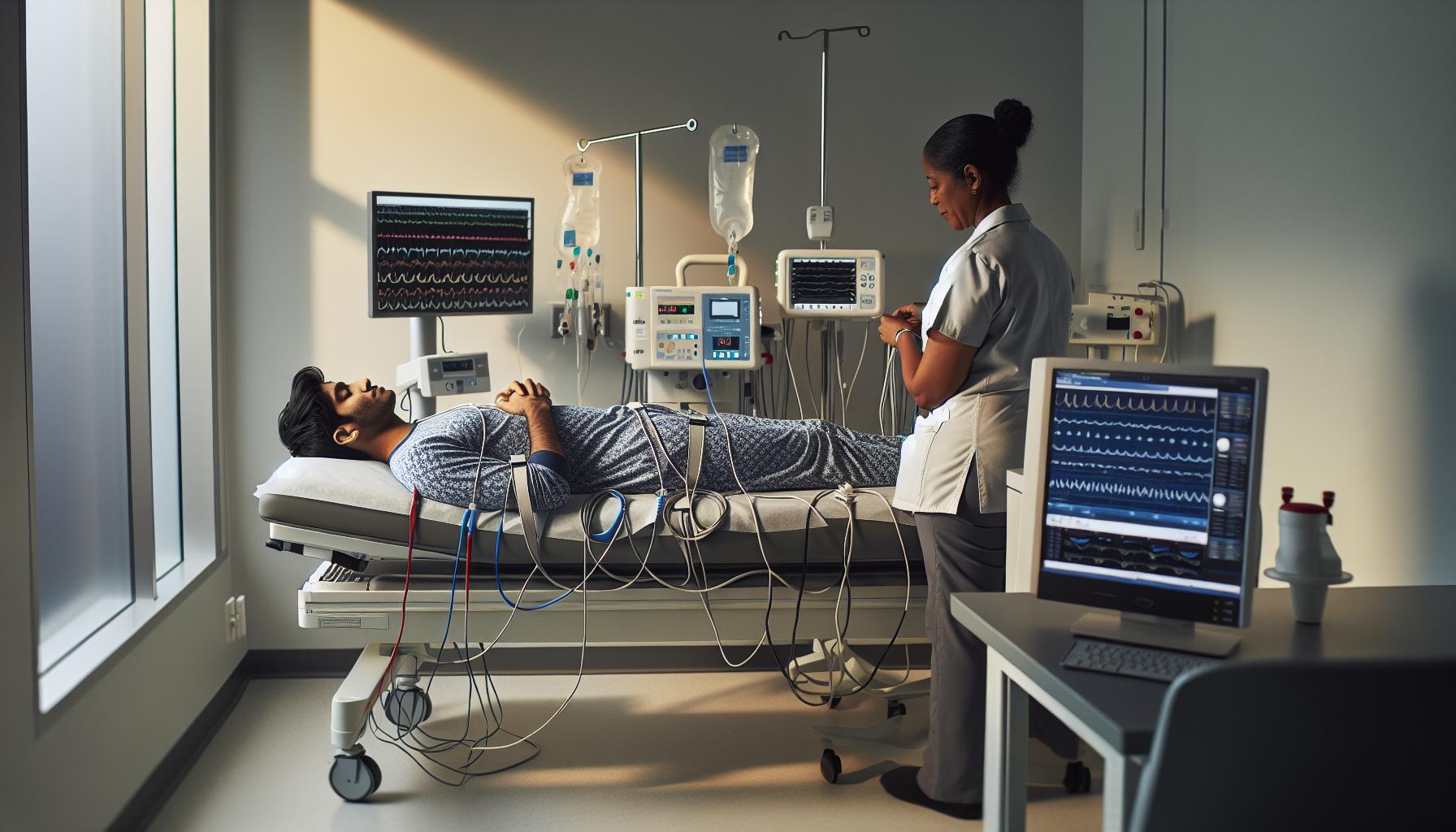
How a Sleep Study Works: An Overview
A sleep study, or polysomnography, is a comprehensive evaluation used to diagnose sleep disorders by monitoring various physiological parameters during sleep. This assessment typically takes place in a dedicated sleep clinic, where patients spend the night under observation. By analyzing brain waves, eye movements, heart rate, and other bodily functions, healthcare providers can gain insight into the patient’s sleep quality and identify potential issues like sleep apnea or narcolepsy.
During the sleep study, patients are required to stay at the clinic for approximately seven to eight hours. This duration is crucial as it allows for a full sleep cycle to be monitored, ensuring that different sleep stages-such as REM and non-REM-are accurately documented. It’s important to note that these studies are not only about the quantity of sleep but also about observing the quality of sleep throughout the night. Healthcare providers will look at various metrics, including oxygen levels in the blood and sleep disruptions, to provide a thorough evaluation.
Preparation for the sleep study is relatively simple but vital for accurate results. Patients are usually advised to refrain from caffeine and alcohol in the days leading up to the test, as these substances can significantly affect sleep patterns. When patients arrive, they will be connected to sensors and monitoring devices that record their sleep activity throughout the night, allowing for a detailed analysis of their sleep behavior.
After the study, healthcare professionals will analyze the data collected to determine any sleep disorders. Patients will typically receive recommendations based on the findings, which may include lifestyle changes, medical treatments, or further testing if necessary. This thorough approach not only helps in identifying sleep-related issues but also paves the way for more informed treatment decisions.
In summary, sleep studies are invaluable tools for diagnosing sleep disorders, and understanding their process can help alleviate any anxieties patients may have about undergoing one. The insights gained from these studies can lead to improved sleep health, benefiting overall well-being.
Typical Duration of Sleep Studies Explained
During a sleep study, also known as polysomnography, patients typically spend about seven to eight hours at a sleep clinic. This timeframe is crucial for capturing a complete picture of the patient’s sleep patterns, allowing clinical staff to monitor the various stages of sleep throughout the night. Surprisingly, the study is usually conducted overnight, meaning that you are able to return home in the morning after completing the test, which can help ease some of the anxiety many feel about spending a night in an unfamiliar setting.
What happens during this duration is more than just counting sheep. The goal is to record a full sleep cycle, which comprises various stages: the lighter stages of non-REM sleep, deep sleep, and REM sleep. Each stage offers unique insights into how well you are sleeping and can help identify potential sleep disorders such as sleep apnea, insomnia, or restless legs syndrome. The clinic staff will closely monitor your brain waves, heart rate, oxygen levels, and even eye movements, using advanced sensors to gather vital information about your sleep quality.
While spending the night at the clinic might feel daunting, most patients find the experience manageable. Prior to your sleep study, you will receive simple instructions to prepare, such as avoiding caffeine and alcohol, which are known to interfere with sleep. When you arrive, the setup involves connecting several non-intrusive sensors to your body; most people adapt quickly. The overall goal is to make the experience as comfortable as possible so that the data collected reflects your normal sleep behavior.
Ultimately, understanding the typical duration of a sleep study can alleviate concerns about the process. By spending this night at the clinic, you’re investing in your health and well-being, potentially unlocking the answers to why you might be struggling with sleep. As you navigate through this journey, remember that the insights gained from this thorough evaluation can lead to more personalized and effective treatment options, enhancing your overall sleep health.
What to Expect: Preparing for Your Sleep Study
Preparing for a sleep study is a crucial step that can significantly influence the accuracy of the results and your overall experience. Knowing what to expect and how to prepare can help alleviate any anxiety about the process. Ideally, you want to approach your sleep study with a sense of readiness, understanding the importance of both the lead-up to the study and the day itself.
A few key preparations can make your night seamless. Most importantly, avoid caffeine and alcohol for at least 24 hours before your sleep study, as these substances can disrupt your normal sleep patterns. This includes refraining from coffee, tea, soda, and even chocolate. Additionally, it’s recommended to maintain your regular sleep schedule in the days leading up to your study, aiming for a consistent routine that mirrors your usual sleep-wake times. This regularity helps ensure that the data collected during your study is a true reflection of your sleep behaviors.
On the day of your sleep study, follow these practical tips to make the most of your experience:
- Shower and Shampoo: Clean your hair and skin because the sensors attached to you will gather better data when there is no residue from hair products or oils.
- Dress Comfortably: Wear loose-fitting, comfortable clothing to help you relax as you settle in for the night.
- Arrive Prepared: Bring any necessary items that will help you feel at ease, such as your favorite pillow or blanket, especially if these items typically help you sleep better.
Upon arrival at the sleep clinic, you’ll go through a brief check-in process before being taken to a private room where the study will occur. Expect to be connected to several non-invasive sensors that monitor your sleep stages, including brain activity and heart rate. These setups may seem intimidating, but many patients quickly adjust. The goal is to create a tranquil environment that mimics your home, as this will enhance the naturalness of your sleep cycle.
Rest assured, the staff will prioritize your comfort and safety, guiding you through each step of the setup process. Understanding these preparatory details empowers you to approach your sleep study with confidence, setting the stage for meaningful insights into your sleep health.
The Different Stages of Sleep Monitored
The intricate dance of sleep unfolds in various stages, each playing a crucial role in your overall health and well-being. During a sleep study, these stages are carefully monitored to provide valuable insights into your sleep architecture. Generally, sleep is categorized into two main types: Non-Rapid Eye Movement (NREM) sleep and Rapid Eye Movement (REM) sleep, which alternate in cycles throughout the night.
NREM sleep is subdivided into three stages, each progressively deeper than the last. The first stage (N1) is light sleep, where you’re easily agitated and can be awakened easily. This stage lasts just a few minutes and accounts for about 5% of your total sleep. As you transition to the second stage (N2), which is the beginning of true sleep, your heart rate slows, and your body temperature drops. This phase constitutes about 50% of your total sleep time. Finally, the third stage (N3) is deep sleep, where the body undergoes significant restoration processes, such as tissue repair and growth. This stage is vital for physical recovery and comprises around 20-25% of sleep time.
After NREM sleep, the cycle shifts into REM sleep, where most dreaming occurs. Your brain is highly active during this stage, almost resembling wakefulness, while your body experiences temporary muscle paralysis. REM sleep is essential for cognitive functions such as learning and memory consolidation and typically begins about 90 minutes after falling asleep, contributing to roughly 20-25% of total sleep.
Monitoring these sleep stages helps sleep specialists diagnose a variety of sleep disorders, including sleep apnea and insomnia. Data collected during a sleep study, such as sleep duration, stage transitions, and disruptions, can reveal how well you are cycling through these stages, providing insight into both the quantity and quality of your sleep. By understanding how your sleep patterns align with these stages, you can make informed decisions about your sleep health and lifestyle changes that may enhance your rest.
Factors Influencing Sleep Study Duration
While sleep studies are designed to gather important data about your sleep patterns, several factors can influence the overall duration of these assessments. Understanding these aspects is essential for anyone considering a sleep study, as they can help set realistic expectations and reduce anxiety surrounding the procedure.
Firstly, the type of sleep study plays a significant role in determining the duration. In-lab polysomnography often takes longer because it involves comprehensive monitoring of multiple parameters, including brain waves, oxygen levels, and heart rate. This type of study typically requires patients to be in the lab for several hours and often through the night, allowing for a full evaluation of sleep cycles and disturbances. In contrast, home sleep apnea tests are generally shorter-usually just one night-since they focus primarily on breathing patterns and oxygen saturation during sleep, using portable devices.
Additionally, individual factors such as your specific sleep disorder and overall health can affect the length of the study. If a patient has complex sleep issues or comorbid conditions, a longer assessment may be required to gather adequate data for a comprehensive diagnosis. For instance, those who exhibit significant variations in sleep quality or who have multiple sleep disorders may be monitored for additional nights to ensure all relevant data is obtained.
Moreover, your sleep environment can also impact the study. For example, disturbances such as noise or discomfort in the lab can lead to fragmented sleep, prompting the need for longer monitoring to capture representative data of your sleep architecture. Techniques to help minimize these disruptions-like comfortable bedding, calming ambient lighting, and soundproofing-are often implemented to enhance the quality of the study.
In summary, understanding the various elements that influence how long a sleep study will last can help demystify the process and empower you to prepare effectively. By having a clear grasp of what contributes to the duration of a sleep study, you can enter the testing phase with greater confidence, knowing what to expect and how best to cooperate with the sleep specialists for accurate results.
What Happens After the Sleep Study?
After a night spent under the watchful eyes of sleep monitoring equipment, you might wonder what happens next. The transition from the sleep study back to your routine can provoke a mix of relief and anticipation. Understanding the follow-up process is essential for making sense of the data collected during your study and how it can inform your health journey.
Once the sleep study concludes, the recorded data is analyzed by a sleep specialist. This process often involves reviewing various metrics such as brain wave activity, heart rate, and oxygen levels throughout the night. Depending on the complexity of your sleep issues, the analysis may take anywhere from a few days to several weeks. Generally, the specialists aim to deliver results within two weeks, but conditions requiring further evaluation might extend this timeline[2[2].
Once the analysis is complete, you’ll receive a detailed report outlining the findings from your sleep study. This document is crucial because it can confirm or rule out sleep disorders such as sleep apnea or narcolepsy. Depending on the outcomes, your doctor will likely schedule a follow-up appointment to discuss the results in detail. This is your opportunity to ask questions about any diagnoses, treatment options, and strategies for improving your sleep.
When it comes to treatment, various options may be available based on your diagnosis. If obstructive sleep apnea is identified, your healthcare provider might recommend lifestyle changes, the use of a CPAP device, or even surgery in severe cases. Conversely, if insomnia or another sleep disorder is diagnosed, strategies may include cognitive behavioral therapy or medications designed to aid sleep. The journey doesn’t end with the study; it’s just the beginning of a tailored approach toward better sleep health.
Ultimately, knowing what follows after a sleep study can ease any anxiety about the process and encourage you to engage fully with your healthcare team. The goal is to transition from uncertainties about your sleep into actionable insights that foster restorative sleep and improve your overall wellbeing.
Understanding Sleep Disorders Identified
Sleep studies play a crucial role in diagnosing various sleep disorders, affecting millions of people. By analyzing the data collected during a sleep study, healthcare professionals can identify underlying conditions that might be disrupting your sleep. Among the most common disorders diagnosed through these studies are obstructive sleep apnea (OSA), insomnia, narcolepsy, and restless legs syndrome (RLS), each presenting distinct symptoms and requiring tailored treatment approaches.
Common Sleep Disorders Identified
- Obstructive Sleep Apnea (OSA): This disorder is characterized by repeated interruptions in breathing during sleep, often accompanied by loud snoring. In a sleep study, special equipment monitors airflow, oxygen saturation, heart rate, and brain wave activity, helping specialists determine the severity of OSA. Effective treatments include lifestyle changes, CPAP machines, or other therapies designed to keep airways open.
- Insomnia: Identified by difficulty falling or staying asleep, insomnia can be acute or chronic. During a sleep study, monitoring brain activity can help differentiate between insomnia caused by anxiety, depression, or other physiological factors. Treatment may involve cognitive behavioral therapy (CBT), sleep hygiene education, or medications to aid sleep.
- Narcolepsy: This neurological disorder, which causes excessive daytime sleepiness and sudden sleep attacks, is evaluated through a sleep study’s multiple sleep latency test (MSLT). This test measures how quickly a person falls asleep in a quiet environment. Understanding narcolepsy often leads to lifestyle adjustments, medication, and sleep management strategies.
- Restless Legs Syndrome (RLS): Characterized by an uncontrollable urge to move one’s legs, often when at rest, RLS can significantly disrupt sleep patterns. Sleep studies help identify periodic limb movements during sleep, providing insight into the severity and impact of the disorder.
Importance of Accurate Diagnosis
Recognizing and understanding these disorders is vital for effective management. Each condition brings its unique challenges and impacts overall health, including relationships and daily functioning. Therefore, receiving an accurate diagnosis through a sleep study can empower individuals to pursue appropriate treatments and lifestyle changes, enhancing their quality of sleep and, by extension, their overall health.
In summary, the insights gained from a sleep study not only inform a diagnosis but also guide targeted treatment plans, ultimately paving the way for improved sleep health and quality of life.
Comparing In-Lab vs. Home Sleep Studies
When it comes to sleep studies, understanding the differences between in-lab and home sleep studies can be crucial for effective diagnosis and treatment of sleep disorders. Both methods have their own unique advantages and may be better suited for different individuals and circumstances.
In-lab sleep studies, also known as polysomnography (PSG), typically take place in a sleep center where patients spend the night. These comprehensive studies track various measurements like brain activity, heart rate, oxygen levels, and eye movements. The controlled environment allows for precise data collection, providing a thorough assessment of sleep disorders such as obstructive sleep apnea (OSA) or narcolepsy. On average, these studies last about 8 hours, aligning with a typical night’s sleep, but the preparation time and setup can add additional hours, making it a lengthier process.
Conversely, home sleep studies (HST) have gained popularity for their convenience and comfort. Conducted in the patient’s home, these studies typically monitor fewer parameters than in-lab studies, focusing mainly on breathing patterns, heart rate, and oxygen saturation. Because they are usually simpler to set up and require less time to prepare, home studies can often be completed in about 5 to 6 hours. They are especially advantageous for patients who may feel anxious about being monitored in a clinical setting, thereby allowing for a more natural sleep experience. However, it’s essential to note that while home studies can be effective for diagnosing certain conditions like OSA, they may not provide the same level of detailed information as an in-lab study.
Cost is another key factor in the choice between the two types of studies. In-lab studies are generally more expensive due to the resources involved. Home sleep tests may cost a fraction of an in-lab study, making them a more accessible option for many patients. However, accurate diagnosis is critical, and in some cases, a doctor may recommend an in-lab study for a clearer picture of a potential sleep disorder.
Ultimately, the decision between in-lab and home sleep studies should be made in consultation with a healthcare provider, taking into account the patient’s specific symptoms, preferences, and individual health needs. Empowering yourself with knowledge about these options can lead to more informed choices about your sleep health.
Sleep Study Equipment: What You’ll Encounter
During a sleep study, you’ll encounter a variety of equipment designed to monitor and analyze your sleep in real-time, ensuring that healthcare professionals can gather the necessary data to diagnose any potential sleep disorders. This equipment may appear complex, but understanding its role can help alleviate some of the anxiety associated with the procedure.
In an in-lab sleep study, you can expect to be hooked up to several sensors and monitors. Here’s a look at what you might typically encounter:
Types of Equipment
- Electrodes: These are small, sticky sensors attached to your forehead and scalp to monitor brain activity. They’ll help measure electrical impulses, giving insight into different sleep stages.
- Heart Rate Monitor: A sensor placed on your chest tracks your heart rate throughout the night, enabling healthcare providers to check for any irregularities.
- Oximeter: This clamp-like device fits on your fingertip or earlobe to measure blood oxygen levels. Low oxygen during sleep can indicate problems like sleep apnea.
- Respiratory Sensors: Bands may be placed around your chest and abdomen to monitor your breathing patterns, detecting pauses in breathing or changes in airflow.
- Video Monitoring: Some facilities may include video recording to observe body movements during sleep, which can be important for conditions like REM sleep behavior disorder.
Setting up this equipment is generally straightforward and done by a trained sleep technician who will ensure everything is properly placed and comfortable. You might feel a bit of discomfort from the electrodes or the bands, but they are designed to allow for easy movement while you sleep.
Home Sleep Study Equipment
If you’re undergoing a home sleep study, the equipment will be less extensive but still effective. Typically, you’ll utilize a smaller device that might monitor your breathing and oxygen levels, often worn on your head or face. This equipment is user-friendly, with clear instructions provided by your healthcare provider on how to set it up.
Having a solid understanding of what to expect can make your sleep study experience much more comfortable and less intimidating. The goal of all this equipment is simple: collect data while you rest so you can achieve better sleep health in the future.
Insurance Coverage and Sleep Studies
The financial aspect of undergoing a sleep study can often be a major concern for many individuals, particularly when it comes to understanding what your insurance might cover. It’s essential to know that sleep studies can range significantly in cost, with home sleep tests typically falling between $150 and $1,000, and in-lab studies costing between $1,000 and $10,000 depending on various factors like the type of test administered and your geographic location. Fortunately, many insurance providers, including Medicare and Medicaid, offer coverage for sleep studies, especially for those suspected of having obstructive sleep apnea, alleviating some of the financial burden associated with these tests [[1]].
When considering a sleep study, it’s advisable to contact your insurance company beforehand to clarify the specific coverage details. After meeting any applicable deductibles, many plans require you to pay a percentage of the Medicare-approved amount for the services rendered. For those covered by Medicare, for instance, you’re typically responsible for 20% of the cost after the deductible is met [[2]]. It’s important to ask your healthcare provider about the necessity of the tests and whether certain services are not covered. This proactive approach can help you avoid unexpected costs.
More importantly, understanding your insurance coverage can ease the anxiety surrounding a sleep study, allowing you to focus on your health rather than the potential financial implications. Comprehensive conversations with your healthcare provider can also shed light on the specific tests you need and their alignment with insurance policies, ensuring that you receive the appropriate care without excessive out-of-pocket expenses.
Debunking Common Myths About Sleep Studies
Many people are unsure about what to expect from a sleep study, leading them to form misconceptions that can heighten their anxiety about the process. One common myth is that sleep studies are only for individuals with severe sleep disorders. In reality, they can be beneficial for anyone experiencing sleep issues, regardless of severity. These studies help identify a range of disorders from sleep apnea to insomnia and even help pinpoint issues like periodic limb movement disorder [[1]].
Another widespread concern is the belief that sleep studies are invasive and uncomfortable. In fact, most in-lab studies involve simply sleeping in a comfortable bed while being monitored by non-intrusive sensors. You won’t be hooked up to daunting machinery but rather wear lightweight sensors that track your sleep stages and vital signs. Home sleep tests further simplify the experience, allowing you to test in the comfort of your own bed, with an easy-to-use device that records your sleep patterns [[3]].
Many individuals are also misled about the amount of sleep they actually achieve during a study. It’s a misconception that participants must sleep a full eight hours for the study to be valid. The truth is, even a shorter sleep duration can provide essential data, as the aim is to observe your natural sleeping patterns and behaviors, not measure a specific quantity of sleep [[2]].
As you explore the various aspects of sleep studies, it’s essential to recognize that these evaluations are not just a series of tests but a pathway to understanding your health better. Engaging in open discussions with your healthcare provider can demystify the process, ensuring you feel informed and prepared going into your sleep study.
Real Experiences: When to Consider a Sleep Study
If you find yourself waking up feeling exhausted or struggling to fall asleep at night, it might be time to consider a sleep study. Many people think that these studies are only for those with severe sleep disturbances, but that couldn’t be further from the truth. Sleep studies can help individuals who experience a wide range of symptoms-everything from excessive daytime sleepiness and loud snoring to insomnia or restlessness at night.
Identifying When You Need a Sleep Study
Here are some key indicators to help you determine if a sleep study is right for you:
- Persistent Daytime Fatigue: If you regularly feel lethargic or unable to concentrate during the day despite getting what you think is enough sleep, this may signify an underlying issue that warrants investigation.
- signs of Sleep Apnea: Symptoms such as loud snoring or gasping for air during sleep can be signs of sleep apnea, a serious condition that can lead to other health problems if left untreated.
- Insomnia or Disrupted Sleep Patterns: Difficulty falling asleep, waking frequently during the night, or experiencing restless sleep can prompt a referral for a sleep study to better understand these patterns.
Many users who have undergone sleep studies report that they initially felt uneasy about the process or even thought it might disrupt their sleep. However, the overwhelming feedback is that the testing environment is surprisingly comfortable. Technicians monitor various aspects of your sleep without interruptions, allowing healthcare providers to gather the insights necessary to diagnose sleep disorders accurately.
Making an Informed Decision
It’s essential to have open conversations with your healthcare provider if you suspect you might have a sleep disorder. They can guide you through the process, help address your anxieties, and discuss whether a sleep study is the best avenue to explore your symptoms. Many insurance plans cover necessary sleep studies, making this a feasible option for many individuals seeking answers to their sleep-related difficulties. By understanding the reasons for your sleep issues and considering a study, you’re taking an essential step towards enhancing your overall well-being.
Faq
Q: How long do you typically sleep during a sleep study?
A: During a sleep study, patients typically sleep for 6 to 8 hours. This duration allows for sufficient data collection to analyze sleep patterns and diagnose sleep disorders.
Q: What time do sleep studies usually start?
A: Sleep studies usually begin in the evening, around 8 to 10 PM. This timing helps simulate a normal sleep schedule, allowing technicians to capture comprehensive sleep data.
Q: Can you wake up during a sleep study?
A: Yes, it’s common for patients to wake up briefly during a sleep study. However, the goal is to minimize disturbances so that accurate sleep data is recorded throughout the night.
Q: Do you need to sleep the entire time during a study?
A: No, while sleeping is essential, patients don’t need to remain asleep the entire duration. Periodic awakenings are normal and expected, as the study monitors different stages of sleep.
Q: How is a sleep study different for children?
A: For children, a sleep study lasts about the same duration (6-8 hours), but may incorporate child-friendly preferences to help them feel more comfortable and relaxed through the process.
Q: What happens if I can’t sleep during the study?
A: If you struggle to sleep, the technicians will try to help you relax. Even if you don’t sleep well, valuable data can still be gathered based on your sleep stages.
Q: Does the equipment affect sleep quality during the study?
A: While the equipment may feel unfamiliar, sleep study setups are designed to minimize discomfort and do not significantly interfere with sleep quality. Patients often acclimate after initial adjustment.
Q: How can I prepare for a sleep study to ensure I sleep well?
A: To prepare, ensure you avoid caffeine and naps on the day of the study. Follow pre-study instructions to create a conducive sleeping environment and promote better sleep quality during the test.
The Way Forward
Understanding how long you sleep during a sleep study is crucial for uncovering the underlying issues affecting your rest. These insights can empower you to take proactive steps toward improved sleep health. If you still have questions or concerns, don’t hesitate-explore our helpful articles on the differences between in-lab and at-home sleep studies, or learn more about the common signs that may indicate a sleep disorder.
Ready to take control of your sleep? Sign up for our newsletter for the latest updates and tips on sleep health, or consider scheduling a consultation with our sleep specialists. Remember, achieving better sleep starts with knowledge. By engaging with our content, you can reduce anxiety about sleep studies and navigate your options confidently. Explore more today and empower your journey to restful nights!
Get our latest guides, news, and insights highlighted in your Google Search & AI Overviews.