
Did you know that sleep disorders affect millions of Americans, often leading to serious health concerns? A sleep study can be vital for diagnosing these issues, helping you reclaim restful nights and improve overall well-being. However, many are left wondering about the costs associated with these studies. In this article, we’ll explore the national price survey of sleep studies in the U.S., providing you with essential insights into what to expect, how to navigate insurance, and determining the best options for your sleep health. Understanding these factors can empower you to make informed decisions about your sleep treatment journey. Let’s dive in and simplify the process, making the path to better sleep clearer and more accessible.
Understanding Sleep Study Costs in the US
Understanding the costs associated with sleep studies is crucial for those seeking to address potential sleep disorders. In the United States, the price of a sleep study, which can range significantly based on various factors, often surprises patients. On average, the cost typically falls between $1,000 and $3,000 for an in-lab sleep study. However, prices can soar upwards of $6,000 depending on the extent of testing required and the facility chosen.
Several factors influence these prices, including the geography of the testing site, the specific type of study being conducted, and whether you’re undergoing a standard polysomnography or a specialized test assessing additional conditions. For example, sleep studies performed in metropolitan areas may be more expensive than those in rural settings. The technician’s experience and the reputation of the sleep center also play significant roles in determining the cost.
Insurance coverage is another significant consideration. Many insurance plans cover sleep studies, but the extent can vary. Typically, a referral from a physician is required for insurance reimbursement, and understanding your policy details can help demystify potential out-of-pocket expenses. Before scheduling your sleep study, it’s advisable to consult with your insurance provider to get a clear picture of your financial responsibilities.
Furthermore, it’s essential to note that there are alternatives to traditional in-lab sleep studies, such as at-home tests, which can be less expensive. However, while they may offer convenience, they often lack the comprehensive analysis provided in a lab setting. Thus, weighing the pros and cons of each option is vital to making an informed decision on how best to proceed with evaluating your sleep health.
Factors Influencing Sleep Study Prices
Pricing for sleep studies can vary widely, leaving many curious about what factors contribute to these costs. Understanding these elements is crucial for anyone considering a sleep study, especially as many insurance plans may help offset expenses. On average, in-lab sleep studies range from $1,000 to $3,000, with prices potentially exceeding $6,000 depending on factors such as location, study type, and facility reputation.
Geographic Location
The cost of a sleep study can dramatically differ based on where it’s conducted. Typically, sleep studies performed in metropolitan areas tend to be more expensive than those in rural settings. This price discrepancy is often attributed to higher operational costs, including rent and staffing in urban centers. In contrast, rural facilities may have lower overheads, reflecting in more affordable pricing.
Type of Sleep Study
The kind of study is another significant determinant of the overall cost. A standard polysomnography, which monitors brain waves, oxygen levels, heart rate, and breathing patterns, can differ in price from specialized tests, such as those assessing conditions like sleep apnea or restless leg syndrome. For instance, comprehensive studies involving additional monitoring or multiple sleep cycles might come at a premium.
Facility Quality and Technician Expertise
The facility’s reputation plays a key role in determining study costs. Accredited sleep centers may charge higher fees due to their advanced technology and experienced staff. Facilities with top ratings typically invest in better equipment and highly trained technicians to ensure accurate results for patients, which can also drive up costs.
Insurance Coverage and Referrals
Navigating insurance coverage can be complicated, yet it’s essential for managing costs. Most insurance plans cover sleep studies, albeit with variability. Often, a referral from a physician is required to qualify for reimbursement, so understanding your insurance plan’s details is vital. Before scheduling your study, contacting your insurance provider can clarify potential out-of-pocket expenses and financial responsibilities.
By considering these factors, individuals can better prepare and make informed decisions regarding sleep studies, ultimately paving the way for healthier sleep and lifestyle changes.
Types of Sleep Studies: Which One Do You Need?
Choosing the right sleep study can feel overwhelming, but understanding the options available can help you make an informed decision about your sleep health. Sleep studies, also known as polysomnographies, can diagnose various sleep disorders, but the type of study you need largely depends on your symptoms and medical history.
The most common form of sleep study is the polysomnography (PSG), which records brain activity, heart rate, breathing, and other physiological data during sleep. This comprehensive assessment is often necessary for diagnosing sleep apnea, insomnia, restless leg syndrome, and other conditions. If sleep apnea is suspected, your doctor might recommend a home sleep apnea test (HSAT). This less invasive option can often be done in your own bed, typically focusing on measuring your breathing patterns and blood oxygen levels while you sleep.
Types of Sleep Studies
- Polysomnography (PSG): A detailed, in-lab test that monitors multiple body functions to evaluate sleep disorders.
- Home Sleep Apnea Test (HSAT): A simplified test for diagnosing sleep apnea, performed at home with basic monitoring equipment.
- Split-Night Study: This combines diagnostic and therapeutic phases for patients already diagnosed with sleep apnea, where the first half is observation, and the second half is the administration of CPAP therapy.
- Multiple Sleep Latency Test (MSLT): Conducted during the day after a PSG, this test helps diagnose narcolepsy by measuring how quickly you fall asleep in a quiet environment.
Each type of sleep study comes with its own setup requirements and costs, which can vary considerably. Expect a full PSG to be on the higher end of the price spectrum, potentially exceeding $3,000, especially when conducted in a hospital setting. Home tests are generally more affordable, often ranging from $150 to $500, depending on the provider and location.
Choosing the right sleep study should involve a discussion with your healthcare provider, who can tailor recommendations to your specific situation. By thoughtfully considering your symptoms and the nature of your sleep issues, you can pinpoint the best option for you, leading to improved sleep and overall health.
Insurance Coverage for Sleep Studies Explained
Navigating insurance coverage for sleep studies can often feel daunting, yet understanding how your plan may respond to these diagnostic tests is essential for effective sleep health management. Insurance companies typically categorize sleep studies, such as polysomnography (PSG) and home sleep apnea tests (HSAT), as medically necessary if your healthcare provider can demonstrate that they are essential for diagnosing a condition like sleep apnea, narcolepsy, or insomnia.
Coverage can vary significantly based on your insurance plan, and it’s crucial to verify whether sleep studies are included. Many insurers will cover a PSG when it is prescribed by a qualified healthcare provider, especially if you show characteristic symptoms such as excessive daytime sleepiness or loud snoring. In contrast, HSATs may face different criteria for approval, potentially leading to out-of-pocket expenses. To maximize coverage, obtain a pre-authorization when required, and check for any specific criteria that your insurer has set forth.
Key Steps to Ensure Coverage
- Consult Your Doctor: Collaborate with your doctor to assess the necessity of the sleep study, which will be pivotal for insurance approval.
- Pre-Authorization: Some plans may require pre-authorization before your sleep study. Check with your insurance provider to avoid unexpected costs.
- Know Your Benefits: Review your policy to understand co-pays, deductibles, and out-of-pocket maximums related to sleep studies. This knowledge can prevent surprises.
- Follow-up on Claims: If your insurance claim is denied, promptly appeal the decision. Many claims are initially denied due to clerical errors.
Remember, having detailed notes regarding your symptoms and how they impair your daily life can strengthen your case when filing for coverage. This proactive approach not only helps in getting the needed tests but also alleviates some of the anxiety around seeking professional help for sleep issues. By understanding insurance intricacies and advocating for your sleep health, you can move closer to finding effective solutions for improved well-being.
What to Expect During a Sleep Study
Understanding what happens during a sleep study can significantly alleviate any apprehensions you may have. This diagnostic process is designed to gather critical data about your sleep patterns and any associated disorders, allowing healthcare professionals to offer tailored recommendations for improving your sleep quality. Most commonly, sleep studies occur in a clinical setting, although at-home options are gaining traction. Regardless of the location, knowing what to expect can be comforting as you prepare for this important evaluation.
During an in-lab sleep study, you will be welcomed into a comfortable, monitored sleeping environment. Expect to arrive in the evening, where a sleep technician will assist with setup. They’ll attach sensors to various parts of your body, including your scalp, face, chest, and legs, using adhesive patches. These sensors monitor brain waves, oxygen levels, heart rate, and respiratory effort. It sounds more daunting than it is; the sensors are non-invasive and designed for your comfort. You’ll be asked to relax and attempt to fall asleep as you normally would, with the technician on-site to ensure everything runs smoothly.
For those opting for an at-home sleep study, the experience is somewhat different. Here, you’ll receive a portable device that you’ll wear on one night. While you’ll still have to attach sensors, there’s less setup involved, and you have the advantage of staying in your own space. These devices typically monitor breathing patterns, heart rate, and oxygen saturation. The simplicity of an at-home test often appeals to many, but it’s essential to follow the provided instructions closely to ensure accurate readings.
Regardless of the type of study you undergo, it’s crucial to remember that sleep studies are an integral part of diagnosing issues such as sleep apnea or restless leg syndrome. Should you feel anxious, discussing your concerns with the sleep technician can help ease your mind, as they are experienced in making you feel at ease during the process. This proactive understanding and preparation enable you to approach your sleep study with confidence, paving the way for better sleep health.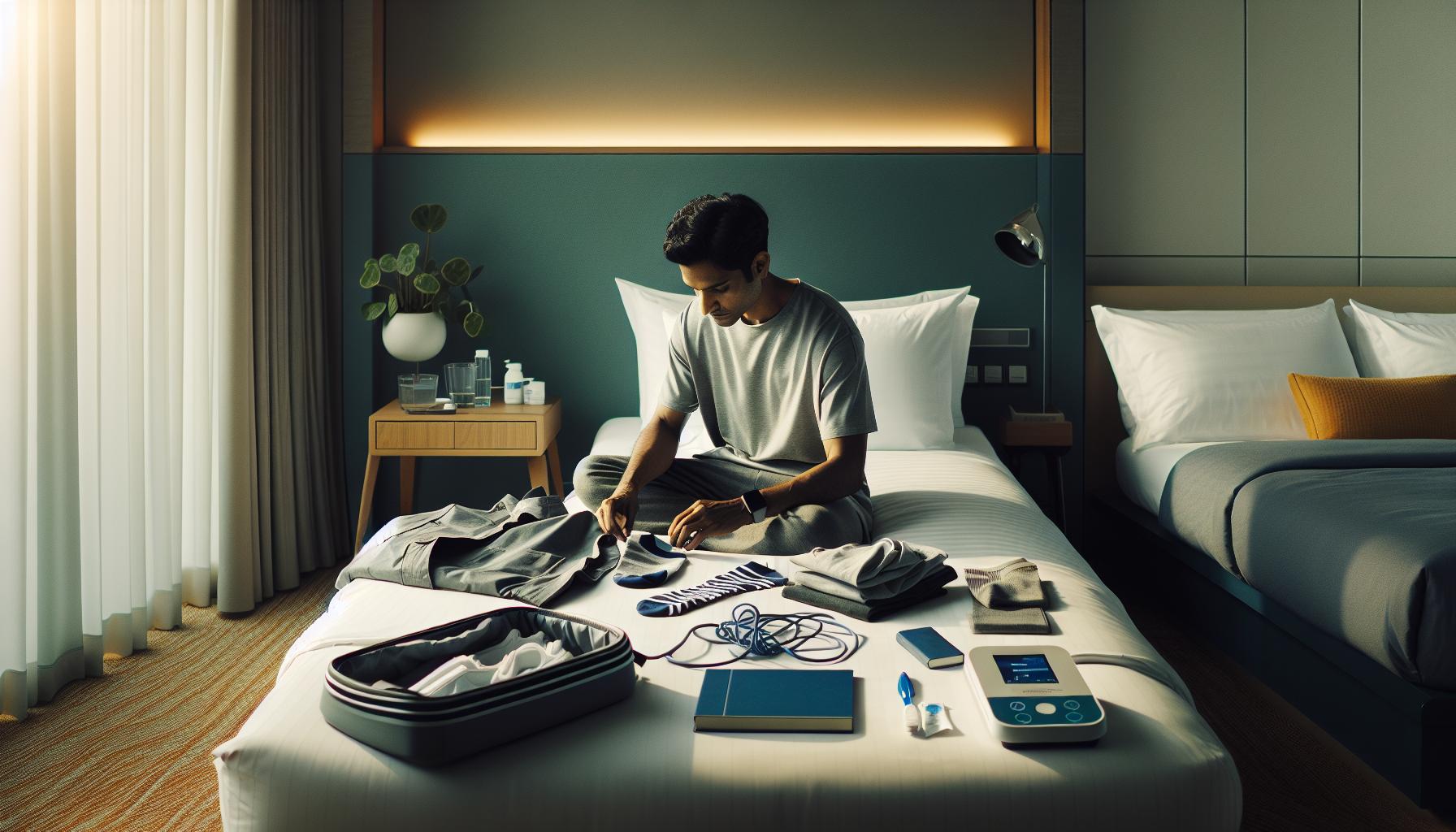
Preparing for Your Sleep Study: Essential Tips
When preparing for a sleep study, understanding what to expect can significantly ease any anxiety. Sleep studies, whether in-lab or at-home, are designed to collect essential data about your sleep patterns and diagnose potential sleep disorders like sleep apnea. The preparation phase is crucial for ensuring accurate results, so here are some key tips to help you get ready.
Know the Basics
Before your sleep study, confirm your appointment details, including the location, time, and what to bring. For in-lab studies, arrive with plenty of time to spare. You’ll need to check in and may have some paperwork to complete. If you’re undergoing an at-home study, ensure you have the necessary equipment ordered and confirm the instructions for use.
Adjust Your Sleep Schedule
In the days leading up to the study, try to maintain your regular sleep schedule. Going to bed and waking up at the same time can help keep your sleep-wake cycle consistent, leading to more accurate data. Avoid naps if possible, especially the day before the study, so you’ll be naturally tired when it’s time to sleep.
Limit Stimulants
On the day of the study, it’s wise to limit or eliminate caffeine and nicotine intake. Both can interfere with your ability to fall asleep. Instead, stay hydrated but avoid excessive drinking right before bed to minimize bathroom trips during the night.
Dress Comfortably
When you arrive for your sleep study, wear loose, comfortable clothing. In lab studies, you’ll likely need to wear a gown, but for home studies, ensure your sleepwear doesn’t interfere with the sensors for accurate monitoring. Pack any items that might help you sleep better, like a favorite pillow or blanket.
Discuss Concerns with Your Technician
Feeling nervous about the sleep study is entirely normal, so don’t hesitate to discuss any concerns with the sleep technician. They can provide reassurance and answer any questions you might have, making the process more comfortable.
By following these tips, you can feel more prepared and confident as you approach your sleep study, paving the way for more insightful data and better sleep health.
At-Home Sleep Studies vs. In-Lab Studies
When it comes to understanding sleep studies, knowing the difference between at-home and in-lab options can help you make an informed decision that suits your needs and budget. At-home sleep studies are designed for convenience and comfort, allowing you to sleep in your own bed while monitoring your sleep patterns. These studies typically require you to use a portable device that records data such as your breathing patterns and oxygen levels. Costs for at-home studies can be lower than traditional in-lab studies, making them an appealing option for individuals concerned with sleep apnea or other sleep disorders.
On the other hand, in-lab studies, also known as polysomnography, provide a comprehensive overview of your sleep through a controlled environment. During these studies, you are monitored in real-time by technicians who evaluate various factors, such as brain activity, heart rate, and muscle tension. While they tend to be more expensive, in-lab studies provide a thorough analysis that can be crucial for diagnosing complex sleep disorders. If you experience severe symptoms, an in-lab test may be more suitable despite the higher cost.
In considering which option is best for you, think about your symptoms, comfort levels, and insurance coverage. For instance, if your physician suspects conditions that require detailed analysis, an in-lab study may be best. However, if you have mild symptoms and prefer a more relaxed environment, an at-home study could suffice. Additionally, it’s worth checking with your insurance provider to understand what types of studies are covered.
Ultimately, both at-home and in-lab studies have their benefits, and understanding these can empower you to take charge of your sleep health. With the right preparation and mindset, navigating either option can reduce the anxiety often associated with sleep testing, leading to clearer insights about your sleep quality and overall health.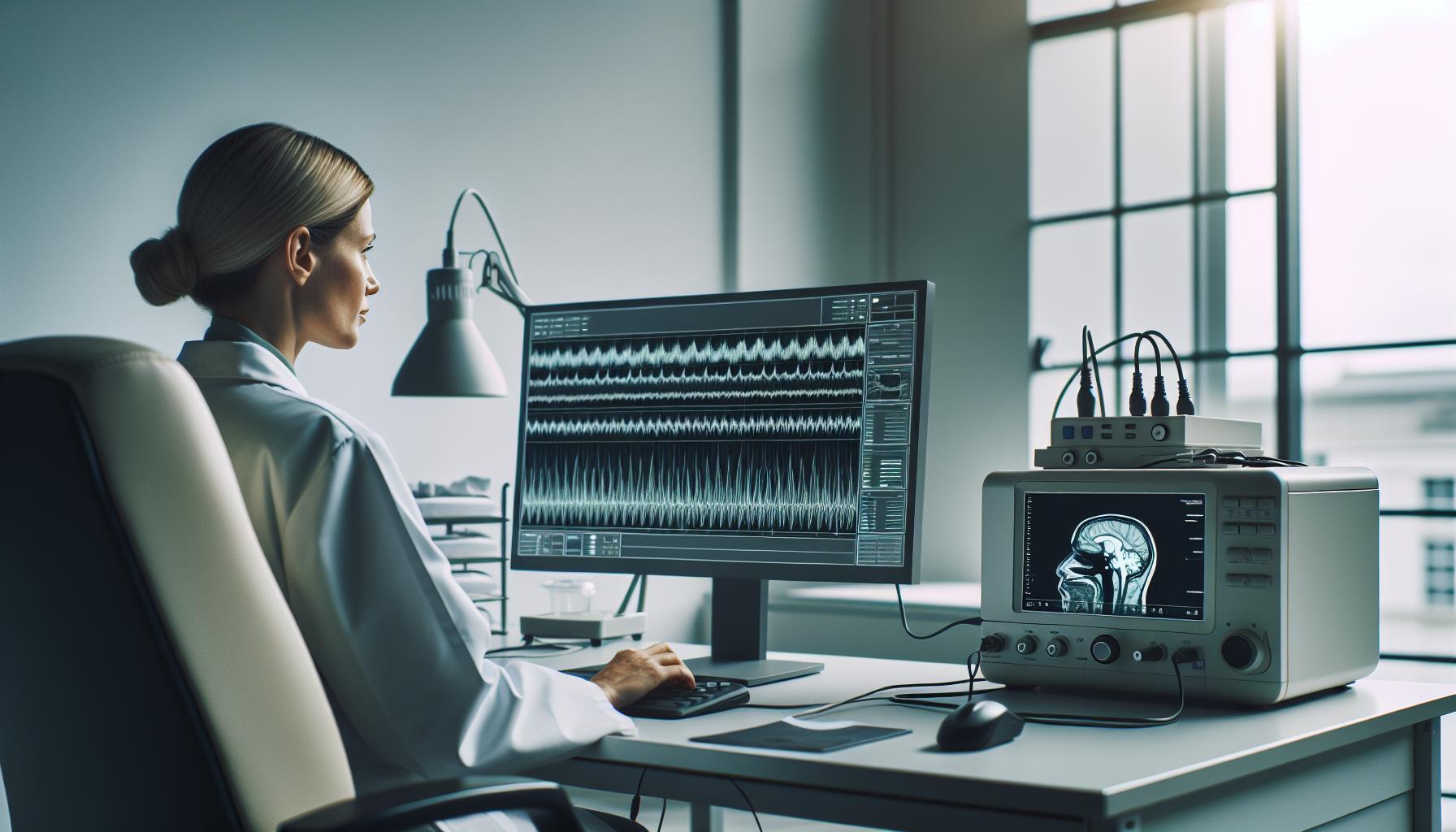
Evaluating Sleep Study Results: What They Mean
Understanding the results of your sleep study can feel overwhelming, but breaking down the findings can help provide clarity and a path forward. In essence, the results will typically highlight the presence of any sleep disorders such as sleep apnea, insomnia, or restless leg syndrome. For instance, polysomnography results can show how often you wake during the night, your sleep stages, and any disruptions in breathing. Recognizing these patterns is key to understanding your sleep health.
Key Metrics in Sleep Study Results
Certain metrics are essential in evaluating your sleep study results. Here are some key components you should be aware of:
- AHI (Apnea-Hypopnea Index): This number represents the severity of sleep apnea. A lower AHI indicates fewer interruptions in breathing, while a higher AHI suggests more significant breathing problems.
- Sleep Stages: Your results will categorize the time spent in different sleep stages: light sleep, deep sleep, and REM sleep. Balance in these stages is necessary for restorative sleep.
- Oxygen Levels: Monitoring your oxygen saturation levels during sleep can reveal episodes of hypoxemia, where your body isn’t getting enough oxygen, typically seen in sleep apnea.
- Sleep Latency: This measures how long it takes you to fall asleep. A longer sleep latency might indicate insomnia or other sleep disorders.
Understanding these metrics allows you to take actionable steps toward improving your sleep health. Be sure to discuss your results with your healthcare provider; they can explain what these numbers mean for you personally and recommend next steps, such as lifestyle adjustments or treatment options.
Next Steps After Receiving Results
Once you have your results, consider the following actions:
- Consult with a Sleep Specialist: They can provide expert insight into your results and help tailor a treatment plan suited to your needs.
- Track Changes: Use a sleep diary or wearable technology to monitor changes in your sleep patterns after implementing any recommended solutions.
- Educate Yourself: Knowledge about sleep disorders can empower you to make informed decisions regarding your treatment and lifestyle changes.
Being proactive and informed can significantly improve your journey toward better sleep. Understanding your results is the first step in making meaningful changes to enhance your sleep health and overall quality of life.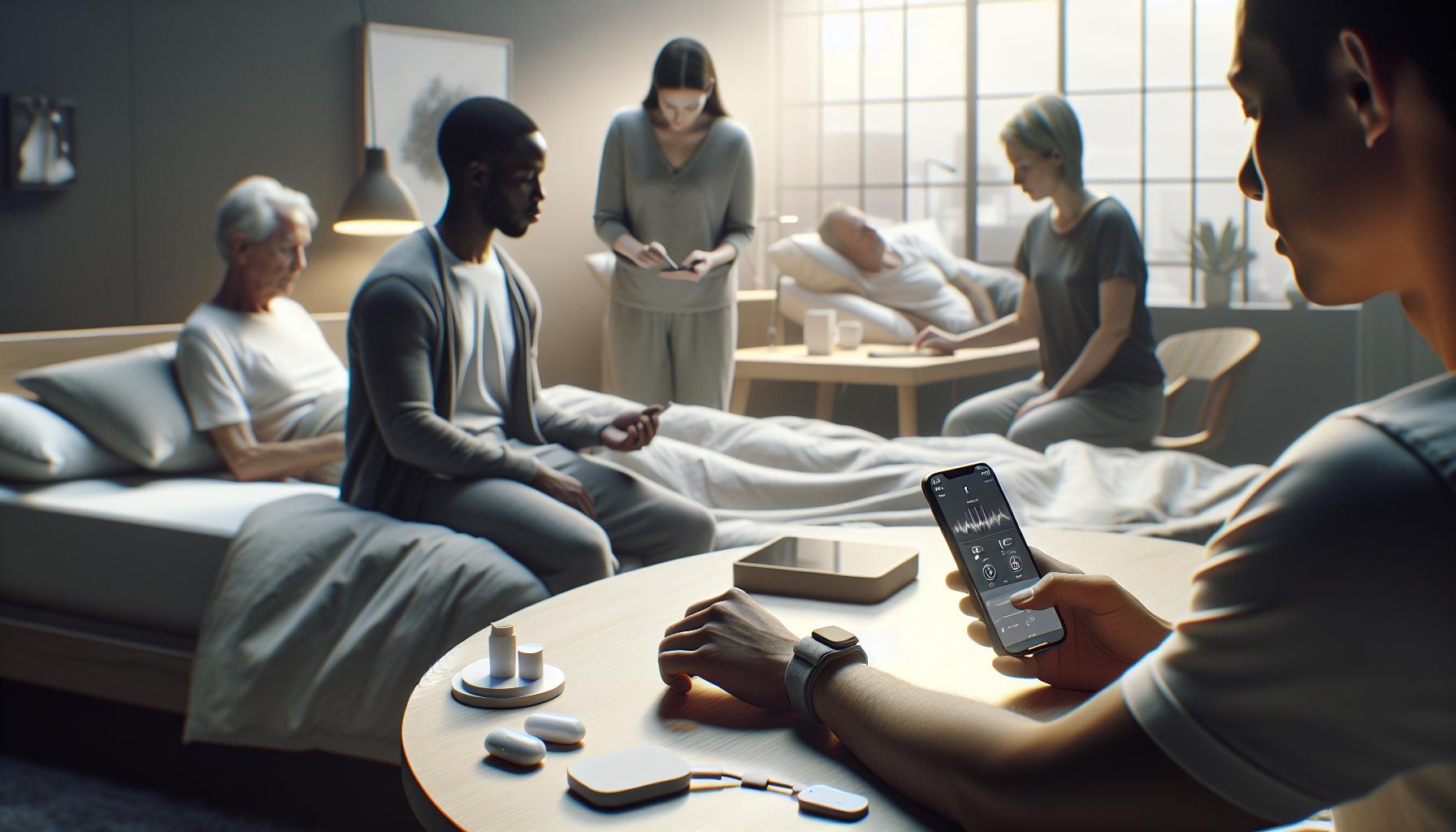
Alternatives to Traditional Sleep Studies
Exploring can be an empowering step for those seeking insights into their sleep health without the logistical challenges or costs of in-lab testing. While polysomnography, the gold standard for diagnosing sleep disorders, may provide comprehensive data, there are increasingly effective methods available that cater to a variety of needs and preferences.
One popular alternative is the at-home sleep study, which can be significantly more affordable and convenient than in-person evaluations. These studies utilize portable monitoring devices to track your sleep patterns in the comfort of your own home. With devices measuring factors like oxygen levels and heart rate, many people find that these tests offer sufficient insight into potential issues like sleep apnea. The cost of at-home tests generally ranges from $150 to $300, compared to $1,000 or more for in-lab studies, making them an accessible option for many.
Wearable technology also provides a viable alternative for monitoring sleep. Fitness trackers and smartwatches equipped with sleep-tracking capabilities can collect data regarding your sleep duration and quality. While these devices may lack the diagnostic precision of formal sleep studies, they can highlight trends that warrant further exploration. Common options include the Apple Watch and various models from Fitbit, with prices ranging from $100 to $300. However, it’s essential to remember that these devices are not substitutes for professional evaluation but rather tools to identify potential sleep issues that should be discussed with a healthcare provider.
Additionally, innovative solutions like sleep apps are emerging, which can be used for self-assessment. These applications often include features to log sleep habits and provide tips for improving sleep quality. Although app-based methods are less precise than monitored studies, they can offer valuable feedback and encourage healthier sleep routines. Many apps are free or available for a nominal fee, making them an appealing entry point for those new to sleep management.
In evaluating your sleep health, understanding the capabilities and limitations of these alternatives is crucial. They may not replace comprehensive assessments needed for complex conditions; however, they can serve as stepping stones toward better sleep. When considering whether to pursue a comprehensive sleep study or one of these alternatives, it’s vital to weigh your specific symptoms, concerns, and preferences. Don’t hesitate to consult with a sleep specialist who can help guide your decision based on your individual needs and circumstances.
The Role of Wearable Technology in Sleep Monitoring
Wearable technology has revolutionized the way we approach sleep monitoring, providing users with insights that were once limited to clinical settings. Devices like smartwatches and fitness trackers not only count steps or monitor heart rates but also offer detailed analyses of sleep patterns. This technology empowers users to track their sleep quality, duration, and even disturbances throughout the night. With a price range between $100 to $300, wearables are an accessible and affordable option compared to the often hefty cost of in-laboratory sleep studies, which can exceed $1,000.
Utilizing sensors that measure movement and physiological signals, wearables can help users identify trends and potential issues that may merit further investigation. For instance, devices like the Apple Watch and various Fitbit models use advanced algorithms to assess how long a user spends in different sleep stages-light, deep, and REM sleep. However, while these devices provide valuable data, it’s important to recognize their limitations. They cannot diagnose sleep disorders like sleep apnea with the same accuracy as a formal sleep study, which records brain activity and other critical information in a clinical environment.
After gathering data from these wearable devices, users can make informed decisions about their sleep health. If patterns suggest a potential sleep disorder, it’s advisable to consult with a sleep specialist who can recommend a comprehensive sleep study. For example, if you consistently see patterns of disrupted sleep or excessive restlessness, these could potentially indicate underlying conditions requiring professional evaluation. Overall, wearables can serve as a first step in understanding one’s sleep health, prompting users to seek additional help if necessary.
In summary, while wearable technology is a tremendous tool for monitoring sleep, its role should be viewed as complementary to professional sleep assessments. As you explore your sleep health, consider integrating these devices into your routine while staying informed about when to seek further assistance from healthcare providers.
Comparing Prices: Wearables vs. Professional Sleep Tests
The cost of sleep studies can be daunting, often exceeding $1,000 for in-lab tests, while wearable devices offer a significantly lower entry point, averaging between $100 to $300. These stark contrasts in pricing highlight a crucial consideration for consumers looking to manage their sleep health effectively. But how do you decide which option suits you best?
With professional sleep tests, particularly polysomnography, you receive a comprehensive evaluation. These studies use sensors to monitor various bodily functions, including brain activity, heart rate, and oxygen levels. This detailed data helps healthcare providers diagnose conditions such as sleep apnea or restless leg syndrome with a high degree of accuracy. However, the financial commitment involved can be a barrier for many individuals seeking answers about their sleep issues.
In contrast, wearables provide a budget-friendly alternative. Devices like smartwatches and fitness trackers can monitor your sleep patterns, offering insights into duration and sleep quality. While these technologies empower users with knowledge about their sleep habits, it is important to note their limitations. Wearables lack the capability to diagnose sleep disorders accurately, as they primarily use motion and indirect physiological measurements rather than the comprehensive data gathered in a clinical setting.
Cost Comparison Table
| Method | Average Cost | What It Measures | Diagnosis Capability |
|---|---|---|---|
| In-Lab Sleep Study | $1,000+ | Brain activity, heart rate, oxygen levels | High accuracy |
| At-Home Sleep Study | $300-$900 | Some physiological signals, movement | Moderate accuracy |
| Wearable Devices | $100-$300 | Movement, sleep duration, sleep stages | Low accuracy |
Choosing between a wearable and a formal sleep study often comes down to your specific needs and circumstances. If you are simply looking to track your sleep patterns or understand your habits, starting with a wearable is a sensible approach. However, if wearables indicate potential issues-such as consistently poor sleep quality or symptoms of sleep apnea-it may be time to consult a healthcare provider and consider a professional sleep study for a thorough evaluation. Always prioritize your sleep health and seek professional advice when necessary to ensure you make the best choices for your well-being.
When to Seek Professional Help for Sleep Issues
Experiencing sleep issues can be frustrating and exhausting, but understanding when to reach out for professional help can greatly improve your overall well-being. If you find that poor sleep quality is affecting your daily life-such as your mood, productivity, or health-it might be time to consider consulting a healthcare professional. Here are some key indicators that suggest you may need a sleep study or professional evaluation:
- Consistent Sleep Disruptions: If you regularly wake up during the night or struggle to fall asleep for more than three nights a week, this could be a sign of an underlying sleep disorder.
- Daytime Fatigue: Persistent tiredness or difficulty staying awake during daytime activities could indicate conditions like sleep apnea.
- Snoring or Gasping: Loud snoring or episodes of gasping for air during sleep are common symptoms of sleep apnea, warranting a professional assessment.
- Unusual Sleep Behaviors: Experiencing behaviors like sleepwalking, night terrors, or talking in your sleep may require a closer evaluation.
- Impact on Mental Health: If your sleep struggles are contributing to anxiety or depression, this is a crucial reason to seek professional guidance.
### Understanding the Need for a Sleep Study
Sleep studies can produce valuable insights. These evaluations, especially polysomnography, monitor various bodily functions like brain activity, heart rate, and oxygen levels, offering a comprehensive view of your sleep cycle. While this diagnostic tool can feel daunting due to costs-often exceeding $1,000 for in-lab studies-investing in your sleep health is critical if you’re facing severe issues.
### When to Leverage Wearable Technology
Before committing to a formal sleep study, utilizing wearable technology can be a smart first step. Devices like smartwatches and fitness trackers can provide preliminary insights into your sleep patterns and quality. If these wearables indicate poor performance or if you’re curious about specific sleep metrics, it’s worth following up with a healthcare provider. Remember, while wearables can empower you with knowledge, their diagnostic accuracy is limited, and they should not replace professional evaluation when significant issues arise.
Seeking help for sleep problems is a proactive step towards better health. By recognizing the signs and understanding your options, you can take charge of your sleep quality and overall well-being.
Frequently asked questions
Q: How much does a sleep study cost in the US?
A: A sleep study in the US typically ranges from $1,000 to $3,000. The final cost can vary based on the type of study and location. Always check with your healthcare provider and insurance for specific coverage details.
Q: Are there different prices for in-lab vs. home sleep studies?
A: Yes, in-lab sleep studies usually cost more, averaging around $1,500 to $3,000, while home sleep studies can be less expensive, often between $300 and $1,000. It’s essential to consider which option suits your needs best.
Q: What factors influence the cost of a sleep study?
A: The costs of sleep studies are influenced by several factors including location, type of study, whether it’s done at home or in a lab, and insurance coverage. These elements can significantly impact your out-of-pocket expenses.
Q: Will insurance cover the cost of a sleep study?
A: Many insurance plans cover sleep studies, but coverage can vary. Check your policy for details on what is included. Pre-authorization may be necessary, and it’s advisable to confirm with your insurer before scheduling a study.
Q: What should I expect during a sleep study?
A: During a sleep study, you’ll be monitored while you sleep, with sensors tracking your brain activity, breathing, and heart rate. You stay in a comfortable setting, and a technician will assist you throughout the process. This aids in diagnosing sleep disorders.
Q: Are there any alternatives to traditional sleep studies?
A: Alternatives to traditional sleep studies include home sleep apnea tests and wearable technology. These options are less intrusive and cost-effective, but may not provide as detailed results. Consult your physician to determine the best approach for your situation.
Q: How can I prepare for a sleep study?
A: Preparing for a sleep study involves following specific instructions from your provider, such as avoiding caffeine and certain medications prior to the test. Dress comfortably, and bring your regular sleepwear to ensure a restful experience.
Q: What do the results of a sleep study mean?
A: Sleep study results can reveal various sleep disorders, such as apnea, insomnia, or restless leg syndrome. Understanding these results is crucial for effective treatment. Discuss them with your healthcare provider for tailored recommendations based on the findings.
The Conclusion
Understanding the costs and processes surrounding sleep studies in the US is essential for anyone struggling with sleep issues. As you consider your options, remember that investing in a sleep study can provide critical insights into your sleep health, potentially addressing concerns like insomnia or sleep apnea effectively. If you’re feeling unsure about the next steps, our guides on navigating insurance for sleep studies and exploring wearable technology for home sleep monitoring can provide valuable support.
Don’t let sleep struggles hold you back any longer-explore our in-depth resources now to empower your journey toward better sleep. Whether you’re interested in learning about the benefits of quality sleep [[3]](https://www.sleepfoundation.org/how-sleep-works/benefits-of-sleep) or evaluating how much sleep you actually need [[2]](https://www.sleepfoundation.org/how-sleep-works/how-much-sleep-do-we-really-need), we have the information you need. Take action today, and ensure you have the tools to make informed decisions about your sleep health. Join our community by signing up for our newsletter, where you’ll receive the latest insights and advice tailored to improve your sleep!
Get our latest guides, news, and insights highlighted in your Google Search & AI Overviews.