
Did you know that sleep disorders affect millions of people, yet many remain undiagnosed? Understanding when to undergo a sleep study– and how often you might need one-is critical for those seeking relief from issues like insomnia, sleep apnea, or restless leg syndrome. Whether you’re considering your first sleep study or pondering repeat testing, it’s essential to grasp the significance of the process and its implications for your well-being. In this guide, we’ll explore when repeat testing is necessary, what to expect during a study, and the valuable insights it can offer. Empower yourself with knowledge about sleep studies, and discover how they can lead you to a path of restful nights and rejuvenated days.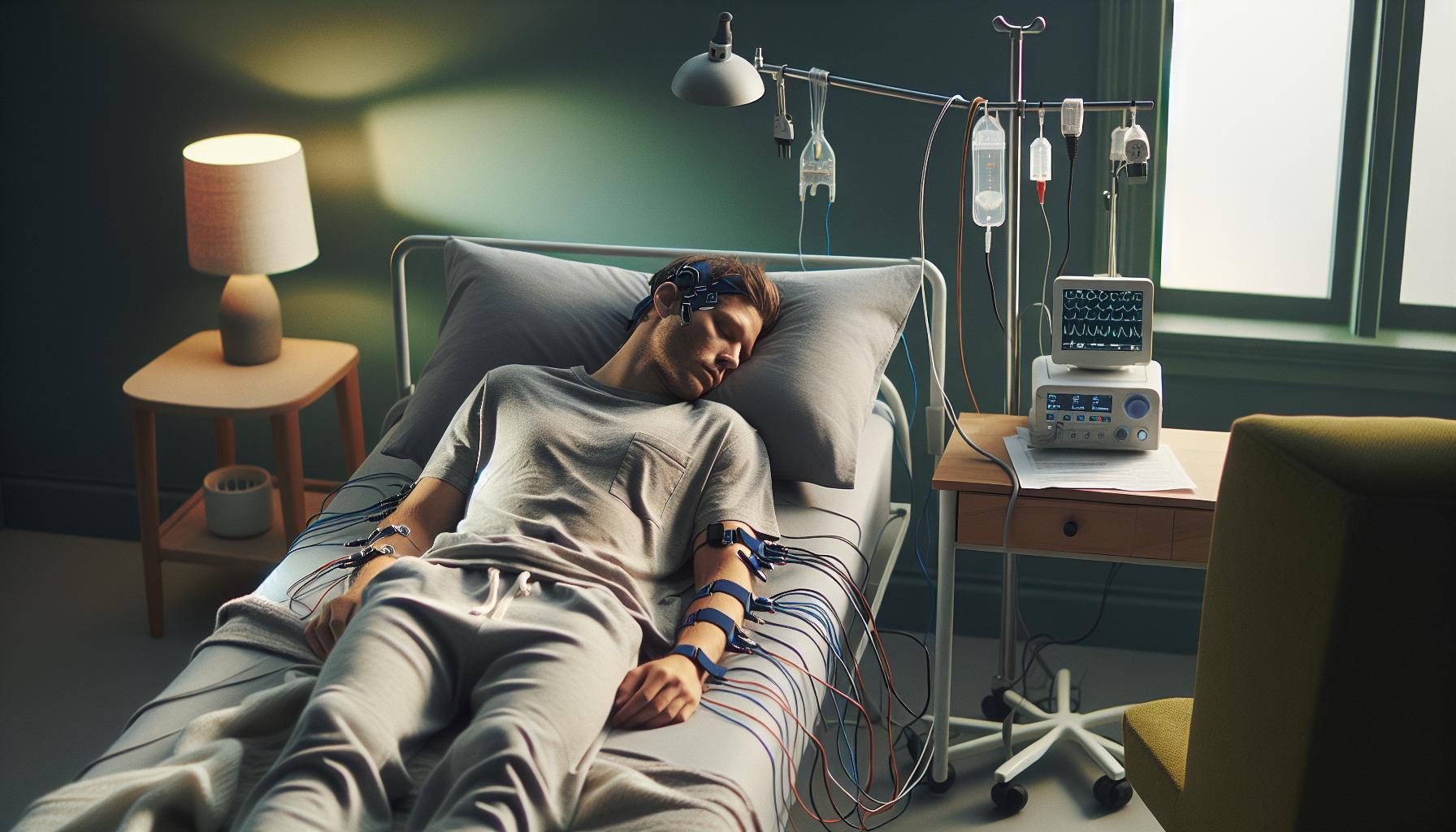
What Is a Sleep Study and Why Is It Important?
A sleep study is a crucial diagnostic tool that assists healthcare providers in understanding your sleep patterns and identifying potential sleep disorders. This thorough examination typically takes place overnight in a specialized sleep lab or, more recently, can even be conducted in the comfort of your home through portable devices. The importance of a sleep study lies in its ability to unveil issues like sleep apnea, insomnia, and other sleep-related conditions that can significantly impact your overall health and quality of life.
During a sleep study, various physiological parameters are monitored. This includes brain activity, eye movement, heart rate, and oxygen levels, all of which are essential for determining whether you experience disruptions throughout your sleep. For people suffering from excessive daytime sleepiness or specific symptoms like loud snoring, a sleep study often serves as a gateway to effective treatment. By analyzing the data collected during the study, healthcare professionals can tailor interventions that improve not only sleep quality but also daytime functioning.
As you consider whether a sleep study is right for you, it’s essential to keep in mind the types of tests available-laboratory-based polysomnography or home sleep tests. Each option comes with its benefits and considerations, such as comfort level, findings, and costs. Additionally, staying informed about when to repeat a sleep study is vital for ongoing evaluation of your sleep health. Do consult with a sleep specialist if you notice enduring sleep issues or changes in your health, as they can guide you on the appropriate timing for follow-up studies and adjust your care plan accordingly.
Understanding the Different Types of Sleep Studies
Understanding the various types of sleep studies is essential for making informed decisions about your sleep health. At the most basic level, there are two primary categories of sleep studies: laboratory-based polysomnography and home sleep tests. Each serves distinct purposes and has different procedures, allowing healthcare providers to diagnose a range of sleep disorders effectively.
Laboratory-Based Polysomnography
This comprehensive test typically takes place in a specialized sleep clinic, where you are monitored overnight in a controlled environment. During a polysomnography, several key physiological parameters are recorded, including brain waves, oxygen levels, heart rate, and eye movements. The advanced equipment in these labs provides detailed insights into your sleep stages and any interruptions that occur throughout the night. This method is often recommended for individuals suspected of having complex sleep disorders like obstructive sleep apnea, narcolepsy, or restless leg syndrome, due to its ability to capture a full spectrum of sleep behaviors and physiological responses.
Home Sleep Tests
On the other hand, home sleep tests offer a more convenient alternative for those who may feel anxious about in-lab testing. These simplified versions typically require wearing a device that records basic data-such as airflow, pulse oximetry, and breathing patterns-during a single night of sleep in your own bed. While home tests can be effective for diagnosing conditions such as obstructive sleep apnea, they are less comprehensive than laboratory studies. For individuals who have uncomplicated sleep apnea symptoms or already have a diagnosed sleep disorder, a home sleep test can often provide sufficient information for diagnosis and management.
In choosing between these two options, consider factors such as your comfort level, specific symptoms, and the complexity of your sleep issues. Lab tests may incur higher costs due to extensive monitoring, while home tests tend to be more affordable and easier to schedule. Always discuss your specific situation with a sleep specialist to identify the most appropriate testing method for your needs, ensuring that your sleep health is effectively monitored and managed.
When to Consider Getting a Sleep Study
Consider getting a sleep study if you frequently find that sleep eludes you, or if you struggle to stay awake during the day despite seemingly adequate sleep. For many, persistent snoring or gasping for air during sleep can signal potential sleep apnea, a serious condition that merits professional evaluation. It’s important to pay attention to these symptoms: they may not only affect your sleep quality but can also have significant implications for your overall health.
Before embarking on a sleep study, evaluate your sleep patterns and any noticeable symptoms. For instance, waking up with headaches, experiencing unexplained daytime fatigue, or having difficulty concentrating can all indicate underlying sleep disorders. If you or a partner observes signs of abnormal sleep behaviors-such as restless movements or significant breathing irregularities-those are compelling reasons to consult a sleep specialist. Seeking early intervention can lead to effective management strategies and, ultimately, a better quality of life.
In certain cases, your healthcare provider may recommend a sleep study as part of a routine follow-up if you’ve previously been diagnosed with a sleep disorder. This is especially true if your current treatment plan isn’t yielding the expected benefits or if your symptoms have changed or worsened. Regular check-ins are vital since sleep can be impacted by a host of factors, including lifestyle changes or the development of new health conditions.
When deciding on the necessity and timing of a sleep study, it can be beneficial to keep a sleep diary. This record can help capture patterns and anomalies, making it easier for your healthcare provider to determine whether testing is warranted. Ultimately, prioritizing your sleep health by being aware of these signs and being proactive about seeking diagnostics is a crucial step toward better sleep and a healthier life.
Repeat Testing Guidelines: How Often Do You Need One?
Determining how often you need to undergo a sleep study isn’t a one-size-fits-all answer. Instead, it depends on various factors, including your specific symptoms, the nature of any diagnosed sleep disorders, and how well current treatments are working. Regular assessments can be essential to ensuring optimal sleep health, especially if you have ongoing issues like sleep apnea or restless leg syndrome.
Healthcare providers generally recommend repeat testing if there are significant changes in your symptoms or if your treatment plan isn’t showing the expected results. For instance, if you have an established diagnosis but begin to experience increased daytime fatigue, morning headaches, or renewed difficulty sleeping, a follow-up study can provide new insights into your condition. This is particularly true if your life circumstances have changed-such as starting a new job with irregular hours or undergoing significant lifestyle changes-that could affect your sleep.
The timing for repeat sleep studies can vary. Many clinicians suggest reassessing every few years unless your situation necessitates more immediate testing. For patients diagnosed with sleep apnea, the American Academy of Sleep Medicine typically recommends repeat polysomnography (the comprehensive sleep study) every 2 to 5 years, depending on how well your apnea is managed with treatment. However, for those receiving continuous positive airway pressure (CPAP) therapy, evaluations may occur sooner if symptoms re-emerge or if there are persistent concerns about mask adherence or device effectiveness.
To facilitate decision-making, consider keeping a detailed sleep diary. Tracking variables such as sleep duration, disturbances, and any daytime symptoms can help you and your sleep specialist identify patterns that warrant further investigation. Additionally, open communication with your healthcare provider about these observations can play a crucial role in determining the frequency and necessity of repeat sleep studies.
In summary, while there are general guidelines, individual circumstances dictate how often repeat sleep studies are necessary. Stay aware of your symptoms, maintain an open dialogue with your healthcare provider, and be proactive about adjustments to your sleep health plan. This approach can empower you to take charge of your sleep quality and overall well-being.
Factors Influencing the Need for Repeat Sleep Studies
Determining when to schedule a repeat sleep study can feel daunting, but understanding the influencing factors can clarify the decision-making process. A variety of elements play a role in whether a sleep study is needed again, from health changes to shifts in lifestyle. Notably, if you notice symptoms such as frequent snoring, persistent daytime sleepiness, or difficulty concentrating, these could signal a new or worsening sleep issue that merits reevaluation.
Changes in your personal situation can also spur the need for a follow-up study. For example, starting a new job with different hours or experiencing significant stress in your life can directly impact your quality of sleep. It’s essential to communicate such changes with your healthcare provider, as they may indicate a need to reassess your sleep health.
Another critical factor is the effectiveness of any existing treatment. If you’re diagnosed with a disorder, like sleep apnea, and you’re not feeling better or have stopped responding to treatments-your continuous positive airway pressure (CPAP) device, for example-this could signify that a follow-up study is required. Industry standards suggest that even after initial diagnoses, regular reviews every 2 to 5 years ensure your current treatment plan is still appropriate and working effectively.
Ultimately, staying attentive to your symptoms while maintaining an open dialogue with your healthcare provider can empower you to make informed decisions about your sleep health. Keeping a sleep diary to track your sleep patterns can provide invaluable insights to discuss during your appointments, helping you and your provider collaboratively determine when a repeat study is necessary.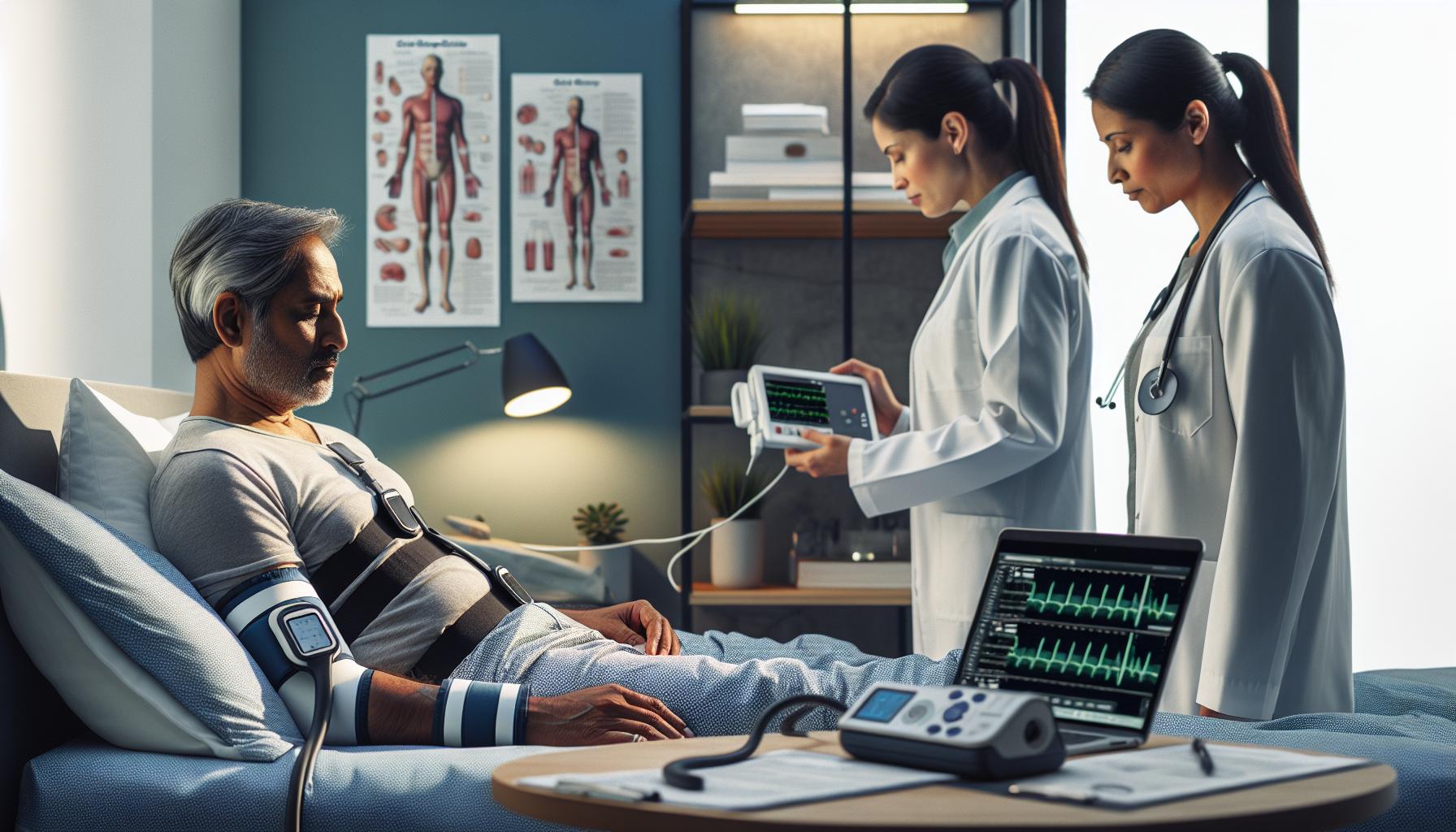
Signs That a Sleep Study Is Necessary Again
Persistent sleep issues can be a major red flag that your sleep health may need a closer examination. If you find yourself waking up frequently, feeling excessively sleepy during the day, or struggling with attention and memory, these symptoms could indicate an underlying sleep disorder that warrants a repeat sleep study. Identifying these signs early is crucial, as they often reflect changes in your sleep patterns or emerging issues that may not have been present previously.
Another indicator that a sleep study might be necessary again is a noticeable shift in your health status. For instance, significant weight gain, new medications, or diagnosis of other health conditions can all influence your sleep quality. If you have been diagnosed with sleep apnea but continue to experience problems, such as increased snoring or daytime fatigue despite using your CPAP device, this should prompt discussions with your healthcare provider about the need for further testing.
It’s not uncommon for lifestyle changes to impact sleep health significantly. Starting a new job that alters your sleep schedule or experiencing heightened stress levels can disrupt your natural sleep patterns. These changes often lead to the recurrence of old symptoms or the emergence of new ones, serving as a signal that a sleep study may be needed to reassess your condition. Tracking these symptoms in a sleep diary can help provide valuable insights, making it easier to communicate your concerns to your doctor.
Finally, if you’ve been undergoing treatment for a sleep disorder and find your symptoms worsening or not improving, this is another critical sign that it’s time to consider a repeat sleep study. Regular evaluations are essential to ensure that your treatment plan remains effective. By staying informed and proactive about your sleep health, you can make informed decisions alongside your healthcare provider, ensuring you receive optimal care for your sleep concerns.
What to Expect During Your Sleep Study
Undergoing a sleep study can feel daunting, but understanding what to expect can ease your anxiety and help you prepare for the experience. Generally, a sleep study, also known as polysomnography, is designed to monitor and analyze your sleep patterns, identify sleep disorders, and assess your overall sleep health. Typically, this process is performed in a specialized sleep lab or clinic, where trained professionals ensure a comfortable and supportive environment.
Before the study begins, you’ll have a pre-sleep consultation with a sleep technician. They’ll explain the procedure, set up any necessary equipment, and answer any questions. You can expect the setup to involve several sensors being placed on your body, including electrodes on your scalp, face, and chest, as well as sensors on your legs and fingers to monitor various bodily functions during sleep. These sensors will track brain waves, heart rate, oxygen levels, airflow, and muscle activity, providing a comprehensive overview of your sleep.
On the night of the study, you’ll arrive at the facility in the evening, ideally close to your regular bedtime. After a brief setup period, you’ll be encouraged to relax and fall asleep as you normally would. It’s important to remember that this is a monitored environment; while it may feel unusual at first, sleep technicians are present to ensure your comfort and assist if needed. Throughout the night, they will observe your sleep patterns and the effectiveness of interventions like CPAP if you already use one.
The length of the study typically involves a complete night’s sleep, but if further diagnostic clarity is necessary, a follow-up study may be arranged. Post-study, the sleep technician will remove the sensors, and you can typically leave once you’ve been cleared. The data collected will be analyzed by a sleep specialist, who will provide insights and recommendations based on the findings, enabling you to make informed decisions on managing any identified sleep disorders.
Interpreting Your Sleep Study Results
Understanding your sleep study results can feel like decoding a foreign language, but it doesn’t have to be overwhelming. The data generated from a sleep study provides vital insights into your sleep patterns and any potential disorders. Typically, these results encompass metrics such as sleep stages, breathing patterns, and evidence of disturbances, all of which help your healthcare provider formulate a tailored management plan.
One of the most crucial elements of your results is the evaluation of sleep stages. Sleep is divided into non-REM and REM stages, each serving distinct roles in your overall health. For instance, insufficient time spent in deep sleep (Stage N3) may contribute to daytime fatigue and can affect cognitive functions. By examining how long you spend in each sleep stage, your doctor can identify if sleep fragmentation or disturbances are affecting your rest.
Another critical aspect to consider is the presence of sleep apnea or other breathing irregularities. If your results indicate frequent apneas, this condition can significantly impact not just your sleep quality but also your overall cardiovascular health. Understanding the severity of apnea episodes and their frequency helps in determining if treatments like CPAP (Continuous Positive Airway Pressure) are necessary. If your study suggests that you require intervention, this opens the door for further discussions with your physician about managing the condition effectively.
To make sense of your results, it’s advisable to schedule a follow-up appointment with your healthcare provider as soon as you receive them. This conversation is vital, as you can ask specific questions regarding what your results mean and what the next steps should be. Remember, sleep studies are not just about diagnosing problems; they’re starting points for improving your overall quality of life. Embracing these insights proactively can lead to significant changes, enabling you to enjoy restorative sleep and better health.
Managing Sleep Disorders After Testing
Managing a sleep disorder effectively after testing is crucial for reclaiming restful nights and improving your overall health. It’s essential to take a proactive approach following your sleep study results, as they provide valuable insights that inform your treatment options. Here are some key strategies to consider:
Understand Your Results
Having a clear understanding of your sleep study results is the first step toward effective management. Take the time to review your findings in detail, focusing on any diagnosed conditions such as sleep apnea or insomnia. If your results indicated significant issues like frequent apneas or low time spent in restorative sleep stages, follow up promptly with your healthcare provider to discuss tailored management plans.
Personalized Treatment Plans
Your treatment plan may involve various interventions depending on the nature and severity of your sleep disorder. For instance, if you are diagnosed with sleep apnea, your doctor might recommend options such as:
- Positive Airway Pressure Devices: CPAP machines are commonly prescribed to help keep your airways open during sleep.
- Lifestyle Modifications: Changes in diet, exercise, and sleep hygiene can significantly improve your sleep quality.
- Cognitive Behavioral Therapy: For insomnia or other behavioral sleep disorders, therapy can help address the underlying psychological factors affecting your sleep.
Engage with a specialist who can tailor a plan to fit your lifestyle, ensuring the recommendations suit you personally.
Follow-Up Testing
It’s important to monitor your progress. Depending on how well your condition is managed or if your symptoms change, your healthcare provider may recommend repeat testing. Common guidelines suggest considering a follow-up sleep study under circumstances like persistent symptoms despite treatment or significant changes in your health status.
Utilizing Technology
Wearable devices can be powerful tools for managing your sleep health. Many modern devices can track sleep duration, patterns, and even health metrics like heart rate and oxygen levels. These insights can be particularly useful as you monitor changes in your sleep quality or experiment with different treatment approaches. However, be cautious; while wearables can be insightful, they do not replace professional assessments or clinical evaluations.
By taking an informed and proactive approach to managing your sleep disorder post-testing, you can improve your sleep quality and overall health outcomes significantly. Whether it’s through a well-structured treatment plan or leveraging technology, the key is to remain engaged with your healthcare provider and make adjustments as needed.
Cost Considerations for Sleep Studies and Insurance Options
Understanding the financial implications of sleep studies can significantly ease the decision-making process for those struggling with sleep disorders. The cost of sleep testing varies widely depending on the type of study, the facility, and whether your insurance will cover some or all expenses. On average, an in-lab sleep study may cost between $1,500 to $3,000, which often includes comprehensive monitoring overnight. Conversely, a home sleep apnea test could range from $200 to $600, making it a more budget-friendly option for those who qualify.
It’s essential to check with your insurance provider prior to scheduling a sleep study. Many plans cover sleep studies, but specifics can vary. Factors to consider include whether you need a referral from your primary care physician, what types of studies are included under your plan, and if pre-authorization is necessary. It’s wise to contact your insurance company directly to clarify these details, as being informed can help navigate potential out-of-pocket costs effectively.
When considering repeat sleep studies, costs can additionally accumulate based on your treatment needs and the diagnostic timeline. For instance, if you are following up due to unresolved symptoms, your plan might cover a retest, but this might require another round of pre-authorization. Always document conversations with your insurer to ensure smooth processing of claims.
In some cases, opting for a home sleep test can significantly reduce costs and improve convenience. However, remember that while these tests can be helpful, they might not be as comprehensive as in-lab studies. Discuss your options with your healthcare provider, as they can recommend the most suitable type of testing based on your health needs and financial situation. By being proactive in this aspect, you can obtain the necessary evaluations without financial strain.
Ultimately, investing in your sleep health is vital, and understanding the costs and insurance options available will empower you to make smart decisions that enhance your wellbeing.
Home Sleep Tests vs. In-Lab Sleep Studies
When it comes to understanding sleep studies, it’s crucial to consider the differences between home sleep tests and in-lab sleep studies. Each option offers unique benefits and limitations, and choosing the right one can make a significant difference in diagnosing and managing sleep disorders such as sleep apnea.
Home sleep tests are increasingly popular due to their convenience and cost-effectiveness. They allow individuals to monitor their sleep in the comfort of their own home, which can lead to a more natural sleep environment. Typically, these tests detect conditions like obstructive sleep apnea (OSA) by measuring key parameters such as airflow, oxygen levels, and heart rate. Costs for home sleep tests can range from $200 to $600, making them a more budget-friendly alternative compared to the comprehensive nature of in-lab studies, which usually cost between $1,500 to $3,000. However, it’s essential to keep in mind that home tests may not capture a complete picture of your sleep health, especially for individuals with complex sleep disorders or coexisting medical conditions.
In contrast, in-lab sleep studies, also known as polysomnography, provide a thorough evaluation of a person’s sleep patterns. During this overnight stay at a sleep clinic, multiple physiological parameters are monitored, including brain waves, eye movements, muscle tones, heart rate, and respiratory effort. This extensive monitoring enables healthcare providers to diagnose a broader range of sleep disorders and to identify issues that might not be evident in a home test. If you’re experiencing symptoms like loud snoring, episodes of breath cessation during sleep, or excessive daytime sleepiness, an in-lab study might be the more suitable option for accurate diagnosis and treatment planning.
Choosing Between Home and In-Lab Tests
Here are some factors to consider when deciding between home sleep tests and in-lab sleep studies:
- Type of Symptoms: If your symptoms are straightforward (e.g., snoring, observed apnea), a home test may suffice. If you have more complex symptoms or other health issues, opt for an in-lab study.
- Comfort and Convenience: Home tests eliminate the stress of spending the night in a clinic, which can be a significant advantage for many.
- Cost: Evaluate your budget and insurance coverage. Home tests are generally more affordable and may be entirely covered by insurance, while in-lab studies may require higher out-of-pocket costs.
- Device Limitations: Understand that home tests may not provide the same level of detail, particularly in complex cases. In-lab studies offer comprehensive data that can lead to more accurate diagnoses.
Ultimately, discussing your symptoms and concerns with a healthcare provider is essential in making the best choice for your individual needs. Regardless of the method you choose, taking proactive steps to address sleep health can lead to improved well-being and quality of life.
The Role of Wearable Devices in Monitoring Sleep Health
Wearable devices have revolutionized how we monitor our sleep health, offering insights that were once reserved for sleep labs. Many of these devices, such as fitness trackers and smartwatches, come equipped with features that track sleep stages, heart rate, and even movement patterns throughout the night. This technology empowers individuals to take a proactive approach to their sleep quality, helping them make informed decisions about their health without the immediate need for clinical tests.
While these devices are excellent for daily monitoring and can provide valuable trends in sleep patterns, they come with limitations. Most wearables use motion sensors and heart rate data to estimate sleep stages, which may not always be accurate. For example, a device may struggle to differentiate between light sleep and wakefulness, potentially leading to misleading results. If you’re experiencing symptoms of a sleep disorder, such as excessive daytime sleepiness or persistent snoring, these devices can highlight when to seek further evaluation. They can indicate trends over time that suggest the need for a sleep study, especially when consistent patterns emerge that align with common sleep disorders like sleep apnea.
Using wearables can also help set expectations before undergoing formal sleep testing. For instance, if a user sees ongoing patterns of disruption in their sleep cycles, they can approach their healthcare provider with specific data, making the case for a more comprehensive evaluation, such as an in-lab sleep study. This preparation can enhance the value of the sleep study experience, equipping both the patient and the clinician with crucial information to determine the next steps.
However, it’s essential to keep in mind that while wearables can greatly enhance everyday sleep management, they are not replacements for professional diagnostic tools like polysomnography. If a wearable device indicates persistent issues or if symptoms like loud snoring and gasping for air at night occur, it’s advisable to follow up with a healthcare provider for a formal sleep assessment. Balancing the insights from wearable technology with professional evaluations can guide effective treatment strategies, ultimately leading to better sleep health outcomes.
Frequently Asked Questions
Q: How often should adults get a sleep study?
A: Adults typically should consider a sleep study every 1 to 3 years if they experience ongoing sleep issues, as symptoms can evolve. If your symptoms worsen or new conditions arise, it may be necessary to consult with a sleep specialist sooner. Regular assessments help ensure optimal treatment.
Q: What factors influence the frequency of sleep studies?
A: Factors such as existing sleep disorders, age, overall health, and treatment effectiveness significantly impact how often you need a sleep study. Those with chronic conditions like sleep apnea may require more frequent evaluations to assess treatment progress and make necessary adjustments.
Q: When is it necessary to get a repeat sleep study?
A: A repeat sleep study is recommended if there are significant changes in symptoms, if initial treatments fail, or if new sleep disorders are suspected. Always discuss changes in sleep patterns or concerns with your healthcare provider to determine the need for retesting.
Q: Are there guidelines for children regarding sleep studies?
A: Children may need a sleep study if they exhibit symptoms such as excessive daytime sleepiness, snoring, or behavioral issues related to sleep. Guidelines suggest they should be evaluated and possibly retested every 1 to 2 years as they grow, or sooner if concerns arise.
Q: How can I determine if my treatment is effective before the next study?
A: To assess treatment effectiveness, keep a sleep diary documenting sleep patterns, daytime alertness, and any symptoms. This information can help your healthcare provider make informed decisions at your follow-up appointments, ensuring your treatment plan remains effective.
Q: What should I do if my sleep quality worsens after my last test?
A: If your sleep quality declines post-treatment, contact your healthcare provider. They may recommend a follow-up evaluation or an earlier sleep study to reassess your condition and modify your treatment plan based on the new symptoms presented.
Q: How do home sleep tests compare to in-lab studies regarding frequency?
A: Home sleep tests are often used for initial diagnosis, while in-lab studies are typically more comprehensive. Depending on symptom severity, repeat testing frequency may differ. Discuss with your doctor the best options for monitoring your sleep health to ensure accurate results.
Q: Can lifestyle changes reduce the need for repeat sleep studies?
A: Yes, making lifestyle modifications like improved sleep hygiene, regular exercise, and healthy eating can positively impact sleep quality. Significant improvements might lead to less frequent sleep studies, but any changes in sleep patterns should always prompt a discussion with your healthcare provider.
Key Takeaways
As you consider your need for a sleep study, remember that understanding your sleep patterns is crucial for your health. Regular testing can help you identify sleep disorders that affect your daily life. Don’t wait-if you’re experiencing symptoms like excessive daytime sleepiness or snoring, seek professional guidance today.
For more in-depth insights, explore our guides on wearable sleep trackers and the benefits of polysomnography. You might also find our article on improving sleep quality helpful in optimizing your rest. Ready to take the next step in your sleep health journey? Sign up for our newsletter, and stay informed about the latest advancements in sleep technology and tips for better rest. Your path to restorative sleep starts now, and we’re here to support you every step of the way!
Get our latest guides, news, and insights highlighted in your Google Search & AI Overviews.