
In today’s fast-paced world, quality sleep is more crucial than ever for our well-being. With increasing stress and hectic schedules, many people struggle to achieve restful sleep, making wearable sleep trackers a popular solution. These innovative devices can provide valuable insights into your sleep patterns, helping you understand what might be affecting your rest. As we delve into the 2026 rankings of the best wearables for sleep tracking, we’ll explore their capabilities, helping you choose the ideal device to improve your sleep health.
Understanding your sleep is the first step toward better rest, and with the right tracker, you can gain clarity on your unique sleep habits. Whether seeking to optimize your nighttime routine or wondering if a sleep disorder could be affecting you, this guide aims to empower your journey to restorative sleep. Let’s uncover the best options available and demystify the technology, helping you make a smart choice for your sleep wellness.
What to Look for in Sleep Trackers
Selecting the right sleep tracker can significantly influence how you understand and improve your sleep health. With technology evolving rapidly, consumers now have an abundance of options, but not all sleep trackers are created equal. When considering which wearable is best for tracking your sleep, keep several key factors in mind to ensure you choose a device that fits your needs.
First and foremost, look for accuracy in sleep tracking. A good sleep tracker should provide reliable data on sleep stages, duration, and quality. Devices like the Oura Ring 4 and WHOOP 5.0 have been praised for their accuracy in distinguishing between light, deep, and REM sleep, but it’s essential to read up on reviews and research performance comparisons among leading brands such as Fitbit and Apple Watch.
Another critical factor is comfort and usability. Since you’ll be wearing this device while you sleep, it should be comfortable throughout the night. Consider whether you prefer a ring, wristband, or smart device that you can easily integrate into your daily routine. Additionally, features like heart rate monitoring, blood oxygen levels, and companion apps can enhance your understanding of your sleep patterns and overall health.
Moreover, pay attention to the analytical features available on the device. Some trackers offer insights into how factors like stress, exercise, and diet affect your sleep quality. This holistic approach allows for actionable changes to improve your sleep. Other trackers also provide trends over time, empowering users to identify long-term patterns instead of one-off anomalies.
Lastly, consider the price point and ongoing costs associated with each device. Some brands might offer extra features through subscription services, which can add to your overall expenditure. Weigh the benefits against these costs to ensure the device aligns with your financial plan. By focusing on these aspects, you’ll be well on your way to selecting a sleep tracker that not only meets your expectations but also significantly enhances your sleep quality.
Top Wearable Brands for Sleep Monitoring
The landscape of sleep monitoring devices has rapidly evolved, yielding a diverse array of options tailored to different preferences and needs. When evaluating the , it’s essential to consider factors such as features, user reviews, and overall effectiveness in providing actionable insights about your sleep health.
Leading Brands to Consider
- Fitbit: Known for its robust health tracking features, Fitbit devices like the Charge 5 offer comprehensive sleep tracking, analyzing sleep stages and providing an overall sleep score. Users appreciate the companion app, which delivers insights into trends over time.
- Apple Watch: The Apple Watch has integrated sleep tracking capabilities in its recent models. Its ecosystem allows it to communicate seamlessly with other health apps, making it easy for users to monitor their health holistically.
- Oura Ring: This sleek ring stands out for its accuracy in sleep tracking, measuring heart rate variability and temperature changes. It’s a favorite among those who prioritize a comfortable, non-intrusive design.
- WHOOP: Targeting fitness enthusiasts, the WHOOP strap focuses on recovery metrics, offering detailed insights into how sleep affects overall performance. While it operates on a subscription model, many find the analytics worth the investment.
- Samsung Galaxy Watch: Not just a smartwatch, its sleep tracking features provide valuable data on sleep quality and duration, helping users identify patterns and improve their night-time rest.
Unique Features to Look For
When choosing a wearable for sleep monitoring, it’s also beneficial to consider additional features. Many devices now offer heart rate variability (HRV) analysis, blood oxygen level monitoring, and even stress tracking. These metrics contribute to a more complete picture of your sleep health and overall well-being. Look for brands that provide insightful app interfaces, allowing you to interpret the data easily and make informed lifestyle adjustments based on your sleep patterns.
With numerous wearables available, taking the time to explore user reviews and real-world experiences can enhance your decision. Remember, the best device is one that not only tracks your sleep accurately but also fits comfortably into your nightly routine, ensuring you wake up feeling rested and ready to tackle the day ahead.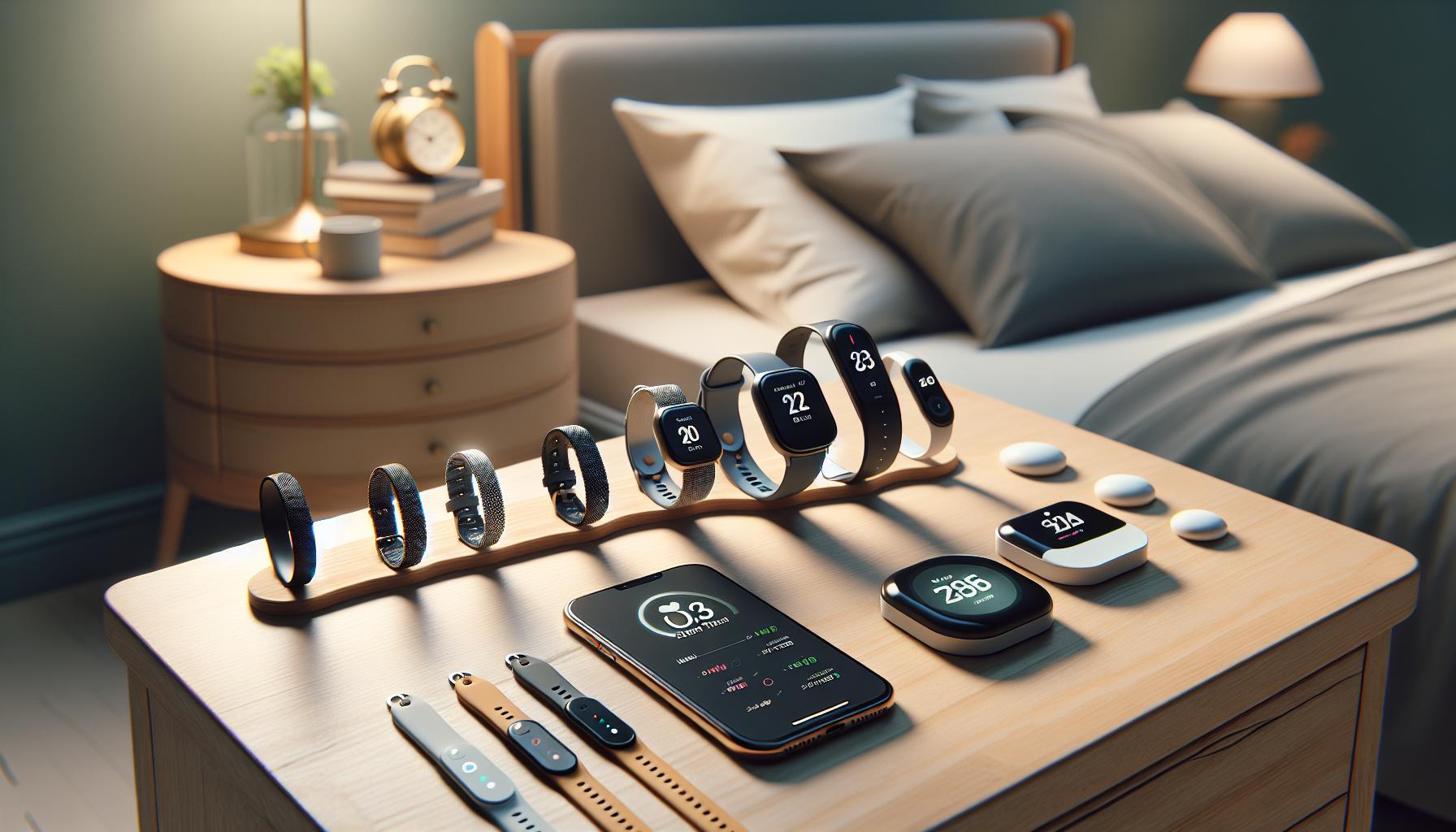
Comparison of Sleep Tracking Features
Understanding the features offered by different sleep trackers can significantly influence your decision when selecting the right wearable for your sleep health needs. Each device not only varies in its ability to monitor sleep but also in the type of data it collects and how it presents this information to the user. As the market for sleep tracking technology expands, it’s vital to consider both the essential tracking features and unique offerings of leading devices.
Many sleep trackers aim to measure various aspects of your nightly rest, including total sleep time, sleep stages (light, deep, and REM), and even disturbances during the night. However, some advanced wearables go further by incorporating metrics like heart rate variability (HRV), blood oxygen levels, and stress levels, which can provide a comprehensive picture of how your body responds during sleep. For instance, the Oura Ring offers a detailed analysis of your heart rate and temperature changes throughout the night, making it a top choice for users interested in understanding their physiological responses during sleep.
In evaluating the practicalities of sleep tracking, consider how the device delivers insights. Devices like Fitbit and Apple Watch come equipped with intuitive apps that highlight trends and suggest improvements. The Apple Watch, although requiring a third-party app for optimal sleep tracking, integrates seamlessly with existing health data, allowing users to see how lifestyle choices affect sleep quality. On the other hand, WHOOP focuses on recovery metrics intertwined with physical performance data, making it highly valuable for athletes looking to balance training and recovery.
Another essential feature to contemplate is battery life and comfort. Sleep trackers need to be comfortable enough to wear throughout the night, and devices like the Withings Sleep or under-mattress sensors eliminate the need to wear anything at all, providing a non-intrusive experience. With a battery life that can extend into weeks for some devices, convenience can also play a significant role in your choice.
Ultimately, the ideal wearable for sleep tracking comes down to individual needs and preferences. Assessing what metrics matter most to you, how comfortably you can wear the device, and how effectively it can motivate you to improve your sleep hygiene can steer you toward the right choice. As you explore options, look out for real user testimonials and comparative reviews to find a device that fits your lifestyle and helps you achieve better sleep health.
Accuracy: How Reliable Are Sleep Trackers?
Many consumers look to sleep trackers as reliable tools to gain insights into their sleeping patterns, but it’s crucial to understand how accurate these devices are. The effectiveness of sleep trackers can vary significantly, and knowing what to expect can help you make informed decisions about which device might best suit your needs.
Most sleep trackers utilize a combination of sensors that monitor movement, heart rate, and sometimes even blood oxygen levels to assess your sleep quality. Wearable devices like the Oura Ring and Fitbit promise detailed analyses of your sleep cycles, but studies have shown that not all devices provide consistently accurate data across different sleep stages. For instance, research indicates that while some trackers may accurately measure total sleep time, they can struggle with distinguishing between light, deep, and REM sleep phases correctly [[3](https://pmc.ncbi.nlm.nih.gov/articles/PMC10654909/)].
When evaluating the dependability of these devices, it’s essential to consider several factors:
- Calibration: Some advanced models require initial calibration and ongoing adjustments for best results.
- Worn Placement: How you wear the device can affect its accuracy. For example, wrist-based devices might perform differently based on how snugly they fit.
- Algorithm Variations: Each brand uses unique algorithms to interpret data, which can lead to discrepancies between devices.
If you’re considering a sleep tracker, it’s wise to check user reviews and research studies comparing the accuracy of various models. Devices like the Oura Ring have garnered attention for their rigorous data collection, yet personal experiences may differ based on lifestyle and sleep habits. Remember, while sleep trackers can provide valuable insights, they shouldn’t be seen as perfect substitutes for professional sleep studies or consultations when sleep disorders are suspected. Embrace these tools as part of a broader approach to improving your sleep hygiene, and consider consulting with a healthcare professional if sleep issues persist.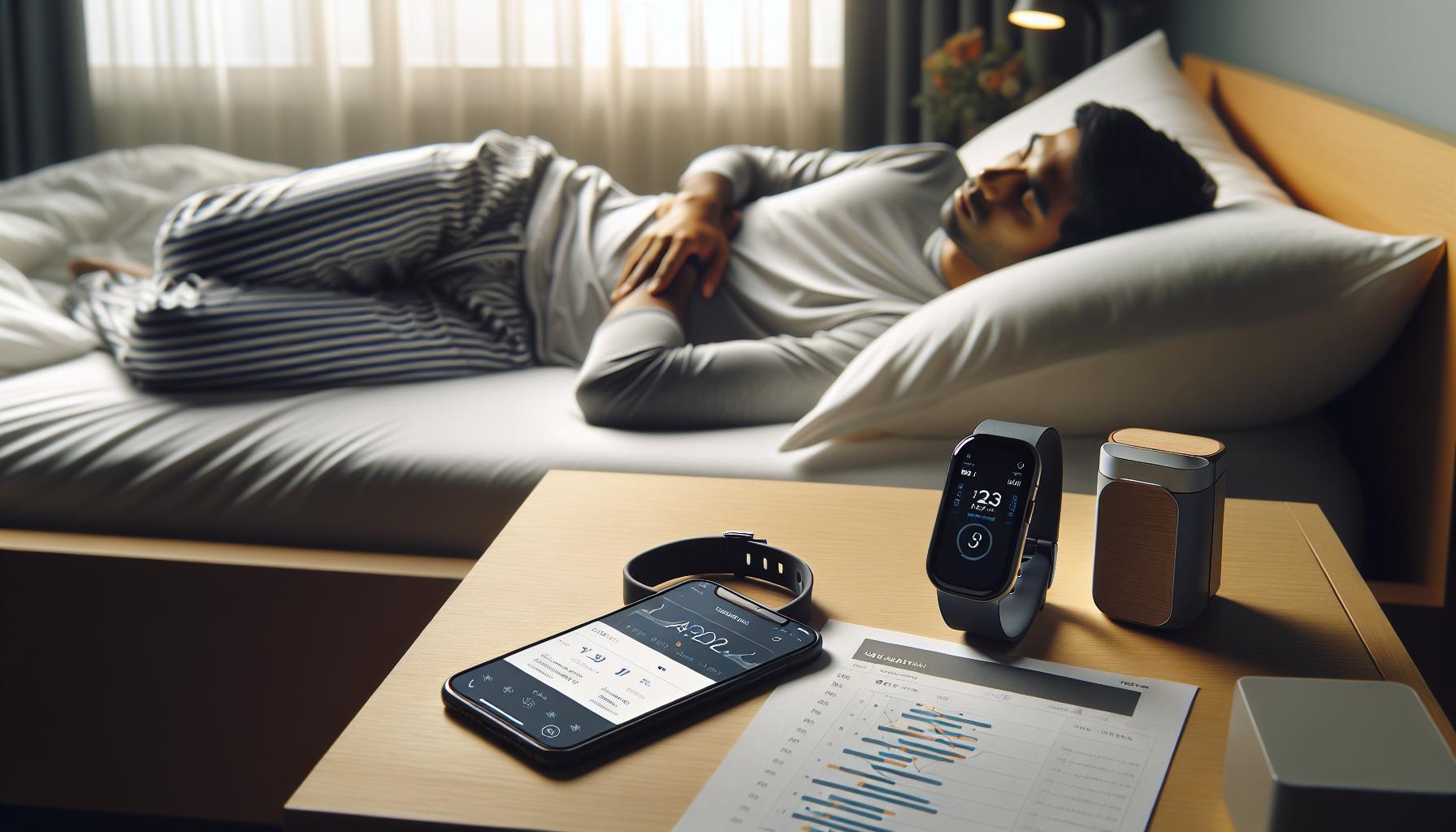
Sleep Tracking Technology Explained
Sleep tracking technology combines sophisticated sensors and algorithms to offer insights into your nighttime habits and overall sleep health. At its core, the technology often tracks factors such as movement, heart rate, and even respiratory patterns. These measurements help to categorize sleep into stages: light sleep, deep sleep, and REM sleep, which are essential for understanding the quality of sleep you are getting.
For many users, these devices typically fall into two categories: wearable devices and non-wearable devices. Wearables, like smartwatches and fitness trackers, fit snugly on your wrist or finger, providing real-time data about your sleep patterns. On the other hand, non-wearable options, such as sleep mats or under-mattress sensors, track your sleep without being in direct contact with your body. This can be a crucial consideration for those uncomfortable with wearing technology to bed.
How Sleep Trackers Work
Sleep trackers employ a mix of technologies:
- Accelerometers: These measure movement. A high level of movement might indicate restlessness or awakenings during the night.
- Heart Rate Monitoring: Variability in heart rate can provide insights into your sleep stages, as heart rate tends to slow down in deep sleep.
- Pulse Oximetry: Some advanced models even include sensors that monitor blood oxygen levels, which can detect potential sleep apnea.
Benefits and Limitations
While sleep trackers can offer valuable insights, it’s also essential to understand their limitations. Most wearables focus more on movement rather than actual brain waves, making them less precise than a professional sleep study (polysomnography), which tracks brain activity. This means that while trackers can estimate total sleep time and basic trends, they may not always accurately reflect the transitions between sleep stages.
For individuals experiencing significant sleep issues, relying solely on wearable technology might not suffice. It’s advisable to supplement tracking with consultations from sleep specialists who can offer a detailed analysis and potential treatment options. These professionals can provide a comprehensive evaluation that may include referrals for traditional sleep studies if necessary.
Incorporating these technologies into your routine can be beneficial for developing better sleep hygiene. Use the insights gained from your tracker to make informed lifestyle adjustments-whether altering your bedtime, reducing screen time before sleep, or investing in a better mattress. As you navigate through various sleep-tracking options, remember that understanding your unique sleep needs is key to choosing the best technology for you.
Best Wearables for Different Sleep Disorders
Finding the right wearable for sleep disorders can be a game-changer for your rest and overall health. Different sleep disorders, such as insomnia, sleep apnea, or restless legs syndrome, can manifest differently, leading to varied tracking needs. Here’s a closer look at some of the best wearables that cater to specific sleep issues, ensuring you can take proactive steps towards better sleep quality.
For Sleep Apnea: Withings Sleep
If you’re struggling with sleep apnea, which involves breathing interruptions during sleep, the Withings Sleep tracking mat is a standout. Priced around $129.95, it lies under your mattress and monitors your sleep cycles, heart rate, and even detects breathing disturbances. This detailed data can help you and your healthcare provider manage your condition more effectively without the discomfort of wearing a device on your body all night.
For Insomnia: Fitbit Sense 2
For those dealing with insomnia, the Fitbit Sense 2 is an excellent choice, offering in-depth insights into your sleep patterns. It utilizes advanced heart rate monitoring, stress management tools, and guided breathing exercises to help you relax before bedtime. As a fitness tracker, it can also monitor your daily activity levels, which is important for understanding the relationship between activity and sleep quality. Its price typically hovers around $299, delivering a comprehensive wellness experience.
For Restless Legs Syndrome: Oura Ring
Individuals experiencing restless legs syndrome (RLS) may benefit from the Oura Ring. This sleek and stylish device tracks your sleep stages while also focusing on the heart rate variability and environmental factors that can exacerbate RLS symptoms. The Oura Ring costs around $299 and provides insights that can allow for better management of your condition while you sleep.
General Sleep Optimization: Apple Watch Series 8
For a more general sleep optimization goal, the Apple Watch Series 8 offers a robust suite of health-monitoring features, including sleep tracking. While its native sleep-tracking functionalities may require some enhancements, integrating third-party apps can streamline your experience. The Apple Watch can average around $399 and doubles as an everyday smartwatch, making it versatile for those who want health monitoring throughout the day.
When selecting a wearable for sleep tracking, consider factors such as comfort for nighttime use, the specific features that cater to your disorder, and how well the device integrates with any necessary medical treatment plans. Remember, while wearables provide valuable data, they should complement, not replace, professional medical advice or treatment for sleep disorders.
User Experiences: Real-Life Sleep Tracker Reviews
Many users share their insights about sleep trackers, highlighting their real-life experiences which can greatly inform others in their decision-making process. From smartwatches to dedicated sleep devices, each product offers unique features that resonate differently depending on individual needs and sleep habits.
One notable user experience is that of a Fitbit Sense 2 owner, who appreciated the detailed sleep stage breakdown provided by the device. The user noted, “It really helped me understand my sleep cycles. I was shocked to see how much light sleep I was getting compared to deep sleep.” This insight allowed the user to adjust their evening routine to improve sleep quality, incorporating relaxation techniques suggested by the watch’s stress management features. The cost of around $299 was considered reasonable by this user given the comprehensive health monitoring offered.
Similarly, an Oura Ring user expressed satisfaction with its unobtrusive design and functionality. With a price point of about $299, the user shared, “I love that I can wear it all day and night without feeling it. It’s stylish and gives me insights into my heart rate variability and sleep patterns, which helps me manage my restless legs syndrome more effectively.” This user’s experience showcases how tailored design and functionality can cater to specific sleep disorders while still being fashionable and easy to use.
In contrast, reviews for devices like the Apple Watch Series 8 varied, especially around its sleep tracking capabilities. Some users felt that while it had robust fitness tracking features, sleep tracking was less refined compared to dedicated devices. As one user put it, “I love the daily activity reminders, but I find the native sleep tracking a bit basic. I ended up using a third-party app, which improved my experience.” This illustrates the importance of choosing a device that matches personal preferences and expectations, especially if enhanced sleep tracking features are a priority.
When considering a sleep tracker, users often emphasize the importance of understanding how these devices can fit into their overall health strategies. Experience shows that while wearables can offer valuable insights and help track progress, they should complement, not replace, professional advice. Always remember your unique sleeping patterns and health needs when choosing a device to ensure it enhances your sleep quality effectively.
How to Optimize Your Sleep Tracking Setup
To make the most of your sleep tracker, setting it up correctly is crucial. Start by ensuring that your device is comfortable and worn correctly, as an improperly fitting tracker can lead to inaccurate data or even disrupt your sleep. For wearables like the Oura Ring or Fitbit, wear them snugly but not too tight; you should easily slide a finger underneath. Also, pairing your sleep tracker with a suitable app is vital. These apps often provide deeper insights into your sleep patterns, including details on sleep stages, heart rate, and factors that may affect your sleep quality.
Calibrating and Customizing Settings
Before diving into sleep tracking, take the time to calibrate your device according to your sleep habits. Many devices allow you to set your sleep and wake times, which helps the tracker learn your patterns better over time. Keep an eye out for settings that allow you to personalize notifications-such as gentle vibrations that remind you to wind down for bed. This way, the device can not only track your sleep but also support your transition into sleep, promoting a healthier routine.
Creating the Ideal Sleep Environment
Your sleep environment plays a big role in the accuracy of your sleep data. Ensure that your bedroom is cool, dark, and quiet. Consider using blackout curtains and a white noise machine or earplugs to minimize disturbances. The efficacy of sleep trackers like the Withings Sleep depends on your overall sleep environment, as they measure not just sleep duration but also sleep quality based on movements and disruptions during the night.
Reviewing and Acting on Data
After a few nights of tracking, take time to review the collected data. Look for patterns and trends-are there nights when you sleep more deeply, or do certain habits correlate with more restless nights? Use this information to adjust your evening routine. Perhaps you need to change your screen time before bed or incorporate more relaxation techniques, such as meditation or gentle stretches. This iterative approach can enhance the utility of your tracker, transforming raw data into actionable insights to improve your sleep.
By optimizing your sleep tracking setup, you harness the full potential of these devices, not just as monitors but as personalized tools for enhancing your sleep health.
Troubleshooting Common Sleep Tracker Issues
Common issues with sleep trackers can undermine the valuable insights these devices are meant to provide, leaving users frustrated and confused. From connectivity problems to inaccurate readings, identifying and resolving these challenges can significantly enhance your sleep tracking experience.
One prevalent issue is inaccurate sleep data. This can arise from several factors, including improper wear of the device. Ensure that your tracker fits snugly but comfortably on your wrist or finger, as too loose a fit can lead to erroneous readings. Additionally, check for any obstructions, such as a blocked sensor or dirt accumulation, which can interfere with the device’s performance. If inaccuracies persist, consider recalibrating your device settings, adjusting sleep times, or consulting the user manual for troubleshooting suggestions unique to your model.
Another common hurdle is syncing issues with your mobile app. If your data isn’t transferring correctly, try restarting both the tracker and your smartphone. Ensure that Bluetooth is enabled and that the app is updated to the latest version to improve compatibility. If the sync still fails, uninstalling and reinstalling the app may resolve any hidden bugs.
Battery Life Concerns
It’s essential to monitor your device’s battery. A low battery can lead to unexpected shutoffs that interrupt tracking. To mitigate this, establish a charging routine that aligns with your lifestyle – for instance, charging your tracker while you shower or during workouts can keep it powered without interfering with sleep. Many trackers also provide battery health statistics in their corresponding apps, which can guide you on when to recharge.
By addressing these common issues proactively, you can ensure that your sleep tracker becomes a reliable ally in your quest for better sleep. Remember, understanding the limitations and capabilities of your device is key to making it work for you.
Insurance and Sleep Studies: What You Need to Know
Understanding how insurance covers sleep studies can be pivotal in your journey toward better sleep health. Many people assume that insurance will fully cover costs associated with diagnosing sleep disorders, but this is often not the case. For instance, if you require a sleep study, known as polysomnography, it’s essential to understand that Medicare only covers this type of testing when performed in a sleep lab facility, and only if ordered by a healthcare provider[[3]](https://www.medicare.gov/coverage/sleep-studies). The same is true for private insurance, which may have specific requirements regarding the type of facility and the nature of the referral.
When considering home sleep studies, such as those offered by companies like BlueSleep, costs can vary significantly based on your insurance plan. Patients generally face a copay or coinsurance, typically in the range of $20-$70[[1]](https://www.bluesleep.com/home-sleep-testing). Before you schedule a sleep study, it’s advisable to check with your insurance provider to clarify coverage details, including deductibles and any pre-authorization requirements. Ensure to ask if the facility is in-network and what specific tests are covered under your plan.
For those contemplating using wearables to monitor sleep as a preliminary step before undergoing more extensive testing, it’s important to remember that while these devices can offer valuable insights into your sleep patterns, they do not replace a clinical diagnosis made through a sleep study, particularly for serious conditions like sleep apnea. If your wearable indicates persistent issues, seeking a formal sleep study could provide a more comprehensive understanding of your sleep health and potentially be necessary for insurance coverage of treatment options.
Navigating the insurance landscape for sleep studies can feel daunting, but knowing your options ahead of time empowers you to make informed decisions about your sleep health. If you’re experiencing troublesome sleep patterns, don’t hesitate to consult with your healthcare provider about the best course of action, and consider having a discussion about the potential need for a sleep study to ensure you’re on the right path to restful nights.
Future Trends in Sleep Tracking Technology
As technology advances, sleep tracking is becoming not just a luxury but a pivotal part of our health ecosystems. By 2026, the landscape of sleep tracking devices is expected to evolve remarkably, emphasizing more than just rudimentary data collection. Wearables are set to incorporate sophisticated algorithms and sensors, blending data science with health insights to provide personalized sleep solutions. This shift is aimed at enhancing user experience and maximizing the effectiveness of sleep management.
One of the most exciting trends is the integration of Artificial Intelligence (AI) into sleep tracking technology. AI can analyze sleep patterns in real-time, offering tailored advice and adjustments for better sleep quality. For example, wearables might suggest optimal sleep times based on your unique circadian rhythms or provide actionable insights for improving sleep hygiene. With advancements in machine learning, these devices will likely become more adept at detecting not just sleep duration but also factors that may influence sleep quality, such as stress levels or environmental disturbances.
- Wearable Comfort and Design: The future of sleep trackers also includes a focus on comfort and ergonomics. Expect more designs that prioritize softness and ease of wear, integrating features like temperature regulation and flexible materials to enhance comfort throughout the night.
- Comprehensive Health Metrics: Enhanced capabilities will not only monitor sleep stages but also track vital signs (like heart rate variability and oxygen saturation). These metrics can provide insights into overall health, potentially alerting users to issues before they become serious.
- Integration with Smart Home Devices: Future wearables may connect seamlessly with smart home technology. Think of a sleep tracker that adjusts your thermostat or dims your lights based on your sleep stage, creating an optimal environment for rest.
- Telehealth Integration: As more healthcare providers embrace telemedicine, sleep trackers will likely become tools for remote consultations, allowing professionals to analyze user data to tailor treatment plans based on specific needs.
In summary, the future of sleep tracking technology is bright and filled with promise. With an increased focus on personalization and integration within broader health technologies, these devices are positioned to become essential allies in the quest for better sleep. As you consider your options, keep an eye on these trends to find wearables that align with your health needs and lifestyle preferences. Being informed about these advancements empowers you to make smarter choices for your sleep health journey.
Sleep Health: When to Seek Professional Help
Sleep is essential for maintaining overall health, yet many individuals struggle with it at one point or another. If you’re using a sleep tracker to monitor your patterns, it might provide insights that prompt deeper questions about your sleep health. If you find that despite your efforts to optimize your sleep environment and habits, you’re still experiencing persistent issues, it may be time to seek professional help.
Knowing when to transition from self-monitoring with a wearable to consulting a healthcare provider can be tricky. Consider reaching out to a sleep specialist if you frequently experience any of the following:
- Daytime Sleepiness: If you feel excessively tired during the day despite spending enough time in bed, this could indicate an underlying problem.
- Sleep Apnea Symptoms: Common signs include loud snoring, gasping for air during sleep, or waking up choking. A sleep study can diagnose this condition effectively.
- Restless Nights: If you consistently wake up multiple times or struggle to fall asleep, consulting a specialist could reveal potential sleep disorders.
- Impact on Daily Life: If your sleep difficulties affect your mood, performance at work, or relationships, it’s crucial to get professional assistance.
Navigating a sleep study may sound daunting. These studies, often conducted in a sleep lab, involve monitoring your brain waves, heart rate, and breathing during sleep. You’ll likely wear sensors that track these metrics, which can provide detailed insights beyond what typical sleep trackers offer. Rest assured that professionals will guide you through the setup, ensuring you’re comfortable and informed throughout the process.
While wearables can indicate sleep patterns and alert you to issues, they are not a substitute for professional evaluation. If your sleep tracker suggests irregularities-such as consistently short sleep duration or poor sleep quality-consider it a cue to seek further advice. Understanding the limitations of these devices will empower you to make informed decisions about your sleep health journey. Doing so not only helps in addressing immediate concerns but also fosters long-term well-being, ensuring that you’re on the path to healthier sleep.
Q&A
Q: What are the key features to consider when choosing a sleep tracker in 2026?
A: When selecting a sleep tracker, focus on accuracy, sleep stage tracking, and comfort. Look for features like heart rate monitoring, oxygen levels, and app compatibility to get detailed insights. Check the product reviews for user experience to ensure it meets your needs.
Q: How do sleep trackers help improve sleep quality?
A: Sleep trackers assist in improving sleep quality by providing detailed insights into your sleep patterns, disturbances, and duration. They can help identify factors affecting sleep and allow users to make informed changes to their routines, leading to better overall sleep health.
Q: Are wearable sleep trackers safe for long-term use?
A: Yes, most wearable sleep trackers are safe for long-term use. They are designed with user comfort and health in mind, using non-invasive technologies. However, it’s advisable to follow manufacturer guidelines for wear time and ensure the device fits properly.
Q: Can sleep trackers detect sleep disorders?
A: Many sleep trackers can help identify potential sleep disorders by analyzing your sleep patterns and trends. While they are not diagnostic tools, data from these devices can provide valuable information for discussions with healthcare professionals about symptoms you may be experiencing.
Q: How do the costs of sleep trackers compare?
A: Sleep tracker prices range widely, from affordable options under $50 to premium devices exceeding $300. Higher priced models typically offer enhanced features, more accurate data, and better app integrations. Consider what features are essential for your personal needs before choosing.
Q: What is the average battery life of a sleep tracking wearable?
A: The average battery life of a sleep tracking wearable varies but typically ranges from 3 to 14 days depending on the model and usage. Devices with more advanced features and display options may require more frequent charging.
Q: Do sleep trackers work for napping as well as nighttime sleep?
A: Yes, many modern sleep trackers can monitor naps, assessing their duration and quality. Users can gain insights into their overall sleep patterns, including how naps affect nighttime sleep quality.
Q: Can I integrate sleep tracking data with other health apps?
A: Most contemporary sleep trackers offer the ability to integrate with various health apps, allowing users to sync data on fitness, nutrition, and overall health metrics. Check compatibility with your preferred health apps for comprehensive health tracking.
Closing Remarks
As we wrap up our exploration of the best wearables for sleep tracking in 2026, remember that finding the right device can significantly enhance your sleep quality and overall health. Whether you’re weighing options for improving sleep disorders or simply curious about your nightly patterns, these devices can empower you to make informed decisions. Don’t miss out on our detailed guides on how to set up your device, troubleshoot common issues, and navigate insurance for sleep studies to further support your health journey.
Explore more about sleep health management by checking our articles on “Understanding Sleep Disorders” and “The Benefits of Sleep Studies.” If you found this information helpful, consider signing up for our newsletter to stay updated on the latest trends in sleep technology and health tips. Your path to better sleep starts with knowledge-engage with us, share your thoughts in the comments below, and let’s tackle sleep health together!
Get our latest guides, news, and insights highlighted in your Google Search & AI Overviews.