
Did you know that nearly one-third of adults struggle with getting quality sleep? The growing interest in sleep tracking devices and apps reflects our quest for better rest, as many seek to unlock the secrets of their nightly slumber. But is sleep tracking truly worth the investment? In this article, we’ll explore the key benefits of sleep tracking, from understanding your sleep patterns to enhancing your overall health and well-being. By illuminating the effectiveness and limitations of these tools, we aim to empower you to make informed decisions about your sleep journey. Whether you’re simply curious or struggling with sleep issues, understanding the value of tracking can be a game changer for your health and productivity. Let’s dive in to discover how you can optimize your sleep with technology at your side.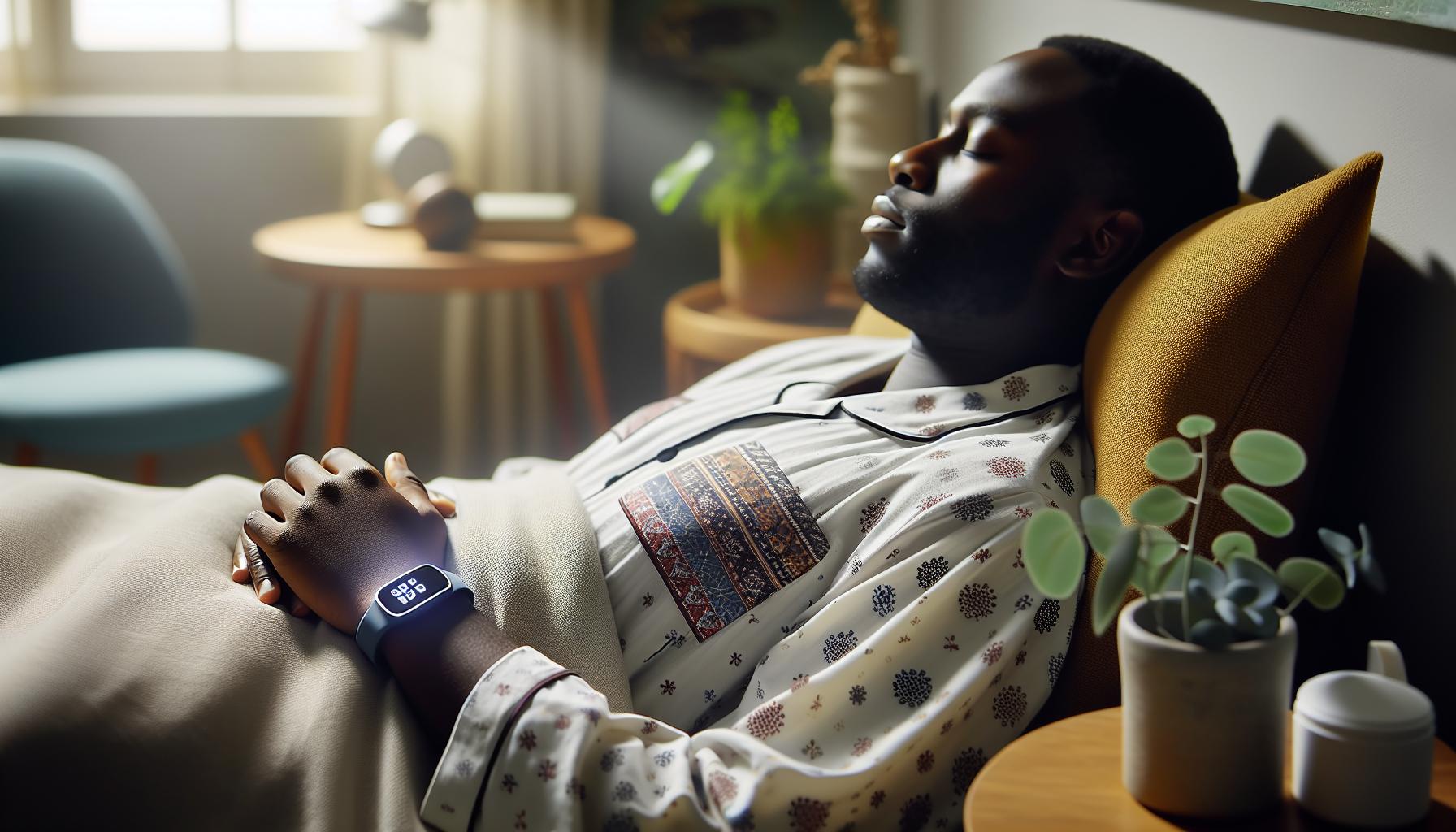
Benefits of Sleep Tracking: What You Need to Know
Recognizing the profound impact sleep has on overall health, sleep tracking offers a powerful tool for those seeking to improve their nightly rest. By monitoring sleep patterns, duration, and quality, individuals can gain invaluable insights that may lead to significant lifestyle adjustments. For example, many users discover that minor changes-like adjusting bedtime or reducing caffeine intake-can dramatically enhance their sleep quality, ultimately improving daytime alertness and well-being.
- Enhanced Awareness: Sleep trackers increase awareness of sleep habits, helping users pinpoint issues such as frequent wake-ups or insufficient sleep duration.
- Data-Driven Decisions: With measurable data, individuals can make informed lifestyle choices, adjusting their routines to promote better sleep health.
- Goal Setting: Users can set sleep goals and track progress over time, providing motivation and a sense of achievement as they work towards improved rest.
- Health Insights: For those with health concerns, tracking can alert users to sleep disturbances that may require professional attention, such as sleep apnea.
While the primary benefit lies in heightened self-awareness, many people also find that sharing sleep data with healthcare professionals can facilitate discussions about underlying health issues. Over time, data collected can help identify patterns that impact daily functioning, allowing individuals to recognize correlations between their lifestyle choices and sleep quality.
In summary, embracing sleep tracking can empower individuals by transforming abstract notions of sleep quality into actionable insights that foster healthier habits and greater overall wellness.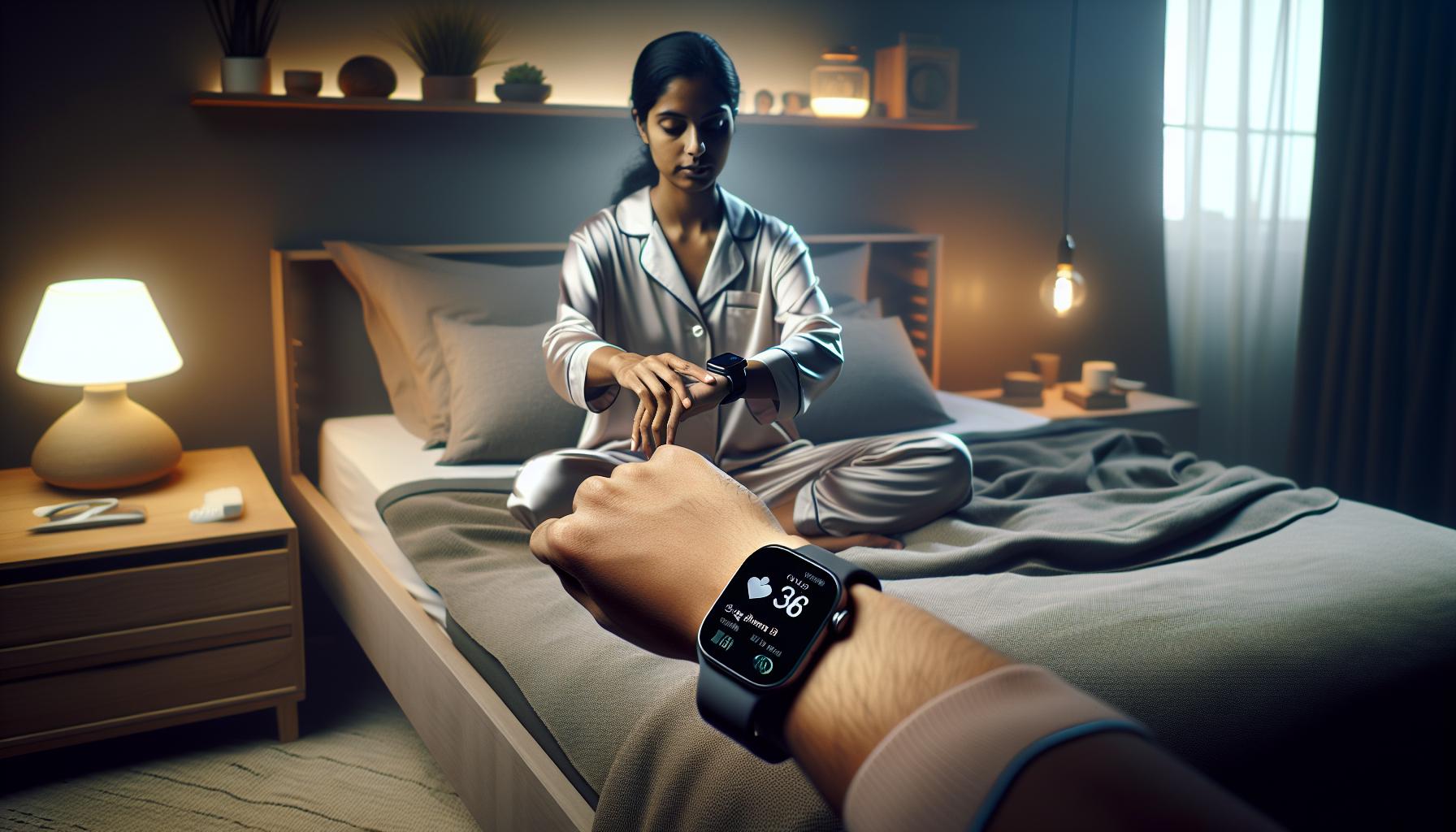
How Sleep Trackers Work: Understanding the Technology
Sleep trackers harness cutting-edge technology to help you monitor and understand your sleep patterns. At their core, these devices utilize a combination of sensors and algorithms to collect data on how you sleep, providing insights that can inform your sleep health journey. Whether incorporated into wearable technology, such as smartwatches and fitness bands, or as standalone devices like specialized sleep monitors, the underlying mechanics are similar.
Most sleep trackers rely on a range of sensors that measure factors like motion, heart rate, and even temperature changes. For instance, accelerometers detect movement patterns during the night, allowing the device to identify different stages of sleep-light, deep, or REM sleep. Some advanced trackers may also use heart rate variability to offer deeper insights into your sleep cycles and overall health.
Data collected by these trackers is typically synced to a mobile app or computer platform, where users can visualize their sleep quality over time. The software analyzes patterns and can highlight issues such as nighttime awakenings or insufficient sleep duration. Many apps also provide personalized feedback and recommendations based on your sleep data, helping you make informed decisions about your bedtime habits.
While sleep trackers are a powerful tool for awareness and self-monitoring, it’s important to consider their limitations. They may not always be 100% accurate, especially with detecting more complex sleep disorders. For detailed analysis or diagnosis, formal sleep studies conducted by sleep specialists will still be necessary. Nonetheless, as an accessible, user-friendly option, sleep trackers can help you take the first steps towards improving your sleep quality and overall health.
Choosing the Right Sleep Tracker for Your Needs
Choosing the right sleep tracker can feel like navigating a maze, especially with so many options on the market. The first step is to understand your specific needs and lifestyle, as this will greatly influence your choice. For example, consider whether you prefer a device that integrates smoothly into your daily routine, such as a smartwatch, or if you want a dedicated sleep monitor that focuses solely on your sleep patterns.
When evaluating different trackers, pay attention to the features they offer. Some popular features include:
- Sleep Stage Tracking: Look for devices that can differentiate between light, deep, and REM sleep, providing a more comprehensive understanding of your sleep cycles.
- Heart Rate Monitoring: A tracker that measures heart rate variability can provide insights into your overall sleep health and stress levels.
- Environmental Sensors: Some trackers can measure room temperature and noise levels, which can significantly impact sleep quality.
- Mobile App Compatibility: Ensure that the device syncs with an easy-to-use app, allowing you to visualize your sleep data and receive personalized insights.
Next, consider usability. A good sleep tracker should be comfortable to wear throughout the night. If you struggle with devices on your wrist, options like under-mattress sensors or sleep pillow monitors might be ideal. Speaking of comfort, pay attention to battery life; a device that requires frequent charging may disrupt your tracking routine.
Cost is another critical factor. While basic sleep trackers can be found at a lower price point, more advanced models with greater functionality often come at a premium. Compare what features are essential for you and whether the investment aligns with your health goals.
Ultimately, the best sleep tracker for you will depend on a blend of your preferences, lifestyle, and specific sleep issues you may want to address. Keep in mind that while these devices are excellent for tracking trends and raising awareness about your sleep patterns, they should complement, not replace, professional medical advice if you suspect serious sleep disorders.
Interpreting Sleep Data: Key Metrics Explained
Understanding your sleep data is crucial in making informed decisions about your sleep health. Sleep trackers provide a wealth of information, but knowing how to interpret this data can empower you to improve your overall sleep quality. By focusing on key metrics, you can identify patterns and make necessary adjustments to enhance your sleep.
Key Metrics to Track
When using a sleep tracker, here are some vital metrics to pay attention to:
- Total Sleep Time: This indicates the total duration of sleep during the night. Aim for 7-9 hours depending on your personal needs.
- Sleep Efficiency: This percentage reflects the amount of time you actually slept versus the time spent in bed trying to fall asleep. A rate above 85% is generally considered good.
- Sleep Stages: Understanding the different stages of sleep (light, deep, and REM) can provide insights into sleep quality. A well-balanced sleep includes ample time in all stages, particularly REM and deep sleep, which are crucial for restoration.
- Awakenings: The number of times you wake during the night can indicate sleep disruptions. Fewer awakenings suggest deeper, more restful sleep.
- Heart Rate Variability: This measurement can offer insights into your body’s stress levels and recovery status, depending on how your heart rate fluctuates during sleep.
Real-World Application
Consider Jane, who used a sleep tracker to monitor her sleep patterns. Initially, she noticed a high number of awakenings and low sleep efficiency. By adjusting her sleep environment-making her bedroom darker and quieter-and establishing a calming bedtime routine, she improved her sleep efficiency from 78% to 92% in a month. Jane’s experience highlights how tangible changes based on data can lead to improved sleep quality.
Tracking these metrics over time can reveal trends in your sleep patterns, helping you pinpoint what works best for you. If you consistently notice anomalies or poor sleep quality, take these insights to a healthcare professional for further evaluation.
In conclusion, interpreting sleep data through a reliable tracker allows you to make informed decisions about your sleep health. By focusing on key metrics and applying insights practically, you can enhance your sleep quality and overall well-being.
Can Sleep Trackers Improve Your Sleep Quality?
Sleep trackers have revolutionized how we approach our nighttime rest, allowing us to gain insights into our sleeping patterns and habits. The potential for these devices to improve your sleep quality lies in their ability to provide personalized data that helps you make informed tweaks to your routine. With real-time feedback, you can pinpoint specific issues-whether it’s frequent awakenings or insufficient deep sleep-and address them proactively.
One of the most significant benefits of using a sleep tracker is the visibility it offers into your sleep stages. By understanding how much time you spend in different, restorative phases such as REM and deep sleep, you can formulate a strategy to enhance these periods. For example, if your tracker indicates that you’re not getting enough deep sleep, you might consider adjusting your sleep environment-such as lowering the room temperature or investing in blackout curtains-to promote a more restful environment.
Moreover, many sleep trackers feature analytics that helps break down your sleeping habits, highlighting patterns over time. This kind of information is invaluable. If you notice that your sleep efficiency drops on weekends, for instance, it may prompt you to maintain a more consistent sleep schedule throughout the week. By developing routines based on your unique sleep data, sleep trackers empower you to take meaningful steps toward improving your rest.
Lastly, integrating actionable insights from your tracker with practical lifestyle changes can lead to significant improvements in sleep quality. Simple adjustments like reducing screen time before bed or incorporating relaxation techniques can enhance overall sleep efficiency. Many individuals, much like Jane from our earlier example, find that minor environmental tweaks based on their tracker’s insights can lead to a noticeable uptick in their sleep quality. By leveraging data from sleep tracking devices, you’re not just passively waiting for better sleep-you’re actively participating in the improvement of your nightly rest.
Common Limitations of Sleep Trackers to Consider
While sleep trackers can provide valuable insights into your sleep patterns, it’s essential to acknowledge their limitations to make the most informed decisions. Not every device delivers the same level of accuracy or reliability. For instance, many sleep trackers use movement as a primary indicator to determine sleep stages, which means they may misinterpret resting stillness as deep sleep. This can lead to inflated perceptions of the quality of your sleep.
Moreover, sleep trackers often struggle to differentiate between sleep stages effectively. Unlike clinical sleep studies that utilize polysomnography, which measures brain waves, heart rate, and breathing patterns, most consumer devices rely on algorithms based on heart rate variability and motion. This lack of precise measurement can result in misleading data, particularly regarding critical sleep stages such as REM and deep sleep. As a result, you might think you’re getting restorative sleep when, in reality, your body is not experiencing the necessary deep or REM sleep to function optimally.
Beyond accuracy, the dependency on technology raises potential privacy concerns. Sleep trackers collect personal data that, depending on the device, could be shared with third parties. Users must be cautious and check privacy policies to ensure their information is handled respectfully and securely. Additionally, some trackers require regular Bluetooth connectivity to sync data, which may not always be reliable.
Finally, sleep trackers can lead to anxiety about sleep performance, especially for users who become overly focused on their daily sleep scores. This sleep anxiety can counteract the benefits of tracking; instead of fostering a more restful sleep environment, it may lead to unhealthy pre-sleep habits or excessive worry about sleep quality. It’s crucial to approach sleep tracking as a tool for improvement rather than a definitive assessment of sleep health. Balancing the insights gained from a tracker with a holistic view of sleep wellness will ultimately yield the best results.
Sleep Tracking vs. Sleep Studies: What’s the Difference?
Understanding the differences between sleep tracking devices and clinical sleep studies can empower you to make informed decisions about your sleep health. Sleep trackers, commonly worn as smartwatches or fitness bands, provide a convenient way to monitor your sleep patterns at home. They typically record data such as the total sleep duration, light sleep, deep sleep, and wake periods based on motion and heart rate variability. These devices can offer insights into your nightly habits but tend to lack the clinical accuracy required for comprehensive sleep analysis.
On the other hand, sleep studies are conducted in a specialized sleep lab and often involve overnight observation using a method called polysomnography. This comprehensive assessment measures brain waves, heart rate, breathing patterns, and blood oxygen levels, providing a detailed picture of sleep quality and identifying specific sleep disorders like sleep apnea or insomnia. Though sleep studies offer in-depth data, they can be costly, may require a referral from a healthcare provider, and involve a more complex setup, such as attaching electrodes and sensors to your body.
Why Choose One Over the Other?
- Convenience and Cost: If you’re simply looking to monitor your sleep trends, a wearable tracker is usually sufficient and budget-friendly. Sleep studies, while more definitive, can be expensive and logistically challenging.
- Accuracy: Sleep trackers may be inaccurate, particularly in measuring REM and deep sleep, often mistaking restlessness for deep sleep. Conversely, the precision of sleep studies provides reliable data crucial for diagnosing sleep disorders.
- Immediate Insight vs. Detailed Diagnostics: Trackers give you real-time insights to help make adjustments in your routine, while sleep studies can unveil deeper issues that require medical attention.
Before deciding, consider your specific needs: if you frequently wake up feeling unrefreshed despite logging enough hours, a sleep study may be warranted. A tracker can be an excellent starting point for identifying patterns and initiating lifestyle changes. However, if you suspect a sleep disorder, seeking a professional evaluation is crucial for a thorough understanding and appropriate treatment plan. Balancing the benefits of both options can ultimately guide you towards better sleep health.
Real-Life Examples: How Sleep Trackers Helped Others
Wearable sleep trackers have transformed how many individuals approach their rest, often leading to meaningful changes in their sleep habits. For instance, a busy professional named Clara noticed that her sleep duration was insufficient despite feeling fatigued. By using a sleep tracker, she discovered she was getting 5 hours of sleep on average, much lower than the recommended 7-9 hours. Equipped with this insight, Clara set a firm bedtime, making adjustments to her evening routine-turning off screens and engaging in relaxing activities before sleep. After a few weeks, she not only increased her sleep to an average of 7 hours but also reported feeling more energized and productive at work.
Another compelling narrative comes from Mark, a new parent struggling with sleep interruptions due to a newborn. Using his sleep tracker, he gained insights into his fragmented sleep patterns, learning he often woke up during periods of light sleep. This prompted him to make small changes, such as adjusting the baby’s sleep space away from his room to minimize disturbances. Over time, Mark used the data to optimize his sleep around his baby’s nap schedules, allowing him to capture longer stretches of restorative sleep.
- Improved Awareness: Many users report that sleep trackers allow them to become more mindful of their habits, making them more conscious of factors affecting sleep quality, such as caffeine intake or late-night snacking.
- Targeted Goals: Armed with personalized data, individuals can set specific sleep goals. For example, after noticing a pattern of restlessness after consuming caffeine in the afternoon, Maria decided to limit her intake, which helped her achieve deeper sleep.
Overall, these real-life examples illustrate that while sleep trackers may not offer the clinical precision of sleep studies, they empower individuals to take actionable steps toward better sleep health through increased awareness and behavioral modifications.
Integrating Sleep Tracking into Your Routine
Integrating sleep tracking into your daily routine can be an eye-opening experience, leading to enhanced health and well-being. Many individuals discover that tracking their sleep patterns yields valuable insights that not only promote better rest but also improve their overall sleep hygiene. When you start using a sleep tracker, consider the following practical steps to maximize its benefits.
First, establish a consistent routine that aligns with your unique lifestyle. Begin by setting a regular sleep and wake time, even on weekends. A sleep tracker can help reinforce this consistency by reminding you when it’s time to wind down. Furthermore, utilize the data provided by the tracker to build a personalized bedtime ritual that works for you. For example, if your tracker indicates you sleep better on nights when you relax with reading or meditating, consider incorporating these activities into your wind-down routine.
Next, pay attention to the insights your tracker offers regarding various factors influencing your sleep quality. Common elements to evaluate include room temperature, noise levels, and bedtime beverages. If your tracker reveals that alcohol or caffeine intake is disrupting your sleep patterns, you might start adjusting your consumption, leading to more restful nights. Keeping a sleep journal alongside your tracker can be beneficial; document your reflections on sleep quality and correlate those insights with the data collected over time.
Another crucial element of integrating sleep tracking involves regular reviews of your data. Many sleep trackers come with accompanying apps that provide rich analytics about your nightly sleep cycles, such as the time spent in REM sleep or periods of wakefulness. Take some time each week to analyze these trends and assess whether your sleep goals are being met. If you notice consistent difficulties in specific areas, consider making targeted adjustments or consulting with a sleep health expert.
Lastly, remember that while sleep trackers can be incredibly useful tools, they are not a substitute for professional sleep assessments when necessary. If you find persistent sleep issues despite your best efforts, or if your tracker indicates severe disruptions, seeking help from a sleep specialist could provide further insights and guidance. Balancing your approach between self-tracking, adjusting habits, and professional advice will empower you to achieve a healthier sleep pattern and overall well-being.
DIY Sleep Improvement Tips Based on Tracker Insights
Taking control of your sleep health can start as simply as tracking your nightly patterns. Sleep trackers provide invaluable insights that reveal trends about your rest quality, often highlighting changes you might not have noticed otherwise. By leveraging this data, you can make subtle yet effective adjustments to enhance your sleep experience.
One actionable step is to analyze your sleep environment using tracker data. For instance, if your tracker shows lower sleep quality during warmer nights, consider adjusting your thermostat or using lighter bedding. Similarly, if noise disturbances are a recurring theme in your data, investing in white noise machines or earplugs could create a more restful atmosphere. Visual elements, such as diffusers with calming scents, can also help create a soothing environment conducive to sleep, responding to the insights from your tracker.
Another effective approach involves modifying your pre-sleep activities based on findings from your sleep tracking device. If your tracker indicates better sleep quality on nights when you engage in relaxing activities like reading or yoga, incorporate these into your evening routine. Setting a digital curfew can also be beneficial; if your tracker logs worse sleep after late-night screen time, try limiting device use at least an hour before bed and replacing it with a calming ritual. Keeping a sleep journal alongside your tracker can help you correlate how different evening activities affect your sleep quality over time.
Lastly, don’t overlook the importance of your daily habits; even small changes can lead to significant improvements. Tracking your caffeine and alcohol intake in conjunction with your sleep data may reveal noteworthy patterns. For example, if a glass of wine consistently leads to restlessness, eliminating it from your evening routine can enhance overall sleep quality. Use your tracker to hold yourself accountable, setting reminders to wind down and respect your bedtime. By iterating on these lifestyle adjustments informed by your sleep data, you can cultivate a more restorative sleep experience.
When to Seek Professional Help for Sleep Issues
When it comes to sleep, tracking your patterns can reveal valuable insights, but there are times when self-assessment using a tracker isn’t enough. If you find yourself struggling with persistent sleep issues, it may be time to seek professional help. Understanding the signs that warrant a visit to a sleep specialist is crucial for your health and well-being.
If you consistently experience symptoms such as excessive daytime sleepiness, difficulty falling or staying asleep, or loud snoring, these signals indicate it’s more than just occasional sleeplessness. Additionally, if you notice changes in your sleep pattern after a significant stressor or life change, professional evaluation can help you identify underlying issues. Sleep disorders-ranging from insomnia and sleep apnea to restless leg syndrome-require thorough assessment and tailored treatment plans that a typical sleep tracker cannot provide.
What to Expect During a Consultation
When you consult a sleep specialist, the process often starts with a detailed interview about your sleep history and habits. This may include:
- Evaluation of your sleep diary or data from your tracker
- Discussion of any medical conditions or medications that may affect sleep
- Assessment of lifestyle factors, such as caffeine and alcohol consumption
In some cases, you may be referred for a sleep study (polysomnography) to monitor your sleep stages and physiological parameters overnight. This test can help diagnose conditions like obstructive sleep apnea, where breathing pauses disrupt sleep and affect overall health.
When to Opt for a Sleep Study
If your tracker shows consistent problems, such as prolonged periods of wakefulness or irregular sleep patterns, it might signal a need for further investigation. Here are a few situations when a sleep study becomes essential:
- Frequent nighttime awakenings or an inability to fall back asleep
- Unexplained fatigue that impacts your daily life
- Witnessed apneas or choking sounds during sleep
While tracking sleep can provide beneficial insights, it is important to recognize when those insights point toward the need for professional input. Prioritizing your sleep health by reaching out to a specialist can lead to tailored solutions that enhance not only your sleep but overall quality of life.
Future Trends in Sleep Tracking Technology
As technology continues to evolve, sleep tracking is no longer just about counting hours spent in bed. The future of sleep tracking technology is looking promising, with innovations that promise to enhance our understanding of sleep and its impact on health. One of the most exciting trends is the integration of artificial intelligence (AI) and machine learning. These advancements are allowing devices to provide more specific insights about sleep quality by evaluating patterns and correlating them with factors like lifestyle choices, stress levels, and environmental conditions.
Smart home integration is another area seeing rapid development. Sleep trackers are increasingly designed to work seamlessly with other smart devices. Imagine your sleep tracker communicating with your heating, ventilation, and air conditioning (HVAC) system to optimize your bedroom’s climate based on your preferred sleep conditions. Moreover, sleep aids like smart lighting that mimics natural sunset and sunrise can be synced with tracker data to enhance the sleep environment further, promoting healthier sleep cycles.
Personalization and Wearable Improvements
Personalization will play a crucial role in the future of sleep tracking. Wearable devices are becoming more sophisticated, with sensors capable of measuring heart rate, respiratory rate, and more, offering tailored sleep recommendations. For instance, a device might suggest optimal bedtimes and pre-sleep routines based on your unique data. Additionally, we’ll see an expansion of options beyond wearables to include non-invasive solutions like smart mattresses embedded with sensors to monitor sleep patterns without the need for additional equipment.
Real-Time Feedback and Adjustments
The capacity to provide real-time feedback is also under development. Future sleep trackers may alert you during sleep when you’re restless or snoring, offering suggestions to improve your position or environment without waking you. This immediate intervention could significantly enhance sleep quality for many users, reducing the chances of sleep disruptions.
As sleep tracking technology continues to advance, staying informed about these trends can help you decide which options align with your personal needs. Whether it’s through AI-driven insights, smarter home integration, or more personalized comfort solutions, the tools available for improving sleep health will become increasingly effective and user-friendly.
Faq
Q: What Are the Key Benefits of Using a Sleep Tracker?
A: Using a sleep tracker can enhance your awareness of sleep patterns, identify potential sleep issues, and help you make informed adjustments to your bedtime routine. Benefits include improved sleep quality, better understanding of sleep cycles, and personalized recommendations. Explore how these insights can aid in achieving restful nights.
Q: Can Sleep Trackers Help Identify Sleep Disorders?
A: Yes, sleep trackers can flag irregularities in your sleep patterns that might indicate disorders like sleep apnea or insomnia. While not a substitute for professional diagnosis, insights gained from trackers can prompt discussions with healthcare providers. Learn more about when to seek professional help in our article sections.
Q: How Accurate Are Sleep Trackers Compared to Sleep Studies?
A: While sleep trackers offer helpful estimates of sleep patterns, they may not be as accurate as formal sleep studies (polysomnography). Sleep studies provide detailed analysis, but trackers offer convenience and immediate feedback that can still guide improvements. Compare these options in our dedicated comparison section.
Q: What Settings Should I Use on My Sleep Tracker for Best Results?
A: Most sleep trackers have default settings that work well for general use, but customizing settings based on your sleep goals can enhance accuracy. Make sure to adjust sensitivity levels and input specific sleep objectives to optimize data collection for more tailored insights.
Q: Can I Use Sleep Tracking to Improve Daytime Performance?
A: Yes, by analyzing sleep data, you can identify how sleep quality affects your daytime alertness and productivity. Make adjustments based on insights from your tracker to ensure you wake refreshed, thereby enhancing your overall performance. Check our article for practical tips on integrating sleep insights into daily routines.
Q: Are There Any Risks Associated with Using Sleep Trackers?
A: While generally safe, over-reliance on sleep data can lead to anxiety or obsessive tracking. It’s crucial to remember that trackers are tools for guidance rather than definitive diagnostics. Balance your use of technology with professional advice when necessary, as discussed in our section on when to seek help.
Q: How Can I Maximize the Benefits of My Sleep Tracker?
A: To maximize benefits, consistently wear or place your sleep tracker in the same spot each night and regularly review your data. Use insights to make targeted changes to your habits, and consider integrating your tracker with other health data for a comprehensive overview of wellness.
Q: What Is the Best Timeframe for Analyzing Sleep Data from Trackers?
A: It’s best to analyze sleep data over several weeks to gain a clear understanding of your sleep trends. Consistent tracking helps to pinpoint patterns and triggers affecting your sleep quality. Refer back to our article on interpreting sleep data for deeper insights.
In Conclusion
As you can see, tracking your sleep can reveal invaluable insights into your health and well-being, helping you make informed choices for better rest. Whether you’re considering a wearable device or professional sleep studies, the right tools can empower you to optimize your sleep quality. For more guidance, check out our in-depth articles on common sleep disorders and effective sleep hygiene practices.
Don’t let poor sleep hold you back any longer-take action now! Sign up for our newsletter for the latest tips on sleep optimization, or explore our product recommendations to find the perfect sleep tracker for your needs. If you have any remaining questions or concerns about sleep tracking, feel free to drop a comment below; we’re here to help you navigate your sleep journey with confidence.
Remember, a good night’s sleep isn’t just a luxury-it’s a necessity for a healthier life. Let’s keep the conversation going and help you unlock the benefits of restorative sleep. Explore more about sleep health today!
Get our latest guides, news, and insights highlighted in your Google Search & AI Overviews.