
Tracking your basal body temperature (BBT) can provide vital insights into your reproductive health, especially when trying to conceive. However, if sleep interruptions are a regular part of your life, understanding how they affect BBT readings becomes crucial. Did you know that even a few disturbed hours can skew your data, leading to potential misunderstanding of your fertility window? Many aspiring parents face this challenge, making it essential to navigate the complexities of BBT tracking amid restless nights. By learning how to adjust your approach and interpret your readings effectively, you can empower yourself to make informed decisions about your fertility journey. In this article, we’ll explore practical strategies for tracking BBT when sleep is less than optimal, ensuring you stay on course toward your goals.
Understanding Basal Body Temperature (BBT) Basics
Understanding basal body temperature (BBT) is key for anyone looking to track fertility or understand their reproductive health better. BBT refers to the body’s temperature at rest, which can fluctuate throughout the menstrual cycle due to hormonal changes. Typically, BBT is measured after a solid block of sleep, revealing a slight increase after ovulation due to elevated progesterone levels. This increase is often the key indicator that ovulation has occurred.
For effective tracking, it’s essential to have accurate readings. Your BBT should be taken first thing in the morning, ideally after at least four hours of uninterrupted sleep, as sleep interruptions can lead to misleading measurements. Lack of sleep or waking during the night can prevent your body from reaching its true resting state, thus skewing the temperature readings you rely upon for insights into ovulation and fertility. The body is designed to stabilize its temperature after the first couple of hours of sleep, so disturbances, even minor, can impact the readings significantly.
When tracking BBT, using a precise digital thermometer can enhance accuracy. Consistency is critical; try to measure your temperature at the same time daily, under the same conditions. This practice not only allows you to identify patterns more reliably but also aids in spotting any anomalies that could indicate underlying health concerns. Furthermore, be aware that external factors such as illness, stress, and lifestyle choices (like alcohol consumption or physical activity) can also affect your BBT readings, making it important to maintain a comprehensive record and consult healthcare professionals when needed.
Impact of Sleep Interruption on BBT Tracking
Sleep disturbances can have a significant impact on tracking basal body temperature (BBT), which is a fundamental aspect of understanding your fertility and reproductive health. When your sleep is interrupted, even by minor disturbances, your body may not reach its true resting state. This can’t be underestimated; consistent sleep interruptions can skew your readings, as the BBT is supposed to reflect your body’s temperature following a stable period of rest. Inadequate sleep or waking frequently during the night can result in fluctuating temperatures that may misrepresent your cycle, making it difficult to discern ovulation days and fertility windows.
To achieve the most reliable BBT readings, aim for at least four hours of uninterrupted sleep before you take your temperature. This window allows your body to stabilize, producing a reading that genuinely reflects your resting state. Interruptions, such as midnight bathroom visits, environmental noise, or even stress, can lead to spikes or drops in temperature that might cause you to misinterpret your cycle. For example, a sudden drop could mislead you into thinking you’ve missed ovulation, while an elevated reading due to a restless night could falsely indicate that you have ovulated.
Understanding how sleep impacts your BBT can help you adjust your tracking strategy. If you typically have sleep disturbances, consider creating a calming bedtime routine to help you achieve more restful sleep. Techniques such as reducing screen time before bed, practicing relaxation exercises, or using white noise machines can be beneficial. Being consistent and mindful of these external factors will help you gather more accurate data and lead to better insights into your hormonal cycle, ultimately empowering you to make informed decisions regarding your reproductive health.
By incorporating these practices and maintaining awareness of your sleep patterns, you can better navigate the complexities of BBT tracking, ensuring that your readings reflect true physiological changes rather than disruptions in your sleep environment.
How to Accurately Track BBT During Disturbed Sleep
Tracking your basal body temperature (BBT) accurately can be a challenge, especially when faced with interrupted sleep. Understanding how to navigate this can empower you to glean the most from your tracking efforts, ensuring that you can better interpret your cycle and manage your reproductive health.
To obtain reliable BBT readings amidst sleep disturbances, consider the following strategies:
- Establish a Consistent Sleep Routine: Going to bed and waking up at the same time each day can significantly enhance sleep quality. Even if you frequently wake up, the regularity helps your body know when to expect rest, which can foster better overall sleep quality.
- Aim for Uninterrupted Sleep: While it may not always be possible, try to create conditions that encourage at least 4 hours of uninterrupted sleep before taking your temperature. This duration allows your body to stabilize and produce a more accurate reading.
- Use a Reliable BBT Thermometer: Invest in a digital thermometer specifically designed for tracking BBT. These thermometers often provide quicker and more precise readings than standard ones. Some even retain the last reading, allowing you to take your temperature once you wake up, even if you feel groggy.
- Document Sleep Interruptions: Keep a sleep diary that notes any disturbances, such as noise, stress, or health-related issues. By documenting these instances, patterns may emerge that help you correlate sleep quality with temperature fluctuations.
- Employ Sleep Tracking Technology: Consider using wearables or sleep tracking apps that can provide insights into your overall sleep quality. These tools can identify patterns that may not be obvious from merely tracking BBT.
While tracking BBT can sometimes feel like a guessing game when sleep is disturbed, incorporating these practices can lead to a more authentic understanding of your cycle. Each slight increase or decrease in temperature can provide insightful data about ovulation and fertility; therefore, being mindful of how sleep disruptions affect these readings is essential. Remember, the goal is to create a system and environment that maximizes the quality of your sleep and, as a result, the accuracy of your BBT tracking.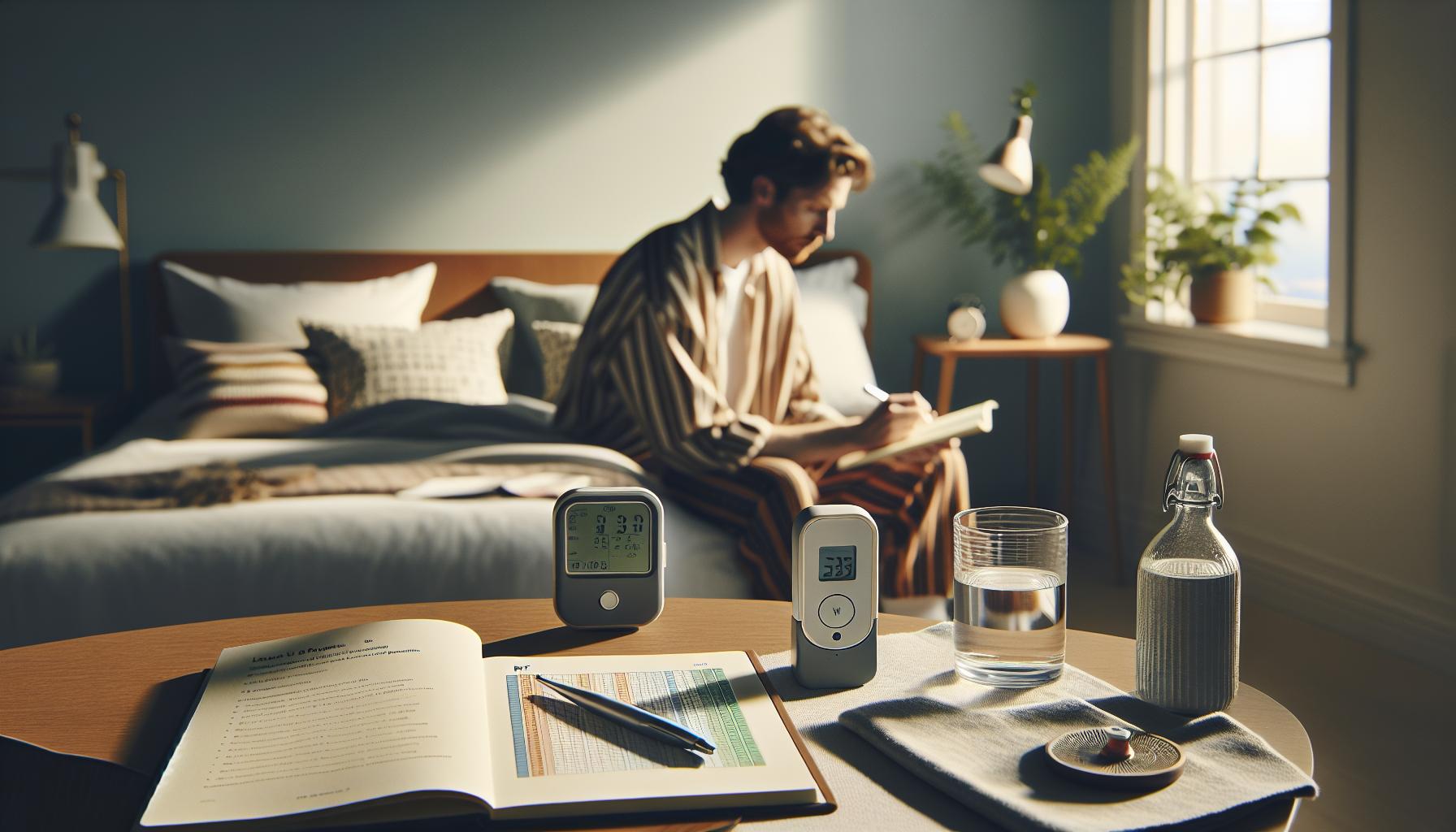
Interpreting BBT Fluctuations and Their Significance
Understanding the fluctuations in basal body temperature (BBT) can unlock valuable insights into your menstrual cycle and overall reproductive health. Each individual has a unique baseline temperature during the follicular phase-before ovulation occurs. Typically, this temperature ranges from 97.0°F to 97.7°F (36.1°C to 36.5°C). A increase of about 0.5°F (0.3°C) or more signals that ovulation has occurred, marking the luteal phase. However, when your sleep is frequently interrupted, discerning these shifts can become tricky.
BBT is primarily influenced by hormonal changes, especially progesterone, which rises after ovulation. When tracking BBT, even slight variations can indicate significant changes in your cycle. For instance, a persistent high temperature post-ovulation may suggest successful ovulation and could indicate the best time for conception efforts. Conversely, a BBT drop just before menstruation can signal the start of your menstrual cycle. Recognizing these trends over several cycles is key to developing a more profound understanding of your reproductive health.
Sleep disturbances can alter these temperature readings, making interpretation challenging. For example, if you take your temperature after only a few hours of sleep, it may appear lower than your true basal temperature, potentially misrepresenting the timing of ovulation. It’s important to note any sleep interruptions in your tracking journal to better contextualize fluctuations. Consider graphing your BBT alongside sleep quality and other symptoms, such as mood or physical health, to see patterns that could provide clarity about your cycle.
When faced with unusual BBT results, consider not just the numbers but the context surrounding them. Did you have a stressful day, consume alcohol, or sleep poorly? Such factors can significantly skew your basal readings. Incorporating comprehensive tracking habits, including documenting sleep quality and lifestyle changes, will empower you to correlate BBT fluctuations with your overall health, leading to a richer understanding of your reproductive cycle.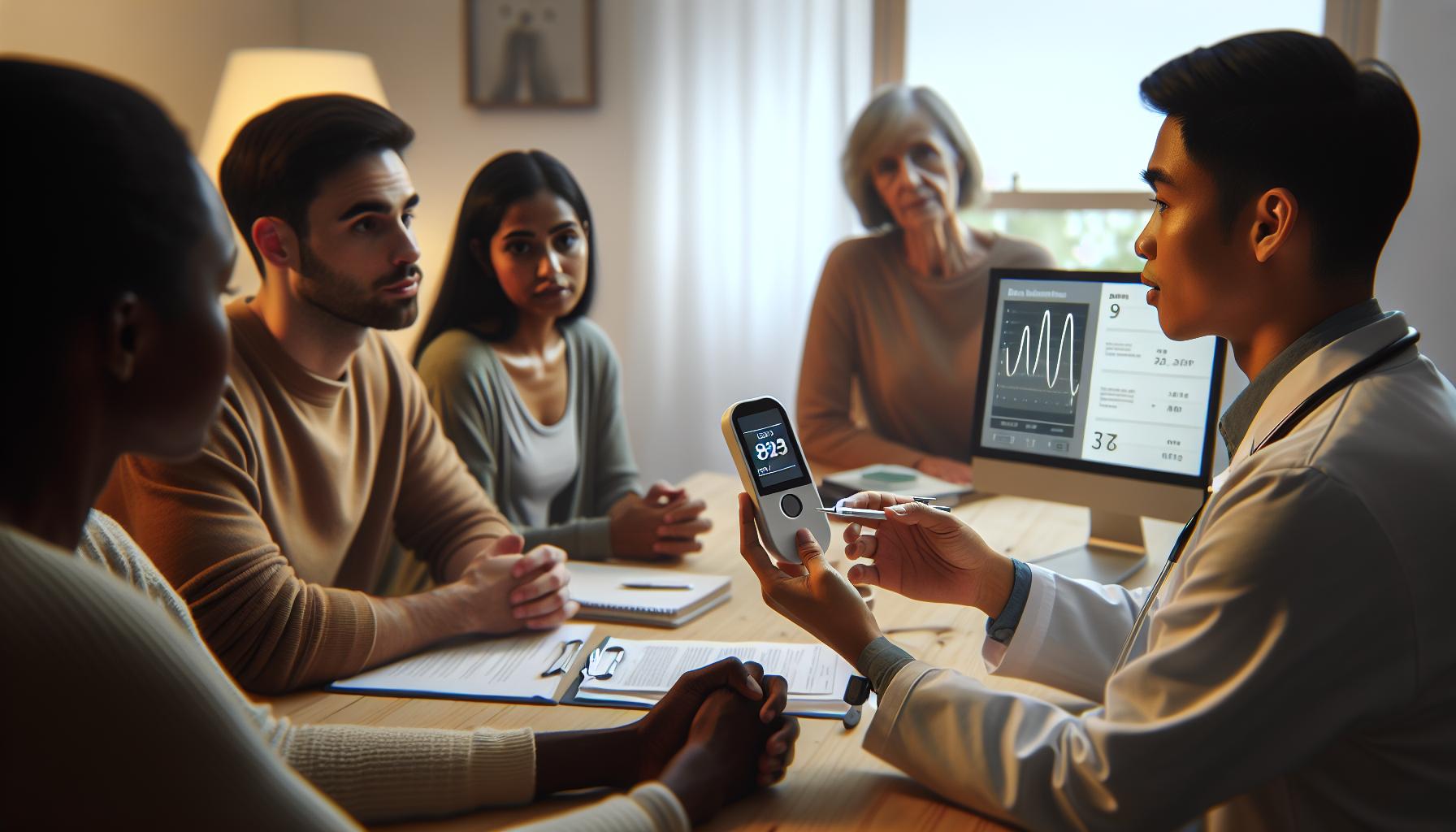
Common Misconceptions About BBT Measurement
Misunderstandings about tracking basal body temperature (BBT) can lead to confusion and frustration, especially when sleep interruptions occur. One common myth is that taking BBT at any time during the day provides accurate readings. However, BBT should only be taken under specific conditions-typically first thing in the morning after at least four continuous hours of sleep. This is crucial because even small amounts of sleep disruption can lead to temperature variations that obscure the actual trends you’re trying to monitor.
Another prevalent misconception is that a single BBT reading should dictate ovulation timing. While a spike of 0.5°F (0.3°C) or more after the follicular phase does often indicate ovulation, irregular sleep patterns can distort this signal. It’s important to track BBT over time, acknowledging that one off reading does not automatically indicate that an ovulation window has passed or that the menstrual cycle is regular. Even factors such as sleep disorders, like insomnia or sleep apnea, can affect your BBT and complicate the interpretation.
Many individuals also believe that external factors, like diet or exercise, will not affect BBT readings as significantly as sleep quality does. Yet, drinking alcohol or consuming caffeine before bedtime can disrupt sleep and lead to inaccurate BBT readings. Implementing thorough tracking habits-including noting changes in diet, lifestyle, and sleep quality-can help contextualize BBT fluctuations and lead to better insights into your reproductive health.
Ultimately, understanding the context of your BBT measurements is essential. It’s not just about the numbers; it’s about the conditions under which those numbers were taken. By recognizing these common misconceptions and adopting a more comprehensive tracking approach, individuals can enhance the reliability of their BBT data and its correlation with fertility insights.
Choosing the Right Tools for BBT Tracking
Tracking basal body temperature (BBT) effectively can be challenging, especially when sleep disruptions are a regular part of life. With a multitude of tools available, choosing the right one can make all the difference in obtaining accurate readings. A well-selected device not only simplifies the process but also enhances the reliability of your data, helping you better correlate BBT with your menstrual cycle and fertility.
Types of Tools for BBT Tracking
When it comes to tracking BBT, there are various types of tools you can utilize:
- Basal Thermometers: These specialized thermometers are designed to measure temperature with precision, typically registering to two decimal places. Using a basal thermometer first thing in the morning ensures that your readings reflect your true resting temperature, a crucial factor for accurate BBT tracking.
- Wearable Devices: Some modern devices (like smart rings and certain wristbands) can monitor temperature throughout the night and might provide a more convenient option for those who frequently wake up or have irregular sleep patterns. Devices like Tempdrop continuously measure your temperature while you sleep, allowing you to collect accurate data without needing to wake at the same time each day Factors to Consider When Choosing Tools
While selecting the appropriate tool for BBT tracking, consider the following:
- Accuracy: Ensure the tool is specifically designed for BBT measurement. Regular thermometers often lack the precision needed for these small fluctuations.
- Convenience: If you often experience sleep interruptions, a wearable device that tracks BBT continuously can save you the trouble of waking to take your temperature manually.
- Ease of Use: Look for tools with user-friendly interfaces, especially if you plan to track additional symptoms alongside BBT. Some apps can integrate this data seamlessly for comprehensive cycle analysis.
- Budget: Weigh the cost of various devices against their features. While quality devices can be an investment, affordable options are often available that provide adequate accuracy for basic tracking needs.
By selecting the right tools for tracking your BBT, you’ll be better equipped to navigate the complexities of your menstrual cycle, especially during times when sleep may not be consistent. This thoughtful approach not only enhances your understanding of your body but can also lead to more informed discussions with healthcare providers when needed.
Sleep Disorders and Their Effect on BBT
Understanding how sleep disorders influence basal body temperature (BBT) tracking is crucial for accurate fertility monitoring. Sleep is vital not only for overall health but also for maintaining the delicate rhythms that affect hormone production and, consequently, temperature readings. Individuals facing conditions like insomnia, sleep apnea, or restless leg syndrome may experience fluctuations in their BBT due to disrupted sleep cycles, making it challenging to interpret their data meaningfully.
In cases of insomnia, for instance, the body’s natural temperature dips during sleep may not occur consistently. This inconsistency can lead to misleading BBT readings. Additionally, increased stress levels related to poor sleep can further influence hormonal balance, adding another layer of complexity to tracking. Similarly, those suffering from sleep disorders often do not experience the restorative sleep necessary for regular temperature regulation, leading to irregularities that can obscure the expected ovulatory shifts in BBT.
For those with a sleep disorder, using continuous monitoring devices may provide an edge in obtaining accurate BBT data. Wearable technologies like smart rings or temperature monitors allow for tracking without the need to wake up at the same time each day. This continuous data can help identify patterns over time, offering insights that single readings might miss. However, it’s important to remember that these devices have their limitations; knowing when to accept their findings or to seek further evaluation can make a significant difference in results.
If you suspect that your sleep disorder significantly impacts your BBT readings, consider consulting a healthcare professional. They can provide resources for improving sleep quality, which in turn may enhance the accuracy of your BBT tracking efforts. A professional assessment could also rule out underlying conditions that might be affecting your menstrual cycle and fertility, allowing for a more tailored approach to tracking and understanding your body’s signals.
Real-Life Scenarios: BBT Tracking Success Stories
Tracking basal body temperature (BBT) can be an enlightening tool in understanding fertility, particularly for individuals grappling with sleep disturbances. One remarkable success story comes from Jennifer, who was struggling to conceive while living with insomnia. With uncontrolled sleep patterns, her BBT data was erratic, making it nearly impossible for her to pinpoint ovulation accurately. After doing some research, she decided to invest in a continuous temperature tracking device, which tracked her BBT through the night without needing her to wake up to record her readings manually.
After a few months of consistent tracking, Jennifer noticed patterns that highlighted the impact of her sleep on her temperature fluctuations. On nights when she experienced more disruptions due to her insomnia, her BBT readings were less stable. This insight was invaluable; it allowed her to correlate her sleep quality directly with her hormonal fluctuations, understanding that irregular sleep cycles led to erratic ovulation signs. Armed with this knowledge, she sought intervention for her sleep issues simultaneously, following advice from a healthcare professional, and within months, her sleep improved, allowing her BBT to stabilize. Ultimately, Jennifer achieved her dream of becoming pregnant, crediting her BBT tracking approach as a vital part of her journey.
Another inspiring example features Mark, who faced similar challenges but with restless leg syndrome (RLS). His BBT tracking was also inconsistent due to frequent nighttime awakenings. By using a smartwatch with integrated sleep tracking functionality, he was able to monitor both his sleep disturbances and BBT. His success story is notable as he learned to distinguish between the nights when his RLS affected his sleep quality and those where he had minimal interruptions. This distinction helped him communicate more effectively with his healthcare provider about finding a treatment plan that addressed both his sleep and fertility goals.
Both of these scenarios illustrate how, with the right tools and a proactive approach to improving sleep quality, individuals can master BBT tracking even amidst interruptions. Acknowledging the sleep-BBT connection can empower readers to better understand their bodies and improve their chances of conception. If sleep disruptions are affecting BBT, leveraging technology in combination with medical advice can make a world of difference-turning challenges into pathways for success in fertility tracking.
Expert Tips for Overcoming Sleep Disruptions
To navigate the challenges of tracking basal body temperature (BBT) amidst sleep disruptions, incorporating strategic methods can empower your fertility journey. First and foremost, prioritize developing a bedtime routine that promotes deep, uninterrupted sleep. Strategies such as reducing screen time an hour before bed, creating a tranquil sleeping environment, and engaging in relaxation techniques-like deep breathing or gentle yoga-can significantly improve sleep quality.
Additionally, utilizing technology can enhance your tracking efforts. Consider wearing a continuous temperature tracking device, which records BBT without the need for manual input, even during wakeful moments. Many devices today are designed to filter out minor disruptions; for instance, the Tempdrop device compiles consistent temperature readings through the night, accounting for disturbances such as night wakings or environmental changes [1[1].
It’s equally important to be aware of the factors that could influence your readings. Common culprits include stress and illness, which can result in fluctuations that misrepresent your ovulation patterns. Keeping a journal can help you identify these influences, helping you correlate sleep quality with BBT variations effectively. Furthermore, maintaining a consistent sleep schedule-a regular wake-up time even on weekends-can help stabilize your internal body clock.
Finally, don’t hesitate to reach out for professional support. Speaking with a healthcare provider about sleep disturbances can lead to tailored solutions that address both sleep and fertility concerns. For example, if anxiety or a specific sleep disorder is impacting your rest, treatments or therapies may offer relief, ultimately helping to stabilize your BBT readings over time. By being proactive and informed, you can turn potential obstacles into manageable tools for understanding your body’s unique rhythms.
How to Correlate BBT with Ovulation and Fertility
Understanding how to correlate basal body temperature (BBT) with ovulation and fertility can empower those on a journey to conception. Research shows that BBT typically rises by about 0.5 to 1.0 degrees Fahrenheit after ovulation due to increased progesterone production. Tracking this slight elevation can be key in identifying your fertile window, thereby enhancing your chances of conception.
To effectively correlate BBT with ovulation, consistency is crucial. Start by recording your temperature first thing in the morning, ideally at the same time each day, to avoid discrepancies caused by varying sleep patterns. Utilize a good quality digital thermometer that provides accurate readings to the nearest tenth of a degree. Keeping a daily log or using a fertility app can help visualize the data you collect over time. Look for patterns: a sustained increase in BBT for three days or more often indicates that ovulation has occurred.
It’s also beneficial to monitor other signs of fertility. Combine BBT data with observations of cervical mucus changes and ovulation predictor kits, which detect hormone surges. These additional indicators can provide a fuller picture of your cycle and enhance the accuracy of your predictions. If you notice that your sleep has been interrupted due to stress or other health issues, it could lead to inaccuracies in BBT readings. Understanding the impact of sleep hygiene on your body can help manage such external factors.
Suppose you experience fluctuations in BBT that seem inconsistent with your expected ovulation patterns. In that case, it might be useful to consult a healthcare professional, as underlying conditions such as polycystic ovary syndrome (PCOS) or thyroid issues can affect both sleep and temperature regulation. Ultimately, being informed about the interplay between BBT, sleep quality, and overall reproductive health equips you to make smart choices on your fertility journey.
Understanding the Limitations of BBT Tracking
Tracking basal body temperature (BBT) is a vital tool for many trying to conceive, yet its effectiveness can be significantly compromised by sleep disruptions. A consistent sleep pattern is essential for obtaining accurate BBT readings. Variations in sleep duration and quality can lead to fluctuations in body temperature, making it challenging to interpret the data correctly. For example, if you wake up multiple times during the night or rise very early, your body’s thermal readings may not effectively reflect your actual resting temperature, crucial for identifying ovulation.
Several factors can influence BBT tracking and add to its limitations. Stress, lifestyle choices, and even the timing of temperature measurements can distort results. When sleep is interrupted, your body can experience altered hormonal rhythms and thermoregulation. As a result, you might notice unusual BBT fluctuations that don’t align with your expected ovulation schedule. A common pitfall is believing that one inconsistent reading immediately invalidates your tracking; however, it’s important to consider the pattern over several cycles rather than fixating on individual readings.
To enhance the accuracy of BBT tracking despite sleep interruptions, consider these practical tips:
- Measure at Consistent Times: Try to take your temperature at the same time each morning after at least three hours of uninterrupted sleep.
- Record Sleep Quality: Keep a diary of your sleep habits, noting any disturbances that could influence your BBT.
- Combine Methods: Use BBT tracking in conjunction with other fertility awareness methods, like monitoring cervical mucus, to gain a clearer picture of your cycle.
Remember, while BBT is a valuable indicator of ovulation, it is not infallible. External factors like sleep disorders can complicate the readings, making it essential to maintain a holistic view of reproductive health and consult healthcare professionals when necessary. This comprehensive understanding will empower you to make informed decisions on your journey toward conception.
When to Consult a Healthcare Professional About Sleep and BBT
Recognizing when to seek professional guidance is crucial, especially when tracking your basal body temperature (BBT) amidst sleep disruptions. If you’ve been diligently charting your BBT but find that sleep disturbances are severely affecting your readings, consulting a healthcare professional is a smart move. This can be particularly important if you’re experiencing persistent sleep issues such as insomnia, excessive daytime sleepiness, or frequent awakenings, which can interfere with your body’s hormonal balance and thermoregulation.
If you notice fluctuations in your BBT that are inconsistent and don’t match your menstrual cycle or ovulation predictions, it may be time to reach out for help. Combining BBT tracking with irregular sleep patterns can lead to confusion and frustration. A healthcare provider can help decipher whether these anomalies are due to simple sleep issues or if they point to underlying conditions such as sleep apnea or hormonal imbalances. Moreover, they can recommend appropriate studies to assess your sleep quality, such as polysomnography, which is a comprehensive sleep study. This can help determine how sleep quality might be impacting your overall reproductive health, making it easier to align tracking methods with actual ovulation times.
Additionally, if you’re extensively tracking BBT for fertility purposes and feel as though stress or anxiety around the process is mounting, it’s beneficial to discuss these feelings with a professional. They provide not only medical advice but also emotional support and coping strategies, ensuring that you navigate this journey with both physical and mental well-being in mind.
Consider scheduling a consultation with a sleep specialist or a reproductive health expert when your BBT tracking becomes complicated by sleep interruptions. They can offer tailored advice and explore treatment options, assisting you in achieving a more accurate understanding of your fertility and overall health. Ultimately, the goal is to empower yourself with the right information and support systems, enhancing your chances of achieving your reproductive goals while managing your sleep health effectively.
Frequently asked questions
Q: How does sleep interruption affect BBT readings?
A: Sleep interruptions can cause fluctuations in Basal Body Temperature (BBT), leading to inaccurate tracking. A significant drop or rise in temperature during disturbed sleep may misrepresent your ovulation cycle. For best results, aim to track BBT after a full night’s rest.Q: Can I still identify ovulation with inconsistent BBT readings?
A: Yes, you can detect ovulation despite inconsistent readings, but it may be more challenging. Look for patterns over several cycles and consider complementary methods like ovulation tests to increase reliability. Detailed tracking is covered in the section on correlating BBT with ovulation.Q: What tools are best for tracking BBT with sleep disturbances?
A: For accurate BBT tracking, use a high-quality basal thermometer that ensures precise measurements. Apps that log BBT and sleep patterns can aid in understanding fluctuations. Refer to our section on choosing the right tools for BBT tracking for further insights.Q: How can I minimize the impact of sleep issues on BBT tracking?
A: To minimize the effect of sleep disturbances, try to establish a consistent sleep routine. Use white noise machines and avoid caffeine before bed. Focus on tracking during nights of undisturbed rest, as discussed in our expert tips for overcoming sleep disruptions.Q: What should I do if my BBT readings are consistently erratic?
A: Consistently erratic BBT readings may indicate underlying health issues. Consult with a healthcare professional to evaluate potential sleep disorders or hormonal imbalances, as elaborated in the section on when to consult a healthcare professional.Q: Is it normal for BBT to vary widely after sleep interruptions?
A: Yes, it is normal for BBT to vary considerably after sleep interruptions. Such changes reflect your body’s response to sleep disturbances. For further understanding of these fluctuations, see the section on interpreting BBT fluctuations and their significance.Q: How does age affect the accuracy of BBT tracking?
A: Age can influence BBT tracking accuracy. Hormonal changes in women, especially during perimenopause, may lead to more significant fluctuations. Refer to our article’s discussion on understanding the limitations of BBT tracking for more detailed insights.Q: What are common myths about BBT tracking during disturbed sleep?
A: A common myth is that all BBT readings must be taken at the same time for accuracy. While ideal, fluctuations can still provide valuable information about your cycle. Explore common misconceptions about BBT measurement to debunk more myths.The Way Forward
Understanding how to effectively track BBT when sleep is interrupted can significantly enhance your insights into your sleep health. As we’ve discussed, disruptions in your sleep could potentially affect hormone levels and overall well-being. If you’re still unsure about which tools to use or how to interpret your data, check out our detailed guides on sleep trackers and the implications of sleep studies for more streamlining options.
Don’t miss your chance to master your sleep patterns-sign up for our newsletter for expert tips delivered straight to your inbox, or explore our resources on sleep disorders and management strategies to empower your journey toward better sleep. Your comfort and health are our priorities, and we’re here to support you every step of the way. Have questions or need further assistance? Join the conversation in the comments below and connect with others on the same path. Remember, your journey to quality sleep starts today!
Make AdvancedSleepLabs.net a Preferred SourceGet our latest guides, news, and insights highlighted in your Google Search & AI Overviews.
✓ Preferred Source Added