
Did you know that sleep is just as crucial for your health as diet and exercise? Many people struggle with achieving restorative sleep, which is vital for overall well-being. The Jawbone UP series offers a solution by tracking your sleep patterns and providing insights to help you improve your nightly rest. In this guide, we’ll explore how Jawbone UP sleep tracking works, empowering you to make informed decisions about your sleep health. Whether you’re seeking to understand your sleep stages, improve your nightly routine, or simply want to learn how sleep trackers can aid those with sleep disorders, this comprehensive legacy guide is designed to illuminate your path to better sleep. Keep reading to discover effective strategies and tips tailored to your needs, and take the first step towards transforming your sleep experience.
Understanding Sleep Tracking: What You Need to Know
Sleep tracking technology has revolutionized the way individuals understand their sleep patterns, allowing them to gain insights into the quality and duration of their rest. Many people today turn to wearables like the Jawbone UP for more personalized sleep tracking. This device not only counts steps and monitors activity levels but also plays a crucial role in analyzing sleep stages, providing a rich dataset that users can leverage to improve their health and well-being.
Jawbone UP utilizes accelerometer data to detect movement during sleep, effectively allowing it to discern between different sleep states. When you wear the device, it tracks your movements and can identify when you are awake or in light or deep sleep. This is beneficial for users to understand their sleep cycles better and recognize patterns over time, which can inform lifestyle changes or indicate when professional help might be necessary.
Understanding the role of devices like Jawbone UP can demystify the often complex topic of sleep health. A key consideration is that while wearables can offer valuable insights, they do not replace the depth of data provided by professional sleep studies. If you’re experiencing significant sleep issues, it’s essential to differentiate between tracking with a device and undergoing a comprehensive assessment by a healthcare professional. By integrating the insights gained from Jawbone UP with broader sleep health practices, you can cultivate better sleep hygiene and aim for more restorative rest.
In this landscape of sleep tracking, it’s also important to stay informed about device capabilities and limitations-Jawbone UP provides a user-friendly approach to viewing your sleep data, yet the accuracy of sleep stage detection may vary. Users should be equipped with knowledge that complements their tracking efforts, allowing for a holistic view of their sleep health that includes not only technology but also lifestyle adjustments and, when necessary, consultations with sleep specialists.
How Does Jawbone UP Track Sleep Patterns?
By harnessing motion and activity data, Jawbone UP offers a practical approach to tracking sleep patterns, allowing users to gain insights about their nightly rest. The device employs a built-in accelerometer to monitor movements throughout the night, differentiating between states of wakefulness, light sleep, and deep sleep. This capability helps users understand their sleep cycles better, providing valuable information about the quality and duration of their sleep.
When you wear the Jawbone UP while sleeping, it tracks various sleep metrics based on your movements. For instance, if you frequently shift positions during the night, the device records this variance, which can help indicate when you are in a lighter sleep stage. Additionally, at the beginning and end of your sleep period, Jawbone UP also notes the time spent lying awake and can give insights into your sleeping habits over time.
It’s essential to recognize that while Jawbone UP’s sleep-tracking technology is quite innovative, it does come with limitations. Unlike polysomnography (PSG), the gold standard in sleep studies, it may not accurately capture all aspects of sleep stages or disturbances. Instead, it provides an overview based on movement rather than comprehensive biological data. Therefore, if you are experiencing ongoing sleep problems, it’s wise to consider consulting with a healthcare professional for a more in-depth evaluation.
For users seeking to maximize the effectiveness of their Jawbone UP, it’s beneficial to integrate the device’s data with broader sleep health strategies. By reflecting on your tracked sleep patterns and making adjustments to your sleep environment or routines-like maintaining a consistent sleep schedule or optimizing bedroom comfort-you can enhance your overall sleep quality. The insights gained from Jawbone UP can then act as a guide for making informed lifestyle changes that promote better rest.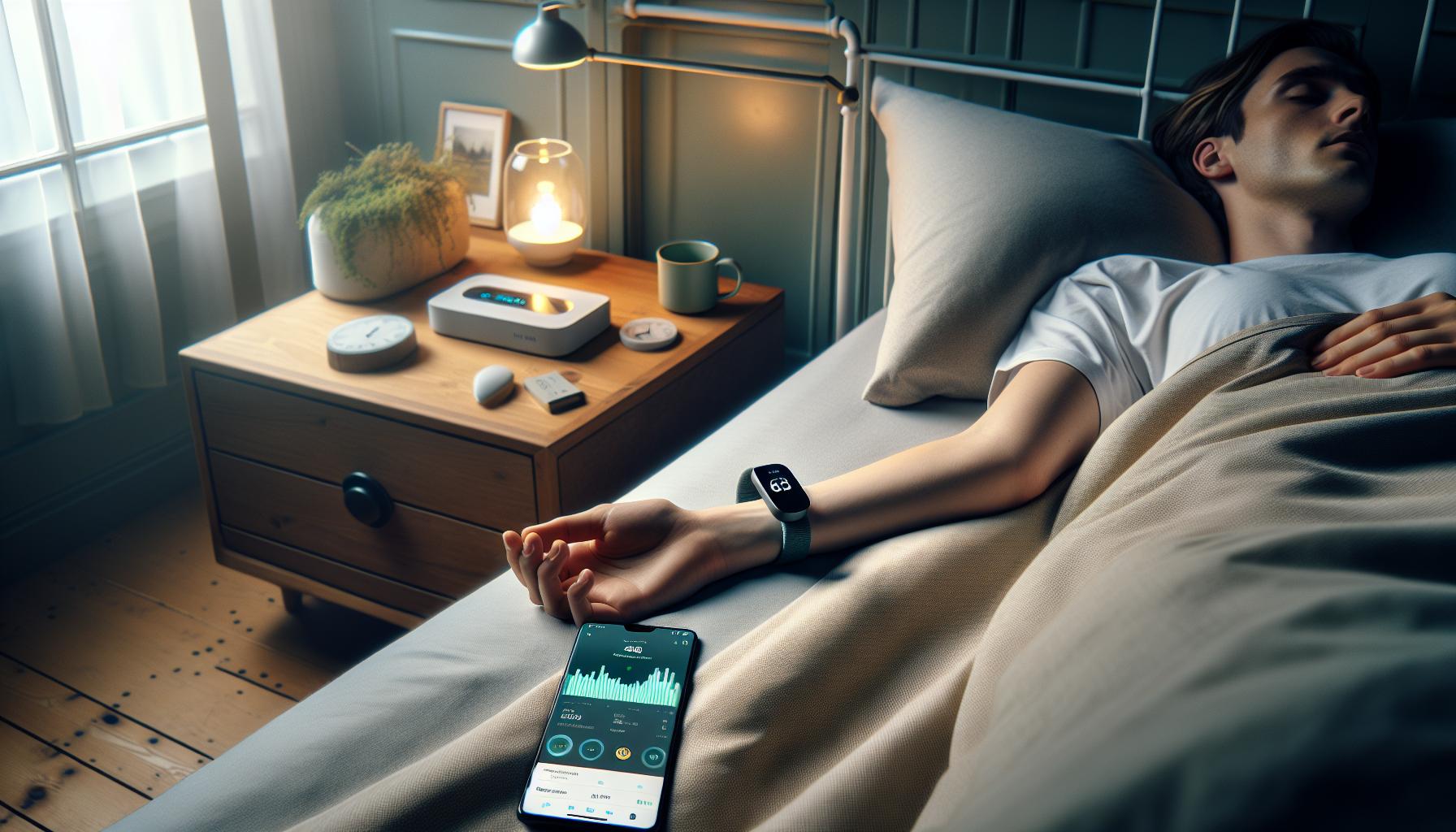
Key Features of Jawbone UP Sleep Tracking
The Jawbone UP sleep tracker offers several standout features that help users gain valuable insights into their sleep quality and patterns. At its core, the device uses a sophisticated built-in accelerometer to monitor movement throughout the night. This technology allows the Jawbone UP to differentiate between various sleep states-such as light sleep, deep sleep, and awakenings-by recording the wearer’s movements. For example, if you frequently change positions during the night, the UP accurately logs these shifts, providing essential information about the depth of your sleep.
- Comprehensive Sleep Metrics: The Jawbone UP not only tracks the duration of your sleep but also captures detailed metrics, including light and deep sleep cycles. This feature allows users to understand how restorative their sleep is and identify potential areas for improvement.
- Smart Alarm: One of the more appreciated features is the smart alarm, which can wake you during a light sleep phase within a set window of time. This helps users feel more refreshed in the morning, avoiding the grogginess often associated with waking from deep sleep.
- Daily Activity Integration: The UP tracks daily activities and calories burned, allowing users to see how their daytime behaviors impact their sleep at night. This holistic view fosters better health habits by encouraging users to make lifestyle adjustments based on their overall activity levels.
- Trends and Insights: By syncing the UP with the companion app, users can view trends over time, helping them recognize patterns in their sleep cycles. Users can pinpoint specific habits that correlate with better or worse sleep, leading to more informed decisions regarding their routines.
Practical Setup and Use
Setting up the Jawbone UP is straightforward. Users simply wear the device during sleep and sync it with their smartphone app. After a few nights of data collection, the app provides an overview of sleep patterns, including total sleep time, average sleep quality, and frequency of awakenings.
The device is also designed to encourage user engagement with notifications about sleep habits and reminders for healthier practices. This supportive approach helps users stay motivated to improve their sleep, blending innovative technology with actionable advice.
Setting Up Your Jawbone UP for Sleep Tracking
To effectively harness the sleep tracking capabilities of the Jawbone UP, proper setup is essential. Start by ensuring your device is fully charged. Wearing it on your wrist is the most common method, though some users prefer placing it in their pocket or on their shoe for convenience. Once you’re ready, download the Jawbone UP app from your smartphone’s app store. The app will guide you through the initial pairing process via Bluetooth, allowing you to sync the device for the first time.
After pairing, you’ll need to set your personal sleep preferences within the app. This includes specifying your typical sleep schedule and any goals you want to achieve, such as improving sleep duration or quality. The UP is equipped with an automatic sleep detection feature, meaning once you wear it during sleep, the device will enter sleep mode without requiring manual input. However, to maximize its effectiveness, consider keeping a consistent sleep schedule, as this helps the device track your progress over time.
For beginners, it’s helpful to familiarize yourself with the app interface. Explore the various metrics it provides after a few nights of use, which can include total sleep duration, light and deep sleep cycles, and periods of awakenings. These insights can help you not only grasp your sleep patterns better but also highlight areas for improvement. Additionally, taking advantage of notifications and reminders from the app can keep you engaged and motivated on your journey to better sleep.
Lastly, remember that the Jawbone UP, while an excellent tool for tracking and analyzing your sleep, is not a substitute for professional sleep studies. If you have persistent sleep issues, consider consulting a healthcare professional for more comprehensive advice. This combination of personal tracking and professional guidance can lead to a more profound understanding of your sleep health, ultimately enabling you to make informed decisions tailored to your needs.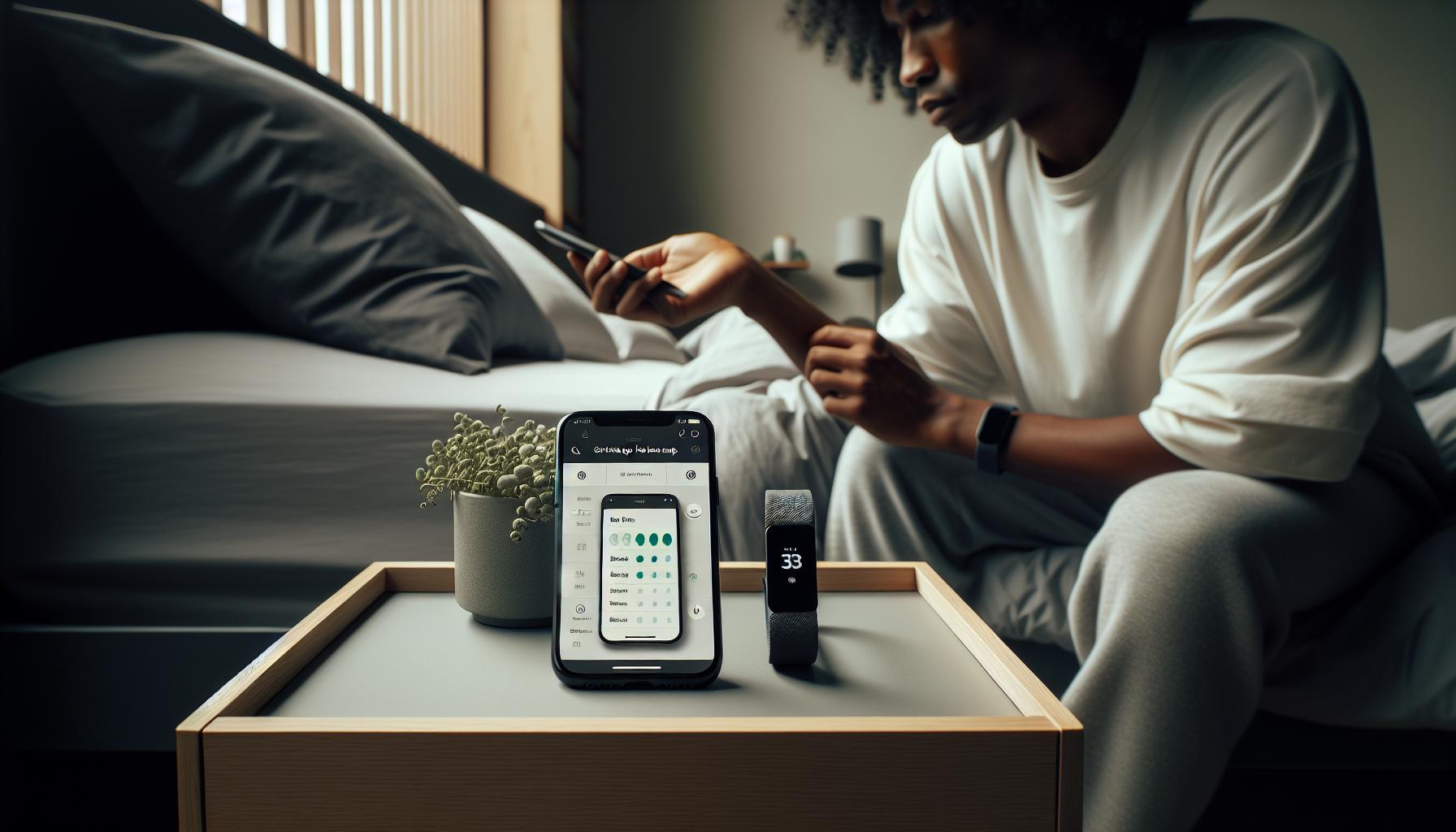
Interpreting Your Sleep Data from Jawbone UP
Understanding your sleep data from the Jawbone UP can significantly enhance your sleep health journey. With insightful metrics provided by this device, users can uncover patterns and behaviors that influence their rest quality. For instance, the tracker monitors not only how long you sleep but also the different stages of sleep you experience, which include light sleep, deep sleep, and periods of wakefulness throughout the night. This data is presented in a user-friendly layout within the app, often filled with charts and graphs that make it easier to visualize your sleeping habits.
When reviewing your sleep data, pay attention to key metrics such as total sleep duration and sleep efficiency. Sleep efficiency is a ratio of time spent sleeping to time spent in bed, and a higher percentage indicates more restful sleep. You might also want to consider your light versus deep sleep proportions. While both stages are important for recovery and well-being, deep sleep is particularly vital for restoration and health. Look for trends over time; for instance, you may notice that certain lifestyle changes-like adjusting your diet or reducing screen time before bed-correlate with improved sleep quality.
Another valuable aspect of the Jawbone UP’s data interpretation is the feedback mechanism it provides. After analyzing your sleep habits, the app often generates insights or suggestions tailored to your specific patterns. For example, if it detects frequent awakenings, it might recommend establishing a more consistent sleep schedule or reducing caffeine intake before bedtime. Such personalized advice empowers you to make informed changes, ultimately leading to better sleep outcomes.
As you delve into your sleep data, consider integrating this information with broader sleep health practices. Combining insights from your tracker with lifestyle adjustments, such as relaxation techniques or better sleep environment strategies, can lead to cumulative benefits. While the Jawbone UP is a powerful tool, it’s essential to remember that it doesn’t replace professional evaluation. If persistent sleep issues arise, consulting a healthcare professional remains a prudent option to ensure comprehensive care.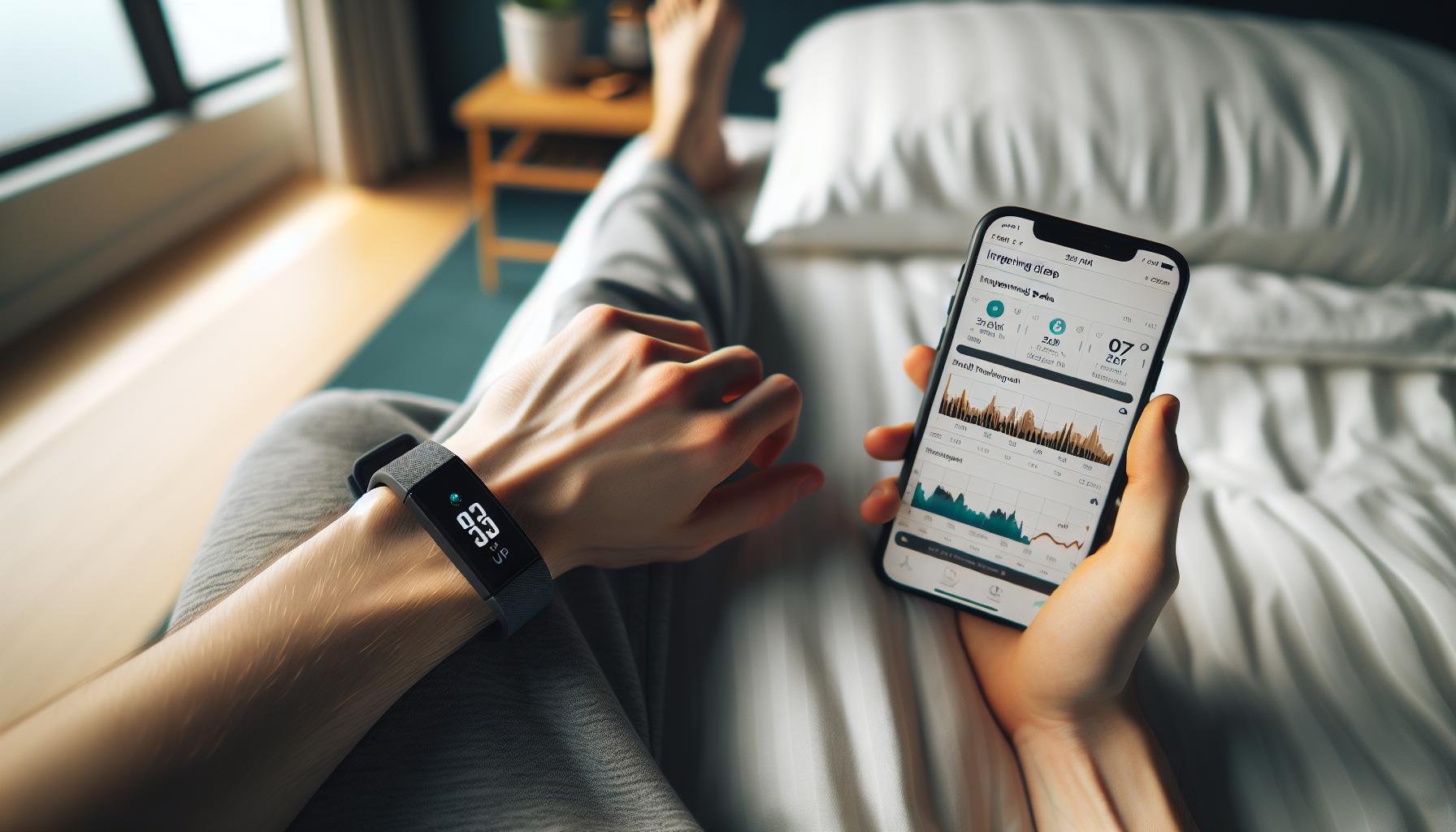
Limitations of Jawbone UP Sleep Tracking
While the Jawbone UP series offers various features for sleep tracking, it is essential to recognize its limitations to make informed decisions regarding your sleep health. Understanding these constraints can help you manage expectations and determine whether a device like the Jawbone UP is sufficient for your needs or if you might need more comprehensive monitoring.
One notable limitation is that Jawbone UP primarily relies on movement data to estimate sleep patterns. The device uses an accelerometer to track your movements throughout the night; thus, if you remain still during sleep, the tracker may inaccurately interpret deeper stages or periods of wakefulness. This can lead to potential miscalculations in your sleep cycles, with the device sometimes failing to differentiate between light and deep sleep effectively. It might also struggle with interpreting the subtle movements associated with lighter sleep stages or when you turn over in your bed.
Another critical consideration is the absence of advanced biometrics that many modern trackers possess. Unlike some devices that measure heart rate variability or sleep apnea indicators, the Jawbone UP does not monitor physiological signals that can provide deeper insights into your sleep quality. While it offers data on total sleep duration and general efficiency, it’s crucial to understand that deeper sleep metrics may go unmeasured, limiting your overall understanding of sleep health.
Moreover, the Jawbone UP has been reported to have compatibility issues with some apps and devices, which might affect data syncing and user experience. Users may find that the information presented in the app does not always correlate with their actual sleep experiences. This discrepancy can be frustrating, especially if you rely on this information to adjust your sleep habits.
Lastly, while wearables like the Jawbone UP provide valuable insights, they are not a substitute for professional sleep studies when confronting severe sleep issues. If you experience persistent sleep disturbances or suspect disorders such as sleep apnea, consulting a healthcare professional or undergoing a polysomnography evaluation may be necessary for a more accurate diagnosis and tailored treatment plan. Balancing the use of a tracker with expert advice ensures a more comprehensive approach to understanding and improving your sleep health.
Comparing Jawbone UP with Other Sleep Trackers
When it comes to sleep tracking, the Jawbone UP faces stiff competition from other devices that may offer more advanced features and more accurate data. Understanding how the UP stacks up against its rivals can help you make a more informed decision about which tracker is best for your sleep health.
Key Comparisons
- Fitbit Charge Series: Unlike the Jawbone UP, the Fitbit Charge series includes heart rate monitoring, which can provide insights into your sleep quality beyond movement detection. It tracks sleep stages (light, deep, and REM), offering a more comprehensive view of your nightly rest. Users often report that the Fitbit app provides a clearer analysis of sleep patterns.
- Garmin Vivosmart: This fitness tracker also measures heart rate and includes a body battery feature, which indicates how ready you are to take on the day based on your sleep and activity levels. In contrast, Jawbone UP’s reliance on movement data alone may not capture the nuances of your sleep cycle as effectively.
- Xiaomi Mi Band: Known for its affordability, this tracker also offers a sleep tracking functionality with additional heart rate monitoring. Users find that it provides detailed sleep insights comparable to pricier models, which may make it a better value compared to the Jawbone UP.
User Experience
Real-life experiences can highlight these differences. Many users of the Jawbone UP have noted that while it’s user-friendly and offers basic sleep tracking metrics, they’ve wanted additional details like sleep stage breakdowns or heart rate analytics. In comparison, users of devices like the Fitbit and Garmin often rave about the depth of their sleep analysis, which feels more tailored to their nightly routines and health insights.
Price vs. Features
When evaluating cost versus features, it’s essential to consider what you want from a sleep tracker. The Jawbone UP may appeal to those who need a budget-friendly option and don’t require in-depth analysis. In contrast, investing a bit more in brands like Fitbit or Garmin could yield greater benefits if you are looking for comprehensive monitoring.
In summary, while the Jawbone UP has its strengths in ease of use and basic sleep tracking, other devices on the market may offer more detailed insights and user-friendly features. Consider your personal needs and preferences, as well as what you wish to achieve by tracking your sleep, before making a decision.
Real User Experiences: Jawbone UP in Action
Many users of the Jawbone UP have turned to this device as a simple yet effective way to understand their sleep patterns. For those unfamiliar with it, the Jawbone UP primarily tracks activity through its built-in accelerometer, enabling it to gather data on movement throughout the day and night. A significant number of reviews highlight the ease with which users can set it up and begin monitoring their sleep. After only one night of use, many report that the device provides insights into how long they slept, how often they woke up, and even the quality of their rest.
However, while user experiences are often positive, they also reflect some common frustrations. A frequent theme is the desire for more detailed insights. Users appreciate the basic metrics of total sleep time and wake time but often long for specifics like sleep cycle stages (light vs. deep sleep) or heart rate variations. For example, one user noted that while the Jawbone UP’s tracking helped them understand general sleep trends, they missed having a more nuanced view that could be obtained from devices such as Fitbit or Garmin, which provide deeper analyses of sleep quality thanks to their advanced sensors.
Another aspect of the Jawbone UP experience is its user-friendly app, which many found intuitive and easy to navigate. Users often rave about how seamlessly the app syncs with the device, allowing them to review their sleep patterns over time. Yet, a few have mentioned occasional syncing issues, particularly if the device isn’t regularly charged or properly worn. Thus, while the Jawbone UP serves well for those starting their journey in sleep tracking, it’s clear that users looking for sophisticated metrics may eventually seek more advanced alternatives.
Ultimately, the Jawbone UP offers a valuable entry point into sleep tracking, empowering users to take control of their sleep health. However, as they become more engaged in monitoring their rest, many find they have questions and needs that extend beyond what the UP can provide, highlighting the importance of understanding any device’s features and limitations before purchase.
Advanced Techniques for Optimizing Sleep Tracking
To get the most out of your Jawbone UP, optimizing its sleep tracking capabilities can transform the way you understand your rest patterns. Users often overlook the simple tweaks that can significantly enhance the accuracy and utility of their sleep data. By adopting a few advanced techniques, you can elevate your experience and gain deeper insights into your sleep quality.
One effective strategy is to establish a consistent sleep routine, going to bed and waking up at the same time each day. This regularity not only helps your body regulate its internal clock but also enables the Jawbone UP to learn your patterns, improving the reliability of its tracking. Additionally, consider utilizing the device’s silent alarm feature. Waking up gently during lighter sleep stages can help you feel more refreshed and reduce the grogginess often associated with waking from deep sleep.
To further enhance your sleep tracking, try maintaining a sleep diary alongside the data the Jawbone UP provides. Note factors like daily activity levels, caffeine intake, and evening routines. Comparing this information with your tracking data can unveil hidden correlations that may affect your sleep. For instance, if you notice poorer sleep after a day of high caffeine consumption, you might decide to adjust your habits and track the changes.
Finally, remember that while the Jawbone UP offers valuable insights, it’s not a replacement for professional sleep studies in all cases. If you suspect significant sleep disorders, or if your sleep data reveals persistent issues, consulting with a sleep specialist can provide more accurate diagnostics and tailored recommendations. Balancing technology and professional advice is key to achieving optimal sleep health.
By implementing these techniques, you’ll not only optimize your Jawbone UP experience but also take significant steps toward better sleep hygiene and overall well-being.
Integrating Jawbone UP with Sleep Health Practices
Integrating wearable technology like the Jawbone UP into your sleep health practices can significantly enhance your understanding of sleep quality and help you establish better habits. The first step is recognizing that tools like the Jawbone UP are complementary to traditional sleep approaches, not replacements. For effective integration, consider developing a morning routine that leverages your UP’s data. For instance, use the insights on your sleep stages and duration to plan your day. If you notice consistently low deep sleep, you might prioritize winding down earlier or adjusting your evening activities to promote better rest.
Establishing a feedback loop between the data collected by your Jawbone UP and your lifestyle choices can also be beneficial. Incorporate daily reflections into your practice; spend a few minutes journaling about how you felt after various sleep patterns indicated by the tracker. Were you energetic after a night of adequate sleep? Or sluggish after less restorative rest? This process can help you identify personal patterns and trigger factors that impact your sleep quality.
Emphasizing a holistic approach is key. Consider incorporating sleep hygiene practices alongside your tracking. Maintain a consistent sleep schedule by going to bed and waking up at the same times daily. This can help align your body’s internal clock, which will make the Jawbone UP’s tracking more accurate. Additionally, creating a bedtime routine that promotes relaxation-such as reading or meditation-can enhance the quality of sleep tracked by the device.
Lastly, while Jawbone UP offers valuable insights, understanding its limitations is crucial. It’s an excellent tool for identifying trends, but it may not capture all aspects of sleep health. For deeper insights or persistent sleep issues, do not hesitate to discuss your findings with a healthcare professional. They can guide you through when to consider more comprehensive options like polysomnography, should you suspect serious sleep disorders. Balancing technology with expert guidance is vital for achieving the best possible sleep health.
When to Consider a Sleep Study vs. a Tracker
When considering sleep health, it’s crucial to recognize that while devices like the Jawbone UP can provide insights into sleep patterns, they have limitations. If you’re experiencing persistent sleep issues, it may be time to evaluate whether a more comprehensive approach, such as a sleep study, is appropriate.
Sleep trackers like the Jawbone UP monitor movement and estimate sleep patterns through accelerometry. They can help you establish a basic understanding of your sleep duration and general quality, but they may not capture the full picture. For example, while these devices can provide insights on light and deep sleep phases, they lack the medical accuracy needed to diagnose underlying sleep disorders such as sleep apnea, restless leg syndrome, or narcolepsy. If you’re regularly feeling fatigued, snoring heavily, or experiencing interruptions in your sleep pattern, these may be signs that warrant further investigation through a sleep study.
A sleep study, known as polysomnography, is a more detailed evaluation typically conducted in a sleep lab. It monitors brain activity, heart rate, breathing patterns, and blood oxygen levels overnight-providing a comprehensive view of your sleep health. This method is particularly useful for diagnosing serious sleep conditions and is often covered by health insurance, depending on the specific circumstances of the case. While the cost can be a consideration (generally ranging from $500 to $3,000), knowing whether insurance will cover the test can alleviate financial concerns.
In deciding between a sleep tracker and a sleep study, consider these key points:
- Duration and Quality of Sleep: If your Jawbone UP reveals consistently poor sleep metrics without improvement after lifestyle changes, a sleep study may reveal deeper issues.
- Severity of Symptoms: Frequent daytime sleepiness, difficulty concentrating, or other serious sleep-related symptoms suggest the need for professional evaluation.
- Actionable Insights: If your sleep tracker data leads to changes in your routine but doesn’t alleviate symptoms, don’t hesitate to consult your healthcare provider.
Utilizing both technologies as complementary tools is often the best approach. Start with the Jawbone UP to identify potential issues, and if symptoms persist, consider escalating to a sleep study for thorough evaluation. This balanced method empowers you to make informed decisions about your sleep health, leading to more effective interventions tailored to your needs.
Future of Sleep Tracking Technology and Trends
Advancements in sleep tracking technology are rapidly evolving, pushing boundaries and providing deeper insights into the complexities of our sleep patterns. One of the most promising trends is the integration of artificial intelligence (AI) and machine learning algorithms, which enhance the accuracy and personalization of sleep data. These technologies analyze vast amounts of data collected over time and can offer more tailored recommendations for improving sleep hygiene based on individual behavior and environmental factors.
Wearable technology continues to lead the charge in consumer sleep tracking, with products like the Jawbone UP paving the way. However, recent developments in smart home technology have introduced competitors like sleep-enhancing mattresses and connected sleep environment devices that monitor factors such as temperature, noise, and light levels. These systems work synergistically with wearables to create a holistic approach to sleep health, helping users optimize their sleep environment for better rest quality.
In addition to traditional metrics like sleep duration and cycles, newer devices incorporate features like respiratory rate and heart rate variability, which can signal potential health issues. As telehealth grows, we might soon see these metrics feeding directly into healthcare providers’ systems, enabling faster diagnosis and more responsive treatment options for sleep disorders. This interconnectedness exemplifies how consumers can leverage technology not just for tracking sleep, but as an integral part of their overall health management.
As we look to the future, more emphasis will be placed on the intersection of sleep research and wearable technology. Innovations like non-invasive EEG monitoring, which can precisely track brain waves during sleep, could become standard in consumer products. This shift will likely empower consumers with deeper insights and lead to a more nuanced understanding of their sleep needs, bridging the gap between daily habits and long-term well-being. The evolution of sleep technology offers exciting prospects, promising a future where sleep health is more accessible, understandable, and actionable than ever before.
Frequently asked questions
Q: How does the Jawbone UP track sleep quality?
A: The Jawbone UP uses motion sensors to detect movements during the night, which helps in determining sleep stages such as light and deep sleep. By analyzing your movements and activity levels, it generates a comprehensive overview of your sleep quality and duration.
Q: Can the Jawbone UP identify sleep disorders?
A: While the Jawbone UP provides insights into sleep patterns, it is not designed to diagnose sleep disorders. For accurate assessments, it’s recommended to consult a sleep specialist or consider a sleep study, especially if you suspect conditions like sleep apnea.
Q: Is there a way to improve the accuracy of Jawbone UP sleep tracking?
A: To enhance tracking accuracy, consistently wear your Jawbone UP while sleeping and use the app to log your sleep times. Familiarizing yourself with sleep hygiene practices-like keeping a regular sleep schedule-can also optimize data collected.
Q: What should I do if my Jawbone UP isn’t syncing sleep data?
A: If your Jawbone UP isn’t syncing sleep data, first check your Bluetooth connection and ensure the app is updated. Restarting your device or the app can also resolve syncing issues. Refer to the troubleshooting section of the user manual for further assistance.
Q: How does Jawbone UP sleep tracking compare to other devices?
A: The Jawbone UP focuses on basic sleep tracking features such as duration and sleep quality, whereas other devices may offer advanced metrics like heart rate variability and sleep apnea detection. Consider your specific needs when choosing a device.
Q: How do I set sleep goals with Jawbone UP?
A: You can set personalized sleep goals in the Jawbone UP app under settings. Define your target sleep duration and quality levels, and the app will provide insights to help you achieve these goals through tracking and reminders.
Q: Does the Jawbone UP require specific app settings for sleep tracking?
A: Yes, enable sleep tracking in the Jawbone UP app settings to allow it to monitor your sleep automatically. While manual tracking is also an option, automatic detection typically yields richer data for analysis.
Q: What insights can I gain from my Jawbone UP sleep data?
A: Your Jawbone UP sleep data provides insights into how long you slept, the quality of your rest, and overall sleep patterns. By interpreting this data, you can identify trends and make informed decisions to improve your sleep health.
Explore more about sleep tracking technologies in our dedicated sections for comprehensive guidance.
Key Takeaways
Thank you for exploring our comprehensive guide on the Jawbone UP sleep tracker! Understanding its features is just the beginning of your journey to better sleep health. Now that you’re equipped with insights on how it works, consider diving deeper into our articles on sleep disorders, effective sleep study options, and comparisons of wearable sleep technologies to refine your approach further.
Have questions or experiences to share? We invite you to leave a comment below-your insights could help others on their sleep health journey! Don’t forget to subscribe to our newsletter for the latest tips on sleep improvement and health resources. Take charge of your sleep today; empowered choices lead to restful nights!
Get our latest guides, news, and insights highlighted in your Google Search & AI Overviews.