
Did you know that nearly 70 million Americans suffer from sleep disorders, making restful nights a challenge for many? An at-home sleep study offers a convenient and effective way to understand your sleep patterns and health without the need for a clinical visit. This guide will walk you through the essential steps for setting up a home sleep study, demystify the technology you’ll use, and help you feel confident in navigating your sleep health. Whether you’re curious about your sleep apnea risk or just want to track your sleep quality, learning how to conduct an at-home sleep study can empower you to take control of your rest and overall well-being. Let’s dive into the setup and instructions that will lead you towards a better night’s sleep.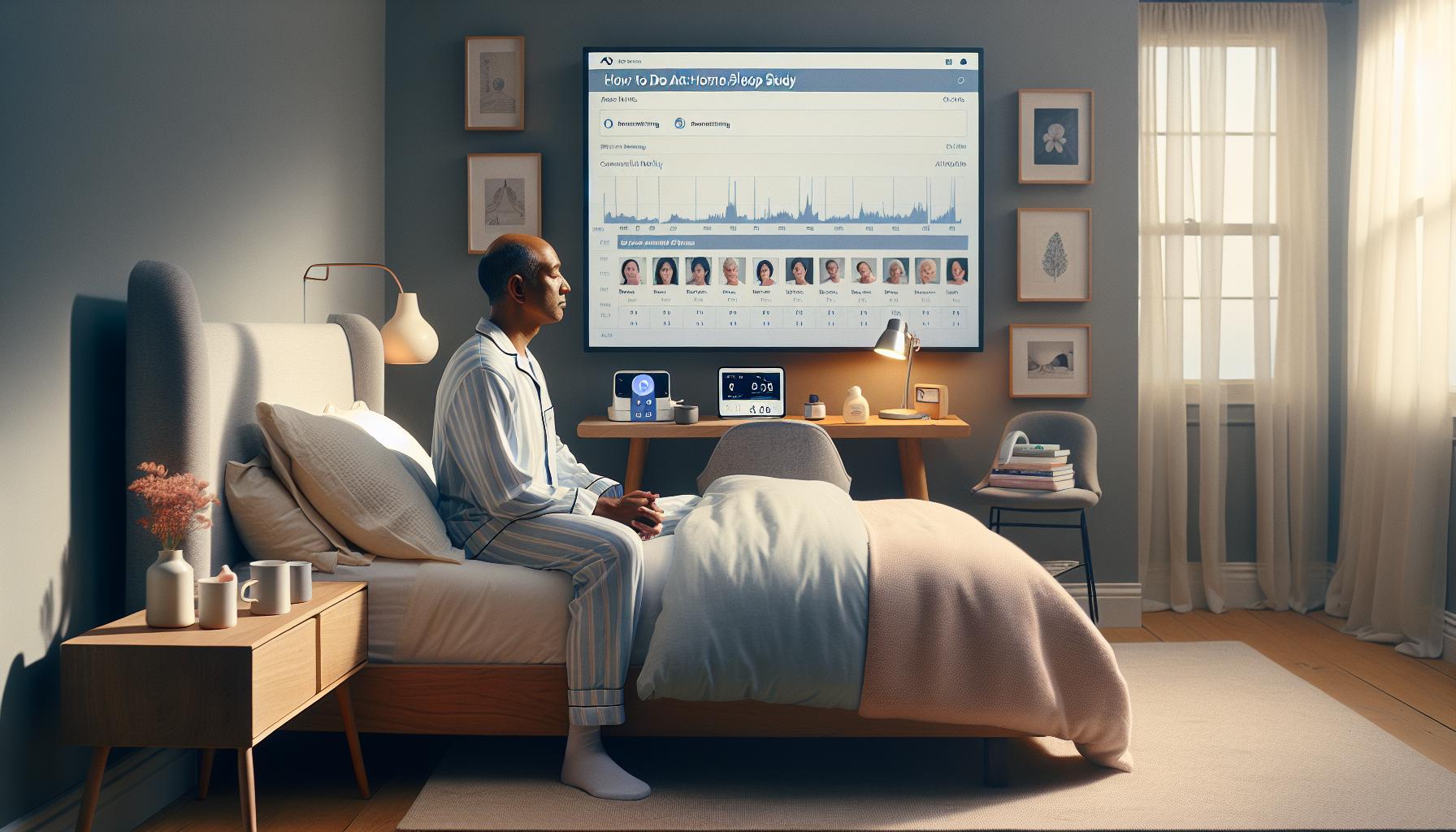
How At-Home Sleep Studies Work: An Overview
The convenience of at-home sleep studies has revolutionized how we diagnose sleep disorders, making it easier for individuals to seek help without the stress of a clinical environment. These studies use portable monitoring devices to track essential physiological signals-like breathing patterns, oxygen levels, heart rate, and airflow-while you sleep in the comfort of your own bed. Unlike traditional sleep studies in a lab, which can feel overwhelming, home sleep studies provide a more relaxed setting, yielding crucial information about your sleep quality and any potential issues you may face.
At-home sleep studies typically involve a streamlined process. First, you’ll receive a small device from a healthcare provider that you wear overnight, which features sensors placed on your body to record necessary data. This device connects to a computer or app for your healthcare provider to analyze the results. Although designed to be user-friendly, these studies do require some preparation and understanding of setup procedures to ensure accurate readings.
Expectations during an at-home sleep study include monitoring how well you sleep and identifying potential sleep disorders, such as obstructive sleep apnea. Many users appreciate the non-invasive nature of these tests, as they can typically get a comprehensive view of their sleep health without disrupting regular sleep patterns. Ultimately, the ease of access and the efficiency of at-home studies empower more people to address sleep-related concerns, potentially leading to better overall health and well-being.
Key Benefits of At-Home Sleep Studies
The transition to at-home sleep studies is not just a trend; it reflects the growing recognition that comfort plays a pivotal role in health assessments. These studies offer numerous advantages that make sleep health more accessible and less daunting for individuals concerned about their sleep quality.
One of the most significant benefits is the ease and convenience of conducting a sleep study in your own environment. Instead of sleeping in an unfamiliar lab surrounded by electrodes and cameras, you can slip into your own bed surrounded by familiar comforts. This familiar setting encourages natural sleep patterns, which can lead to more accurate data regarding your sleep quality. Moreover, without the anxiety often associated with clinical environments, individuals may find it easier to relax and fall asleep, ultimately leading to better monitoring results.
Another advantage is the time and cost efficiency. At-home sleep studies are generally quicker to schedule than in-lab tests, as they avoid the logistical constraints of facility availability. Many insurance providers also partially cover these services, making them a more budget-friendly option compared to traditional sleep studies, which can be pricier and may require additional follow-up appointments. This accessibility enables more people to seek help for sleep issues without the burden of substantial financial stress.
Ultimately, at-home sleep studies empower individuals by allowing them to take control of their health. Armed with data from these studies, users can engage in informed discussions with healthcare providers, facilitating timely and appropriate interventions. This proactive approach to health, combined with the comfort of home, underscores how at-home sleep studies are reshaping the landscape of sleep disorder diagnosis and management.
In summary, the -comfort, convenience, cost-effectiveness, and the ability to advocate for one’s health-make them an appealing option for anyone looking to understand their sleep better.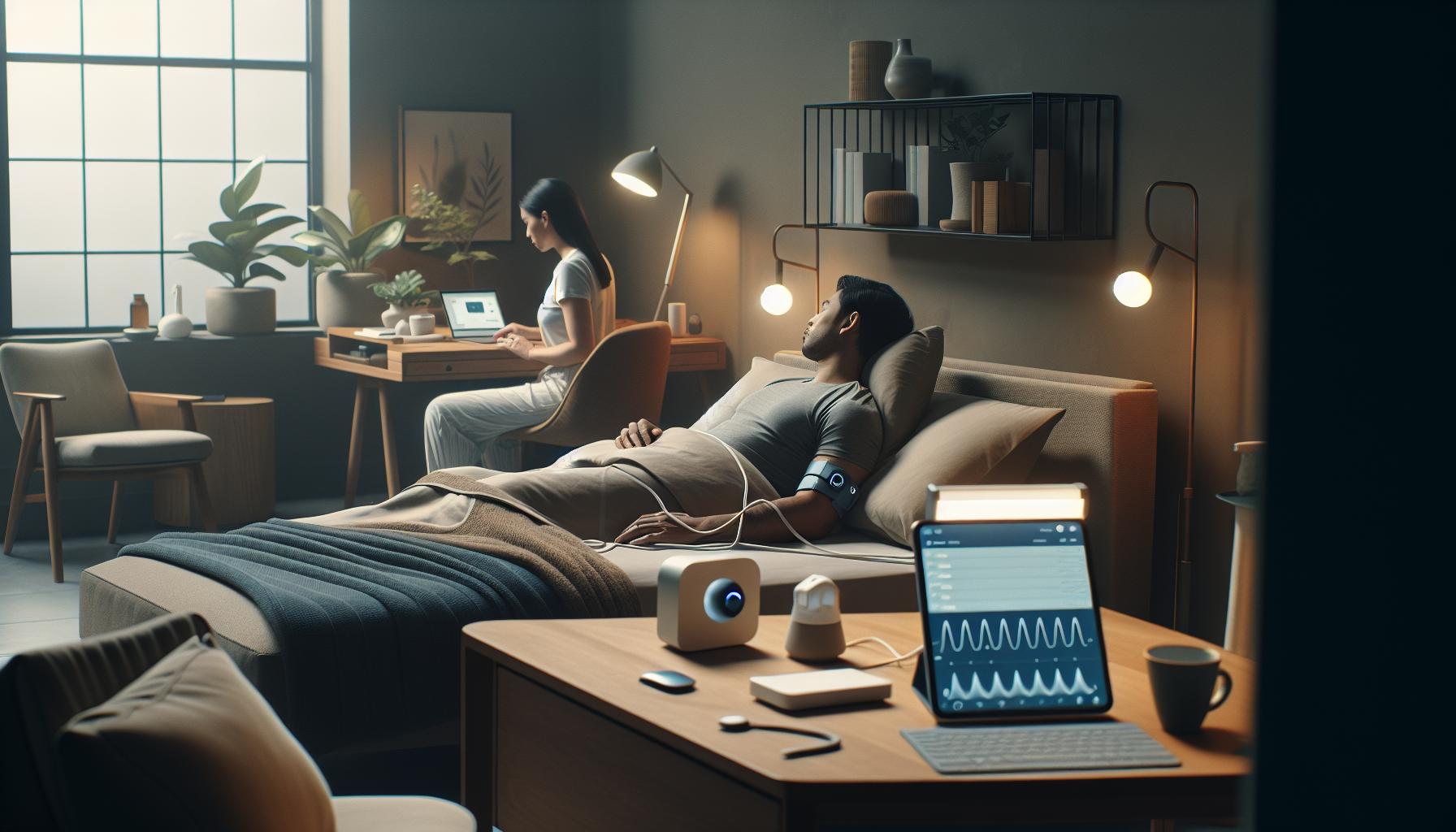
Essential Equipment for Your Home Sleep Study
To effectively conduct a home sleep study, having the right equipment is essential. The devices you use will determine the accuracy and quality of the results. At-home sleep studies typically require a few key components, and understanding their functions can help reduce any apprehension about the process and ensure a smooth experience.
First, a portable sleep monitor is the cornerstone of your at-home sleep study. These devices are designed to track various physiological signals while you sleep, such as your heart rate, oxygen levels, and breathing patterns. Commonly used monitors include wristbands and small bedside units that are easy to operate. Make sure your device is well-reviewed for accuracy and comfort, as you’ll want to wear it without it causing discomfort during the night.
Next, you might also require sensors and leads, especially if your study focuses on identifying sleep apnea or other sleep disorders. These could involve small clips to attach to your finger for oxygen saturation or bands that go around your chest to monitor respiratory effort. Ensure that you’re familiar with how to properly attach these sensors to minimize any disruptions during your sleep.
Mobile applications now play a significant role in at-home studies as well. Many sleep monitors connect to smartphone apps that allow you to review your sleep data in real time. This feature can be useful for both monitoring your progress and simplifying the setup process. Some apps might even offer educational resources regarding sleep hygiene, which can enhance the overall effectiveness of your study.
Additionally, consider factors like battery life and data storage. Ensure your equipment is charged and has enough capacity to last the entire night. Many modern devices store your data for several nights, allowing you to perform multiple studies if necessary.
Lastly, don’t overlook the importance of creating a sleep-friendly environment. While not technical equipment, ensuring that your bedroom is dark, quiet, and cool can significantly impact your sleep quality and the data collected. Taking the time to set up your environment well is just as important as the tools you use.
In summary, being equipped with the right devices-like portable monitors, sensors, and mobile apps-can greatly influence the success of your home sleep study. Taking the time to familiarize yourself with these tools will empower you to achieve the best possible outcome, leading to clearer insights into your sleep health.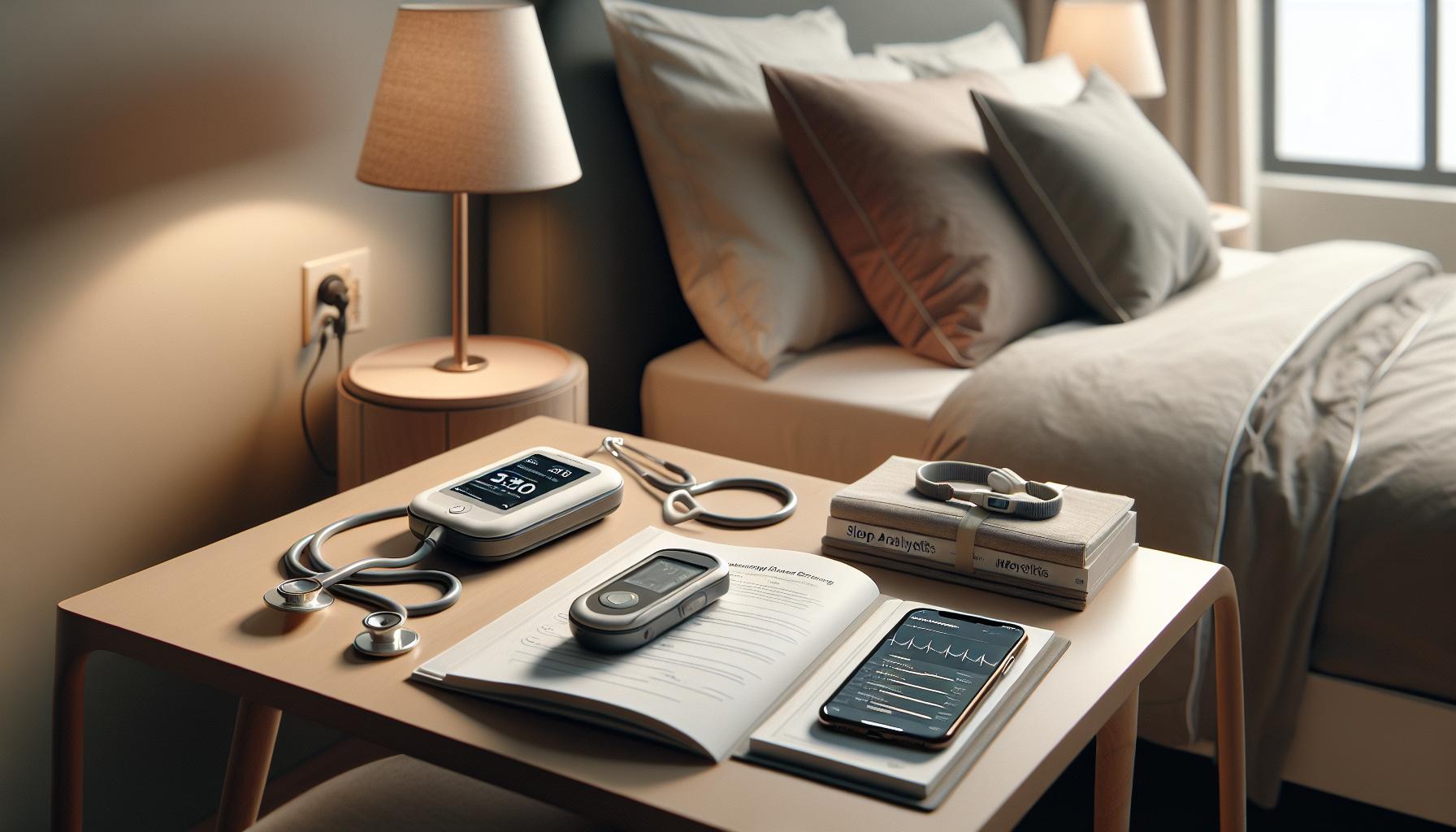
Step-by-Step Setup Instructions for Accurate Results
Setting up for your at-home sleep study can feel daunting, but with the right approach, it can be a straightforward process that leads to valuable insights about your sleep health. To start, ensure that you are in a quiet environment that promotes restful sleep. A room that’s dark, cool, and free from distractions will provide the ideal conditions for accurate data collection.
Next, focus on your equipment. Here’s a basic guide to get you ready:
Preparation Steps
- Read the Instructions: Before your study, thoroughly review the instructions provided with your portable sleep monitor. Familiarize yourself with the components and their functions to avoid confusion on the night of the study.
- Gather Your Equipment: Ensure you have everything you need: your sleep monitor, sensors, extra batteries, and, if applicable, a mobile app for monitoring your progress.
- Practice Setup: Set up the equipment during the day, if possible. Test the monitor and sensors, ensuring they are pliable and comfortable. This will help you feel more at ease come bedtime.
- Charge the Devices: Ensure your equipment is fully charged and, if necessary, check that all connections are secure. A fully charged battery means no mid-night interruptions.
When bedtime arrives, put on your monitor and sensors. Follow the setup instructions closely. Sensors may need to be placed on specific areas of your body, like your chest or finger, so make sure they are securely attached. The goal is to monitor your heart rate, oxygen levels, and breathing patterns without any discomfort. As you get ready for bed, double-check that everything is functioning well-this pre-sleep ritual can significantly enhance your comfort and the accuracy of the results.
Lastly, it’s vital to maintain a consistent sleep schedule. Going to bed at the same time as you usually would helps your body prepare for sleep, leading to more accurate data. Remember, clear communication with your healthcare provider about any questions you have or concerns can be reassuring and helpful in ensuring that your sleep study goes smoothly, minimizing any anxiety you may feel about the process.
Understanding Sleep Stages: What to Expect
Understanding how sleep stages work can significantly enhance your experience and interpretation of an at-home sleep study. During a typical night, your body goes through multiple cycles of sleep, consisting of non-REM (Rapid Eye Movement) and REM sleep, each playing a crucial role in your overall well-being. While at-home sleep tests primarily focus on diagnosing conditions like sleep apnea by monitoring breathing patterns, they also capture essential data that can indicate your sleep architecture.
Throughout the night, you alternate between different sleep stages:
- Stage 1: This is the lightest sleep stage where you drift in and out of sleep, often lasting only a few minutes. The brain produces primarily theta waves during this phase.
- Stage 2: Representing about 50% of your total sleep time, your body temperature drops, and heart rate slows. Here, brain activity becomes more synchronized.
- Stage 3: This is the deep sleep stage, essential for restorative processes. It’s harder to wake during this phase, and it’s critical for physical recovery, growth, and immune function.
- REM Sleep: Typically occurring after 90 minutes of sleep, this stage is associated with vivid dreaming and plays a role in memory consolidation and emotional regulation.
Monitoring these stages can help identify disruptions in sleep patterns, such as interruptions during REM sleep due to sleep apnea events, where breathing temporarily stops. It’s essential to understand that not all sleep monitoring devices can comprehensively distinguish between these stages. Some only measure basic parameters like heart rate and oxygen levels, which might limit the insights you can gain from your at-home study.
A thorough understanding of your sleep stages can also guide you in discussing results with your healthcare provider. For instance, if your study results indicate a significant amount of time spent in lighter sleep stages or insufficient deep sleep, these findings can signal specific health issues, prompting further investigation or intervention. Engaging with your data in this way transforms the sleep study from a mere diagnostic tool into a roadmap for improving your sleep health, empowering you to make informed decisions about your lifestyle and treatment options.
Tips for Comfortable Sleep During Your Study
Settling in for a sleep study may feel daunting, but there are practical steps you can take to create a comfortable environment that maximizes the quality of your night’s rest. Your sleep quality is essential for the reliability of the results, so here are tips to ease any anxiety and help you drift off more comfortably.
Start by preparing your sleep environment. Ensure your bedroom is as close to your normal sleep setup as possible. Adjust the room temperature to your preference-most experts recommend a cool environment around 60-67°F (15-19°C). Use blackout curtains to block out any external light, and consider using earplugs or a white noise machine to minimize disruptive sounds that might interfere with your ability to relax and fall asleep.
Before the study, establish a relaxing bedtime routine that signals to your body it’s time to wind down. Techniques such as reading a book, practicing deep breathing exercises, or taking a warm shower can lower stress levels. Avoid stimulating activities like watching TV or engaging with screens for at least an hour before bed, as blue light can inhibit melatonin production, making it harder to fall asleep.
When it comes to the equipment, familiarize yourself with the device you will use for the study. Read the instructions carefully-this includes knowing where to place sensors and how to secure them comfortably. Wearing the equipment shouldn’t feel restrictive; adjusting straps and placements can help. If you experience discomfort, don’t hesitate to shift the device until it feels right, as comfort directly affects your sleep quality.
Finally, remember to address any anxiety or concerns. It’s natural to feel uneasy about how the device will impact your sleep, but remind yourself of the importance of the study in understanding your sleep health. Taking a moment to practice mindfulness or meditation can ease pre-sleep jitters, enabling you to approach the night with a more tranquil mindset. Armed with these strategies, you’ll be better positioned to enjoy a restful night and the insights your sleep study will provide.
Common Challenges and Troubleshooting Tips
Navigating the world of at-home sleep studies can be an adventure filled with unexpected challenges. While many find the convenience of sleeping in their own bed a huge advantage, the reality of wearing a monitoring device can introduce some complications. Being prepared for potential hurdles can help enhance your experience and ensure you obtain the most accurate results.
One common issue is discomfort from the equipment. Many devices come with electrodes or sensors that may feel strange or cumbersome initially. If you find any part of the device uncomfortable, try repositioning it slightly or adjusting any straps to better fit your body. Additionally, consider practicing with the equipment during the day to familiarize yourself with its presence without the pressure of needing to sleep. This can help alleviate anxiety and improve your comfort level when it’s time for your study.
Another challenge involves ensuring that the equipment is correctly set up to capture meaningful data. Before going to bed, double-check that all sensors are properly placed according to the instructions. Errors in setup can lead to incomplete or inaccurate readings. If you find that the device is not functioning or is showing error messages, consult the troubleshooting guide that usually accompanies the device. Many issues can be resolved easily with simple steps, such as reconnecting sensors or ensuring the device is charged adequately.
Expect interruptions or disturbances during the study. Even in the most ideal conditions, external factors like household noise or interruptions from pets can affect your ability to fall asleep. To mitigate this, ensure your bedroom environment is quiet and conducive to sleep. Utilizing earplugs or a white noise machine, if permitted, can make a significant difference. If sleep remains elusive, try practicing relaxation techniques, such as deep breathing or progressive muscle relaxation, to calm your mind and body.
Lastly, sometimes the results from an at-home sleep study can be unclear or raise additional questions. If you find yourself puzzled by the data or lack thereof, don’t hesitate to reach out to a healthcare professional who can help interpret the results or advise further tests if necessary. Remember, the goal of the study is to gain insights into your sleep health, and professionals can guide you on the next best steps.
By being aware of these potential challenges and equipping yourself with practical solutions, you can approach your at-home sleep study with confidence and a positive mindset, ultimately gaining valuable insights into your sleep patterns.
Interpreting Your Sleep Study Results
Interpreting the results of your at-home sleep study can feel overwhelming, especially if you’re not familiar with sleep science. However, understanding what the data means is crucial for making informed decisions about your sleep health. Your sleep study results typically present a variety of data points, including sleep stages, total sleep time, and any disruptions you experienced throughout the night.
Key Data Points in Sleep Studies
To effectively interpret your results, familiarize yourself with these common metrics:
- Total Sleep Time: The overall amount of time you were asleep. Aiming for 7-9 hours is recommended for most adults.
- Sleep Efficiency: The percentage of time spent asleep while in bed. A higher percentage indicates better sleep quality, ideally above 85%.
- Sleep Stages: Most studies will categorize your sleep into REM (Rapid Eye Movement) and NREM (Non-Rapid Eye Movement), with further breakdowns into light and deep sleep. A healthy sleep cycle typically includes a balanced distribution of these stages.
- Awakenings: The number of times you woke up during the night. Frequent awakenings can indicate underlying issues, such as sleep apnea or anxiety.
Understanding Sleep Stages
During a normal sleep cycle, you’ll move through different stages, and it’s important to know how these relate to your overall sleep health. REM sleep is associated with vivid dreaming and cognitive restoration, while deep sleep is essential for physical recovery. If your results show an insufficient amount of time spent in these stages, it may warrant further investigation or lifestyle adjustments.
Seeking Professional Guidance
If your sleep study highlights potential issues, or if you have questions about the data, consider consulting a healthcare professional. They can provide context and recommend actionable steps based on your individual results. It’s crucial not to jump to conclusions based solely on your report; nuances in data can often only be fully understood by those experienced in sleep medicine.
Remember, the goal of an at-home sleep study is to empower you with insights into your sleep patterns. By breaking down the results and understanding their implications, you can take proactive steps towards improving your sleep quality and overall health.
When to Consult a Healthcare Professional
Consulting a healthcare professional can be a crucial step in your sleep health journey, particularly when navigating the results of your at-home sleep study. If your results show indicators that suggest sleep disorders, such as irregular sleep stages, frequent awakenings, or poor sleep efficiency, it’s wise to seek guidance from a qualified expert. Their experience can help you understand the nuances of your data, clarifying what factors might contribute to your sleep issues and how best to address them.
Consider reaching out to a professional if you experience symptoms such as excessive daytime sleepiness, loud snoring, or difficulty focusing. These signs are often linked to sleep disorders like sleep apnea or insomnia and may require further evaluation. A healthcare provider can offer tailored recommendations, which might include lifestyle changes, a closer examination of your sleep patterns, or even a prescription for a more comprehensive sleep study in a clinical setting if necessary.
Moreover, having a discussion with a sleep specialist can help you differentiate between using wearable sleep trackers and undergoing formal sleep testing. While trackers provide useful insights, they often lack the depth of data offered by an official sleep study. If your home study results raise concerns that you find troubling, sharing this information with a healthcare provider will equip you with the necessary tools to make informed decisions about your sleep health.
Ultimately, seeking professional help is not just about addressing issues that arise but also about empowering yourself with knowledge that can lead to better sleep quality and overall health. Whether you have immediate concerns or are simply seeking clarity on your results, a conversation with a healthcare professional can provide you with the reassurance and guidance you need.
Comparing Wearable Sleep Trackers and Sleep Studies
Many individuals looking to improve their sleep often first turn to wearable sleep trackers, enchanted by their convenience and accessibility. These devices offer real-time data about sleep duration and patterns, allowing users to monitor their sleep quality at their whim. However, while these trackers provide a glimpse into your sleep habits, they often lack the comprehensive data needed to diagnose sleep disorders accurately. Understanding the differences between these wearable devices and formal sleep studies can be essential for making informed decisions about your sleep health.
Key Differences in Data Quality
Wearable sleep trackers typically use accelerometers to monitor movement during sleep, translating this information into estimates of sleep stages-light, deep, and REM sleep. While helpful for general observations, these devices do not capture vital physiological data, such as heart rate variability or blood oxygen levels, that are crucial for diagnosing sleep disorders like sleep apnea. In contrast, formal sleep studies, or polysomnography, involve a multi-channel assessment of brain waves, oxygen levels, heart rate, and body movements, giving healthcare professionals a complete picture of your sleep health.
Cost and Convenience Considerations
One of the appealing features of wearable trackers is their affordability compared to sleep studies. A good quality wearable can range from $50 to $300, while an overnight sleep study can cost several thousand dollars, depending on your insurance. However, it’s important not to overlook the potential consequences of missing critical data that a sleep study would provide. If you suspect a serious sleep disorder, investing in a formal study is worthwhile, as it could lead to effective treatment and improved health.
When to Use Each Option
For casual users curious about their sleep patterns, a wearable tracker can be a great starting point. It can provide insights that prompt further inquiry or discussions with your healthcare provider. However, if your tracker indicates poor sleep quality or if you experience symptoms like excessive daytime sleepiness, loud snoring, or frequent awakenings, it’s essential to seek a formal sleep study. This way, you can ensure any underlying issues are properly diagnosed and treated.
| Feature | Wearable Sleep Trackers | Formal Sleep Studies |
|---|---|---|
| Data Quality | Basic sleep duration and movement | Comprehensive physiological data |
| Cost | $50 – $300 | $1000 – $3000+ |
| Convenience | Easy to use, at-home | Conducted in a sleep clinic |
| Ideal For | General sleep pattern tracking | Diagnosing potential sleep disorders |
In conclusion, wearable sleep trackers can be excellent tools for monitoring sleep habits casually. However, for serious sleep concerns that require deeper investigation, a formal sleep study remains the gold standard for accurate diagnosis and effective treatment options. Balancing the convenience of wearables with the depth of formal studies can empower you to make the best choices for your sleep health journey.
Insurance Coverage: Navigating Costs for Sleep Tests
Navigating the financial aspects of sleep tests can be daunting, especially when considering the varying costs associated with at-home sleep studies and in-lab assessments. Many insurance providers cover sleep studies, but understanding your policy can be crucial in preventing unexpected expenses. Typically, the cost of an in-lab sleep study ranges from $1,000 to $3,000, while at-home studies might be more affordable, generally falling between $300 and $1,000. This significant price difference can make at-home studies an appealing option for those with budget constraints.
When considering insurance coverage, it’s essential to check whether your plan requires you to obtain prior authorization before scheduling a sleep study. This step can sometimes be a barrier, but it’s important to ensure the test will be covered. Talk to your healthcare provider about potential eligibility for prior authorization and seek their assistance in understanding medical necessity, which can play a pivotal role in obtaining coverage.
If your insurance doesn’t cover at-home studies, or if coverage is limited, don’t hesitate to explore financing options. Some providers offer payment plans that can ease the upfront financial burden. Moreover, inquire about any cash-pay discounts that might be available-some sleep centers and at-home study providers will offer reduced rates for patients who pay out of pocket.
In summary, deciphering insurance coverage for sleep tests requires diligence and proactive communication with both your insurance provider and healthcare team. Here are some steps to consider:
- Review your insurance policy: Look for sections related to sleep studies and coverage limits.
- Consult your healthcare provider: They can assist in determining medical necessity and guiding you on obtaining prior authorizations.
- Ask about payment options: Inquire about payment plans or discounts available for self-paying customers.
Understanding these aspects will empower you to make informed financial decisions regarding your sleep health.
Real Life Scenarios: Home Study vs. In-Lab Testing
Many individuals face a crucial decision when it comes to sleep testing: should they opt for an at-home sleep study or go to a sleep lab? Both methods have their advantages, and understanding these can help you make an informed choice that suits your lifestyle and health needs.
At-home sleep studies are increasingly favored for their convenience and cost-effectiveness. For instance, if you have a busy schedule or feel anxious about being in a clinical environment, an at-home sleep study allows you to sleep in your own bed while wearing a portable monitor. This comfort can lead to a more natural sleep pattern, potentially yielding more accurate results about your sleep habits. An example of this can be seen in those who travel frequently or have family commitments that make scheduling overnight lab visits challenging.
On the other hand, in-lab testing provides a comprehensive analysis that typically includes monitoring multiple physiological parameters, such as brain waves, eye movement, and heart rate, which can be crucial for diagnosing complex sleep disorders like sleep apnea or narcolepsy. For a patient with severe symptoms-or one that has not been effectively diagnosed through at-home tests-an in-lab study might be recommended. The presence of medical personnel can also provide peace of mind and immediate assistance if issues arise during the study, such as difficulty breathing or extreme restlessness.
Key Considerations
- Cost: At-home studies can range from $300 to $1,000, while in-lab tests may cost between $1,000 and $3,000.
- Comfort: Home studies offer a relaxed environment, while labs provide a controlled setting with medical staff.
- Data Collection: In-lab tests collect more comprehensive data, useful for diagnosing complex conditions.
- Follow-Up: Discussing results with a healthcare provider may differ, as in-lab results are often available sooner due to immediate processing.
Ultimately, the choice between a home study and an in-lab test depends on your specific symptoms, the complexity of your sleep issues, personal comfort level, and possible financial considerations. Assessing these factors will guide you toward the option that is best for your unique situation.
Frequently Asked Questions
Q: What is the process of conducting an at-home sleep study?
A: To conduct an at-home sleep study, first consult a healthcare provider to obtain a test kit. Setup involves wearing a monitoring device that tracks your sleep patterns. After a night’s sleep, return the device for analysis. Expect personalized results regarding sleep apnea or other disorders.
Q: How do I prepare for an at-home sleep study?
A: Preparing for an at-home sleep study involves following your typical bedtime routine, avoiding caffeine and alcohol prior to the test, and ensuring a comfortable sleep environment. Familiarize yourself with the equipment and any specific instructions given by your healthcare provider.
Q: What equipment is used in an at-home sleep study?
A: At-home sleep studies typically use a device that monitors breathing patterns, oxygen levels, and heart rate. Common devices include the WatchPAT™ or similar monitors. Make sure to check with your provider regarding the specific equipment you’ll be using during your study.
Q: Can I do a sleep study if I sleep alone?
A: Yes, you can undergo an at-home sleep study even if you sleep alone. The monitoring devices are designed to collect data on your sleep patterns independently, providing accurate results without needing someone else to observe your sleep.
Q: What common challenges might I face during an at-home sleep study?
A: Common challenges include discomfort with the equipment, difficulty falling asleep, or working out the right settings. Ensure your sleep environment is conducive to rest and don’t hesitate to reach out to your healthcare provider if you encounter significant issues.
Q: How long does it take to get results from an at-home sleep study?
A: Results from an at-home sleep study typically take about one to two weeks. Your healthcare provider will review the data collected and schedule a follow-up consultation to discuss findings and potential next steps for treatment.
Q: Can I use my regular sleep aids during the study?
A: It’s advisable to consult your healthcare provider about using sleep aids during the at-home sleep study. Some medications might affect the results, so your provider may suggest avoiding them for accurate readings.
Q: Will my health insurance cover the cost of an at-home sleep study?
A: Many insurance plans provide coverage for at-home sleep studies, but it varies by provider. Check with your insurance company to confirm your benefits and any potential out-of-pocket expenses related to your sleep study.
Concluding Remarks
As you embark on your journey to conduct an at-home sleep study, remember that understanding your sleep patterns can be a game changer for your health. With the right setup and guidance, you’re better equipped to uncover insights that could enhance your well-being. Don’t hesitate to take this vital step; start setting up your study today and prioritize the quality of your sleep!
For additional support, explore our comprehensive guides on sleep health, including how to interpret your sleep data and tips for improving sleep quality. If you have lingering questions, consider checking out our consultation services or subscribing to our newsletter for more expert insights. Engage with our community by sharing your experiences and insights in the comments below. Your sleep health journey doesn’t end here-dive deeper into related topics like sleep disorders and wearables that could further enhance your understanding. Together, let’s make sleep a priority!
Get our latest guides, news, and insights highlighted in your Google Search & AI Overviews.