
Did you know that sleep studies are crucial for diagnosing sleep disorders? If you’re struggling with fatigue, restless nights, or simply want to optimize your sleep quality, understanding what a sleep study entails could be your first step toward better rest. A sleep study, often conducted in a lab or at home, monitors your sleep patterns, helping professionals pinpoint issues like sleep apnea or insomnia. This process might sound daunting, but it’s a key tool in unlocking the mysteries of your slumber. In this article, we’ll break down what to expect, the types of studies available, and how they can guide you toward peaceful nights and refreshed mornings. Let’s dive into the essential details of sleep studies and empower you to take control of your sleep health.
What Is a Sleep Study and Why It Matters
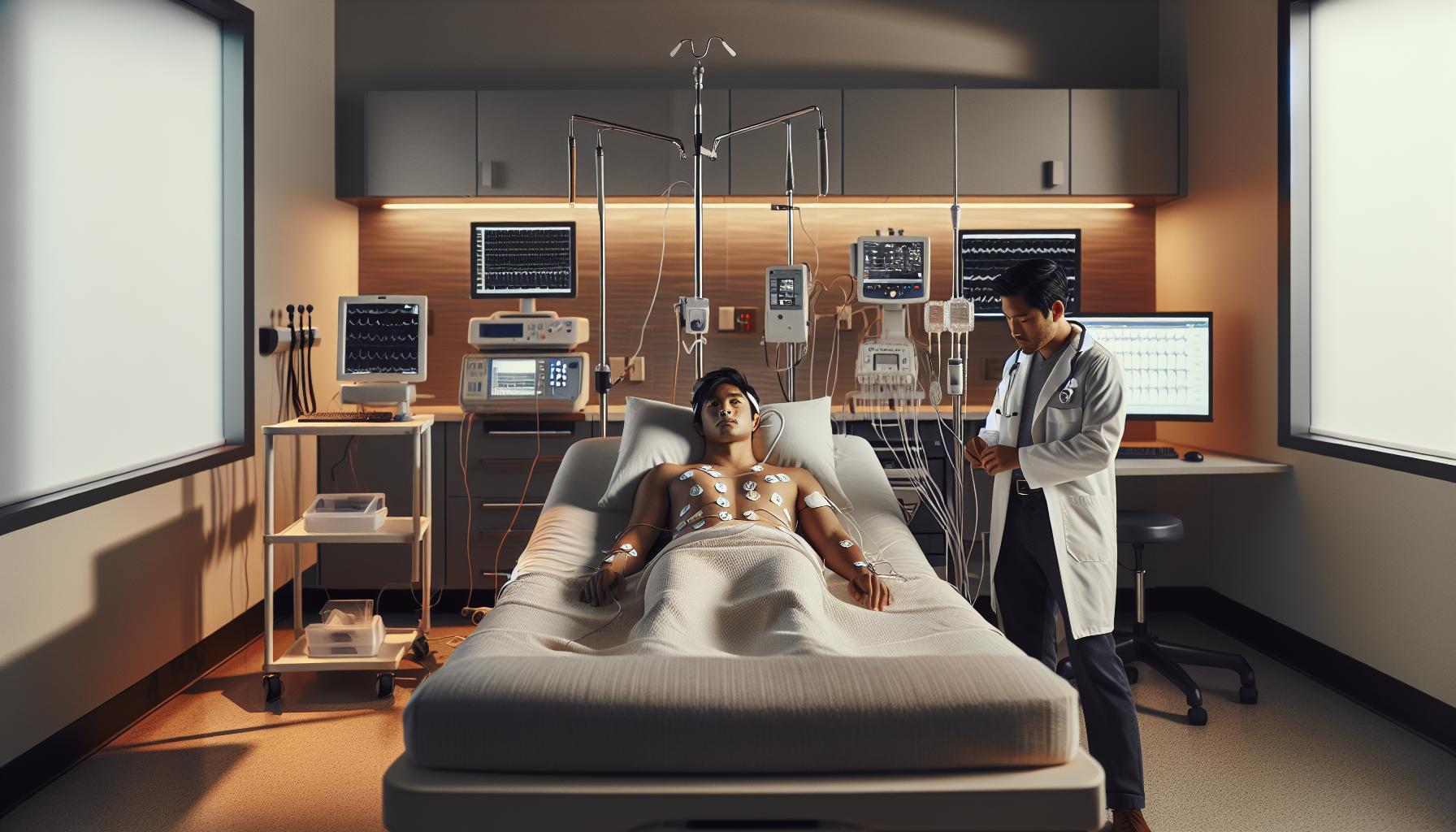
A sleep study, often known as polysomnography, is a vital diagnostic tool used to assess various sleep disorders. It captures a wealth of information about your sleep patterns, including brain activity, eye movements, heart rate, breathing, and even oxygen levels in your blood. This comprehensive approach is crucial because quality sleep significantly influences health, mood, and overall quality of life. Understanding what a sleep study entails and its importance can empower individuals to take charge of their sleep health.
When you undergo a sleep study, you’re stepping into a setting designed to mimic the comfort of your bedroom, albeit equipped with high-tech monitoring tools. During the study, specialized equipment measures various physiological data while you sleep, helping healthcare providers identify conditions such as sleep apnea, restless legs syndrome, or narcolepsy. By analyzing this data, doctors can offer tailored solutions to improve your sleep quality.
Among the key reasons to consider getting a sleep study are persistent fatigue, sleep disturbances, and the impactful consequences of untreated sleep disorders on your daily life. If you experience excessive daytime sleepiness, loud snoring, or irregular sleep patterns, a sleep study may be necessary. Remember, the earlier you seek information regarding any sleep issues, the better your chances are for effective treatment and improved well-being.
By understanding the significance of sleep studies, you can make informed choices regarding your sleep health. It’s not just about counting sheep; it’s a step toward vital insights that could dramatically enhance your life. If you’re dealing with persistent sleep problems, consider consulting with a specialist and discussing the possibility of a sleep study. Your journey to better sleep starts with understanding the importance of this diagnostic tool and what it can uncover about your health.
How Sleep Studies Work: A Step-by-Step Guide
Undergoing a sleep study might feel daunting, but understanding the process can transform anxiety into confidence. A sleep study, or polysomnography, is an effective way to uncover underlying sleep issues that impact your health and quality of life. At the heart of this process is an array of monitoring equipment that captures essential data about your sleep cycles and related physiological functions, providing vital insights for diagnosis and treatment.
What to Expect Before the Study
Before your sleep study, you’ll typically have a consultation with a healthcare provider who will discuss your symptoms and medical history. This evaluation helps determine if a sleep study is necessary. You may be advised to keep a sleep diary for a week or two leading up to the study to record your sleep patterns, habits, and any disturbances.
On the day of the study, it’s advisable to avoid caffeine and take your regular medications unless instructed otherwise. You will also need to prepare by bringing comfortable sleepwear, as you’ll be spending the night in a lab or at home with monitoring devices.
The Setup and What Happens During the Study
When you arrive for your sleep study, you’ll be shown to a room designed to be as cozy as your bedroom. Small sensors will be placed on your scalp, face, and body to monitor brain waves, eye movements, muscle activity, heart rate, and breathing patterns. While this might sound intrusive, the sensors are non-invasive and designed to be as comfortable as possible.
Once you settle in and the equipment is set up, you’ll be encouraged to sleep naturally while the machines monitor your sleep stages. The data collected will allow healthcare professionals to observe and analyze any disruptions in your sleep patterns, helping them identify specific sleep disorders like sleep apnea or periodic limb movement disorder.
After the Study: Interpretation of Results
After completing the sleep study, the recorded data will be analyzed by a sleep specialist. You’ll receive a follow-up appointment to discuss the results and possible treatment options. Depending on the findings, treatment might include lifestyle changes, the use of CPAP machines for sleep apnea, medication for insomnia, or referrals to other specialists.
Sleep studies can vary in price, generally ranging from $600 to $3,000, depending on your location and the complexity of the study. Many insurance plans cover sleep studies, so it’s wise to check with your provider beforehand to understand your coverage.
Ultimately, taking the step to have a sleep study can be revolutionary for your sleep health. Armed with knowledge and support, you’ll be well on your way to restorative sleep and improved well-being.
Understanding Different Types of Sleep Studies
Understanding the various types of sleep studies can empower you to make informed decisions about your sleep health. Sleep studies are not one-size-fits-all; they are tailored to diagnose a range of sleep disorders and issues. Each type varies in its methods, duration, and the specific data it gathers, ultimately helping clinicians pinpoint the root of your sleep troubles.
Types of Sleep Studies
There are several main categories of sleep studies, each designed for different purposes:
- Polysomnography (PSG): This comprehensive test is conducted in a sleep lab and monitors a wide array of bodily functions, including brain waves, oxygen levels, heart rate, and respiratory efforts. PSG is particularly effective in diagnosing sleep disorders such as sleep apnea, REM sleep behavior disorder, and narcolepsy.
- Home Sleep Apnea Testing (HSAT): For individuals suspected of having obstructive sleep apnea, HSAT provides a convenient alternative. Patients can use portable monitoring devices at home that track basic parameters-like airflow and oxygen levels-while they sleep, though these tests may not capture all sleep stages.
- Actigraphy: This method employs a wrist-worn device similar to a fitness tracker to monitor sleep patterns over an extended period. It’s particularly useful for assessing circadian rhythm disorders and overall sleep habits.
- Multiple Sleep Latency Test (MSLT): Typically performed following a PSG, this study evaluates daytime sleepiness by measuring how quickly a person falls asleep in a series of scheduled naps. MSLT is often used to diagnose narcolepsy.
Choosing the Right Test
Selecting the appropriate sleep study largely depends on your symptoms and medical history. For example, if you experience loud snoring coupled with daytime fatigue, a PSG may be warranted to assess for sleep apnea. However, for those struggling with insomnia or abnormal sleep patterns, actigraphy may offer insights without the need for an overnight stay in a lab.
Understanding these differences can reduce anxiety and clarify what to expect when you seek help for sleep-related issues. As you navigate your options, remember that collaborating with a sleep specialist can guide you to the most suitable type of study for your individual needs. Empowered with knowledge, you’re well on your way to a healthier sleep journey.
Key Reasons to Consider a Sleep Study
Considered a crucial step in diagnosing sleep disorders, a sleep study can illuminate the dark corners of your nightly rest. If you’re waking up tired, snoring loudly, or struggling with insomnia, these studies can identify issues you might not be aware of. They can pave the way for tailored treatments that significantly enhance your quality of life. By understanding the signals your body sends during sleep, you empower yourself to make informed choices about your health.
One significant reason to consider a sleep study is the complexity of sleep disorders. Conditions like sleep apnea can lead to serious health complications if left untreated, including hypertension, heart disease, and diabetes. A sleep study provides detailed insights into sleep patterns and can confirm suspicions of such conditions. For example, polysomnography (PSG) is highly effective in measuring various physiological activities during sleep, helping professionals diagnose problems accurately.
Additionally, sleep studies play a pivotal role in assessing daytime sleepiness and its impact on your daily life. If you find yourself frequently drowsy during the day, feeling like you could fall asleep at any moment, this is a clear sign that something is amiss during your sleep. The Multiple Sleep Latency Test (MSLT), conducted after a PSG, can help evaluate this issue by tracking how quickly you enter sleep during scheduled naps.
Finally, preparing for a sleep study can quell any worries regarding the setup and outcomes. Knowing what to expect can alleviate anxiety around the process. Most sleep centers are equipped with modern, comfortable accommodations, designed to simulate a home environment as closely as possible, making the experience as stress-free as possible. Consulting with your sleep specialist can provide reassurance and clear expectations, allowing you to focus on getting the answers you need for a good night’s sleep.
What Happens During a Sleep Study?
During a sleep study, also known as polysomnography, a series of comprehensive assessments take place to deeply analyze your sleep patterns and identify potential disorders. This process can unveil issues that may be affecting your rest, such as sleep apnea or other conditions. An important aspect is that the study records various physiological functions while you sleep, providing valuable insights into your health and well-being.
Initially, you will arrive at a specialized sleep center where you will be welcomed into a comfortable and typically quiet room designed to mimic a home environment. This is crucial as it helps you to relax and fall asleep more naturally. Upon settling in, a qualified technician will prepare you for the examination by attaching electrodes to various parts of your body. This will include sensors placed on your scalp, face, chest, and legs. These electrodes monitor brain waves, heart rate, breathing patterns, and even the movements of your limbs during sleep. The setup might seem a bit challenging for first-time patients, but it’s important to remember that the discomfort is minimal and temporary.
As the night progresses, data will be collected continuously. You may be instructed to sleep in your usual position, and the center typically allows for an array of sleep positions to better understand typical behaviors. The technician will be present throughout the night to ensure everything functions smoothly while you sleep. If you experience any difficulties, they are there to assist you quickly. This real-time monitoring is essential for accurately capturing sleep events and disturbances.
Once the study concludes, and you wake up the following morning, the collected data will be analyzed by a sleep specialist. They will review the recordings and compile a comprehensive report detailing your sleep architecture, including the different sleep stages like REM and non-REM sleep. This assessment is crucial for diagnosing any sleep disorders you may have and discussing potential treatment options moving forward. Knowing what happens during a sleep study can help alleviate any concerns and enhance your overall experience.
Polysomnography Explained: The Basics
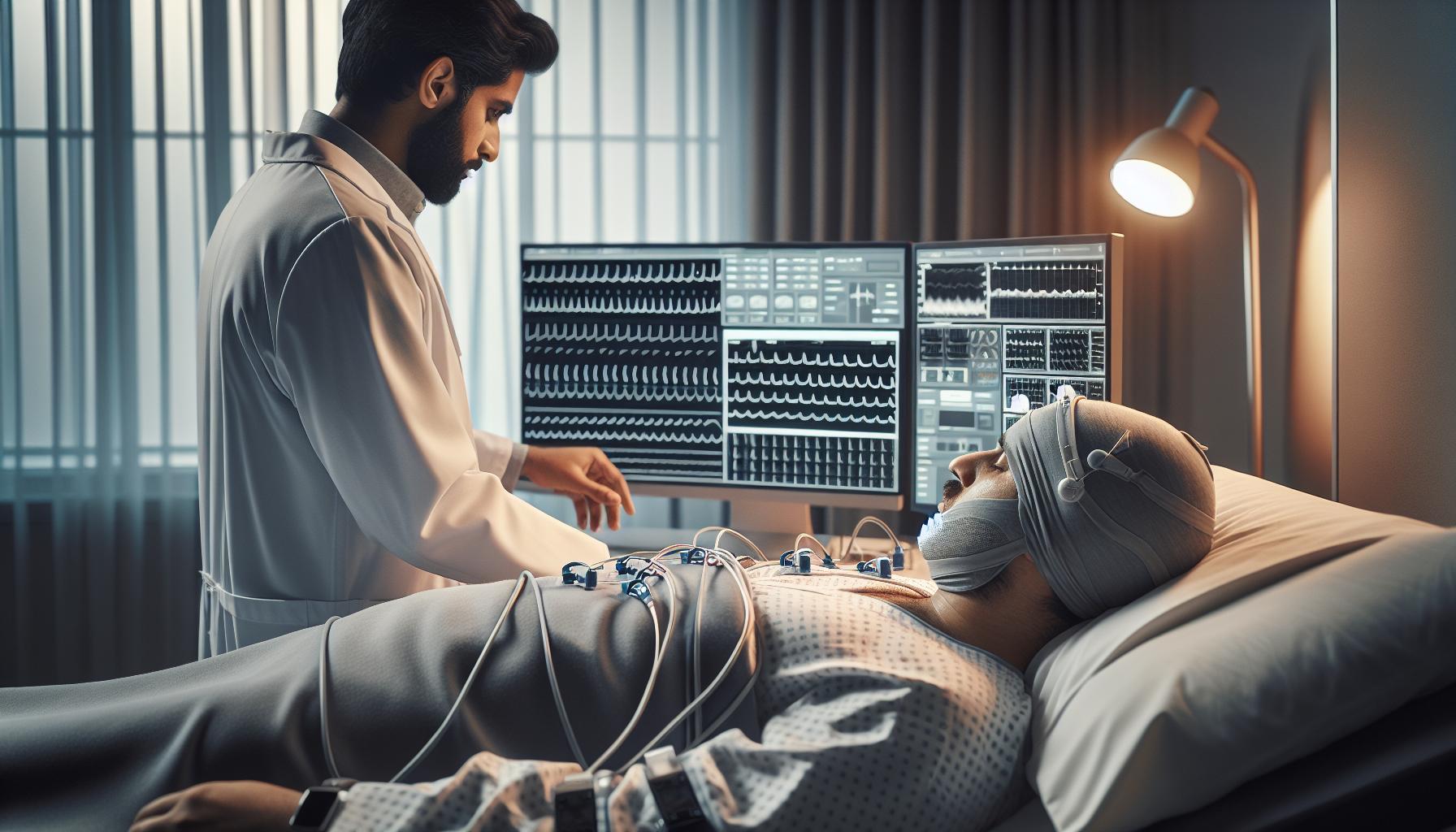
During a sleep study, specifically known as polysomnography, your sleep patterns and physiological functions are meticulously monitored. This multi-faceted diagnostic tool gathers vital information about how well you sleep and may reveal underlying sleep disorders. By capturing a range of bodily functions as you rest – including brain waves, heart rate, and breathing patterns – polysomnography provides a comprehensive overview of your sleep health.
Electrodes are strategically placed on your scalp, face, chest, and limbs to record a variety of signals. These sensors help monitor vital statistics throughout the night, including your heart rate and the movements of your body, creating a detailed account of your sleep architecture. Sleep architecture refers to the structure of your sleep cycle, encompassing the various stages of sleep, such as REM and non-REM. Understanding these stages is crucial, as they play a significant role in your overall sleep quality and well-being.
If you’re feeling apprehensive about the sleep study process, it’s worth noting that the technicians are highly trained to ensure your comfort. They will guide you through each step, explaining the purpose of the electrodes and what to expect during the night. This reassurance can help alleviate the anxiety associated with spending the night in a sleep lab. The data gathered will ultimately be analyzed by a sleep specialist, who will provide insights and possible treatment options based on your unique sleep profile.
In short, polysomnography is an essential component for effectively diagnosing sleep disorders. Whether you suspect sleep apnea, insomnia, or other issues, understanding the basics of how this process works can empower you to take proactive steps toward better sleep health. A restful night is not just about the quantity of sleep but the quality, making this evaluation crucial for achieving restorative sleep.
What to Expect Before, During, and After a Sleep Study
Before embarking on a sleep study, it’s essential to understand the journey you’re about to undertake. The anticipation can stir feelings of anxiety, but arming yourself with knowledge about the process can ease these concerns. Typically, you’ll receive instructions from your healthcare provider on how to prepare, which may include avoiding caffeine and large meals several hours before the study. Additionally, you may be asked to arrive at the sleep clinic a couple of hours before your scheduled sleep time to complete preliminary forms, discuss your sleep history, and get settled.
During the Sleep Study
Once you’re at the sleep lab, the environment is usually designed to be comfortable and conducive to sleep. You’ll be shown to your room, which resembles a typical bedroom with a bed, soft lighting, and a TV. After you change into comfortable sleepwear, a technician will attach electrodes and sensors to monitor your brain waves, heart rate, breathing patterns, and movements throughout the night. Although this may sound daunting, the electrodes are painless, and it’s a critical step for accurately assessing your sleep quality and any potential disorders.
As you drift off to sleep, keep in mind that the technicians will monitor you closely from another room and can assist you if you encounter any difficulties. They will often communicate with you through an intercom. The goal is to capture a full night of sleep data, including different sleep stages-REM and non-REM-which are vital for understanding your sleep architecture.
After the Sleep Study
Once the study concludes and you wake up, you can remove the electrodes and sensors. The technician will then explain how to relax before leaving the clinic. The collected data will be analyzed by a sleep specialist, who will then provide a follow-up appointment to discuss the findings. It could take a few days to a week for results to be available, so try to be patient.
The insights gained from the sleep study can lead to a better understanding of potential sleep disorders like sleep apnea or insomnia, helping you take steps toward healthier sleep practices. Depending on the results, your physician may recommend lifestyle changes, further testing, or treatment options tailored to your needs, thus empowering you to enhance your overall well-being.
Navigating Costs: Sleep Study Expenses and Insurance
The cost of a sleep study can vary widely depending on various factors, including the type of study, location, and whether you have insurance coverage. On average, a polysomnography (the most comprehensive type of sleep study) can range from $1,000 to $3,000. This price often includes the overnight stay at a sleep center and the specialized staff required to monitor your sleep. However, if your physician determines that the study is medically necessary, your insurance may cover a significant portion of the expenses, so it’s crucial to consult with your insurance provider beforehand.
Understanding Insurance Coverage
When considering a sleep study, it’s essential to understand how your health insurance works concerning diagnostic tests. Most insurance plans will require a referral from a primary care provider, and additional paperwork may be needed. Here are a few tips to navigate insurance coverage:
- Pre-authorization: Check if your insurance plan requires pre-authorization to ensure they’ll cover the costs.
- In-network vs. out-of-network: Confirm whether the sleep clinic is in your insurance network, as out-of-network providers may result in higher out-of-pocket costs.
- Coverage for home tests: Some plans may offer to cover home sleep tests, which can be more affordable.
Home Sleep Studies vs. In-Lab Studies
While in-lab sleep studies can be comprehensive, they can also be expensive. In contrast, home sleep tests, which allow you to monitor your sleep in the comfort of your home, typically cost between $150 to $500. Before opting for a home study, consult your healthcare provider to see if it’s a suitable option for your sleep concerns.
Ultimately, understanding the costs associated with sleep studies and how your insurance can help will empower you to make informed decisions about your sleep health. Keeping open communication with your healthcare provider and insurance company can further ease any potential anxieties surrounding the financial aspects of getting the help you need.
Alternative Sleep Testing: Home Sleep Tests vs. Lab Studies
While the debate between home sleep tests and in-lab studies continues, each option brings unique benefits tailored to different needs. Home sleep tests, often more convenient and less intimidating, usually cost between $150 to $500. This convenience allows you to analyze your sleep patterns in your familiar environment, reducing anxiety that may arise from spending a night in a lab. Home testing is generally suitable for conditions such as obstructive sleep apnea, providing a straightforward solution for many individuals.
On the other hand, in-lab studies, or polysomnography, offer a comprehensive picture of your sleep. These thorough assessments can capture various sleep stages, respiratory events, and even brain activity, making them more beneficial for complex sleep disorders. Typically costing between $1,000 to $3,000, these studies involve overnight monitoring by specialists, allowing for immediate intervention if issues arise during the test. This option is ideal for those experiencing multiple symptoms or when specific sleep disorders need precise diagnosis.
Key Differences
Understanding the differences can help you decide which option suits your needs better. Here’s a quick breakdown:
| Feature | Home Sleep Test | In-Lab Sleep Study |
|---|---|---|
| Cost | $150 – $500 | $1,000 – $3,000 |
| Comfort | Home environment | Monitored lab setting |
| Complexity | Basic sleep apnea testing | Comprehensive sleep analysis |
| Supervision | Self-monitored | Continuous monitoring by sleep specialists |
Ultimately, the choice between a home sleep test and a traditional lab study hinges on your symptoms, comfort level, and healthcare provider recommendations. If you’re uncertain, discussing your specific situation with your doctor can lead to the best personalized plan for your sleep health journey.
Common Sleep Disorders Diagnosed by Sleep Studies
Sleep studies play a crucial role in diagnosing various sleep disorders, providing insight that can lead to effective treatments. Many people underestimate the impact of sleep disorders on overall health; they can affect not only your energy levels during the day but also your long-term health, increasing risks for conditions like heart disease and diabetes. Understanding the common sleep disorders that can be evaluated through sleep studies is essential for anyone struggling with sleep issues.
One of the most frequently diagnosed conditions in sleep studies is obstructive sleep apnea (OSA). This disorder occurs when the throat muscles intermittently relax and block the airway during sleep, leading to disrupted sleep and decreased oxygen levels. Individuals with OSA often experience loud snoring followed by periods of silence, which are then interrupted by choking or gasping sounds. Polysomnography can effectively monitor these breathing patterns and oxygen levels, guiding diagnosis and treatment.
Another common disorder is insomnia, characterized by difficulty falling asleep, staying asleep, or waking too early. Insomnia can be primary or secondary, often linked to other health issues or life events. Through a sleep study, doctors can understand the sleep architecture and identify underlying causes contributing to the insomnia, whether it be psychological stress, medications, or other medical conditions.
Restless legs syndrome (RLS) is also commonly assessed through sleep studies. RLS is characterized by an uncontrollable urge to move the legs, often accompanied by uncomfortable sensations. These symptoms typically worsen during periods of inactivity or at night, leading to chronic sleep disruption. Diagnosing RLS through polysomnography helps establish a clear picture of how the disorder affects sleep quality.
Lastly, narcolepsy is another serious condition often explored during sleep studies. It involves excessive daytime sleepiness and sudden sleep attacks, along with potential symptoms like cataplexy (loss of muscle tone). A sleep study can help differentiate narcolepsy from other sleep disorders, ensuring the right approach to diagnosis and management.
In summary, sleep studies are invaluable in diagnosing various sleep disorders that significantly impact health and quality of life. From sleep apnea to insomnia, understanding these conditions helps empower individuals to seek appropriate care and enhance their overall well-being. If you suspect a sleep disorder, don’t hesitate to consult with a healthcare provider about the possibility of undergoing a sleep study.
The Role of Wearable Technology in Sleep Analysis
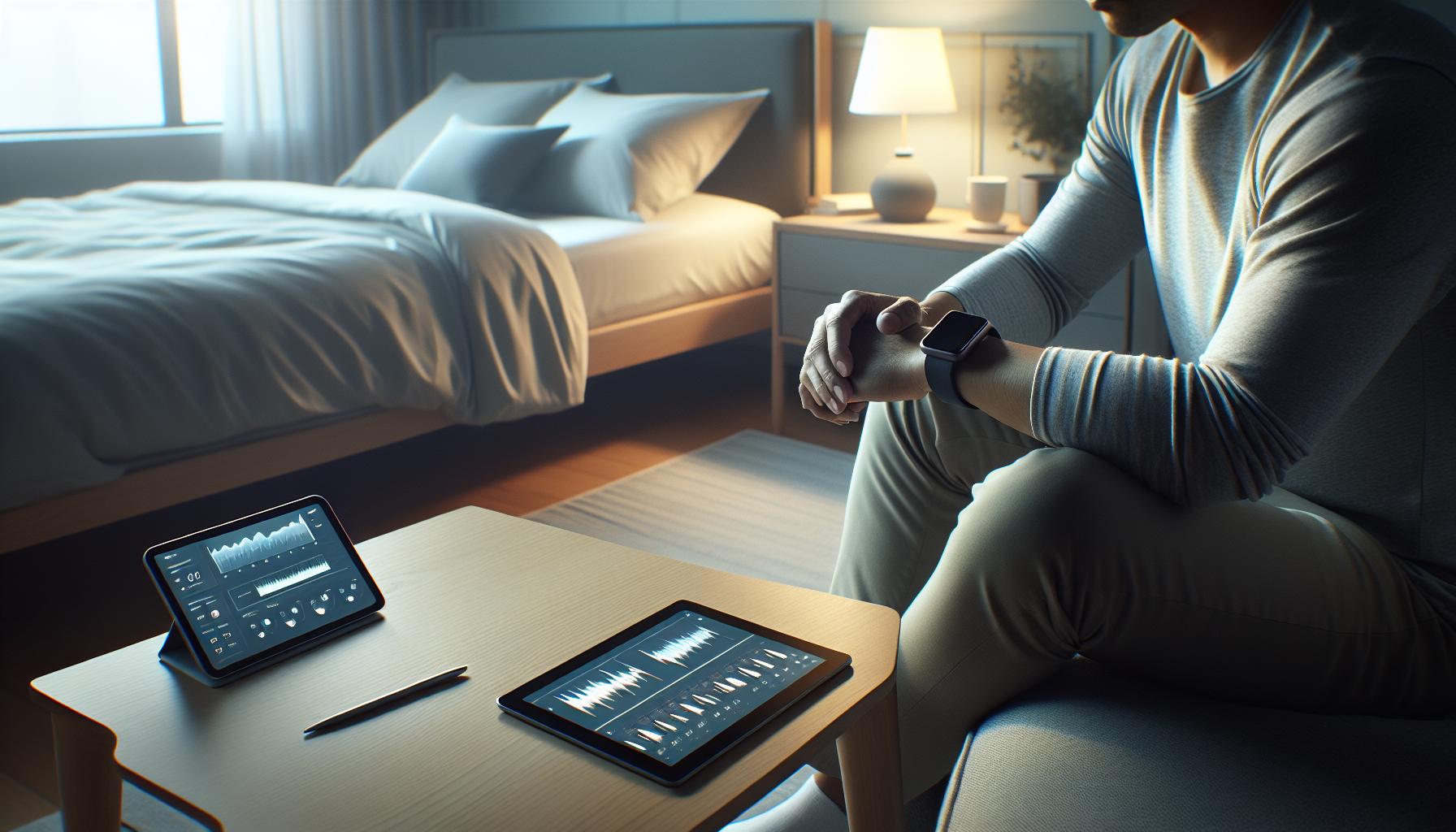
Wearable technology has revolutionized how we track and analyze our sleep patterns, offering insights that can complement traditional sleep studies. Devices such as smartwatches and fitness trackers often include features that monitor sleep stages, heart rate, and movement throughout the night. This array of data can help users gain a better understanding of their sleep quality and overall health, making it easier to identify potential issues that may warrant a professional evaluation.
A major appeal of wearable technology is its accessibility and user-friendliness. Unlike polysomnography, which requires a clinical setup and can induce anxiety for some, wearables promote a more relaxed and natural sleep environment. Users can wear these devices in their own beds without the constraints of wires and sensors that characterize traditional sleep studies. Moreover, many wearables are designed to provide real-time feedback and trends over time, empowering individuals to improve their sleep hygiene based on personal data.
Key Features of Wearable Sleep Technology
- Sleep Tracking: Most wearables can differentiate between light sleep, deep sleep, and REM sleep, helping users understand their sleep cycles.
- Heart Rate Monitoring: Continuous heart rate tracking can reveal how well your body rests and how it recovers overnight, which is crucial for anyone concerned about sleep quality.
- Movement Detection: Sensors can measure motion and restlessness during the night, offering insights into disruptive behaviors or sleep interruptions.
- Sleep Score: Many devices provide an overall ‘sleep score’ based on multiple factors, making it easy for users to gauge their nightly performance.
While wearables can be incredibly valuable, it’s important to recognize their limitations. These devices offer estimates based on algorithms and can sometimes misinterpret data. For instance, while a wearable can indicate when you wake up, it may not accurately reflect the quality of your sleep disruptions. Therefore, users concerned about serious sleep disorders like sleep apnea or narcolepsy should still consider pursuing a comprehensive sleep study for a thorough evaluation.
Ultimately, wearable technology serves as a convenient first step in sleep analysis, helping users make informed decisions about seeking further investigation or adjusting their nightly routines. When looking for insights into your sleep health, combining data from a wearable device with guidance from healthcare professionals can lead to a holistic approach to improving sleep quality.
Overcoming Anxiety: Preparing for Your First Sleep Study
It’s completely normal to feel anxious before your first sleep study. After all, the idea of spending a night in a sleep center, connected to various monitors, can be daunting. Understanding what to expect can significantly alleviate those worries. A sleep study, typically polysomnography, involves monitoring your sleep patterns to identify any disorders such as sleep apnea or insomnia. Knowing this can help you see the value of the experience, as the information gathered will lead to better recommendations for your sleep health.
Before the study, familiarize yourself with the process. You’ll receive instructions about what to bring, such as comfortable sleepwear and any necessary medications. Here are a few practical tips to ease your anxiety:
- Visit the Facility: If possible, take a tour of the sleep center before your appointment. Meeting the staff and seeing the setup can make the environment feel less intimidating.
- Ask Questions: Speak with your doctor or the sleep center team about the procedure. Understanding the purpose and what will happen can put your mind at ease.
- Prepare for Comfortable Sleep: Many centers allow you to bring familiar items, like a pillow or blanket, that might help you feel more at home.
- Stay Relaxed: Consider practicing relaxation techniques such as deep breathing or meditation to manage pre-study jitters.
During the study, you’ll be connected to sensors that monitor your brain activity, heart rate, and breathing. If you’re worried about being unable to sleep because of the equipment, remind yourself that the staff is experienced in helping patients feel as comfortable as possible. They’ll be monitoring you throughout the night to ensure everything runs smoothly.
After your study, the anxiety doesn’t have to linger. You’ll get results and recommendations, which are crucial for improving your sleep health. This feedback is valuable in making informed decisions about any necessary lifestyle changes or treatments. Your first sleep study is not just about data collection-it’s a step towards understanding and improving your sleep quality, so embracing the experience can lead to significant benefits for your health.
Q&A
Q: What should I expect during a sleep study?
A: During a sleep study, expect to be monitored overnight in a sleep lab equipped with various sensors to track your sleep patterns. You’ll connect to devices that measure brain waves, heart rate, and breathing while you sleep. Familiarize yourself with the process by reading the “What Happens During a Sleep Study” section for a detailed overview.
Q: Why would a doctor recommend a sleep study?
A: A doctor may recommend a sleep study to diagnose sleep disorders like sleep apnea, insomnia, or restless leg syndrome. Understanding sleep patterns can help address issues impacting sleep quality and overall health. For more reasons, refer to the “Key Reasons to Consider a Sleep Study” section.
Q: How do I prepare for a sleep study?
A: Preparing for a sleep study involves avoiding caffeine and alcohol on the day of the test and bringing comfortable sleepwear. Follow specific instructions from your healthcare provider to ensure accurate results. Check the “What to Expect Before, During, and After a Sleep Study” section for a comprehensive guide.
Q: Are sleep studies covered by insurance?
A: Many insurance plans cover sleep studies, but coverage can vary significantly. It’s crucial to check with your provider about your specific plan and any necessary pre-authorizations. Explore the “Navigating Costs: Sleep Study Expenses and Insurance” section for more details.
Q: What are home sleep tests and how do they differ from lab studies?
A: Home sleep tests are simplified assessments that you can conduct in your own bed, often using portable devices. Unlike lab studies, they may not monitor as many parameters. Refer to the “Alternative Sleep Testing: Home Sleep Tests vs. Lab Studies” section for a deeper comparison.
Q: How are sleep disorders diagnosed through sleep studies?
A: Sleep disorders are diagnosed by monitoring various physiological signals during a sleep study. Analysis of brain waves, oxygen levels, and heart patterns allows healthcare professionals to identify specific conditions. For more insights, see “Common Sleep Disorders Diagnosed by Sleep Studies” in the article.
Q: Can I wear my own pajamas for the sleep study?
A: Yes, you can usually wear your own pajamas but follow any specific guidelines provided by the sleep clinic. Ensure your sleepwear is comfortable and does not interfere with monitoring equipment. For more information, check out “What to Expect Before, During, and After a Sleep Study.”
Q: What technology is used in sleep studies?
A: Sleep studies utilize various technologies, including EEGs to monitor brain activity, pulse oximeters for oxygen levels, and devices to track respiration and heart rate. Visit “Polysomnography Explained: The Basics” to understand more about these technologies.
To Wrap It Up
Understanding what a sleep study entails is a crucial step towards improving your sleep health. Remember, getting a clear picture of your sleep patterns can lead to better management of sleep disorders and enhance your overall well-being. If you’re still uncertain about the cost, what to expect, or how to prepare, don’t hesitate to explore our detailed guides on sleep hygiene and the science behind why we need sleep-you’ll find them incredibly helpful.
Ready to take control of your sleep health? Sign up for our newsletter for regular tips and resources, or consider a consultation to discuss your specific sleep issues. Share your thoughts in the comments below-your experiences can help others! Dive deeper into our resources for wearables and sleep tech comparison to find the right fit for your needs. Your journey to restorative sleep starts now!
Get our latest guides, news, and insights highlighted in your Google Search & AI Overviews.