
Have you ever wondered how well you’re really sleeping? Quality sleep is essential for overall health and well-being, yet many of us struggle to achieve it. Enter the sleep tracking ring-a compact wearable designed to provide insights into your sleep patterns and help you enhance your nightly rest. This comprehensive buyer’s guide will explore the benefits, features, and considerations of choosing the right sleep tracking ring for your needs. By understanding how these devices work and what they can reveal about your sleep habits, you’ll be empowered to make informed choices to improve your sleep quality. Get ready to discover how a little ring on your finger can lead to a better night’s sleep!
Understanding Sleep Tracking Technology
As sleep becomes an increasingly recognized factor in overall health, technology has stepped in to offer innovative solutions for monitoring and improving our nightly rest. Sleep tracking technology, especially through devices like sleep tracking rings, has gained popularity due to their ability to collect data over time, helping users understand their sleep patterns and make informed decisions about their sleep hygiene. These devices leverage advanced sensors to monitor various parameters such as heart rate variability, movement, and even blood oxygen levels, providing insights that can help identify sleep issues or improve sleep quality.
Understanding how these sleep tracking rings function is essential for anyone considering them as part of their sleep health strategy. Typically, these rings utilize a combination of sensors, including accelerometers and photoplethysmography (PPG), to capture data seamlessly throughout the night. This information is then processed by an app connected to the ring, offering a comprehensive overview of multiple sleep stages-light, deep, and REM sleep-alongside insights on sleep disruptions and overall sleep efficiency.
Moreover, the benefits of utilizing such technology extend beyond mere observation. With consistent tracking, users can identify correlations between lifestyle choices-like diet, caffeine intake, or exercise-and their sleep quality. For example, a user might notice that nights with excessive screen time lead to more restless sleep, prompting them to adjust their habits accordingly. Additionally, many tracking rings come with features that allow users to set sleep goals or receive recommendations tailored to their unique sleep data, making it easier to foster better habits over time.
In summary, engaging with sleep tracking technology can empower individuals to take control of their sleep health. By gaining insights into their own nightly patterns, users can make informed adjustments, ultimately leading to improved quality of life. The journey toward better sleep starts with understanding the technology and recognizing the actionable steps that can be taken to enhance one’s nightly rest.
How Sleep Tracking Rings Work
Sleep tracking rings have become a popular choice for health-conscious individuals looking to enhance their understanding of their sleep patterns. These innovative devices utilize a combination of sophisticated sensors to monitor various physiological metrics throughout the night. By wearing a sleep tracking ring, you’re not just accessorizing; you’re equipping yourself with a tool that gathers insights about your sleep quality and habits.
The primary function of a sleep tracking ring relies on two key sensor technologies: accelerometers and photoplethysmography (PPG). Accelerometers detect movement, providing data on how restless or still you are while you sleep. This information is crucial for determining the different stages of sleep, as slight movements may indicate transitions between light, deep, and REM sleep. On the other hand, PPG sensors measure changes in blood volume, allowing the ring to assess your heart rate and blood oxygen levels while you rest. Together, these sensors create a detailed picture of your nightly sleep cycle.
Once the data is collected, it is seamlessly transmitted to a companion app, which aggregates and analyzes the information. The app typically offers an intuitive interface, where users can view insights such as sleep duration, sleep efficiency, and periods of wakefulness. Not only does this help in identifying sleep disruptions, but it also provides recommendations tailored to your unique sleep patterns. For instance, if the data indicates that you are regularly restless after consuming caffeine later in the day, the app might suggest adjusting your intake for better sleep quality.
Furthermore, the beauty of sleep tracking rings lies in their convenience and non-invasiveness. Unlike traditional wearables or sleep studies that may require extensive setups or constant adjustments, sleep tracking rings are designed for simplicity. They can be worn comfortably through the night without disrupting your normal routine. This ease of use encourages consistent tracking, which in turn leads to more actionable insights and improvements in sleep hygiene. The goal is to make self-awareness about one’s health as simple as slipping on a ring before bed.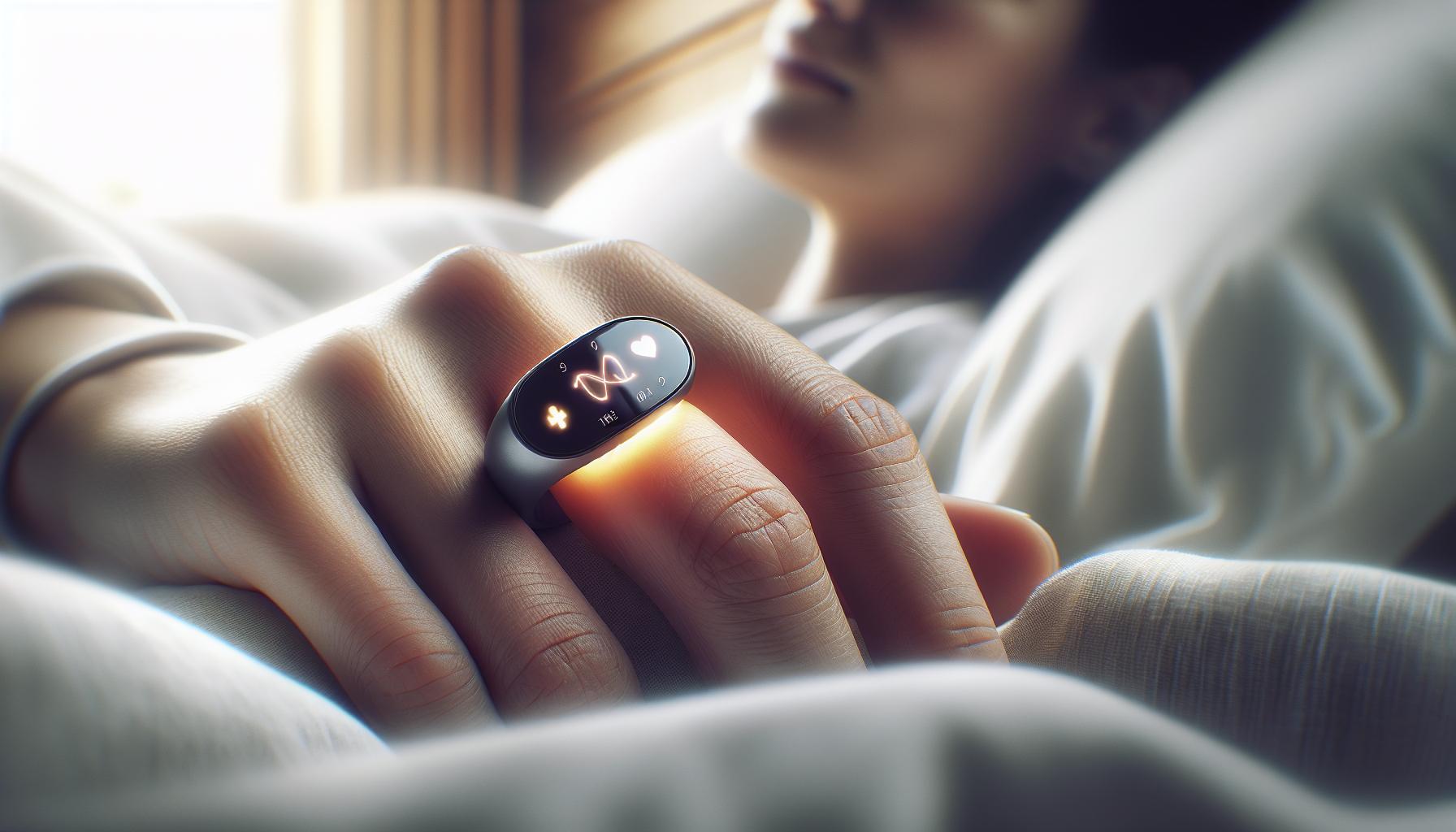
Key Features of Sleep Tracking Rings
The rise of sleep tracking rings has transformed how individuals monitor their sleep, offering a compact and convenient option for those aiming to improve their sleep hygiene. These devices are packed with features that cater to both casual users and serious sleep enthusiasts. Understanding these features can help you make an informed decision when selecting a sleep tracking ring.
Sensor Technology
One of the standout characteristics of sleep tracking rings is their sophisticated sensor technology. Many models utilize a combination of accelerometers and photoplethysmography (PPG). The accelerometer tracks movement during sleep, while PPG measures changes in blood volume to assess heart rate. This combination provides a comprehensive overview of your sleep stages, including light, deep, and REM sleep, enabling nuanced insights into your sleep patterns.
User-Friendly App Interface
A notable feature of these rings is their companion app, which aggregates data collected throughout the night. Users can easily access metrics like sleep duration, sleep efficiency, and periods of wakefulness. These apps often provide personalized insights and recommendations based on your data. For example, simple lifestyle adjustments-like changing your caffeine intake-can be suggested to enhance sleep quality, making it a valuable tool for self-improvement.
Comfort and Design
Another critical aspect is the design and comfort of sleep tracking rings. Unlike traditional sleep monitors that can feel cumbersome, these rings are typically lightweight and comfortable to wear throughout the night. Their sleek design often means they can be worn with ease, without disrupting your normal sleep routine.
Battery Life and Charging
Battery life is a practical feature worth considering. Most sleep tracking rings offer several days of continuous use on a single charge, allowing for uninterrupted tracking. Many models feature easy USB charging options, perfect for those who travel or prefer low-maintenance devices.
In summary, selecting the right sleep tracking ring involves understanding the combination of advanced sensor technology, user-friendly app interfaces, comfort, and battery efficiency. An informed choice can lead to better insights into your sleep patterns and ultimately contribute to improved overall health.
Benefits of Using a Sleep Tracking Ring
Using a sleep tracking ring can be a game-changer for anyone serious about improving their sleep quality. These compact devices not only monitor various aspects of your sleep but also empower you with insights to make meaningful changes in your bedtime habits. One of the most compelling benefits is the ability to track your sleep stages-light, deep, and REM-providing a detailed picture of your nightly rest that traditional methods can’t match.
Personalized Insights
A significant advantage of sleep tracking rings is their ability to deliver personalized insights through user-friendly apps. These apps compile data on sleep duration, efficiency, and disturbances, allowing you to understand your sleep patterns better. For example, if your data indicates that you often wake up during a certain time, you can adjust your environment-perhaps by changing the room temperature or reducing noise-to enhance your sleep quality.
Health Monitoring
Beyond sleep specifics, many rings also monitor heart rate and blood oxygen levels, offering additional health insights that can be crucial for overall well-being. Understanding your heart rate fluctuations can help you identify stress or anxiety patterns, while tracking oxygen levels can alert you to potential sleep disorders like sleep apnea. This dual functionality can be particularly helpful for individuals looking to proactively manage their health.
Convenience and Comfort
Unlike bulky sleep monitors or wearables, sleep tracking rings are designed for comfort and ease of use. Lightweight and often stylish, they’re made to slip on effortlessly at night without disrupting your comfort. Many models also provide impressive battery life, frequently lasting several days on a single charge, making them ideal for those seeking low-maintenance options.
Promoting Sleep Awareness
Finally, using a sleep tracking ring cultivates a greater awareness of your sleep habits. With continuous feedback, you’re more likely to recognize the importance of quality sleep and hold yourself accountable for making necessary changes. Whether it’s adjusting your diet, optimizing your nighttime routine, or limiting screen time before bed, these insights encourage healthier lifestyle choices that can lead to improved overall sleep health.
In summary, investing in a sleep tracking ring can enhance your understanding of sleep dynamics, facilitate better health management, and encourage a lifestyle aligned with improved sleep hygiene.
Popular Sleep Tracking Rings Reviewed
There’s a compelling reason many people turn to sleep tracking rings: they merge advanced technology with personal wellness, providing insights that can genuinely transform sleep quality. These small, often stylish rings gather critical sleep data and health metrics, making them both informative and convenient. Not all sleep tracking rings are created equal, so understanding the standout options available can help you make an informed choice that suits your lifestyle and sleep needs.
Oura Ring
The Oura Ring is a frontrunner in the sleep tracking market. Known for its sleek design, it offers a comprehensive analysis of sleep stages, readiness scores, and overall sleep quality. It also tracks body temperature and heart rate variability, providing a holistic view of your health. The app interface is user-friendly and offers personalized insights based on your data. However, the price point for the Oura Ring typically ranges between $300 to $400, which is an investment but delivers considerable functionality.
SleepImage Ring
For those specifically concerned about sleep apnea, the SleepImage Ring stands out. It can provide valuable information about breathing patterns during sleep, making it ideal for users who want to monitor potential sleep disorders. In addition to standard sleep metrics, it can give insights into how sleep quality affects overall health. The setup is straightforward, with the app guiding you through connectivity and data interpretation. Pricing is generally between $250 and $300.
Smart Rings by Amazfit
For a more budget-friendly option, Amazfit offers smart rings that combine sleep tracking with fitness features. These rings typically cost around $100, making them accessible for those new to sleep tracking technology. While they may not provide the depth of analysis found in premium models, they still cover essential metrics like sleep duration and basic sleep cycles, ideal for users looking to start small. The Amazfit app is compatible with a variety of fitness and wellness apps, enhancing its versatility.
Polar Ring
The Polar Ring is particularly strong for fitness enthusiasts, as it not only tracks sleep but also integrates with your training regimen. It provides insights into how your activity levels may influence your sleep quality. The Polar app gives a comprehensive performance analysis, which can be beneficial for those training for specific goals. The price of the Polar Ring typically hovers around $250 to $300.
Selecting the right sleep tracking ring hinges on understanding your needs, whether it’s dedicated sleep analysis, fitness integration, or a combination of both. By weighing these options and considering factors like price, features, and user experience, you can find a sleep ring that aligns with your personal health journey.
Comparing Sleep Tracking Rings: Features and Pricing
When considering a sleep tracking ring, understanding the features and pricing differences among the various options available is crucial in making an informed decision. These rings not only measure your sleep but also track other health metrics, which can significantly affect your overall wellbeing. Here’s a closer look at how these rings stack up against each other, focusing on the popular models in the market today.
Oura Ring
The Oura Ring is often regarded as the gold standard in sleep tracking technology. It provides a wealth of information, from sleep stages to a personalized readiness score, assisting users in understanding their sleep patterns. Its price usually ranges from $300 to $400, reflecting its advanced capabilities such as monitoring body temperature and heart rate variability. The sleek design and intuitive app experience make it a favorite for those willing to invest in their sleep health.
SleepImage Ring
For those particularly interested in monitoring sleep apnea and respiratory health, the SleepImage Ring is tailored to provide insights into breathing patterns during sleep. Priced at about $250 to $300, this ring not only tracks standard metrics but also highlights how sleep quality impacts overall health. The setup process is user-friendly, guided through an app that helps assimilate and interpret data effectively.
Amazfit Smart Rings
For those who are just beginning their sleep tracking journey, Amazfit offers an economical choice, typically priced around $100. While it lacks the in-depth analysis of more expensive models, it covers fundamental metrics like sleep duration and basic sleep cycles. Its compatibility with various fitness and wellness apps enhances its versatility and makes it suitable for users wanting a no-frills introduction to sleep tracking.
Polar Ring
Aimed at fitness enthusiasts, the Polar Ring merges sleep tracking with exercise monitoring. Ranging from $250 to $300, the Polar Ring assesses how daily activity impacts sleep quality, which can be invaluable for those training for specific athletic goals. The app offers comprehensive insights into performance, making it a great tool for integrative health and fitness monitoring.
| Ring Model | Price Range | Key Features |
|---|---|---|
| Oura Ring | $300 – $400 | Comprehensive sleep analysis, readiness score, body temp, heart rate variability |
| SleepImage Ring | $250 – $300 | Sleep apnea detection, respiratory monitoring, health impact insights |
| Amazfit Smart Rings | $100 | Basic sleep metrics, fitness integration |
| Polar Ring | $250 – $300 | Fitness tracking, activity-sleep relationship insights |
Selecting the right sleep tracking ring largely depends on individual needs and budget. Whether you prioritize in-depth sleep analysis, simplicity, or fitness integration, these options highlight the varying functionalities available at different price points. Understanding how they compare allows consumers to choose wisely, promoting smarter decisions in their sleep health journeys.
Setting Up Your Sleep Tracking Ring: A Step-by-Step Guide
Setting up a sleep tracking ring is an empowering step towards better understanding your sleep patterns and overall health. While each model may have its unique setup procedure, the essential steps are often similar across devices. Here’s a simple guide to get you started with your new sleep tracking ring.
Begin by charging your ring fully before the first use. Most sleep rings come with a charger, and it’s crucial to ensure adequate battery life so that you can collect accurate data throughout your nights. While your ring is charging, download the associated app on your smartphone. This app is vital for accessing and interpreting your sleep data, and it usually offers additional features like customizable settings and health insights.
Once charged, connect your ring to the app. Follow the prompts in the app to pair your device via Bluetooth. You may need to create an account if you haven’t already. During this process, ensure that the app has the necessary permissions to access your health data, as this integration typically enhances the accuracy of your readings.
Next, it’s time to adjust the settings to best suit your personal needs. Most rings allow you to set specific goals or preferences related to your sleep habits. For example, you might find options to track factors like sleep stages, heart rate, and even body temperature. Personalizing these settings will enable the ring to provide insights that are more relevant and useful to you.
Wearing the ring is the final step. Make sure to wear it snugly but comfortably on your finger while sleeping. This ensures that the sensors can accurately collect data throughout the night. It’s advisable to maintain a consistent schedule, as wearing the ring every night will help build a more comprehensive sleep profile over time.
By following these straightforward steps, you’ll be well on your way to leveraging the full potential of your sleep tracking ring. Remember, these devices are designed to support your health journey, helping you gain valuable insights that can enhance your overall well-being.
Interpreting Sleep Data: What to Look For
Understanding the data your sleep tracking ring provides is crucial for maximizing its benefits. When you review your sleep data, focus on several key metrics that can help you decode patterns in your sleep quality and overall health.
Key Metrics to Monitor
- Total Sleep Time: This tells you how long you were asleep during the night. Aim for the recommended 7-9 hours, depending on your personal needs and lifestyle.
- Sleep Stages: Most sleep tracking rings categorize sleep into different stages (light, deep, REM). Understanding how much time you spend in each stage helps assess whether you’re getting restorative sleep.
- Heart Rate: Monitoring your heart rate while sleeping can provide insights into your body’s stress levels and overall health. A lower resting heart rate typically indicates better cardiovascular fitness.
- Sleep Consistency: Look at the regularity of your sleep patterns over time. Consistent sleep schedules contribute positively to sleep quality.
- Sleep Quality Score: Some devices offer a score based on various metrics. This can help you gauge your sleep health at a glance.
How to Interpret Trends
Analyzing trends over time can be more valuable than focusing on a single night’s data. If you notice patterns, such as consistently low deep sleep on nights after heavy exercise or irregular bedtimes, consider adjusting your routine accordingly. For example, the addition of relaxation techniques before bed might enhance your deep sleep duration.
Additionally, it’s important to acknowledge that sleep data from rings may not always perfectly align with clinical measurements from sleep studies. Factors like movement and comfort can impact the measurements’ accuracy. Therefore, while the insights provided by your ring are beneficial, they should be part of a broader approach to understanding your sleep health.
By actively engaging with your sleep tracking data, you empower yourself to make informed adjustments to your habits, which can lead to improved sleep quality and overall well-being. Don’t hesitate to consult with a healthcare professional if your data raises any concerns or if you’re considering significant lifestyle changes based on what you observe.
Common Issues with Sleep Tracking Rings
Despite the growing popularity of sleep tracking rings, they are not without their challenges. Many users report issues that can impact the overall experience and the accuracy of data collected. Being aware of these common problems can help you navigate the world of sleep tracking more effectively.
One prevalent concern is the accuracy of sleep data. While sleep tracking rings utilize advanced sensors to monitor your nightly rest, factors such as movement during sleep or the fit of the device can lead to inaccurate readings. For instance, if the ring is too loose, it may not track heart rate and sleep stages reliably. To mitigate this, ensure you have the right size and secure the device properly before bedtime.
Another issue is battery life. Some sleep rings need to be charged frequently, which can become inconvenient. Users may find themselves unable to track sleep if they forget to charge their device. This situation highlights the importance of choosing a ring with a robust battery that fits your lifestyle. Opt for rings that offer extended battery life or quick-charge features to avoid interruptions in data collection.
Additionally, software compatibility can pose problems for users. Some rings may face issues syncing with mobile applications, which can delay data analysis or lead to data loss. To avoid this, check user reviews for any recurring frustrations related to app connectivity before making a purchase. Regular updates from the manufacturer can also enhance functionality, so keep your device firmware up to date.
Lastly, many consumers worry about the privacy of their health data. As these devices collect sensitive information about your sleep and health patterns, it’s essential to choose a brand known for its robust data protections. Look for manufacturers that clearly outline their data usage policies and offer strong encryption measures.
By understanding these common pitfalls, you can better assess your needs and expectations when considering a sleep tracking ring. Engaging with fellow users or forums online can provide practical insights into overcoming these challenges, allowing you to tailor your tracking experience to your personal health goals effectively.
Do Sleep Tracking Rings Improve Your Sleep?
While sleep tracking rings have gained popularity as tools for enhancing sleep quality, their effectiveness can vary significantly from person to person. These devices gather essential data on your sleep patterns, such as sleep duration, quality, and interruptions, which can empower users to make informed adjustments to their routines. However, the question remains: do these rings actually lead to improved sleep?
One way sleep tracking rings can make a positive impact is by raising awareness about personal sleep habits. Users often discover patterns they were previously unaware of, such as consistently staying up too late or experiencing disruptions during specific stages of sleep. This newfound insight can encourage changes in behavior-like establishing a consistent sleep schedule or creating a more conducive sleep environment. For example, a user might find that avoiding screens an hour before bed leads to deeper sleep, as indicated by their tracking data.
Setting Realistic Expectations
It’s essential to set realistic expectations about the improvements a sleep tracking ring can bring. While the device can provide valuable data, it does not directly alter sleep. Instead, it acts as an educational tool, helping users understand and optimize their sleep hygiene. It’s worth noting that sleep quality can be influenced by numerous factors, including stress, diet, exercise, and overall lifestyle. Therefore, while these rings can guide tweaks in behavior for potentially better sleep, individual results will vary.
Real-Life Outcomes
Many users report subjective improvements in sleep quality after using tracking rings, often feeling more rested or alert. Success stories typically highlight how couples or individuals have utilized shared data to support each other in achieving better sleep. These real-life examples underscore the role of motivation in making positive changes-knowing the metrics can inspire individuals to prioritize their sleep more seriously.
Ultimately, while sleep tracking rings serve as a useful resource, improvement in sleep often requires an active engagement with the data provided. With education, motivation, and a willingness to adapt daily habits, these devices can facilitate meaningful changes toward achieving better sleep quality.
Choosing the Right Sleep Tracking Ring for You
When considering a sleep tracking ring, it’s essential to evaluate various factors to find the perfect fit for your lifestyle and sleep needs. These wearable devices vary in features, price, and ease of use, so conducting thorough research can save you both time and frustration. Start by asking yourself what specific sleep issues you’re looking to address. Are you seeking to monitor sleep quality, track disturbances, or gather data on your sleep stages? Understanding your primary objectives will help narrow your options significantly.
Before making a decision, examine the key features each ring offers. This includes battery life, comfort, and the range of metrics tracked. Many sleep rings monitor heart rate variability, temperature fluctuations, and even activity levels beyond sleep, providing a comprehensive understanding of your health. For instance, some rings like the Oura Ring offer enhanced features such as guided meditation and personalized insights based on your patterns, which can be beneficial for those looking to integrate mindfulness into their evening routine.
Consider your budget, as prices for sleep rings can vary widely. Basic models may range from $100 to $200, while more advanced options can go over $300. It’s wise to compare pricing alongside functionality to ensure you’re getting the best value for your money. Don’t forget to check return policies and warranty information, as this reflects the manufacturer’s confidence in their product-and provides peace of mind in your purchase.
Lastly, consider user reviews and testimonials to gauge real-world experiences. While marketing materials can be attractive, paying attention to feedback from actual users can reveal insights about the ring’s performance and any common issues. For example, some users may appreciate the data visualization features, while others might find limitations in accuracy compared to clinical assessments. Balancing your personal needs with the experiences of past users can empower you to make an informed choice tailored to your sleep journey.
Real User Experiences: Success Stories and Challenges
Individuals exploring sleep tracking rings often find themselves fascinated by the blend of technology and health insight these devices offer. Users frequently share their journeys, shedding light on both the victories and the hurdles encountered along the way. From improved sleep quality to occasional frustrations with data accuracy, real user experiences provide valuable context for potential buyers.
One common thread in success stories is the way that sleep tracking rings empower users to understand their sleep patterns better. Many users report significant improvements in their sleep hygiene after employing insights from the data collected. For instance, by analyzing trends in deep sleep and periods of restlessness, some have fine-tuned their bedtime routines, leading to more restorative sleep. The ability to set alarms based on sleep cycles has also been a highlight, allowing users to wake up feeling more refreshed and less groggy.
However, not all experiences have been flawless. Some users have encountered challenges regarding the accuracy of sleep data, particularly in distinguishing between sleep stages. A few individuals noted discrepancies when comparing their ring’s data with more traditional sleep monitoring methods, such as polysomnography in sleep clinics. These discrepancies can lead to confusion, making it essential for potential buyers to manage expectations regarding what these devices can realistically provide.
Moreover, the comfort of wearing a ring every night can vary significantly among users. While many find the rings lightweight and unobtrusive, others have reported discomfort or irritation after prolonged use. It’s crucial to choose a model with the right fit to ensure that monitoring doesn’t interfere with sleep quality.
In conclusion, real user experiences reveal that while sleep tracking rings can offer transformative insights into sleep patterns, they may not be a one-size-fits-all solution. Potential buyers should consider these shared stories and weigh both the successes and challenges as they explore the best options for enhancing their sleep health. Understanding both sides will empower you to make informed decisions that align with your personal sleep goals.
Frequently asked questions
Q: What are the main advantages of using a sleep tracking ring?
A: Sleep tracking rings offer several advantages, including detailed sleep data, improved sleep quality through personalized insights, and convenience of use. They monitor various metrics like heart rate and sleep stages, helping users understand their sleep patterns. This data can inform lifestyle changes for better sleep overall.
Q: How accurate are sleep tracking rings compared to traditional methods?
A: Sleep tracking rings are generally accurate, but they may not match the precision of clinical sleep studies. They use motion sensors and heart rate variability to estimate sleep stages. While helpful for tracking trends, they should not replace professional evaluations for sleep disorders.
Q: Are sleep tracking rings suitable for everyone?
A: While most people can use sleep tracking rings, those with certain medical conditions, such as wrist injuries or severe skin sensitivities, may find them uncomfortable. It’s essential to consult with a healthcare provider if you have concerns about using such wearable technology.
Q: How can I interpret sleep data from my tracking ring?
A: To interpret sleep data effectively, focus on metrics like total sleep duration, efficiency, and sleep stages (light, deep, REM). Compare your results to suggested benchmarks in the app. Understanding trends over time will help you identify factors affecting your sleep quality.
Q: Do sleep tracking rings need to be charged often?
A: Yes, most sleep tracking rings require regular charging, typically every few days to a week depending on the model and usage frequency. It’s important to charge them periodically to ensure they can monitor your sleep effectively.
Q: Can sleep tracking rings help improve sleep quality?
A: Yes, sleep tracking rings can help improve sleep quality by providing actionable insights into your sleep patterns. By identifying issues like irregular sleep schedules or low sleep efficiency, users can make informed adjustments to their routines for better rest.
Q: How do I choose the right sleep tracking ring for my needs?
A: To choose the right sleep tracking ring, consider factors like accuracy, battery life, app compatibility, and specific features. Read reviews and compare options based on your lifestyle needs and budget to find the best fit for you.
Q: Can I wear my sleep tracking ring while exercising?
A: Most sleep tracking rings are designed to be durable and comfortable for all-day wear, including during exercise. However, check the manufacturer’s guidelines regarding water resistance and wear during high-impact activities to ensure longevity and performance.
The Way Forward
Now that you understand what a sleep tracking ring can do for your sleep health, it’s time to take the next step in improving your rest and rejuvenation. These innovative devices not only track your sleep patterns but can also empower you to make informed choices about your health. If you’re curious about optimizing your sleep further, check out our detailed guides on sleep studies and the various types of sleep wearables available.
Don’t wait to enhance your sleep quality-explore our product recommendations, read more on sleep science, and consider subscribing to our newsletter for the latest updates. Whether you’re battling sleep disorders or looking to optimize your nightly routine, understanding your sleep is key. Share your thoughts below, and don’t forget to explore more on sleep stages and benefits to gain even deeper insights into your sleep health journey. Take control of your sleep today and wake up refreshed!
Get our latest guides, news, and insights highlighted in your Google Search & AI Overviews.