
Did you know that around 70 million Americans suffer from sleep disorders? With growing awareness of the importance of sleep health, finding the right smartwatch for sleep tracking has never been more essential. These innovative devices not only monitor your sleep patterns but also provide insights that can improve your nightly rest. In a world where good sleep fuels productivity and well-being, choosing the best smartwatch tailored to your sleep needs can make a significant difference. In this guide, we’ll explore expert picks for sleep tracking smartwatches, highlighting key features that cater to your personal sleep goals. Get ready to elevate your sleep experience and transform those restless nights into rejuvenating slumbers!
Choosing the Right Smart Watch for Sleep Tracking
With the rise of sleep tracking technology, choosing a smart watch that best suits your sleep monitoring needs can feel daunting. Smart watches offer a wealth of features designed to help you understand and improve your sleep patterns, but not all devices are created equal. Key factors to consider include battery life, comfort, data accuracy, and the specific features offered by each model.
When evaluating your options, look for devices that provide comprehensive sleep analysis, which often includes REM, light, and deep sleep tracking. A good sleep tracker will also offer insights into your sleep cycles, helping you understand how much time you spend in each stage. Furthermore, ensuring the watch is comfortable to wear throughout the night is crucial, especially since some models can be bulky or have irritating straps.
Another significant consideration is battery life. A smart watch that requires frequent charging can disrupt your sleep tracking, particularly if it has to be charged during nighttime. Ideally, you want a device with at least 3-5 days of battery life on a single charge. Additionally, integration with other health apps can enhance the value of your smartwatch by providing a fuller picture of your overall well-being.
Lastly, read user reviews and expert recommendations to gauge real-world performance. Devices like the Apple Watch Series 8 or Fitbit Charge 5 have garnered praise for their accuracy and user-friendly interfaces. However, what works for one person may not work for another, so assessing your specific needs and preferences is essential before making a purchase. Ensuring that your chosen smart watch aligns with your lifestyle and sleep needs can lead to more effective sleep tracking and, ultimately, better sleep health.
Top Features to Look for in Sleep Trackers
When it comes to selecting a smart watch that excels in sleep tracking, several key features can enhance your experience and provide significant insights into your sleep patterns. Understanding these features will help you choose a device that not only tracks your sleep effectively but also contributes to improving your overall sleep quality.
Comprehensive Sleep Analysis
A robust sleep tracker should go beyond merely tracking total sleep time. Look for watches that provide detailed breakdowns of your sleep cycles, identifying stages such as light, deep, and REM sleep. This information helps you understand your sleep architecture, allowing you to see how well you are resting. Many advanced models can also offer insights into sleep disturbances, providing a complete picture of your sleep health.
Heart Rate Monitoring
Another vital feature is heart rate monitoring during sleep. A good smart watch continuously measures your heart rate throughout the night. Variations from your normal resting heart rate can indicate stress or disturbances in sleep quality. Devices that combine heart rate data with sleep analysis can help pinpoint factors that may be affecting your rest, allowing for more targeted lifestyle adjustments.
Sleep-Friendly Design
Comfort is paramount when wearing a device while you sleep. Choose a smart watch that is lightweight and designed with soft materials that won’t irritate your skin overnight. Avoid bulkier models that may cause discomfort. Many brands are now focusing on ergonomics to ensure the wearability of their devices during sleep. Additionally, ensure that the watch has a good battery life-ideally lasting several days on a single charge-so you don’t have to interrupt your sleep tracking for nightly charging.
Integration with Health Apps
Consider how well the smart watch integrates with other health and fitness apps you may already use. Devices that sync with platforms like Apple Health, Google Fit, or proprietary health apps provide a comprehensive view of your overall wellness-not just your sleep. This holistic approach can yield better insights by correlating sleep patterns with activity levels, dietary habits, and mental health metrics, enabling you to make informed adjustments to improve your sleep quality.
In conclusion, selecting the right smart watch for sleep tracking can significantly enhance your understanding of your sleep patterns and quality. By focusing on comprehensive data analysis, comfort, heart rate monitoring, and seamless app integration, you can choose a device that not only meets your sleep tracking needs but also aids in achieving a healthier lifestyle.
Expert Recommendations: Best Smart Watches for Sleep
When it comes to selecting the best smart watches for sleep tracking, a few standout products consistently receive high praise from experts and users alike. These devices combine accurate tracking, insightful data analysis, and user-friendly features to provide a comprehensive view of your sleep health. Here are some highly recommended options to consider:
1. Fitbit Charge 5
The Fitbit Charge 5 is a top contender in the sleep tracking arena. This device not only tracks your sleep stages-light, deep, and REM-but also offers a sleep score based on your heart rate variability and sleep patterns. Its *Sleep Profile* feature analyzes your sleep trends over time, giving you personalized insights and tips. With a comfortable design and long battery life of up to 7 days, it’s perfect for overnight wear.
2. Apple Watch Series 8
For Apple users, the Apple Watch Series 8 offers advanced sleep tracking capabilities alongside its usual smartwatch features. The integration with the *Sleep* app provides detailed insights into your sleep duration and quality. The addition of a *Sleep Focus* mode helps reduce distractions at night, promoting better rest. Plus, the watch’s always-on display and smooth interface make it easy to navigate.
3. Oura Ring
If you prefer a non-watch option, the Oura Ring is a brilliant alternative. This sleek, smart ring offers in-depth sleep analysis, tracking sleep stages and overall quality, alongside daily readiness scores based on your recovery. Thanks to its minimalistic design, it’s incredibly comfortable to wear during sleep without any bulk.
4. Garmin Venu 2
Garmin Venu 2 caters to fitness enthusiasts looking for comprehensive health tracking. It provides impressive sleep analytics, offering a clear breakdown of your sleep stages and even your blood oxygen levels at night. The *Body Battery* feature helps you understand your energy levels throughout the day, making it a holistic health tracker.
5. Withings Sleep Tracking Mat
For a different approach altogether, the Withings Sleep Tracking Mat sits under your mattress and tracks your sleep without any wearables. It provides analysis of sleep cycles, breathing disturbances, and heart rate, making it ideal for those who prefer not to wear a device while sleeping. Its seamless integration with the Health Mate app gives you accessible insights and trends over time.
These devices not only help you track your sleep effectively but also encourage better sleep habits through their insightful data. Each option has unique features tailored to different user needs, ensuring that you can find the right smart watch or alternative that fits your lifestyle and helps you achieve optimal sleep health.
Comparing Sleep Tracking Accuracy: Smart Watch vs. Fitness Band
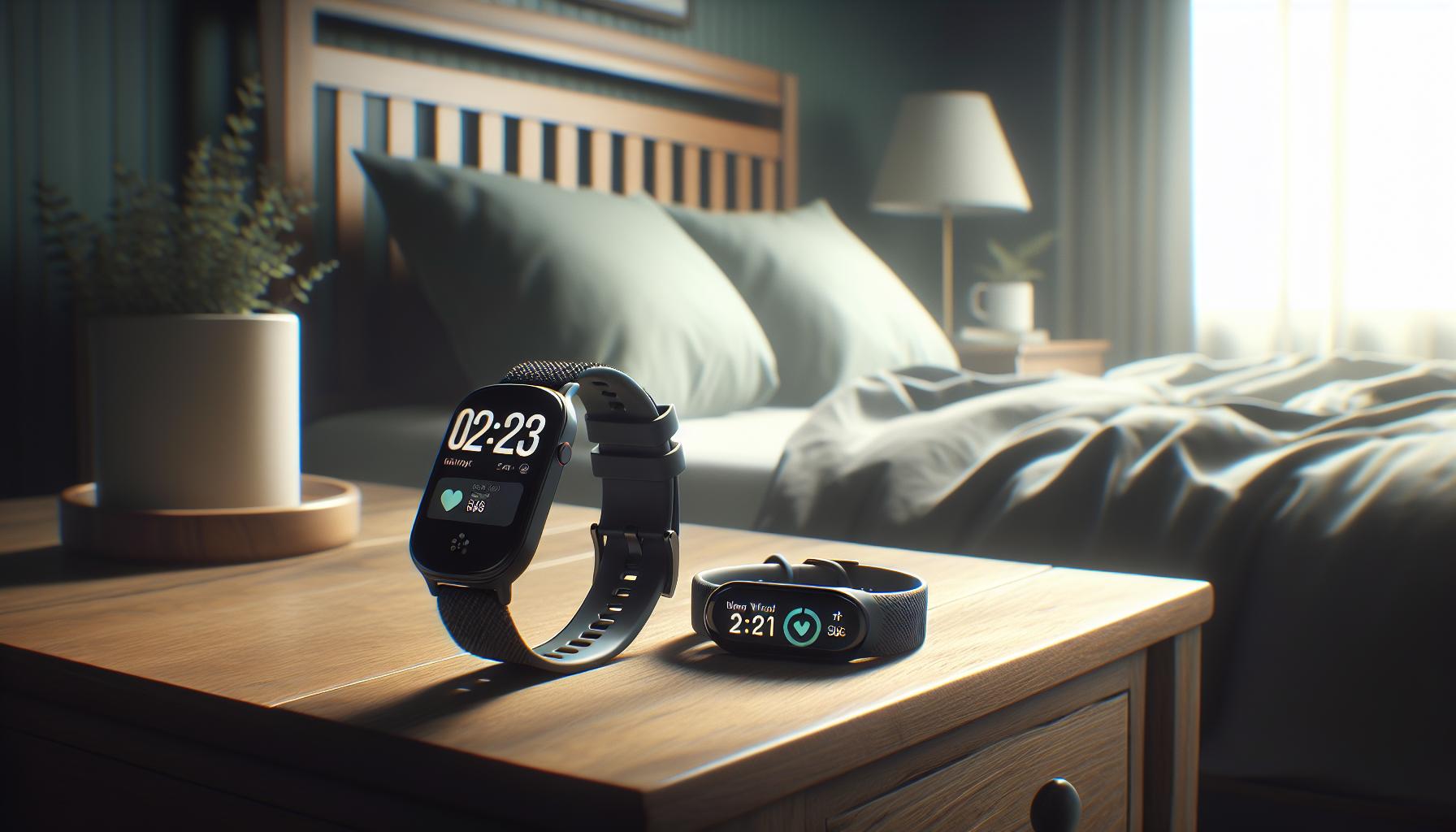
When considering sleep tracking, many consumers are often torn between using a smart watch or a fitness band. Each device comes packed with features, but they differ significantly in terms of accuracy and functionality. Understanding these differences can help you make the right choice for your sleep health.
Smart watches typically excel in overall tracking capabilities with advanced sensors that measure not only sleep stages but also heart rate variability and blood oxygen levels. For example, devices like the Apple Watch Series 8 and Fitbit Charge 5 offer comprehensive sleep data analysis, incorporating lifestyle factors that might affect sleep quality. Their robust operating systems allow for detailed data review and integration with health apps, providing a holistic view of your sleep patterns.
On the other hand, fitness bands such as the Fitbit Inspire or Xiaomi Mi Band tend to be more affordable and lighter, making them comfortable for overnight wear. While they track essential metrics like total sleep time and sleep cycles, their accuracy can vary depending on the model. These devices primarily focus on step counting and basic health metrics, sometimes sacrificing the depth of data analyses present in smart watches.
Another aspect to consider is the comfort and usability of these devices during sleep. Smart watches can be bulkier, which might disturb some users while they sleep, while fitness bands are usually designed to be less intrusive. Ultimately, the best choice hinges on your priorities: If you seek in-depth insights and advanced features, a smart watch could be the right fit. Conversely, if you prefer a simplified approach to tracking your sleep with a focus on comfort and affordability, a fitness band may meet your needs.
In summary, both smart watches and fitness bands have their own strengths when it comes to sleep tracking. Depending on your lifestyle and sleep health goals, understanding the nuances between these options can empower you to make an informed decision.
Understanding Sleep Patterns: How Smart Watches Help
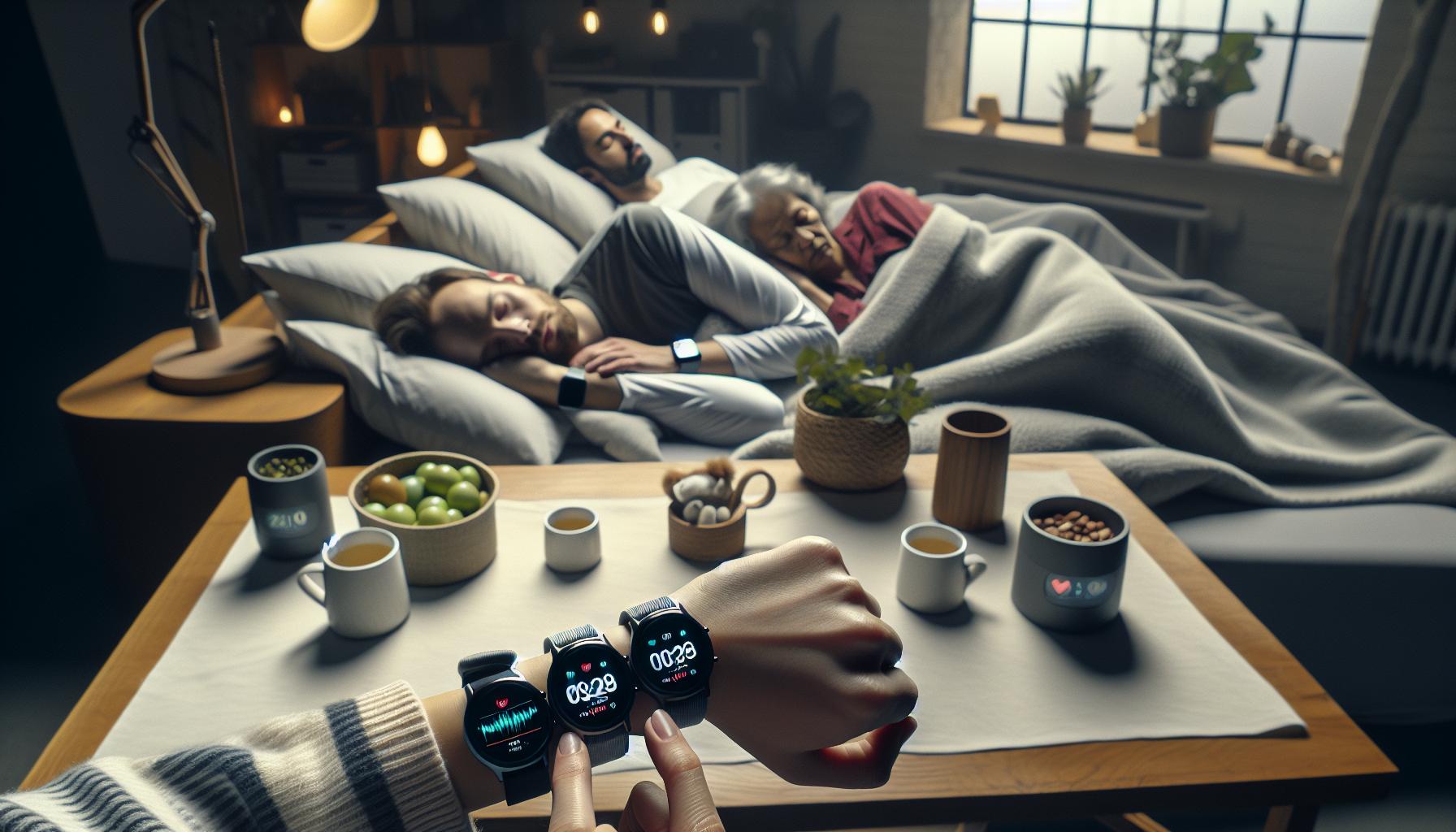
Understanding your sleep patterns is crucial for improving overall sleep quality and enhancing daytime performance. Modern smartwatches, equipped with advanced sensors and algorithms, offer significant insight into your sleep stages and habits, acting as a powerful tool in your wellness arsenal. By monitoring metrics such as heart rate, movement, and even blood oxygen levels, these devices provide a comprehensive picture of your night’s rest, making it easier to identify factors affecting your sleep hygiene.
Smartwatches utilize a combination of technologies to analyze the various stages of sleep: light, deep, and REM. For instance, models like the Apple Watch Series 8 and Fitbit Charge 5 can differentiate between these stages, giving you a detailed report on how much time you spend in each during the night. This analysis helps you understand if you’re getting enough restorative sleep, which is essential for cognitive function and emotional well-being. Moreover, the information collected can inform lifestyle changes, such as adjusting your bedtime or creating a calming pre-sleep routine.
Notably, many smartwatches also integrate with health and fitness apps, allowing you to see correlations between your sleep data and other health metrics, such as exercise intensity or daily stress levels. This holistic approach makes it easier to fine-tune your lifestyle for better sleep. If you notice patterns, such as poor sleep quality after intense workouts or high-stress days, you can adjust accordingly.
However, while smartwatches offer valuable insights, it’s important to keep in mind their limitations. They rely on algorithms and may not be as precise as a sleep study conducted in a clinical setting. If you experience persistent sleep disturbances or suspect a sleep disorder, seeking professional advice is always recommended. In such cases, smartwatches can provide a solid foundation of data to discuss with your healthcare provider, facilitating a deeper investigation into your sleep health.
In summary, leveraging the power of a smartwatch can help demystify your sleep patterns, enabling you to make informed decisions about your nighttime routine. As you consider which device is best for your needs, be aware of the capabilities and limitations of your selected smartwatch-this will empower you to use technology effectively toward achieving better sleep health.
Real User Experiences: Sleep Tracker Reviews
Real users often share their firsthand experiences with sleep trackers, providing insights that can guide potential buyers. One common thread among users is the motivation behind investing in these devices-many are seeking improvement in their sleep quality. For instance, Jessica, a 32-year-old software engineer, reported that using her Fitbit Charge 5 helped her recognize patterns in her sleep cycles, revealing that she was spending too little time in deep sleep. With this knowledge, she was able to adjust her evening routine, leading to more restorative sleep.
On the other hand, Mike, a retired teacher, had high hopes for the Apple Watch Series 8 but was slightly disappointed with its accuracy during the initial weeks. He noted discrepancies in the battery life and sleep stage readings compared to his previous fitness band. After some calibration, including wearable fit adjustments and ensuring updates were installed, he found the device much more reliable. His experience underscores the importance of patience and adaptability when setting up smart devices.
For those curious about the broader range of devices available, a comparative view might be helpful. In a recent user poll, the Oura Ring emerged as a favorite among night owls for its unobtrusive design. Users lauded its accuracy, providing detailed sleep insights that many found superior to those from traditional watches. However, a drawback for some was its higher price point, which raises the question of whether the additional cost correlates with significantly better data.
As consumers weigh their options, practical user feedback shines a light on critical factors like setup ease, data accuracy, and long-term usability. Many users recommend starting with common models such as the Fitbit or Apple Watch for their balance of performance and affordability before considering premium models. To facilitate better decisions, collecting and discussing user reviews can play an essential role in understanding what features are truly beneficial.
In conclusion, leveraging real-user feedback can demystify the smart watch selection process, making it easier for prospective buyers to make informed choices about sleep tracking technology tailored to their needs.
Setting Up Your Smart Watch for Optimal Sleep Tracking
While it might seem straightforward to start using a smart watch for sleep tracking, getting the most accurate insights requires a bit of setup and understanding how these devices work. Many people overlook the crucial first steps that ensure optimal performance, which can lead to frustrating inaccuracies in sleep data. The right configuration can make a world of difference in how effectively your smart watch tracks your sleep patterns.
To begin, wearing your watch consistently is key. Ensure that it fits snugly on your wrist while you sleep; this allows the sensors to get accurate readings of your heart rate and movements. Additionally, you should activate sleep mode or your watch’s dedicated sleep tracking feature before you go to bed. Some watches can automatically detect when you fall asleep, but manually setting them can enhance precision and ensure no data is missed. If your device has a companion app, sync it beforehand to make sure it’s updated and ready for use.
Next, consider your overall sleep environment and habits. Researchers emphasize that factors like room temperature, noise levels, and even what time you go to bed can impact your sleep quality and therefore the data you receive from your watch. Positioning your watch charger accessible can also encourage nightly charging, which is crucial for devices with less-than-stellar battery life. Using a consistent sleeping schedule can further help your device learn your patterns over time, leading to more accurate sleep insights.
Don’t forget to regularly check and calibrate your device if necessary. Sometimes, sleep data can be thrown off by incorrect settings, outdated software, or even positional changes in how you wear the watch. Be patient with the learning curve and take advantage of any tutorials or FAQs provided by the manufacturer. With the right preparation and ongoing adjustments, your smart watch can become a powerful tool in understanding and improving your sleep health.
Troubleshooting Common Sleep Tracking Issues
Common sleep tracking issues can often feel frustrating, especially when you’re relying on technology to help you understand and improve your sleep quality. One of the most frequent complaints is inaccurate data. This can stem from a range of factors, including how the device is worn. To get the most accurate readings, ensure your smart watch is fit snugly on your wrist, but not too tight. A loose watch can cause the sensors to misinterpret movements and heart rate, leading to skewed results.
Another common issue is syncing problems. Many smart watches depend on companion apps to store and analyze data. If your watch isn’t syncing correctly, first ensure that your Bluetooth connection is active. If problems persist, try restarting both the watch and your smartphone. It’s also essential to keep both the watch’s and the app’s software up to date. Updates often resolve bugs that can cause syncing failures or inaccuracies in sleep data.
Battery life is another area where issues may arise. If your watch isn’t charged properly, it may not retain enough battery to run through the night, which could result in a lack of data or interrupted tracking. Consider establishing a routine where you charge your watch every night before bed. Additionally, activating power-saving modes may impact sleep tracking features, so be cautious about when to enable these settings.
Finally, environmental factors can also play a significant role in the effectiveness of sleep tracking. Noises, temperatures, and even your sleeping position can affect how well the watch tracks your sleep cycle. Make adjustments to your sleep environment-like reducing noise or optimizing room temperature-to provide a stable setting for both your sleep and your device’s sensors. By addressing these common issues, you can enhance the reliability of your smart watch’s sleep tracking capabilities and, ultimately, your overall sleep health.
The Science Behind Sleep Tracking Technology
Advancements in sleep tracking technology have made it possible to gain a deeper understanding of our nightly rest and its impact on overall health. Smart watches leverage a combination of sensors and algorithms to provide insights that were once reserved for comprehensive sleep studies. These devices typically utilize a mix of heart rate monitoring, movement tracking, and sometimes even blood oxygen levels to gauge sleep quality and patterns.
Understanding the Technology
At the core of sleep tracking technology in smart watches is the accelerometer, which detects movements related to sleep stages. It can distinguish between periods of stillness (which often correspond to deep sleep) and restlessness (which may indicate lighter sleep). When combined with heart rate variability data-the measurement of the time intervals between heartbeats-these watches can infer how long a user spends in different sleep stages, such as REM (Rapid Eye Movement) and deep sleep.
Moreover, optical sensors present in many high-end smart watches can monitor blood flow and oxygen saturation, offering additional insights into one’s sleep pattern. Devices that include pulse oximeters can provide alerts if blood oxygen levels drop during the night, a crucial feature for individuals at risk of sleep apnea.
Data Interpretation
Understanding the data produced by sleep trackers can be daunting for many users. Smart watches typically provide companion apps that not only store sleep data but also analyze it over time. These apps can reveal trends such as average sleep duration and quality over weeks or months, helping users to identify periods of poor sleep and correlate them with lifestyle factors, such as stress or diet changes.
Despite their advanced capabilities, it’s essential to recognize the limitations of smart watches. While they can provide valuable insights, they are not replacements for medical sleep studies or professional evaluations, particularly for diagnosing sleep disorders. Users with ongoing sleep issues may find that a traditional sleep study, which utilizes polysomnography-a comprehensive test that records brain waves, oxygen levels, and heart rates-is still necessary.
Practical Tips for Users
For optimal performance from your sleep tracking technology, consider the following tips:
- Wear the Device Correctly: Ensure that your smart watch fits snugly but comfortably on your wrist, as a poor fit can lead to inaccurate data.
- Maintain the Device: Regular updates of both the watch and its software enhance the accuracy of tracking and provide new features.
- Optimize Your Environment: Factors like room temperature and noise should be managed to improve tracking accuracy and overall sleep quality.
By understanding , users can make informed choices about which devices best suit their needs and ensure they get the most out of their sleep tracking experiences.
Sleep Disorders and Monitoring: When to Seek Help
Sleep disruptions can profoundly affect your well-being, and knowing when to seek professional help is crucial. While smart watches can provide helpful insights into your sleep patterns, they aren’t substitutes for comprehensive medical evaluations, especially when sleep disorders are suspected. If you experience persistent issues, it’s time to take serious action.
Several signs signal it may be time to consult a healthcare provider. If you frequently wake up feeling unrefreshed, struggle to fall asleep, or find yourself excessively sleepy during the day, these could indicate underlying problems. Additionally, if your smart watch data shows irregular sleep stages, such as prolonged periods of restlessness or very short deep sleep, it’s worth discussing these findings with a doctor.
For serious conditions like sleep apnea, a polysomnography test may be warranted. This overnight study records your breathing, heart rate, and other physiological parameters to diagnose sleep disorders accurately. This is particularly important if your tech suggests you may be at risk-such as low blood oxygen levels during sleep, an indicator of sleep apnea. Generally, the cost of a sleep study can vary widely, averaging from $1,000 to $3,000 depending on location and insurance coverage, so check with your provider regarding what’s included.
Ultimately, while wearables can be a stepping stone to understanding your sleep, they are not foolproof. If your smart watch continually highlights issues or you notice significant changes in your sleep behavior, don’t hesitate to seek expert guidance. Your sleep health is critical, and taking proactive steps toward understanding and improving it can lead to better overall health and quality of life.
Future Innovations in Sleep Tracking Wearables
As sleep technology progresses, the future of sleep tracking wearables appears promising and full of innovation. New advancements aim to enhance the accuracy and functionality of these devices, making them invaluable tools for improving sleep health. For example, emerging sleep wearables are likely to incorporate advanced sensors that track not just movement and heart rate, but also changes in body temperature, blood oxygen levels, and even brain activity. This multi-faceted approach can provide comprehensive insights into sleep quality and disturbances.
Personalized Sleep Analytics
Future wearables are expected to offer personalized sleep analytics, utilizing machine learning algorithms to analyze data over time. This means your device won’t just provide generic sleep statistics; it will learn your unique sleep patterns and offer tailored recommendations for improvement. These insights could range from optimal sleep duration and ideal bedtimes to personalized sleep environments, allowing users to take actionable steps towards better sleep quality.
Integration with Smart Home Technology
Moreover, as smart home technology becomes more commonplace, sleep trackers will likely integrate with devices such as smart lights and thermostats. Imagine your smart watch signaling your home to dim the lights as you prepare for sleep or adjusting the thermostat to your preferred sleeping temperature. This seamless integration could create an ideal sleep environment, further enhancing the sleep experience.
Sleep Coaching and Community Features
Additionally, future advancements may introduce features akin to sleep coaching and community support. Wearables could offer guided sleep exercises, mindfulness techniques, or even virtual support groups for users struggling with sleep issues. This not only empowers individuals to take control of their sleep health but also fosters a sense of community, combating the isolation many feel when dealing with sleep disorders.
Troubleshooting and Enhanced Support
Innovations might also extend into troubleshooting and enhanced support capabilities. If your smart watch detects irregular sleep patterns or a significant decline in sleep quality, it could automatically suggest when to seek professional advice or even schedule a sleep study. This proactive approach helps bridge the gap between technology and healthcare, ensuring users are supported in their journey to better sleep.
The landscape of sleep tracking wearables is evolving rapidly, promising to equip users with more powerful tools than ever before. As these innovations come to life, they will aid not just in monitoring sleep but in actively enhancing overall sleep health and well-being.
Cost Comparison: Are Premium Sleep Trackers Worth It?
Investing in a premium sleep tracker might seem like a daunting expense, but when it comes to your sleep health, the benefits can outweigh the costs. Many of these advanced devices come equipped with features like blood oxygen level monitoring, heart rate variability, and even stress tracking. Knowing the value they provide can help in making an informed decision.
When considering whether to go for a high-end model, it’s essential to evaluate what specific features you truly need. For instance, some wearables like the WHOOP Band focus on recovery metrics and physiological data, which can be invaluable for athletes or those with specific health concerns. On the other hand, models that offer basic sleep tracking may suffice if you’re only looking to understand your sleep patterns without advanced health insights.
Here’s a simple cost breakdown for different types of sleep trackers:
| Type | Price Range | Key Features |
|---|---|---|
| Basic Sleep Trackers | $50 – $100 | Sleep duration, light/deep sleep stages |
| Mid-Range Smart Watches | $150 – $300 | Heart rate monitoring, sleep insights, smartwatch features |
| Premium Smart Watches | $300+ | Advanced tracking (blood oxygen, temperature), comprehensive health metrics |
Ultimately, choosing a premium tracker could yield benefits such as enhanced sleep quality and a better understanding of your overall health. For those who struggle with sleep issues or simply want more precise data, the investment may certainly be justified. Plus, many users report feeling more motivated to improve their sleep habits when they have reliable data to guide them, making the purchase more than just about tracking-it’s about fostering a healthier lifestyle.
Frequently Asked Questions
Q: What features should I look for in a smartwatch for sleep tracking?
A: When choosing a smartwatch for sleep tracking, look for features such as heart rate monitoring, sleep stage analysis, movement tracking, and compatibility with sleep apps. Long battery life is also crucial to ensure consistent tracking throughout the night. Explore our article section on Top Features to Look for in Sleep Trackers for more detailed insights.
Q: How do smartwatches compare to dedicated sleep trackers?
A: Smartwatches can offer robust sleep tracking features, but dedicated sleep trackers often provide more accurate readings and insights. Factors include sensor quality and data analysis methods. Check our Comparing Sleep Tracking Accuracy: Smart Watch vs. Fitness Band section for a deeper analysis on performance differences.
Q: Can I use a smartwatch for sleep apnea monitoring?
A: While smartwatches can track sleep duration and patterns, they are not designed to diagnose sleep apnea. For apnea concerns, consult a healthcare professional who may recommend a sleep study. For more on sleep disorders, refer to our Sleep Disorders and Monitoring: When to Seek Help section.
Q: What is the best smartwatch for sleep tracking on a budget?
A: For budget-friendly options, consider models like the Fitbit Inspire 2 or the Amazfit Bip U Pro, which provide essential sleep tracking features without a hefty price tag. Review our Cost Comparison: Are Premium Sleep Trackers Worth It? section for insights into budget versus premium trackers.
Q: How accurate is sleep tracking on smartwatches?
A: Sleep tracking accuracy varies by device, but many smartwatches deliver reliable estimates of sleep stages and quality. Advanced models incorporate multiple sensors for better results. Check our Comparing Sleep Tracking Accuracy section to understand how different trackers stack up.
Q: Will wearing a smartwatch affect my sleep quality?
A: Wearing a smartwatch may not significantly impact sleep quality for most users, provided it’s comfortable. However, for optimal results, consider removing it if it disrupts you. Assess this in our Real User Experiences: Sleep Tracker Reviews section to learn how others have managed sleep with wearables.
Q: How can I improve the accuracy of my smartwatch’s sleep tracking?
A: To enhance accuracy, ensure your smartwatch fits snugly on your wrist and is updated with the latest software. Utilize companion apps for better data analysis and insights. For setup tips, refer to our Setting Up Your Smart Watch for Optimal Sleep Tracking section.
Q: Can smartwatches help with insomnia management?
A: Yes, smartwatches provide insights into your sleep behavior, helping you identify patterns and factors that may contribute to insomnia. Utilize these insights along with lifestyle changes for better sleep. For more on using tech effectively, see our Understanding Sleep Patterns: How Smart Watches Help section.
Wrapping Up
As you explore the best smart watches for sleep tracking, remember that the right device can significantly enhance your ability to monitor your sleep patterns and improve overall rest quality. Don’t hesitate to delve deeper into our other helpful guides, like “Mastering Sleep Hygiene” for tips on creating a soothing bedtime routine or “Stages of Sleep” to better understand the vital phases of sleep your watch can help you track.
Take action today-consider the smart watch that fits your needs and start maximizing your sleep quality! If you have questions or need support, feel free to leave a comment or share your experiences with sleep technology. By staying informed and engaged, you can ensure you’re making the best choices for your sleep health. Join our newsletter for updates on the latest sleep tech and wellness tips, and keep prioritizing your sleep!
Get our latest guides, news, and insights highlighted in your Google Search & AI Overviews.