
Did you know that irregular sleep patterns can double your risk of cardiovascular disease? As sleep-related health issues become more recognized, understanding what it takes to get a Continuous Positive Airway Pressure (CPAP) machine is crucial. If you’re struggling with sleep apnea, the journey often starts with a sleep study. This essential evaluation assesses your sleep patterns, helping healthcare providers determine the best treatment options for you. But do you really need one? In this article, we’ll clarify the requirements for a sleep study, demystify the process, and guide you through the steps needed to secure a CPAP prescription. Let’s empower you with the knowledge to take control of your sleep health and find relief from sleep disturbances.
Understanding Sleep Studies: What to Expect
Understanding sleep studies can feel overwhelming at first, but knowing what to expect can alleviate some of that anxiety. When you undergo a sleep study-often called polysomnography-you’re not just taking a test; you’re entering a comprehensive examination of your sleep patterns and behaviors. This detailed assessment is crucial, especially if you’re considering equipment like a CPAP machine for sleep apnea.
During a typical sleep study, you will spend the night at a sleep center or potentially at home with a portable monitoring device. Expect to have sensors placed on your body that monitor your brain waves, heart rate, breathing, and oxygen levels. The environment is designed to mimic your regular sleeping situation, although the presence of wires and equipment may feel unusual at first. Most importantly, this process helps to identify sleep disorders, which may require a CPAP prescription.
Pre-study preparations are also important. Make sure to share your medical history and any current medications with your healthcare provider beforehand. They might suggest avoiding caffeine or certain medications before the study to ensure the most accurate results. Prior to the night of the study, it can be helpful to familiarize yourself with the routine. Understanding that it takes time to settle into the study atmosphere can help set the right expectations.
For many, the idea of spending the night connected to equipment can cause anxiety. Remember, the professionals conducting the study are experts dedicated to your comfort and well-being. If you are well-prepared, the experience can provide vital insights into your sleep health, ultimately leading to more effective treatment options, whether it’s through a CPAP device or alternative methods.
When is a Sleep Study Necessary?
Recognizing when a sleep study is necessary can significantly impact your health and well-being. If you experience persistent issues such as loud snoring, gasping for breath during sleep, or excessive daytime fatigue, you may benefit from a sleep study to assess whether you have sleep apnea or other sleep disorders. Sleep apnea, in particular, affects millions of people and can lead to serious health consequences if left untreated, including cardiovascular disease and diabetes.
Signs You Might Need a Sleep Study
Some common indicators that a sleep study might be essential include:
- Chronic Snoring: If your partner frequently reports loud snoring, it could be a sign of sleep apnea.
- Daytime Sleepiness: Persistent drowsiness during the day, even after a full night’s sleep, suggests potential sleep disruption.
- Gasping or Choking: Waking up choking or gasping for air is a critical symptom that warrants immediate evaluation.
- Restless Leg Syndrome: Frequent leg movements or discomfort during sleep can disrupt your sleep cycle and signal underlying issues.
While self-help tools like sleep trackers can provide insights into your sleep patterns, they often lack the comprehensive analysis that a formal sleep study offers. Advanced sleep disorders can sometimes go unrecognized by these devices, making clinical evaluation important.
Link to CPAP Devices
If diagnosed with obstructive sleep apnea, a sleep study can provide the definitive answers needed to obtain a CPAP prescription. Insurance providers usually require documentation from a sleep study to cover the costs related to CPAP treatment. The results of the study will determine the severity of your condition and best management practices, paving the way for effective treatment options tailored to your needs.
In summary, if you have concerns about your sleep quality or struggle with symptoms indicative of serious sleep disorders, consulting a healthcare professional for a possible sleep study can be a vital step in reclaiming your restful nights and overall health.
Types of Sleep Studies Explained
Understanding the different types of sleep studies can empower you to make informed decisions about your sleep health, particularly if you suspect you have conditions like sleep apnea that may require a CPAP prescription. Generally, sleep studies fall into two primary categories: in-lab polysomnography and home sleep apnea testing.
In-lab polysomnography is the gold standard for diagnosing sleep disorders. Conducted in a specialized sleep center, this comprehensive study involves overnight monitoring of various bodily functions while you sleep. It records brain activity, eye movements, heart rate, breathing patterns, and oxygen levels. Each factor provides crucial data that helps sleep specialists evaluate conditions like sleep apnea, narcolepsy, and other disorders. While this may involve higher costs and potential discomfort from equipment, it offers detailed insights that home tests often cannot match.
Home sleep apnea testing, on the other hand, offers a more convenient alternative that can be done in the comfort of your own bed. These tests typically use portable monitoring devices to track basic sleep data, such as airflow, heart rate, and blood oxygen levels. While generally less expensive and easier to access, they have limitations: they may not assess other sleep conditions or provide as robust an analysis as in-lab studies. This method is particularly suitable for individuals who exhibit clear symptoms of obstructive sleep apnea and may have a straightforward diagnosis.
Both approaches have their place in the diagnostic process, and the choice often depends on factors like symptom severity, personal comfort, and medical recommendations. If you’re unsure which type of study is right for you, discussing your symptoms and preferences with a healthcare provider can help tailor the approach to your specific needs. Ultimately, understanding these differences can make navigating the path to improved sleep quality less overwhelming and more manageable.
DIY Sleep Tracking: Pros and Cons

Engaging in DIY sleep tracking can provide valuable insights into your sleep patterns and habits, potentially guiding you closer to understanding whether you need a sleep study for conditions like sleep apnea. With a variety of mobile apps, wearable devices, and even smartphone features available, anyone can start monitoring their sleep without the need for complex equipment or clinical settings. Nonetheless, this approach carries both advantages and drawbacks that you should consider carefully.
Pros of DIY Sleep Tracking
- Cost-Effective: Most DIY sleep tracking options, such as apps and fitness wearables, are affordable compared to formal sleep studies that may involve high medical expenses and insurance complexities.
- Convenience: You can monitor your sleep in the comfort of your home, incorporating tracking into your existing routine without the need for overnight stays in a sleep lab.
- Real-Time Feedback: Many sleep tracking devices provide instant insights and actionable recommendations based on your sleep quality, helping you make adjustments to improve your rest.
Cons of DIY Sleep Tracking
- Limited Accuracy: Unlike in-lab polysomnography, which offers comprehensive monitoring such as brain waves and oxygen levels, most DIY methods focus on less sophisticated metrics like movement and sleep duration. This often leads to less precise conclusions about sleep disorders.
- Interpretation Challenges: The data provided by these devices can be overwhelming, and understanding what it actually means requires a certain level of health literacy. Misinterpretations of the results might lead to unnecessary anxiety or misplaced confidence.
- Exclusion of Other Disorders: DIY tracking generally focuses on sleep quality and could miss critical signs of disorders like insomnia, narcolepsy, or other abnormalities that require a professional’s evaluation.
Conclusion
While DIY sleep tracking can be an empowering tool for individuals who want to take charge of their sleep health, it may not replace the thorough diagnostics provided by formal sleep studies, especially if specific sleep disorders are suspected. If your self-assessment indicates potential issues, consider discussing your findings with a healthcare provider, as they can help determine the need for more extensive testing or a CPAP prescription tailored to your needs. Balancing the insights gained from DIY tracking with professional guidance can pave the way for better sleep health.
How a CPAP Prescription Works
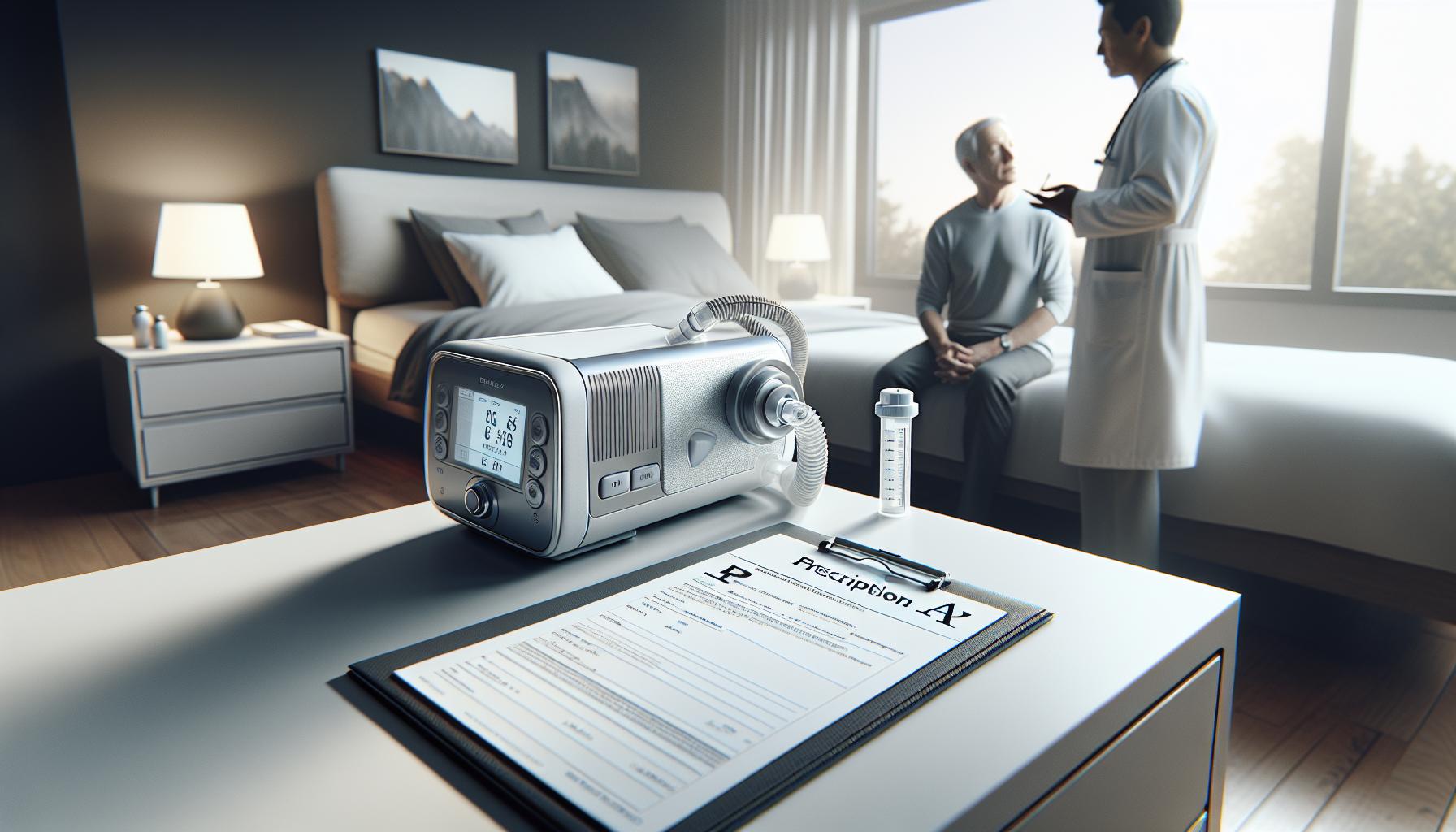
Understanding how the CPAP prescription process works can empower you if you suspect you might be dealing with sleep apnea. A continuous positive airway pressure (CPAP) machine is often prescribed to help maintain an open airway while you sleep, which improves sleep quality and reduces associated health risks. But how exactly does one obtain a CPAP prescription?
Typically, a sleep study (polysomnography) is required to diagnose conditions such as obstructive sleep apnea (OSA), which is the most common reason for needing a CPAP machine. During a sleep study, monitoring will occur throughout the night, capturing various metrics like brain waves, oxygen levels, and breathing patterns. The results will guide your healthcare provider in determining whether a CPAP is necessary. In some cases, an at-home sleep apnea test may also suffice for diagnosis, making the process potentially more convenient.
Once diagnosed, your healthcare provider will write a prescription tailored to your specific needs, detailing which type of CPAP device and settings are appropriate for you. This prescription is necessary not just for purchasing the device but also for insurance coverage. Most insurance plans will cover CPAP devices if they are deemed medically necessary after the sleep study, but it’s crucial to check your policy for specific details, as coverage can vary widely.
Following your prescription, you’ll typically be referred to a durable medical equipment (DME) provider. In this stage, you can discuss options, such as different CPAP models and masks, to find a combination that is comfortable for you. It’s essential to ensure that you understand how to operate the device and any maintenance it requires; your provider should offer guidance on how to adjust settings, change filters, and clean the machine effectively, as proper use is critical for improving your sleep quality.
In summary, getting a CPAP prescription involves a clear process that starts with a sleep study, followed by a tailored prescription and ongoing support from healthcare providers. Engaging closely with them will help ensure that you not only obtain the right equipment but also utilize it effectively to enhance your sleep health.
Insurance Coverage for Sleep Studies
Navigating can be a daunting task, yet it plays a crucial role in securing your sleep health. Many individuals wonder if their health insurance will cover the costs associated with a sleep study or the subsequent CPAP devices needed for conditions like sleep apnea. Generally, most insurance plans do offer coverage for sleep studies, but there are specific criteria that must be met to qualify for this financial support.
First, it’s essential to understand that a sleep study is often deemed medically necessary when it is performed to diagnose sleep disorders, especially obstructive sleep apnea (OSA). If your doctor recommends a sleep study following an evaluation or discussion of symptoms like chronic snoring, daytime fatigue, or irregular breathing during sleep, you are more likely to receive coverage. It is advised to get prior authorization from your insurance provider to ensure that your plan includes sleep studies under covered services.
When it comes to costs, sleep studies can vary significantly based on location, facility, and the type of study conducted. In-lab polysomnography (PSG), considered the gold standard in sleep testing, can be more expensive than at-home tests. On average, out-of-pocket costs for patients can range from several hundred to over a thousand dollars, depending on insurance coverage. Some plans may require you to pay a deductible or co-pay before they begin to cover the costs, so it’s wise to review your policy details closely.
Once diagnosed with a sleep disorder, acquiring a CPAP machine also typically falls under insurance coverage. However, to maximize benefits, ensure that your healthcare provider documents the medical necessity thoroughly. This documentation can include a detailed report from the sleep study, addressing the severity of your condition and the recommended treatment plan. Engaging with your insurance company’s customer service can provide clarity on what documentation is needed and help you navigate potential pre-authorization processes.
In summary, while is often available, being proactive in understanding your plan and discussing your options with your healthcare provider can smooth the path towards getting the necessary tests and treatments for improved sleep health. Always feel empowered to ask questions and request clarifications from both healthcare professionals and insurance representatives; doing so will help ensure that you don’t miss out on coverage that can significantly benefit your well-being.
Preparing for Your Sleep Study
Preparing for a sleep study can feel overwhelming, especially when you focus on the unknown elements of the process. Knowing what to expect can help ease your anxiety, leading to more accurate results and a smoother experience. A sleep study, or polysomnography, typically involves spending a night in a sleep lab or conducting a home sleep test, and preparation is key to ensuring accurate assessment of your sleep patterns.
Understand What to Bring
Pack comfortably as though you’re getting ready for an overnight stay. Here is a checklist:
- PJ’s or comfortable sleepwear: This will help you feel relaxed.
- Personal items: Bring toiletries you may need, like a toothbrush or hairbrush.
- Comfort items: If there’s something that helps you sleep better, like a favorite pillow or blanket, consider bringing it.
Additionally, it’s important to maintain a regular sleep routine in the nights leading up to the study. Avoid disrupting your sleep schedule to ensure that your body is prepared for testing. Your healthcare provider may recommend that you avoid caffeine or napping on the day of your study, which can influence results if you are overly fatigued.
Follow Pre-Study Instructions
Your doctor or sleep study facility will provide specific instructions-be sure to follow them closely. This might include guidelines about eating, medication adjustments, and avoiding stimulants. Clear communication with the medical team prior to the study can clarify any questions and point out any adjustments you may need to make, such as changing the use of sleep medications.
Prepare for the Sleep Lab Environment
Understanding the environment where the study will take place can also help lessen anxiety. In a sleep lab, you’ll find monitoring devices placed on your body that track your sleep patterns, such as brain waves and breathing, which might seem daunting initially. However, knowing that staff will be nearby monitoring your results and that the setup typically takes less than an hour can make the process feel less intimidating.
By taking these proactive steps to prepare for your sleep study, you can contribute to the overall effectiveness of the assessment, leading to a quicker diagnosis and treatment plan. Being organized not only empowers you but also enhances the chances of obtaining the most accurate data to inform your health journey.
Common Sleep Disorders Diagnosed by Sleep Studies
Sleep studies, also known as polysomnography, are essential tools in diagnosing various sleep disorders that can significantly impact your quality of life. Understanding the common disorders identified during these assessments can help you decide whether you might need a sleep study, especially if you’re considering CPAP therapy for conditions like sleep apnea.
One of the most prevalent disorders diagnosed through sleep studies is Obstructive Sleep Apnea (OSA). OSA occurs when the throat muscles relax excessively during sleep, leading to blocked airways and interrupted breathing. Symptoms include loud snoring, gasping for air during sleep, and daytime fatigue. A sleep study will monitor breathing patterns and oxygen levels, helping clinicians determine the severity of the condition. If diagnosed, a CPAP machine may be prescribed to maintain an open airway during sleep.
Another disorder is Central Sleep Apnea, which differs from OSA in that it is caused by a failure of the brain to send appropriate signals to the muscles that control breathing. This type is less common but can still lead to severe complications if left untreated. Sleep studies reveal the frequency of apneas and the patient’s overall sleep quality, guiding treatment options, which may include CPAP or adaptive servo-ventilation.
Periodic Limb Movement Disorder (PLMD) is another condition diagnosed through sleep studies, characterized by involuntary leg movements during sleep that disrupt the sleep cycle. Individuals may not realize they have this disorder unless reported by a sleep partner or diagnosed via a study. Treatments may include lifestyle changes, medication, or devices similar to CPAP that can help manage symptoms.
Additionally, sleep studies can help diagnose conditions like insomnia, narcolepsy, and REM Sleep Behavior Disorder. Each of these disorders has distinct characteristics and implications for treatment. Insomnia, for example, may require a behavioral approach alongside medication, while narcolepsy often calls for stimulant therapy.
Understanding these disorders is vital for anyone experiencing abnormal sleep patterns or excessive daytime sleepiness. If you suspect you may have a sleep disorder, consulting with a sleep specialist and considering a sleep study can be a crucial first step in improving your sleep health and overall well-being. Remember, getting the right diagnosis is the foundation for effective treatment, especially if CPAP is in your future.
Navigating the CPAP Setup Process
Setting up a CPAP machine might seem daunting at first, but knowing what to expect can simplify the process and help you feel more at ease. After receiving a CPAP prescription following a sleep study, you’ll typically be provided with a machine, a mask, and a variety of accessories, all tailored to your specific needs. It’s important to familiarize yourself with the components before your first night’s sleep, as comfort and proper fit are crucial for effective therapy.
First, ensure you have a quiet and easily accessible area to set up your CPAP machine. This often includes placing it on a nightstand or table beside your bed. The machine needs to be plugged into a power source, and you’ll want to ensure the air intake is not blocked or obstructed. Use distilled water for the humidifier chamber if your CPAP includes one, as it helps prevent mineral buildup and ensures better performance.
Next, choosing the right mask style is vital. CPAP masks come in three main types: nasal masks, nasal pillows, and full-face masks. Each has its pros and cons, so consider your comfort level and how you breathe while sleeping. A snug but comfortable fit is essential to prevent air leaks, which can undermine the effectiveness of your therapy. Take your time adjusting the straps and testing different mask sizes until you find the one that feels just right.
Finally, understanding your machine’s settings will enhance your therapy experience. Most modern CPAP machines come with features like ramp time (which gradually increases pressure) and automatic adjustments based on your breathing patterns. Familiarize yourself with the controls and consider keeping a record of your nightly use and comfort level to discuss with your doctor during follow-up appointments. Remember, the first few nights might take some adjustment, but consistent use is key for long-term benefits like better sleep quality and overall health improvement.
In sum, a little preparation goes a long way in making your CPAP setup smooth and effective. Don’t hesitate to reach out to healthcare providers or CPAP suppliers if you have questions or face challenges-support is readily available to help you along your journey to better sleep.
Troubleshooting CPAP Issues at Home
Encountering issues with your CPAP machine at home can be frustrating, but knowing how to troubleshoot common problems can significantly enhance your sleep therapy experience. Many users report initial discomfort, but understanding your equipment can make a world of difference. Here are some practical strategies to address typical CPAP issues.
Common CPAP Issues and Solutions
- Air Leaks: If you notice air escaping from your mask, this may prevent effective therapy. Check the fit of your mask; it should be snug but not overly tight. Experiment with adjusting the straps until you find the right balance. If leaks persist, you may need to try a different mask size or style.
- Dry Mouth or Nasal Irritation: Insufficient humidity can lead to discomfort. Ensure your CPAP’s humidifier is filled with distilled water and set to a comfortable level. If dryness continues, consider using a heated humidifier, which can provide more effective moisture.
- Noise Issues: If your CPAP machine is noisy, check for obstructions in the air intake area. Make sure the filter is clean and free of dust. If the noise persists, it could be a mechanical issue, and contacting your supplier is advisable.
- Difficulty Breathing: If you feel like your machine is providing too much or too little air pressure, most modern CPAPs have adjustable settings. Review your user manual for guidance on how to make adjustments or consult your healthcare provider.
General Maintenance Tips
Keeping your CPAP machine in good condition is crucial for optimal performance. Follow these maintenance tips:
- Clean your mask, tubing, and humidifier daily with warm, soapy water. This helps prevent the buildup of bacteria.
- Replace filters as recommended-typically every month for disposable filters and every six months for reusable ones.
- Store your CPAP machine in a cool, dry place to prevent overheating and moisture damage.
Most importantly, never hesitate to reach out to your healthcare provider or CPAP supplier if issues persist. They can offer personalized assistance and ensure that your therapy remains effective. Remember, your comfort and health are paramount-taking the time to address concerns will lead to better sleep and overall well-being.
Alternatives to CPAP for Sleep Apnea
Exploring alternatives to CPAP therapy for sleep apnea can open up a world of options for those looking to breathe easier at night. While CPAP machines are a common and effective treatment for obstructive sleep apnea, they are not the only solution. Understanding your choices can empower you to make the best decision for your sleep health.
One popular alternative is the use of oral appliances, designed to reposition the jaw and keep the airway open during sleep. These devices can be custom-fitted by a dentist specializing in sleep medicine, providing more comfort and portability than traditional CPAP machines. However, they may not be suitable for everyone, especially those with severe sleep apnea.
Another option includes lifestyle changes that tackle the root causes of sleep apnea. Maintaining a healthy weight can significantly reduce the severity of symptoms, as excess weight contributes to airway obstruction. Additionally, positional therapy-where you avoid sleeping on your back-can also help. Some patients have found success using special pillows designed to keep them off their backs.
In more severe cases, surgical options may be considered, such as uvulopalatopharyngoplasty (UPPP), which removes excess tissue from the throat to widen the airway, or more complex procedures aimed at structural problems. Such approaches are generally seen as last resorts when other treatments have not been effective.
For those who may be hesitant about conventional treatments, technology offers innovative alternatives, such as wearable sleep devices that monitor sleep patterns and provide feedback for improving sleep hygiene. Devices like the Apple Watch or specialized sleep trackers can help you gain insight into your sleep quality and identify patterns that may contribute to sleep apnea.
Remember, while exploring alternatives, it’s essential to consult with a healthcare professional. They can guide you through options based on your specific needs and the severity of your condition, ensuring your approach to managing sleep apnea is both effective and safe.
Real-life Scenarios: Sleep Study Necessity vs. Tracking
Although many people turn to sleep trackers in hopes of better understanding their sleep quality, there are instances when a formal sleep study is essential. For example, if you frequently experience excessive daytime sleepiness, loud snoring, or episodes where you stop breathing during sleep, you might need to seek a sleep study. This diagnostic tool, also known as polysomnography, helps health professionals evaluate your sleep stages, monitor oxygen levels, heart rate, and brain activity while you sleep.
In contrast, sleep trackers can provide a general overview of your sleep patterns through heart rate monitoring and movement detection. Devices such as smartwatches or dedicated apps can be beneficial for mild sleep issues or to identify typical sleep trends. However, while they can offer valuable insights into how long you’re asleep and how many times you wake up at night, they lack the diagnostic precision needed for conditions like sleep apnea or narcolepsy.
Real-life scenarios illustrate this distinction well. For instance, Sarah, a 35-year-old marketing professional, decided to use a popular wearable to monitor her sleep after noticing fatigue during the day. Initially, the data suggested she had insomnia. However, upon discussing her symptoms with a healthcare professional, a sleep study revealed she had moderate obstructive sleep apnea, something the sleep tracker couldn’t identify. In contrast, John, a young professional who had trouble falling asleep occasionally, found that his sleep tracker indicated he averaged seven hours of sleep per night. In his case, regular tracking helped him adjust his sleep hygiene and improve his rest without the need for a sleep study.
Ultimately, the choice between a sleep study and a sleep tracker depends on the severity of the symptoms you’re facing. If your daily life is significantly affected by poor sleep, consult a doctor regarding a sleep study. For individuals with slight concerns or simply curiosity about their sleep habits, trackers can serve as a great starting point but should not replace professional medical advice when necessary. Having a clear understanding of personal sleep patterns can help you make informed decisions about your sleep health, guiding you toward more effective treatments or lifestyle changes.
FAQ
Q: What types of conditions require a sleep study for CPAP treatment?
A: Conditions like obstructive sleep apnea, central sleep apnea, and complex sleep apnea syndrome typically require a sleep study to diagnose the disorder and determine the appropriate CPAP settings. Seeking a diagnosis through a sleep study ensures effective treatment and management of your symptoms.
Q: Can I get a CPAP without a sleep study if I have symptoms?
A: While some physicians may prescribe a CPAP based on symptoms, it’s strongly recommended to undergo a sleep study for proper diagnosis. A sleep study confirms your condition and ensures you receive the right treatment tailored to your needs.
Q: How long does a sleep study take to complete?
A: A sleep study generally takes one night, during which your sleep patterns are monitored. However, some cases may require a multi-night study for accurate results. Following the study, results are usually available within a week.
Q: What happens during a sleep study to diagnose sleep apnea?
A: During a sleep study, you’ll be monitored for various metrics, such as breathing patterns, oxygen levels, and sleep stages. Sensors are placed on your body to track these factors, providing essential data for diagnosing sleep apnea.
Q: Is an at-home sleep study effective compared to a lab study?
A: An at-home sleep study can effectively diagnose obstructive sleep apnea in many cases, as it utilizes similar monitoring technology. However, lab studies may provide a more comprehensive evaluation, especially for complex cases. Consult your doctor to determine the best option for you.
Q: What is the cost of a sleep study for CPAP prescription?
A: The cost of a sleep study varies widely based on location and whether it’s performed in a lab or at home, typically ranging from $1,000 to $3,000. Check your insurance coverage as many plans cover part of the cost for medically necessary studies.
Q: How do I prepare for a sleep study to ensure accurate results?
A: To prepare for a sleep study, avoid caffeine and alcohol the day of the test, maintain your regular sleep schedule, and consult your doctor about any medications you should continue or stop. Proper preparation contributes to more reliable results.
Q: Are there risks associated with a sleep study?
A: Sleep studies are generally safe, with minimal risks. Some individuals may experience discomfort from sensors or anxiety about sleeping in a lab setting. Discuss any concerns with your healthcare provider before the study to ensure a comfortable experience.
In Retrospect
If you’re wondering whether you need a sleep study to get a CPAP device, remember that understanding your sleep health is crucial for making informed decisions. A sleep study provides valuable insights, helping you determine the best course of action for your symptoms. Don’t let uncertainty hold you back-take the next step to better sleep today!
For more information, check out our comprehensive guides on sleep disorders and device setup, or explore our comparison tables for sleep tracking options. If you’re still unsure, consider signing up for our newsletter for the latest tips and resources, or reach out for a consultation tailored to your needs. Your path to restful nights and improved health is just a click away! Join our community, share your experiences, and help others in their sleep health journey too.
Get our latest guides, news, and insights highlighted in your Google Search & AI Overviews.