
Did you know that nearly 70 million Americans suffer from sleep disorders? A sleep study, or polysomnography, is a vital tool used to unravel the complexities of your slumber and diagnose conditions like sleep apnea. Understanding how a sleep study is conducted can ease concerns and empower you to take charge of your sleep health. In this step-by-step walkthrough, you’ll discover what to expect before, during, and after the study, allowing you to feel more prepared and informed. Whether you’re struggling with fatigue or seeking answers to your nighttime habits, knowing how a sleep study works can be transformative. Let’s dive in and demystify the process, shedding light on this essential aspect of sleep medicine.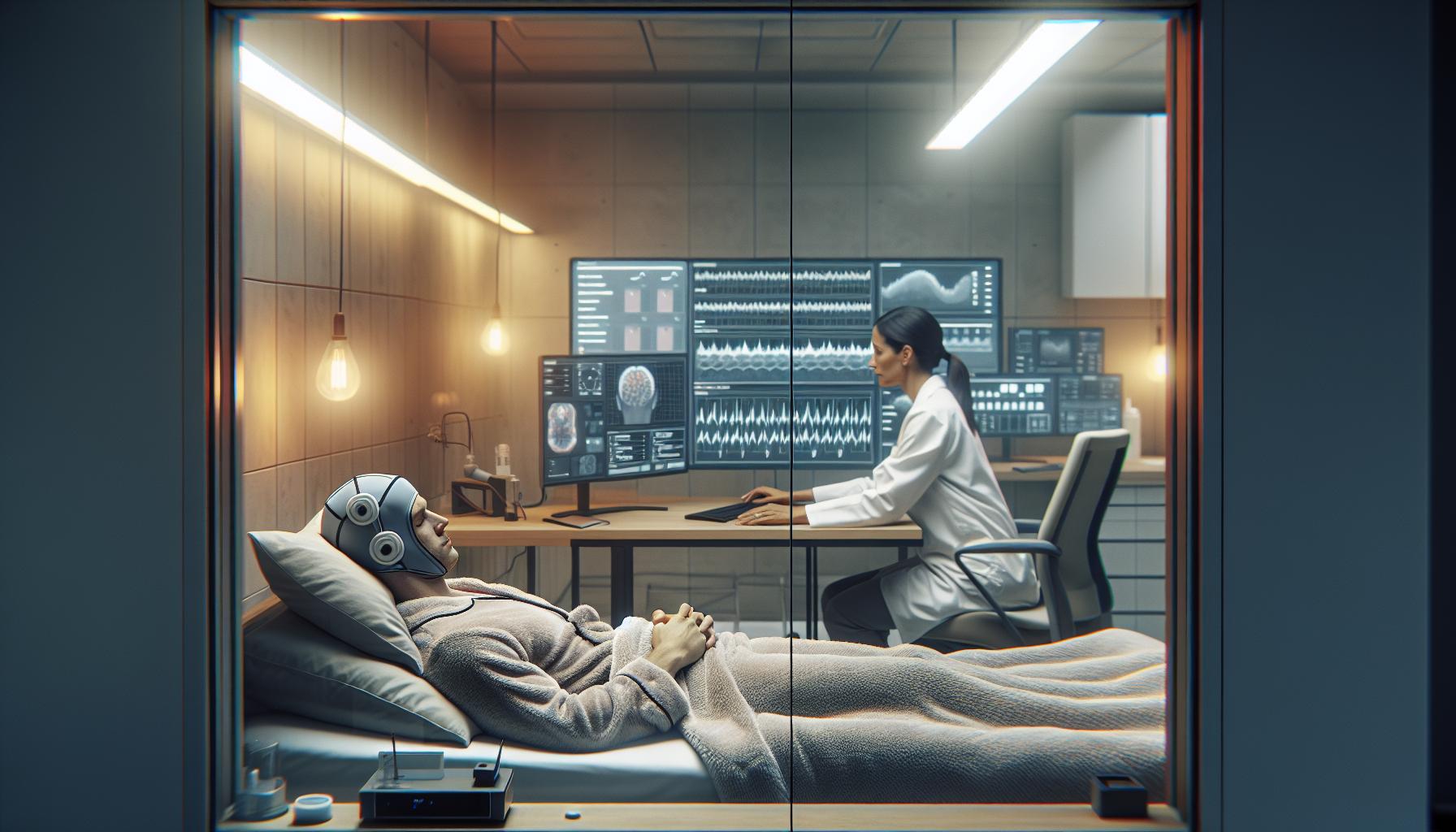
Understanding Sleep Studies: An Overview
Sleep studies are pivotal for diagnosing various sleep disorders, revealing how well you sleep and identifying potential issues that could be affecting your health. These studies, also known as polysomnography, are non-invasive tests that record a variety of physiological signals during sleep, including brain activity, oxygen levels, heart rate, and respiration. The insights gained from a sleep study can be transformative, as they not only clarify whether sleep disorders are present but also can guide clinicians towards effective treatment options.
Understanding what happens during a sleep study can ease anxiety for those considering undergoing one. Typically, the study occurs in a specially designed sleep lab, where patients are monitored overnight. This controlled environment is crucial for accurate assessments, as it can replicate normal sleeping conditions while measuring vital metrics. For those who may prefer to sleep in the comfort of their home, some providers now offer home sleep studies, which utilize portable monitoring devices to collect similar data. It’s essential to discuss these options with your healthcare provider to determine which method suits your needs best.
The equipment used during a sleep study includes various sensors and monitors attached to the body, such as electrodes on the scalp for brain activity, belts around the chest and abdomen to measure breathing, and pulse oximeters for blood oxygen saturation. While the setup might feel a bit cumbersome at first, it’s designed to provide a comprehensive picture of your sleep patterns without disrupting your natural sleep cycle. Upon completion, the gathered data is analyzed to assess sleep stages, diagnose any sleeping disorders, and inform treatment paths moving forward.
If you’re wondering whether to pursue a sleep study, common indicators include persistent snoring, difficulty staying asleep, excessive daytime sleepiness, or unexplained fatigue. Addressing these symptoms with a professional can lead to a recommendation for a sleep study, equipping you with valuable knowledge about your sleep health. By understanding the process and its importance, you’re empowered to take proactive steps towards improving your sleep quality.
What to Expect from a Sleep Study
When you’re scheduled for a sleep study, it’s natural to feel a mix of curiosity and apprehension. Understanding what to expect can make the process smoother and less intimidating. Sleep studies, or polysomnography, are designed to provide comprehensive data about your sleep patterns and help identify any disorders that could be affecting your rest and overall health.
The process typically begins with a consultation where your sleep specialist will review your medical history and symptoms. This discussion is crucial as it informs the type of study recommended. For most patients, the sleep study will take place in a dedicated sleep lab designed to mimic a comfortable sleeping environment, equipped with necessary monitoring devices. If you prefer, many centers also offer home sleep studies, allowing you to rest in your familiar surroundings with portable equipment.
Once you arrive at the facility, a technician will set you up with sensors that stick to various areas of your body. Commonly, you’ll find electrodes on your scalp to monitor brain activity, along with belts around your chest and abdomen to measure your breathing patterns. You might have a pulse oximeter clipped to your finger to track oxygen levels. Although the setup can seem cumbersome, it’s important to remember that these devices help gather critical data without significantly disrupting your sleep.
Throughout the night, the equipment records various metrics, such as heart rate, breathing rates, and the different stages of sleep-light, deep, and REM. After the study, a sleep physician will analyze this data to determine if any sleep disorders, like sleep apnea or narcolepsy, are present. Often, patients receive follow-up appointments to discuss results and potential treatment options, possibly guiding you toward strategies that enhance your sleep quality and overall well-being. Remember, this process is not just about collecting data; it’s ultimately a step towards achieving healthier sleep habits.
Step-by-Step Process: How Sleep Studies Work
Understanding how a sleep study is conducted can significantly ease any apprehension you might feel if you’re preparing for one. A sleep study, often referred to as polysomnography, measures various physiological parameters while you sleep, providing vital information on your sleep patterns, the stages of sleep you enter, and any potential disorders that might be affecting your rest.
When you arrive for your sleep study, the first step involves a thorough orientation. Sleep technicians will explain the process and answer any questions to put your mind at ease. Once you’re comfortable, they will attach several sensors to monitor your body’s functions throughout the night. These typically include electrodes placed on your scalp to measure brain activity, bands around your chest and abdomen to track your breathing, and a pulse oximeter to monitor your oxygen levels. Although it may feel cumbersome, these tools are essential for gathering comprehensive data while you sleep.
Throughout the night, the equipment continuously records metrics such as heart rate, respiratory patterns, and muscle activity, allowing for an in-depth analysis of your sleep stages, including light sleep, deep sleep, and REM sleep. This data collection is crucial for diagnosing conditions like sleep apnea or other sleep disorders. After the study, a sleep specialist will review the collected data and discuss the findings with you, helping to develop potential treatment strategies that can improve your sleep quality. Remember, this study is not just about data collection; it offers a pathway to better sleep and overall health.
By preparing yourself for what to expect, you can approach the sleep study experience with greater confidence and less anxiety. Many people find that understanding each phase of the study helps them feel more in control, turning what could be a stressful experience into an opportunity for significant health improvement.
Types of Sleep Studies: In-Lab vs. Home
Choosing the right type of sleep study can be a pivotal decision in diagnosing sleep disorders effectively. Understanding the differences between in-lab and home sleep studies helps you make a more informed choice that aligns with your health needs and comfort.
In-laboratory sleep studies are conducted under professional supervision in a sleep clinic. This traditional approach allows for comprehensive monitoring with advanced equipment that collects detailed physiological data, including brain activity, heart rate, and breathing patterns. Patients sleep overnight in a controlled environment, where technicians ensure that all sensors accurately capture their sleep stages, including REM and non-REM sleep. This type of study is particularly beneficial for individuals with complex sleep disorders or those whose medical history indicates a higher risk for complications, such as significant cardiovascular problems or neuromuscular conditions.
On the other hand, home sleep studies offer a more convenient alternative, allowing patients to undergo testing in the comfort of their own homes. These studies typically utilize portable devices that monitor essential parameters like oxygen levels, heart rate, and breathing patterns. While home studies are often less comprehensive than in-lab tests, they can still be effective for diagnosing obstructive sleep apnea in uncomplicated cases. They provide a practical solution for individuals who may experience anxiety about sleeping away from home or those with logistical challenges related to attending a sleep clinic.
When considering which option is right for you, keep in mind your specific health needs, lifestyle, and preferences. Also, consult with your healthcare provider about the most suitable method based on your symptoms and medical history. Both in-lab and home sleep studies serve important roles in sleep medicine, and understanding their distinct advantages ensures that you receive the most appropriate care tailored to your situation. Ultimately, whether it’s the precision of an in-lab test or the convenience of home monitoring, the goal is to uncover the insights needed for better sleep health.
Essential Equipment Used in Sleep Studies
Understanding the equipment used in sleep studies is crucial for anyone considering a sleep evaluation. From high-tech monitoring systems to simple wearable devices, the tools employed in both in-lab and at-home studies are designed to capture a variety of data crucial for diagnosing sleep disorders.
In a traditional sleep lab, polysomnography is the gold standard. This method uses multiple sensors to measure brain waves, oxygen levels, heart rate, breathing patterns, and even eye and leg movements. You’ll typically be connected to electrodes placed on the scalp and face, while sensors on your chest and legs monitor respiratory and muscle activity. The environment is controlled for temperature and noise to minimize disruptions, ensuring that the results reflect your natural sleep patterns.
For those opting for a home sleep study, the setup is considerably simpler but still effective. Devices like the WatchPAT ONE are popular; they utilize a finger sensor to monitor pulse and oxygen levels while being worn during sleep. Other wearables track heart rate and breathing patterns through simpler methods, making them user-friendly for individuals who might feel anxious in a clinical setting. Despite their convenience, it’s important to understand that while at-home devices can effectively diagnose conditions like obstructive sleep apnea, they may not capture the full spectrum of sleep disorders that an in-lab test can provide.
Before your sleep study, familiarize yourself with the specific equipment you’ll be using. Whether you will be hooked up to multiple wires or just wearing a compact device on your wrist, knowing what to expect can help ease anxiety. The ultimate goal of these tools is to provide an accurate assessment of your sleep patterns and health, helping you and your healthcare provider make informed decisions moving forward.
Monitoring Sleep Stages: What Happens During Testing
During a sleep study, understanding how your sleep stages are monitored is essential for grasping the testing process. This detailed examination can reveal critical insights into your sleep patterns and any underlying disorders. In a controlled environment, whether in a lab or at home, various sensors are employed to monitor and evaluate your nightly rest.
To begin with, your sleep will be assessed through polysomnography, which is the most comprehensive method of tracking sleep stages. This procedure involves a series of sensors that are placed on your body. These monitor brain activity through electrodes on your scalp, respiratory patterns via chest sensors, and even your oxygen levels through finger probes. As you progress through different sleep stages-light sleep, deep sleep, and REM-these sensors transmit data to a computer that analyzes your body’s responses throughout the night.
This monitoring process is crucial for identifying not just typical sleep stages, but also disruptions that may occur, such as sleep apnea or restless leg syndrome. For instance, while you might think that sleep is a passive state, it’s actually marked by active brain waves, particularly during REM sleep. This is when dreaming occurs, and it plays a vital role in cognitive functions and emotional regulation. Understanding which stages you frequently cycle through or where interruptions happen can greatly help your healthcare provider tailor appropriate interventions for better sleep health.
In some cases, home sleep studies utilize simplified devices like the WatchPAT ONE, which can provide insights into sleep stages without the complexity of multiple attachments. While these devices are less comprehensive than in-lab studies, they can still contribute valuable information, particularly for conditions like obstructive sleep apnea.
Ultimately, being informed about what happens during your sleep study can significantly reduce any anxiety you might feel going into the testing process. Knowing that each small detail, from your brain activity to your breathing patterns, is being closely monitored can clarify how specialists will interpret the results. This insight enables you to engage more meaningfully in conversations with your healthcare provider, ensuring you understand the recommendations that follow.
Preparing for Your Sleep Study: Tips for Success
Preparing for a sleep study can feel overwhelming, but with the right information and mindset, you can set yourself up for success. Did you know that how you prepare for this test can significantly impact the results? This process not only helps ensure that you receive accurate data but also helps to lessen any anxiety about the experience. Here are some practical tips to help you navigate this important step in assessing your sleep health.
First and foremost, it’s crucial to follow any specific instructions provided by your healthcare provider or the sleep center. These instructions can vary, but general recommendations often include avoiding caffeine and alcohol in the days leading up to your study. Caffeine, found in coffee, tea, and some sodas, can disrupt your sleep patterns, while alcohol can affect sleep quality. For those who typically consume these substances, it’s advisable to start this process a few days in advance-aim to avoid caffeine after midday and alcohol for at least a day before your study.
In addition, maintaining your usual bedtime routine can help you feel more comfortable. Go to bed at your regular time, and try to avoid naps during the day leading up to your test, as this can affect the results. Make sure to eat a wholesome dinner, steering clear of heavy or spicy foods that might lead to indigestion and interfere with your sleep. If you’re concerned about your sleep environment, consider practicing relaxation techniques or engaging in calming activities, such as reading or gentle stretches, to ease your mind before the test.
Lastly, it’s essential to bring any personal items that might help you feel more at home during the procedure. This can include a favorite pillow or blanket, as well as your prescribed medications. Understanding that some sleep studies might involve monitoring equipment that may feel unfamiliar can help reduce anxiety, too. Knowing that these devices are designed to ensure your comfort while gathering necessary data can help you mentally prepare for the experience.
By taking these preparatory steps, you’re not just aiming for a successful sleep study; you’re also investing in your overall sleep health. Empower yourself with knowledge, and approach the study with confidence, knowing that it is a key step in understanding your sleep patterns and any potential disorders that may need addressing.
Decoding Sleep Disorders: When to Get Tested
Sleep is a fundamental part of our health, yet many people experience sleep disorders that can significantly impact their quality of life. Recognizing when it may be time to pursue a sleep study is crucial for identifying underlying issues that could be affecting your sleep and overall well-being. If you find yourself consistently struggling with various symptoms-like persistent fatigue despite ample sleep, loud snoring, or frequent awakenings during the night-it’s worth considering a detailed assessment through a sleep study.
Typically, sleep studies are recommended when individuals exhibit signs of specific disorders, such as sleep apnea, which is characterized by brief interruptions in breathing during sleep, or insomnia, where one has difficulty falling or staying asleep. Other symptoms that might signal a need for testing include excessive daytime sleepiness, unexplained changes in mood, or problems with concentration. If you often wake up feeling unrefreshed or if your partner has reported unusual behaviors, like restless movements or gasping for air, it’s advisable to consult a healthcare provider for further evaluation.
Receiving a diagnosis through a sleep study, also known as polysomnography, can lead to effective treatment options tailored to your needs. The testing process is non-invasive and involves monitoring various body functions-including brain waves, heart rate, and oxygen levels-while you sleep. This valuable data helps healthcare professionals determine the presence of a sleep disorder and formulate a comprehensive treatment plan.
In some cases, wearable devices may be useful for preliminary assessments, allowing you to track your sleep patterns and gather insights before undergoing a formal sleep study. However, these devices cannot replace the detailed, clinical evaluations that a polysomnography provides. If you’re unsure whether you need a sleep study, consider these indicators:
- Frequent loud snoring
- Daytime sleepiness despite adequate sleep
- Consistent difficulty falling asleep or staying asleep
- Waking up with headaches or dry throat
- Experiencing restless legs or movements during sleep
Ultimately, navigating the decision to pursue a sleep study is about prioritizing your health and well-being. Speaking openly with a healthcare professional can help manage any anxiety about the procedure and clarify how it can lead to a clearer understanding of your sleep health. Taking this step can not only improve your sleep quality but also enhance your overall quality of life.
The Role of Sleep Tech: Innovations in Sleep Analysis
The evolution of sleep technology has revolutionized how sleep studies are conducted, making the process more efficient and insightful. Innovations in both equipment and methodology empower healthcare professionals to gather extensive data during sleep studies, enhancing the accuracy of diagnoses and treatment plans. From sophisticated sensors to advanced data analysis software, technology is playing a crucial role in interpreting complex sleep patterns and behaviors that were once difficult to evaluate.
During a sleep study, commonly referred to as polysomnography, various types of advanced equipment are employed to monitor physiological functions. This includes tracking brain waves, heart rate, eye movements, and muscle activity through electrodes placed on the scalp and body. Modern devices often come with wireless capabilities, significantly reducing discomfort and simplifying the setup process. Many facilities now even offer home-based sleep studies, where patients can use portable monitoring devices to gather similar data in the comfort of their own beds, giving more convenience and reducing anxiety often associated with clinical environments.
Moreover, wearables have gained popularity as helpful adjuncts to clinical assessments. With devices like smartwatches and fitness trackers, users can collect preliminary sleep data on their own, such as sleep duration and movement patterns. While these wearables can provide valuable insights, they do not replace the comprehensive evaluations from formal sleep studies. Healthcare providers often recommend wearables for individuals who may exhibit symptoms but are unsure about needing an extensive sleep study.
The intersection of technology and medical expertise brings about a more comprehensive understanding of sleep disorders. Analyzing data collected during sleep studies allows specialists to tailor treatments to individual needs, leading to better outcomes. For instance, advancements in artificial intelligence (AI) are enhancing the capabilities of sleep analysis software, making it easier for sleep technologists to identify specific sleep disturbances and suggest informed treatment options. With current innovations, not only are we improving how sleep studies are conducted, but we’re also moving towards more personalized and effective approaches to managing sleep health.
How Insurance Covers Sleep Studies: A Guide
Navigating the financial aspect of sleep studies can feel overwhelming, but understanding your insurance coverage can make the process smoother. Most health insurance plans cover sleep studies, especially if deemed medically necessary by your physician. This typically includes traditional in-lab studies as well as home sleep tests, which have become increasingly popular due to their convenience and comfort.
Before you schedule a sleep study, it’s crucial to verify your insurance benefits. You can begin by contacting your insurance provider directly or reviewing your policy online. Look for key aspects such as deductibles, co-pays, and limitations on the number of tests covered per year. For instance, Medicare typically covers Type I, II, III, and IV sleep tests when appropriate symptoms are present, with beneficiaries paying 20% of the approved amount after meeting their deductible [[2]].
When your doctor recommends a sleep study, ensure they provide a clear justification for the test, as this can aid in the approval process with your insurance. Some insurers might require pre-authorization, and it’s beneficial to have your healthcare provider explain why a sleep study is necessary for your treatment plan. Keep in mind that if the test is performed in a sleep lab, it may be subject to different coverage rules compared to home-based tests, which are often easier to get approved.
Once you’ve confirmed coverage, be aware of the potential costs involved. Post-testing, you’ll receive a bill indicating your responsibility-always check if your healthcare provider has accepted the insurance payment to avoid unexpected out-of-pocket expenses. Many facilities offer financial assistance or payment plans if costs are a concern. Understanding these nuances can empower you to make informed decisions about your sleep health without the added stress of financial uncertainty.
Real-Life Scenarios: When to Choose a Sleep Study
Sleep studies can feel like a daunting prospect, but understanding when to pursue one can illuminate the path to better sleep health. Imagine waking up groggy every day or struggling to stay awake during meetings. These situations might signal a more serious sleep disorder, such as sleep apnea or narcolepsy, and a sleep study could help clarify what’s happening during your nocturnal hours.
When deciding whether to proceed with a sleep study, consider the symptoms you experience. If you frequently snore loudly or have noticed periods of breathing cessation during sleep, it’s crucial to get evaluated. Sleep apnea can lead to severe health complications, and an overnight sleep study may be necessary to assess the severity of your condition. Similarly, if you find yourself feeling excessively sleepy during the day, despite what feels like a full night’s rest, a sleep study might provide critical insights into your sleep architecture and potential disruptions.
Here are a few scenarios where a sleep study would be particularly beneficial:
- Persistent Insomnia: If you’ve battled insomnia that persists despite lifestyle changes or over-the-counter remedies, consulting with a sleep specialist for a study can help determine underlying causes.
- Symptoms of Restless Legs Syndrome: If you often experience uncomfortable sensations in your legs at night, disrupting your sleep, it might be time to seek a sleep study to explore this condition further.
- Post-Surgery Apnea: After certain surgeries, especially those involving the throat or jaw, patients may develop sleep apnea. A study can help diagnose this potential complication.
By understanding these key situations, you’re better equipped to make informed decisions about your sleep health journey. If these scenarios sound familiar, speaking with your healthcare provider about a sleep study could be an important step toward achieving restful nights and energetic days.
Troubleshooting Common Concerns About Sleep Studies
Arriving for your sleep study can be intimidating, especially if you’re uncertain about what to expect or anxious about the process. It’s common to have concerns ranging from discomfort with the monitoring equipment to uncertainty about the effectiveness of the test itself. Knowing how to troubleshoot these common worries can make the experience smoother and more manageable.
First, let’s address the equipment. Many people are apprehensive about feeling restricted by wires and sensors attached to their bodies. While it’s true that the setup may feel unusual, technicians are trained to ensure that you are comfortable while also obtaining the necessary data. If you find the wires to be bothersome, don’t hesitate to communicate this to the staff; they can offer tips or adjust your setup to minimize discomfort. Additionally, understanding that the devices are designed to monitor various aspects of your sleep can help relieve anxiety. Most of them won’t interfere with your ability to sleep, and many patients report that they adjust quickly.
Next, you might wonder about the reliability of the results. Sleep studies are a gold standard in diagnosing sleep disorders, providing data that home devices often cannot match. Each aspect of your sleep cycle-from light sleep to Rem and deep sleep-is monitored. If you’re worried about sleep disturbances during the study impacting the outcome, remember that sleep specialists account for these variables. Your behavior during the night, even if restless, contributes crucial information to your sleep profile.
Lastly, insurance coverage and costs can also be a significant concern. It’s wise to contact your provider beforehand to understand what is covered. Some policies fully cover sleep studies while others might require a co-pay or have specific criteria for approval. Prepare questions for your healthcare provider regarding expenses and coverage during your consultation to clarify what you might expect to pay out-of-pocket.
With these insights, you can approach your sleep study with confidence. Keeping an open line of communication with medical staff and preparing yourself mentally for the experience can drastically improve your comfort level and ensure that you get the most meaningful results out of the study. By tackling these common concerns head-on, you’re taking a proactive step toward better understanding your sleep health.
Frequently asked questions
“`markdown
Q: What preparations should I make for a sleep study?
A: To prepare for a sleep study, ensure you maintain your usual sleep schedule, avoid caffeine and alcohol before the test, and take a bath or shower to keep the sensors clean. Wear comfortable clothing and bring any items you usually need for sleep, such as a favorite pillow or blanket.
Q: How long does a typical sleep study take?
A: A typical sleep study lasts between 6 to 8 hours, ideally overnight. This allows for comprehensive monitoring of sleep patterns through various stages, which can help identify specific sleep disorders. Your healthcare provider will inform you of the exact duration based on your needs.
Q: Can I sleep normally during a sleep study?
A: Yes, you should try to sleep as normally as possible during a sleep study. The goal is to capture your natural sleep behavior. While the equipment may feel strange, technicians will ensure you are comfortable to promote a better sleep environment.
Q: What types of sleep disorders can be diagnosed through a sleep study?
A: A sleep study can help diagnose various sleep disorders, including sleep apnea, insomnia, restless leg syndrome, narcolepsy, and circadian rhythm disorders. Identification of these conditions allows for appropriate treatment to improve sleep quality.
Q: Will I receive immediate results from my sleep study?
A: No, immediate results are typically not available. The data collected requires thorough analysis, which can take several days to weeks. Your doctor will discuss the findings and potential treatment options during a follow-up appointment.
Q: What should I expect during the night of a sleep study?
A: During your sleep study, you can expect to have sensors attached to various parts of your body to monitor your brain waves, heart rate, and breathing. A technician will be present to assist you, ensuring that the procedure runs smoothly while you sleep.
Q: Are sleep studies covered by insurance?
A: Many insurance plans cover sleep studies, but it’s important to verify with your provider beforehand. Check what is required for coverage, such as necessary referrals or pre-authorization. This can help prevent unexpected out-of-pocket expenses.
Q: What happens if I don’t fall asleep during the study?
A: If you have trouble falling asleep during the study, technicians will monitor how long it takes you to sleep and may adjust their approach to ensure comfort. If sufficient data isn’t collected, they might recommend further testing or alternative sleep study options.
“`
In Retrospect
Now that you’ve learned how a sleep study is conducted step-by-step, you’re equipped to make informed decisions about your sleep health. Remember, understanding your sleep patterns can lead to improved rest and overall well-being. Whether it’s time to book a sleep study or explore wearable sleep tech options, taking action is crucial. Don’t hesitate to check out our articles on the best home sleep tests and insights into sleep disorder treatments.
If you have lingering questions or feel anxious about the process, know that you’re not alone-many people share these concerns. We encourage you to join the conversation in the comments below or reach out for personalized guidance. For ongoing tips and updates, consider subscribing to our newsletter.
Explore more about optimizing your sleep with our related guides that can help enhance your sleep journey. Remember, finding the right solutions can transform your nights and improve your days!
Get our latest guides, news, and insights highlighted in your Google Search & AI Overviews.