
Did you know that millions of people struggle with sleep issues that can significantly impact their daily lives? If you’ve ever woken up feeling more tired than when you went to bed, it might be time to consider a self-test for understanding your sleep patterns and potential disorders. “How to Do Your Own Sleep Study? Self-Testing Options” presents a valuable guide to help you explore effective ways to monitor your sleep from the comfort of home. This article will empower you with the knowledge to evaluate your sleep health, addressing common concerns like costs, setup procedures, and what to expect from various options. Whether you’re curious about wearable devices or simply want to track your sleep stages, understanding these self-testing methods can illuminate your path to a better night’s sleep. With insights into the technology available, you’ll be equipped to make informed decisions that suit your unique needs, setting the stage for healthier sleep habits. Dive in and discover how you can take control of your sleep health today.
Understanding Sleep Studies: What You Need to Know
Understanding sleep is crucial for overall well-being, and sleep studies provide valuable insights into your sleep patterns and potential disorders. These studies, which include a variety of testing options, are designed to monitor different aspects of your sleep, such as breathing, heart rate, and brain activity. Knowing what to expect can help you navigate the sometimes daunting process of self-testing or undergoing a formal sleep study.
Typically, sleep studies fall into two categories: in-lab studies and at-home testing. In-lab studies are comprehensive and monitored by medical professionals, providing an in-depth analysis of your sleep stages and any potential disorders. Conversely, at-home tests offer a more convenient option with less environmental disruption, focusing primarily on key indicators like oxygen levels and heart rate. Both options have their advantages, which can be summarized as follows:
| Type of Study | Pros | Cons |
|---|---|---|
| In-Lab Study |
|
|
| At-Home Study |
|
|
As you consider your testing options, it’s essential to understand your specific needs. If you’re experiencing chronic sleep issues, consulting a healthcare professional for a comprehensive sleep study may be the best course of action. On the other hand, if you’re simply curious about your sleep patterns or experiencing mild disturbances, a home sleep study or wearable sleep tracker might suffice.
The setup for a sleep study, whether traditional or at-home, is generally straightforward. In a lab, you’ll arrive and undergo a brief assessment before sensors are attached to your body to monitor various metrics overnight. For at-home studies, you typically receive a kit that guides you through the setup process, often requiring minimal technical knowledge. With the right preparation and understanding, you can make informed decisions about your sleep health and find the approach that best fits your lifestyle and needs.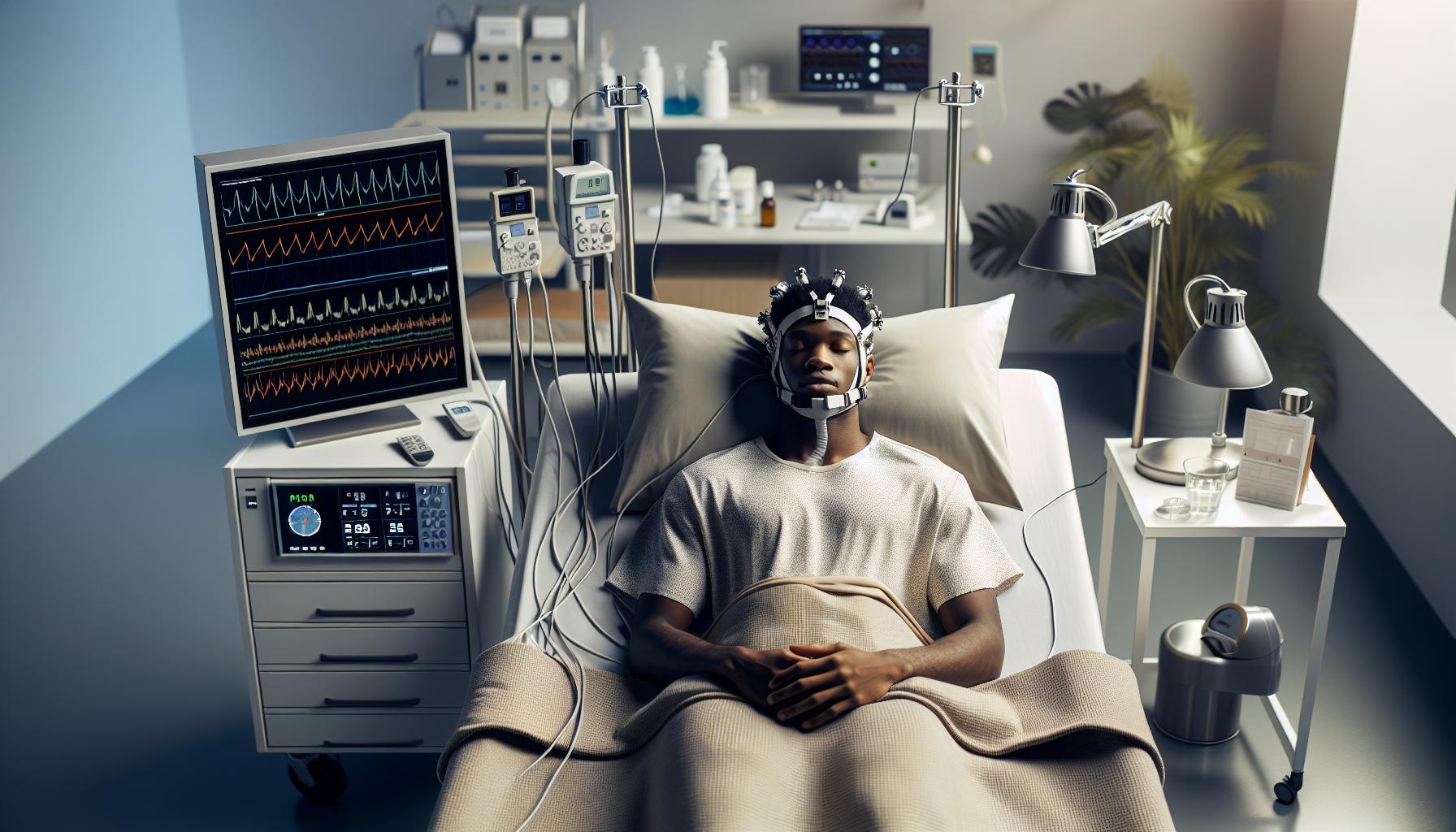
Why Consider a Sleep Study? Signs and Benefits
Exploring your sleep health can be a game-changer for your overall well-being. Many people experience sleep disturbances without realizing the underlying issues affecting their rest. A sleep study, whether you choose to conduct it at home or in a lab, can help identify specific problems-like obstructive sleep apnea or restless leg syndrome-that might be disrupting your nights and draining your energy. Recognizing the signs that you need to consider a sleep study is crucial; common indicators include excessive daytime sleepiness, loud snoring, frequent awakenings during the night, and difficulty falling or staying asleep.
One of the primary benefits of undergoing a sleep study is the potential to improve your quality of life. Understanding your sleep patterns can lead to a tailored approach for addressing issues, which may include lifestyle modifications, therapy, or the use of specialized devices. For example, if you discover you have sleep apnea, using a CPAP machine can drastically enhance your nightly rest. Moreover, gaining insights through a sleep study empowers you to make informed choices about your health, as it connects your sleep behavior with broader health concerns, such as cardiovascular health and mental well-being.
Additionally, conducting a sleep study at home can alleviate anxiety associated with traditional in-lab testing. Many individuals find it easier to monitor their sleep in a familiar environment. Home testing kits can provide valuable data on essential aspects such as heart rate and oxygen saturation, giving you a snapshot of your sleep quality without the added stress of a clinical setting. As you contemplate these options, remember that wearables can also play an effective role in your sleep health journey, offering convenience and ease of use, although they may not replace comprehensive studies if serious issues are suspected.
In summary, considering a sleep study offers significant rewards-enhanced understanding of your sleep, improved rest, and actionable insights into your broader health. By recognizing the signs of sleep disturbances and evaluating the right testing options, you can take proactive steps toward reclaiming your nightly rest and, ultimately, your daytime vitality.
Types of Sleep Studies: In-Lab vs. At-Home Options
When it comes to assessing your sleep health, understanding the different types of sleep studies available can empower you to make informed decisions that impact your quality of rest. Sleep studies are primarily divided into two categories: in-lab polysomnography and at-home sleep tests. Each option has its own set of advantages and considerations, making it essential to weigh what aligns best with your lifestyle, comfort level, and medical needs.
In-Lab Polysomnography
In-lab sleep studies, also known as polysomnography, involve spending the night at a sleep center where medical professionals can monitor various physiological parameters. This comprehensive testing method typically measures brain waves, oxygen levels, heart rate, and respiratory patterns. It provides a detailed analysis of your sleep stages and potential disturbances, allowing doctors to diagnose conditions such as sleep apnea, narcolepsy, or REM sleep behavior disorder.
While in-lab studies offer precise readings and are conducted by trained professionals, they can be intimidating for some due to the unfamiliar environment and equipment. Expect to sleep with sensors attached to your body, which might feel restrictive. Additionally, these studies can be costly, often ranging from $500 to $3,000, depending on the facility and location. Be sure to check with your insurance provider about coverage options to avoid unexpected expenses.
At-Home Sleep Tests
In contrast, at-home sleep studies provide a more relaxed approach to evaluating sleep quality. These tests allow you to monitor your sleep in the comfort of your own bed using portable devices. Home testing kits often track basics like breathing patterns, heart rate, and oxygen levels, offering a simplified snapshot of your sleep. They’re particularly useful for assessing conditions like obstructive sleep apnea.
At-home tests usually come with user-friendly instructions and require minimal setup, making them accessible for many. While the convenience is appealing, it’s important to note that they may not capture the comprehensive data provided by in-lab studies. If you’re experiencing complex sleep issues or have other health complications, an in-lab study may still be recommended. Costs for at-home tests can be lower, typically ranging from $150 to $500, making this option increasingly popular.
In determining which route to take, consider factors such as your comfort with technology, the complexity of your sleep issues, and the need for accurate diagnosis. It’s often helpful to consult with a healthcare professional who can guide your decision based on your specific symptoms and overall health history. Understanding both options empowers you to take charge of your sleep health journey.
Overview of the Sleep Testing Process
Understanding how to conduct your own sleep study begins with familiarizing yourself with the sleep testing process. Whether you opt for a professional sleep study or are considering a self-testing approach, knowing what to expect can alleviate any nervousness. It’s crucial to recognize that the ultimate goal is to achieve a more restful night and understand your unique sleep patterns.
When you decide to self-test, the process typically starts with selecting a device that best meets your needs. Most home sleep study devices are designed to monitor essential parameters such as heart rate, oxygen levels, and breathing patterns while you sleep. Before setting up your device, confirm that it is appropriate for your specific concerns-some devices cater specifically to conditions like obstructive sleep apnea, while others provide more generalized insights into your sleep quality.
Once you have your device, the setup is usually straightforward. Follow the included instructions to familiarize yourself with the necessary steps for configuration, which may include charging the device, attaching sensors, and learning how to activate the monitoring function. Willingness to experiment with the device may help you refine the placement of sensors, ensuring optimal readings throughout the night. Most devices are user-friendly and designed with comfort in mind, so don’t hesitate to make adjustments for a better fit.
Throughout your testing night, your primary focus should be on getting a full night’s sleep free from disturbances. Trust that the device will capture the data needed for later analysis. After the sleep study, you’ll typically receive a report detailing your sleep parameters. Pay special attention to any patterns that suggest potential sleep disorders. Remember, if your findings raise concerns or if you notice persistent issues, seeking further evaluation from a healthcare professional can provide invaluable insights and guide you to appropriate treatment options.
How to Set Up Your Own Sleep Study
To get the most out of your sleep study, starting with the right setup is crucial. Choosing the right device tailored to your specific sleep concerns sets the foundation for accurate monitoring. Many home sleep study devices are equipped to track essential parameters such as heart rate, oxygen saturation, and breathing patterns. Prioritize reviewing product specifications to find one that aligns with your needs. For instance, if you suspect sleep apnea, some models specialize in detecting obstructive sleep patterns, while others provide broader insights into your sleep quality.
Once you’ve selected a suitable device, the setup process is typically straightforward. Follow these essential steps to ensure effective monitoring:
- Charge the Device: Make sure your device is fully charged before your testing night. A low battery can compromise data collection.
- Read Instructions Thoroughly: Each device has unique features and configurations. Familiarize yourself with setup instructions to avoid any confusion when it’s time to test.
- Attach Sensors Properly: Pay careful attention to how sensors are placed on your body. Optimal placement can improve accuracy in readings. Don’t hesitate to adjust them until you find a comfortable fit.
- Calibrate the Device: Some devices require calibration to ensure accurate monitoring. Be sure to follow these steps to get the best results.
During the testing night, your main focus should remain on achieving a restful sleep. Trust the device to gather the necessary data without overly stressing about its operation. Remember that it’s completely normal to feel a little anxious at first, especially if you’re new to sleep tracking technology. If you’ve chosen a user-friendly device, it should allow you to sleep comfortably while collecting vital information.
After your sleep study, you’ll receive a report outlining your sleep patterns. This data can provide invaluable insights into your sleep health. Look for any unusual trends or disturbances that might suggest a potential sleep disorder. If your findings raise concerns-such as prolonged periods of disrupted sleep or severe daytime fatigue-it may be a good time to consult a healthcare professional for further evaluation and guidance on potential treatment options. Understanding your sleep data empowers you to take control of your sleep health, paving the way for better rest.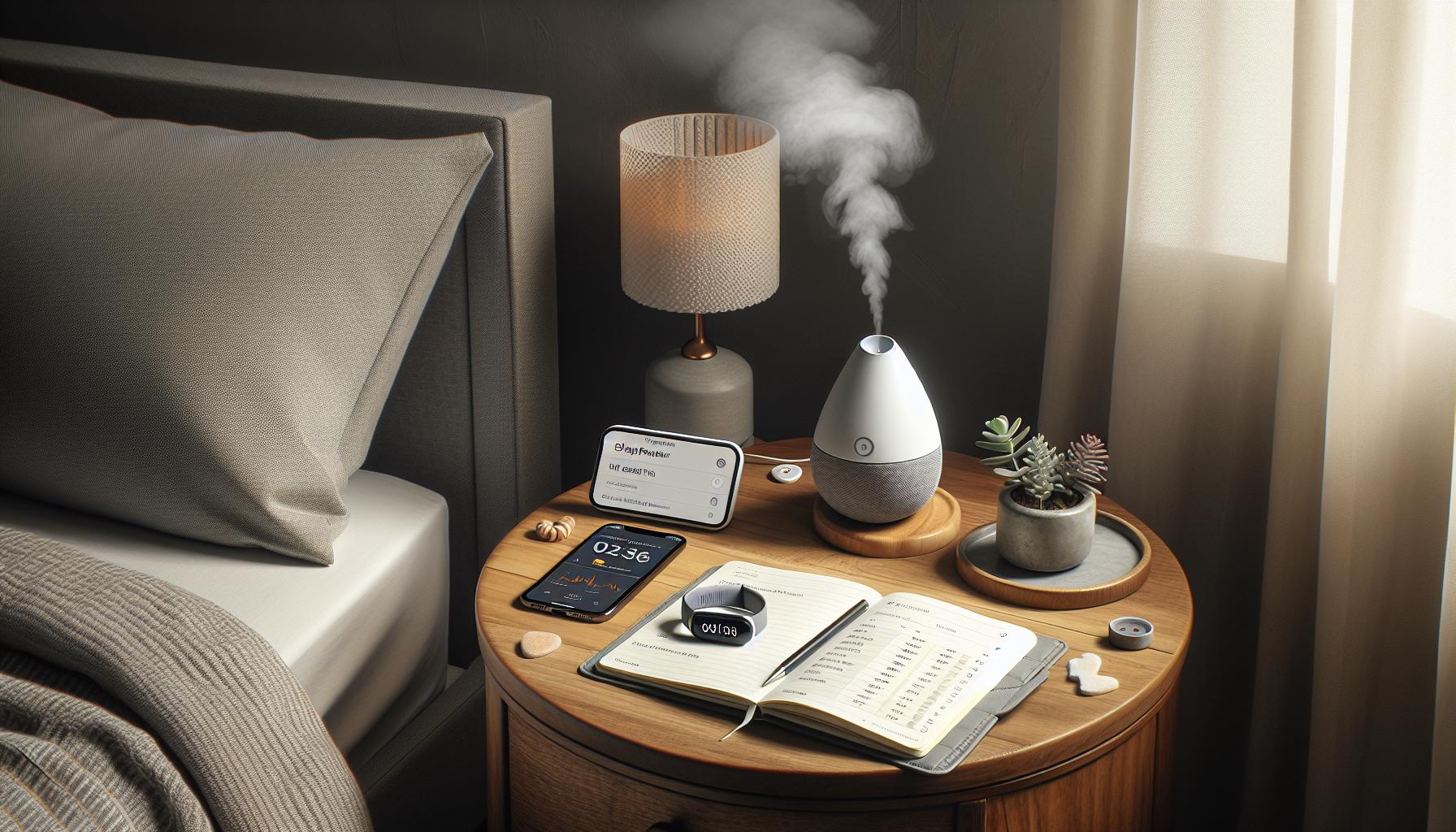
Wearable Sleep Trackers: Effective Alternatives
Wearable sleep trackers have gained popularity as effective alternatives for those looking to monitor their sleep patterns without undergoing a formal sleep study. These compact devices can be as simple as a smartwatch or fitness band, and they provide valuable insights into your sleep quality by tracking various parameters, including sleep stages, heart rate, and movement throughout the night. Importantly, they allow users to conduct self-testing in the comfort of their own homes, helping to identify potential sleep issues without the need for cumbersome equipment or overnight stays in sleep clinics.
Investing in a wearable sleep tracker can be an affordable way to approach your sleep health. While some high-end models can cost several hundred dollars, there are also budget-friendly options available that provide essential tracking features. Many devices offer smartphone applications that synchronize with the tracker, allowing you to view detailed data about your sleep cycles and patterns. Additionally, some wearables utilize advanced algorithms to estimate sleep quality based on heart rate variability and movement, giving you an overall score that reflects your sleep health.
To get the most out of your wearable tracker, it’s essential to set it up correctly. Start by charging the device fully and ensuring it’s comfortable for overnight wear. Familiarize yourself with the specific app features, as many models come with tailored recommendations to improve sleep based on the collected data. Track your sleep consistently over a few weeks to gather enough information for a meaningful analysis. This extended period will help reveal trends, such as recurring sleep disturbances or patterns that affect your overall rest.
While wearables can give you a good understanding of your sleep habits, they do have limitations. For instance, many trackers may struggle to provide accurate data about specific sleep disorders, such as sleep apnea or insomnia. If your tracking results indicate significant issues like persistent fatigue or irregular sleep patterns, it may still be beneficial to consult a healthcare professional. They can help interpret the data and may recommend further testing if necessary, ensuring a complete approach to your sleep health.
Evaluating Home Sleep Study Devices
When it comes to assessing your sleep health from the comfort of your own home, home sleep study devices have emerged as a viable option for many. These devices can help monitor various aspects of your sleep, but choosing the right one involves careful consideration of several key factors, including what to expect, costs, and the reliability of the data provided.
First, understanding the types of data these devices can capture is essential. Most home sleep study devices typically monitor parameters such as breathing patterns, heart rate, and oxygen levels. They often use sensors placed on your body or in your bedding to collect detailed sleep metrics. Below are some common features to consider when evaluating these devices:
- Ease of Use: Look for devices that are user-friendly and require minimal setup. Complicated calibration can discourage regular use.
- Data Accuracy: Research how accurately the device records sleep stages and identifies potential disorders. Look for reviews or studies supporting its effectiveness.
- Battery Life: Choose a device that can last through the night without needing a recharge to ensure you capture a full sleep cycle.
- Data Access: Ensure you can easily access reports and metrics, either through an app or website, to interpret your sleep patterns comprehensively.
Next, consider the price range of home sleep study devices. Options can vary greatly, from budget devices priced under $100 to advanced systems costing several hundred dollars. It’s crucial to determine your budget upfront and weigh it against the features you may need. For example, basic monitors might offer minimal insights, whereas premium models may provide more in-depth analysis and connectivity features.
Before committing to any home sleep study device, it’s also smart to read user reviews and consult credible sources to understand the potential benefits and limitations. While these tools can provide a wealth of data, they may not be a substitute for professional evaluation, especially if you suspect serious sleep disorders such as sleep apnea or chronic insomnia. If your results indicate a need for further evaluation, do not hesitate to reach out to a healthcare professional who can guide you through the next steps.
In summary, can empower you to take charge of your sleep health effectively. By understanding their functionality and weighing essential factors such as cost and data reliability, you’re better prepared to select a product that meets your needs and enhances your sleep quality.
Understanding Sleep Disorders: Key Conditions
Many people underestimate the impact that sleep disorders can have on their overall health and well-being. From chronic fatigue to more serious health issues, failing to recognize these disorders can prevent individuals from obtaining the restorative sleep their bodies need. Understanding common sleep disorders is essential for anyone considering self-testing options, as knowledge empowers informed decisions about when to seek professional help.
Common Sleep Disorders
Several key conditions can disrupt sleep quality:
- Sleep Apnea: A serious disorder where breathing repeatedly stops and starts during sleep. Individuals might snore loudly and feel excessively tired during the day due to frequent awakenings at night. Home sleep studies can often identify signs of this condition.
- Insomnia: Characterized by difficulty falling or staying asleep, insomnia can stem from stress, anxiety, or other health issues. Those experiencing insomnia may benefit from tracking their sleep patterns through wearables before consulting a healthcare provider.
- Restless Legs Syndrome (RLS): A condition where unpleasant sensations in the legs create an irresistible urge to move them, usually during the evening or night. Monitoring symptoms with a sleep tracker can help identify triggers or patterns.
- Narcolepsy: Characterized by excessive daytime sleepiness and sudden sleep attacks, narcolepsy can significantly impair daily functioning. Accurate tracking of sleep cycles and episodes can aid in obtaining a proper diagnosis.
Identifying Sleep Disorders Through Self-Testing
Self-testing can provide valuable insights into your sleep patterns and help you recognize symptoms of potential sleep disorders. Home sleep testing devices typically measure vital parameters, allowing you to gather data on your breathing, heart rate, and even oxygen levels while you sleep. Look for devices that offer clear data access, enabling you to analyze trends over time.
However, self-testing has its limits. While wearables can help individuals monitor their sleep, they should supplement professional evaluation rather than replace it, especially if serious disorders are suspected. If your self-tests reveal concerning patterns, it’s important to consult a healthcare professional for further assessment and guidance.
Understanding these common sleep disorders and utilizing self-testing tools judiciously can empower you to address your sleep health proactively, making it more likely to achieve the restful sleep you deserve.
Interpreting Your Sleep Data: What It Means
Understanding the results from your sleep study can feel overwhelming, but breaking down the data into essential components can help clarify what it all means for your health. When analyzing your sleep data, it’s crucial to look for patterns in your sleep cycles, including the amount of time spent in each sleep stage: light sleep, deep sleep, and REM sleep. Each stage plays a unique role in physical restoration, memory consolidation, and emotional regulation. Ideally, adults should achieve approximately 20-25% of their sleep in REM and deep sleep, crucial for feeling rested and rejuvenated.
Common metrics you may encounter include total sleep time, sleep efficiency (the percentage of time in bed spent asleep), and the frequency of awakenings. Total sleep time should ideally range from 7 to 9 hours for most adults, while sleep efficiency above 85% indicates a healthy sleep pattern. Frequent awakenings, particularly during the night, could signal issues such as sleep apnea, insomnia, or other sleep disorders. Self-testing devices often provide visual reports, making it easier to identify trends over time that may be concerning.
In addition to these objective measurements, consider subjective factors captured during self-testing, like how rested you feel upon waking or your daytime alertness. These insights can help bridge the gap between raw data and your real-life experiences, guiding you to make informed decisions about your sleep hygiene. For example, if you notice frequent interruptions in your sleep but feel refreshed, you might explore relaxation strategies for your bedtime routine.
Despite the valuable insights self-testing can provide, thus far, it is essential to recognize that these metrics are not diagnostic tools. If your data indicates concerning patterns-such as consistently low REM sleep or high sleep fragmentation-it’s advisable to consult a healthcare professional who can recommend further evaluation or treatment. By understanding your sleep data and being proactive about your sleep health, you can take significant steps toward achieving the restorative sleep your body craves.
When to Seek Professional Help vs. Self-Testing
Deciding when to seek professional help for sleep issues instead of relying solely on self-testing can be challenging. Many individuals start by using wearable devices or home sleep trackers, which provide valuable insights into their sleep patterns. However, there are times when self-testing might not suffice, and professional intervention becomes necessary. Understanding these distinctions is vital for making informed decisions about your sleep health.
If you consistently experience symptoms such as persistent fatigue, loud snoring, or gasping for air during sleep, it may be time to consult a healthcare provider. These symptoms could indicate conditions like sleep apnea, which require more comprehensive testing, such as polysomnography, to diagnose effectively. While wearables might track sleep duration and quality, they often lack the sensitivity to detect specific disorders. On the other hand, a sleep study conducted in a clinical setting can provide a complete picture of your sleep architecture and any underlying issues.
Additionally, if you notice concerning trends in your self-reported sleep data-such as greatly reduced REM sleep or frequent awakenings-these could signal deeper issues that need professional evaluation. It’s also essential to consider your subjective sleep experience. If you consistently wake up feeling unrested despite logging adequate total sleep time (the recommendation is 7-9 hours for adults), it’s worth seeking expert advice. Healthcare professionals can help with personalized treatment plans, medication when needed, or recommendations for behavioral therapies.
In contrast, self-testing can be beneficial for tracking lifestyle changes or improvements after implementing new sleep hygiene practices. For example, if you’ve made adjustments like reducing caffeine intake or establishing a consistent bedtime routine, a sleep tracker can help you see if these changes yield positive effects on your sleep patterns. Setting realistic expectations for your sleep quality, particularly as it relates to daily habits, can empower you to make effective adjustments without immediate recourse to professional help.
Ultimately, a combination of self-testing and professional consultation creates a balanced approach to understanding and improving your sleep health. If in doubt, always err on the side of seeking guidance from a sleep specialist, especially if your symptoms persist or worsen over time.
Insurance Coverage: Navigating Sleep Study Costs
Navigating the costs associated with sleep studies can be a daunting task, especially when dealing with sleep issues that compromise your health and well-being. A polysomnography test, the gold standard for diagnosing sleep disorders, can range in price from $600 to over $3,000, depending on factors such as the facility and geographic location. Insurance coverage often varies widely, which adds to the complexity of the situation. Many health plans will cover some or all of the costs, provided that the sleep study is deemed medically necessary. This distinction can be crucial; thus, understanding your policy and what it covers is essential before proceeding.
Understanding Your Insurance Policy
Before scheduling a sleep study, take the time to review your insurance policy. Look for specific details regarding sleep studies, including whether they cover both in-lab and home testing options. It’s also prudent to check if you need a referral from your primary care provider to obtain coverage. Some insurances might only accept claims from licensed sleep centers, so confirming this ahead of time can save you unexpected expenses later.
It’s beneficial to directly contact your insurance provider to ask about coverage. Prepare by having your policy number and any relevant medical documentation at hand. Remember to inquire about any copayments or deductibles you may be responsible for, as these can significantly affect your out-of-pocket expenses.
Cost Comparisons: In-Lab vs. At-Home Studies
Costs can differ not just by insurance but also based on whether the study is conducted in a lab or at home. Here’s a basic comparison:
| Type of Sleep Study | Cost Range | Typical Insurance Coverage |
|---|---|---|
| Lab-Based Polysomnography | $600 – $3,000+ | Often covered, may require referral |
| Home Sleep Apnea Testing | $150 – $500 | Usually covered, but check specifics |
Understanding these distinctions helps you choose the right path for testing your sleep health without breaking the bank.
Maximizing Insurance Benefits
To maximize your insurance benefits, keep thorough documentation of all related medical visits and recommendations. Engaging with your healthcare provider can be beneficial-they can provide justifications for the need for a sleep study, which will help when dealing with insurance claims.
Also, consider pre-authorization for lab-based studies. This can be a crucial step to ensuring coverage and avoiding unforeseen expenses. If your insurance denies coverage, don’t hesitate to appeal that decision. Many have successfully contested denied claims by providing additional medical documentation or proof of necessity.
Understanding the financial aspects of sleep studies can empower you to get the help you need for better sleep health without undue stress. Knowing your options and being proactive with your insurance can lead to a smoother experience in addressing any sleep issues you may have.
Real Success Stories: Self-Testing Experiences
Many individuals have successfully navigated their sleep issues through self-testing options, leading to significant improvements in their sleep quality. These personal stories highlight the potential of at-home sleep studies and wearables, showcasing how simple steps can yield insightful results.
One remarkable story is from Sarah, a 34-year-old teacher who had long struggled with insomnia. She started her journey by using a sleep tracker app that monitored her sleep patterns, including duration and quality. By reviewing the data, Sarah identified a consistent trend: her sleep drastically deteriorated on evenings when she consumed caffeine after noon. Armed with this information, she adjusted her caffeine intake, resulting in noticeably better sleep. This success gave her the confidence to explore more comprehensive self-testing methods, ultimately leading her to a home sleep apnea kit that confirmed her suspicions of mild sleep apnea.
Similarly, Mark, a 42-year-old IT professional, found that his persistent fatigue was linked to sleep interruptions he hadn’t realized were caused by snoring. After using a wearable device that tracked his nightly breathing patterns, he discovered episodes of apnea that necessitated further medical evaluation. Mark’s proactive self-testing encouraged him to seek professional help and ultimately led to effective treatment, providing him with the restful sleep he had been seeking for years.
These experiences reflect how self-testing can empower individuals to take charge of their sleep health. With various tools available-from smartphone apps to wearable devices like fitness trackers-users can gather data that fills in critical knowledge gaps. By analyzing their own sleep trends, they can identify triggers and make lifestyle changes or seek additional medical advice as necessary. Overall, such success stories underline the encouraging potential of self-testing, offering a pathway to improve sleep without the immediate need for clinical interventions.
In summary, personal narratives like those of Sarah and Mark demonstrate the effectiveness of self-testing as a valuable first step toward better sleep health. These journeys often lead to empowerment, enabling individuals to understand their sleep needs better and take proactive measures to enhance their well-being. As you consider embarking on your self-testing journey, remember that your own experience may inspire not just improved sleep but also profound insights into your overall health.
Q&A
Q: What tools do I need for a home sleep study?
A: To conduct a home sleep study, you’ll need a sleep tracker or a sleep monitoring device specifically designed for home use. Many of these devices can monitor heart rate, breathing patterns, and sleep stages. Consider options like wearable trackers or contactless devices, which are discussed in the Wearable Sleep Trackers section of the article.
Q: How can a sleep study help diagnose sleep disorders?
A: A sleep study measures various physiological parameters during sleep, like brain activity, breathing, and heart rate. This data helps identify disorders such as sleep apnea, insomnia, or restless legs syndrome. Understanding these conditions is crucial, as outlined in the Understanding Sleep Disorders section.
Q: What are symptoms that may indicate I need a sleep study?
A: Symptoms like persistent snoring, excessive daytime sleepiness, or difficulty concentrating can indicate sleep disorders. If you experience these issues, it may be time to consider self-testing options. For more information, refer to the Signs and Benefits section of the article.
Q: When should I seek professional help instead of self-testing?
A: You should seek professional help if you experience severe symptoms, such as severe insomnia or choking during sleep that may require a comprehensive evaluation. The article discusses this in the When to Seek Professional Help section, highlighting when self-testing might not be sufficient.
Q: What is the difference between in-lab and home sleep studies?
A: In-lab studies provide a controlled environment with comprehensive monitoring by professionals, while home studies are less intrusive and allow you to sleep in your own bed. Explore the Types of Sleep Studies section for a deeper comparison.
Q: Are home sleep study devices accurate?
A: Home sleep study devices vary in accuracy, with some offering reliable data comparable to in-lab studies. However, they may not capture all factors affecting sleep. For best results, carefully evaluate options in the Evaluating Home Sleep Study Devices section.
Q: How do I interpret the results from my sleep study data?
A: Interpreting your sleep study data involves analyzing metrics like sleep cycles, restlessness, and breathing patterns. Each parameter provides insight into your sleep quality and potential disorders, as discussed in the Interpreting Your Sleep Data section.
Q: Can insurance cover the costs of a home sleep study?
A: Many insurance plans may cover home sleep studies, but coverage varies by provider. Check your policy details or contact your insurance company for specifics. For more guidance, refer to the Insurance Coverage section of the article.
Future Outlook
Taking control of your sleep health doesn’t have to be daunting. Now that you understand how to conduct your own sleep study and explore various self-testing options, it’s time to take action. Whether you’re considering wearables to track your sleep stages or delving into more intensive methods, the insights you gain will empower you to make informed choices about your sleep health. For further support, check out our guides on improving sleep hygiene [[1]] and understanding the science behind sleep [[2]] to enhance the quality of your rest.
Don’t let unanswered questions hold you back-subscribe to our newsletter for ongoing tips and resources, or feel free to share your experiences in the comments below. Your journey to better sleep starts now, and with each step, you’re closer to rejuvenating your health. Explore more and take the next step toward peaceful, restorative sleep!
Get our latest guides, news, and insights highlighted in your Google Search & AI Overviews.