
Did you know that around one-third of adults struggle with sleep-related issues? With the rise of sleep technology, tracking your sleep patterns using devices like the Koretrak can be a game-changer for understanding your rest quality. In this guide, we’ll walk you through the steps to set up your Koretrak sleep tracking effectively. You’ll learn how to leverage this tool to identify sleep disturbances, improve your bedtime routine, and ultimately enhance your overall health. By the end, you’ll feel empowered to take control of your sleep, helping you to achieve a more restful night. Let’s dive into the easy setup process and unlock the benefits of better sleep together!
Understanding the Koretrak Sleep Tracking System
Understanding how the Koretrak Sleep Tracking System functions can transform your understanding of your sleep patterns and ultimately enhance your wellbeing. This system is designed to capture vital data while you sleep, providing insights into your sleep quality, duration, and overall restfulness. Unlike traditional sleep studies conducted in sterile environments, Koretrak allows you to monitor your sleep from the comfort of your own bed, empowering you to make informed decisions about your sleep health.
The Koretrak device utilizes advanced sensors to track various metrics, including heart rate variability, movement throughout the night, and even sleep cycles. By wearing the device during sleep, users can review detailed reports on their sleep stages-light, deep, and REM sleep-enabling them to understand not just how long they slept, but how restorative that sleep was. Moreover, the convenience of having this information available on your smartphone through the Koretrak app makes it easier to set personal goals and adjust lifestyle habits accordingly.
To get the most from Koretrak’s sleep tracking capabilities, consider integrating this data into broader health practices. By reviewing your sleep metrics alongside daily habits-such as caffeine intake, exercise, and stress levels-you can uncover patterns that may be impacting your sleep quality. Keep in mind that while Koretrak provides valuable insights, it’s essential to approach the information with a critical eye; not all irregularities require immediate concern, but understanding them can be the first step toward improving sleep health.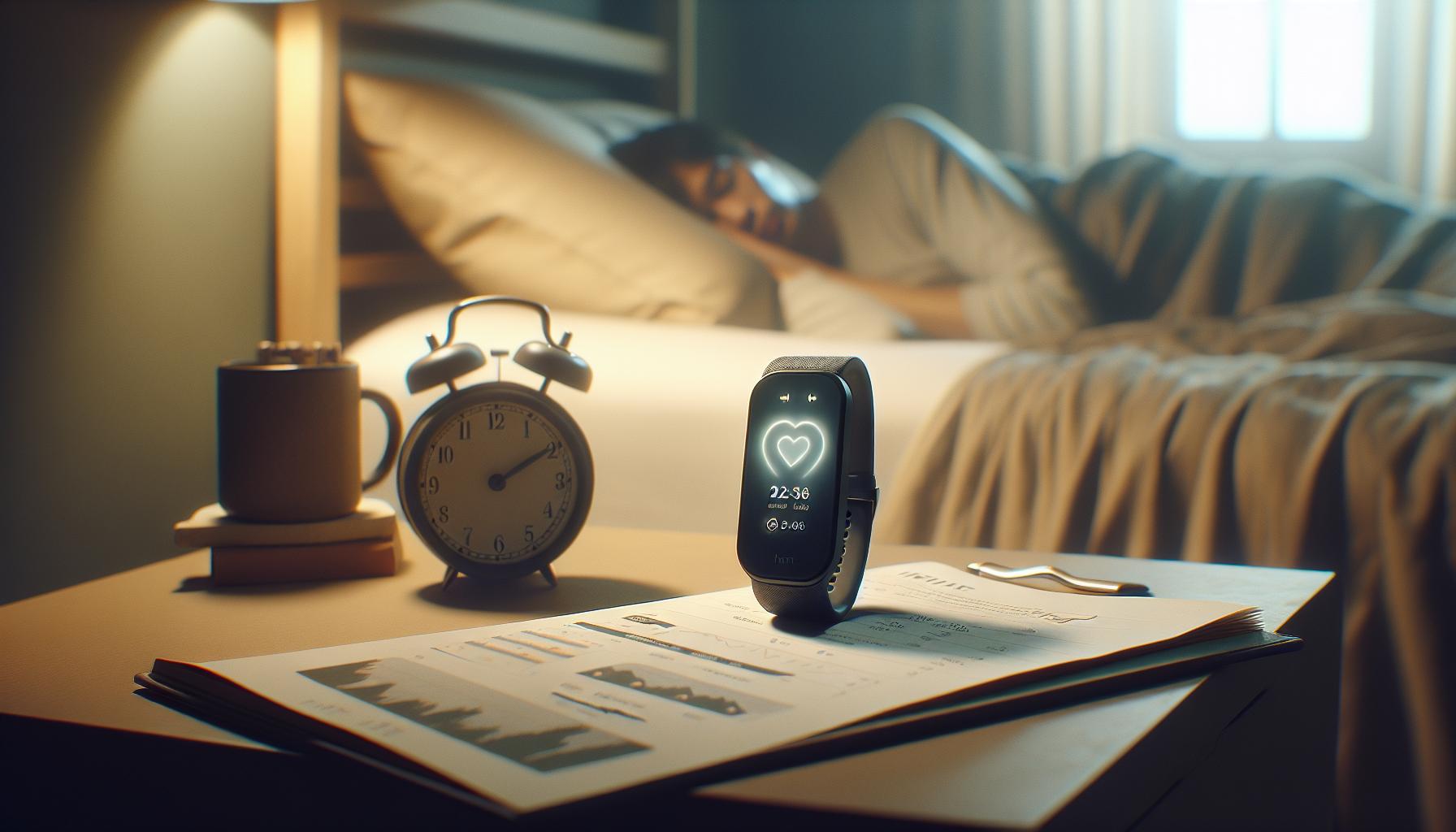
Key Features of Koretrak for Sleep Monitoring
The Koretrak device is designed to revolutionize the way you monitor your sleep, combining advanced technology with user-friendly features that empower you to enhance your sleep experience. One of its standout attributes is the comprehensive sleep analysis offered through detailed sleep stage tracking. With the capacity to differentiate between light, deep, and REM sleep, Koretrak provides insights into not just how long you’re sleeping, but how restorative that sleep truly is. This allows users to pinpoint areas for improvement and encourages healthier sleep habits over time.
Another notable feature is the heart rate variability (HRV) monitoring, which provides deeper insights into your sleep quality. By analyzing fluctuations in your heart rate throughout the night, Koretrak can offer a clearer picture of your body’s recovery processes during sleep. This aspect can be particularly beneficial for those looking to optimize their fitness routines or manage stress levels more effectively. The integration of movement tracking ensures that you’re aware of any disturbances that might be affecting your rest, helping users understand their nighttime behaviors.
The Koretrak app enhances the overall experience by making all this information easily accessible right at your fingertips. With intuitive graphs and metrics, you can quickly identify trends in your sleep patterns, set personal goals, and receive tailored recommendations based on your data. These features are rounded out by reminders and prompts that encourage you to maintain a regular sleep schedule, which can significantly improve overall sleep quality.
Finally, the device’s simplicity in setup and its comfortable wearability ensure that it doesn’t interfere with your sleep habits. The Koretrak can be worn like a standard wristwatch, making it a convenient option for anyone looking to start monitoring their sleep without the discomfort typically associated with other tracking devices. Whether you’re tackling sleep-related concerns or simply curious about your sleep habits, Koretrak’s key features offer a robust toolkit for achieving better rest and improving your wellbeing.
How to Prepare Your Device for Sleep Tracking
To optimize your experience with the Koretrak for sleep tracking, proper preparation of your device is key. Start by ensuring that your device is fully charged. A low battery can interrupt your sleep recording, diminishing your ability to gather accurate data throughout the night. Ideally, charge it to 100% prior to your sleep tracking nights, so you can rely on its functionality without interruptions.
Next, make sure you have the Koretrak app installed on your smartphone, as it acts as the hub for all sleep data and settings. After installation, create an account or log in, and synchronize your device with the app. This step allows for seamless data transfer and gives you access to real-time insights about your sleep patterns. During this synchronization, double-check your personal settings in the app to ensure that sleep tracking is enabled; this often involves setting preferences for notifications and reminders.
Another essential step is to adjust the fit of your device before bedtime. It should be snug enough to accurately track your movements and heart rate but not so tight that it causes discomfort during sleep. Ideally, wear it on your wrist as you would a watch; a comfortable fit is crucial for quality tracking. You might even want to test wearing it for a period during the day to adjust it according to your comfort level.
Finally, before heading to bed, create a conducive sleep environment. This includes dimming lights, reducing noise, and setting a regular bedtime that aligns with your personal schedule. Consider also establishing a wind-down routine, as relaxing pre-sleep habits can help improve the accuracy of your sleep data. The Koretrak not only tracks your sleep but also serves to remind you of the importance of sleep hygiene, ensuring you can derive the most benefit from your nighttime monitoring.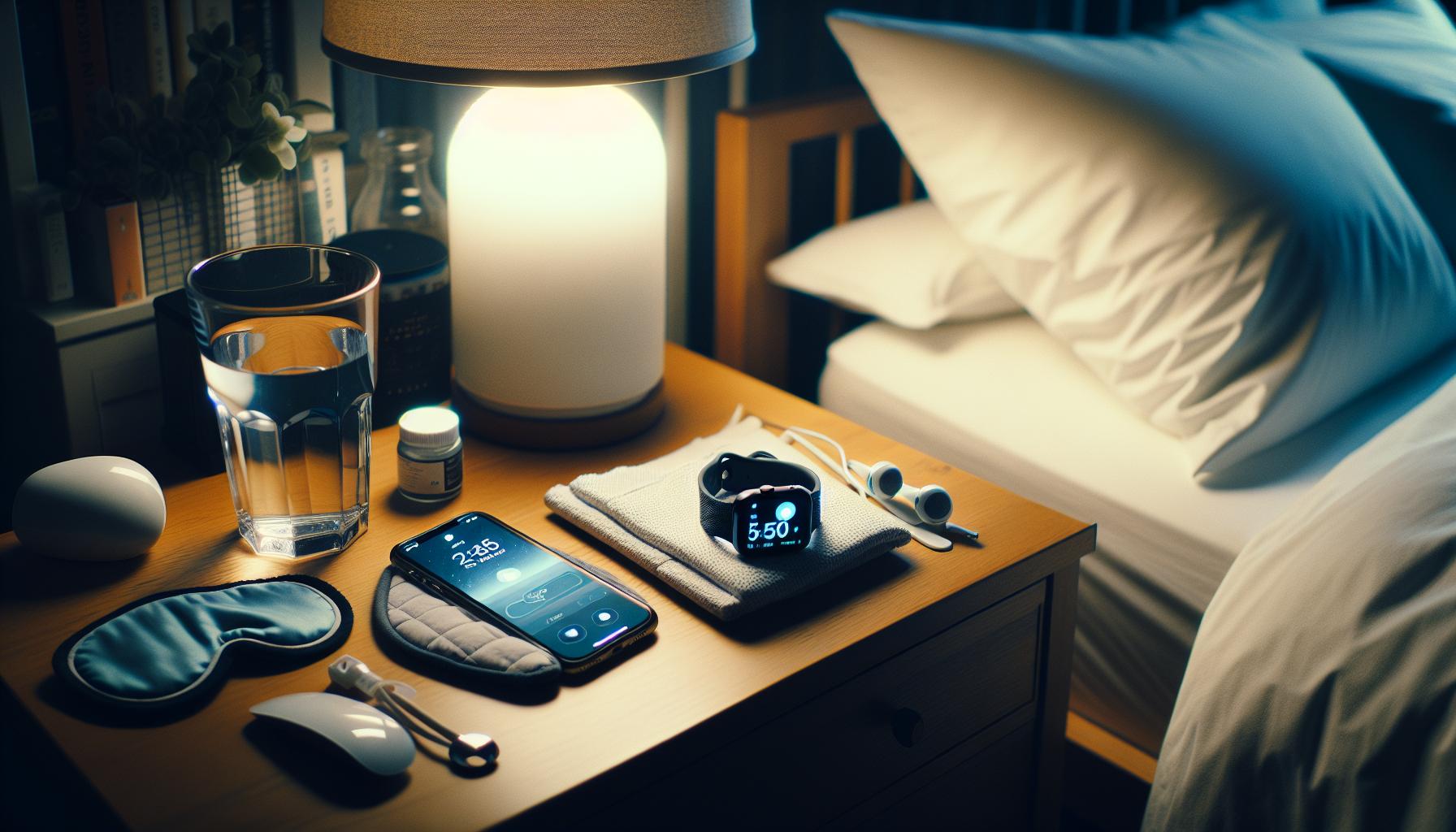
Step-by-Step Guide to Setting Up Sleep Tracking
To effectively set up the Koretrak for sleep tracking, you’ll want to follow a few straightforward steps that ensure accurate data collection every night. This process not only helps the device monitor your sleep patterns but also enables you to gain valuable insights into your sleep health.
Begin by ensuring your device is charged. A fully charged Koretrak is essential for uninterrupted tracking; ideally, you should charge it to 100% before your first night of tracking. Next, download the Koretrak app on your smartphone. This app will serve as the control center for your sleep monitoring activities. Once installed, create an account or log in. Synchronizing your device with the app is crucial-this step allows for seamless data transfer and provides real-time insights into your sleep patterns.
Next, focus on adjusting the fit of your device. It should be snug enough to monitor your movements and heart rate accurately but not so tight that it’s uncomfortable to wear overnight. The Koretrak is designed to be worn on your wrist, similar to a watch. Take the time to test its fit during the day to ensure it’s just right for sleeping.
Before bed, make sure your sleep environment is conducive to a good night’s rest. Dimming the lights, reducing noise, and sticking to a consistent bedtime routine can significantly enhance your sleep quality, and, in turn, the accuracy of the data collected by your Koretrak. Creating a calming pre-sleep ritual can set the stage for better sleep health as the device monitors not just sleep duration but also the quality of your sleep throughout the night. By following these steps, you’ll be well on your way to harnessing the full benefits of the Koretrak’s sleep tracking capabilities.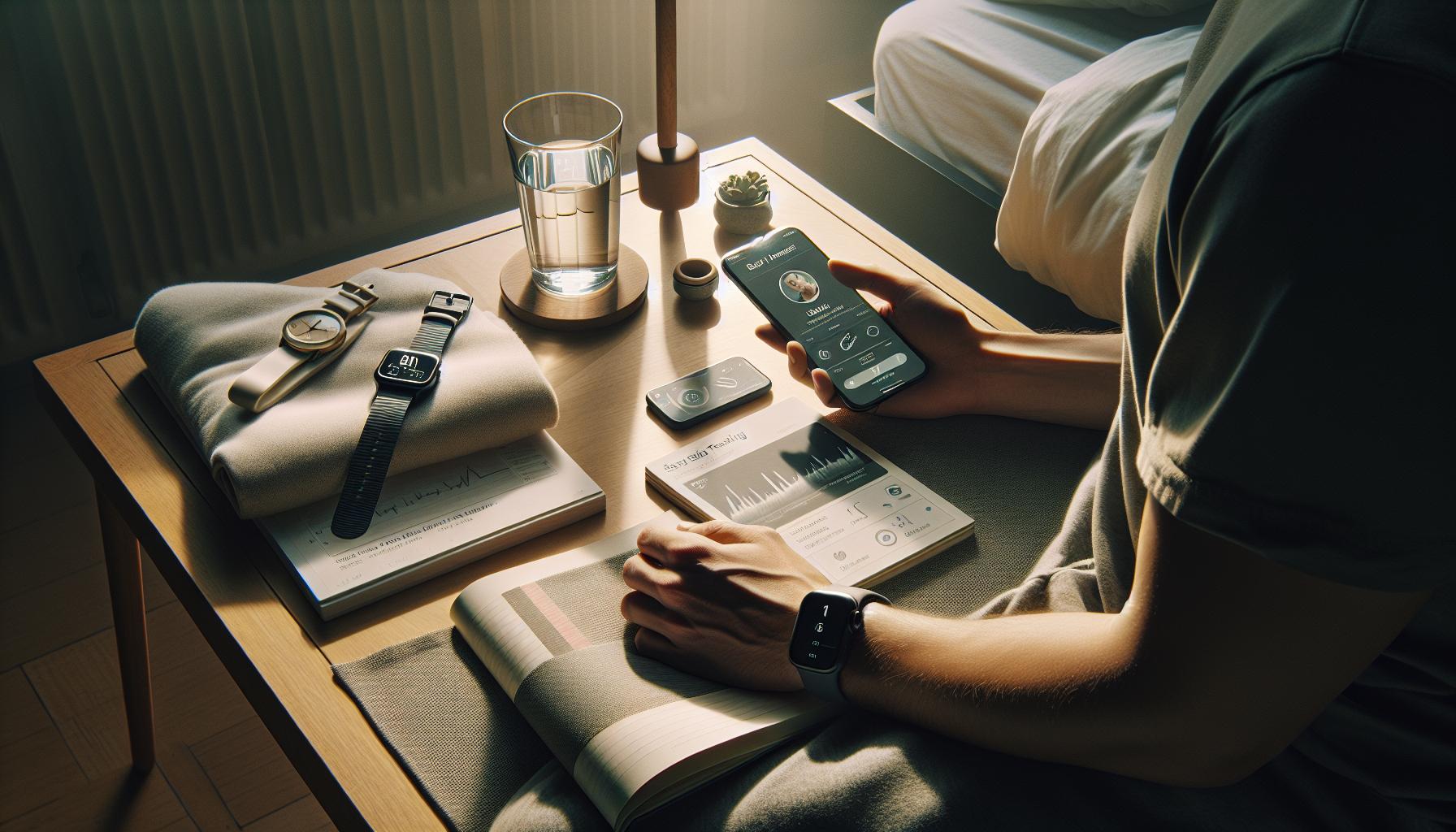
Maximizing Accuracy: Tips for Proper Wear
To get the most from your Koretrak’s sleep tracking capabilities, the way you wear your device is crucial. A well-fitted tracker can significantly enhance the accuracy of your sleep data, enabling you to gain clearer insights into your sleep patterns and overall health. Remember, the Koretrak is designed to function similarly to a traditional wristwatch, but certain adjustments can optimize its performance.
First and foremost, ensure that your Koretrak is snug but comfortable. If it’s too loose, it might not collect accurate data on your heart rate or movements during sleep. Conversely, a device that is overly tight can cause discomfort and could even disrupt your sleep. A properly fitted tracker should feel secure on your wrist without pinching or constricting blood flow. You might want to adjust the tightness based on your comfort level and activity. Try wearing it for a few hours prior to bedtime to find that perfect fit.
Another vital point is to consistently wear the device on the same wrist. This consistency allows the Koretrak to adapt and calibrate to your unique body metrics, improving the accuracy of its readings over time. Some users may switch wrists or not wear it at all on certain nights; this inconsistency can lead to data gaps or inaccurate readings of sleep duration and quality.
Consider Your Sleep Environment
In addition to proper fit, take your sleep environment into account. The device will perform optimally in a tranquil setting that minimizes disturbances. Ensure your sleep area is at a comfortable temperature, and try to limit light and noise as much as possible. By fostering a conducive sleep environment, you enhance not only your sleep quality but also the reliability of the data your Koretrak collects.
In conclusion, focusing on the proper wear and fit of your Koretrak can make a meaningful difference in your sleep tracking experience. By making simple adjustments and being mindful of your sleep setup, you empower the device to provide the most accurate insights into your sleep health. With these tips, you’re well on your way to harnessing the full potential of your Koretrak for better sleep monitoring.
Exploring Sleep Metrics: What You’ll Learn
Understanding the intricacies of sleep metrics collected by your Koretrak can be eye-opening. It’s not just a gadget; it’s a tool that sheds light on the quality of your rest. For example, the device provides insights into sleep stages, which include light, deep, and REM sleep. Understanding these stages is essential as they each play a critical role in how your body and mind recover overnight. By analyzing how much time you spend in each of these stages, you can identify patterns that affect your overall health and well-being.
A quintessential metric that Koretrak tracks is your total sleep duration. This data highlights how many hours you actually sleep, allowing you to compare it against the recommended amount for your age group. Furthermore, you can evaluate your sleep efficiency-the percentage of time you spend asleep compared to the time spent in bed. If this metric shows a low percentage, it might indicate difficulties in falling asleep or frequent awakenings during the night.
Another useful feature is the heart rate monitoring, which offers insight into your autonomic nervous system’s response during sleep. Changes in your heart rate while you sleep can signal stress levels, recovery from exercise, or potential underlying health issues. By reviewing trends over time, you can get a better understanding of how your daily habits influence your nightly recovery.
Lastly, Koretrak’s analysis of sleep interruptions can help you identify potential disturbances, whether they be environmental factors or changes in your physical health. Gathering this information allows for a more proactive approach in enhancing your sleep hygiene. You’ll be able to make informed adjustments to your sleep environment or routine, ultimately leading to better quality sleep.
To get the most out of these insights, it’s essential to engage with the data meaningfully. Regularly reviewing your metrics and correlating them with your daily lifestyle choices enables you to become an active participant in your sleep health journey.
Common Troubleshooting Tips for Users
Troubleshooting your Koretrak sleep tracking device can be essential to ensure you’re getting the most accurate and insightful data about your sleep patterns. Even the best technology can experience hiccups, so being prepared to handle common issues is crucial. Here are some practical tips to help you navigate potential obstacles and maximize your device’s performance.
One common issue users face is syncing problems between the Koretrak device and the companion app. If you notice that your sleep data is not updating, start by ensuring that Bluetooth is enabled on your smartphone and that your device is within range. If the problem persists, try restarting both your Koretrak device and the app. It may also help to uninstall and reinstall the app to reset the connection.
Battery life can also impact performance. If your device isn’t recording sleep data, check if the battery is charged. A simple rule of thumb is to charge your Koretrak regularly, especially before nights when you plan to track your sleep. If you’re frequently running low on power, consider adjusting your notification settings to conserve battery life during the night.
Sometimes, inaccurate sleep metrics may occur if the device is not worn correctly. Be sure to wear your Koretrak snugly on your wrist – too loose can lead to poor readings, while too tight may be uncomfortable. Adjusting the fit can significantly improve the accuracy of heart rate and sleep tracking metrics.
Lastly, remember to review the settings in the app. Make sure that sleep tracking is enabled and that the device is set to “Do Not Disturb” mode during your sleeping hours. This not only enhances sleep tracking accuracy but also prevents distractions from notifications. With these troubleshooting tips in mind, you’ll be better equipped to tackle any issues and optimize your sleep monitoring experience with Koretrak.
Integrating Koretrak with Sleep Health Practices
Integrating a sleep tracking device like Koretrak into your overall sleep health practices can significantly enhance your understanding of your sleep patterns and improve your sleep quality. By using this technology alongside healthy sleep habits, you can create a holistic approach to your sleep health.
One effective method is to establish a consistent bedtime routine. Research shows that pre-sleep rituals can greatly affect sleep quality. With Koretrak, you can track your sleep onset time and adjust your routine based on how long it takes you to fall asleep. Consider activities that promote relaxation, such as reading a book or practicing meditation, and monitor how they influence your sleep metrics recorded by Koretrak.
Another key area is awareness of lifestyle factors that impact sleep, such as diet and exercise. The data collected by Koretrak can help you make connections between what you eat or how you move during the day and your sleep quality at night. For instance, you may find that vigorous exercise improves your nightly deep sleep stages, while late-night caffeine consumption leads to disrupted sleep patterns. Keeping a sleep journal in tandem with your device can offer insights and guide adjustments to your daily habits.
Combining Data with Lifestyle Adjustments
To make the most of Koretrak’s sleep tracking capabilities, consider syncing the data with other aspects of your health. Many users report better results when they integrate insights from their device with mindfulness practices or relaxation techniques. For example:
- Mindfulness Meditation: Incorporate short meditation sessions into your day. Track your sleep scores on Koretrak to see if there’s a noted improvement in your sleep metrics.
- Balanced Nutrition: Maintain a sleep-friendly diet. Avoid heavy meals close to bedtime, and observe any changes in your sleep quality as recorded by Koretrak.
- Consistent Exercise: Schedule regular physical activity, and review how different types of workouts, such as aerobic versus strength training, affect your sleep.
Being proactive about your sleep health not only helps in utilizing Koretrak effectively but also empowers you to become more attuned to your body’s needs. By taking a comprehensive approach to sleep tracking, you can leverage technology to make informed decisions that enhance your overall well-being. This synergy between device data and lifestyle practices is essential for optimizing your sleep health journey.
Understanding Sleep Disorders and Their Impact
Sleep disorders affect millions of people worldwide, often manifesting in ways that can severely impact day-to-day functioning, mood, and health. Roughly 30% of adults report having experienced insomnia at some point, while conditions like sleep apnea can lead to serious complications if left untreated. Understanding these disorders is essential, especially if you are using Koretrak to monitor your sleep patterns.
Sleep disorders encompass a range of issues, including insomnia, sleep apnea, restless leg syndrome (RLS), and narcolepsy. Each condition has unique symptoms and can influence sleep quality in different ways. For example, those with insomnia may struggle to fall asleep or stay asleep, resulting in daytime fatigue and irritability. Conversely, sleep apnea can cause breathing disruptions during sleep, leading to snoring and severe fatigue despite a full night of sleep. Koretrak can help users identify patterns related to these disorders by tracking metrics such as sleep duration, interruptions, and overall sleep quality.
To maximize the benefits of your Koretrak device, it’s helpful to actively monitor any sleep-related symptoms you experience. Record your sleep data and take note of periods where you feel particularly restless or have difficulty maintaining sleep. You can look for correlations between your sleep figures and lifestyle choices or stress levels. If tracking reveals consistent problems, you may want to consult with a healthcare professional. They might recommend further evaluation, such as a sleep study, to rule out conditions like sleep apnea or other serious disorders.
Staying informed about your sleep health empowers you to make better decisions. While Koretrak provides valuable insights, it is not a diagnostic tool and cannot replace professional evaluation or treatment. If you notice persistent issues or if your quality of life is impacted, seeking professional help is crucial. Early intervention can lead to more effective treatment and a return to healthier sleep patterns, enhancing both daily functioning and overall well-being.
Real-Life Scenarios: When to Seek Professional Help
While the Koretrak is a powerful tool for monitoring sleep patterns, understanding when to seek professional help for sleep-related issues is equally vital. If you’re consistently waking up feeling unrefreshed or experiencing frequent disturbances during the night, it may be time to consider a deeper evaluation of your sleep health.
Many users may find that their Koretrak data reveals troubling patterns, such as a high number of awakenings or prolonged periods of restlessness. These metrics can be red flags, especially if they accompany other symptoms like excessive daytime sleepiness, difficulty concentrating, or mood changes. In these scenarios, consulting a healthcare provider is the next logical step. A professional can conduct a thorough assessment that may involve discussing your sleep habits, lifestyle, and medical history-a critical conversation that can lead to effective interventions.
Another indicator that it’s time to seek professional assistance could be the emergence of specific symptoms associated with sleep disorders. For instance, if you notice significant nightly snoring accompanied by choking or gasping episodes, this might suggest sleep apnea. If you find yourself unable to relax enough to sleep, or if you are frequently waking up at the same time every night without the ability to fall back asleep, insomnia may be at play. Both of these conditions can have serious health implications if left untreated, making it essential to seek a specialist who can recommend appropriate tests, such as polysomnography (sleep studies), to confirm the diagnosis and outline a treatment plan.
Remember, the Koretrak is designed to track disturbances and offer insights, but it’s not a substitute for professional diagnosis or treatment. While making lifestyle adjustments based on your device’s feedback is beneficial, take action when your overall well-being is at stake. Early intervention often leads to better treatment outcomes. Stay proactive about your sleep health by recognizing the signs that warrant professional attention, and don’t hesitate to reach out for help when necessary.
Comparing Koretrak to Other Sleep Trackers
When it comes to sleep tracking, choosing the right device is crucial for getting the most accurate and actionable insights. The Koretrak stands out in a crowded market, offering users a blend of usability and features tailored for sleep monitoring. However, it’s essential to compare it with other popular sleep trackers to ensure you’re making an informed choice.
Key Comparisons
| Feature | Koretrak | Fitbit Charge 5 | Withings Sleep |
|---|---|---|---|
| Heart Rate Monitoring | ✔️ | ✔️ | ✔️ |
| Sleep Stage Analysis | ✔️ | ✔️ | ✔️ |
| Smart Alarm | ✔️ | ✔️ | No |
| Battery Life | 5 days | 7 days | No battery (plugin device) |
| Price Range | $50-$60 | $150-$160 | $100 |
The Koretrak offers heart rate monitoring and sleep stage analysis similar to competitors like the Fitbit Charge 5 and Withings Sleep, but at a much more accessible price point. The Koretrak and Fitbit both include features like a smart alarm, which can wake you during a lighter sleep phase, helping you feel more refreshed. However, the Long battery life of the Fitbit offers an edge for those who prefer longevity over frequent charging, particularly for individuals who want to track their sleep without disruption.
User Experience and Data Interpretation
While Koretrak provides intuitive insights into your sleep patterns, it’s vital to understand how this data stacks up against the offerings from other devices. For example, Withings Sleep primarily operates via a pad placed under your mattress, making it less intrusive for users who dislike wearing devices to bed. It offers robust analytics but lacks the portable convenience of a wearable device like the Koretrak.
Moreover, the interpretation of data varies by tracker. The Koretrak tends to simplify its reporting, thus making it suitable for users who prefer straightforward insights without overwhelming technicalities. In contrast, more advanced devices might offer comprehensive data but at the cost of requiring more user engagement and understanding to decipher that information effectively.
Ultimately, understanding these distinctions can help you select the right tool based on your specific needs and preferences, leading to better sleep health outcomes. By comparing features, understand usage contexts, and evaluating how data is interpreted, you can make a smart and informed decision that aligns with your sleep goals.
User Reviews: Success Stories and Feedback
Many users have found success and satisfaction using the Koretrak sleep tracking device, with numerous reviews highlighting personal experiences and transformative benefits. The device’s affordability, at a price point between $50 and $60, has made it an attractive option for those looking to explore sleep monitoring without a hefty investment. Users have reported that the ease of setup is commendable, with many able to start tracking their sleep after just a few simple steps.
Real Experiences
One satisfied user noted, “I had been curious about my sleep patterns but didn’t want to spend a fortune on a tracker. With Koretrak, I quickly learned that I was waking up frequently during the night without realizing it. This insight motivated me to adjust my evening routine for better sleep quality.” Such feedback underscores the primary appeal of Koretrak: its ability to give users insights into their sleep habits, encouraging healthier sleep practices.
While many users praise the device’s features, some offered constructive feedback about areas for improvement. A few have mentioned that while heart rate monitoring and sleep stage analysis are beneficial, they would love to see an app update that enhances the interpretation of their sleep data. This highlights a common theme in wearable technology-the need for continuous improvement and software enhancements alongside hardware.
Community Insights
The online community around Koretrak has also proven helpful, with many sharing tips on maximizing the device’s efficacy. Recommendations for wearing the device snugly but comfortably during sleep have appeared frequently among user suggestions. Some users encourage new owners to regularly check for app updates to ensure they receive the best functionality from their device.
Ultimately, these shared experiences do not just help potential buyers understand what to expect; they create a sense of community among users, promoting a shared journey towards improved sleep health. Whether it’s tracking sleep stages to optimize bedtime routines or integrating insights into overall wellness, Koretrak users are forging paths to better rest, one night at a time.
Frequently Asked Questions
Q: How do I connect my Koretrak device to the app for sleep tracking?
A: To connect your Koretrak device to the app, download the Koretrak app and create an account. Switch on Bluetooth, then open the app and follow the prompts to pair your device. Ensure your device is nearby during this process for a successful connection.
Q: What sleep metrics does Koretrak monitor?
A: The Koretrak device tracks various sleep metrics including total sleep time, sleep stages (light, deep, REM), and sleep quality scores. Understanding these metrics helps you analyze your sleep patterns and improve your overall rest.
Q: How can I ensure accurate sleep tracking with Koretrak?
A: To maximize accuracy, wear your Koretrak device snugly on your wrist, ideally above your wrist bone. Follow the tips from the setup guide, such as ensuring a good fit and wearing it consistently during sleep for reliable data collection.
Q: What common issues might I encounter while setting up Koretrak?
A: Common issues include connectivity problems or inaccurate data tracking. If you experience these, try restarting the device and app, ensure your firmware is updated, and check that your wristband is snug on your wrist for optimal monitoring.
Q: Can Koretrak integrate with other health apps?
A: Yes, Koretrak can often integrate with other health apps, allowing you to sync sleep data and track your overall health. Check the app settings for options to connect with compatible health platforms such as Google Fit or Apple Health.
Q: How long does the battery last on a Koretrak device?
A: The battery life of the Koretrak device typically lasts up to 5-7 days on a full charge, depending on your usage and the frequency of syncing with the app. To ensure longevity, avoid frequent charging and utilize battery saver modes if available.
Q: What should I do if my Koretrak sleep data seems inaccurate?
A: If your sleep data is inaccurate, first ensure the device is worn correctly and that the app is updated. Review the troubleshooting tips in the manual, clear the app’s cache, or recalibrate the device if necessary. Consistent wearing habits will improve tracking accuracy.
Q: Why is it important to track sleep with Koretrak?
A: Tracking sleep with Koretrak helps you identify patterns and build better sleep habits. It provides insights into your sleep quality and allows you to take actionable steps to improve rest, which is crucial for overall health and well-being. For more information, see the “Exploring Sleep Metrics” section of the guide.
To Wrap It Up
Now that you have a comprehensive understanding of how to set up Koretrak sleep tracking, it’s time to take control of your sleep health. By utilizing this guide, you’re equipped to enhance your sleep quality and monitor vital patterns that affect your rest. Don’t wait-start tracking your sleep tonight and discover insights that could transform your life.
For more in-depth guidance, check out our related articles on troubleshooting common wearable device issues or understanding how polysomnography works. If you’re looking for tailored advice or want to explore sleep studies further, consider signing up for our newsletter for expert tips and the latest updates in sleep technology.
Your sleep health journey starts here. Share your thoughts below or connect with us on social media-your experiences could help others just like you! Remember, every night is an opportunity for better rest. Let’s make it count!
Get our latest guides, news, and insights highlighted in your Google Search & AI Overviews.